

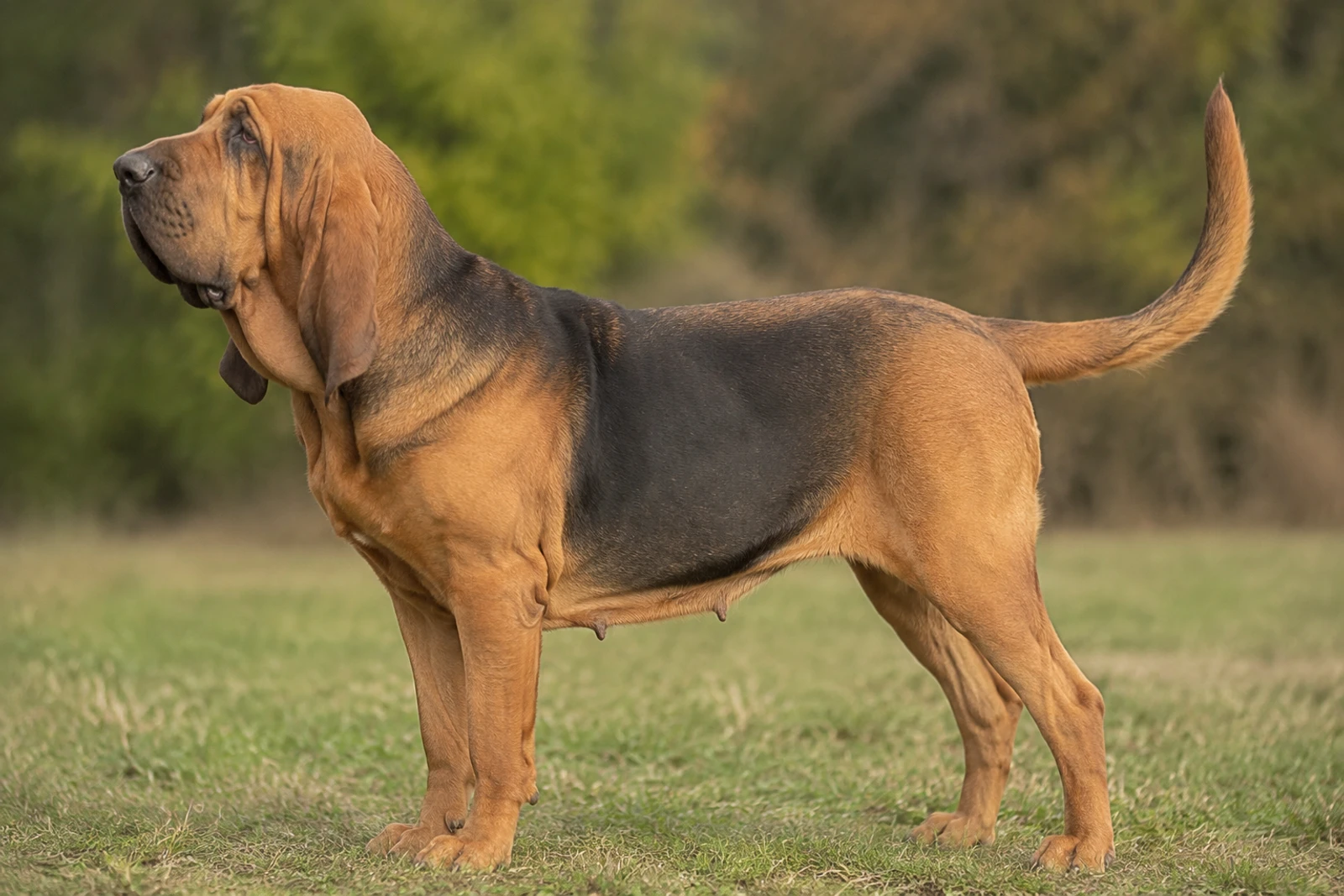
The Bloodhound is a gentle giant famed for its unmatched sense of smell. Ideal for active families who appreciate a calm, affectionate companion indoors and can handle a determined, drooly tracker outdoors. They suit patient owners with space, ready for a loyal but independent hound that thrives on scent work and long walks, not fast-paced training. Best for homes without neighbors disturbed by loud baying, and where a dedicated owner embraces their messy, noble nature.
Bloodhound Sticker Pack
36 cartoon stickers • transparent PNG • no watermark
Pinterest-ready
Share all 36 reactions as one sticker sheet
Pinterest opens with the full pack and a fresh, tailored description. You choose the public board and publish it from your own account.
Save the full pack


Choose one reaction above to share it alone, or use the full-pack button for all 36 together.

































Free full-resolution download — no account, no payment, no watermark.
Includes all 36 transparent PNG stickers in one ZIP. A quick human check is required for each download.
At a glance
- Size
- Giant
- Height
- 23–27 in
- Weight
- 79–110 lb
- Life span
- 10–12 years
- Coat colors
- Black and tan, Liver and tan, Red
- Coat type
- Short, dense smooth coat
How much does a Bloodhound cost?
Adopt / rescue
$75–$400
Usually includes spay/neuter, first shots, and a microchip.
Buy from a breeder
$700–$2,000
From a reputable, health-testing breeder.
Approximate USD. Prices vary widely by region, breeder, pedigree, age, and coat colour — adopting is the lower-cost and recommended route. Avoid suspiciously cheap “breeders”; they’re often puppy mills.
Estimate the full cost of a Bloodhound →Want the ongoing number? Estimate the monthly food bill for a Bloodhound with our dog food cost calculator.
Bloodhound photos
Views
Front, side, rear and top — the full silhouette.Poses
How the breed sits, lies, moves and plays.Puppy to senior
The breed across its whole life.Expressions
The breed’s range of moods.Close-up details
Eyes, ears, nose, paws, tail and coat.Coat colors
The breed’s recognized colors.Click any photo to enlarge. We show the Bloodhound from every angle — three views, poses, life stages, expressions, close-ups, coat and colors.
Appearance & size
A Bloodhound doesn’t just walk into a room — he flows in, ears swinging, wrinkles folding and unfolding, and that big, solemn muzzle sweeping the ground like a Geiger counter for scent. This is a giant breed built for endurance and deep-chested stamina, not towering height. Males usually stand 23 to 27 inches at the shoulder and weigh anywhere from 90 to 110 pounds; females are often an inch shorter and hover between 79 and 100 pounds. Bone is heavy, muscle is dense, and every part of the frame says traction and staying power.
The body is rectangular and slightly longer than tall, with a straight, solid back that just barely arches over the loin. The chest is deep, reaching down to the elbows, and the ribs spring well back into a strong loin. Shoulders are muscular and long-laid, and the hindquarters pack the real driving power — thick thighs, well-bent stifles, and heavy hocks that push the dog forward at a steady, tireless trot with a distinctive, ground-covering reach.
The coat is short, dense, and hard to the touch, lying smooth over the body while folding into loose, elastic skin that hangs in deep pendulous wrinkles everywhere — especially around the face, neck, and throat. The dewlap, that heavy fold of skin under the jaw, is so profuse it can nearly drag when the head drops to work a trail. Acceptable colors are black and tan, liver and tan, and red. In the darker coats, you often see a black saddle spread over the back and sides, with rich rust markings on the face, legs, and chest. A small white patch on the chest, toes, or tail tip is allowed but not necessary.
The head is the centerpiece. From the front, it’s massive and narrow-skulled, with a long, deep foreface and a pronounced occiput at the back of the skull. The eyes are deeply sunken, diamond-shaped because of the drooping lower lids, showing a visible haw. Their color matches the coat — hazel to deep brown — and the expression is soft and slightly mournful, never hostile. The ears are set low, fall in long, velvety, folded flaps, and when pulled forward easily extend past the nose. From the side, the Roman-nosed muzzle, loose flews that fall cleanly below the lower jaw, and that abundant dewlap give the profile a noble, ancient gravity. The tail is set high on the rump, thick at the base and tapering, carried saber-like with a slight upward curve and a brush of longer hair on the underside. From the rear, you see the heavy-boned hind legs set parallel, the skin still folding loosely over the croup and upper thighs, and that distinctive tail hanging in a gentle sickle when the dog isn’t in motion.
History & origin
The Bloodhound’s story starts not in a kennel but in a monastery. Sometime around the 7th century, monks at the Abbey of Saint-Hubert in what is now Belgium set out to create a hound with an almost miraculous nose. They bred large, tireless scent hounds that became known as St. Hubert Hounds, and those dogs laid the genetic foundation for every Bloodhound alive today.
When the Normans crossed the Channel in 1066, they brought these hounds to England. Over generations, English breeders shaped them into a longer-eared, more wrinkled dog built for the damp, cool woodlands of northern Europe. The name “Bloodhound” first appeared in writing around 1330—not because the dog trailed blood but from “blooded hound,” meaning a hound of noble ancestry, carefully kept pure.
From the start, the breed’s job was singular: follow a trail no other creature could perceive. A Bloodhound can discriminate a single human scent days after it was laid, across pavement, through water, and among thousands of competing smells. That talent made them indispensable for tracking poachers and, increasingly, for hunting down criminals and lost people. By the 16th century, English courts accepted a Bloodhound’s trailing as legitimate evidence, and the dogs were used to find escaped prisoners and missing children. Shakespeare even referenced the breed’s tracking prowess in A Midsummer Night’s Dream.
The first Bloodhounds reached America in the early 19th century, though some accounts place individual imports even earlier. They quickly earned a reputation for relentless pursuit across the Southern swamps and along the frontier. The American Kennel Club recognized the breed in 1885, and by the 20th century Bloodhounds were regularly assisting law enforcement and search-and-rescue teams.
Today’s Bloodhound is still a working scent trailer at heart, but he’s just as likely to be a drooling, placid family companion. His ancient monastic bloodline has produced a dog that can lock onto a trail with a focus that borders on obsession, yet settle into an easygoing house pet as soon as the work—or the walk—is done.
Temperament & personality
You don’t so much own a Bloodhound as you agree to follow their nose. This is a dog built to find, and that single-mindedness defines almost everything about living with one.
At home, a well-exercised Bloodhound is surprisingly calm — a 100-pound floor rug that will snore through the afternoon. They lean into affection with their whole body, pressing a massive, wrinkled head into your lap and sighing contentedly. A relaxed Bloodhound’s body is loose, eyes soft, ears hanging heavy. They’re gentle giants around respectful children, but 80 to 110 pounds of excited dog can accidentally level a toddler, so supervision matters. They tend to get along with other dogs, though food bowls deserve a wide buffer zone. Teach kids to let the dog eat in peace — interrupting a meal can trigger a guarding response you don’t want to deal with.
Energy is deceptive. A Bloodhound won’t bounce off the walls like a herder, but they carry immense stamina when a scent trail hooks them. A lazy 20-minute stroll isn’t nearly enough. They need long, sniff-focused walks or fenced-in romps where they can exhaust that nose. Without that outlet, the breed invents its own jobs: dismantling couches, eating drywall, or baying an alarm that carries three blocks. That famous bay — a deep, resonant bawl — was bred to guide hunters across miles. It works just as effectively to announce a squirrel on the fence or the unforgivable five minutes you’ve been getting the mail.
Stubbornness comes standard, but force backfires. Bloodhounds learn voluntarily when you’re consistent and calm, not when you raise your voice. A forward-leaning posture, stiff body, and direct stare? That’s not defiance — it’s usually the prelude to surging ahead after a scent. You redirect, you don’t wrestle. Leave one in the backyard without a secure six-foot fence, and that nose will take them on an unplanned tour of the county. They’ll lean into a trail with a center of gravity that says “I’m leaving now,” and argument rarely wins.
The nose writes all the quirks. A Bloodhound catalogues the world through scent, so they may urine-mark in the house if they still smell past accidents — enzyme cleaners are mandatory, not optional. A scent memory can trigger sudden excitement or wariness: an old trauma associated with a particular cologne or cleaner can make them shy away for no obvious reason. And yes, they roll in dead things. It’s not a flaw; it’s a hardwired celebration of something truly ripe, like a scavenger hitting the jackpot. You’ll need a strong stomach and a good shampoo routine.
They don’t guard in the traditional sense. A Bloodhound may bay at a stranger’s approach, but then the tail wags and they’re leaning in for a sniff, all suspicion forgotten. Loneliness, on the other hand, is their kryptonite. Left isolated for long stretches, a Bloodhound can unravel into anxiety-driven howling or destructiveness. They stay most content when they’re part of the household’s daily rhythm, slumped against the sofa with the family’s scent all around them — because that’s their real territory, more than any fence line.
Good with kids, dogs & other pets
A calm, unflappable giant—that’s the Bloodhound around children. They’re naturally non-aggressive and patient, rarely startled into snapping. But their weight (79–110 lb) and that windmill of a tail mean they can knock a toddler flat without noticing. Supervision with small kids isn’t optional; it’s just good sense. Teach children to give the dog space during meals and not to tug those long, soft ears. The upside: a Bloodhound who grows up with gentle handling becomes a remarkably tolerant family member, willing to endure sticky fingers and clumsy hugs that would send other breeds walking away.
With other dogs, the breed’s pack-friendly instincts usually shine. They were developed to work in groups, so a well-socialized Bloodhound enjoys canine company. The magic window is early—puppyhood introductions to friendly, vaccinated dogs before 12–16 weeks pay off in a lifetime of easy greetings. Miss that window and you can still make progress, but forced meet-and-greets backfire; let him warm up at his own pace. A second, stable dog at home often helps, since Bloodhounds hate being left alone for long stretches. Just don’t assume every dog park will be a lovefest. A giant, droopy hound charging up to say hello can intimidate smaller dogs, so watch body language.
Cats and small pets get more complicated. That world-class nose means a darting cat reads as something to follow—often with a baying announcement. Many Bloodhounds live peacefully with indoor cats they’ve known since puppyhood, especially when introductions happen gradually and with treats. Outdoor cats, rabbits, or any pocket pet that scampers? Assume the nose will engage and the brain will check out. It’s not aggression; it’s deep, ancient instinct. Never leave a Bloodhound unsupervised with small animals, and be prepared for the possibility that coexistence simply won’t work. For homes with guinea pigs or free-roaming ferrets, solid management (baby gates, separate rooms) is the realistic default. A dog who drools on the cat and then ignores it is your win condition; chasing means you’ve got a long, slow road of counter-conditioning ahead.
Trainability & intelligence
A Bloodhound is brilliant, but his brilliance is single-minded: he was built to follow a scent, not your commands. He can learn household manners and basic cues, yet the second his nose catches an interesting trail, his brain disconnects from your voice. That isn’t stubbornness in the usual sense — it’s a thousand years of selective breeding putting his olfactory system firmly in charge.
- Trainability is less about “biddability” and more about scent drive. He’ll pick up “sit” and “down” readily when you hold a smelly treat, but repeating a command while he’s tracking something across the yard often gets you ignored completely.
- Motivation craters if the reward doesn’t compete with the environment. A dry biscuit means nothing when the scent of a raccoon is in the grass. You’ll need high-value reinforcers — tiny pieces of hot dog, a squeaky toy, or a burst of play — and you’ll need them consistently.
Training that actually works leans hard on relationship, not authority. This is a sensitive giant who shuts down if you raise your voice or yank his collar. Positive, reward-based methods build the trust that makes him willing to check in with you. Short sessions (five to ten minutes), started the day you bring your puppy home, keep his brain engaged without breeding frustration. Mark the exact moment he gets it right — a clicker or a cheerful “yes” — and pay generously. Punishment only teaches him that you’re unpredictable, and a 100-pound dog who no longer trusts his handler is dangerous in a different way.
The recall problem is real. Bloodhounds can’t be off-leash in unfenced areas unless you’ve dedicated months to proofing a rock-solid emergency recall under increasing distractions, and even then many owners never get there. A long training line gives him freedom to sniff while you keep a physical connection. Plan on management being your main safety net.
- Early socialization is non-negotiable. From 3 to 14 weeks, expose him gradually to different people, sounds, surfaces, and calm dogs. A poorly socialized Bloodhound can become suspicious or fearful, and a fearful giant is hard to handle. Ongoing positive experiences through adulthood prevent that edge.
- Use his nose to your advantage. Hide his meals, teach him to find a specific toy by name, or enroll in a formal nose-work class. He lights up when the job matches his wiring, and you’ll see a whole different dog — focused, happy, and surprisingly cooperative.
If you go in expecting a Golden Retriever’s eagerness to please, you’ll be disappointed. Accept that your Bloodhound’s nose will sometimes veto your voice, keep your expectations realistic, and lean into the scent games he was born to play.
Exercise & energy needs
A Bloodhound isn’t a jogging partner—he’s a olfactory athlete who thrives on long, meandering walks where he can put his nose to work. Plan on 60 to 90 minutes of daily exercise, split into at least two sessions. A single brisk loop around the block won’t cut it; this breed needs time to stop, sniff, and process every scent trail he encounters. A long line in a safe open area lets him follow his nose without pulling you off your feet.
Mental stimulation matters just as much as mileage. Without it, a bored Bloodhound can turn to baying, digging, or redecorating your kitchen. Build short scent games into each day: hide a smelly treat or a favorite toy and let him “find it,” or scatter his kibble in the grass so he has to hunt for every piece. Formal nose work classes, tracking trials, or even joining a local search-and-rescue group are all excellent outlets that match his natural drive.
Because that massive frame puts stress on growing joints and can be prone to hip and elbow dysplasia, avoid high-impact exercise—no leaping for frisbees or forced running on pavement, especially during the first 18 months. Keep him lean; extra weight on a 79–110 lb dog accelerates joint wear. After meals, wait at least an hour before exercise to lower the risk of bloat, a life-threatening emergency in deep-chested dogs. Watch him closely in heat, too. Those heavy jowls and loose skin make him overheat faster than you’d think.
When his nose is satisfied, a Bloodhound typically becomes a calm, even lazy, house companion. But if you’re short on time, a flirt pole with a rabbit-scented lure or a frozen food-stuffed puzzle toy can take the edge off on a rainy afternoon. The real non-negotiable is letting him do what he was bred for: smell the world at his own pace.
Grooming & coat care
That wrinkly face and those long, velvety ears practically collect trouble—so your grooming routine starts with ears, not a brush. Bloodhounds are notorious for ear infections and yeast buildup. Flip those heavy ears back at least once a week to check for redness, gunk, or a funky smell. After a bath, a swim, or a long walk in wet grass, dry the inner flap thoroughly with a clean cloth. A weekly wipe with a vet-approved ear cleaner keeps things healthy, but never dig around with a cotton swab.
Twice-weekly brushing is all the short, smooth coat really needs. A bristle brush or a rubber hound glove pulls out loose hair and spreads natural oils, giving the coat a nice gleam. It also grabs dust and light debris before they end up on your sofa. Shedding is moderate and steady year-round, with a slight uptick in spring and fall. During those heavier shedding windows, bump the brushing to every other day to stay ahead of the tumbleweeds.
Bathing is strictly an as-needed event—maybe every 8 to 12 weeks, or when your dog rolls in something rank. Over-bathing strips the skin’s barrier and can trigger dry, flaky patches between those famous wrinkles. Use a mild, dog-specific shampoo and rinse twice; shampoo residue loves to hide in the folds. Afterward, dry the dog thoroughly with a towel, paying extra attention to the skin creases around the neck, face, and elbows. Damp folds invite irritation and bacterial growth, so a quick wipe with a dry cloth or unscented baby wipe between baths helps keep the “houndy” odor in check.
No trimming is required—their coat is wash-and-wear. The loose skin and dewlap don’t need any special cutting either, just a routine wipedown.
Nails grow fast on a giant breed that prefers sniffing in the grass over wearing them down on pavement. Aim to trim or grind them every 3 to 4 weeks. If you hear clicking on the floor, you’re overdue. Long nails can torque the toes and make walking uncomfortable, which is the last thing a scent-driven dog needs. Teeth should be brushed at least two to three times a week with an enzymatic dog toothpaste; bloodhounds aren’t more prone to dental drama than other breeds, but ignoring it leads to expensive cleanings down the road.
In cold, wet weather, the short coat offers little protection. A waterproof, easy-to-clean coat or sweater is more about hygiene than fashion—it spares you from toweling mud out of every wrinkle after a soggy walk. In summer, just give them shade and water; that single coat sheds heat decently on its own.
Shedding & allergies
The short, smooth coat is deceptive. Bloodhounds shed a ton, all year long. You’ll find wiry little hairs woven into upholstery, sticking to dark clothes, and drifting across hard floors no matter how often you sweep. Come spring and fall, the shedding ratchets up into a full-blown seasonal blowout, when you can pull handfuls of loose coat out with a rubber curry brush.
That’s only half the picture. The drool is a bigger daily factor. Bloodhounds have famously loose, moist flews, and a head shake sends long strands of slobber onto walls, ceilings, and people. Plan on keeping dedicated drool rags in every room and wiping down surfaces frequently. The noise and mess of a good shake after drinking or eating is part of living with the breed.
There’s no such thing as a hypoallergenic Bloodhound. Their dander and saliva both carry the proteins that trigger reactions. If someone in your home has dog allergies, the combination of constant shedding and prolific drool makes this a high-exposure environment. Regular brushing outdoors and frequent baths can minimize loose hair and skin cells, but you’ll never eliminate the layer of fine fur on the floor or the gooey aftermath of a long drink. For a person who values a tidy, fur-free house, this breed will test your patience daily.
Diet & nutrition
A Bloodhound’s nose rules everything — including how fast they’ll find a way into the food bin. Most are powerfully food-driven, which makes them easy to train but also sets them up for weight problems the moment portions get sloppy. On a giant frame carrying 79–110 pounds, extra weight directly punishes growing joints and can shorten a lifespan that already averages just 10–12 years. Keeping your hound lean isn’t about deprivation; it’s about precision.
- Puppy feeding schedule: Start with four evenly spaced meals a day until four months old, then drop to three meals until six months. After that, two meals a day is the adult pattern. Transition a puppy gradually by offering lightly cooked, puréed meats, fish, fruits, and vegetables alongside a quality giant-breed puppy kibble. Raw items like chicken wings can be introduced around twelve weeks under close supervision.
- Adult portions: Exact amounts depend on the dog’s weight, metabolism, and exercise, not the back of a bag. Use a kitchen scale for consistency. If your hound inhales meals, a food puzzle bowl slows them down and gives that brain a quick workout. For home-prepared diets, aim for roughly 60% meat (raw or cooked), 20–30% fruit and vegetables, and 10% other add-ins like eggs, plain yogurt, or grains such as pearl barley or white rice. Puréeing or blending the mix improves nutrient absorption because dogs’ jaws can’t chew horizontally and they lack salivary enzymes to break down plant matter.
- Weight management: Obesity is the quiet threat here, especially for a breed already prone to joint stress. Cut back gradually if ribs disappear under a layer of padding. Even slim Bloodhounds should never be fed from the table — that single successful begging incident creates a habit that’s maddeningly hard to undo.
- Senior dogs: Older, less active hounds often do better on smaller, more frequent meals. There’s no solid reason to slash protein just because the dog is aging, but you do need to watch the scale and reduce total daily food as activity fades. Purée meals for seniors with missing teeth or sensitive mouths.
- What to avoid: Excessively rich, fatty meals — particularly after holidays — can trigger pancreatitis. Plain, species-appropriate food keeps the engine running without the risk.
Leftovers go in the dog’s own bowl, not from your fork. That simple rule and a measuring cup do more for a Bloodhound’s health than any expensive supplement.
Health & lifespan
A healthy Bloodhound typically lives 10 to 12 years. That’s solid for a giant breed, and you can tilt those odds closer to the upper end by getting ahead of a few well-known weak spots.
The emergency every owner needs to know is bloat (gastric dilatation-volvulus). With their deep, narrow chest, a Bloodhound’s stomach can twist after gulping air or food, cutting off blood flow. It kills fast without immediate surgery. Feed two smaller meals instead of one giant heap, use an elevated bowl only if your vet advises it, and keep your dog quiet for an hour after eating. Some owners opt for a preventive gastropexy (tacking the stomach) during spay or neuter — a conversation worth having.
Those droopy, expressive eyes can roll inward (entropion) or sag outward (ectropion), causing chronic irritation. Responsible breeders have their adults’ eyes screened annually by a veterinary ophthalmologist. Ear infections are another frequent headache. The long, velvet ears trap moisture and grime, so a weekly sniff-and-clean with a vet-approved solution is non-negotiable. Likewise, the skin folds around the face and neck collect yeast and bacteria; a quick daily wipe with a damp cloth, then thoroughly drying, prevents a painful, smelly dermatitis.
As a heavy, fast-growing giant, the breed can be prone to hip and elbow dysplasia. Keeping a puppy lean — you should always be able to feel ribs without pressing hard — reduces stress on developing joints. Ask a breeder for OFA or PennHIP scores on both parents; don’t accept anything less. Hypothyroidism and certain heart conditions like aortic stenosis also lurk in the gene pool, so a thorough cardiac exam and thyroid panel should be part of a responsible screening program.
Monthly heartworm prevention during mosquito season (and a month after) is just basic giant-breed housekeeping. A rabies vaccine is the law, not optional. And because a full-grown Bloodhound can tip the scale at 110 pounds, even a few extra pounds chew up joint cartilage faster. Track his weight, adjust portions, and remember that a slow, thoughtful dog can still pack away calories like a Lab. Yearly bloodwork and vet exams catch thyroid shifts and subtle heart changes while there’s still time to act. Notice if he’s suddenly reluctant to jump in the car or rubbing his face — that’s your cue to book an appointment before a small issue becomes an expensive one.
Living environment
Apartment vs. house
A Bloodhound in an apartment is a losing equation for everyone. These dogs tip the scales at 79–110 pounds, and their legendary bay—deep, rolling, and surprisingly loud—will pierce drywall and neighborly goodwill in seconds. You need a house, ideally a detached single-family home where the distance between you and the next property gives everyone a break.
Yard and security
A fenced yard isn’t optional; it’s your first line of defense. Bloodhounds follow their nose with a single-mindedness that erases recall training the moment a scent grabs them. A fence shorter than 6 feet is barely a hurdle. Chain link lets them see the squirrel that just launched their drive, so a solid privacy fence does double duty: it blocks visual triggers and traps some of the noise. Go another step and bury wire mesh or install dig skirting along the base—these dogs will excavate if the scent trail goes underground.
Climate comfort
That short, sleek coat isn’t built for real cold. Once temperatures dip below freezing, limit outdoor sessions and throw on a dog coat. Heat is less dangerous but still demands caution: Bloodhounds can overheat quickly when they’re working a trail with that heavy, panting breath. In summer, walk early or late, keep water and shade available, and never leave them unattended on hot pavement or in a stuffy yard.
Noise and the neighbors
The bay is the breed’s built-in megaphone. It’s not an occasional woof—it’s a resonant announcement of anything interesting: a knock at the door, a stray cat, a whiff of something three blocks over. Even in a house with a yard, neighbors will hear it. If close quarters are part of your reality, a Bloodhound will likely strain relationships, no matter how friendly the dog himself is.
Tolerance for alone time
Bloodhounds glue themselves to their people, and they don’t handle long stretches of solitude gracefully. Left alone too many hours, they often slide into howling, destructive chewing, or digging—a loud, messy signal that they’re miserable. This is a breed that thrives with someone home much of the day. When absences are unavoidable, a hard run and a scent puzzle or stuffed Kong before you leave can dim the stress, but it’s not a fix for a 9-to-5 gone-all-day household. The real solution is a living situation where your Bloodhound is part of the pack around the clock.
Who this breed suits
If you’re the sort of person who finds joy in a dog that experiences the world nose-first—shoving that magnificent face into every bush, puddle, and open pantry door—the Bloodhound might be your kind of chaos. This is a giant tracker built for marathon sniff sessions, not sprinting. A long, meandering walk where your dog gets to follow scent trails for a solid hour satisfies far more than a quick jog around the block. You’ll need a securely fenced yard; these dogs will follow a scent right into the street without a second thought, and reliable off-leash recall is a fantasy for most.
They’re famously patient and gentle with children, but a happy 100-pound dog can accidentally knock over a toddler. Homes with older kids who can handle the occasional bump make more sense. Singles and couples who want a devoted, somewhat goofy companion and can commit to consistent, reward-based training will do well—just accept that a Bloodhound’s “sit” often comes after a brief internal debate. First-time owners can succeed if they have a high tolerance for stubbornness and an appreciation for a dog that is independent without being aloof. Seniors should be realistic about handling a strong dog on a leash when a squirrel appears.
Who should think twice:
- You prize a quiet household. Bloodhounds bay—deep, resonant, and sometimes just because a leaf moved. Apartment living rarely works.
- A spotless home is non-negotiable. Drool ropes appear on walls, ceilings, and pants; shedding is constant.
- You expect crisp obedience or off-leash reliability. A scent trumps every command.
- You’re gone long hours. A bored Bloodhound can redecorate with couch cushions and excavate a door frame.
The right owner finds the drool, the noise, and the nose-led stubbornness a fair trade for the breed’s deep, affectionate bond—and keeps a slobber rag in every room.
Cost of ownership
You’ll pay for that legendary nose through both the upfront price and the long-haul care. From a breeder who screens hips, elbows, eyes, and cardiac health, a Bloodhound puppy typically lands between $1,200 and $2,500. Show prospects or pups from champion tracking lines can climb higher. You’ll occasionally see lower prices from less rigorous sources, but skipping health clearances in a giant breed is a gamble that often backfires in vet bills later. Expect to get on a waitlist—responsible litters aren’t churned out.
Once the dog is home, the real math kicks in. This is a 79–110 lb dog with a cavernous stomach and a metabolism that powers marathon scent trails.
- Food: A high-quality large-breed kibble runs $80–$120 a month. Many Bloodhounds eat 4–5 cups daily split into two meals (never one giant meal; bloat is a very real threat). Giant-breed formulas help manage growth rate and joint stress. Factor in treat costs for training and that legendary food drive—you’ll use plenty.
- Veterinary and preventive care: Annual exams, core vaccines, heartworm, flea, and tick prevention average out to roughly $50–$80 per month. Bloodhounds can be prone to gastric dilatation-volvulus (GDV, or bloat), hip and elbow dysplasia, ear infections, and skin-fold dermatitis. A single emergency GDV surgery can run $3,000–$7,000, so having a financial cushion or pet insurance is not a luxury.
- Pet insurance: For a giant breed with known hereditary risks, expect $45–$80 monthly for a solid accident-and-illness policy with a reasonable deductible. Comparing insurers early—before any pre-existing conditions show up—is worth the time.
- Grooming and supplies: The short coat is low-maintenance, but those long, floppy ears trap moisture and need weekly cleaning to ward off infections. A professional bath, ear cleaning, and nail trim every 6–8 weeks can run $30–$60 per visit. At home, you’re buying ear cleaner, giant lint rollers, and a serious stack of drool towels. Initial gear adds up fast: an extra-large crate ($150–$250), heavy-duty stainless food bowls at chest height to help reduce bloat risk ($40–$80), an XXL orthopedic bed that won’t flatten in a month ($100–$200), and a secure fence if your yard isn’t already containment-proof for a determined scent hound.
Over a 10–12 year lifespan, you’re looking at a monthly outlay comfortably in the $250–$400 range, not counting the purchase price or unforeseen emergencies. If a prophylactic gastropexy (tacking the stomach to prevent torsion) is done during spay or neuter, tack on $300–$600 more. Before you fall for those wrinkles, know that a Bloodhound’s upkeep isn’t just about drool cleanup—it’s a steady investment in keeping a big, deep-chested dog healthy and comfortable.
Choosing a Bloodhound
You’re considering a dog that can easily hit 110 pounds, drools in quantities that surprise first-time owners, and follows his nose with the single-mindedness of a detective on a fresh trail. Before you choose a source—breeder or rescue—get real about whether your household is ready for mud, ceiling-high slobber, and a daily walk that moves at a sniffing pace, not a human stride.
Start with the right source: breeder or rescue?
Bloodhounds end up in rescue more often than you’d expect. Many families fall for the wrinkles but aren’t prepared for the shedding, the bay, or a dog that will counter-surf with GPS precision. A breed-specific rescue can be a smart, lower-cost path. The volunteers know each dog’s quirks—house training status, cat safety, whether the dog crates quietly—and they’ll match you honestly. The downside is you likely won’t get a full health history, and you’ll probably skip the puppy stage. If you want a puppy and the predictability that comes from screened parents, a responsible breeder is the route. Either way, don’t impulse-buy. Good breeders and good rescues both make you prove you’ve thought this through.
Health clearances you should insist on
Bloodhounds can be prone to hip and elbow dysplasia, eye disorders, cardiac issues, and life-threatening bloat. A breeder who doesn’t test is a non-starter. Ask to see current OFA or PennHIP results for hips and elbows, a cardiac exam from a veterinary cardiologist, and an eye exam by an ACVO ophthalmologist. Don’t settle for a general vet check—get the actual certificates. The breed’s lifespan is 10–12 years, and solid clearances give you better odds. A responsible breeder also talks openly about bloat in their lines and has a plan for feeding, rest after meals, and possibly prophylactic gastropexy.
Red flags when talking to a breeder
Walk if the breeder:
- Can’t show you real health screening reports (not just a “vet checked” warranty).
- Runs multiple litters constantly or always has puppies available.
- Won’t let you meet at least the mother, or you visit and the dogs live in kennels far from the household.
- Pressures you to take a specific puppy without discussing temperament or your home life.
- Sends pups home before 8 weeks—10 weeks is better for a giant breed that needs littermate feedback on bite inhibition.
- Doesn’t grill you about your fencing, your plan for exercise, and how you’ll manage a nose-driven hound that can blow off a recall.
Picking your puppy
Spend time watching the litter interact. A promising Bloodhound puppy will drop his nose to the floor and follow a new scent with zero encouragement—that’s the tracking wire you want. Look for a middle-ground temperament: curious enough to approach you, playful without bullying the shy ones, and not the pup hiding in the corner. Pups should be plump but not bloated, with clear eyes, clean ears, and a hitch-free stride. Pick one up and run your hands over his body gently; a well-raised litter tolerates handling without flinching. Trust the breeder’s eight-to-ten weeks of observations—they can steer you toward the pup that fits a family home rather than the most driven tracking prospect.
Pros & cons
- Legendary nose. A Bloodhound can follow a scent trail over a mile long and several days old. Their tracking ability is so reliable that the dog’s findings are admissible in court.
- Gentle family giant. Despite the 79–110 lb frame, well-socialized Bloodhounds are famously patient and sweet with children. They lean in for affection and rarely show human-directed aggression.
- Low-maintenance coat. The short, dense fur needs little more than a quick weekly brushing. No expensive trips to the groomer for haircuts.
- Natural watchdog. Their deep, rolling bay carries up and down the street—no one sneaks onto your property unnoticed. Combined with their imposing size, that voice stops most trouble before it starts.
- Rule-your-house drool. Shake a head and slobber flies onto walls, furniture, and you. A bath towel permanently lives by the water bowl. Hair, food, and water collect in the deep facial wrinkles, so daily wipe-downs and ear checks are mandatory to avoid infections.
- Nose over brain, every time. Luring a Bloodhound off an interesting scent is like arguing with a GPS that just locked a signal. Off-leash recall rarely works; a secure fence and a sturdy leash are non-negotiable.
- Heavy, and happy to lean on you. They forget their size the moment they want a cuddle—expect a 100-pound shaggy weight squashing your lap on the couch.
- Baying you can’t hush. The deep, carrying bay is charming at a distance, but inside an apartment or a close-set neighborhood it becomes a liability. Boredom, excitement, or a distant smell triggers it, and they don’t do quiet.
- Short lifespan, big health bills. 10–12 years is hard. Bloat, hip and elbow dysplasia, and ear/skin fold infections are common. Responsible breeders screen for structural issues, but the under-the-radar cost is managing chronic ear trouble for life.
Similar breeds & alternatives
If the wrinkles and epic drool are giving you second thoughts but you still want a hound with a legendary nose, a few breeds split the difference in practical ways.
Basset Hound is the most obvious downsized alternative. You keep the loose skin, the soulful expression, and the same single-minded drive to follow a scent right into the neighbor’s trash. What you lose is the sheer size — a Basset maxes out around 65 lb and stands just 14 inches at the shoulder versus the Bloodhound’s 80–110 lb and 27-inch frame. That short-stack build means a Basset can be a good city dog or a couch companion who needs a couple of daily walks, not a fenced acre and a determined handler. You still get a fair amount of slobber and a world-class bay, but the drool puddles are smaller. Expect a similar stubborn streak (read: selective hearing) and a lifespan that can stretch to 12–13 years.
Black and Tan Coonhound lands closer to the Bloodhound in height (23–27 inches) and weight (65–110 lb), but it’s built for more miles. This is still a trailing hound with a deep, honest bay, yet the Black and Tan is cleaner — less skin folding, less drool, and a short, glossy coat that dries in a heartbeat. The real difference is energy level. Where a Bloodhound will happily crash on the floor after a good tracking session, the Coonhound often needs a solid hour of real running, not just a sniffy walk, to stay sane. Both breeds are gentle with families and maddeningly distracted by their noses off-leash. If you can commit to more exercise and value a drier mouth, the Coonhound makes a practical alternative.
Beagle represents the smallest step down for someone who loves the scent-hound personality but not the giant breed footprint. At 13–15 inches and under 30 pounds, a Beagle packs the same food obsession, the same stubborn, nose-first problem-solving, and the same merry disposition into a much more apartment-friendly body. The trade-off is independence: Beagles often dig and howl with gusto when bored, and you lose the laid-back, “couch potato in a drool bib” vibe a Bloodhound brings. Lifespan is longer, usually 12–15 years.
— If the gentle, giant guardian side of the Bloodhound appeals more than the nose, a Bullmastiff (100–130 lb) might click. You swap the tracking instinct for a devoted, quiet presence that needs less mental scent work and more protection-breed socialization. Bullmastiffs drool, but they are not bred to follow a trail for miles — a quick daily walk often suffices.
Every one of these breeds will teach you the same lesson: a hound’s loyalty is earned, not automatic. Pick based on how much slobber, square footage, and daily mileage you can honestly handle.
Fun facts
- Bloodhounds have the most acute sense of smell of any dog breed, able to follow trails days old.
- Their name refers to 'blooded' or aristocratic lineage, not chasing blood.
- Famous for excessive drooling and a loud, distinctive bay that can carry for miles.
- They have been used for centuries by law enforcement and search-and-rescue teams worldwide.
Frequently asked questions
- Are Bloodhounds good family dogs with children?
- Bloodhounds are generally gentle and affectionate, making them patient companions for children. However, their large size means they can accidentally knock over small kids, so supervision is recommended. Early socialization helps ensure positive interactions.
- Do Bloodhounds shed a lot?
- Bloodhounds have a short, dense coat that sheds moderately year-round. Weekly brushing helps manage loose hair, but they are not considered heavy shedders compared to some breeds. Regular grooming also keeps their skin healthy.
- How much exercise does a Bloodhound need?
- Bloodhounds need moderate daily exercise, such as long walks or time in a secure yard. Their tracking instinct can make them prone to following scents, so a leash is essential. Mental stimulation through scent games can also help tire them out.
- Can a Bloodhound live comfortably in an apartment?
- Bloodhounds are not ideal for apartment living due to their large size, tendency to drool, and need for space to stretch out. They can also be vocal with deep bays that may disturb neighbors. A home with a fenced yard is much more suitable.
- Are Bloodhounds easy to train for first-time owners?
- Bloodhounds can be challenging for novice owners because of their independent and stubborn nature. They often follow their nose rather than commands, so consistent, patient training with positive reinforcement is key. First-time owners may need extra guidance and a sense of humor.
- Do Bloodhounds bark or howl frequently?
- Bloodhounds don't typically bark without reason, but they are known for their distinctive baying when they catch an interesting scent or feel lonely. This vocalization can be loud and frequent if not managed, but proper training and companionship can reduce nuisance barking.
Tools & calculators for Bloodhound owners
Quick estimates tailored to Bloodhounds — pre-filled with this breed’s size where it matters.
Articles & stories about the Bloodhound
Sources & standards
This profile follows recognized breed standards from the American Kennel Club (AKC) and the Fédération Cynologique Internationale (FCI), along with established veterinary and breed-club guidance. These describe general breed tendencies — every dog is an individual.