

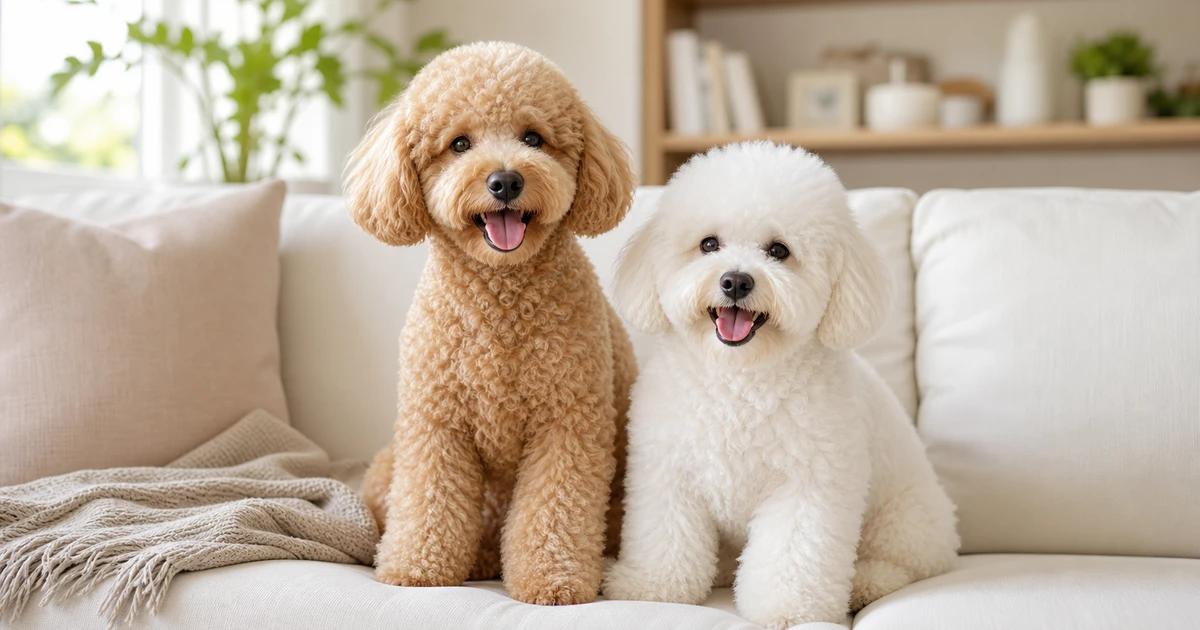
Hypoallergenic dog breeds don't actually exist in a pure, sneeze-proof sense — but some dogs shed so little dander and hair that people with mild allergies can live with them comfortably. The allergen isn't the fur itself; it's a protein called Can f 1 found in saliva, urine, and skin flakes. Breeds that shed less spread less of that protein around your home.
This list ranks 16 breeds that earn the "hypoallergenic" label, from the famously low-shedding Poodle to working dogs like the Portuguese Water Dog and the curly Lagotto Romagnolo. Coats range from tight curls to silky drops of hair, and personalities span couch companion to high-octane terrier.
We weighted each breed on coat type and shedding, temperament fit for families, exercise needs, and how much grooming it realistically demands. No dog here is a guaranteed cure for allergies — but each gives you a fighting chance, and we're honest about the trade-offs.
What makes a dog hypoallergenic?
Low-shedding doesn't mean low-maintenance. The coats that trap dander instead of scattering it tend to need the most upkeep, so the "best" hypoallergenic dog is the one whose grooming load, energy, and temperament fit your actual life.
Coat type & shedding
Two coat styles dominate this list. Curly or wavy coats — Poodle, Bichon, Lagotto, Bedlington — trap loose hair and dander against the body rather than dropping it on your sofa. Silky single coats — Maltese, Shih Tzu, Yorkshire Terrier, Afghan Hound — shed minimally but mat fast without daily attention. The wiry double coats of the Schnauzers and many terriers shed little but often need hand-stripping or regular clipping to stay correct. None of these coats are zero-effort; they simply move the work from vacuuming to grooming.
Size & sturdiness
There's enormous range here. The Maltese and Yorkshire Terrier weigh under 7 pounds and feel fragile around toddlers. The Giant Schnauzer can top 90 pounds and needs a confident handler. Mid-size workers like the Portuguese Water Dog, Standard Schnauzer, and Wheaten Terrier hit a sturdy sweet spot for families with kids. Match the dog's frame to your household — a clumsy six-year-old and a 5-pound Maltese is a recipe for vet bills.
Energy & exercise
The biggest mismatch buyers make is assuming a low-shedding dog is a low-energy dog. The Portuguese Water Dog, Giant Schnauzer, and Lagotto were bred to work all day and need real jobs, long walks, and mental puzzles. Terriers — Westie, Kerry Blue, Wheaten — carry serious drive and stubbornness. At the calmer end, the Shih Tzu, Maltese, and Bichon are happy with shorter strolls and lap time, which suits apartments and older owners.
Trainability
Poodles and Standard Schnauzers rank among the smartest, most eager-to-please dogs anywhere, and they reward consistent training. The terriers are bright but independent — they'll learn quickly and then decide whether to comply. Goldendoodles inherit the Poodle's smarts plus a softer, people-pleasing streak from the Golden side, though temperament varies because they're crossbreds. Plan for early socialization across the board; a clever dog with no outlet invents its own entertainment, usually at your expense.
Compare at a glance
Tap any breed name to jump to its full write-up.
| Breed | Size | Weight | Shedding | Grooming | Energy | Kids |
|---|---|---|---|---|---|---|
| Toy, Miniature, and Standard varieties | Varies by variety | ✓ | ||||
| Small | 11–15 lb | ✓ | ||||
| Medium | 13–15 lb | ✓ | ||||
| Large | 35–55 lb | ✓ | ||||
| Small | 5–7 lb | ✓ | ||||
| Small | 11–18 lb | ✓ | ||||
| Small | 7 lb | — | ||||
| Medium | 35–46 lb | ✓ | ||||
| Medium | 33–37 lb | ✓ | ||||
| Medium | 24–35 lb | ✓ | ||||
| Size varies by parents and generation | Varies by parents/generation | ✓ | ||||
| Giant | 50–64 lb | ✓ | ||||
| Giant | 65–90 lb | — | ||||
| Medium | 18–22 lb | ✓ | ||||
| Small | 15–22 lb | ✓ | ||||
| Large | 31–44 lb | ✓ |
The 16 best hypoallergenic dog breeds
Poodle
The gold-standard low-shedder — a curly, dander-trapping coat in three sizes.
Small · 7–9 lb · 12 yr
Don't let the powder-puff trims fool you — even an 11-inch Toy Poodle was bred from cold-water duck retrievers, and it shows in the energy. This is a small dog (7–9 pounds) with a curly, dense single coat that sheds at the lowest rung of the scale (1/5), trapping loose hair instead of scattering it around your sofa. That's the trait that lands it on every low-allergen list, but the trade-off is real: grooming sits at the maximum 5/5, so you're looking at regular clipping and near-daily brushing to keep mats out.
What makes a Poodle worth the upkeep is the brain. Trainability is a flat 5/5 — this dog picks up cues in a handful of repetitions and will happily learn party tricks, obedience routines, and food-puzzle solutions you assumed were unbeatable. Energy runs 4/5, so a Toy still needs daily walks and mental work; a bored Poodle invents its own entertainment.
Honest caveat: that intelligence comes with neediness. A Poodle wants to be in the room with you, and long stretches alone don't suit it.
Good with kids, dogs, and cats, and friendly to apartment life and first-time owners — a strong pick if you'll commit to the grooming bill.
Bichon Frise
Cloud-soft, cheerful, and famously low-shedding.
Small · 11–15 lb · 12 yr
The white powder-puff coat is the headline, but pick up a Bichon Frise and you'll feel a springy little athlete underneath — a legacy of dogs that sailed Mediterranean trade routes and worked as street performers. At 9–11 inches and 11–15 pounds, this is a small, sturdy companion with a curly, dense coat that earns a 1/5 shedding score. That low-shedding curl is why allergy-conscious families keep circling back to the breed.
Temperament-wise, the Bichon is genuinely cheerful — happy dances on hind legs, a tail that rarely stops, affection rated 5/5 without the suffocating clinginess of some toy breeds. Energy is a manageable 3/5, so a couple of walks and some play cover the day, and trainability at 4/5 means they pick up house manners and tricks readily enough.
The caveat is coat maintenance. Grooming sits at 4/5: that fluffy white cloud needs frequent brushing and regular professional trims, and the white shows every tear stain and muddy puddle. Skip the routine and you'll be fighting mats fast.
Gentle with respectful kids, comfortable around other dogs and cats, and well-suited to apartments and first-timers, the Bichon rewards owners who don't mind a standing grooming appointment.
Miniature Schnauzer
A wiry coat that sheds very little; bold and family-friendly.
Medium · 13–15 lb · 14 yr
Picture a small, square fireplug with a beard and bushy eyebrows, and you've got the Miniature Schnauzer — a German farm dog bred down from the Standard to keep barns clear of rats while still earning its keep as a watchdog. At 13–14 inches and a dense 13–15 pounds, it feels far more solid than a typical lapdog. The wiry double coat scores 1/5 for shedding, which is what brings it into allergy conversations, though the texture needs hand-stripping or regular clipping (grooming 4/5) to stay neat.
This breed acts like a 50-pound dog crammed into a small frame: alert, opinionated, and fiercely attached to its people. Energy runs 4/5 and these dogs are deeply social, shadowing you room to room. The honest downside is the bark — rated 4/5, the Schnauzer is a vocal alarm system, and a bored or under-exercised one turns that noise into a habit. Trainability sits at a moderate 3/5, so consistency matters more here than with a Poodle.
Good with kids and other dogs, apartment-friendly, and workable for first-timers who'll commit to exercise and structure.
If you want a low-shedding dog with terrier grit and a long 14-year lifespan, this one delivers — just plan for a watchful, talkative roommate.
Portuguese Water Dog
Athletic, curly-coated water dog — a well-known allergy-friendly choice.
Large · 35–55 lb · 10–14 yr
Bred on the decks of Algarve fishing boats to herd fish into nets and ferry messages between vessels, the Portuguese Water Dog is the athlete of this list. At 17–22 inches and 35–55 pounds, it's the only large breed here, with a curly or wavy waterproof single coat that sheds at 1/5 — the low-allergen trait that pairs surprisingly well with its working build.
Everything about this dog points to a job. Energy is a maxed-out 5/5, trainability matches at 5/5, and affection lands at 5/5 — meaning you get a brilliant, biddable partner who genuinely wants to work and stay glued to your side. This is a swimmer, a runner, a learner who thrives on agility, fetch, and water games.
The caveat is plain: this is not an apartment-and-short-walk dog. A Portuguese Water Dog left under-exercised or alone for long stretches gets restless and destructive fast, and the thick coat needs regular grooming (4/5) to stay functional.
Good with kids and other dogs, the breed suits an active household that hikes, swims, or trains.
With a 10–14 year lifespan and a coat that won't blanket your house, it's the low-shedding choice for families who want a big dog and the lifestyle to match it.
Maltese
Long silky single coat with no undercoat — minimal shedding.
Small · 5–7 lb · 12 yr
Under that floor-length waterfall of white silk hides a five-to-seven-pound dog that has never held a job in its life — and that's the entire point. For more than two thousand years the Maltese has been bred purely for companionship, and at roughly 10 inches tall it's one of the daintiest options on this list. The long single coat sheds at 1/5, which keeps loose hair off your clothes and explains its low-allergen reputation.
Don't mistake small for timid. The Maltese carries itself with the swagger of a far bigger dog — fearless, playful, and rated 5/5 for affection. It's a true lapdog that follows you everywhere and looks personally betrayed when you leave the room. Energy is moderate at 3/5, and trainability of 4/5 makes basic manners and tricks achievable for patient first-timers.
The real cost is the coat. Grooming sits at the top 5/5: that silk mats quickly without daily brushing, and many owners keep it in a shorter puppy cut just to stay sane. The white also shows every tear stain.
Good with kids, dogs, and cats, apartment-friendly, and beginner-suitable, the Maltese fits anyone wanting a devoted shadow.
If you'll trade brushing time for a clingy little companion that barely sheds, this breed earns its keep on charm alone.
Shih Tzu
A flowing single coat and a devoted lap-dog temperament.
Small · 11–18 lb · 10 yr
Built like a small lion — low, solid, and heavier than it looks — the Shih Tzu was created for one purpose: to warm royal laps in the palaces of ancient China. At about 11 inches and 11–18 pounds, it carries real bone under that flowing coat. The long, silky double coat sheds at 1/5, the trait that earns it a spot among low-allergen companions.
This is the mellowest dog on the list. Energy sits at just 2/5, so a couple of short walks and some indoor play keep a Shih Tzu content — no jogging partner here. Affection runs 5/5, and the breed's whole identity is being your shadow, leaning against your leg in the kitchen and claiming the warmest hollow of the sofa.
Two honest caveats. Grooming is a 5/5 commitment: that crown-jewel coat mats fast without daily brushing, and many owners opt for a clipped-down style. And at a 10-year lifespan, the Shih Tzu's flat face means heat and breathing deserve genuine attention.
Good with kids, dogs, and cats, apartment-friendly, and forgiving for first-timers, it suits a calmer household.
For someone wanting a low-shedding, low-energy companion who'd rather cuddle than hike, the Shih Tzu fits the bill — provided the brush comes out daily.
Yorkshire Terrier
Fine, silky, hair-like coat that drops very little.
Small · 7 lb · 12–15 yr
Seven pounds of swagger packed under a curtain of steel-blue silk — that's the Yorkie in a sentence. Standing just 8 to 9 inches at the shoulder, this is one of the smallest dogs on the list, but the coat is what earns its spot here. It's a single, hair-like coat (shedding 1/5) that drops very little dander, which is why allergy-prone households keep landing on this breed.
That silk comes with a bill, though. Grooming sits at 4/5: if you keep the coat long, expect daily brushing to fend off mats, plus regular trims. Many owners solve this with a short "puppy cut" that keeps the low-allergen benefit without the maintenance marathon.
Personality-wise, you're getting a bold, affectionate terrier (affection 5/5) who picks a favorite person and shadows them everywhere. He's apartment-friendly and good for first-timers, with moderate energy (3/5) satisfied by short walks and indoor play. The honest catch: barking runs 4/5, so a Yorkie left bored or under-trained becomes a doorbell that never stops. Reward-based training started early curbs the worst of it.
With a 12–15 year lifespan, this is a long-haul companion for someone who wants a small, low-shedding dog with an outsized opinion of itself.
Wheaten Terrier
A soft, silky single coat — low shedding with regular grooming.
Medium · 35–46 lb
Picture a medium-sized terrier wearing a shaggy, wheat-colored coat that falls in loose waves — then imagine that same dog convinced it's a lapdog. The Soft Coated Wheaten stands 18 to 19 inches and weighs 35 to 46 pounds, substantial enough to knock a toddler over with enthusiasm, yet still apartment-friendly if you meet its exercise needs.
Its single coat is the allergy draw. With shedding at just 1/5, the Wheaten sheds minimally and produces less loose hair to scatter dander around your home. The trade-off is grooming at 4/5 — that silky coat tangles readily and needs frequent brushing and trims to stay healthy rather than matted.
This is a people-obsessed breed (affection 5/5) that treats daily life as a group project. Energy runs high at 4/5, and the farm-dog curiosity means a Wheaten left alone for long stretches gets restless and inventive. The upside: it's trainable (4/5), good with kids, dogs, and cats, and welcoming to first-time owners. Barking is moderate (3/5), so it'll alert you without becoming a nuisance.
The honest caveat: that endless enthusiasm needs an outlet — daily walks plus play, not a quick potty break. Give a Wheaten a job and company, and you get one of the most genuinely cheerful low-shedding dogs around.
Kerry Blue Terrier
A soft, dense, non-shedding wavy coat in a striking blue-grey.
Medium · 33–37 lb · 14 yr
Born gray and maturing into a slate blue-gray, the Kerry Blue Terrier is a muscular working dog that happens to wear a non-shedding coat. At 18 to 19 inches and 33 to 37 pounds, it's compact but built to graft all day, with a soft, dense, wavy coat that sheds at 1/5 — the reason it sits comfortably among low-allergen breeds.
That coat doesn't tidy itself. Grooming runs 4/5, and the dense waves need regular brushing plus scissoring or clipping to hold shape and stay knot-free. Skip it and you'll fight mats fast.
The Kerry is a sharp, confident dog (affection 4/5) with a glint of mischief, the type that follows you room to room to monitor the action. Energy is high (4/5), and trainability is decent (3/5) but tempered by a genuine stubborn streak — this is an Irish terrier that weighs your commands before obeying them, so consistency matters more than repetition.
Two honest caveats: barking sits at 4/5, and the breed's terrier nature means early socialization is non-negotiable, especially around other dogs. It's good with kids, and a 14-year lifespan is generous.
For an active owner who wants a low-shedding dog with backbone rather than a pushover, the Kerry rewards the effort.
Lagotto Romagnolo
The curly Italian truffle dog — a woolly, low-shedding coat.
Medium · 24–35 lb · 12–14 yr
Italy's truffle dog wears a coat that looks more like a rustic teddy bear than anything you'd see in a show ring — dense, woolly, packed into tight, coarse curls from head to tail. The Lagotto Romagnolo stands 16 to 19 inches and weighs 24 to 35 pounds, a tidy medium build that comes in everything from brown roan to orange-patched white.
That curly, water-resistant coat sheds at 1/5, trapping loose hair and dander rather than spreading it, which makes the Lagotto a smart pick for allergy-conscious homes. Grooming sits at 4/5: the curls need regular maintenance and periodic trims, and that woolly texture mats if neglected.
What really defines this breed is the nose. Bred for centuries to hunt truffles in wet Italian undergrowth, the Lagotto is wired for obsessive scent work. Energy runs 4/5, intelligence and trainability are high (4/5), and affection maxes out at 5/5. It's good with kids, dogs, and cats.
The caveat: ignore that scenting drive and the dog invents its own jobs — usually digging up your yard or your houseplants. Give it nose games, hidden treats, or actual scent training, and the restlessness vanishes.
A 12–14 year lifespan and an even temperament round out one of the more underrated low-shedding breeds.
Goldendoodle
A Poodle cross bred for a low-shedding, allergy-friendlier coat.
Large · 51–90 lb · 10–15 yr
Cross a Golden Retriever's sunny disposition with a Poodle's brain and low-shed coat, and you get the dog that launched a thousand family-friendly shortlists. The standard Goldendoodle is genuinely large — around 24 inches at the shoulder and anywhere from 51 to 90 pounds — so this is no apartment lapdog despite the cuddly looks.
The coat is the reason families ask about it. Curly or wavy, it sheds at 2/5 — slightly more than the single-coated terriers here, and it varies dog to dog depending on which parent's genes win out. Curlier coats tend to hold dander best; wavier ones shed a touch more. Grooming runs 4/5 either way, with regular brushing and professional trims required to prevent matting.
Temperament is the headline strength. Goldendoodles are friendly, social, and people-focused (affection 5/5), good with kids, dogs, and cats, and welcoming enough for first-time owners. They're smart and trainable (4/5), which made them a favorite for service and guide work.
The honest caveat: energy is high (4/5), and a bored Goldendoodle this size gets destructive. They need real daily exercise and mental work, not just a backyard. Coat consistency also isn't guaranteed, so meet the actual dog before betting your allergies on it.
With a 10–15 year span, it's a long, sociable commitment.
Afghan Hound
A glamorous long single coat with low dander; a large hypoallergenic option.
Giant · 50–64 lb · 12–14 yr
Few dogs make an entrance like an Afghan Hound — 25 to 29 inches of slender sighthound draped in long, fine, silken hair that flows when it moves. At 50 to 64 pounds it's tall and lean rather than heavy, built to cover ground at speed, and its single coat sheds at just 2/5, which is why this dramatic breed lands on a low-allergen list.
Don't read that low shedding as low effort. Grooming is a full 5/5 — the highest here — and that fine, silky coat tangles relentlessly. Regular, careful brushing and bathing aren't optional; neglect turns the coat into a matted mess within days.
The Afghan is a study in contradictions: dignified and aloof one minute, a bouncing clown the next. It doesn't live to please the way a retriever does, so trainability sits at 2/5 and independence runs deep. Affection is moderate (3/5), barking is low (2/5), and energy is middling (3/5), though that sighthound prey drive means a secure yard and leashed walks are essential.
The honest caveat: this is not a beginner's dog. The stubborn streak and demanding coat reward patient, experienced owners who appreciate an animal that thinks for itself.
For someone who wants beauty, quiet, and a 12–14 year companion with a mind of its own, the Afghan delivers.
Giant Schnauzer
A bold, low-shedding wiry coat on a powerful working breed.
Giant · 65–90 lb · 10 yr
Picture 90 pounds of black, wiry muscle parked at your front window, clocking the mail carrier two blocks out. That's a Giant Schnauzer, and it earns a spot here for a reason that surprises people: despite standing 24 to 28 inches and tipping the scales at 65 to 90 pounds, its dense wiry double coat sheds at only 2/5. Less loose hair and dander floating around the house means fewer triggers for sensitive sinuses.
The trade-off is real labor elsewhere. Grooming sits at a demanding 5/5 — that harsh black or pepper-and-salt jacket needs regular hand-stripping or clipping to stay weatherproof and tidy. Skip it and the coat mats fast.
This is not a low-effort dog in any sense. Energy maxes out at 5/5, and the breed was built on Bavarian farms to push cattle for miles. Budget 60 to 90 minutes of hard work daily: running, nose work, obedience drills, or protection sport. Trainability scores a sharp 4/5, but that brain needs a job or it invents its own.
For an experienced owner with space and time, the Giant gives you a guarding partner with low shedding. First-timers should look smaller and softer.
Bedlington Terrier
A lamb-like, curly, non-shedding coat and a gentle nature.
Medium · 18–22 lb · 14–15 yr
It looks like a lamb that wandered out of a poodle's grooming session — and that curly, fleecy coat is exactly why allergy sufferers should pay attention. The Bedlington Terrier scores a remarkable 1/5 on shedding, the lowest mark in this group. Its single solid-white coat, crisp and harsh mixed with soft, drops barely any hair, which keeps dander down.
Size works in your favor too. At 16 to 17 inches and just 18 to 22 pounds, this is a dog that fits a flat (it's marked apartment-friendly) and lives a long 14 to 15 years. Affection runs high at 5/5: with family it's gentle, playful, and happy to fold itself onto the couch beside you. It earns flags for getting along with both kids and other dogs.
Don't be fooled by the stuffed-toy look. Underneath is a terrier wired for hunting, with energy at 4/5 and a prey drive that flips on the moment a squirrel appears. Recall can get unreliable outdoors, so a secure yard and a lead near wildlife matter.
The coat needs clipping every six to eight weeks to keep that lamb shape, and grooming sits at 3/5. Plan for a groomer's standing appointment, and you've got one of the most allergy-friendly companions going.
West Highland White Terrier
A harsh, low-shedding double coat on a sturdy, friendly frame.
Small · 15–22 lb · 9–15 yr
Fifteen pounds of swagger in a bright white coat, the Westie carries itself like a dog three times its size — and it's one of the more accessible picks on this list. Standing just 10 to 11 inches and weighing 15 to 22 pounds, it shares the dense double coat with a harsh outer layer common to its terrier cousins, and shedding lands at a manageable 2/5. That hard topcoat holds dander rather than scattering it around your rooms.
The appeal goes beyond the coat. This is a confident, lively, affectionate little dog flagged as good with kids, good with other dogs, apartment-friendly, and — unusual for a terrier — first-timer-friendly. One minute it's a lap-warmer, the next it's tearing across the yard. Lifespan stretches anywhere from 9 to 15 years.
Two honest caveats. Grooming is a 4/5 job: that white coat does best with regular hand-stripping, and a soft clipped coat sheds and mats more. And barking sits at 4/5 — Westies announce visitors, squirrels, and suspicious leaves with equal enthusiasm, which neighbors in close quarters won't love.
For a household wanting a small, low-shedding terrier with a big personality and an easier learning curve, the Westie hits a sweet spot few breeds reach.
Standard Schnauzer
The original schnauzer — versatile, smart, and low-shedding.
Large · 31–44 lb · 10 yr
Built like a farmhand and wired like an engineer, the Standard Schnauzer is the middle child of the Schnauzer trio — and arguably the most practical hypoallergenic pick of the three. At 18 to 20 inches and a dense 31 to 44 pounds, it slots between the toy-sized Westie and the towering Giant, with the same low-allergen advantage: a wiry double coat in salt-and-pepper or black that sheds at just 2/5.
Grooming demands attention — 4/5 — so expect hand-stripping or regular clipping to keep that harsh jacket doing its job. The payoff is a tidy, low-dander dog flagged as good with both kids and other dogs.
This breed is sharp. Trainability scores 4/5, and the spirited, curious temperament soaks up obedience, agility, and tricks fast. The flip side is a 4/5 energy level that won't be satisfied by a stroll around the block; this oldest Schnauzer was bred on German farms to do everything, and it still wants a daily job. Bore it and you'll get a creative troublemaker.
Affection runs a moderate 3/5 — loyal and good-natured, but more of a working partner than a clingy shadow. For an active family wanting brains, guarding instinct, and low shedding in one mid-sized package, it delivers.
How to choose the right dog for your home
Start with your weekly schedule, not the cutest photo. A Portuguese Water Dog in a small flat with an owner who works ten-hour days will be miserable and destructive, while a Shih Tzu or Bichon slots into quieter homes with ease. Be honest about how much daily exercise and grooming time you'll truly commit.
Test your allergies first
Before committing, spend several hours over multiple visits with the specific breed — ideally the actual litter's parents. Allergic reactions vary by individual dog, not just by breed. A weekend around an adult of the breed tells you far more than any label.
Breeder vs. rescue
Good breeders health-test their dogs for breed-specific issues, let you meet the mother on her home turf, and ask you plenty of questions in return. Walk away from anyone selling multiple breeds, refusing to show you where puppies are raised, or pushing a quick cash sale. Breed-specific rescues are excellent for Poodles, Schnauzers, and Westies — plenty of well-mannered adults need homes, and you'll see the grown coat and temperament rather than guessing.
Budget for the haircuts
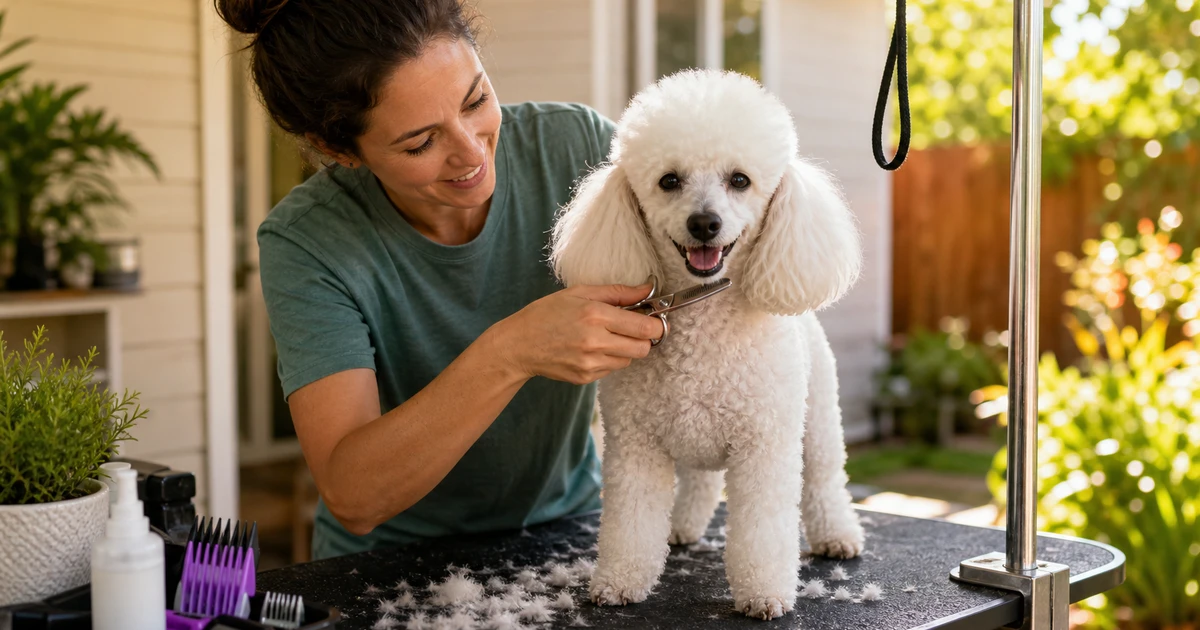
These coats are expensive to maintain. A Poodle, Bichon, Doodle, or Schnauzer needs professional grooming every four to eight weeks, which adds up fast over a 12–15 year lifespan. Factor in clippers if you'll DIY, plus food, insurance, and routine vet care. The purchase price is the cheapest part of owning any of these breeds.
Meet the parents
Temperament is heritable. Nervous, snappy parents tend to produce nervous, snappy puppies regardless of breed reputation. With crossbreds like the Goldendoodle, ask to meet both parent breeds and understand that traits — including how much the coat actually sheds — can land anywhere between the two. "F1" versus multigenerational crosses behave and shed differently.
Red flags
Skip breeders who guarantee a "100% hypoallergenic" dog (no such thing), can't produce health certificates, or have puppies available on demand year-round. Pressure to decide immediately is a sign to leave.
Before you decide
The hypoallergenic promise is the most over-sold idea in dog ownership. If anyone in your home has severe allergies or asthma, talk to an allergist and test-drive the breed before buying — some people react to even the lowest-shedding dogs. Low-shedding never means allergen-free.
Grooming is the hidden cost. Skip the brushing on a Maltese, Shih Tzu, or Afghan Hound for a week and you'll be paying for a shave-down. The wiry-coated Schnauzers and terriers need clipping or hand-stripping on a schedule. If you can't commit time or money to coat care, most of these breeds aren't for you.
Don't mistake small for easy. The Yorkshire Terrier and Westie carry full-size terrier attitude — vocal, tenacious, and quick to chase. And don't underestimate the workers: a bored Giant Schnauzer or Lagotto becomes a serious handful.
Common mistakes include buying a Goldendoodle expecting a predictable coat (you might get a heavy shedder), choosing a tiny breed for a house full of young children, and assuming intelligence equals obedience. Smart terriers and Poodles need engagement, or they'll find their own projects.
Related reading
Dog-owner tools & calculators
Free calculators to help you plan, budget, and care for your dog — here's what each one does:
AI Tools
Compare & choose
Health & breeding
- Dog Heat Cycle CalculatorEstimate the four stages of your dog's heat, her fertile window, and when the next cycle is likely.
- Dog Age CalculatorConvert your dog’s age to human years using the modern, size-adjusted formula.
- Dog Lifespan CalculatorEstimate life expectancy from breed size and weight, with tips to add healthy years.
- Dog Quality of Life CalculatorScore comfort, mobility, appetite and good days vs. bad to support hard end-of-life decisions.
- Puppy Weight CalculatorPredict your puppy’s adult weight from its current age and weight.
- Dog Pregnancy CalculatorEstimate the whelping (due) date and key milestones from the breeding date.
- Dog Vaccination Schedule CalculatorSee your puppy’s DA2PP and rabies dates from birth, and what’s due now and coming up.
- Dog Body Condition Score CalculatorIs your dog a healthy weight? A guided 9-point body check with an ideal-weight range by size.
- Dog Skin Symptom CheckerUpload a skin photo and symptoms for cautious AI triage, red flags, and vet-visit guidance.
- Dog Spay & Neuter Timing CalculatorWhen is the right age to spay or neuter? Get a window by size and sex, with the trade-offs.
Care & feeding
- Dog Water Intake CalculatorHow much water your dog should drink per day, by weight, activity and food type.
- Dog Walking CalculatorHow much daily walking your dog needs by breed and age — and the calories you both burn.
- Dog Food CalculatorEstimate dry-food cups, wet-food containers, or fresh-food grams from daily calorie needs and your label.
- Homemade Dog Food CalculatorEstimate cooked homemade dog food portions, meals, ingredient split, and batch prep by calories.
- Dog Treat Calorie CalculatorUse the 10% treat rule to calculate a safe daily treat budget and food adjustment.
- Dog Veggie Prep CalculatorConvert raw dog-friendly vegetables into cooked yield, freezer bags, and plain cooking notes.
Cost & planning
- Dog Cost CalculatorWhat a dog really costs — upfront, monthly, and lifetime — adjusted for your country and dog size.
- Dog Insurance Cost CalculatorHow much is pet insurance? Estimate a monthly and yearly premium range by size, age, and region.
- Dog Food Cost CalculatorEstimate daily and monthly food cost from calorie needs, package price, and total package calories.
Sizing
Safety
- Onion Toxicity for Dogs CalculatorEstimate whether the amount of onion your dog ate is a toxic dose for their weight.
- Raisin & Grape Toxicity CalculatorGauge the risk after your dog eats grapes or raisins, and when to call the vet.
- Chocolate Toxicity CalculatorEstimate the risk from the type and amount of chocolate your dog ate, by weight.
- Can Dogs Eat It? Food Safety CheckerSearch any human food — chocolate, grapes, xylitol — to see if it’s safe or toxic for your dog.
Frequently asked questions
- Are hypoallergenic dogs really allergy-free?
- No truly allergy-free dog exists. The breeds on this list shed less dander and hair, which can reduce reactions for people with mild allergies. The allergenic protein comes from saliva and skin, so even low-shedding dogs spread some. Test your own reaction before committing.
- What is the most hypoallergenic dog breed?
- Poodles are widely considered the gold standard because their curly coat traps dander and loose hair instead of releasing it. They come in three sizes, so you can match one to your space. The trade-off is frequent professional grooming, every four to eight weeks.
- Do Goldendoodles really not shed?
- It depends on the individual dog. Because Goldendoodles are a cross between a low-shedding Poodle and a heavy-shedding Golden Retriever, coat type varies widely. First-generation crosses can shed more than multigenerational ones. Meet the specific puppy's parents and ask about coat genetics.
- Which hypoallergenic breeds are best for families with kids?
- Sturdy mid-size breeds like the Portuguese Water Dog, Standard Schnauzer, and Wheaten Terrier handle family chaos well. Standard Poodles are gentle and trainable too. Tiny breeds like the Maltese and Yorkshire Terrier are fragile around young children and better suited to calmer homes.
- Are hypoallergenic dogs low maintenance?
- Usually the opposite. The coats that hold onto dander instead of shedding it require regular brushing and professional grooming to avoid matting. Wiry-coated Schnauzers and terriers need clipping or hand-stripping. Budget time and money for coat care over the dog's whole life.
- What's a good hypoallergenic dog for apartments?
- Smaller, lower-energy breeds adapt best to apartment life — the Shih Tzu, Bichon Frise, Maltese, and Yorkshire Terrier all fit well. They need walks but not acres of running room. Avoid high-drive workers like the Giant Schnauzer or Portuguese Water Dog in tight spaces.
- Do hypoallergenic dogs still need grooming?
- Yes, often more than the average dog. Low-shedding coats mat and tangle without routine care. Curly and silky coats need brushing several times a week plus professional grooming every month or two. Skipping it leads to painful mats and an unavoidable shave-down.
- Are Schnauzers hypoallergenic?
- All three Schnauzer sizes — Miniature, Standard, and Giant — have wiry, low-shedding double coats considered hypoallergenic. They need regular clipping or hand-stripping to keep the coat correct. They're intelligent and trainable, but the Standard and Giant need plenty of exercise and a confident owner.
- Which hypoallergenic dog is easiest to train?
- Poodles and Standard Schnauzers rank among the most trainable dogs of any type, thanks to high intelligence and eagerness to please. Goldendoodles often inherit that trainability with a softer temperament. Terriers are clever but independent, so they take more patience and consistency.
- How much do hypoallergenic dogs cost to maintain?
- Grooming is the big ongoing expense — professional appointments every four to eight weeks add up significantly over a dog's lifespan. Add food, vet care, and insurance on top. Learning to groom at home with quality clippers can cut costs but takes time and skill.
- Is a Bichon Frise good for allergy sufferers?
- The Bichon's curly, double coat sheds very little and is often recommended for people with mild allergies. It's also a cheerful, affectionate small dog that suits apartments and families. The catch is high grooming demand — frequent brushing and regular professional trims keep the coat healthy.
- Can I be allergic to a hypoallergenic dog?
- Yes. Sensitivity varies from person to person and even dog to dog within a breed. Some people still react to low-shedding breeds because of saliva and skin proteins. Spend extended time with the specific dog before bringing it home, and consult an allergist if reactions are severe.
- What's the difference between hypoallergenic curly and silky coats?
- Curly coats like the Poodle's or Lagotto's trap loose hair and dander against the body, reducing what spreads around your home. Silky single coats like the Maltese or Afghan Hound shed minimally but mat quickly and need near-daily brushing. Both are low-shedding but demand different grooming routines.
- Are terriers like the Westie and Yorkie hypoallergenic?
- Yes — the West Highland White Terrier and Yorkshire Terrier have low-shedding coats that suit many allergy sufferers. Both carry classic terrier traits, though: they're vocal, tenacious, and prone to chasing. They need consistent training and don't have an off switch just because they're small.
Sources & methodology
This guide is published by the Best Family Dog Breeds Editorial Team. Rankings reflect an editorial assessment of temperament, trainability, and suitability for this use, informed by recognized breed standards and reference materials. They describe general breed tendencies — every dog is an individual, so meet the dog, not just the breed.
- American Kennel Club (AKC) breed standards
- Fédération Cynologique Internationale (FCI) breed standards
- The Kennel Club (UK) Breed Information Centre
Keep exploring
- Small Fluffy Dog BreedsPint-sized, soft-coated companions that are all floof.
- Best Dog Breeds for FamiliesCompare family-dog profiles by child fit, size, care, and the daily trade-offs behind the label.
- Best Service Dog BreedsIntelligent, steady, highly trainable breeds suited to assistance work.
- Browse all dog breeds →
- Try the Dog Heat Cycle Calculator →