

My friend bought a “hypoallergenic” dog and still reached for her inhaler. That’s when I learned the truth: allergens don’t come from fur alone. The real culprit is a protein found in dander, saliva, and urine. “Hypoallergenic” simply means a breed is less likely to trigger allergies—not zero risk. Low-shedding dogs spread fewer allergen-laden hairs around your home, which can make a huge difference for mild allergy sufferers. But if you’re severely allergic, spend time with adult dogs of the breed before bringing a puppy home. There’s no substitute for a personal sniff test.

Health & CareBy Best Family Dog Breeds Editorial Team
Low-Shedding Dogs for Families: Grooming and Allergy Trade-Offs
No dog is 100% hypoallergenic—the real trigger is dander and saliva, not fur. These low-shedding breeds cut down on allergens and love kids, but ‘low-shed’ doesn’t mean no grooming.
How this guide fits the topic
This explainer covers the care and allergy questions behind a low-shedding coat. Use the broader guide to compare breed options.
Hypoallergenic Dog Breeds →What “Low-Shedding” Really Means
Shed level is rated 1 to 5, where 1 is barely any hair on your black pants. A low-shedding dog traps loose hair in its coat instead of dropping it everywhere. That’s a win for your vacuum, but a catch for grooming: those hairs mat easily if you skip brushing. The breeds below all score a 1 on the shedding scale, are flagged hypoallergenic, and genuinely enjoy kids. But note: “low-shed” is not “no-maintenance.” Poodles, for example, need professional clips every 4–6 weeks.
The Breeds: Four Kid-Friendly, Low-Shed Companions
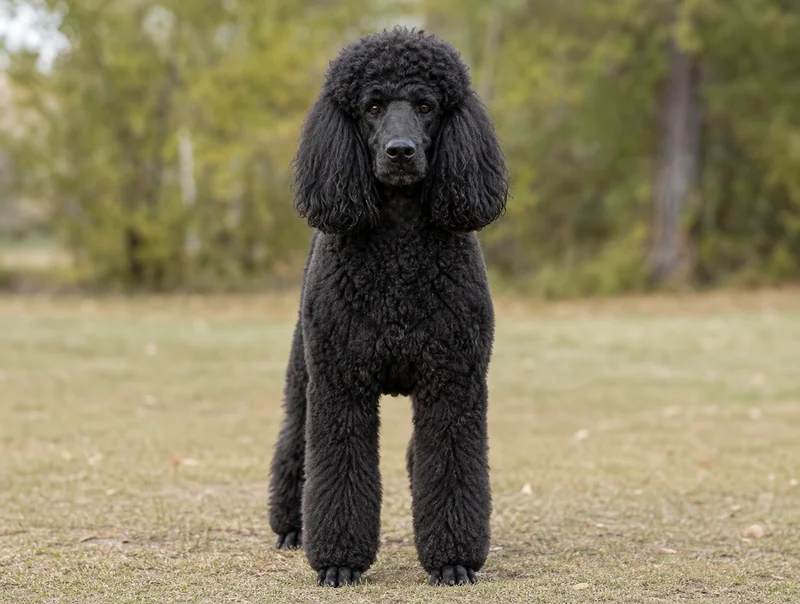
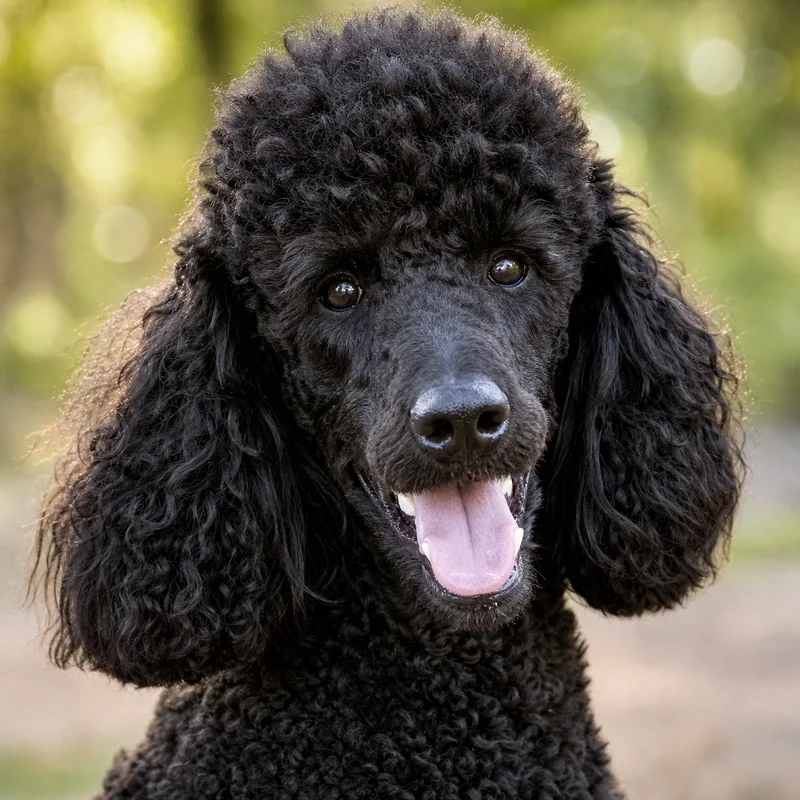
Poodle
(All Poodle sizes share the same non-shedding coat; I’m focusing on the Toy variety here, standing 11 inches and weighing 7–9 pounds.)
Poodles are whip-smart and practically shed-proof. Their dense, curly single coat traps dead hair, so you won’t find tumbleweeds on the floor. But that hair keeps growing—like a human’s—so matting is a constant battle. Daily brushing with a slicker brush is non-negotiable, and a professional trim every 4–6 weeks keeps things manageable. Expect groomer visits to run $50–$80 a pop, adding up to $600–$960 a year. That’s the trade-off for a dog that barely sheds.
Toy Poodles score a perfect 5 in trainability, so they thrive on trick training and puzzle games. Their energy level is 4, meaning two 20-minute bursts of activity daily—fetch, a brisk walk, or swimming. They’re affectionate and alert (barking level 3), so they’ll announce visitors but won’t become a nuisance if exercised mentally. Because they’re small, they fit apartments beautifully, but kids must be taught gentle handling. A dropped or squeezed Toy Poodle can get hurt or snap. With respectful kids, this breed is a loyal, lively buddy.
Bichon Frise
At 11–15 pounds, the Bichon is a sturdier puffball. That white, curly double coat sheds next to nothing, but like the Poodle, it demands daily brushing to avoid painful mats. Professional grooming every 4–6 weeks is standard; figure the same $50–$80 per session. The breed’s happy-go-lucky attitude (affection level 5) makes it a hit with kids. They’re playful but not wild, with an energy level of 3—a couple of 15-minute walks and some indoor fetch usually suffice.
Bichons are smart (trainability 4) and eager to please, but they hate being alone. Separation anxiety can lead to barking or house soiling. They’re alert watchdogs (barking 3), so early training to quiet on command helps. Their lifespan averages 12 years, and common health concerns include luxating patellas and dental issues. That fluffy coat also means daily face-wiping to keep tear stains at bay. If you’re considering other small fluffy dog breeds, the Bichon is a classic choice for families who can commit to the grooming.
Maltese
Weighing just 5–7 pounds, the Maltese is pure lapdog luxury. Their long, silky single coat flows to the floor if left uncut, but most families opt for a shorter “puppy cut.” Shedding is rated 1—barely there—but those fine hairs mat in a heartbeat. Daily line brushing and a professional groom every 4–6 weeks are mandatory; expect to budget $50–$80 monthly for that alone. The Maltese is a true velcro dog, with affection at 5. They’ll shadow you from room to room and hate being left alone, so separation anxiety is a real concern.
Despite their tiny size, they’re fearless and can be stubborn (trainability 4). Housetraining takes patience—small bladders and a dislike for bad weather can slow progress. They’re good with older, gentle children who understand that a drop from the couch could break a bone. Because they’re so small, they’re not ideal for homes with toddlers. But in the right household, a Maltese is a devoted, portable companion. And while they’re firmly in the toy camp, many small fluffy dog breeds share that silky coat and portable size.
Portuguese Water Dog
If you want a low-shedding dog with more substance, the Portie is it. Standing 17–22 inches and weighing 35–55 pounds, this is an athlete. Originally a fisherman’s helper, they have a thick, waterproof coat that comes in curls or waves. Shedding is minimal (1), but the coat grows continuously and mats if neglected. Plan on daily brushing and a clip every 6–8 weeks, at a similar cost to the smaller breeds—likely $60–$100 per session given their size.
Energy level is a 5, so these dogs need 60–90 minutes of vigorous exercise daily. Swimming, running, and advanced training are non-negotiable; a bored Portie will dismantle your house. They’re brilliant (trainability 5) and bond deeply with their families (affection 5). Good with kids? Absolutely—but they’re big enough to knock over a toddler by accident, so supervision is key. They’re not apartment-friendly and definitely not for first-time owners. Yet for an active family, a Portie is a joyful, goofy partner who’ll dive into any adventure. As with any search for the best dog breeds for families, honestly assess your activity level before choosing this breed.


The Grooming Reality Check
Here’s the bottom line: low-shedding does not equal low-maintenance. All four of these breeds require professional grooming every 4–8 weeks, at $50–$100 a pop, plus daily brushing. Over a 12-year lifespan, you’re looking at $7,000–$15,000 in grooming costs alone. That’s on top of food, vet bills, and training. But for families with mild allergies, the payoff is huge: a dog that can snuggle on the couch without triggering sneeze attacks.
Other breeds like the Soft Coated Wheaten Terrier also fit the low-shed, kid-friendly mold, but the principle remains: always meet the adult dogs and budget for that brush. Hypoallergenic isn’t a magic spell—it’s a combination of coat type, grooming, and your own immune system. Choose the dog that fits your family’s lifestyle, not just your wish for zero fur.


Breeds mentioned in this article
Free dog tools
Useful calculators for dog owners
🍫Chocolate Toxicity CalculatorEstimate the risk from the type and amount of chocolate your dog ate, by weight.🍖Dog Food CalculatorEstimate dry-food cups, wet-food containers, or fresh-food grams from daily calorie needs and your label.💧Dog Water Intake CalculatorHow much water your dog should drink per day, by weight, activity and food type.🦴Dog Treat Calorie CalculatorUse the 10% treat rule to calculate a safe daily treat budget and food adjustment.🎂Dog Age CalculatorConvert your dog’s age to human years using the modern, size-adjusted formula.⏳Dog Lifespan CalculatorEstimate life expectancy from breed size and weight, with tips to add healthy years.
Dog Diary
More articles you might like
Health
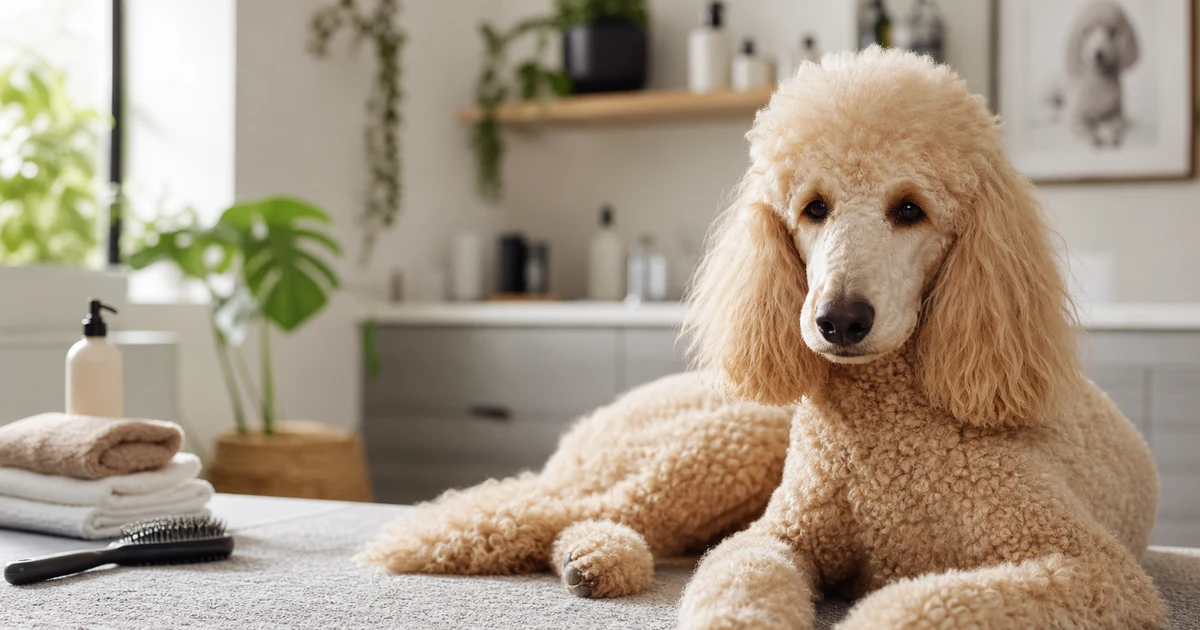
Hypoallergenic Dog Grooming: A Practical Guide for Allergy-Aware Homes
Low-shedding dogs still need thoughtful coat care. Learn what grooming can—and cannot—do in an allergy-aware home.
Tips
Best Large Dogs for Apartments: Calm Big-Breed Options and Real Constraints
Large dogs can fit apartment life when their energy, barking, grooming, and household fit align. Compare six database profiles.

Tips
Low-Maintenance Dogs for First-Time Owners: What “Easy” Really Means
“Low maintenance” is a fit between a dog’s scorecard and your routine—not permission to ignore a dog. Compare six first-time-friendly profiles.
Tips
Big Hypoallergenic Dogs: Large Low-Shedding Breeds and Their Trade-Offs
A larger low-shedding dog can still demand grooming, activity, and thoughtful household planning. Compare six profiles before choosing one.
Find your perfect dog
Browse our in-depth breed guides:
Share