

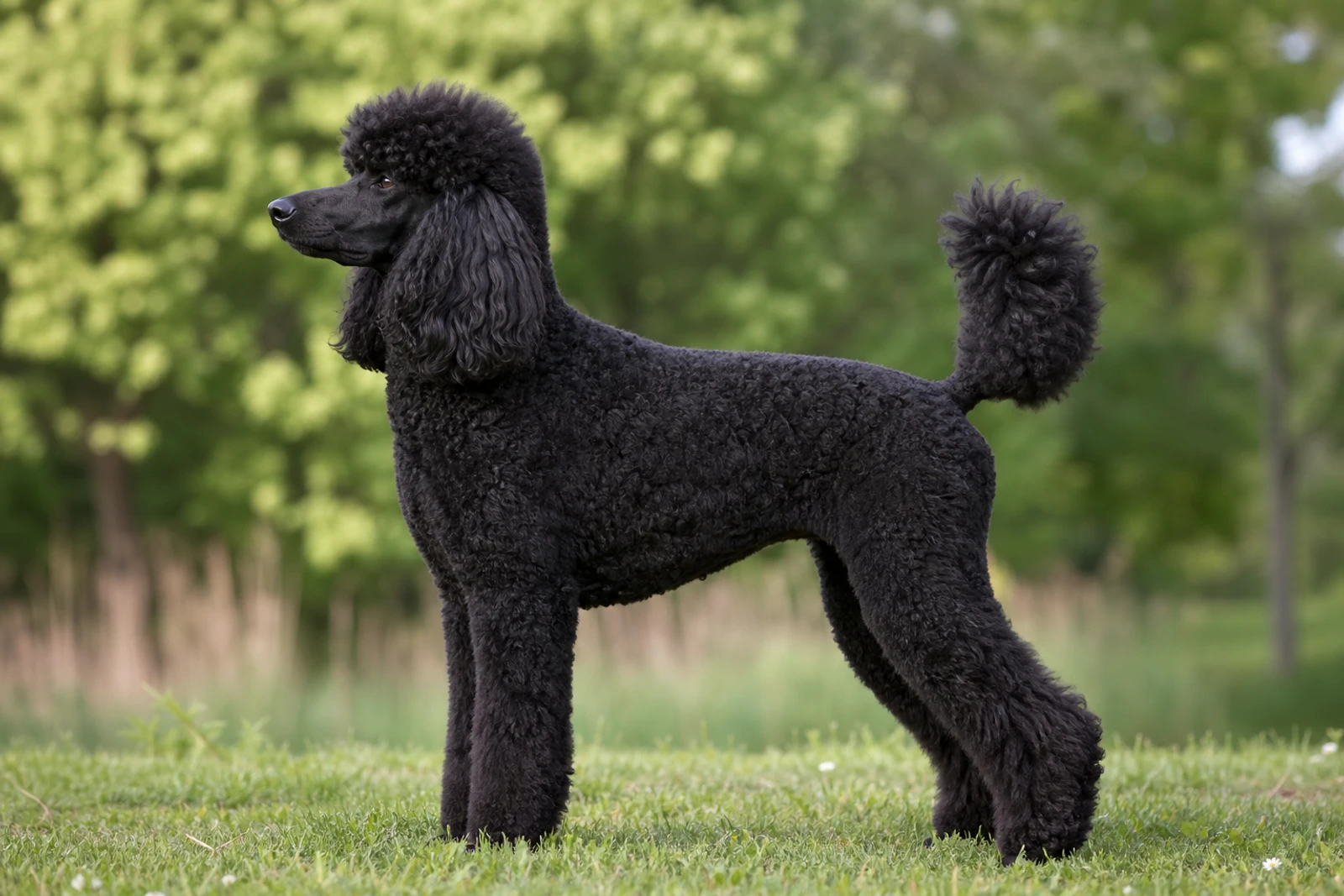
The Toy Poodle is a small, intelligent, and lively companion that thrives on human interaction. Ideal for apartments and families with older children, this breed suits active owners who can provide mental stimulation and regular grooming. Their hypoallergenic coat makes them a great choice for allergy sufferers, and their trainability appeals to first-time owners. With a playful yet affectionate nature, Toy Poodles bond closely with their humans, making them excellent lap dogs and cheerful playmates.
Family fit
Is the Poodle a good family dog?
Highly trainable with a lower-shedding coat that comes with a meaningful grooming commitment.
- Children
- Family shortlist
- Energy
- Higher
- First-time owners
- More approachable
- Grooming
- Higher
Breed tendencies are only a starting point. Supervise children, meet the individual dog, and make sure the exercise, training, grooming, space, and cost fit your household.
Poodle Sticker Pack
36 cartoon stickers • transparent PNG • no watermark
Pinterest-ready
Share all 36 reactions as one sticker sheet
Pinterest opens with the full pack and a fresh, tailored description. You choose the public board and publish it from your own account.
Save the full pack


Choose one reaction above to share it alone, or use the full-pack button for all 36 together.




























Free full-resolution download — no account, no payment, no watermark.
Includes all 36 transparent PNG stickers in one ZIP. A quick human check is required for each download.
At a glance
- Size
- Small
- Height
- 11 in
- Weight
- 7–9 lb
- Life span
- 12 years
- Coat colors
- Apricot, Black, Blue, Brown, Cafe Au Lait, Cream, Gray, Red, Silver, Silver Beige, White
- Coat type
- Curly, dense, single coat
- Origin
- France
How much does a Poodle cost?
Adopt / rescue
$100–$450
Usually includes spay/neuter, first shots, and a microchip.
Buy from a breeder
$1,200–$3,000
From a reputable, health-testing breeder.
Toy and Miniature Poodles often cost more than Standards.
Approximate USD. Prices vary widely by region, breeder, pedigree, age, and coat colour — adopting is the lower-cost and recommended route. Avoid suspiciously cheap “breeders”; they’re often puppy mills.
Estimate the full cost of a Poodle →Want the ongoing number? Estimate the monthly food bill for a Poodle with our dog food cost calculator.
Poodle photos
Views
Front, side, rear and top — the full silhouette.Poses
How the breed sits, lies, moves and plays.Puppy to senior
The breed across its whole life.Expressions
The breed’s range of moods.Close-up details
Eyes, ears, nose, paws, tail and coat.Coat colors
The breed’s recognized colors.Click any photo to enlarge. We show the Poodle from every angle — three views, poses, life stages, expressions, close-ups, coat and colors.
Appearance & size
A Poodle standing 11 inches at the shoulder and weighing 7–9 pounds is a compact square of a dog — just as balanced and elegant as the larger sizes, only tiny. The frame is light-boned but sturdy, with a level topline and a deep, well-sprung chest that carries right up into a strong, gracefully arched neck. That neck sets up the breed’s signature high head carriage, giving even a small 7‑pound dog an unmistakably proud, alert silhouette.
From the front, the forelegs are straight and parallel, framing a chest that’s deep for the dog’s size. The head is refined: a slightly rounded skull with a distinct stop, flat cheeks, and a long, straight, fine muzzle that shows a little chiseling under the eyes. The eyes are dark, oval, and set wide apart — that’s where the breed’s sharp, intelligent expression comes from. Long, wide ears hang close to the head, set at or slightly below eye level.
In profile, the arched neck flows smoothly into a short back, then into a well‑tucked flank and a rear with short, vertical pasterns. Those pasterns give the hind end a perky, spring-loaded look. From behind, the thick coat — often clipped into rounded pom‑poms over the hips — makes the rear appear full and balanced, while the legs stay straight and parallel.
Coat is the breed’s headline feature. Poodles have a single, non‑shedding coat that comes in two types. The curly version is harsh, dense, and stands off the body in tight, springy ringlets. It’s the coat you’ll see most often, and it traps loose hair so effectively that shedding is minimal. The corded variety is rare: long, drooping, felted strands that form naturally if the coat is left to mat and roll. Color is almost always solid — black, white, apricot, red, silver, blue, and more — with the skin showing through lighter shades on the smooth muzzle and around the eyes.
Traditional clips highlight different parts of the dog’s architecture. A puppy clip leaves an even blanket of curls all over; a continental shaves the hindquarters down to the skin with fluffy rosettes on the hips and a pompom tail, showing off the dog’s lines like a living sculpture. Even in a no‑frills pet trim, the coat’s dense texture and the breed’s upright carriage make a Poodle impossible to mistake for anything else.
History & origin
People tend to picture a Poodle primped and powdered, but the first thing to understand is that all Poodles — right down to the smallest — started as hard-charging water retrievers. The original was the Standard Poodle, a sturdy swimmer developed to plunge into cold lakes and bring back downed ducks. Breed historians trace its ancestry to a tangle of European water dogs: the shaggy French Barbet, the Hungarian Water Hound, and the Portuguese Water Dog are all names that surface in the debate. No one can say exactly which mix produced the first Poodles, but by the 1600s the type was well established in Europe as a gun dog with a knack for water work and a famously clever brain.
The small Poodle’s story really took off in 18th-century France. Breeders began selectively shrinking the Standard down — not accidentally, but with a clear goal of creating a compact companion that kept the original’s bone, coat, and sharp mind. The French aristocracy went wild for the result. These little dogs became status symbols, draped in ribbons and jewels, and their coat was styled into elaborate clips. The signature lion clip, with its shaved hindquarters and full chest, wasn’t vanity first; it was designed to protect the heart and joints in icy water while letting the dog move freely. As the dogs moved from marsh to palace, the look stuck.
Color became a kind of regional signature. White dogs dominated in France, brown in Germany, black in Russia, and the rarer apricot shades in Italy. France’s embrace of the breed was so complete that the Poodle eventually became recognized as its national dog. Still, underneath the fancy haircuts and royal patronage, the retrieving drive and quick working mind never softened. A small Poodle might weigh seven pounds and live on a velvet cushion, but the instinct to mark a fall, dash in, and bring something back is as close to the surface as a dropped ball on the living room floor.
Temperament & personality
A Toy Poodle isn’t a lap ornament that’s happy to doze while you binge-watch—this 7-to-9-pound spark plug packs a top-tier intellect and a deep, almost pushy need for company. She learns new cues in a handful of repetitions, solves food puzzles you’d swear were childproof, and will shadow you from the couch to the laundry room without missing a beat. Her default setting is affectionate and curious, which makes her a treat to live with, but it also means she doesn’t handle being ignored or left alone for long stretches. Neglect routinely shows up as frantic barking, chewing, or housetraining backslides.
A Velcro companion with real opinions
The toy variety is famously dependent on her people, often choosing one favorite human while still charming everyone else. She’s good-natured, eager to please, and rarely shy about announcing a delivery truck or an unfamiliar footstep. That alertness makes her a handy little watchdog, but it can tip into nuisance barking if she’s bored or under-exercised. Early socialization keeps her confidence from curdling into standoffishness with strangers. Because she’s so bright, she sometimes decides she knows better than you do; respectful, consistent handling goes a lot further than a heavy hand. Harsh corrections will shut her down or spark a stubborn streak, while positive, puzzle-based training turns her into a star.
Energy, play, and household rhythm
Don’t let the pouf of curls fool you—this dog has a springy, self-assured gait and the energy to match. A couple of brisk daily walks plus a serious brain workout (hide-and-seek, trick training, scent games) keep her content. Without that outlet, she’ll invent her own jobs, like reorganizing your sock drawer or dismantling a throw pillow. She’s a sturdy little athlete for her size, but kids need to handle her gently; rough play can make any dog tense, and a stiff body with a direct stare is her way of saying “back off.” Calming signals like lip licking or turning her head away mean she’s had enough, and teaching children to read those cues prevents misunderstandings.
The sensitive side
This is a dog who lives and dies by her routine and her people. She can be sensitive to loud voices, chaos, or long hours of solitude, and that sensitivity sometimes translates into anxiety-driven behaviors like marking or chewing. Cleaning up indoor accidents with an enzymatic cleaner (not just soap) removes the scent cue that can trigger her to potty in the same spot again. The bright spot: she’s so tuned in to you that she’ll often figure out what you want before you even ask. Just know that a Toy Poodle who’s mentally underfed will run circles around you, and the quickest way to restore peace is to give that busy brain something real to do.
Good with kids, dogs & other pets
A 7–9-pound Toy Poodle can be seriously hurt by an enthusiastic toddler who doesn’t know his own strength. That’s the first thing to wrap your head around. These are small, 11-inch dogs, and a hard squeeze, a tumble off a couch, or a chase that ends in a step-on can mean a broken bone. Young children need direct, hands-on supervision — not just being in the same room — and they need to be taught to sit on the floor and let the dog come to them. When that respect is in place, a well-socialized Toy Poodle is remarkably patient and gentle. They crave human companionship and often shadow a favorite family member from room to room, which makes them a warm, interactive playmate for gentle school-age kids.
With other dogs
Toy Poodles typically get along with other dogs, but their tiny size makes them vulnerable. A friendly but bouncy Labrador can accidentally bowl them over. Start introductions on neutral ground, with both dogs on leash, and keep early interactions short and positive. Early socialization is the key. The prime window runs from about 3 to 14 weeks, so a puppy should meet calm, vaccinated dogs of various sizes, experience different walking surfaces, and hear everyday household sounds before that window starts to close. A Toy Poodle who misses out on those exposures can become fearful or snappy around unfamiliar dogs — trouble you can avoid with consistent, upbeat puppy classes and playdates. If you’re bringing an adult Toy Poodle home, go slow, and never force greetings. Some perfectly happy adults simply don’t need a pack of dog friends.
With cats and small pets
Most Toy Poodles settle in nicely with cats, especially if they’re raised together or introduced gradually. Because they lack a strong prey drive, they’re less likely to fixate on a cat as something to chase — but that doesn’t mean you skip the slow introductions. Give the cat a tall, dog-free escape route, and don’t leave them unattended until you’ve seen calm, disinterested behavior for a few weeks. Around pocket pets like rabbits or guinea pigs, the risk is more about excitement than aggression. A Toy Poodle might paw or nudge a small, fast-moving animal, and those delicate pets can panic. A closed door and strictly separate playtimes are the simplest safeguard.
A Toy Poodle’s sociability depends heavily on never feeling lonelier than they can handle. These dogs weren’t built for a household where everyone is gone 10 hours a day; chronic isolation can brew anxiety that shows up as trembling, barking, or even a defensive nip when startled. A family that can weave the dog into daily life — lap time, homework sessions, kitchen supervision — will see the real payoff: a steady little companion who treats kids, other dogs, and even the resident cat as part of their flock.
Trainability & intelligence
A Poodle will learn faster than you can fumble the treat pouch—these dogs regularly top lists of the most intelligent breeds, and a 7-pound Toy Poodle often outthinks dogs twice its size. The real challenge isn't teaching commands; it's staying interesting enough that they keep paying attention. A bored Poodle invents its own games, and you may not like the rules.
Positive reinforcement is the only method that earns their cooperation. They are unusually sensitive to tone of voice and will shut down or get anxious with harsh corrections. Clicker training, tiny pieces of chicken, and a cheerful "yes!" will get you ten times the speed of any punishment-based approach. Many Toy Poodles pick up a new cue in under five repetitions and adore chaining behaviors into complex tricks. Agility, rally, and advanced obedience give their quick minds a job—and a Poodle without mental work becomes a polite little menace.
Start training the day you bring them home, and treat every meal as a chance to reinforce a skill. Keep sessions short—three to five minutes a few times a day—because their focus burns bright but fast. The same sharp intelligence means they're experts at reading patterns. If you accidentally reward whining or jumping just once, they'll remember that loophole longer than you do. Consistency across family members matters immensely; this dog will spot the soft touch who lets them on the sofa and exploit it.
Socialization is just as critical as obedience. Between 3 and 14 weeks, expose the puppy gently to different people, calm dogs, city sounds, slick floors, and being handled all over. An under-socialized Poodle can tip toward nervousness or reactive barking, not because they're mean, but because their alert brain sees threats in the unfamiliar. Let them investigate at their own pace and pair every new experience with a treat or quiet praise. A well-socialized Toy Poodle grows into a confident, trustworthy shadow who recalls off a squirrel because coming back to you simply pays better.
Expect sass. They'll test whether "sit" really means sit when they're eyeing a treat in your other hand. That's not stubbornness; it's a negotiation. Stay patient, wait them out, and reward only the exact behavior you asked for. Done this way, training builds a bond where the dog works as a thinking partner, not a robot.
Exercise & energy needs
A Toy Poodle packs surprising athleticism into that 7–9 pound frame. Count on two 20-minute activity bursts each day — a total of about 40 minutes. That’s not just a leash stroll around the block; it’s purposeful movement that gets the heart pumping.
Their water-retriever heritage means many will sprint after a ball, splash in a kiddie pool, or chase a floating toy with zero hesitation. A fenced yard game of fetch, a swim at a dog-friendly beach, or even a lively indoor retrieve down a hallway all count. Short sessions work better than one long march — small dogs burn energy in bursts, and the Poodle’s clever brain tires faster when you switch things up.
- Fetch with a soft, small toy to protect that fine-boned mouth.
- Swimming or wading — supervise closely around deep water.
- Puzzle feeders and snuffle mats for days when outdoor time is limited.
- Trick training or scent games (hide a treat under a cup) that mix movement and thinking.
Mental stimulation is non-negotiable. A bored Toy Poodle often becomes a noisy, anxious one — excessive barking, shadow chasing, or chewing can surface if that busy mind goes unfed. Weave brain work into daily life, not as an afterthought.
Watch the joints. Toy Poodles can be prone to luxating patellas, so skip high jumps off furniture and pounding on pavement when you can stick to grass or carpet. Tailor the intensity to your dog’s age and build; a young adult may handle spirited play, while a senior does better with a relaxed sniff walk and a food puzzle.
On rainy days, a flirt pole session indoors or a 10-minute hide-and-seek game with a favorite toy delivers the same mental and physical payoff.
Grooming & coat care
Poodle grooming is a serious commitment, not a casual weekend chore. That tight, curly single coat doesn't shed into your house, but dead hairs wrap around live ones and mat down against the skin if you skip brushing. Once a mat tightens, it can pull, trap moisture, and lead to painful hot spots or infections.
Daily brushing is non-negotiable
Run a metal slicker brush with rounded pins through the coat down to the skin every single day, then follow with a steel comb to catch any snags you missed. Focus behind the ears, under the collar, and inside the legs — mats love to start there. Poodle puppies need gentle handling from day one so they learn to stand calmly for grooming. Never brush a completely dry, tangled coat; spritz on a detangling spray or lightly mist with water first.
Professional trims every 4 to 6 weeks
Most owners book a professional clip every 4 to 6 weeks to keep the coat at a manageable length. You can choose a sporty short cut that simplifies home care, or a traditional style like the puppy clip, lion clip, or continental clip — all require frequent touch-ups. Between salon visits, bathe your Poodle with a mild dog shampoo every few weeks to keep the skin and coat clean. If you skip a bath too long, oil and dirt encourage matting.
Ears, nails, and teeth
Those floppy drop ears trap moisture and grow hair deep inside the canal, so a weekly sniff and clean with a vet-approved ear cleaner is smart — otherwise you risk infections. Trim nails every 2–3 weeks; if you hear clicking on the floor, they're too long. Brush teeth daily with dog toothpaste, or use dental chews to support gum health.
You won't get a seasonal blowout because there's no undercoat, but you'll still need the same steady routine year-round. A well-maintained Poodle coat feels soft and stays remarkably clean, but it hinges on you either becoming a proficient home groomer or building a standing appointment at a good salon.
Shedding & allergies
Poodles barely shed. The hair you’d normally find on the couch, your jacket, or floating in a sunbeam just doesn’t come with the territory. Instead of a fur coat that has a short growth cycle and falls out, Poodles have a single coat of curly hair that keeps growing — much like human hair. Dead strands tend to stay caught in the curls rather than dropping to the floor. That means you’re not constantly vacuuming tumbleweeds of fluff, and there’s no seasonal “blowout” twice a year.
The real story with allergies is about dander, not hair. All dogs produce dander (microscopic skin flakes) and proteins in saliva and urine. Because a Poodle sheds so little, far less dander gets launched into the air on loose hairs. Many allergy sufferers find they can breathe easier around a Poodle, which is why the breed gets labeled hypoallergenic. But the word is misleading — no dog is 100% allergy-proof. If you have severe allergies, spend time around adult Poodles before committing, because reactions can vary from one person to the next.
Drool is almost nonexistent, so you’re not dealing with saliva-soaked collars or furniture.
Regular grooming does more than keep the coat tangle-free. A thorough brushing and a bath every 3–4 weeks removes whatever loose hair and dander is trapped in the curls, further reducing the little bit of potential allergen that exists. In a household of allergy-prone family members, that routine makes a noticeable difference. So while a Poodle won't magically eliminate allergies, it gives you the closest thing to a sneeze-free dog — provided you stay on top of the grooming.
Diet & nutrition
Poodles are clever, food-motivated, and quick to pack on extra ounces if you’re not careful. For a 7–9 lb Toy, even half a pound over ideal weight strains tiny joints and can set the stage for orthopedic trouble later. Skip the free-feeding bowl and measure every meal.
A protein-rich diet keeps them satisfied without excess calories. A solid daily baseline for an adult Toy Poodle is 100 g (3.5 oz) of lean meat, mixed with about the same volume of finely chopped vegetables, a little cooked grain, and just enough water to moisten everything. If you feed a high-quality commercial kibble instead, follow the bag’s weight-based guidelines but be ready to cut back if your dog is more lap-warmer than athlete — most Toys do well on ½ to ¾ cup of dry food per day, split into two meals.
- Puppy meals: 4 evenly spaced meals until 4 months, then 3 meals until 6 months, then the adult 2-meal rhythm. Transition any new food gradually; start with lightly cooked, puréed meats, fish, or premium puppy kibble. Some owners introduce raw chicken wings around 12 weeks, always under close supervision.
Because Poodles can work you for treats with those bright eyes, count every snack toward the daily total. Fast eaters benefit from puzzle bowls that slow them down and add a little mental work. Clean, fresh water should always be within reach.
Older Poodles (think 10–12 years) often need smaller, more frequent meals. There’s no good reason to slash protein drastically, but you should gradually reduce calories as their activity level drops. If missing teeth or a sensitive mouth makes chewing tough, purée meals to aid nutrient absorption. And no matter how much they beg, avoid dishing out rich holiday scraps — tiny dogs can trigger a serious bout of pancreatitis from a single fatty handout.
Health & lifespan
A healthy Toy Poodle often lives around 12 years, but reaching that age comfortably means staying ahead of a few predictable trouble spots. Small size brings real perks—and a handful of risks you’ll want to know by name.
Skin and tear stains top the list. Many Poodles are prone to skin disorders, and that rust-colored staining under the eyes isn’t just cosmetic—it can signal allergies, blocked tear ducts, or low-grade irritation. Diet, environmental triggers, and daily face wiping can make a big difference. Ask your vet about it early, not when it’s already set in.
Dental disease hits tiny mouths especially hard. With a 7–9 lb dog, crowded teeth trap plaque fast. Brush daily if you can, and budget for professional cleanings. Left unchecked, that bacteria travels to the heart and kidneys.
Patellar luxation (slipping kneecaps) and tracheal collapse are classic small-breed concerns. You might see a skip in their step or a honking cough. Responsible breeders screen breeding stock for both, but it’s a good reason to avoid over-exuberant jumping and use a harness instead of a neck collar.
Eye issues like progressive retinal atrophy and cataracts can show up, so baseline eye exams with a veterinary ophthalmologist are something serious breeders invest in.
Hypoglycemia is a real danger for tiny puppies. Poodle pups can crash if they miss a meal or get chilled. Feed them three or four small, high-quality meals a day and keep them warm until they’ve got more weight on them.
If you keep a male intact, know that testicular tumors are a known predisposition. Neutering eliminates that risk entirely.
Beyond breed-specific stuff, weight management is make-or-break for a 7–9 lb frame. An extra half-pound is a lot of strain on joints and the heart. Pair a measured diet with consistent exercise—not just laps around the coffee table. Monthly heartworm prevention during mosquito season and into the month after is non-negotiable, and rabies vaccination, required by law, has no backup cure once symptoms appear.
Your vet should be checking those knees, listening for heart murmurs, and feeling for any lumps at every visit. Good breeders will hand you health clearances on the parents—look for OFA patella and eye certifications, and ask to see them. A well-bred Poodle from lines that prioritize health is your best move.
Living environment
A Toy Poodle doesn’t need a yard; she needs you. These little dogs are built for indoor life right alongside their family, whether that’s a studio apartment or a sprawling house. What matters far more than square footage is a predictable daily routine and enough mental exercise to tire out that sharp mind.
An apartment works perfectly — just layer in two or three brisk 15–20 minute walks, plus indoor puzzle games, trick training, or a few minutes of scent work. A fenced yard is a bonus, not a necessity, and it should never replace purposeful walks or a brain game. Poodles are social housemates, not outdoor dogs; their coat and temperament both say “keep me inside with my people.”
They handle a range of temperatures, but common sense applies. That dense curly coat offers some insulation, so a clipped Poodle can manage a chilly walk with a well-fitted sweater. In summer heat, stick to early-morning or evening exercise and watch for signs of overheating on hot pavement.
- Noise: Barking usually comes from boredom, alarm, or loneliness — not a need to hear their own voice. A Toy Poodle who gets enough brain work and company typically saves the barking for a knock at the door. Without that, the voice box can get turned up.
- Being left alone: They bond fiercely and don’t do well left for long stretches. Separation anxiety can surface if you disappear for an 8-hour workday without prep. Crate training, frozen Kongs, and gradual departures help, but this is a breed that truly thrives when someone is home a good part of the day. If you work long hours, plan on a midday dog walker or a safe enrichment setup, not just crossed fingers.
Who this breed suits
If you want a whip-smart companion that weighs less than a bag of flour, a Toy Poodle could be your perfect match. At 7–9 pounds and about 11 inches tall, this is a pocket rocket that needs an owner who’s as engaged as the dog is clever. They thrive with first-timers who are eager to dive into positive-reinforcement training, because a Poodle’s eagerness to learn makes them one of the most trainable small breeds around. Retirees and singles who are home a lot get a shadow that wants to be part of every conversation and errand, while apartment dwellers benefit from the breed’s low-shedding coat and indoor play drive — a solid 30–40 minutes of active, playful exercise (fetch, hide-and-seek, a brisk walk) plus a puzzle toy or a 10-minute trick session keeps their brain happy.
Families with school-age kids who know how to handle a delicate dog gently will find a tireless playmate. The Poodle’s coat is a big draw for allergy-conscious households: while no dog is 100% hypoallergenic, their hair-like coat traps dander better than most, significantly reducing what ends up on your sofa and in the air.
Be honest about the trade-offs, though. This is not a “set it and forget it” dog. A Poodle left alone for eight hours a day can develop a noisy, destructive separation anxiety. Grooming is a real commitment — expect a professional clip every 4–6 weeks and daily brushing to prevent mats. If you’re not up for that expense and labor, look elsewhere. They’re also sensitive to harsh corrections; training builds on their natural people-pleasing, not firm “no”s. Households with toddlers who might grab or drop a dog this small should wait until the kids are older. And while that 12-year lifespan is shorter than many toy breeds, you’re still signing up for a decade-long two-way street of mental engagement. A bored Poodle invents his own jobs, and you probably won’t like the results. If you’re happy to be your dog’s activity director, daily brain gym, and salon coordinator, a Poodle will reward you with a quick wit and fierce loyalty that feels less like pet ownership and more like a partnership.
Cost of ownership
Plan on spending $1,200–$3,000 for a well-bred Toy Poodle puppy from a responsible breeder who screens parents for patellar luxation, eye disease, and other inherited problems. Show prospects or puppies from champion lines can push that number higher. You’ll see cheaper listings online, but skipping health clearances often means bigger vet bills down the road.
Once the dog is home, monthly costs settle in the $100–$200 range, and grooming dominates that budget. A Poodle’s continuously growing, non-shedding coat mats quickly without regular attention. A professional clip every 4–6 weeks typically runs $60–$100, or you can invest a couple hundred dollars in quality clippers and learn to maintain the coat yourself. Food is a modest piece: a 7–9 pound dog eats about a half to one cup of high-quality kibble daily, so a bag that costs $20–$30 lasts a month. Routine vet care — annual exams, vaccines, heartworm and flea prevention — averages $250–$400 a year. Be ready for dental cleanings, because those tiny mouths are prone to periodontal disease, and keep an eye out for breed-related issues like collapsing trachea or progressive retinal atrophy as the dog ages. Pet insurance for a small breed usually adds $25–$45 a month, a buffer that takes the sting out of a surprise surgery. Tack on another $15–$25 for treats, poop bags, and the occasional toy. If the grooming commitment already feels like a stretch, this isn’t the breed for you.
Choosing a Poodle
If you have your heart set on a puppy, the breeder you choose matters more than the puppy herself. A well-bred Poodle from health-tested lines can sail past the breed’s 12-year average lifespan, while a poorly bred one often lands you in the vet’s office early and often. You can also skip the puppy phase entirely through a Poodle-specific rescue; many have waiting lists and do a thorough job matching dogs to homes.
Health Clearances That Matter
A breeder who isn’t doing these tests is gambling, not breeding. For a Toy (or small Mini) Poodle, ask to see:
- Patella certification — OFA or PennHIP, because luxating patellas are common in tiny knees.
- Annual eye exam — by a veterinary ophthalmologist, registered with OFA or CERF, to rule out progressive retinal atrophy (PRA) and cataracts.
- Cardiac exam — less common but a plus, since some lines carry mitral valve disease. Don’t accept a “vet check” in place of these records. Genetic tests for prcd-PRA and von Willebrand’s disease are also a bonus. The breeder should hand you a contract that guarantees health for at least a year and requires you to return the dog to them if you can’t keep it.
Breeder Red Flags
- Multiple litters on the ground at once or a new litter every week.
- No proof of the clearances above, or excuses about why they aren’t needed.
- Puppies that look dirt-streaked, have runny eyes, or seem more interested in the corner than you.
- Sells puppies younger than 8 weeks, through a pet store, or over the internet with a credit card.
- Doesn’t ask you any hard questions about your lifestyle, home, or experience.
Choosing Your Puppy
Skip the runt—that size comes with a high risk of fragile bones and hypoglycemia, especially under 3 pounds full-grown. Instead, pick a pup who approaches you with curiosity, not fear, and who plays with littermates without bullying. The breeder should show you where the litter was raised and introduce you to at least one parent. A mother who is nervous or hiding isn’t a good sign, but a friendly, confident dam often passes that temperament on. Get the microchip number, vaccination records, and feeding schedule in writing before you leave.
Pros & cons
-
Low-shedding, allergy-friendly coat. A real game-changer for people who normally sneeze around dogs. Instead of fur blanketing your sofa, dead hair gets trapped in the curls and needs to be brushed out. You trade vacuuming for grooming appointments.
-
A+ trainability. These dogs don't just learn fast — they actively want to work with you. Teaching a 7–9 lb Poodle a complex trick isn't a slog; it's a conversation. They thrive on clicker training, puzzle toys, and having a genuine job to do indoors.
-
Long-term thinking. Twelve years is a solid run for a small purebred, giving you a true decade-plus bond. A well-bred Poodle is often spry and sharp well into its senior years, not prematurely old at 8 or 9.
-
Big personality in a portable package. At just 11 inches tall, this is a sturdy but genuinely compact dog who goes where you go — farmers' market, office, road trip — without being underfoot.
-
The grooming is non-negotible and expensive. That fluffy coat mats right down to the skin within days if you slack off. You're committing to daily line brushing, drying the coat thoroughly after any wet walk, and professional clips every 4–6 weeks. A matted Poodle hurts — it pulls constantly at the skin.
-
Mental intensity can turn into nervous energy. A smart, under-worked small Poodle doesn't just nap politely; she may redecorate your baseboards, shadow-bark at air, or spin obsessively. Enough daily brain work (think 20–30 minutes of focused training or scent games, not just lap time) is as critical as the physical walks.
-
Tuned-in sensitivity. These dogs read the room obsessively. A tense argument or chaotic household can produce a jittery, clingy dog prone to a tightly-wound, yappy alert. You get a canine mirror for the emotional volume of your home.
-
Health vigilance you can't skip. As patellar luxation, progressive retinal atrophy, and Legg-Calvé-Perthes disease can pop up in the toy/small lines. That dozen-year lifespan typically assumes you partnered with a breeder who screens eyes and patellas — skipping due diligence can hand you a dog with a limp or blindness by middle age.
Similar breeds & alternatives
If you’re doing your homework on Poodles because you like the low-shedding coat and sharp mind, a few other small breeds might catch your eye — but they each trade off some of that Poodle intensity for a different kind of household fit.
Bichon Frise often comes up alongside Toy Poodles. At 9–12 pounds and 9.5–11.5 inches, they’re a similar size. The coat is a powder-puff white double coat that needs professional grooming every 4–6 weeks, same as a Poodle clip. The real difference is temperament: Bichons are cheerful clowns who love everyone, but they lack the Poodle’s workmanlike drive. A Bichon is happy with a brisk walk and a game of fetch in the living room. A Toy Poodle will invent her own job if you don’t give her one — and that job might be reorganizing your trash can.
Maltese are smaller, typically 4–7 pounds and 7–9 inches, with a long, straight, silky single coat. They shed very little, but that coat mats if you look away for a minute, and many owners keep them in a short puppy cut. Maltese are charming lap warmers, but they’re not the biddable, puzzle-solving dog a Poodle is. If you want a dog who learns a new trick in three repetitions and remembers it forever, stick with the Poodle. If you want a sweet little companion who’s fine with a daily amble and a warm spot on the couch, the Maltese fits.
Havanese are the sturdiest of the trio — 7–13 pounds and 8.5–11.5 inches, with a wavy or curly coat that also doesn’t shed much. They’re famously attached to their people, but they’re often less spring-loaded than a Poodle. A Havanese will settle in for a movie marathon; a Toy Poodle will likely pop up to patrol the room a few times. Grooming for all three is a commitment, but the Havanese coat is more forgiving if you skip a day of brushing than the Poodle’s dense curls, which can felt into mats overnight.
One more option: if you love everything about the Poodle personality but want a dog that won’t be quite as fragile underfoot, just move up to a Miniature Poodle (10–15 inches, 10–15 pounds). You get the same brain, same coat, and enough sturdiness that you don’t panic when a toddler stumbles nearby.
Fun facts
- Poodles rank among the top most intelligent dog breeds.
- The iconic 'poodle clip' originated as a practical trim for water retrievers to protect joints and vital organs in cold water.
- Toy Poodles were bred down from Standard Poodles and became popular as circus performers.
- Despite their fancy appearance, Poodles are athletic and excel in dog sports like agility and obedience.
Frequently asked questions
- How big does a Toy Poodle get?
- Toy Poodles typically reach a height of about 11 inches at the shoulder and weigh between 7 and 9 pounds. They are the smallest of the Poodle varieties, making them well-suited for compact living spaces.
- Do Poodles shed?
- Poodles are known for their low-shedding coats, which makes them a popular choice for allergy sufferers. Their curly hair traps dander and loose fur, but regular grooming is still needed to prevent matting.
- Are Poodles good with children?
- Toy Poodles can be affectionate family members, but their small size makes them delicate, so interactions with young children should be supervised. They often do best in homes with older kids who understand gentle handling.
- How much grooming does a Poodle require?
- Poodles need consistent grooming, including brushing every 1–2 days and professional trimming every 4–6 weeks to maintain a healthy coat. Their hair grows continuously and can mat easily without proper care.
- What is the average lifespan of a Toy Poodle?
- Toy Poodles generally have a lifespan of around 12 years, though some can live longer with excellent nutrition and veterinary care. They tend to be a relatively healthy breed, but like all dogs, they benefit from regular checkups.
Tools & calculators for Poodle owners
Quick estimates tailored to Poodles — pre-filled with this breed’s size where it matters.
Articles & stories about the Poodle
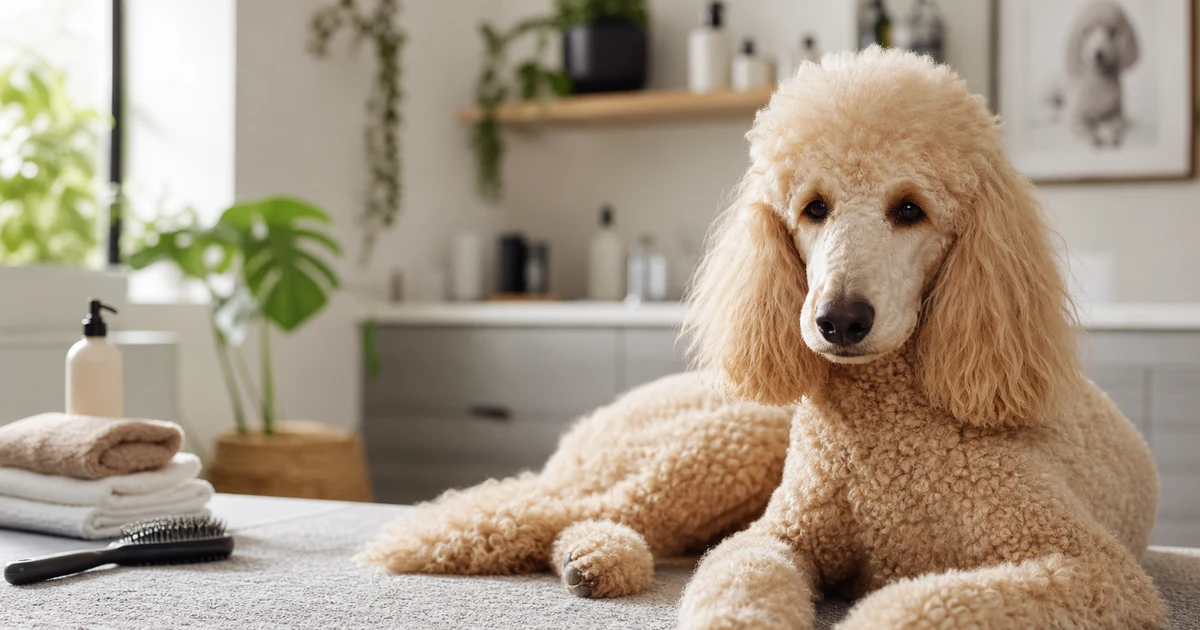
Hypoallergenic Dog Grooming: A Practical Guide for Allergy-Aware Homes
Low-shedding dogs still need thoughtful coat care. Learn what grooming can—and cannot—do in an allergy-aware home.
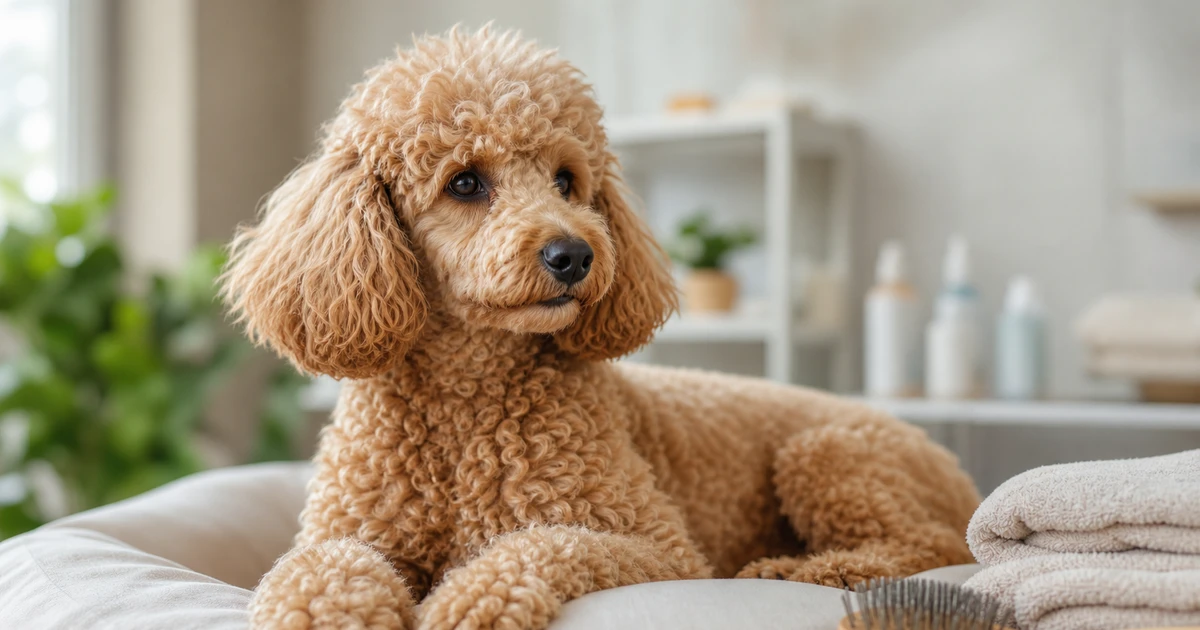
Are Poodles Hypoallergenic? What Allergy-Aware Homes Should Know
Poodles are a low-shedding option, but “hypoallergenic” is not an allergy-free promise. Here is the grooming and lifestyle trade-off to consider.
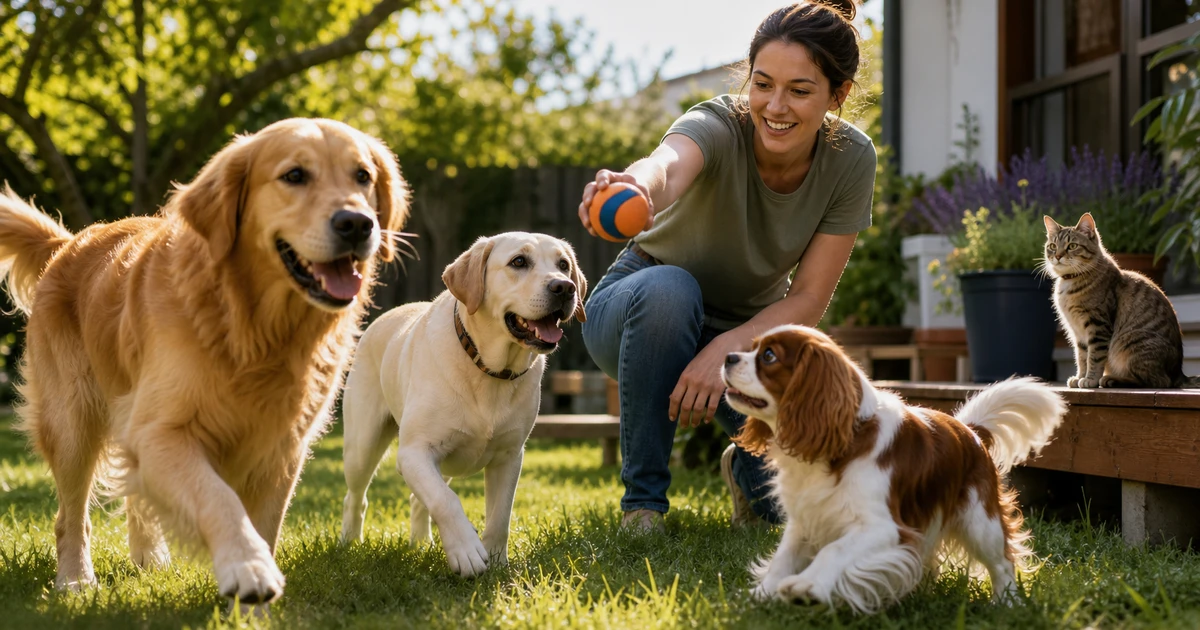
Best Dog Breeds for Cats: How to Choose a Dog That Can Share the House
Some breeds are easier to manage around cats, but no breed is automatic. Start with temperament, trainability, energy, and the individual dog.
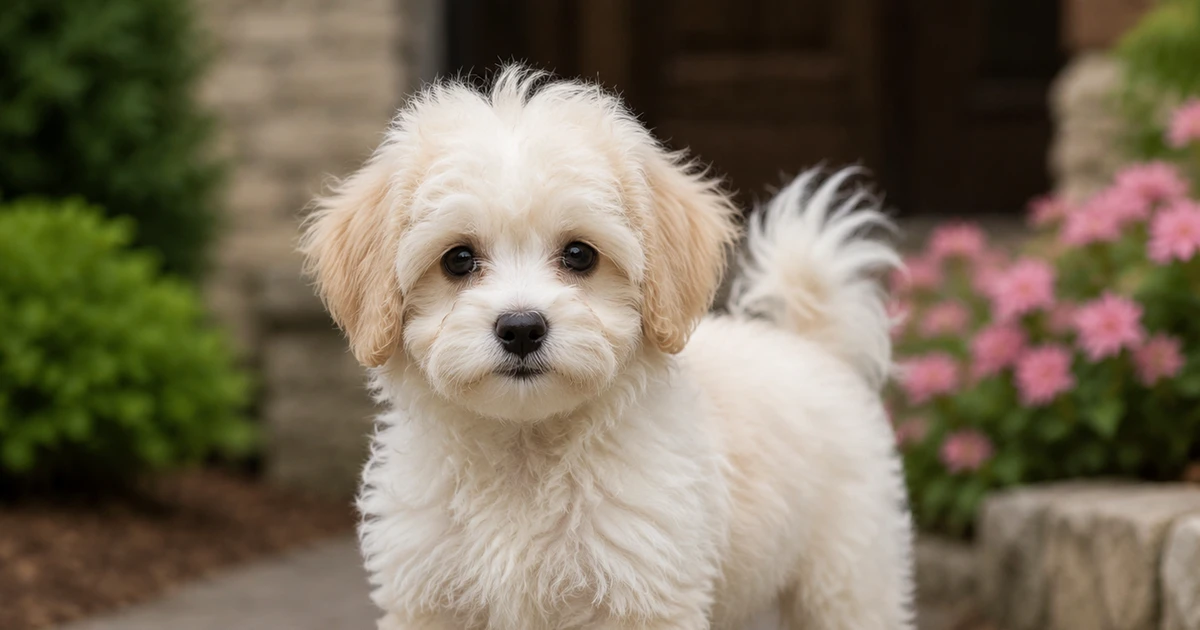
Small Mixed Breed Puppies: What Can Change as They Grow
Small mixed-breed puppies can change coat texture, color depth, ear shape, and adult size more than a single puppy photo suggests.
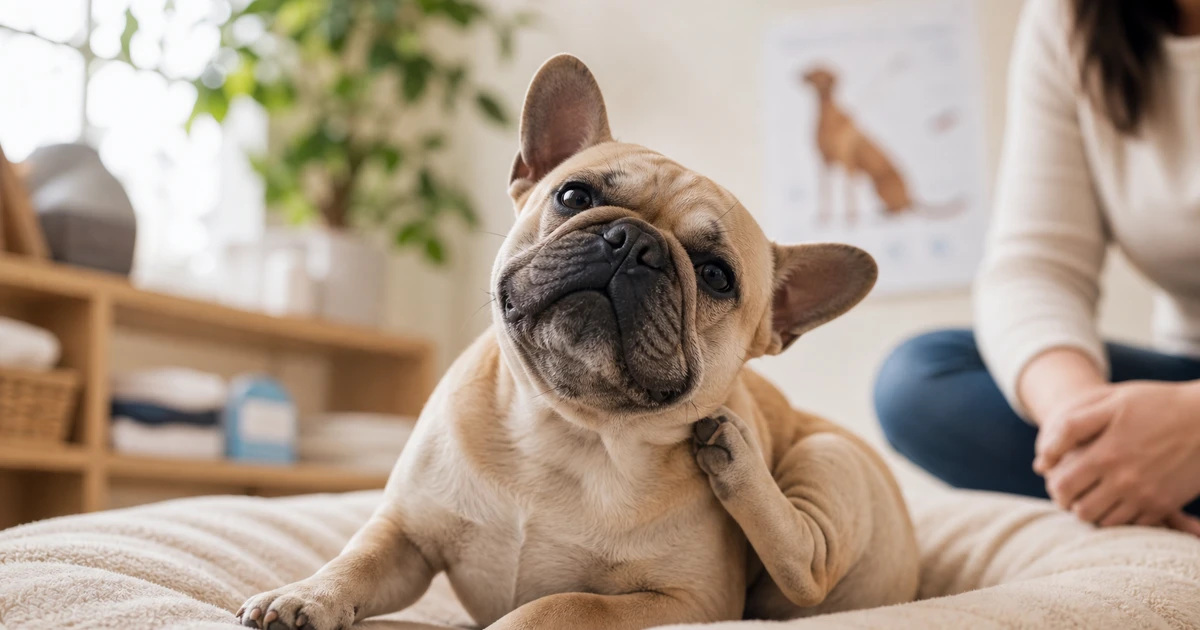
Dog Itchy Skin: What Owners Should Check Before Panicking
Your dog won't stop scratching, and your mind is jumping to worst-case scenarios. Take a breath—this observation checklist helps you gather the right information before you call the vet.
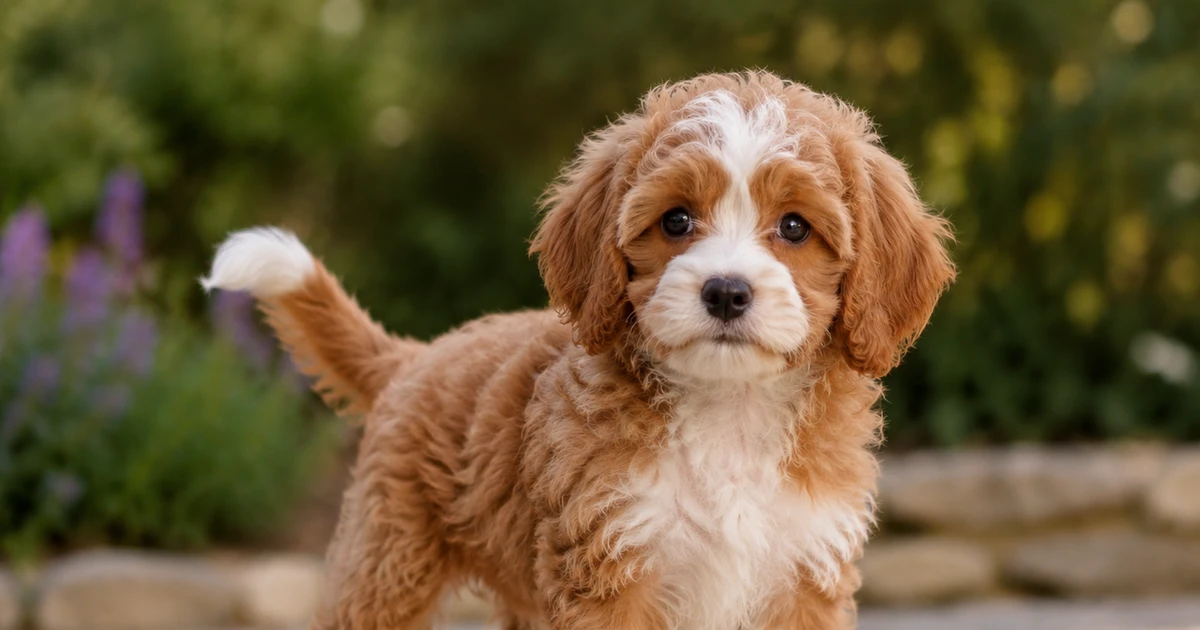
Best Poodle Mixes for Families: Cavapoo, Maltipoo, Bernedoodle and More
Poodle mixes dominate the highest-demand mixed-breed terms on the site, but the best family fit depends on the other parent, not the Poodle label alone.

Morkie vs Maltipoo: Tiny Apartment Dogs With Different Tradeoffs
Morkies and Maltipoos are tiny, affectionate, and popular with apartment searchers, yet the Yorkshire Terrier and Poodle sides change the day-to-day fit.

Shih Tzu Poodle Mix vs Maltipoo: Small, Fluffy, and Not the Same
The Shih Tzu Poodle Mix and Maltipoo both appeal to small-dog searchers, but their coat, barking, and kid-fit signals are not identical.
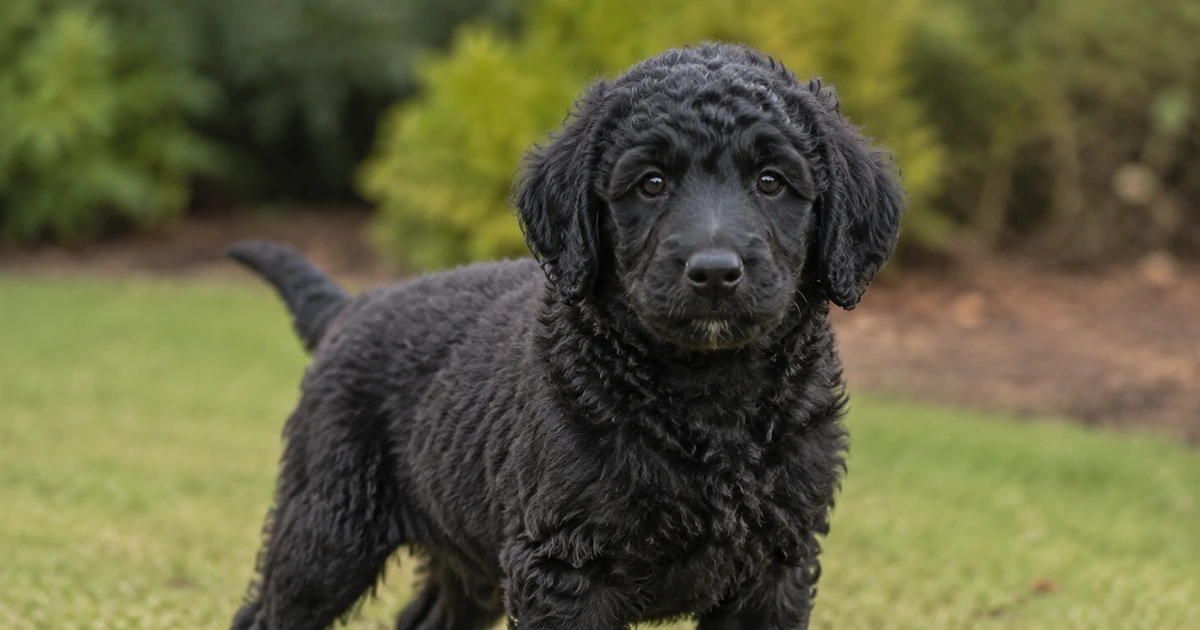
Labradoodle vs Goldendoodle: Which Retriever Poodle Mix Is Easier?
Labradoodles and Goldendoodles sit near the top of mixed-breed search demand, but the Labrador and Golden Retriever sides do not create identical family dogs.
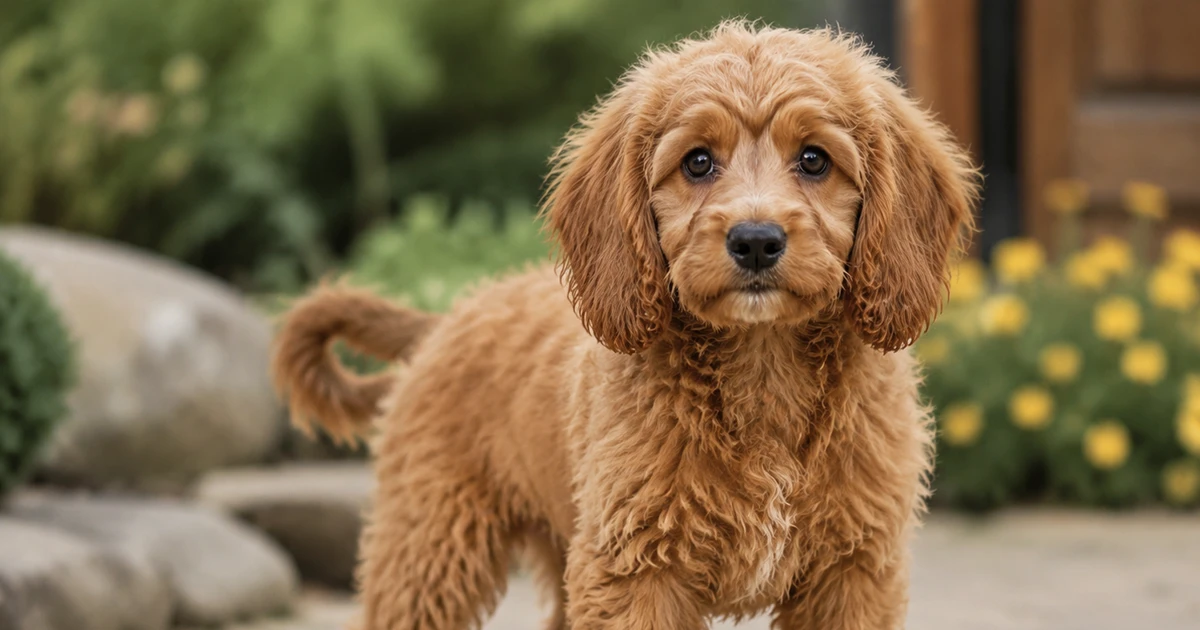
Cockapoo vs Cavapoo: The Small Poodle Mix Difference That Matters
Cockapoos and Cavapoos can look similar in puppy photos, yet the Cocker Spaniel and Cavalier parent profiles create different energy, grooming, and family-fit tradeoffs.
Sources & standards
This profile follows recognized breed standards from the American Kennel Club (AKC) and the Fédération Cynologique Internationale (FCI), along with established veterinary and breed-club guidance. These describe general breed tendencies — every dog is an individual.