

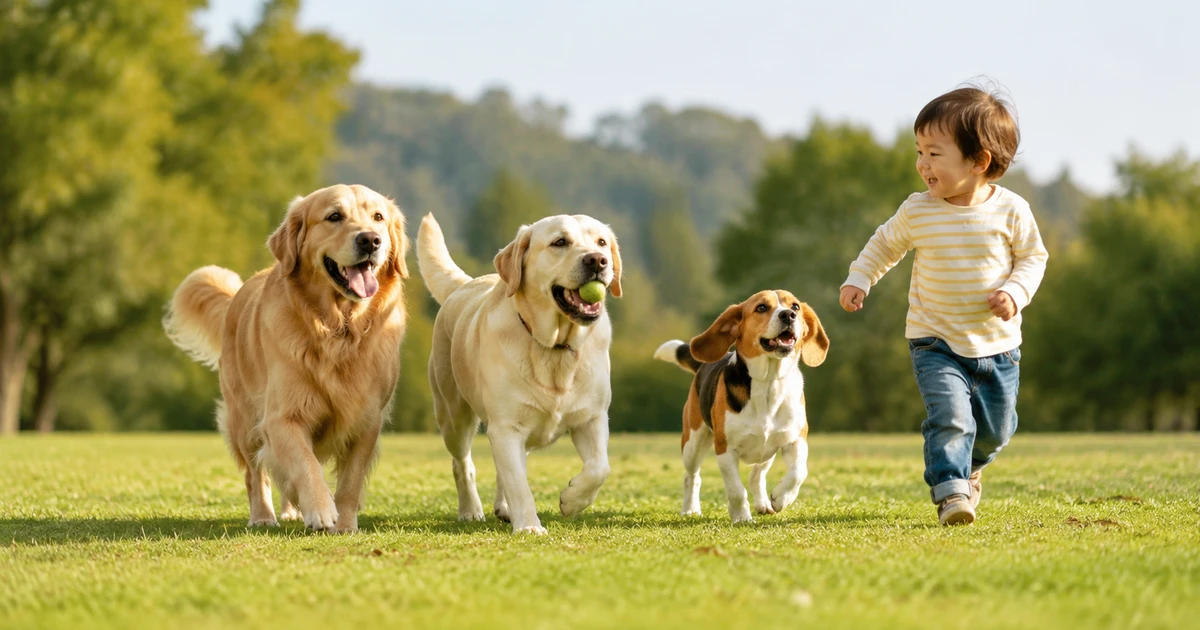
Any parent who’s seen a toddler grab a dog’s ear knows the cold sweat that follows. When you’re wading through the best dog breeds for families, you need more than a “good with kids” checkbox. You need a dog that won’t flatten a two-year-old during a zoomie, has the patience for tail tugs during snack time, and can match a toddler’s chaotic energy without losing its mind. After years of dog ownership and countless playdates, here’s my honest ranking of the eight best breeds for families with toddlers, from bulletproof to fragile.
Choosing & ComparingBy Best Family Dog Breeds Editorial Team
The 8 Best Dog Breeds for Families With Toddlers (Ranked by Temperament)
Any parent who’s seen a toddler grab a dog’s ear knows the cold sweat. Our honest, parent-tested ranking of the 8 best breeds for toddlers weighs patience, size, and real-world chaos.
Family decision guide
Choosing a dog for a home with toddlers?
Best for: Parents who need steadiness, physical sturdiness, and realistic supervision advice.
Watch out: No breed makes unsupervised child–dog interaction safe; size and tolerance both matter.
This page answers the narrower question best dog breeds for families with toddlers. For the full shortlist across sizes and lifestyles, start with our best dog breeds for families guide, or use the Family Dog Fit Matrix.
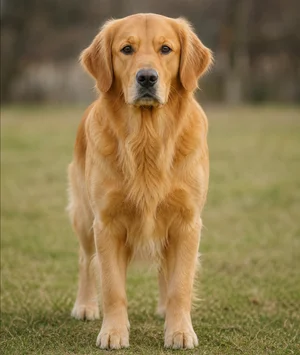
1. Golden Retriever
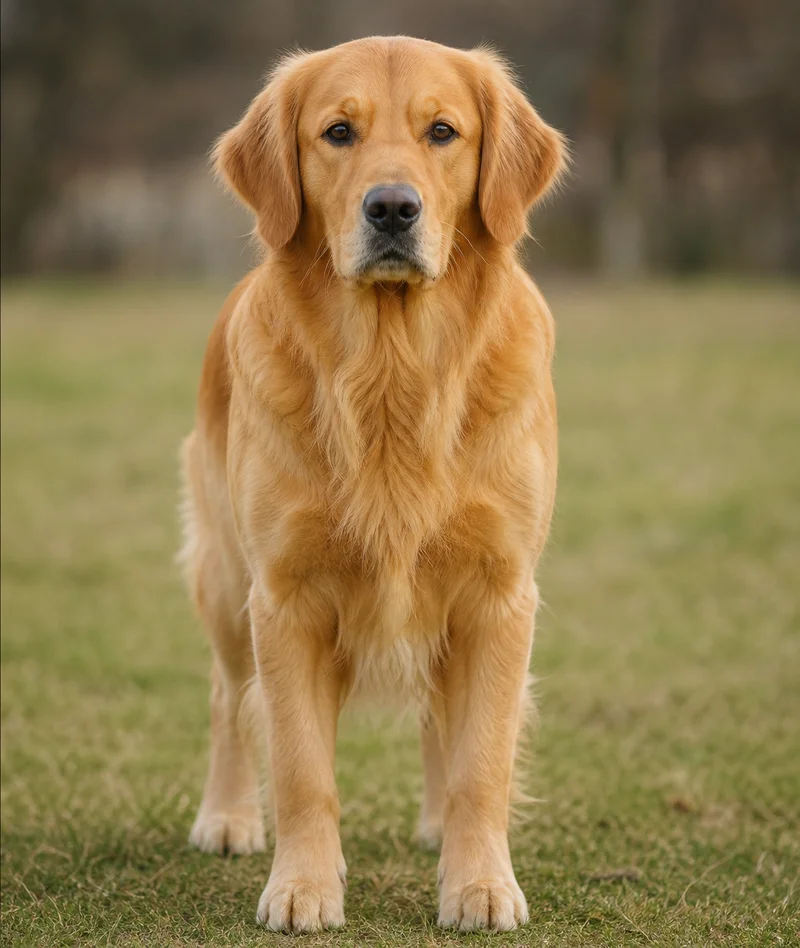
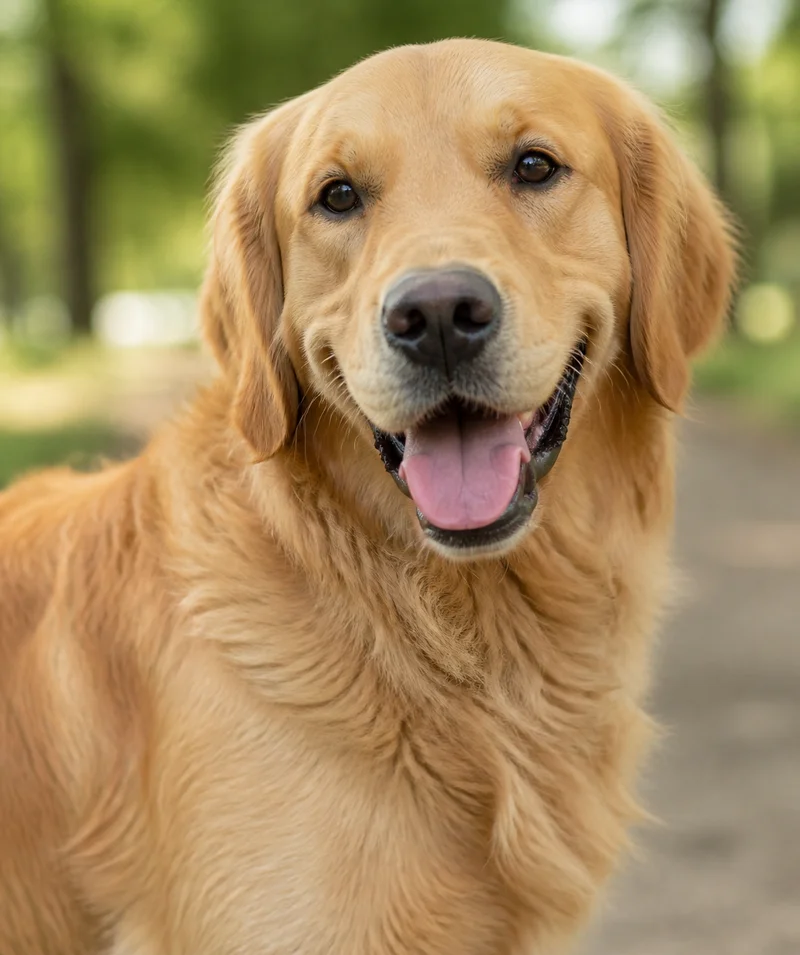
The Golden Retriever is the undisputed champion of toddler tolerance, and I’ve seen firsthand why. At 55–75 pounds, they’re sturdy enough to absorb clumsy hugs without flinching, yet their gentle temperament means they rarely retaliate even when a child accidentally pokes an eye. Goldens have an almost supernatural patience, often dialing down their energy to a calm plod around little ones. The flip side? That beautiful wagging tail is a coffee-table clearing hazard, and heavy shedding (a 5 on our scale) means you’ll vacuum daily.
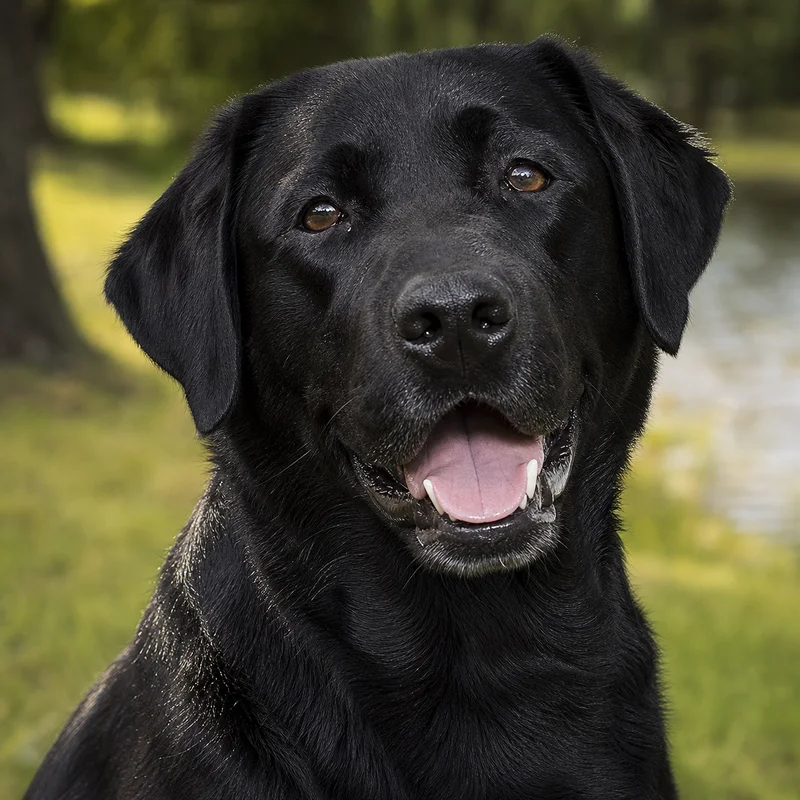
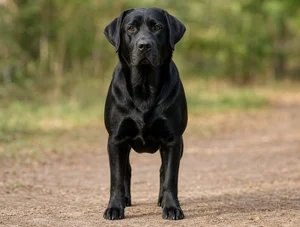
2. Labrador Retriever
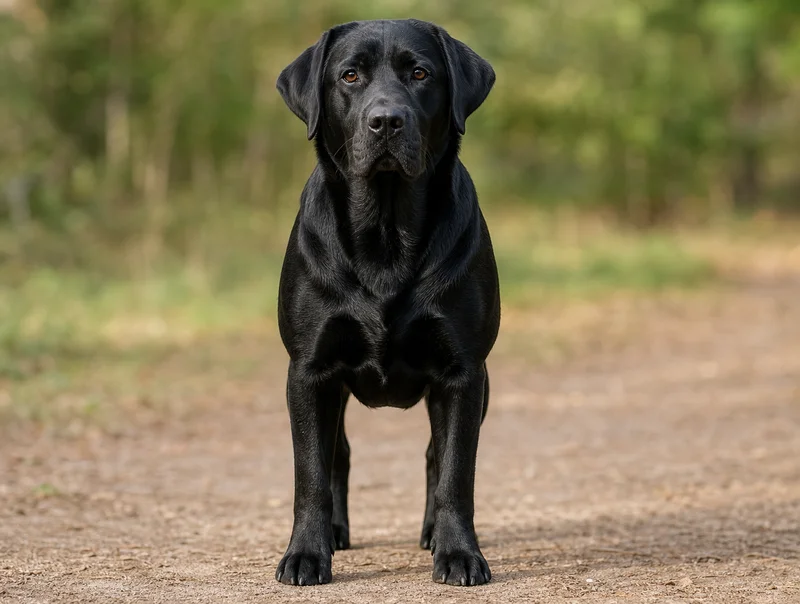
If the Golden is the gentle nanny, the Labrador Retriever is the goofy, oversized best friend. At 55–82 pounds, Labs are robust and rarely fazed by a toddler’s rough-and-tumble play, but their sheer enthusiasm can be a liability — that happy tail knows no mercy, and a full-body wag can send a 30-pound child flying. Labs are famously food-motivated (another toddler hazard — drool-covered cookies disappear fast), but their forgiving nature and low aggression make them a top pick if you have space for daily runs.
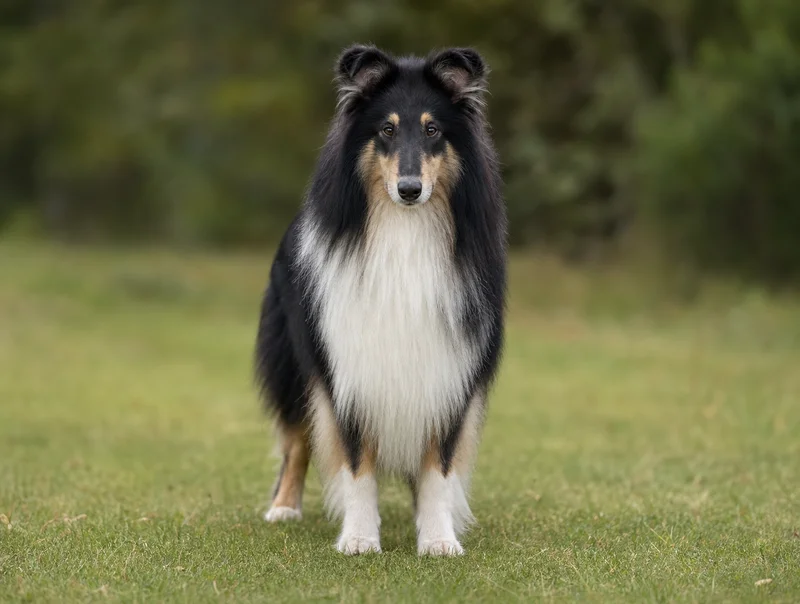
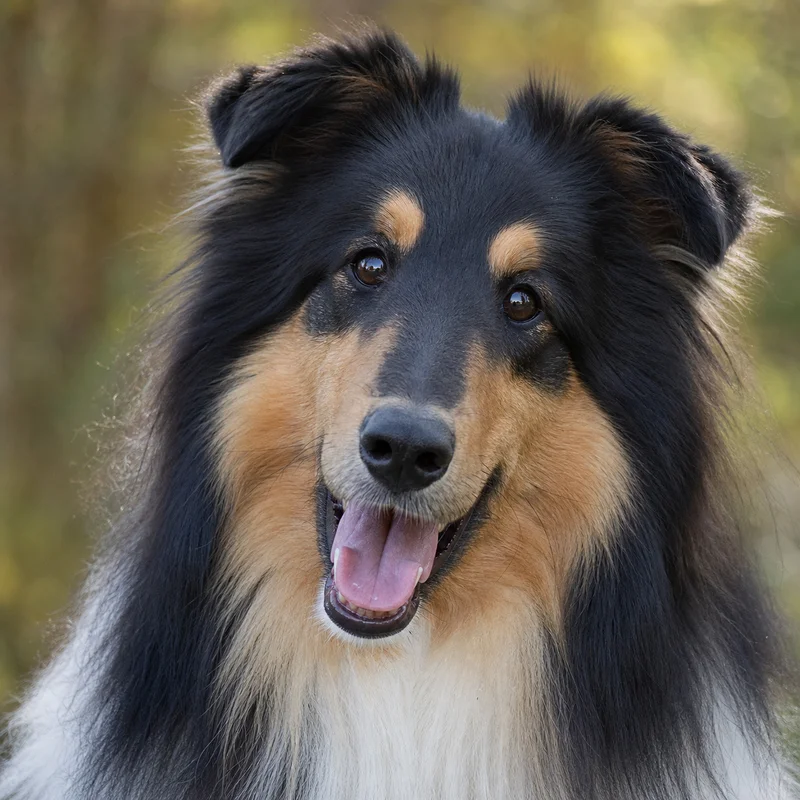
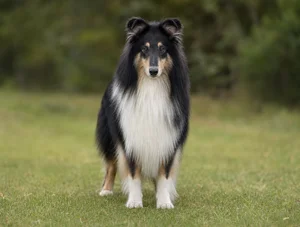
3. Collie
The Collie brings a softer, more watchful energy that I love around unpredictable toddlers. Weighing 51–75 pounds, they’re large enough to feel like a protective shadow but smooth enough indoors that they won’t bowl over a wobbly two-year-old. Collies are famously attuned to children, often herding them with gentle nose nudges rather than nipping, and their trainability is off the charts. The catch? That impressive double coat sheds like a blizzard twice a year, and their alert barking (a 4 on the scale) might wake a napping baby.
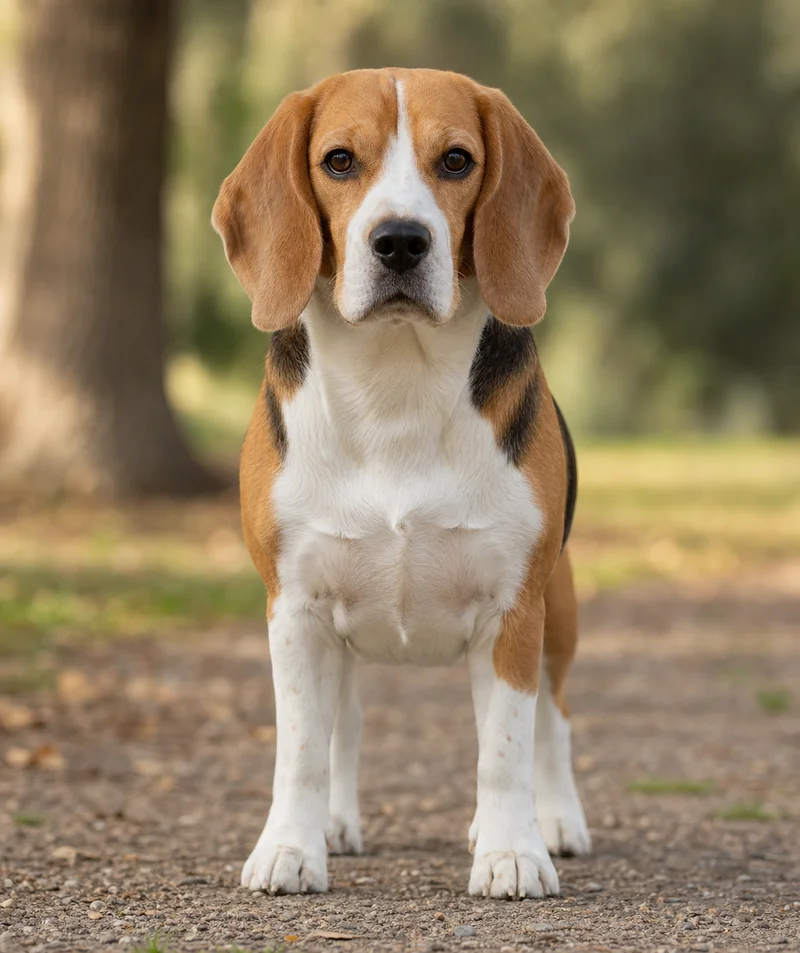
4. Beagle
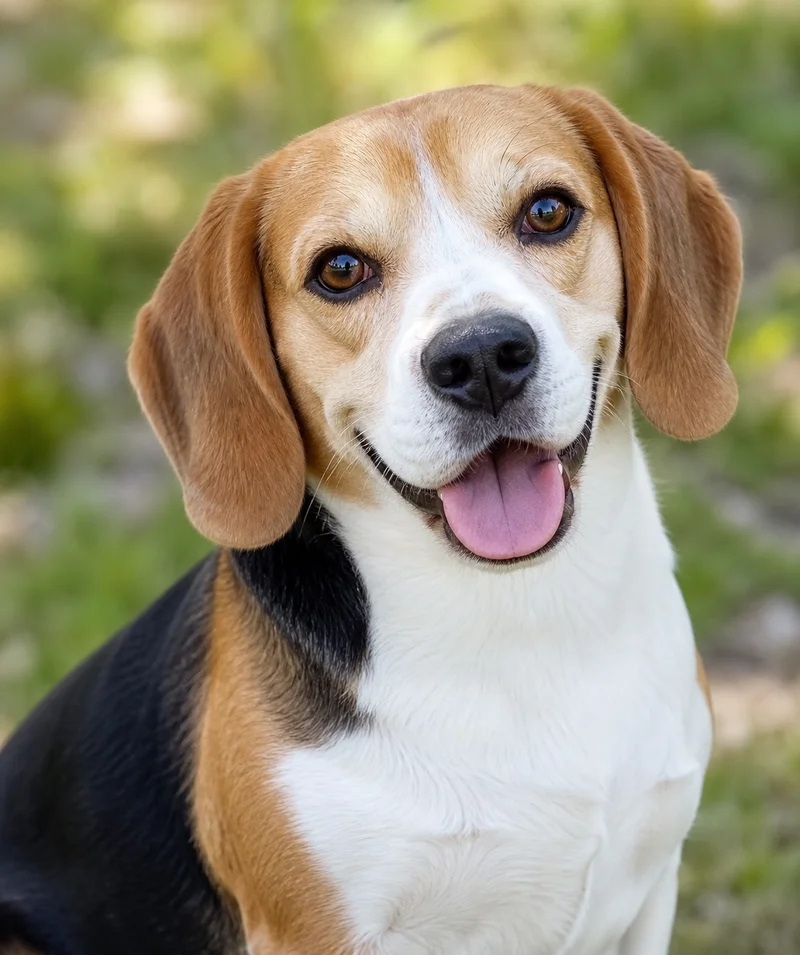
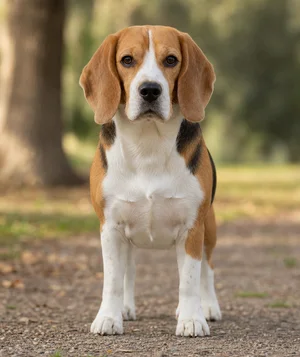
I’ll admit: a Beagle in a house with toddlers isn’t for the faint of heart, but their compact 20–24-pound frame and rock-solid temperament earn them a spot. Beagles are merry, forgiving little hounds who genuinely enjoy chaotic family noise and won’t snap when a kid stumbles over them. Their size means a toddler won’t get hurt if the dog flops on them, and they’re sturdy enough to handle a clumsy pat. However, be ready for a dog whose nose overrides all commands — if your toddler drops a chicken nugget, the Beagle will find it with single-minded determination.
5. Boxer
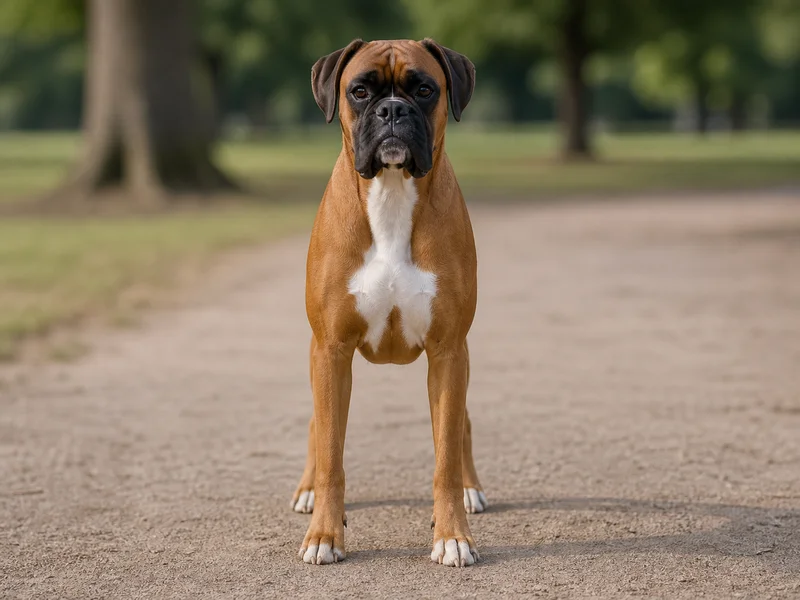
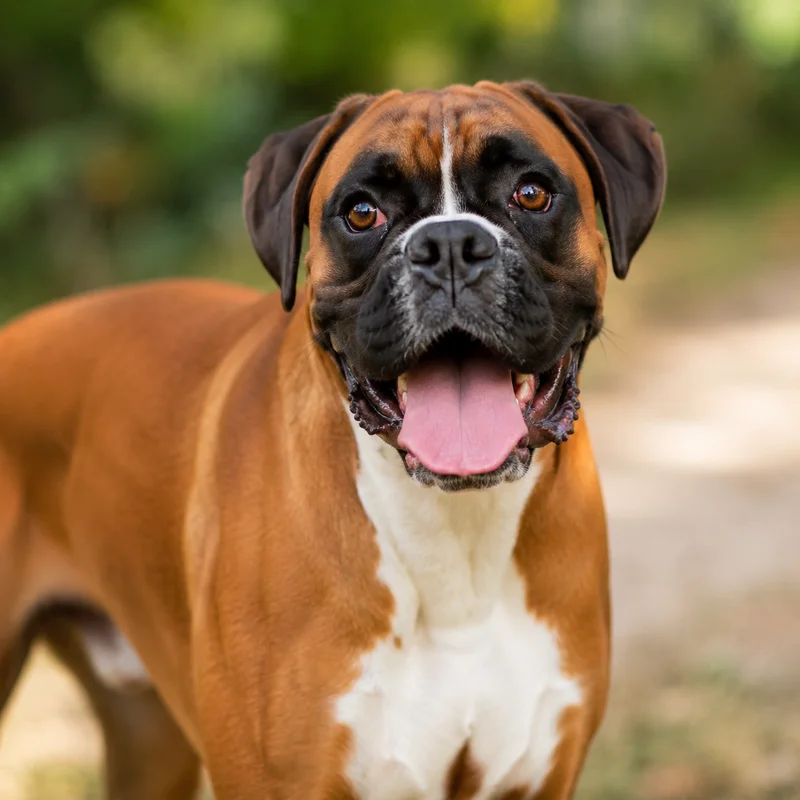
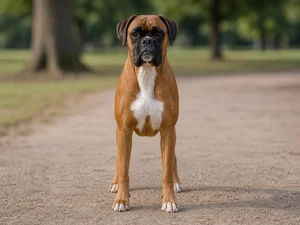
Boxers are the clowns of the dog world, and their patience with kids is legendary — but at 55–71 pounds, they’re a powerful presence. A Boxer will guard your toddler like a watchdog and play gently for hours, yet their exuberance can be a problem: a full-body wiggle of joy can easily topple a one-year-old. Their brachycephalic snoring might keep light-sleeping parents awake, but Boxers are incredibly attuned to young children, often turning into solemn protectors during playground outings. Firm training and a fenced yard are non-negotiable.
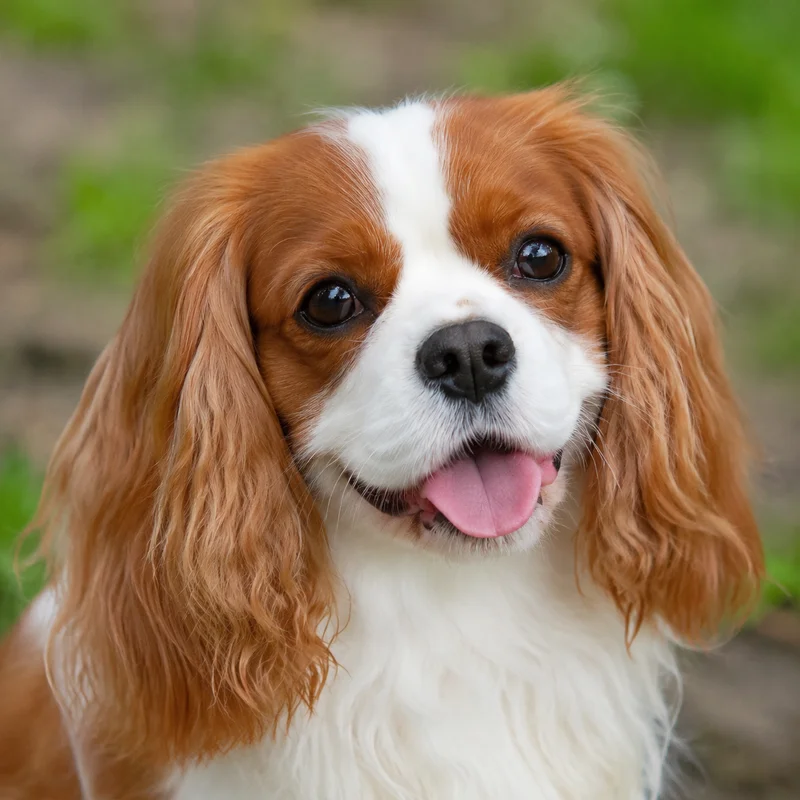
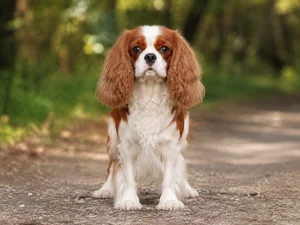
6. Cavalier King Charles Spaniel
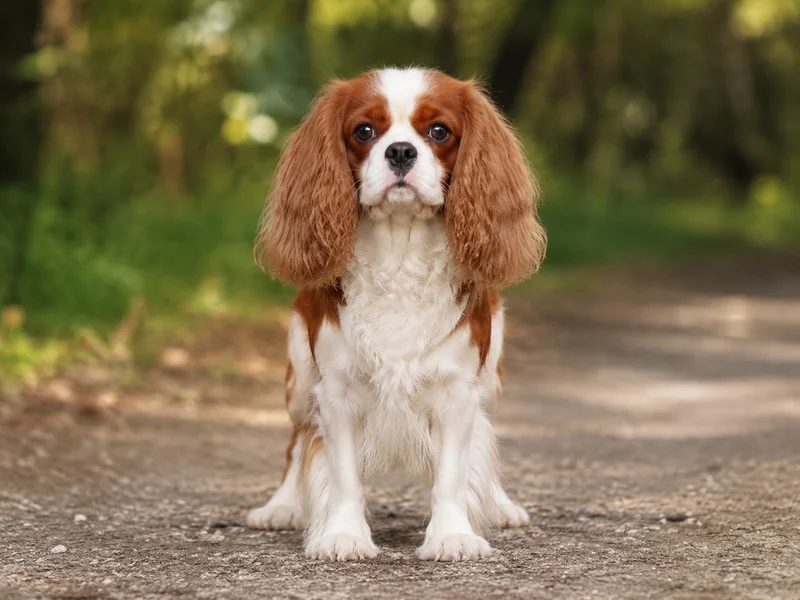
Don’t let the 11–18-pound weight fool you: the Cavalier King Charles Spaniel is a lapdog who melts around kids, but their small size demands vigilant supervision. Cavaliers are gentle to the core, with a patience that seems to understand a toddler’s uncoordinated pets. They’re quiet (barking level 2) and adapt well to apartment life, making them ideal for close-quarters families. The hard truth? A child can easily step on or drop this breed, and Cavaliers are prone to serious heart and neurological conditions that can be costly to manage.
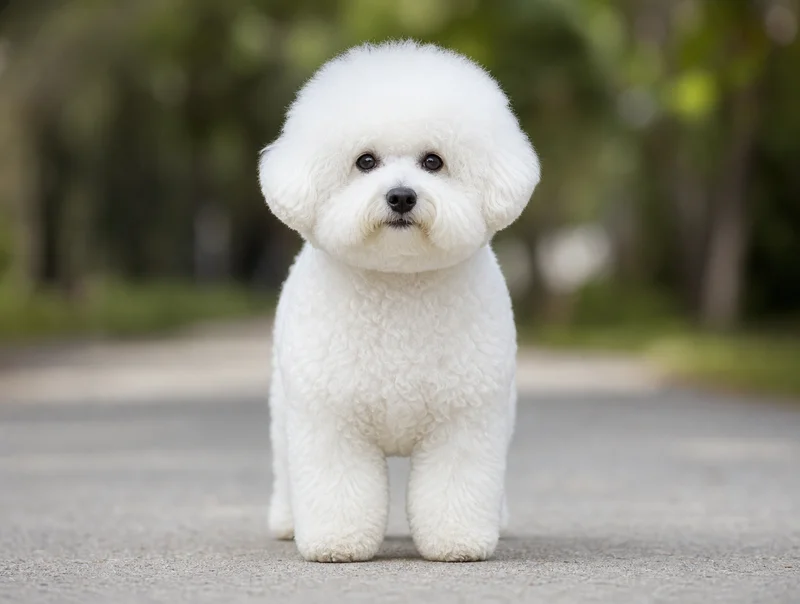
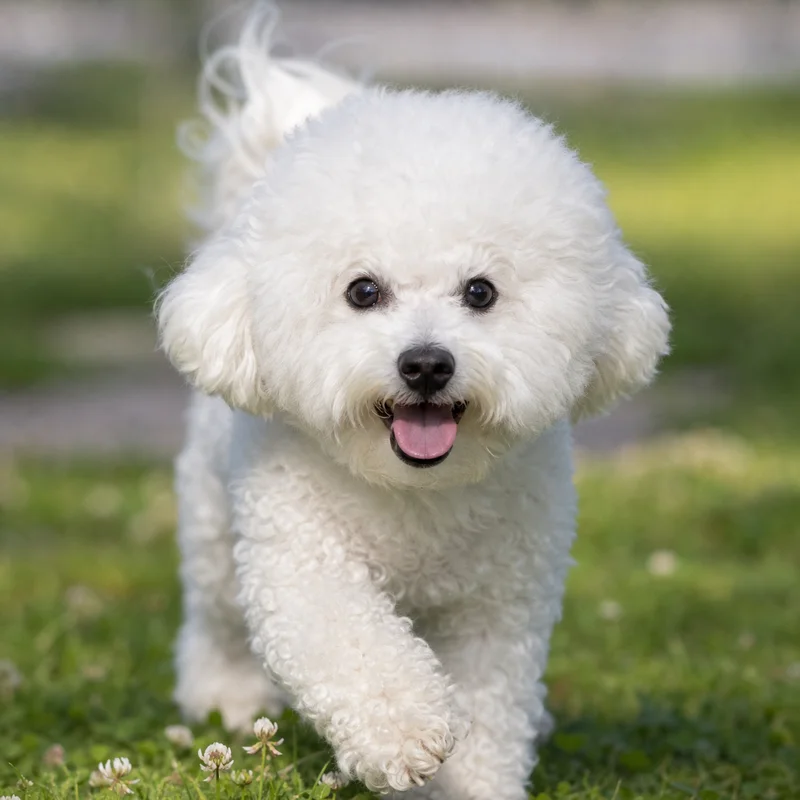
7. Bichon Frise
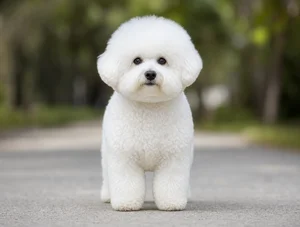
The Bichon Frise at 11–15 pounds is a fluffy, joyful cloud that doesn’t shed much (great for allergy-prone kids) and loves to play. They’re naturally gentle with children and have a cheerful bounce that toddlers find hilarious. But their small size makes them fragile — rough handling can cause injuries, and their high-maintenance coat (daily brushing, professional grooming every 4–6 weeks) is a lot on top of baby care. Bichons also hate being alone, so they thrive in homes where someone is always around.
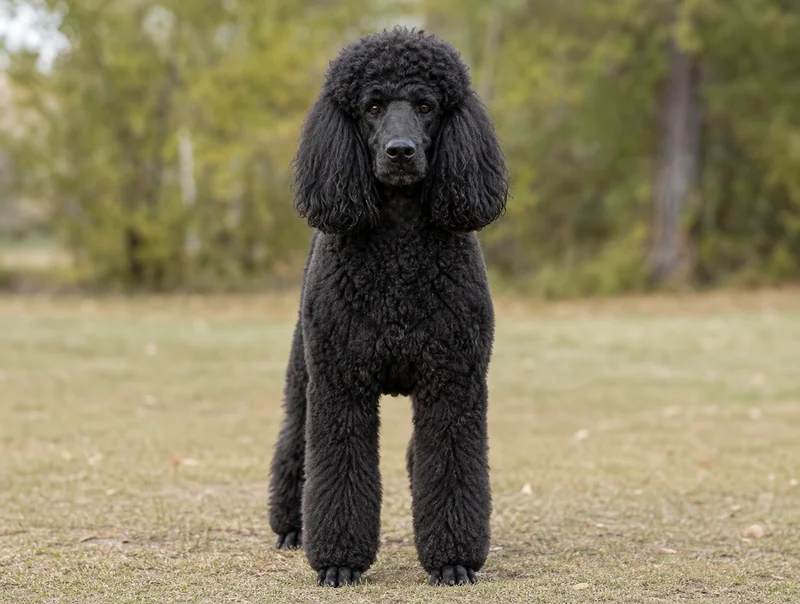
8. Toy Poodle
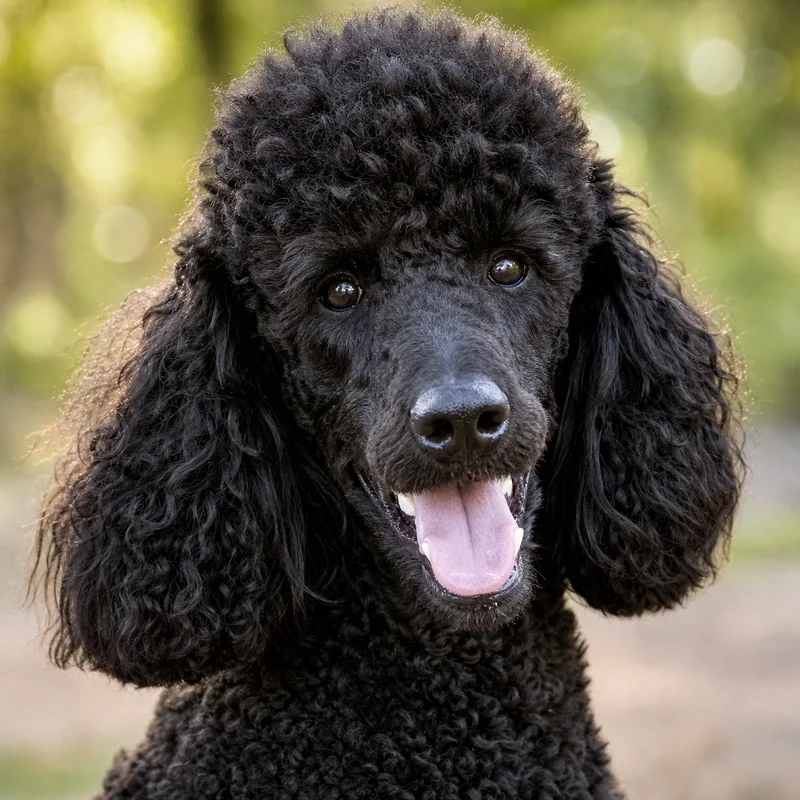
Ranking last isn’t a knock on the Poodle’s intelligence or affection; it’s purely about size. At just 7–9 pounds, a Toy Poodle can be seriously hurt by a toddler’s accidental fall or enthusiastic hug. They’re incredibly trainable (the smartest on this list) and have a non-shedding coat that’s a bonus for allergies, but their delicacy means they’re better suited to families with older, calmer children. Reserve this breed for when your toddler is school-aged and understands how to handle a tiny dog.
Breeds mentioned in this article
 Collie
 Golden Retriever
 Labrador Retriever
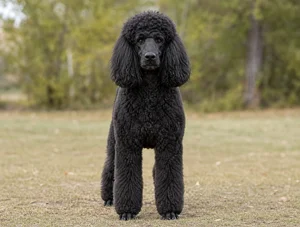 Poodle
Free dog tools
Useful calculators for dog owners
🍫Chocolate Toxicity CalculatorEstimate the risk from the type and amount of chocolate your dog ate, by weight.🍖Dog Food CalculatorEstimate dry-food cups, wet-food containers, or fresh-food grams from daily calorie needs and your label.💧Dog Water Intake CalculatorHow much water your dog should drink per day, by weight, activity and food type.🦴Dog Treat Calorie CalculatorUse the 10% treat rule to calculate a safe daily treat budget and food adjustment.🎂Dog Age CalculatorConvert your dog’s age to human years using the modern, size-adjusted formula.⏳Dog Lifespan CalculatorEstimate life expectancy from breed size and weight, with tips to add healthy years.
Dog Diary
More articles you might like
Health
Hypoallergenic Dog Grooming: A Practical Guide for Allergy-Aware Homes
Low-shedding dogs still need thoughtful coat care. Learn what grooming can—and cannot—do in an allergy-aware home.
Tips
Best Large Dogs for Apartments: Calm Big-Breed Options and Real Constraints
Large dogs can fit apartment life when their energy, barking, grooming, and household fit align. Compare six database profiles.
Tips
Low-Maintenance Dogs for First-Time Owners: What “Easy” Really Means
“Low maintenance” is a fit between a dog’s scorecard and your routine—not permission to ignore a dog. Compare six first-time-friendly profiles.
Tips
Big Hypoallergenic Dogs: Large Low-Shedding Breeds and Their Trade-Offs
A larger low-shedding dog can still demand grooming, activity, and thoughtful household planning. Compare six profiles before choosing one.
Find your perfect dog
Browse our in-depth breed guides:
Share