

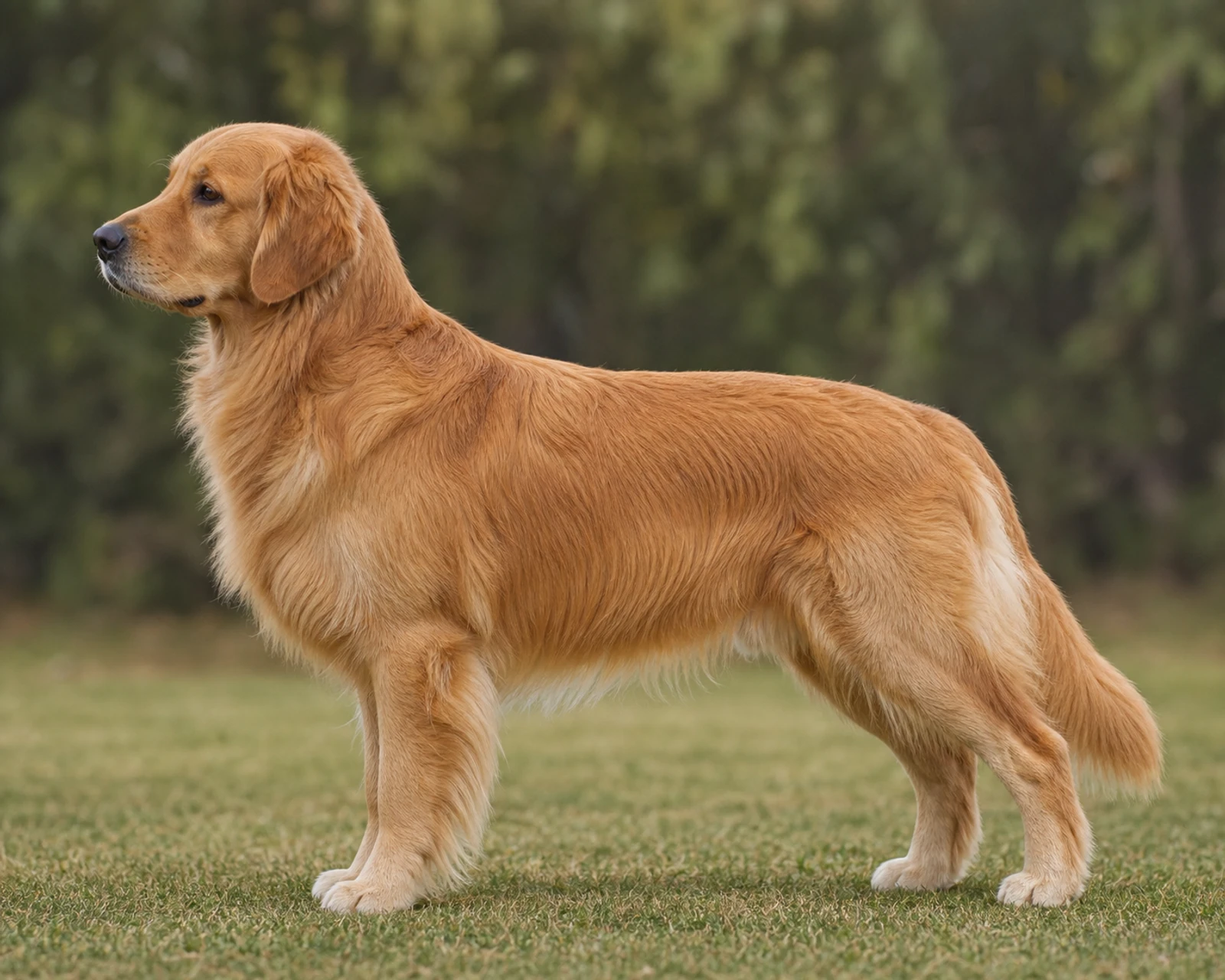
Golden Retrievers are the quintessential family companion: loyal, patient, and eager to please. Bred as hunting dogs, their gentle mouth and love of water make them ideal retrievers, while their intelligence and sociability suit them for service work. They thrive on human interaction and need plenty of exercise. Best for active households with space to roam, they are gentle with children and other pets. Their golden double coat requires regular brushing to manage heavy shedding.
Family fit
Is the Golden Retriever a good family dog?
A people-focused retriever with a substantial size, shedding, and activity commitment to plan for.
- Children
- Family shortlist
- Energy
- Higher
- First-time owners
- More approachable
- Grooming
- Moderate
Breed tendencies are only a starting point. Supervise children, meet the individual dog, and make sure the exercise, training, grooming, space, and cost fit your household.
Golden Retriever Sticker Pack
36 cartoon stickers • transparent PNG • no watermark
Pinterest-ready
Share all 36 reactions as one sticker sheet
Pinterest opens with the full pack and a fresh, tailored description. You choose the public board and publish it from your own account.
Save the full pack


Choose one reaction above to share it alone, or use the full-pack button for all 36 together.




































Free full-resolution download — no account, no payment, no watermark.
Includes all 36 transparent PNG stickers in one ZIP. A quick human check is required for each download.
At a glance
- Size
- Large
- Height
- 20–24 in
- Weight
- 55–75 lb
- Life span
- 12–13 years
- Coat colors
- golden
- Coat type
- dense double coat
- Origin
- United Kingdom (Scotland)
How much does a Golden Retriever cost?
Adopt / rescue
$100–$450
Usually includes spay/neuter, first shots, and a microchip.
Buy from a breeder
$1,200–$3,000
From a reputable, health-testing breeder.
Approximate USD. Prices vary widely by region, breeder, pedigree, age, and coat colour — adopting is the lower-cost and recommended route. Avoid suspiciously cheap “breeders”; they’re often puppy mills.
Estimate the full cost of a Golden Retriever →Want the ongoing number? Estimate the monthly food bill for a Golden Retriever with our dog food cost calculator.
Golden Retriever photos
Views
Front, side, rear and top — the full silhouette.Poses
How the breed sits, lies, moves and plays.Puppy to senior
The breed across its whole life.Expressions
The breed’s range of moods.Close-up details
Eyes, ears, nose, paws, tail and coat.Coat colors
The breed’s recognized colors.Click any photo to enlarge. We show the Golden Retriever from every angle — three views, poses, life stages, expressions, close-ups, coat and colors.
Appearance & size
A Golden Retriever looks like exactly what he was bred to be: a sturdy, powerful dog with a soft mouth and a coat that can shake off a Scottish rain. He’s a large breed, but nothing about him is clunky—every line suggests balance and purpose.
At the shoulder, most males stand 22 to 24 inches, females 20 to 22 inches, with a weight that settles between 55 and 75 pounds once they fill out. You want to see a dog that is slightly longer than tall, with a deep chest that reaches to the elbows and well-sprung ribs giving him the lung room for a long day’s work. The back is straight and strong, the loin short and muscular, and the croup slopes gently into a thick, heavily feathered tail.
Coat and color
The coat is a dense, water-repellent double layer that can range from pale cream to a rich, sun-baked gold. Show rings tend to favor the middle golds, but any shade in that spectrum is correct. The outer coat lies flat and has a firm, resilient feel; you can push your hand through it and feel the soft undercoat beneath. Feathering is heavier on the backs of the forelegs, the thighs, the underline, and the tail. This is a dog that sheds year-round and blows coat seasonally—if you bring one home, a good vacuum is non-negotiable.
Head and expression
The skull is broad and the muzzle straight, with a distinct stop between the eyes. His face is one of the breed’s defining features: dark, widely set eyes give him a kind, intelligent look that never misses much. Ears hang close to the head, just at or below eye level. The nose is black or brownish-black, often fading to a lighter shade in cold weather, affectionately called a “snow nose.”
The tail
What really catches your eye from the side or rear is the tail. It’s thick and muscular at the base, carried level with the back or with a gentle upward curve, and covered in long, flowing fringe. Goldens don’t tuck their tails when working—the wag is constant, and that flag-like motion can clear a coffee table in seconds.
From the front, the forelegs are straight and strong-boned, set under a well-laid-back shoulder. From behind, you see a powerful hindquarter with a short, defined hock and, of course, that tail in motion. The whole picture is a dog that moves with easy, ground-covering strides—efficient and tireless, never flashy.
History & origin
Golden Retrievers trace back to the Scottish Highlands in the late 1860s, where one man’s meticulous journal entries tell the whole story. Sir Dudley Marjoribanks—later known as Lord Tweedmouth—wanted a biddable, durable gundog built for the wet, rugged terrain of his Guisachan estate. The local retrievers of the day struggled to push through heavy cover and cold loch water without tiring. So he crossed a yellow Wavy-Coated Retriever named Nous with a female from the now-extinct Tweed Water Spaniel line, a breed prized for its swimming strength and gentle mouth. That pairing produced a litter of four yellow pups, and Tweedmouth kept meticulous records as he selectively blended in additional Wavy-Coated Retrievers, a red setter, and even a sandy-colored bloodhound over the next two decades. The goal was never a flashy show dog; it was a soft-mouthed retriever that could mark a downed bird at distance, swim through icy water, and hold steady until called—all day, across rough ground.
The breed earned its name from that rich golden coat, and by 1903 the UK Kennel Club officially recognized the “Golden or Yellow Retriever” as a distinct breed. A dedicated breed club formed just eight years later, pulling together enthusiasts who standardized the type. The dogs didn’t stay quietly in Scotland. They crossed the Atlantic with travelers and soldiers, and by the early 20th century, Americans and Canadians were breeding them in earnest. The American Kennel Club granted full recognition in 1932. Real momentum came a few decades later. In the 1970s, a Golden named Topbrass Conner’s Big John racked up three consecutive AKC obedience championships, shattering any notion that this was just a pretty-faced gundog. That trainability, paired with the breed’s steady temperament, catapulted its popularity. By 2001, the Golden Retriever ranked second in AKC registrations—trailing only its cousin the Labrador—and it hasn’t budged far from the top spot since.
Temperament & personality
The Golden Retriever’s personality is the main reason this breed tops the charts year after year. A well-socialized Golden is an unshakeably friendly dog who treats visitors like long-lost relatives and rarely meets a situation that dampens his sunny outlook. Aggression is simply not part of the package — the breed consistently scores at the low end of any aggression or fear scale. That doesn’t mean every Golden is a saint; poor breeding or neglect can produce anxious, noisy dogs, so choose a responsible breeder who selects for sound temperament.
These dogs live for human connection. A Golden wants to be where you are, whether that’s under your desk while you work, wedged next to you on the couch, or trotting alongside you on a hike. This intense people-orientation is a double-edged sword: a Golden left alone for long hours day after day will often develop separation anxiety, which can manifest as destructive chewing, nonstop barking, or house soiling. If your household is gone much of the day, this breed is a poor fit unless you can arrange doggy daycare or a midday visitor.
With children, the breed’s trademark patience and soft mouth shine. Many Goldens seem to dial down their energy around toddlers, and they’ll tolerate the clumsy hugs and ear-pulling that would spook a more sensitive dog. That said, no dog should be expected to endure rough handling indefinitely — supervise interactions and teach kids to leave the dog alone when he’s eating or resting. And while resource guarding is rare in well-bred Goldens, the rule is the same as with any dog: never bother him while he’s chewing a bone or eating dinner.
The retrieving heritage shows up in daily life as a charming quirk. Your Golden may greet you with a toy, shoe, or dirty sock held gently in his mouth — it’s his way of saying hello, not a problem to correct. He’s also a prodigious chewer, especially as a puppy. Provide a steady supply of approved chew items and keep your remotes out of reach to satisfy that need. One more thing: a Golden’s appetite is legendary. Leave a butter dish on the counter, and you’ll learn that your dog can reach it. Management is your friend.
A Golden’s energy level is best described as “ready when you are.” They thrive on an hour or more of daily exercise — a walk, a swim, a game of fetch — but once that need is met, they settle into a calm, content companion indoors. A bored, under-exercised Golden, by contrast, will invent his own jobs, which usually involve redecorating your baseboards.
Alert barking is about as far as a Golden goes toward guard-dog duty; a wagging tail usually follows. Expect a friendly greeting for the delivery person, not a suspicious stare. If you want a dog who intimidates strangers, look elsewhere.
One subtle but important behavior point: a Golden rarely operates out of defiance. When a Golden ignores a cue, it’s far more often because he’s distracted by a squirrel or so eager to please that he got overexcited and forgot himself. This is a dog who thrives on positive, upbeat training — harsh corrections will crush his spirit. Consistency and a cheerful tone get you ten times the results that force ever will.
His emotional transparency is a gift. A relaxed, loose body, soft eyes, and a gently waving tail tell you your dog is content. Lip licking, yawning, or turning away are his quiet signals that he’s uncomfortable. Learning to read those signals helps you keep your dog out of stressful situations and strengthens your bond.
Meet his need for daily exercise and plenty of close contact, and you’ll get a dog who is quiet, house-friendly, and reliably sweet. Shortchange him on either, and you’ll pay for it in chewed chair legs and ear-splitting howls.
Good with kids, dogs & other pets
Kids
A well-bred Golden Retriever is about as kid-proof as a large dog gets. They’re steady and forgiving with wobbling toddlers, patient when hugged a little too hard, and quick to defuse tension with a wag. That said, this is still a 55–75-pound dog who can accidentally flatten a preschooler in a burst of enthusiasm. Set ground rules: no climbing on the dog, no grabbing ears or tail, and respect when the dog walks away. Adult eyes need to be on the scene until everyone has good manners and timing—especially during that lanky adolescent phase when a Golden’s coordination lags behind its size.
Other dogs
Most Goldens genuinely enjoy canine company. A neutered adult often settles into an easygoing play style, but early practice matters. Without gentle, repeated exposure before about 16 weeks, some become over-the-top greeters at the park, while others turn timid. One-on-one playdates where you can interrupt roughhousing and reward calm breaks are far more valuable than chaotic dog-park free-for-alls. An adult rescue who missed early socialization may never be a social butterfly, and that’s okay. Forcing interactions with unfamiliar dogs often creates stress, not confidence. If she’s content to ignore other dogs and stick with you, honor that.
Cats and small pets
Living with cats, rabbits, or even hens is possible—especially if the dog is raised alongside them. The breed was honed to retrieve with a soft mouth, and many carry that gentleness into their dealings with smaller critters. Still, prey drive varies by individual. Introduce gradually, behind a baby gate or on a leash, and reward any calm, disinterested behavior. Never leave a Golden unsupervised with a loose guinea pig or a cat that doesn’t have an escape route. Watch for fixated staring or stalking; if that instinct surfaces, separate and manage the environment rather than hoping training alone will erase it.
The early work that pays off
The critical socialization window runs roughly from 3 to 14 weeks, when a puppy’s brain codes what’s safe and normal. During that period, take your pup to meet gentle children, friendly vaccinated dogs, and a range of people. Expose him to doorbells, lawnmowers, car rides, slick floors, and the vet’s table—always pairing new things with treats or play. These weeks are short, but they shape a lifetime. After the window partially closes around 16 weeks, you can still improve fears with patient, reward-based training, but forced exposure backfires. A dog who’s uneasy around other animals on a walk doesn’t need to “face his fear” head-on; he needs distance, high-value reinforcement, and your calm leadership.
Plan around this breed’s deep need for companionship. Goldens aren’t built to live alone in the yard or wait silently for 10 hours. Long stretches of isolation risk chewing, barking, or worse. If your household is gone most of the day, a midday dog walker, neighbor drop-in, or quality daycare isn’t extra—it’s part of the bargain you make for a dog who wants nothing more than to be part of your pack.
Trainability & intelligence
Golden Retrievers don’t just tolerate training — they live for it. These dogs were built to work closely with people, and their eagerness to please shows up the second you pull out a treat pouch or a favorite toy. They pick up new commands fast, often in just a few repetitions, and they hold onto those lessons well. That’s why you see so many Goldens thriving as guide dogs, search-and-rescue partners, and therapy animals.
What motivates them
Food works, but it’s not the only currency. A quick game of tug, a tossed ball, or even just an excited “good boy” can be just as powerful. The common thread is your attention — they want it, and that makes them incredibly ready to work with you, not against you. Because they’re so people-oriented, they tend to check in frequently, which gives you a natural head start on a reliable recall.
The approach that clicks
Reward-based training is your best tool. Mark the behavior you want with a click or a word, then pay with a treat, praise, or a split-second play session. Consistency and patience pay off far more than a harsh tone ever will. Punishment-based methods don’t just fail — they erode the trust that makes a Golden so eager to learn in the first place.
Socialization matters early
Intelligence alone doesn’t guarantee a steady adult dog. Start exposing your puppy to different people, surfaces, sounds, and other animals between 3 and 14 weeks. Keep those encounters positive and short, and let the puppy retreat if something feels like too much. Ongoing, upbeat experiences through the first year help prevent the over-the-top, jumpy greetings that can turn into a challenge with a 60-pound dog.
Where things can go sideways
For all their smarts, Goldens are amiable goofballs. Their default is to assume everyone is a friend, which means they can blow you off if a stranger or another dog enters the picture. Practicing focus exercises in gradually more distracting environments is worth every minute. A 20-minute training walk where you reinforce eye contact and loose-leash walking beside a playground will do more for your day-to-day life than drilling “sit” in a quiet living room ever will.
The real key is that a Golden doesn’t need to be forced — he needs to be shown what you want and then rewarded handsomely for it. Build a history where checking in with you beats any distraction, and you’ll have a dog who recalls off a squirrel mid-chase because he’d genuinely rather be with you.
Exercise & energy needs
Plan on two solid hours of exercise every day — not a quick morning stroll, but two distinct 60-minute sessions that get your Golden’s heart rate up and give those working-retriever muscles something to do. This isn’t a breed that thrives on a couple of short leash walks. They were built for a full day in the field, and that endurance is still wired in.
What “real exercise” looks like
A walk around the block won’t cut it. Think off-leash running, swimming, fetch with serious distance, or a long hike with hills. Goldens are notorious water lovers, so a pond or lake is worth its weight in gold — swimming is joint-friendly and drains energy fast. If you’re stuck on pavement, a 30-minute fetch session in a secure area pairs well with a 30-minute sniffy walk on a long line.
The mental side matters just as much
A tired Golden isn't just physically worn out — their brain needs a workout too. Ten minutes of scent work in the house or yard (hide a favorite toy, let them hunt it down) can take the edge off when a thunderstorm cancels the second walk. Puzzle toys, frozen Kongs, and training sessions that teach a new trick all count. Skipping this piece often leads to a dog that paces, whines, or starts redecorating your couch.
When the energy doesn’t have an outlet
An under-exercised Golden Retriever doesn’t just get a little restless — they can become full-time troublemakers. Chewing through drywall, demand barking, leash reactivity, and general anxiety often trace straight back to pent-up energy. The fix isn’t stricter boundaries; it’s more mileage and a job to do with their mouth or nose.
- Puppy caution: Young Goldens have soft, growing joints. Hard running on concrete, repetitive stairs, and high-impact jumping should wait until growth plates close (around 12–18 months). Let them set the pace on grass or dirt, and keep sessions shorter but more frequent.
- Senior adjustments: Older dogs still need those daily outings, but swap marathon fetch for longer sniff walks and gentle swims. Arthritic joints appreciate consistent, low-impact movement — it keeps them limber without the next-day soreness.
If your life doesn’t have room for two daily sweat sessions — rain, shine, or snow — a Golden Retriever will tell you about it, loudly. If it does, you’ll have a calm, go-anywhere companion who’s too tired to dig under the fence.
Grooming & coat care
A Golden Retriever’s glorious golden coat is a double coat — a soft, insulating undercoat beneath a longer, water-resistant outer layer. Beautiful, yes. Low maintenance, no. These dogs shed every day of the year, and twice a year they “blow” their undercoat in a spectacular, can’t-keep-up-with-the-vacuum kind of way. If you want a house free of golden tumbleweeds, adopt a different strategy: lean into the brushing.
Aim for daily brushing during spring and fall shedding peaks, and at least three to four times a week the rest of the year. The right tools do the heavy lifting. Start with a slicker brush or a pin brush to break up tangles and pull loose hair from the outer coat. Follow up with an undercoat rake to reach the dense underbelly where mats normally form behind the ears, under the legs, and around the tail. A greyhound comb checks for hidden snarls. This routine not only keeps your dog comfortable but also distributes natural oils for a healthy sheen — no bottled shine sprays needed.
Bathe your Golden every four to six weeks, or when he’s rolled in something truly foul. Over-bathing strips the coat’s natural waterproofing, so use a gentle, dog-specific shampoo and rinse until the water runs absolutely clear. Trapped soap residue invites hot spots and flaky skin.
Trimming is minimal. No full-body shaving — the double coat insulates against heat and cold, and shaving can permanently damage its regrowth. Just neat feet, tidy the feathering on legs and tail, and thin the fur between paw pads to prevent debris buildup. Keep a slicker brush handy after outdoor romps; dried mud and burrs are a Golden’s favorite accessories.
Nails, ears, teeth. Floppy ears trap moisture, so check and wipe them weekly with a vet-approved cleaner to head off infections. Clip nails every three to four weeks — if you hear clicking on the floor, they’re overdue. Brush teeth several times a week with dog toothpaste to keep that famously soft mouth fresh and healthy.
Seasonal coat care boils down to relentless deshedding. Invest in a quality deshedding tool for those twice-yearly blowouts, and expect to fill a trash bag. The upside? All that outdoor activity that Goldens crave also promotes healthy coat turnover, so a tired, well-exercised dog sheds marginally less in the house. Marginally.
Shedding & allergies
If you’re picturing a dog that won’t leave a mark on your black pants, a Golden Retriever is not that dog. They shed heavily year-round, and twice a year during seasonal coat blows, that shedding kicks into overdrive. The soft, water-repellent double coat — a dense undercoat beneath a longer outer coat — is designed to insulate, and it’s constantly renewing itself. Daily tumbleweeds of golden fluff drifting across your floors and clinging to furniture are just part of the deal.
Come spring and fall, the “blowout” period can last three to six weeks, during which you’ll pull out tufts by the handful. Raking through the coat with an undercoat rake and a slicker brush three to four times a week (daily is better) keeps it from feeling like your house is upholstered in dog hair. Many owners invest in a good vacuum designed for pet hair and learn to accept a certain background level of gold.
Drool is a lesser concern. Goldens aren’t slobber machines, but they can drip after drinking water or when they’re eyeing your sandwich with intense focus. It’s manageable, though not zero.
On allergies: no, Golden Retrievers are not hypoallergenic. The idea that some breeds are allergy-free is a myth; it’s not the hair but the dander, saliva, and urine proteins that trigger reactions. Because Goldens produce so much hair and dander, they can be a tough match for allergy sufferers. Some individuals with milder allergies do manage by keeping the dog out of bedrooms, running HEPA filters, and staying on top of grooming and cleaning, but it’s a significant commitment. If you’re set on the breed but have allergies, spend time inside a home with an adult Golden before making decisions — a quick sniff at a meet-and-greet won’t tell you enough.
Diet & nutrition
Golden Retrievers are one of the most food-motivated breeds you’ll ever meet — and that lovable appetite comes with a serious downside. Without careful portion control, they pack on weight fast, and even a few extra pounds strain hips and elbows that are already predisposed to dysplasia. Keep your dog lean, and you’ll protect those joints for life.
Start puppies on four evenly spaced meals a day until four months old, then drop to three meals until six months, and finally settle into two meals a day like an adult. Transition a new puppy gradually, using lightly cooked and puréed meats, fish, fruits, and vegetables, or a high-quality large-breed puppy food that supports steady, not rapid, growth. You can introduce raw chicken wings around twelve weeks, but always supervise.
For an adult Golden (55–75 lb), how much you feed depends on build and daily activity. A dog who gets a solid hour of running needs more fuel than one who strolls around the block. Start with the bag’s weight-based guidelines, then adjust every couple of weeks so you can just feel the ribs without a thick fat cover. Split the daily ration into two meals and skip the “free-feed” bowl — many Goldens will eat until they’re sick.
- For fast eaters: use a food puzzle bowl to slow them down and add mental engagement.
- Home-cooked meals: target roughly 60% meat (raw or cooked), 20–30% fruits and vegetables, and the rest from eggs, plain yogurt, or grains like pearl barley or white rice for sensitive stomachs.
- Never feed from the table. Scraps teach relentless begging and rich holiday leftovers can trigger pancreatitis. Serve any healthy leftovers in the dog’s own bowl, on the floor, away from the dinner table.
Senior Goldens often slow down and can become overweight quickly. Switch to smaller, more frequent meals and monitor weight monthly, reducing portions as needed. If teeth are missing or the mouth is tender, purée the food — dogs’ jaws only move vertically and lack salivary digestive enzymes, so blending aids nutrient absorption. There’s no strong reason to slash protein in a healthy older dog, but do cut back on calories if the daily walk turns into a sniff-and-snooze.
Canned fish, cooked vegetables, and batch-cooked grains make quick, healthy add-ins when you’re out of commercial food. And if you ever need a bland meal base, save the unsalted water from steaming veggies — it works well in a pinch.
Health & lifespan
A well-bred Golden Retriever typically lives 12 to 13 years, but that number shifts based on genetics, weight, and the preventive care you put in. This is a breed with a few hard-wired weak spots you’ll want to know about early.
Goldens can be prone to hip dysplasia, where the hip joint doesn’t fit snugly, leading to arthritis and pain down the road. Eye issues also show up here — cataracts that cloud the lens and entropion, a rolling-in of the eyelid that causes irritation. Skin conditions are frustratingly common, from hot spots to flaky allergies, often triggered by food or environmental irritants. If your dog is constantly licking paws or scratching ears, don’t ignore it.
Responsible breeders get ahead of this. They screen breeding dogs for hip dysplasia using OFA or PennHIP x-rays and have eyes checked annually by a veterinary ophthalmologist. Ask for those clearances. They don’t guarantee a problem-free puppy, but they stack the odds in your favor.
What you control day to day matters just as much. Goldens are food-motivated optimists — they’ll eat themselves into obesity if you let them, and extra weight punishes those hips. Keep your dog lean with measured meals and consistent exercise. Monthly heartworm prevention during mosquito season (and one month after it ends) is non-negotiable, and rabies vaccination is required by law. Regular vet checkups catch subtle shifts early: reduced activity, appetite changes, or even a reluctance to jump can be the first whispers of a joint or eye problem.
Early socialization also pays off in health. A Golden left alone for long stretches or denied positive handling can develop stress-driven behaviors like excessive licking or barking, which then spiral into skin and anxiety issues. A stable, engaged home environment keeps their body and brain in better shape.
Watch for small changes. If your dog starts lagging on walks or squinting in bright light, get it checked — not brushed off as old age. Caught early, most of these conditions are manageable, and your Golden can stay active and happy well into their teens.
Living environment
A Golden Retriever’s worst day is one spent alone in the backyard. These dogs were bred to work side-by-side with people all day, and they wither without constant family connection. They are emphatically not outdoor dogs.
A house with a securely fenced yard is the classic setup—plenty of room for spontaneous zoomies and endless games of fetch. That said, a roomy apartment can work if you’re committed to meeting their substantial exercise needs every single day, rain or shine. Expect to provide at least an hour of vigorous activity twice daily: running, swimming, or long, hard games of retrieve. A short leash walk won’t cut it; without enough physical and mental work, a bored Golden will redecorate with shredded pillows or announce every passerby. A yard is ideal but never a substitute for your interaction—they want you out there tossing the ball.
Their dense double coat laughs off cold weather; they’ll happily charge through snowdrifts. Heat is a different story. Watch for signs of overheating on warm days, offer shade and cool water, and shift exercise to early morning or evening.
Goldens aren’t nuisance barkers. You’ll hear a happy woof when guests arrive, but constant barking usually signals loneliness or pent-up energy.
And that gets to the breed’s true vulnerability: they struggle badly when left alone for long stretches. This is not a dog you can crate for eight hours while you’re at work and expect a calm household. Separation anxiety is a real risk. Gradual desensitization, stuffed Kongs, and puzzle toys help, but many owners lean on doggy daycare, a mid-day walker, or a work-from-home setup. If your lifestyle keeps you away most of the day, a Golden will quietly fall apart—and your neighbors will hear about it.
Who this breed suits
If your vision of a dog involves long walks that end in a lake, a constant shadow who’s game for anything from a road trip to a lazy Sunday on the couch, and a coat that leaves a golden reminder on every dark piece of clothing you own, the Golden Retriever fits. These 55-to-75-pound enthusiasts thrive with first-time owners because they’re famously forgiving of training hiccups—bribe them with a kibble and they’ll work hard to figure out what you want. Families with kids get a dog who treats dropped chicken nuggets like a gift and toddler hugs like a job perk. The breed’s patience is deep, but it’s built on the assumption that someone will throw a ball at least twice a day.
Active singles and couples who treat weekends as an excuse to hike, bike, or paddleboard will find a dog who matches their energy stride for stride. Even active retirees can do well, provided they can still deliver a solid hour of real exercise—a gentle walk around the block won’t cut it; these dogs need a chance to run, swim, or fetch until their tongue hangs out. A fenced yard isn’t mandatory, but it sure saves your throwing arm.
You should think twice if:
- You hate dog hair. Goldens shed year-round and blow their undercoat so heavily twice a year that tumbleweeds become part of your decor. A robot vacuum will earn its keep.
- You’re gone 10 hours a day. These dogs bond hard and can dismantle a couch from loneliness. They need people around more often than not.
- You want a guard dog. A Golden will greet an intruder with a wagging tail and a favorite toy, expecting a playmate.
- You’re rigid about a spotless house. Beyond the fur, expect muddy paws, slobber, and a dog who considers a puddle an irresistible spa treatment.
- You can’t manage 60-plus pounds of exuberance. A young Golden’s enthusiasm can knock over a small child or an unsteady adult, and their tail clears coffee tables at alarming speed.
If you’re ready to trade a little mess for a lot of devotion and a tireless adventure buddy, you’ll get those 12 to 13 years of perpetually sunny company you signed up for.
Cost of ownership
A well-bred Golden Retriever puppy from a responsible breeder who screens for hips, elbows, eyes, and heart typically runs $1,500 to $3,000. Puppies with champion bloodlines or exceptional field pedigrees can push toward $4,000. Adopting an adult Golden from a breed-specific rescue costs $200 to $500, which usually includes spay/neuter and initial vaccinations. Either path, be prepared for a significant first-year investment that goes well beyond the purchase price.
- Food: A large, active 55–75 lb dog eats roughly 3 to 4 cups of quality kibble daily. Budget $50 to $80 per month for a good protein-rich food that avoids cheap fillers. Treats, chews, and the occasional joint supplement add another $15–$30.
- Grooming: That dense, water-repellent double coat sheds all year and blows undercoat heavily twice a year. A professional grooming session every 6 to 8 weeks ($50–$80) keeps things manageable, but you’ll still want a solid vacuum and a slicker brush for at-home maintenance. Count on $30 to $50 monthly averaged over the year.
- Veterinary care: Annual exams, core vaccines, heartworm prevention, and flea/tick control usually land between $500 and $800 per year. Golden Retrievers are predisposed to hip dysplasia, elbow dysplasia, certain cancers (especially hemangiosarcoma and lymphoma), and eye conditions; many owners spend $1,000 or more during a year where a diagnostic workup or chronic medication is needed.
- Pet insurance: Given the breed’s notable cancer risk, many owners carry a policy. A good accident-and-illness plan for a young Golden typically costs $40 to $70 per month, with deductibles of $250–$500 and 80–90% reimbursement. Skipping insurance means being ready to write a $5,000–$10,000 check for an unexpected surgery.
- Training and supplies: Don’t overlook a $150–$250 group obedience class during the first year. A crate, bed, leash, collar, bowls, and sturdy chew toys easily add another $300 upfront.
Plan for $150 to $250 in ongoing monthly costs once you’re past the initial setup, and closer to $3,500–$5,000 total for the first year when you factor in the puppy price, supplies, and medical startup. A Golden’s warm personality and goofy grin are free — everything else comes with a steady, predictable bill.
Choosing a Golden Retriever
You’ve got two solid paths: a responsible breeder or a breed-specific rescue. Both can land you a wonderful dog, but the homework differs.
Health clearances to ask for—every time
Demand proof. Reputable Golden Retriever breeders screen for hip and elbow dysplasia with OFA (or PennHIP) evaluations—the parents’ scores should be verifiable on the OFA website. A cardiologist exam (not just a regular vet listen) and an annual eye exam by a boarded veterinary ophthalmologist are baseline. Many also test for progressive retinal atrophy (PRA) and ichthyosis, but hips, elbows, heart, and eyes are the core four. If the breeder can’t produce current certificates or brushes off the question, walk away.
- Red flag: “vet checked” is not a clearance. Insist on seeing the actual OFA report.
- Another red flag: multiple litters on the ground at once, or a puppy always available with no waitlist.
Puppy pick: trust your eyes and gut
Visit the litter at around 6–8 weeks old. The mother dog should be on the premises—calm, friendly, and engaged with her people. Watch the litter interact. The boldest pup charging up may be too much for a quiet household; sometimes the slightly reserved one who sits back and thinks about things is the better fit for families with young kids. Reach down, handle paws and ears gently, and see who recovers quickly from a little surprise (like a dropped set of keys). Look for clear eyes, clean ears, a cool moist nose, and a puppy that moves fluidly without limping or stiffness.
- Steer clear of a breeder who separates you from the mother or won’t let you see the whole litter.
- A good breeder grills you too: they want to know where their puppy is going.
Rescue reality
Golden Retriever rescues are stacked with dogs, from 1-year-old goofballs surrendered for chewing drywall to seniors who just need a soft bed. Foster families can give you the unvarnished truth about energy levels, leash manners, and whether the dog is a counter-surfing junkie—details you can’t guess from a kennel video. You may have to wait for a dog that matches your home, but when you get that Golden lean or that goofy grin from a rescue, you haven’t settled. You’ve just skipped the teething but not the heart.
Pros & cons
Pros
- Rock-solid with families: Golden Retrievers are famously patient, gentle, and affectionate. They’re naturally good-natured with children, other dogs, and even strangers. True aggression is extremely rare in the breed.
- Eager to please and easy to train: Bred to work alongside a handler all day, Goldens light up when you ask them to do something. They pick up obedience, therapy, and hunting work fast, and positive-reinforcement training usually sticks in a handful of repetitions — food helps.
- Devoted, people-oriented companion: A Golden wants to be where you are, whether that’s on a hike, under your desk, or sprawled across the kitchen floor while you cook. They don’t do well left alone for long stretches, but they’re wonderfully attuned to your routines.
- Athletic versatility: You’ll see them excel in dock diving, field trials, hiking, and swimming, yet they’ll just as happily learn silly tricks in the living room. If you want a dog that can go from a long run to a lazy afternoon, this is it.
- Adaptable (with one big caveat): They can live in an apartment if you honestly meet their exercise needs, and they thrive in a house with a yard. The constant is a need for daily physical and mental engagement — they’re not backyard ornaments.
Cons
- Heavy, year-round shedding: That iconic golden double coat drops hair every single day, with two massive seasonal blowouts. You’ll find golden fluff on clothes, floors, and occasionally in your food. Daily brushing reduces the tumbleweeds but never stops them.
- Non-negotiable exercise needs: A Golden wasn’t built for a quick stroll. Expect to provide 60–90 minutes of moving, thinking exercise — fetch, swimming, off-leash running — every day. A bored Golden quickly turns into a destructive chewer or a barker.
- Cancer cuts lives short: Hemangiosarcoma and lymphoma are devastatingly common; cancer is the leading cause of death. Even with responsible breeding, the breed’s 12–13 year lifespan often ends too soon. This is not a “live forever” breed.
- Joint issues are a real risk: Large and fast-growing (55–75 lb, 20–24 in at the shoulder), Goldens are prone to hip and elbow dysplasia. Insist on a breeder who does OFA or PennHIP screenings — skipping this step invites a lifetime of pain.
- Mouthy, chewy puppyhood: Those famous soft mouths come with a phase where everything — hands, shoes, furniture — gets mouthed. Redirection, frozen chew toys, and crate training are survival tools for the first year.
- Over-the-top greetings: Their default setting is “jump for joy,” which can knock over a preschooler or intimidate a shy dog. Teaching all four paws to stay on the floor takes daily, deliberate practice from day one.
Similar breeds & alternatives
If the Golden Retriever’s sunbeam personality sounds perfect but you’re weighing other options, a few retrieving breeds offer a similar drive to work and please—with key differences in coat, toughness, or size.
Labrador Retriever
The closest match in temperament, size (55–80 lb, 21.5–24.5 inches), and lifespan. Labs shed just as much, but their short, dense double coat needs less brushing than the Golden’s feathery mane. You get yellow, black, or chocolate instead of gold. Expect a slightly more high-octane dog—young Labs often stay mouthy and rambunctious longer. If you want the same goofy devotion without dealing with long leg fringe and tail fluff, a Lab is the obvious pivot.
Flat-Coated Retriever
Leaner at 60–70 lb, with a sleek black or liver coat that lies flat. They’re the perpetual adolescents of the group: even at 8 years old, a Flat-Coat greets you like a puppy. That playfulness can tip into mischief—they’re sharper and more independent than Goldens, though still deeply bonded to their people. Their lifespan often runs shorter (8–10 years), with higher cancer rates. Choose one for joy and silliness, not for a calm, steady presence.
Chesapeake Bay Retriever
A rugged alternative. Same weight range (55–80 lb), but a wavy, oily, waterproof coat in shades of deadgrass, sedge, or brown. Chessies are loyal and affectionate at home but reserved with strangers—a stark contrast to the Golden’s default “everyone’s my friend.” They need firm, consistent training and thrive in cold-water retrieving. If you want a protective retriever that excels in rough conditions, a Chessie fills that role, but it comes with a harder, more willful edge.
Nova Scotia Duck Tolling Retriever
Packs retriever enthusiasm into a 35–50 lb, 17–21-inch red-and-white frame. Tollers are intelligent and high-energy—match a Golden’s daily need for at least an hour of running and fetching. However, they’re often more reserved with unfamiliar people and can be sensitive, so early socialization matters. Perfect if a 70 lb Golden feels like too much dog, but you still want a fetch-obsessed companion. Just be prepared for a sharper, slightly more aloof mind.
None of these breeds, including the Golden, are low-shed. If loose hair is a dealbreaker, you’d do better with a water dog like a Poodle or Portuguese Water Dog—but that’s a different retriever-shaped story.
Fun facts
- Bred to retrieve waterfowl in Scotland's rugged terrain.
- Ranked among the most popular breeds in the United States.
- Excel as service and therapy dogs due to their gentle nature.
- Possess a gentle 'soft mouth' for carrying game undamaged.
Frequently asked questions
- Are Golden Retrievers good with kids?
- Golden Retrievers tend to be excellent with children due to their friendly, gentle, and patient nature. Their playful yet tolerant temperament makes them ideal family pets, though supervision is always recommended to ensure safe interactions.
- Do Golden Retrievers shed a lot?
- Yes, Golden Retrievers are heavy shedders. They have a dense double coat that sheds year-round, with heavier shedding during seasonal changes, so regular vacuuming and brushing are necessary.
- How much exercise does a Golden Retriever need?
- Golden Retrievers have high energy levels and need at least 1–2 hours of physical activity daily. This can include walks, runs, fetch games, and mentally stimulating tasks to prevent boredom and destructive behavior.
- Are Golden Retrievers easy to groom?
- Golden Retrievers require moderate grooming effort. Their thick coat should be brushed several times a week to control shedding and prevent mats, along with regular ear cleaning and nail trimming.
- Can Golden Retrievers live in apartments?
- While not ideal due to their size and energy, Golden Retrievers can adapt to apartment living if given sufficient daily exercise and outdoor time. Without enough activity, they may become restless or develop behavioral issues.
- Are Golden Retrievers good for first-time dog owners?
- Golden Retrievers can be a good choice for first-time owners because they are intelligent, eager to please, and generally responsive to training. However, new owners should be prepared for their high energy and grooming needs.
Tools & calculators for Golden Retriever owners
Quick estimates tailored to Golden Retrievers — pre-filled with this breed’s size where it matters.
Articles & stories about the Golden Retriever

Best Dog Breeds for Cats: How to Choose a Dog That Can Share the House
Some breeds are easier to manage around cats, but no breed is automatic. Start with temperament, trainability, energy, and the individual dog.

Dog Itchy Skin: What Owners Should Check Before Panicking
Your dog won't stop scratching, and your mind is jumping to worst-case scenarios. Take a breath—this observation checklist helps you gather the right information before you call the vet.

Puppy Blues Are Real: A First-Week Diary for Overwhelmed Owners
The first week with a new puppy can shatter your confidence. Crying, regret, and the ‘puppy blues’ are more common than anyone admits.

Best Poodle Mixes for Families: Cavapoo, Maltipoo, Bernedoodle and More
Poodle mixes dominate the highest-demand mixed-breed terms on the site, but the best family fit depends on the other parent, not the Poodle label alone.

Golden Retrievers and Cancer: What Every Owner Should Know
Golden Retrievers have a higher cancer risk than many breeds. Learn the early warning signs at home and how to accept the risk without losing the joy.

Golden Retriever Shedding: How We Stopped Losing Our Minds (and Found Our Floor)
I once found a golden fur tumbleweed in my coffee. Here's the realistic grooming routine that keeps your sanity and your floors visible—without losing the joy of living with a heavvy shedder.

Kid-Safe Dog Training Rules Every Family Should Set Before Choosing a Breed
You scrolled through the best dog breeds for kids, but breed alone won't guarantee safety. These household rules come first.

Labradoodle vs Goldendoodle: Which Retriever Poodle Mix Is Easier?
Labradoodles and Goldendoodles sit near the top of mixed-breed search demand, but the Labrador and Golden Retriever sides do not create identical family dogs.
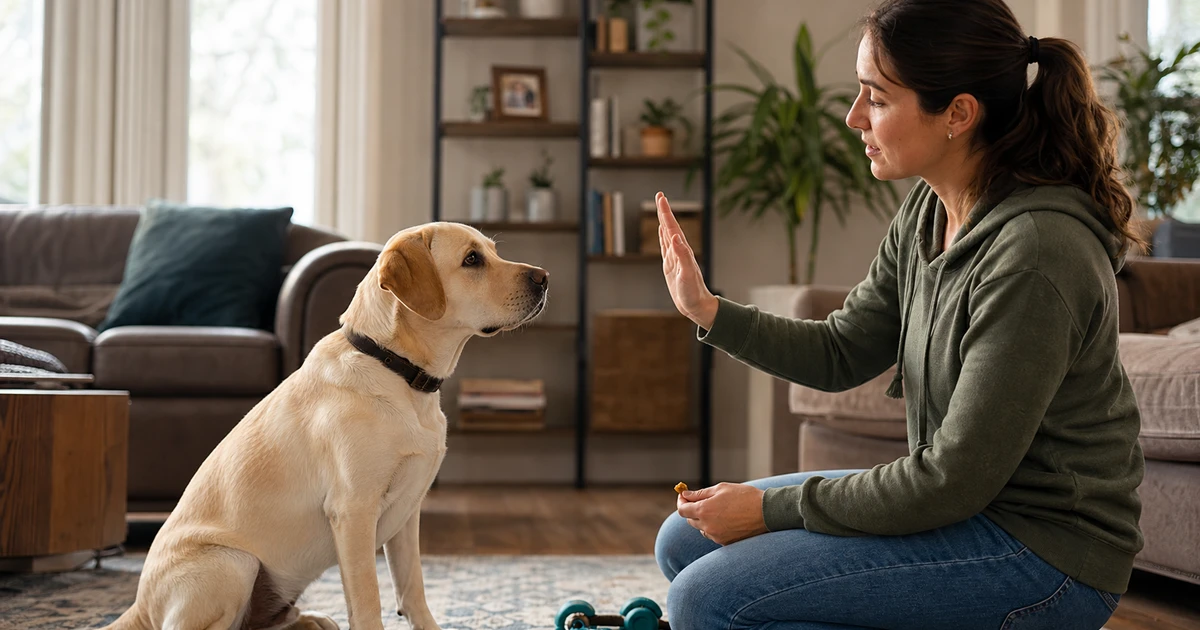
'Leave It' Saved My Dog's Life Twice. Here's How We Trained It.
The 'leave it' command stopped my Labrador from eating a rotting fishhook carcass and later a chocolate bar. Here's the step-by-step training that worked.

Bernedoodle vs Goldendoodle: Size, Coat, and Family Fit Compared
Bernedoodles and Goldendoodles both draw huge search demand, but one starts from a giant mountain-dog parent while the other starts from a retriever parent.
Sources & standards
This profile follows recognized breed standards from the American Kennel Club (AKC) and the Fédération Cynologique Internationale (FCI), along with established veterinary and breed-club guidance. These describe general breed tendencies — every dog is an individual.