


The Beagle is a friendly, curious, and merry scenthound that makes an excellent family companion. With their compact size, gentle nature, and love for children, they are ideal for active households. Their short coat requires minimal grooming, but they do shed. Beagles thrive on companionship and exercise, following their nose on scent trails. They are sociable with other dogs but may chase small pets. While stubborn during training, their affectionate personality and playful spirit make them a joy for first-time owners prepared for their vocal nature and high energy.
Family fit
Is the Beagle a good family dog?
A sturdy, social hound with energy, barking, and scent-driven independence to plan for.
- Children
- Family shortlist
- Energy
- Higher
- First-time owners
- More approachable
- Grooming
- Lower
Breed tendencies are only a starting point. Supervise children, meet the individual dog, and make sure the exercise, training, grooming, space, and cost fit your household.
Beagle Sticker Pack
36 cartoon stickers • transparent PNG • no watermark
Pinterest-ready
Share all 36 reactions as one sticker sheet
Pinterest opens with the full pack and a fresh, tailored description. You choose the public board and publish it from your own account.
Save the full pack


Choose one reaction above to share it alone, or use the full-pack button for all 36 together.
































Free full-resolution download — no account, no payment, no watermark.
Includes all 36 transparent PNG stickers in one ZIP. A quick human check is required for each download.
At a glance
- Size
- Medium
- Height
- 13–16 in
- Weight
- 20–24 lb
- Life span
- 13 years
- Coat colors
- Tricolor (black, tan, white), Lemon and white, Red and white
- Coat type
- Short, dense double coat
- Group
- Scenthounds
- Origin
- United Kingdom
How much does a Beagle cost?
Adopt / rescue
$50–$300
Usually includes spay/neuter, first shots, and a microchip.
Buy from a breeder
$400–$1,200
From a reputable, health-testing breeder.
Approximate USD. Prices vary widely by region, breeder, pedigree, age, and coat colour — adopting is the lower-cost and recommended route. Avoid suspiciously cheap “breeders”; they’re often puppy mills.
Estimate the full cost of a Beagle →Want the ongoing number? Estimate the monthly food bill for a Beagle with our dog food cost calculator.
Beagle photos
Views
Front, side, rear and top — the full silhouette.Poses
How the breed sits, lies, moves and plays.Puppy to senior
The breed across its whole life.Expressions
The breed’s range of moods.Close-up details
Eyes, ears, nose, paws, tail and coat.Coat colors
The breed’s recognized colors.Click any photo to enlarge. We show the Beagle from every angle — three views, poses, life stages, expressions, close-ups, coat and colors.
Appearance & size
You’re looking at a compact, muscular hound built to follow a scent all day without quitting. Beagles fall solidly in the medium size range — 13 to 16 inches at the shoulder and 20 to 24 pounds of dense, sturdy mass. That may not sound big, but feel the weight of a relaxed Beagle sprawled across your lap and you’ll know every pound is working muscle and bone.
The coat is short, dense, and weatherproof — exactly what you’d expect from a dog bred to work briar and brush in all kinds of English weather. Classic Beagle color is tricolor: a black saddle or blanket over tan, with white on the legs, chest, face, and tail tip. You’ll also see lemon-and-white or red-and-white dogs. Traditional breeders often talk about the “seven whites” — white on the muzzle tip, neck, chest, all four legs, and the tail tip — though not every well-bred Beagle shows all seven.
That tail is a signature feature: set high, carried gaily over the back, and often tipped in white. From the rear, the white flag bobs above the dog like a beacon, which is exactly why hunters prized it. From the side, the body reads compact and balanced — a level topline, well-sprung ribs, and straight, sturdy legs that look ready to propel the dog forward for hours. The chest is deep, giving plenty of room for heart and lungs.
From the front, the head grabs you first. It’s broad, with a slightly domed skull and a square-cut muzzle. Then come the ears: long, wide, and set low, with rounded tips that frame the face without extending past the nose. Drop ears like these trap scent close to the ground. Finally, the eyes — dark brown or hazel, large, and set well apart — carry that classic pleading expression Beagles weaponize to get treats. That soft, gentle look can melt even a stern owner, and it’s one of the breed’s most recognizable traits.
History & origin
If you’ve ever stood in a park and heard that unmistakable baying echo through the trees, you’ve caught a direct line back to the Beagle’s earliest days. The breed’s ancestors were small scent hounds that ancient Greek writers described over two thousand years ago, but the name we use today first appeared in an English record in 1475. “Beagle” probably comes from an Old French word meaning “small”—and that tracks, because these were the pocket-sized hunters built to go places bigger dogs couldn’t.
England in the 1500s and 1600s sharpened the Beagle into what it is. They were developed specifically to hunt rabbits on foot through thick brush and tangled woodland, not from horseback like the larger foxhounds. A hunter didn’t need to see the dog working; the Beagle’s loud, ringing bark—nicknamed the “forest bell”—carried clear through the densest cover, signaling that a rabbit was on the move. That voice was an essential tool, not just noise. The dogs were bred to be methodical, relentless, and small enough to slip through undergrowth without slowing down.
Packs of Beagles became favorites with everyone from rural farmers to Queen Elizabeth I, who reportedly kept a line of tiny “singing beagles” she could carry in a gloved hand. For centuries they were serious working hounds, but their cheerful, social nature eventually caught the eye of plain old dog lovers. As hunting traditions shifted, the Beagle made a smooth leap from kennel to kitchen hearth, becoming a solid family companion without losing one ounce of that nose-driven stubbornness.
That nose, of course, never retired. Today you’ll spot Beagles in fluorescent vests at international airports, sniffing out prohibited fruits, vegetables, and meat in luggage. Their scent-detection accuracy, combined with a non-threatening, floppy-eared friendliness, makes them ideal for the job. Not bad for a breed that started out navigating English bramble patches five centuries ago.
Temperament & personality
Beagles operate on two basic settings: cheerful family clown and single-minded scent detective. The trick is never knowing which one you’re dealing with until a rabbit darts past. Outgoing to their core, they adore everyone—kids, strangers, the mail carrier, other dogs. This is a true pack hound, so don’t expect a guard dog; you’re getting a 20-24 lb welcoming committee that announces visitors with a booming, baying bark.
That voice is part of the package. Beagles vocalize when they’re excited, bored, or catch an interesting smell on the wind. Apartment dwellers, take honest stock of your neighbors before committing. The same nose that triggers the noise is the dominant force in a Beagle’s life. With 220 million scent receptors, they follow trails with an intensity that overrides recall commands in a heartbeat. A fenced yard and on-leash walks are non-negotiable.
Inside the house, the temperament stays sunny, playful, and food-driven to a borderline comical degree. That treat motivation makes training possible, but it also fuels a career in counter-surfing and trash-can diving. You’ll need childproof latches and a disciplined family that never leaves meals unattended. Keep meals peaceful: a Beagle’s devotion to food can turn into resource guarding if someone bothers him while he’s eating. Teach kids to give the dog space at dinnertime.
Without enough company or exercise, the breed’s pack-animal nature backfires. Left alone for long stretches, a Beagle may spiral into anxiety, chewing furniture or barking nonstop. They do best when someone is home often or another dog fills the silence. Even then, expect some urine marking, especially in a new environment. It’s scent-based spatial memory at work—clean accidents with an enzymatic cleaner, or he’ll revisit the spot.
Despite a stubborn streak that some mistake for defiance, Beagles respond well to patient, consistent handling. Force just shuts them down. Instead, watch their body language: a stiff posture, forward lean, and hard stare can mean he’s locked onto a scent target and about to bolt. A loose, wiggly body with soft eyes means the goofball is fully present. Most days, that’s the version you’ll get—a dog who never fully outgrows puppyhood, pokes his nose into everything, and collapses into a snoring heap when the adventure’s over.
Good with kids, dogs & other pets
Beagles earned their reputation as one of the most kid-tolerant breeds for good reason. They’re patient, non-aggressive, and just sturdy enough at 20–24 pounds to handle a clumsy hug without shattering—though no dog should be treated like a stuffed toy. The real glue is the Beagle’s pack mentality: they genuinely enjoy being part of a noisy, chaotic family.
With kids
Supervision is still a hard rule. Toddlers can startle a sleeping dog or grab an ear, and even the sweetest Beagle may snap if cornered around food. Teach children to leave the dog alone while eating and to keep their face out of the dog’s space. Beagles tend to bay—a full-throated, carrying howl—so you’ll want to introduce that volume gradually with babies and sound-sensitive kids.
Beagles were bred to work in close packs, which brings a double-edged sword when you add other pets.
With other dogs
Most Beagles get along easily with other dogs, especially if raised together or introduced with calm, neutral walks. The catch: a multi-dog household can set off a chorus. Barking that’s manageable with one dog becomes a stereo competition. If you choose a second dog, pick an equally easygoing but quieter companion. Feed them separately; Beagles are chowhounds and will resource-guard a bowl without a second thought. That food obsession means an only-dog home sometimes keeps the peace—and the noise—at a saner level.
With cats and small pets
That famous nose is why a Beagle might see your guinea pig or free-roaming rabbit as a jackpot, not a roommate. A cat who stands its ground can earn begrudging respect, but the instant a cat bolts, instinct kicks in. With deliberate, early exposure and consistent “leave it” training, some Beagles cohabitate successfully with indoor cats. Even then, assume the dog can’t be trusted unsupervised around pocket pets or unfamiliar cats—secure enclosures and tall baby gates are your insurance.
Socialization sets the baseline
The critical window runs from about 3 to 14 weeks. During that stretch, your puppy needs a buffet of positive, low-pressure experiences: gentle children, vaccinated adult dogs, traffic sounds, hard floors, and yes, the family cat at a safe distance. Keep sessions short, use treats liberally, and never force a fearful pup to “get over it.” Lack of early exposure can lead to a dog who spooks at loud noises, panics at the vet, or becomes reactive on leash—fixing that later is far harder.
Beagles also crave companionship and should not be left alone for long hours or housed outdoors. Separation distress is real; a bored Beagle will invent his own entertainment, often loudly. A securely fenced yard is a must because a scent will override any recall training in a heartbeat, and the subsequent baying from a patio can sour neighbors fast. When you combine sensible boundaries, a fenced space, and the commitment to keep the dog near family, you get a warm, forgiving dog who’s genuinely fantastic with kids and most properly introduced pets.
Trainability & intelligence
Your Beagle is a problem-solver wrapped in a scent-obsessed nose — smart, curious, and always calculating whether a command is worth his while. He isn’t stubborn for the sake of it; he’s an independent thinker bred to follow a trail without waiting for human input. That makes training a two-way conversation, not a dictatorship.
Food is your secret weapon. Beagles live for their stomachs, so a pocketful of chopped hot dog or freeze-dried liver turns “no thanks” into “what do you want me to do next?” Keep sessions short (five to ten minutes), upbeat, and always end on a win. Harsh corrections or punishment shuts him down fast — it erodes trust and can spike anxiety, leading to the very barking and chewing you’re trying to prevent.
- Start young (8–12 weeks) and be consistent. A Beagle who learns the house rules early is far less likely to redecorate your baseboards or serenade the mail carrier.
- Use clear, vocal commands. He’s naturally responsive to tone and rhythm, but if you waver, he’ll test the boundary. “Sit” means sit every time.
- Socialize before 16 weeks. Expose him to different people, kids, dogs, surfaces, and sounds gradually. A well-socialized Beagle stays cooler-headed in a world that smells amazing.
The recall puzzle
Recall is the hill you’ll climb for years. A Beagle on a scent trail turns off his ears. You can’t out-shout a rabbit, so build come-when-called around a jackpot reward — something so good it can compete with a fresh scent. Practice in a fenced yard or on a long line until the response is automatic, then add distractions inch by inch. If he bolts after a squirrel, chasing him only turns it into a game. Instead, run the other way while calling him — your movement often triggers his chase instinct back toward you.
Redirect his sniffing talent into scent games at home: hide treats in a snuffle mat or teach a “find it” cue. It sharpens his mind and reinforces that working with you pays off.
Beagles learn fast when the motivation lines up. The dog who steals your sandwich today can be the one who nails a perfect heel tomorrow — if you pay in cheese.
Exercise & energy needs
Plan on two 30-minute exercise sessions every day—morning and afternoon—to keep your Beagle healthy and easygoing. This isn’t a breed you can tire out with a quick lap around the block. Beagles have surprising stamina and agile bodies, so they thrive on long, meandering walks and active play where they can zigzag after scents.
Given their obsession with scent, never trust a Beagle off-leash in an unfenced area. A secure harness and leash are non-negotiable, because their nose will override even the most well-trained recall. For extra off-leash freedom, find a safely fenced field or yard where they can sniff to their heart’s content.
Physical exercise alone won’t satisfy a Beagle. Their brain needs a workout, too. Scent work—like hiding treats or a favorite toy and letting them search—taps into their natural talent and burns mental energy fast. Puzzle feeders and nose-work classes are excellent complements to daily walks.
Split the hour into two sessions rather than one marathon. Puppies need short, gentle play on soft surfaces, while older adults benefit from steady, low-impact movement. If your dog has any joint sensitivity, skip high-impact activities like repetitive jumping. A consistent routine keeps boredom-driven habits—barking, digging, trash-can raids—at bay. Give them the exercise and mental challenge they crave, and you’ll have a content, well-mannered companion.
Grooming & coat care
Brushing: get a handle on the hair
The Beagle’s short double coat sheds regularly, with heavy blowouts in spring and fall. A weekly brisk brushing with a bristle brush or mitt grabs dead hair and spreads natural oils. During shedding season, a daily pass with a rubber curry catches the undercoat before it hits your furniture.
The houndy smell & bath time
The oily coat that keeps him dry outside also holds the classic hound aroma. Bathe every 4–6 weeks with a mild oatmeal shampoo; over-washing strips oils and only intensifies the smell.
Those ears need weekly attention
Floppy ears block airflow and trap moisture — a perfect spot for infections. Wipe the visible ear and canal opening weekly with a vet-approved cleaner on a cotton pad, never a Q-tip. A sour smell or redness calls for a vet visit.
Nails, teeth, and paw pads
Nails grow fast. Check every 3–4 weeks and clip the sharp tip if you hear clicking on the floor. Brush his teeth 2–3 times a week with dog toothpaste — human toothpaste is toxic. After rambles, run your fingers over his pads for thorns or cuts.
Seasonal coat shifts
Seasonal care means more brushing and letting him sniff outdoors; that natural rooting loosens dead fur. Stick to the routine and you’ll have less shedding and a fresher-smelling dog year-round.
Shedding & allergies
Beagles shed more than their short, smooth coat lets on. That tidy-looking hound has a dense double coat designed to stand up to brambles and weather — and it drops hair year-round. The hairs are short and stiff, so they don’t float like fluff from a long-coated breed; instead, they weave into upholstery, car seats, and pant legs.
The seasonal shed
Twice a year, usually in spring and fall, the shedding ramps into a genuine blowout. For a few weeks you’ll find tumbleweeds of tricolor fur gathering under furniture. During those stretches, daily brushing is your best friend.
- A rubber curry brush or a hound glove pulls out loose undercoat without stripping the natural oils.
- For the rest of the year, a 5-to-10-minute session two or three times a week keeps most of the hair off your floors.
Drool and the allergy picture
Beagles aren’t heavy droolers like a Mastiff, but they’re not dry-mouthed either. Expect some slobber after a big drink of water, and a few shiny spots on your leg when the treat bag comes out. An occasional wipe of the jowls handles it.
If you’re hoping for a hypoallergenic dog, a Beagle is a poor fit. They produce dander, and because they shed steadily, that dander circulates. Allergies are triggered by proteins in dander, saliva, and urine — not just hair — so even a weekly bath won’t make them sneeze-proof. The honest move is to spend time inside a home with adult Beagles before you commit, especially if someone in your household already reacts to dogs.
Diet & nutrition
A Beagle will work you like a con artist for an extra bite. He acts starved, he whines, he gives you the eyes — so portion control starts with you, not him. These dogs were bred to follow their noses to food, and they will eat themselves sick if you let them. A 20–24 lb adult Beagle needs measured meals, not a bottomless bowl. Grab a kitchen scale or a proper measuring cup and stick to the amounts on your high-quality dog food bag, then adjust based on what you see and feel. If you can’t find his ribs with light pressure, he’s carrying too much weight.
Managing the endless appetite
- Use puzzle bowls or slow feeders for every meal. A Beagle who inhales his dinner in 30 seconds needs the slowdown, and the mental work burns a few extra calories.
- Keep trash cans latched, counters clear, and pantry doors shut. A Beagle can and will surf for a stray loaf of bread. One rich, fatty table scrap can trigger pancreatitis, so holiday leftovers are not a treat — they’re a vet visit waiting to happen.
What a healthy plate looks like
A species-appropriate diet built around animal protein keeps a Beagle’s body running well. If you go the home-cooked route, aim for roughly 60% meat (raw or cooked), 20–30% dog-safe fruits and vegetables, and the rest from eggs, plain yogurt, or grains like pearl barley or white rice. Blend or purée vegetables since dogs lack the enzymes to break down plant cell walls on their own. That said, a premium commercial food formulated for active medium breeds does the job just fine — no need to overcomplicate things if the food meets AAFCO standards and your dog thrives.
Puppy to senior: meal cadence
- 8 weeks to 4 months: four evenly spaced small meals a day.
- 4 to 6 months: three meals a day.
- 6 months on: two meals a day.
Older Beagles often stay spry, but they pack on pounds fast. Switch to smaller, more frequent meals if digestion seems sluggish, and trim portions as the zoomies turn into long naps. Raw meaty bones like chicken wings can be introduced around 12 weeks under supervision, but always feed bones raw, never cooked.
Beagles face real joint stress when they carry extra weight, and even a pound or two matters on that short frame. Treats should be tiny — a single pea-sized piece of chicken or a half-kibble — because your dog cares more about the ritual than the volume.
Health & lifespan
A healthy Beagle typically lives around 13 years, but what you do every day has a huge influence on whether those years stay active and comfortable. The biggest health hurdle in this breed isn’t a mysterious genetic condition — it’s food.
Beagles are famously food-obsessed and can pack on weight faster than you’d believe. Once a Beagle gets heavy, that extra weight strains the back and the long spine they were built with, raising the risk of intervertebral disc disease (IVDD). It also puts a load on the heart and can contribute to endocrine problems. Strict portion control and realistic treat management aren’t nice-to-haves — they’re non-negotiable. Use a measuring cup, ignore the pleading eyes, and keep those daily calories in check. A fit Beagle at 20–24 pounds has far fewer joint and metabolic troubles down the line.
Those long, velvety drop ears are part of the Beagle charm, but they trap moisture like a greenhouse. Weekly ear checks and a gentle ear cleaner suited for floppy-eared dogs go a long way toward preventing the chronic yeast and bacterial infections that can set up shop in there.
Some lines carry a higher likelihood of cryptorchidism (one or both testicles not descending) and dental malocclusion. Responsible breeders screen for neurological disorders and cardiac issues that can appear in the breed, so ask to see health clearances on both parents. While Beagles are generally a robust, low-disease-rate breed, a handful of inherited conditions can crop up, including certain endocrine disorders. A regular vet checkup — once a year for adults, twice for seniors — catches brewing problems like heart disease or a slipped disc before they spiral.
Monthly heartworm prevention is a must wherever mosquitoes live, right through one month after the season ends, and don’t skip the legally required rabies vaccination. On the whole, you’re not walking into a minefield of breed-specific fragility. You’re managing a sturdy little hound whose biggest weakness sits in a food bowl. Keep the weight off, keep the ears dry, and stay on top of annual bloodwork. That’s the practical roadmap to a long, tail-wagging life.
Living environment
The yard question
A securely fenced yard isn’t a luxury for a Beagle—it’s the difference between a dog who follows a scent trail safely home and one who’s through an open gate and three blocks away before you notice. Plan on a fence at least 5 to 6 feet high, because a motivated 20-to-24-pound hound can climb or dig under flimsy barriers. If you’re in an apartment or townhouse, you’ll trade convenience for serious leash commitment; these dogs still need copious snifftime, and a quick pee break won’t cut it.
The noise factor
Beagles don’t just bark—they bay. That booming, carrying howl was bred into them for hunters following on foot, and it’ll sail through apartment walls without effort. Close neighbors or thin floors are a real liability unless you’re religious about training a “quiet” cue early and managing alone-time vocalizing.
Alone time and mental work
A Beagle left alone for a full workday will often voice his displeasure, then turn to interior deconstruction. These are pack hounds, not solo operators. If your schedule keeps you gone eight-plus hours, budget for a midday dog walker, doggy daycare, or at least a crate-trained start with frozen puzzle toys. Count on a solid hour of daily exercise split into two or three sniff-heavy walks—a rushed lap around the block leaves a bored, pent-up dog who’ll dismantle cushions for entertainment. Inside, rotate snuffle mats, treat-dispensing puzzles, and short scent games (hide kibble in a rolled towel) to work that nose.
Climate and everyday safety
Short-coated and medium-sized, Beagles do okay in moderate weather but struggle in extremes. In summer, walk early or late to spare his pads on hot pavement; in freezing temps, a coat helps during long sniff sessions. Perhaps the sneakiest danger is your own floor: socks, lego, batteries, anything swallowable left at nose level is a vet visit waiting to happen. Teach an “off” counter rule from day one—a Beagle’s nose will lead him straight to last night’s leftovers, and his stomach rarely knows when to quit.
Who this breed suits
If you want a dog that’s basically a nose with legs, the Beagle could be your match. At 20–24 pounds and 13 to 16 inches tall, they’re a portable medium size, but don’t let that fool you—these scenthounds were bred to follow a trail for miles, and they’ll do it whether you’re ready or not.
First-time owners
First-timers can absolutely handle a Beagle, provided they understand the breed’s stubborn streak. These dogs are friendly, forgiving, and rarely hold a grudge, which makes early mistakes less stressful. Training, however, is a negotiation. A Beagle will sell his soul for a piece of hot dog, so positive reinforcement works beautifully—just expect him to suddenly “forget” sit when a squirrel runs past. Consistency matters, but you won’t need the firm hand a larger working breed might demand.
Active families
Families with kids and a busy household often hit the sweet spot. Beagles love kid chaos, backyard games, and long sniffy walks where the route matters more than the pace. They’ll keep up on a weekend hike and then spend the evening glued to the couch. The catch: any open door or unfenced yard is an engraved invitation to follow a scent. A secure, dig-proof fence is non-negotiable, and small children need supervision during treat time—the Beagle’s food drive is legendary.
Seniors and singles
Seniors and singles can thrive with a Beagle if the day includes real exercise, not just a quick potty break. A couple of 25–30 minute walks plus a session of treat-hiding games indoors can keep a Beagle satisfied. The bigger hurdle is the voice. Beagles don’t just bark; they bay—a throaty, carrying howl bred to tell hunters where they are. Apartment living with thin walls quickly becomes a neighbor problem. If you’re home most of the day and genuinely enjoy a dog that “talks back,” the companionship is top-notch.
Who should think twice
Skip the Beagle if you dream of off-leash rambles or a quiet house. Their nose overrides recall unless you’ve put in serious, ongoing training. They’re also escape artists and shameless counter-surfers who can figure out how to open lower cabinets. If you’re gone ten hours a day, a solo Beagle will likely howl their discontent—and the whole block will know. This is a 13-year commitment to a dog that lives to sniff, eat things he shouldn’t, and announce visitors like a four-legged alarm system. When that sounds more entertaining than exhausting, you’ve found your match.
Cost of ownership
A Beagle puppy from a responsible breeder almost always lands in the $800–$1,500 range. If you’re after show lines or a particular rare color like lemon-and-white, the price can climb past $2,000. Adopting from a Beagle-specific rescue or a shelter usually costs $50–$400, which often covers spay/neuter and initial vaccinations. Don’t let the low adoption fee fool you into thinking you’ll skip the big stuff — you still need to budget for the gear.
Bringing home your Beagle
Once you’ve got the puppy, the one-time setup bill piles up quick: a sturdy crate (they’re escape artists), a well-fitted harness, food and water bowls, a couple of safe chew toys, a bed they may or may not destroy, and basic puppy-proofing supplies. Expect to spend $200–$500 before you even walk through the door.
Food, upkeep, and the real monthly budget
A 20–24 lb Beagle isn’t a huge eater, but he’ll act like he’s starving every meal. Plan on $30–$60 a month for a high-quality kibble — and a strict two-meals-a-day routine with measured portions. Obesity is a real problem, so treats need to come out of that food allowance, not on top of it. Grooming is refreshingly cheap: a weekly quick brush, nail trims, and regular ear cleaning. The floppy ears are built for trapping moisture and debris, so a $10 bottle of vet-recommended ear cleaner goes a long way. Professional grooming? Rarely needed.
Vet costs are where the Beagle gets real. Annual checkups, vaccines, heartworm and flea/tick prevention run $400–$700 a year. But you also need to budget for the stuff their nose drags them into — ear infections, foxtails, maybe a torn ACL if they’re older, and the occasional swallowed sock. Pet insurance can soften those surprises and typically costs $25–$50 per month. Without it, set aside an extra $50–$75 a month in a separate emergency fund.
Training is worth the upfront expense. A basic group obedience class ($100–$200 for a 6-week course) helps channel the Beagle’s food motivation and hard-headed streak into a recall you can actually trust.
All told, a well-cared-for Beagle runs $100–$200 a month in regular expenses, not counting the first-year setup. Over a typical 13-year lifespan, you’re looking at $15,000–$20,000 before emergencies. Keep a little buffer for the day your escape artist finds the one gap in the fence and learns about skunks.
Choosing a Beagle
Deciding where to get a Beagle is the single biggest choice you’ll make. You’ve got two solid routes: a responsible breeder who stacks the deck for a healthy, even-tempered dog, or a rescue that lets you skip the puppy chaos and give an adult a second shot.
Breeder vs. rescue A good breeder isn’t just selling puppies; she’s preserving a working scenthound that can run all day on a 13–16-inch frame without falling apart. She’ll hand you copies of health clearances and meet you face‑to‑face. On the other side, breed‑specific rescues are packed with Beagles of all ages—often surrendered because someone underestimated the baying or the nose‑first independence. You’ll get a real sense of the dog’s temperament upfront, and you can still end up with a dog that lives to 13 or beyond.
Health clearances to demand Beagles can be prone to hip dysplasia, thyroid trouble, and several eye diseases (glaucoma, progressive retinal atrophy, cherry eye). Never skip the paperwork. Ask for:
- Hips: OFA or PennHIP certification on both parents.
- Eyes: A current CERF exam or OFA Eye certification from a board-certified veterinary ophthalmologist—not a regular vet check.
- Thyroid: A full panel (T4, TSH, autoantibodies) on the sire and dam.
- Cardiac: Many responsible breeders also screen for heart murmurs.
Red flags that should send you packing
- No health clearances, or “the vet said they’re fine” in place of actual reports.
- Seller won’t let you meet at least the mother on site, or the pups are kept in a garage/kennel run without real household interaction.
- Multiple litters or breeds available at once.
- “Rare” colors like blue, silver, or lilac. Real Beagles come in tricolor, lemon and white, or red and white. Anything marketed as exotic is a backyard breeder alarm.
- Pushing NuVet or other supplement kickbacks.
Picking your puppy Watch the whole litter together. You want a Beagle who charges up with a loose, wagging tail, sniffs your hand, and then maybe flops into your lap or investigates a toy. A puppy that hides, freezes, or snaps over a gentle touch is trouble in a pack‑bred hound. Check ears—they should smell clean, not yeasty. Eyes should be clear, no discharge. Move a few steps and see who tracks you with curiosity, not clingy panic. Tap an upturned bowl or rattle a treat pouch; the pup who recovers fast and comes to investigate has the resilience you need for a dog that’ll spend years following its nose into mischief.
If you go the rescue route, foster-based groups can tell you whether the dog already knows to walk on a leash or screams the house down when left alone—priceless info you won’t get from a 12-week-old. Either way, steer clear of anyone who hands you a puppy under eight weeks. Beagles need that extra litter time to learn bite inhibition and social cues.
Pros & cons
A Beagle is a compact, merry hound equally at home on the couch or hot on a rabbit trail. That easy smile and those soulful eyes come with a side of mischief, so weighing the good against the challenging upfront saves surprises later. Here’s the balance sheet.
Pros
- Rock-solid family temperament: Bred to work in packs, Beagles genuinely love company. They’re famously patient with respectful kids and warm up to strangers instead of guarding.
- Perfect portable size: At 13–16 inches and 20–24 pounds, a Beagle fits a small house without being fragile. You can scoop one up when needed, yet they’re sturdy enough for rambunctious play.
- Wash-and-wear coat: The short, dense double coat—usually tricolor, lemon and white, or red and white—sheds moderately but needs little more than a weekly brush and the occasional bath.
- Joyful, low-key energy: A daily long sniffing walk and a good sprint in the yard satisfy most Beagles. Indoors they’re happy to nap in a sunbeam, not bounce off the walls.
- Long run way: With a typical lifespan around 13 years, you’re committing to a long, fun ride. Responsible breeders screen for common issues, so healthy dogs often stay active well into their teens.
Cons
- Nose on autopilot: A Beagle’s primary operating system is scent, not your voice. Off-leash, they’ll follow a fascinating smell for miles, deaf to your recall. A securely fenced yard is non-negotiable.
- Vocal by design: This hound was bred to bay loudly on the hunt, and that soulful howl carries through walls. Excessive barking can become a problem without early training and mental exercise.
- Stubborn streak at mealtime: Beagles live for food. They’ll counter-surf, raid unguarded bags, and con treats out of your guests. This food drive makes positive-reinforcement training possible, but you have to be more patient and clever than the dog.
- Escape artistry: Combined with that nose, a Beagle’s determined nature means they dig under fences and squeeze through small gaps if they catch a whiff of something interesting.
- Can be prone to weight gain: That same love of food, paired with a slower metabolism post-spay/neuter, means you’ll have to measure portions strictly. Obesity worsens back and joint problems that already crop up in the breed.
Similar breeds & alternatives
If you love the Beagle’s compact, merry-little-dog vibe but aren’t sold on the baying or the single-minded nose, a handful of breeds scratch a similar itch while trading off some hardwired traits. The differences usually come down to size, volume, and how much you enjoy a dog that always has its own agenda.
-
Basset Hound: Picture a Beagle with short legs, heavier bone, and a low-rider swagger. Bassets pack 40–65 pounds into a frame that barely hits 15 inches. They bring that same food-driven stubbornness and a bay you can hear from the street, but the energy level is dialed way down. A Basset is happy with a good sniff walk and a long nap, while a Beagle often needs a solid off-leash romp or a couple miles of jogging. You’ll trade the Beagle’s bounce for extra drool, ear-cleaning chores, and a dog who leans his whole weight against your leg.
-
Harrier: This is the Beagle’s bigger, rarer cousin—19–21 inches tall, 45–60 pounds, with the same tricolor coat and pack-hound friendliness. If you wish your Beagle could keep up on a full day’s hike or a horse trail without being carried home, the Harrier fits. Expect more exercise demand and a deeper bay, but the personality is nearly identical: sociable, nose-obsessed, and not terribly interested in off-leash obedience without training.
-
American Foxhound: Taller and leaner at 21–25 inches and 60–70 pounds, this breed was built for miles, not a suburban yard. Foxhounds are generally more independent and less overtly cuddly than a Beagle, though still gentle. They’ll run for the joy of it and need a runner’s schedule, not a walk around the block. The voice is deep and carrying—great if you like the sound, less so if you have close neighbors.
-
English Cocker Spaniel: If the Beagle’s nose-led deafness and yodeling are deal-breakers, this spaniel gives you the same 26–34 pound merry spirit inside a softer, more handler-focused package. Cockers are flushing dogs, not trailing hounds, so they’re quicker to check in with you and famously food-motivated in a trainable way. You lose the hound’s escape-artist tendencies but gain a medium-length coat that mats without weekly brushing and regular trimming.
Every alternative shifts the scales: a slower Beagle (Basset), a bigger Beagle (Harrier), a more athletic Beagle (Foxhound), or a quieter, less scent-crazed companion (Cocker). Be honest about the Beagle traits that drive you crazy—the nose, the voice, the “what’s in it for me” attitude—and pick the dog that tips the balance in your favor.
Fun facts
- Beagles have an extraordinary sense of smell, second only to the Bloodhound, and can track scents for miles.
- The breed's distinctive white-tipped tail, known as the 'flag,' was bred to help hunters spot the dog in tall grass.
- Snoopy from the comic strip Peanuts is perhaps the world's most famous Beagle.
- Beagles are one of the most popular dog breeds in the United States, consistently ranking in the top 10.
Frequently asked questions
- Are Beagles good with children?
- Beagles tend to be excellent family dogs because of their friendly and affectionate nature. They are typically patient and playful, making them good companions for kids. However, supervision is always recommended, especially with younger children, due to the dog's energy level.
- Do Beagles shed a lot?
- Beagles have a short, dense coat that sheds moderately throughout the year. Regular brushing can help manage the shedding, but they are not considered a low-shedding breed. Expect some hair around the house, although it's manageable with grooming.
- How much exercise does a Beagle need?
- As a high-energy scenthound, the Beagle requires at least an hour of daily exercise, including walks and playtime. They enjoy vigorous activities and mental stimulation, such as scent games, to prevent boredom and destructive behaviors. Without adequate exercise, they may become restless.
- Are Beagles easy to groom?
- Beagles have low grooming needs due to their short coat; weekly brushing is usually sufficient to remove loose hair and keep the coat healthy. They are average shedders, so occasional baths and regular ear cleaning are important to prevent infections. Their floppy ears need special attention.
- Can Beagles live in apartments?
- Beagles can adapt to apartment living if their exercise and mental stimulation needs are met. However, they are vocal dogs, known for barking and howling, which might disturb neighbors. Early training and plenty of daily activity can help mitigate noise issues.
- Are Beagles good for first-time dog owners?
- Beagles can be a good choice for first-time owners due to their friendly and affectionate temperament. However, their stubborn streak and strong prey drive require consistent, patient training. With proper socialization and exercise, they can thrive in a novice household.
Tools & calculators for Beagle owners
Quick estimates tailored to Beagles — pre-filled with this breed’s size where it matters.
Articles & stories about the Beagle
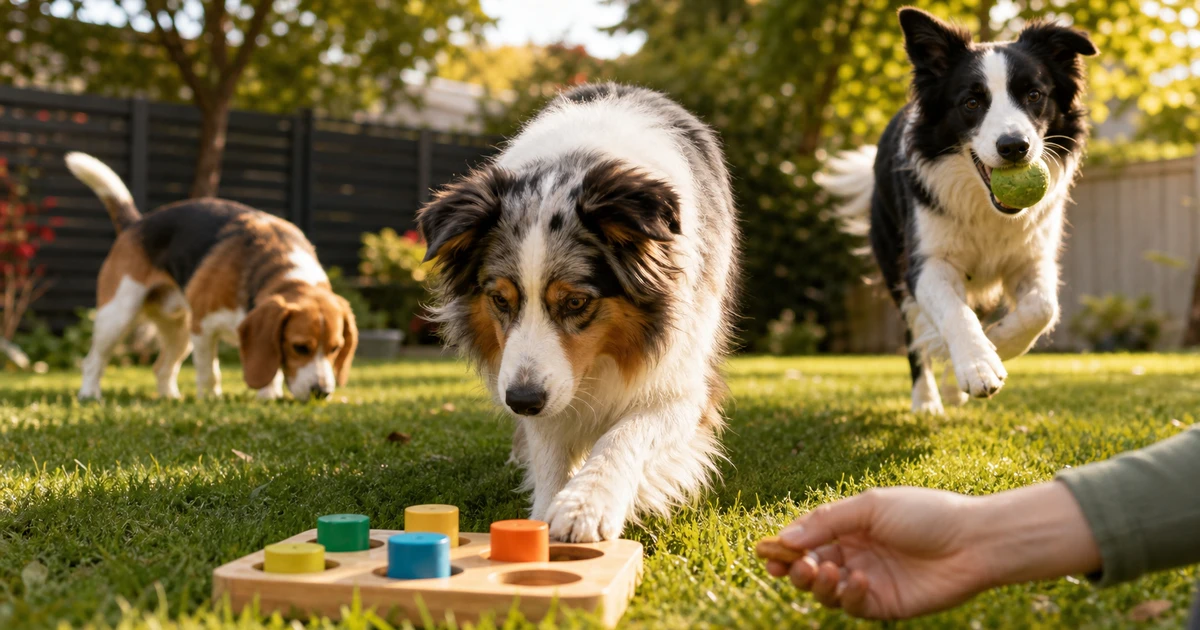
Dog Enrichment Ideas for Bored Family Dogs
Physical exercise isn’t enough for a restless dog—mental enrichment is the missing piece. From scent games to puzzle feeders, these ideas tire out your dog’s brain, not just his legs.

Puppy Blues Are Real: A First-Week Diary for Overwhelmed Owners
The first week with a new puppy can shatter your confidence. Crying, regret, and the ‘puppy blues’ are more common than anyone admits.

Choosing Our First Dog for the Kids: The Shortlist That Actually Made Sense
Google said “best dog breeds for kids.” Our real homework started there—and quickly moved past cute pictures to the list that actually fit our life.

Teaching a Beagle to Come When Called: What Finally Worked for Us
Recall training with a Beagle is humbling—but we found methods that actually stick. Here’s what worked after months of practice and high-value bribes.
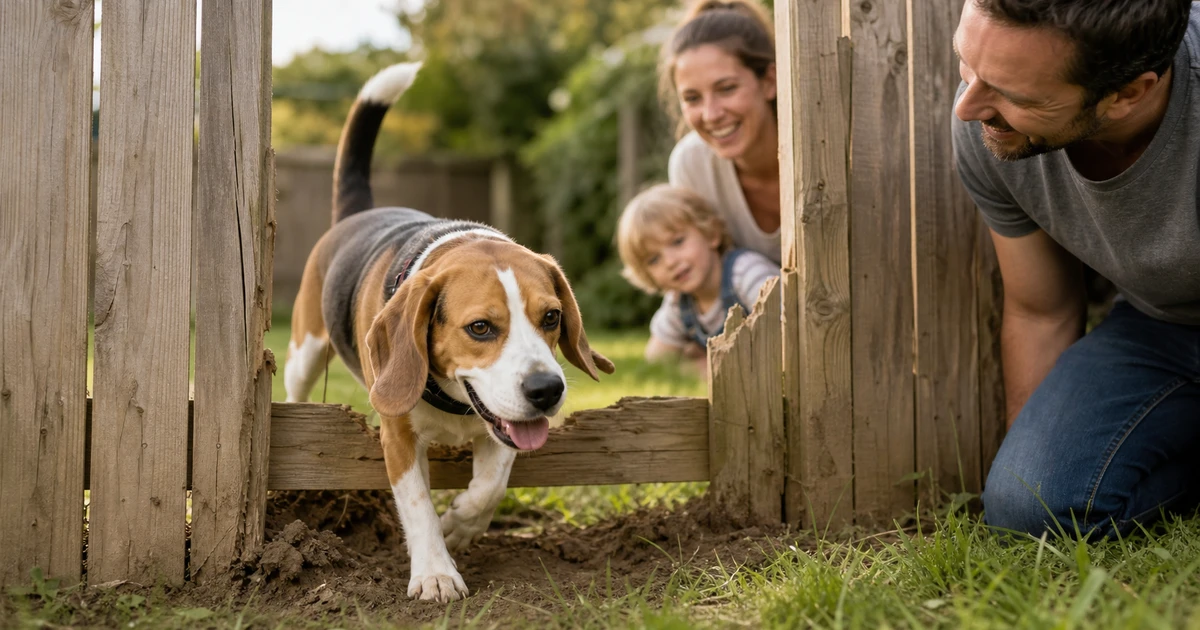
My Beagle Has Escaped 11 Times. Here's What I've Learned.
My beagle has escaped 11 times. He’s taught me more about fence construction and selective deafness than I ever wanted to know.
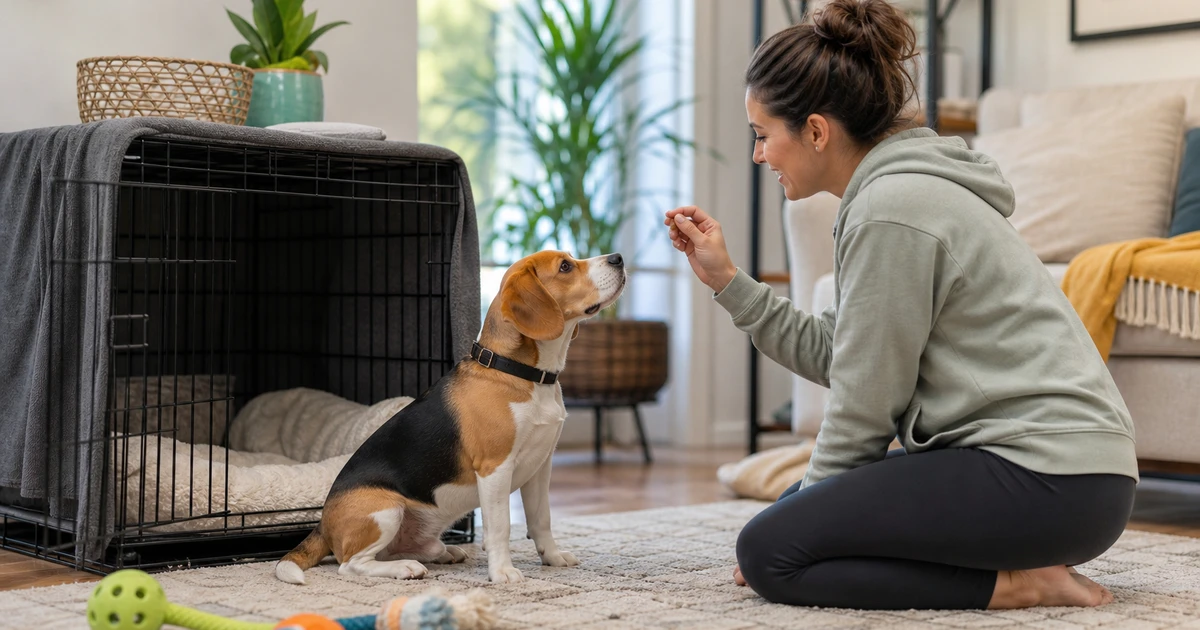
Crate Training Done Right: The Method That Worked for Our Stubborn Rescue
Our rescue Beagle screamed in his crate for weeks. Here’s the exact method that turned his crate into a sanctuary, no force needed.
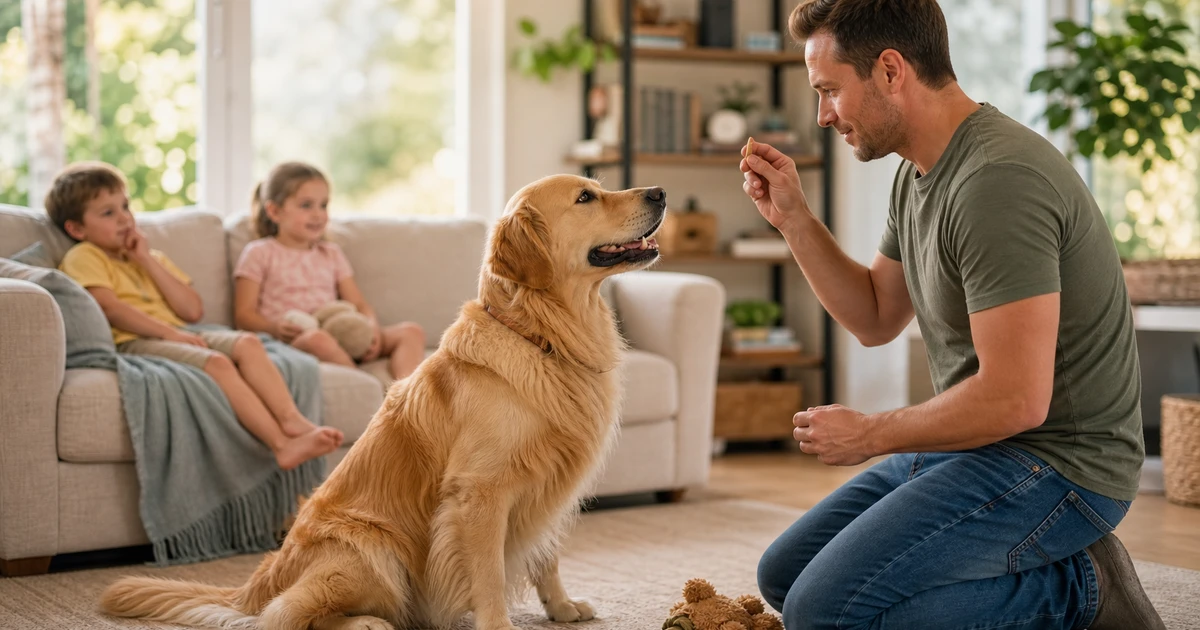
Kid-Safe Dog Training Rules Every Family Should Set Before Choosing a Breed
You scrolled through the best dog breeds for kids, but breed alone won't guarantee safety. These household rules come first.
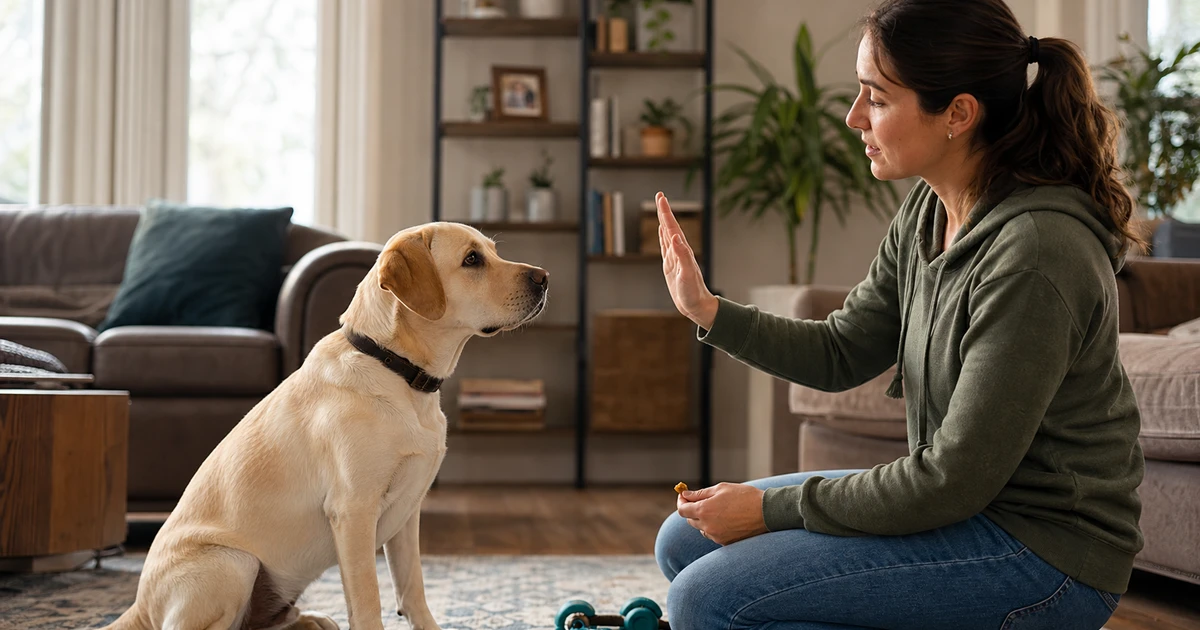
'Leave It' Saved My Dog's Life Twice. Here's How We Trained It.
The 'leave it' command stopped my Labrador from eating a rotting fishhook carcass and later a chocolate bar. Here's the step-by-step training that worked.

Best Dog Breeds for Kids and First-Time Owners
A dog that forgives clumsy cuddles and a first-timer’s learning curve—these eight breeds deliver. Here’s how to choose the right one for your family.
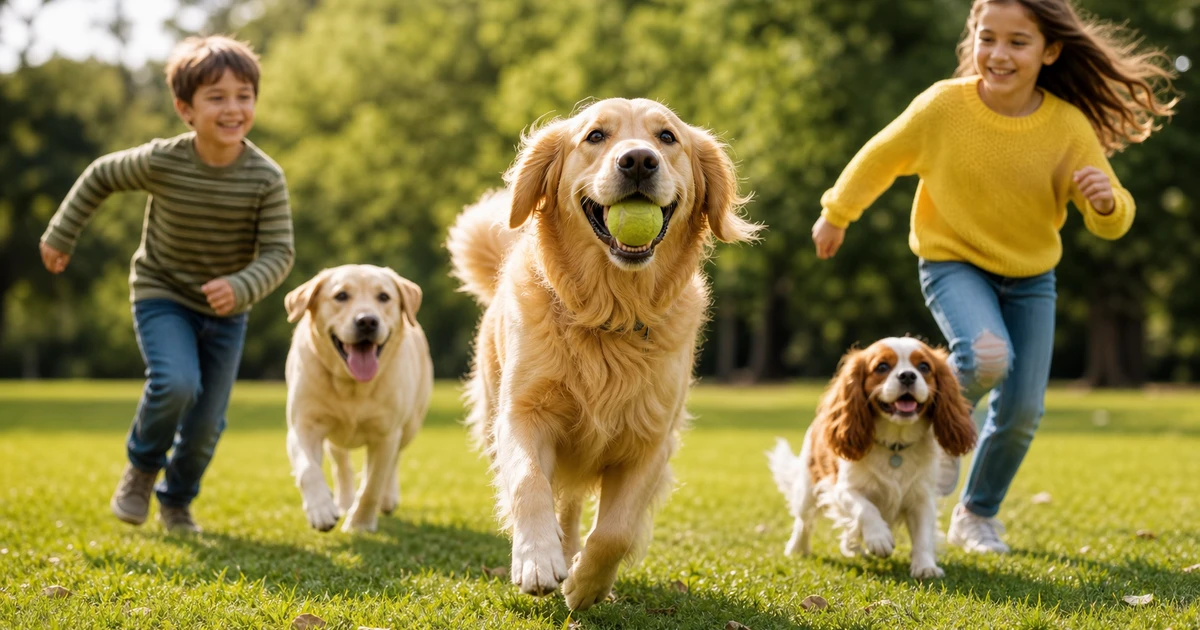
Best Dog Breeds for Kids: 10 Family Dogs Ranked by Real Fit
A parent's honest guide to the 10 best breeds for children, ranked by real-world kid compatibility — not kennel-club clips. Real caveats included.
Sources & standards
This profile follows recognized breed standards from the American Kennel Club (AKC) and the Fédération Cynologique Internationale (FCI), along with established veterinary and breed-club guidance. These describe general breed tendencies — every dog is an individual.