

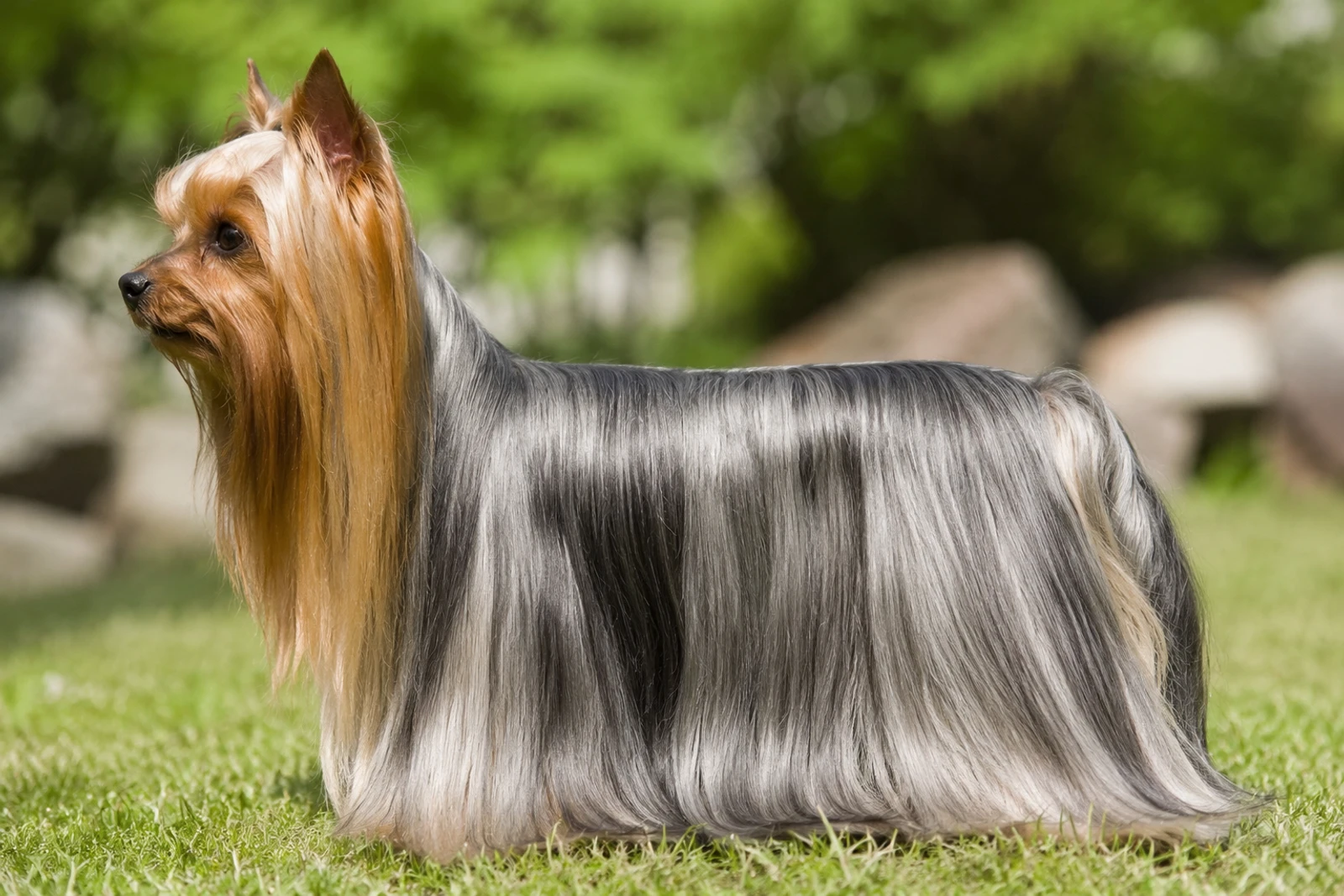
The Yorkshire Terrier is a small but spirited companion dog, perfect for those seeking a portable, affectionate pet. Their silky, hypoallergenic coat makes them great for allergy sufferers, though they require regular grooming. With a bold, terrier temperament, they are confident and assertive, often unaware of their tiny size. They thrive on human companionship and adapt well to apartment living, but early socialization is key to manage their barking and terrier instincts. Best for households without small children, they bond deeply with their owners and make vigilant little watchdogs.
Yorkshire Terrier Sticker Pack
36 cartoon stickers • transparent PNG • no watermark
Pinterest-ready
Share all 36 reactions as one sticker sheet
Pinterest opens with the full pack and a fresh, tailored description. You choose the public board and publish it from your own account.
Save the full pack


Choose one reaction above to share it alone, or use the full-pack button for all 36 together.




















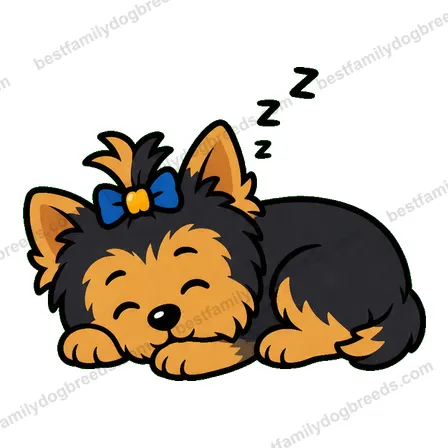
Free full-resolution download — no account, no payment, no watermark.
Includes all 36 transparent PNG stickers in one ZIP. A quick human check is required for each download.
At a glance
- Size
- Small
- Height
- 8–9 in
- Weight
- 7 lb
- Life span
- 12–15 years
- Coat colors
- Blue and tan, Black and tan, Blue and gold
- Coat type
- Long, silky, single coat
- Group
- Terriers
- Origin
- England
How much does a Yorkshire Terrier cost?
Adopt / rescue
$75–$400
Usually includes spay/neuter, first shots, and a microchip.
Buy from a breeder
$700–$2,000
From a reputable, health-testing breeder.
Approximate USD. Prices vary widely by region, breeder, pedigree, age, and coat colour — adopting is the lower-cost and recommended route. Avoid suspiciously cheap “breeders”; they’re often puppy mills.
Estimate the full cost of a Yorkshire Terrier →Want the ongoing number? Estimate the monthly food bill for a Yorkshire Terrier with our dog food cost calculator.
Yorkshire Terrier photos
Views
Front, side, rear and top — the full silhouette.Poses
How the breed sits, lies, moves and plays.Puppy to senior
The breed across its whole life.Expressions
The breed’s range of moods.Close-up details
Eyes, ears, nose, paws, tail and coat.Coat colors
The breed’s recognized colors.Click any photo to enlarge. We show the Yorkshire Terrier from every angle — three views, poses, life stages, expressions, close-ups, coat and colors.
Appearance & size
You spot a Yorkie from across the room because of that long, steel-blue and rich tan coat that looks like spun silk. It's fine, glossy, and hangs dead-straight on both sides of a neat center part that runs from the nose all the way to the tail.
Under all that hair sits a very small, compact terrier. A grown Yorkshire Terrier stands just 8 to 9 inches at the shoulder and weighs around 7 pounds. Don't mistake tiny for fragile—the body is well-proportioned and surprisingly sturdy for its size, with a level topline and a square, balanced silhouette when you view it from the side.
From the front, the head is small and rather flat on top. Medium-sized, dark eyes give a sharp, intelligent expression, and those small, V-shaped ears are carried perfectly erect. The muzzle isn’t overly long, and the whole face has a neat, confident look that’s pure terrier. Breeders often gather the long hair on top into a single topknot, which keeps it out of the eyes and highlights that alert expression.
Move around to the side and the coat is the main event again—it drapes straight to the ground, almost hiding the legs. The body itself is compact, with a short back and well-sprung ribs. The tail is set high and carried jauntily, though you may see both docked and natural tails depending on where you live and the breeder’s preference.
From the rear, you get a view of the same silky coat falling evenly and often a glimpse of straight, parallel hind legs under all that fringe. The overall effect is a tiny dog with the outline and strut of a much larger working terrier.
One quirk worth knowing: Yorkie puppies aren’t born with that signature blue-and-tan coloring. They start out nearly black with small tan points, and the dark hair gradually lightens to a dark steel blue on the body as they mature—usually by age two or three. Responsible breeders don't breed for exaggerated tiny sizes that fall well below the 7-pound standard, because a sound, square build matters a lot more than being “teacup” small. That flowing coat, while a showstopper, takes a daily brushing commitment you won't want to underestimate.
History & origin
The dog perched on a silk cushion today started out crawling through soot and cotton dust in 19th-century Yorkshire mills. The Yorkshire Terrier was built for a job: killing rats. And it was originally a fair bit bigger than the 7-pound companion you see now.
During the Industrial Revolution, Scottish weavers streamed into Yorkshire towns like Huddersfield and Halifax, bringing their own small terriers with them. Those dogs — likely a mix of the now-extinct Clydesdale Terrier, Paisley Terrier, and Skye Terrier — were crossed with local ratters already working the textile mills and coal mines. The result was a scrappy, long-coated terrier that could slip into tight corners and dispatch vermin with a quick shake. Early Yorkies tipped the scales closer to 12–14 pounds, a useful size for a working dog that had to be fearless but portable enough to carry from floor to floor.
By the 1870s, breeders had begun refining the look. A dog named Huddersfield Ben, born in 1865, is considered the father of the modern breed. Ben was a champion ratter and a popular stud, and his offspring set the template: a compact body, a steel-blue and tan coat that gleamed, and a smaller frame. Within a decade, the breed shrank further and transitioned from the mill floor to the show ring and Victorian parlors. The Kennel Club recognized it in 1874, and by the turn of the century, the Yorkie was firmly entrenched as a fashionable lady’s companion — though nobody told the dog that. Beneath the floor-length silky coat, a smart, tenacious terrier with a working-class heart still runs the show.
Temperament & personality
You’re not getting a dainty, 7-pound accessory. You’re getting a terrier with the swagger of a dog three times his size. A Yorkshire Terrier is bold, curious, and utterly convinced he’s the center of the universe — and if you’re his person, you’ll probably agree. These dogs form intense bonds, often choosing one favorite human to shadow from room to room. That devotion cuts both ways: a Yorkie left alone too long can unravel into a barking, pacing mess. Separation anxiety isn’t rare here; it’s something to plan for with crate training and gradual absences from day one.
Energy comes in quick bursts. He’ll zip around your apartment, pounce on a squeaky toy, then crash on your lap. A casual stroll won’t cut it — aim for a solid 20–30 minutes of purposeful walking plus a couple of rowdy play sessions, or he’ll channel that brainpower into redecorating your baseboards. Natural-born watchdogs, they notice everything. A delivery truck two blocks away? A leaf blowing past the window? You’ll hear about it. Alert barking is a feature, not a bug, so teaching a “quiet” cue early saves your sanity.
Stubbornness runs deep. Forget heavy-handed corrections; yelling turns a Yorkie’s ears off completely. They respond to respectful, consistent training that looks more like a negotiation — a treat for a sit, a little party for coming when called. Food motivation helps, but a proud Yorkie can out-stubborn you if he thinks you’re being unfair. Start socialization young, too. Without it, suspicion of strangers can tip into fear-snapping, and that terrier courage can lead him to challenge a Golden Retriever at the dog park as if he had a shot.
Around the household, common terrier quirks surface. Chewing is a lifelong hobby, not just a puppy phase — sturdy toys and a citrus-scented deterrent on chair legs save furniture. Territory marking can persist indoors, especially if he catches a whiff of old accidents. Enzyme cleaners are non-negotiable; anything less leaves a scent cue he’ll feel compelled to refresh. His small size also means small patience for clumsy handling. Teach kids to give him space while he eats and never to startle him awake — a snapped bite to a toddler’s face is a real risk when warnings go unnoticed.
You’ll see his confidence in the way he leans forward, head high, tail up, ready to march right into whatever’s next. But a tucked tail, yawning, or a turned-away head are all signals that he’s overwhelmed, not being “stubborn.” Learn to read that body language. When you respect both his big attitude and his tiny body, you earn a companion who’s clever, fiercely loyal, and just the right amount of bossy — for the next 12 to 15 years.
Good with kids, dogs & other pets
Yorkies tip the scales at just 7 pounds, so the biggest safety consideration around kids is their size, not their disposition. Even a clumsy hug or a tumble during play can break a bone, which means houses with toddlers or young, grabby children need a long pause. When everyone in the home is old enough to handle a tiny dog gently — typically around age 6 or 7 and up — the relationship often clicks. They’re patient and non-aggressive by nature, but they can be protective of their favorite people and won’t think twice about snapping if cornered or manhandled. Adult supervision is the standing rule, not because the dog is mean, but because the stakes are so high when the size gap is that wide.
With other dogs, what happens in puppyhood writes most of the script. A Yorkie raised alongside a calm housemate usually does fine, but the breed’s terrier sass surfaces around strange dogs. They’ll boss, posture, and act twice their size, which can provoke a larger dog in seconds. Stick to playdates with dogs close to their own weight class, and skip off-leash parks that don’t have a dedicated small-breed zone. Even then, watch for tense body language — a Yorkie’s confidence often outruns its common sense.
Cats can work if the introduction starts early and the cat stands its ground without bolting. A Yorkie learns quickly that a swatting paw means “back off,” and many settle into a détente or even a cozy nap-sharing arrangement. Just keep first meetings short, positive, and behind a baby gate until you see calm indifference from both sides.
Small pets are where the breed’s history as a mill ratter shows up in a heartbeat. Hamsters, gerbils, rats, and even guinea pigs can flip a strong chase switch. Cages need to be secure and placed where the dog can’t reach them, and a free-roaming pocket pet is an accident waiting to happen. Full separation when you’re not directly overseeing the room is the only safe bet.
Socialization makes or breaks how these relationships turn out. The critical period is between 3 and 16 weeks. During that stretch, expose your puppy to gentle children, friendly dogs, everyday noises, and different surfaces in short, upbeat sessions. The goal is to build a dog that sees new experiences as normal, not threatening. Once that window closes, you can still make progress, but pushing a fearful adult into crowded playgroups or loud environments often backfires — it can ramp up anxiety rather than calm fears. A Yorkie that’s genuinely at ease with its immediate family and a small circle of visitors is perfectly fine, even if it never becomes the life of the dog park party.
Trainability & intelligence
A Yorkie learns fast — often a little too fast for his own good. He picks up the pattern of the treat pouch and the tone of your voice before you’ve finished teaching the cue. That intelligence, though, comes with a terrier’s independent streak. If he thinks he’s got a better offer (a squirrel, a crumb under the couch, or simply the freedom to ignore you), he’ll take it. So first rule: you have to be more interesting than everything else.
-
Motivation that clicks: High-value treats, a squeaky toy, a quick game of tug — the kind of reward that actually matters to a 7-pound dog who thinks he’s ten feet tall. Praise alone works once a behavior is solid, but early on, paychecks matter. Keep sessions short and stop while he’s still eager.
-
The stubborn side: Without clear, calm leadership, a Yorkie can turn into a tiny negotiator. Consistency is non-negotiable. If “off” sometimes means “maybe later,” he’ll test the boundary every time. No need to be heavy-handed — that’s the fastest way to create a snappy, anxious dog. Harsh corrections break trust in a breed this sensitive.
-
Recall and reliability: A reliable recall doesn’t come built-in. Off-leash, that terrier prey drive can short-circuit his brain. Practice in quiet spaces and never chase him if he bolts — make coming to you the best party ever.
-
Socialization is the training you don’t skip. Start between 3 and 14 weeks, and keep at it. Gradually expose him to different people, calm dogs, kids, city sounds, and weird surfaces. A Yorkie who learns early that new things usually mean good things won’t default to barking and backing up when life gets busy.
Positive, reward-based methods — treats, play, and genuine delight — build a dog who checks in with you instead of checking out. A Yorkshire Terrier who trusts you will learn everything from basic manners to flashy tricks, but you’ll earn that cooperation by showing him, day after day, that listening beats ignoring you.
Exercise & energy needs
A Yorkie doesn’t need a marathon—this 7-pound terrier runs on short, frequent bursts of energy. Aim for two daily activity sessions, 10 to 15 minutes each. That could mean a brisk walk around the block, a game of fetch down the hallway, or a lively tug session on the living room rug. More important than the stopwatch is reading your dog: panting, slowing down, or flopping onto the floor means it’s time to wrap up.
Don’t mistake small size for a lack of toughness. Yorkies have that scrappy terrier spirit, but those fine legs and relatively long backs are injury-prone. Steer clear of high-impact jumping on and off furniture, rough play with much larger dogs, or endless stair-climbing. A ramp or lightweight pet stairs to the couch is a cheap way to protect those joints.
Physical exercise alone rarely settles a smart terrier. Mental stimulation tires them just as effectively. A 10-minute session with a puzzle toy, a snuffle mat, or a simple hide-and-seek game for treats can drain that busy brain faster than another lap around the block. Short, upbeat training bursts—teach “spin,” “touch,” or “find it”—double as bonding and brain work.
What works well:
- Scent games: scatter a few pieces of kibble in the grass or hide a treat under an overturned cup and let her sniff it out.
- Flirt pole: a fuzzy lure on a string triggers chase-and-pounce without you having to sprint.
- Indoor fetch: a soft toy rolled down a carpeted hallway, perfect for rainy days.
- Sniffaris on leash: let the walk be about investigating, not covering distance.
Skip the urge to exhaust her with one long session. Small dogs can overheat or overdo it, and a crash isn’t the goal. Two short, engaging pit stops a day keep a Yorkie fit, calm, and out of mischief. On the kind of day when a walk just isn’t happening, a vigorous indoor scent game plus a few rounds of tug will do the job.
Grooming & coat care
That silky, floor-length coat is one of the Yorkie’s trademarks, but it doesn’t take care of itself. Plan on daily brushing — skip a day, and you’ll be breaking up tiny mats by morning. A Yorkie’s hair is a single coat with no undercoat, so it grows continuously and feels similar to human hair. Because of that, a quick once-over with a slicker brush isn’t enough. Work through small sections with a metal pin brush or a slicker with rounded pins, misting lightly with a detangler spray to avoid snapping the fine strands. After brushing, follow up with a greyhound-style metal comb to catch any hidden tangles close to the skin, especially behind the ears, under the front legs, and along the belly.
Bathing lands on your calendar about every three to four weeks. Use a mild dog shampoo and a moisturizing conditioner; the conditioner is not optional if you want to keep the coat soft and static-free. Towel-dry gently, then blow-dry while brushing to keep the hair straight — air-drying encourages mats and makes the coat look wispy.
Most pet owners keep their Yorkie in a “puppy cut” or a short, layered trim that reduces the daily time commitment substantially; a long show coat requires wrapping the hair in protective bands between outings, which is serious work. Trims every 6–8 weeks (or whenever the hair gets shaggy around the eyes and paws) keep things manageable.
The rest of the routine is small-dog maintenance, no less important: trim nails every two to three weeks, check and clean ears weekly with a vet-approved drying solution, and brush teeth daily — Yorkies are prone to dental buildup, and those tiny jaws don’t forgive neglect. You’ll also want to wipe the face regularly, especially around the eyes, to keep the signature tan muzzle free of tear stains.
Seasonally, you won’t deal with heavy shedding because there’s no insulating undercoat to blow. What you get instead is a coat that mats like crazy in wet or cold weather if moisture gets trapped, so dry your Yorkie thoroughly after a romp in the snow or a damp walk, and check the armpits and groin for hidden tangles after sweater season.
Shedding & allergies
If you’re tired of vacuuming up dog hair, a Yorkie is about as close to a non-shedding dog as you’ll get. They have a single coat of fine, silky hair that grows much like human hair — not fur — so it doesn’t drop in clumps around the house. You’ll find stray hairs occasionally, but not enough to coat your furniture or dark sweater. In fact, Yorkies consistently rank among the lowest-shedding breeds.
There’s no seasonal blowout to brace for. Without an insulating undercoat, they don’t undergo the heavy spring and fall shedding cycles typical of double-coated dogs. Their hair just keeps growing, which means regular brushing and trims are what keep it off your floors, not a vacuum.
Drool is a non-issue. Yorkies don’t have big, floppy jowls, so you aren’t dealing with slobber on your pant leg or puddles on the couch. A tiny 7-pound mouth simply doesn’t produce the flood of saliva you get from a mastiff or a bulldog.
The “hypoallergenic” label deserves a straight talk, though. No dog is 100% allergen-free. Allergies are triggered by proteins in dander, saliva, and urine — not hair itself. Yorkies produce less dander because they shed less, and their small size means less overall allergen in your environment. Many people with mild to moderate allergies do well with them. But you still need to meet the dog in person before committing. Frequent baths and brushing distribute natural oils and wash away loose dander before it can become airborne, which makes a real difference if someone in your home is sensitive.
Diet & nutrition
A 7-pound dog has a stomach roughly the size of a golf ball, so every calorie counts. Portion control is everything. Most adult Yorkies thrive on ¼ to ½ cup of high-quality small-breed kibble per day, split into two meals. If you feed a homemade diet, target roughly 60% meat, 20–30% dog-safe fruits and vegetables, and 10% extras like eggs, grains, or plain yogurt. For a dog this tiny, even an extra tablespoon of food can quietly tip the scale — so weigh the food, don’t eyeball it.
Tiny mouth, big trouble
Those dainty jaws mean kibble has to be small enough to chew comfortably or softened with warm water. Overfeeding leads to obesity fast, which puts real stress on delicate joints and that long, low back. Combine that with the breed’s penchant for luxating patellas and you have a recipe for avoidable pain. Some Yorkies are chowhounds, others are finicky. Either way, strict twice-a-day meals (no free-feeding) let you track exactly what goes in. A puzzle bowl or slow feeder is smart for the speed-eater, giving mental exercise while they work for their food.
Puppy to senior
- Up to four months: four evenly spaced meals a day, using a high-quality puppy food or lightly cooked, puréed meats and veg. Introduce raw chicken wings around 12 weeks under close watch.
- Four to six months: move to three meals.
- Six months on: two meals a day, just like the adults.
Senior Yorkies often lose teeth or develop tender gums. Purée their meals for easier eating and better nutrient absorption. Older dogs also need fewer calories as activity fades — drop portions before you see weight creep up. There’s no good reason to cut protein in a healthy senior, but keep meals small and frequent to avoid a heavy gut.
A few hard-and-fast rules
- Skip the vegetarian or vegan route — a Yorkie’s digestive system is built for meat.
- Rich, fatty scraps (holiday ham, bacon, pan drippings) can trigger pancreatitis. Off your plate means you’re not tempted to slip them a “treat.”
- Leftovers? Serve them in the dog’s empty bowl, not from your fork, so begging doesn’t become a learned sport.
- Unsalted water from cooking vegetables makes a nice stock for softening kibble in a pinch.
Everything starts with what you measure, not what the dog wants. A lean, bright-eyed Yorkie lasts longer and hurts less. Keep the scale handy and never trust those big brown eyes.
Health & lifespan
Yorkies routinely live 12 to 15 years, and plenty sail past that with attentive care. That long life comes with a short list of health quirks that show up often enough you’ll want to know them by name.
Patellar luxation — a kneecap that slips out of its groove — is the most common orthopedic issue in this 7-pound breed. You might see a quick skip or hop mid-stride, then the leg kicks back into place. Mild cases may never need more than monitoring; severe ones sometimes require surgery. Responsible breeders screen parent dogs for luxating patellas, so ask to see those results.
Collapsing trachea is a real risk because the windpipe is as delicate as a drinking straw. A collar puts pressure right where it does the most harm. Switch to a well-fitted harness and you eliminate that neck pressure altogether. A chronic honking cough, exercise intolerance, or blue-tinged gums signal an emergency.
Dental disease hits tiny mouths hard. A full set of teeth crammed into that little jaw makes plaque and tartar almost inevitable without regular care. Brush two or three times a week — daily is better — and schedule professional cleanings as your vet recommends. Untreated, bacteria from the mouth can seed the heart and kidneys.
By middle age, many Yorkies develop mitral valve disease. A heart murmur is often the first clue. Not every murmur leads to heart failure, but yearly exams catch changes before symptoms like coughing or fatigue appear. An echocardiogram gives you a clear picture if your vet hears something concerning.
Urinary stones — struvite or calcium oxalate — can form in some lines. You’ll notice bloody urine, straining, or frequent squatting with little output. Depending on the stone type, a special diet may dissolve them or prevent new ones.
Hypoglycemia is a puppy hazard. Their tiny liver can’t store much energy, so going too long without food, getting chilled, or even a stressful car ride can drop blood sugar dangerously low. Keep a high-calorie gel or honey on hand and feed three or four small meals a day until they mature past that stage, usually around four to five months.
That silver-blue coat is single-layered, meaning almost no insulation. Temperature sensitivity is real: a sweater in winter, air-conditioning breaks in summer, and never leave a Yorkie in a parked car. They overheat and chill faster than you’d guess.
Preventive medications are non-negotiable. Heartworm prevention gets given monthly during mosquito season and for one month after. Rabies vaccination is legally required; there’s no effective treatment once symptoms start.
At 7 pounds, an extra half-pound is a big deal. Weight management protects those knees, that heart, and everything else. Ribs should be easy to feel with a flat hand, and there should be a visible waist from above.
Mental health ties directly to physical health. A bored, isolated Yorkie can bark nonstop and work itself into a state of chronic anxiety. Daily play, short sniffy walks, and just being near you are as essential as food and water.
Skin allergies show up as itching, licking, or hot spots and often trace back to diet, pollen, or fleas. A high-quality food and consistent flea control prevent a lot of misery.
Start with a vet check within the first week and keep up those annual visits. Most of these problems are manageable when caught early, and the payoff is a little dog who trots beside you well into their teens.
Living environment
Yorkshire Terriers are wonderful apartment dogs. At just 7 pounds and 8–9 inches tall, they don’t need much square footage — a one-bedroom or studio gives them plenty of room to patrol and play. A yard isn’t necessary, and honestly, a securely fenced yard still isn’t a substitute for time with you. They want to be where you are, whether that’s a high-rise or a house.
Daily movement for a Yorkie is best served in short, frequent bursts rather than one long march around the block. Think two 15-minute walks plus a couple of indoor play sessions — chasing a ball down the hallway, working a puzzle toy, or a spirited game of tug. This matches their terrier energy without overtaxing their small frames. Avoid high-impact jumping off furniture or steep stairs; like many tiny breeds, they can be prone to luxating patellas and neck injuries. Mental exercise counts just as much as physical — hide a few treats in a snuffle mat and they’ll be happily worn out.
When it comes to climate, Yorkies run cold. That silky, single coat offers almost no insulation, so a sweater or coat is non-negotiable once the temperature dips. In summer, watch for overheating and avoid hot pavement on those tiny paw pads. Early morning and evening outings are your friends.
Now, the watchdog side. Yorkies are terriers through and through — alert, curious, and quick to sound the alarm. A knock on the door, a neighbor’s footsteps, a squirrel on the windowsill will all be announced. You can’t train the bark out entirely, but you can teach a solid “quiet” cue and redirect their focus before things escalate. If you share walls, this is something to start working on right away.
The biggest day-to-day challenge is how much they dislike being left alone. Bred as companion dogs who shadow their people, Yorkies can develop serious separation anxiety. You’ll need to build up alone time gradually from puppyhood — 5 minutes, then 10, then longer — and always leave them with a stuffed Kong or a food puzzle. Even an hour of solo time can feel like an eternity to a dog this bonded. If your schedule keeps you out for full workdays, a midday dog walker or a small-dog daycare will make a huge difference.
Who this breed suits
A seven-pound dog who genuinely believes he’s a Doberman? That’s a Yorkie. The ideal owner sees the humor in that and is ready for a tiny, inseparable sidekick with terrier grit.
This breed fits surprisingly well into a range of homes, but the common thread is someone who enjoys an interactive, indoor companion. First-time dog owners can do well—Yorkies are portable, endlessly trainable, and don’t need a backyard—provided you’re prepared to put in the training effort a terrier demands. Skip it, and you’ll get a yappy despot who runs the house. Seniors and apartment dwellers often click with the breed because the exercise needs are manageable: a couple of 20-minute walks plus a good indoor play session usually does it. Singles and couples who want a devoted little shadow will find one that’s happy to curl up on a lap after an outing. Those long 12- to 15-year lifespans mean this is a serious emotional commitment.
A Yorkie is a poor fit for homes with very young children. At just 8 to 9 inches tall and 7 pounds, they’re fragile. A toddler’s clumsy hug or a dropped toy can injure them, and a frightened Yorkie may nip. Busy owners who are gone 10 hours a day will face a dog prone to separation anxiety and nonstop barking—not exactly neighborhood-friendly. People seeking a quiet, low-maintenance lap dog often regret the choice: that silky coat needs daily brushing or regular professional grooming (unless clipped short), and the dog inside it is a clever, busy little mind that will find trouble if bored. If you want a rugged off-leash hiking buddy or a no-fuss lawn ornament, look elsewhere. But if you’ll treat a tiny tyrant with respect, structure, and a lot of attention, a Yorkie will reward you with more personality per pound than you thought possible.
Cost of ownership
The price of a well-bred Yorkshire Terrier puppy from health-tested parents usually lands between $1,500 and $3,000. Show prospects or pups with exceptional lineage can push toward $4,000–$5,000. That upfront cost is just the down payment, so let’s walk through what you’ll actually spend month to month.
Food is the easy part. A 7-pound dog doesn’t eat much — plan on $20–$40 per month for high-quality kibble or a mix with wet food. Don’t cheap out here; tiny bodies need nutrient-dense meals, and a bad diet can set off the breed’s famously fussy stomachs.
Grooming is where your wallet takes a real hit. Yorkies have hair that grows constantly, much like human hair, and it mats into snarled sheets if you skip a session. Most owners book a professional groomer every 4 to 6 weeks, with sessions running $60–$100 depending on your location and the clip style. You’ll also need at-home brushes, detangler, and maybe dog-safe wipes for face cleaning — add another $10–$15 monthly.
Vet costs average out higher than you might guess for such a small package. Routine care (vaccines, heartworm/flea preventatives, annual exams) often runs $400–$700 a year. But Yorkshire Terriers are prone to dental disease, luxating patellas, collapsing tracheas, and eye issues. Responsible breeders screen breeding stock for many of these, but a dental cleaning alone can cost $500–$1,000 under anesthesia, and a patella surgery might run $2,000–$5,000 per knee. You either budget for surprise bills or carry pet insurance — typically $30–$60 monthly for a Yorkie, depending on deductible and coverage.
Factor in the small stuff: a harness and leash ($30–$60), a crate or carrier ($40–$100), beds, toys, potty pads if you indoor-train, and the odd dog walker for long days. All in, expect to spend $150–$300 a month on a healthy Yorkie, not including grooming. Grooming pushes it closer to $200–$400. Skip the professional clips at your own risk — a single severe mat can mean a shave-down and a skin infection that costs more than a year of appointments.
Choosing a Yorkshire Terrier
If you can give a great home to a dog that’s already grown, start with Yorkie-specific rescue groups. You’ll bypass the housebreaking and teething stage, and you’ll have a clearer picture of the adult temperament — a real plus with a breed that can be big-dog bossy in a tiny package. The trade-off is a limited health history, so ask about any known knee or breathing issues and get a thorough vet check right away.
When you go the breeder route, you’re looking for someone who treats these 7-pound dogs like the fragile athletes they are. Health clearances aren’t optional. A responsible breeder screens every parent for patellar luxation through the Orthopedic Foundation for Animals (OFA) — wobbly kneecaps are rampant in the breed. A current CERF eye exam from a veterinary ophthalmologist is just as critical. Because Yorkies can inherit a portosystemic shunt (a liver defect), many excellent breeders also run bile-acid tests on puppies before they leave. Ask to see the paperwork for all of it.
Red flags are loud with this breed. Walk away from anyone selling “teacup” or “micro” Yorkies — chasing extreme tininess often produces dogs with fragile bones, chronic low blood sugar, and shortened lives. Run if a breeder won’t let you meet at least one parent on-site, releases puppies before 10 or 12 weeks, or always has litters available. You want a breeder who grills you just as hard, asks about your household, and offers a written health guarantee with a clear return policy.
When picking a puppy, look for a sturdy-for-its-size body, not a trembling slip of a thing. Bright, clear eyes, clean ears, and a cool, quiet way of breathing are what you’re after — any honking cough or raspy pant can point to a collapsing trachea later. The puppy should be curious and willing to approach you, not cowering in a corner. A little spark is normal; paralyzing shyness or snappiness isn’t. A good breeder will tell you which pup runs the household and which one melts into your lap, and they’ll be a resource for the 12 to 15 years you’ll have that dog.
Pros & cons
Pros
- A truly portable companion: At 7 pounds and 8–9 inches, a Yorkie fits under an airplane seat, curls up in a studio apartment, and doesn’t eat you out of house and home.
- Minimal shedding — the silky, human-hair-like coat leaves far less fur on your clothes and furniture than most dogs, which many allergy-sensitive owners appreciate.
- 12–15 year life span means you get more than a decade of steady companionship; healthy Yorkies often stay bright and engaged into their senior years.
- A pint-sized watchdog with terrier alertness. You’ll rarely miss a delivery — these guys announce strangers with impressive volume for their size.
- Deeply people-oriented and quick to bond. Most Yorkies want nothing more than to be on your lap or trotting beside you, soaking up attention.
Cons
- High-maintenance coat. That floor-length silk demands daily brushing, routine baths, and a professional groom every 6–8 weeks. Neglect it and painful mats develop fast.
- Fragile structure. A 7-pound frame can fracture from a jump off the couch or a child’s clumsy squeeze — not a good match for homes with young, rough-and-tumble kids.
- Terrier stubbornness shows up as bossiness, selective hearing, and barking at every leaf that blows. Without early, consistent training, you’ll lose the battle of wills.
- Housebreaking can be a marathon. Even attentive owners often deal with indoor accidents for months; some Yorkies are famously slow to fully catch on.
- Separation anxiety is a real risk. Left alone too long, they often resort to relentless barking, destructive chewing, or potty setbacks.
- Breed-specific health issues — watch for luxating patellas (slipping kneecaps), dental disease from a crowded small mouth, and a collapsed trachea. Responsible breeders screen, but you’ll still need regular vet visits and an honest budget for dental care.
Similar breeds & alternatives
If you love the Yorkie’s portable size and spirited terrier personality but want to explore something slightly different, a few breeds stand out as practical alternatives.
-
Silky Terrier: Often mistaken for a Yorkie, the Silky is a direct descendant. Expect a touch more size (9–10 inches, 8–10 pounds) and a coat that’s finer and straighter—less high-maintenance than the Yorkie’s flowing floor-length show coat if you keep it in a pet trim. Silkies bring the same terrier confidence but tend to feel a smidge less fragile underfoot, though they still won’t back down from a larger dog.
-
Biewer Terrier: Essentially a Yorkie with a recessive piebald gene, the Biewer arrives in tricolor (white, black, and tan). Size is nearly identical (7–8 inches, 4–8 pounds), and the personality is much the same: bossy, bright, and all-in with their person. The difference is almost entirely aesthetic, though that white coat shows tear stains less noticeably and gives you a different look if you like the Yorkie’s attitude but crave a unique color pattern.
-
Maltese: When the terrier tenacity isn’t a must, the Maltese delivers a tiny, silky-coated white dog without the fire. They’re pure lap dogs—often gentler and less vocal. Height and weight overlap (8–10 inches, 4–7 pounds), and grooming demands are equally intense. Choose a Maltese if you want a calm, affectionate shadow who’s more likely to flop in your lap than challenge the vacuum cleaner.
-
Australian Terrier: A rougher, sturdier cousin if the Yorkie feels too delicate. Standing about 10 inches and a solid 14 pounds, this breed has a harsh, weatherproof coat that needs little more than a weekly brush—a huge drop in grooming time. The trade-off is a louder bark, higher prey drive, and a terrier gameness that doesn’t switch off. Go this route when you want the terrier spirit in a more robust, wash-and-wear package.
Fun facts
- Originally bred to catch rats in Yorkshire mills
- Their silky coat is similar to human hair
- A Yorkie named Smoky served as a war dog in WWII
- They were once called 'Broken-haired Scotch Terrier'
Frequently asked questions
- Do Yorkshire Terriers shed a lot?
- Yorkshire Terriers have a hair-like coat that is similar to human hair, so they tend to shed very little. Regular grooming is still needed to prevent matting and tangles, but they are often a good choice for allergy sufferers.
- Are Yorkshire Terriers good apartment dogs?
- Yes, their small size makes them well-suited for apartment living. However, they can be vocal and may bark at noises or passersby, so early training and socialization can help manage this tendency.
- How much grooming does a Yorkie need?
- Yorkshire Terriers have a fine, silky coat that requires daily brushing to prevent painful mats. Many owners opt for a shorter 'puppy cut' to reduce maintenance, but professional grooming every 4–6 weeks is recommended.
- Are Yorkies good with children?
- Yorkshire Terriers can be good with older, respectful children who understand how to handle a small dog gently. Due to their tiny size, they can be easily injured by rough play, so supervision is essential around younger kids.
- Do Yorkshire Terriers bark a lot?
- Yorkies tend to be alert and will often bark to announce visitors or unusual sounds. With consistent training, you can teach them to control excessive barking, but they may always be more vocal than some other breeds.
- Is a Yorkshire Terrier a good choice for first-time dog owners?
- They can be a good fit for first-time owners who are prepared for their grooming needs and somewhat stubborn nature. Consistent, positive training and early socialization help them become well-mannered companions, but they require patience and commitment.
Tools & calculators for Yorkshire Terrier owners
Quick estimates tailored to Yorkshire Terriers — pre-filled with this breed’s size where it matters.
Articles & stories about the Yorkshire Terrier
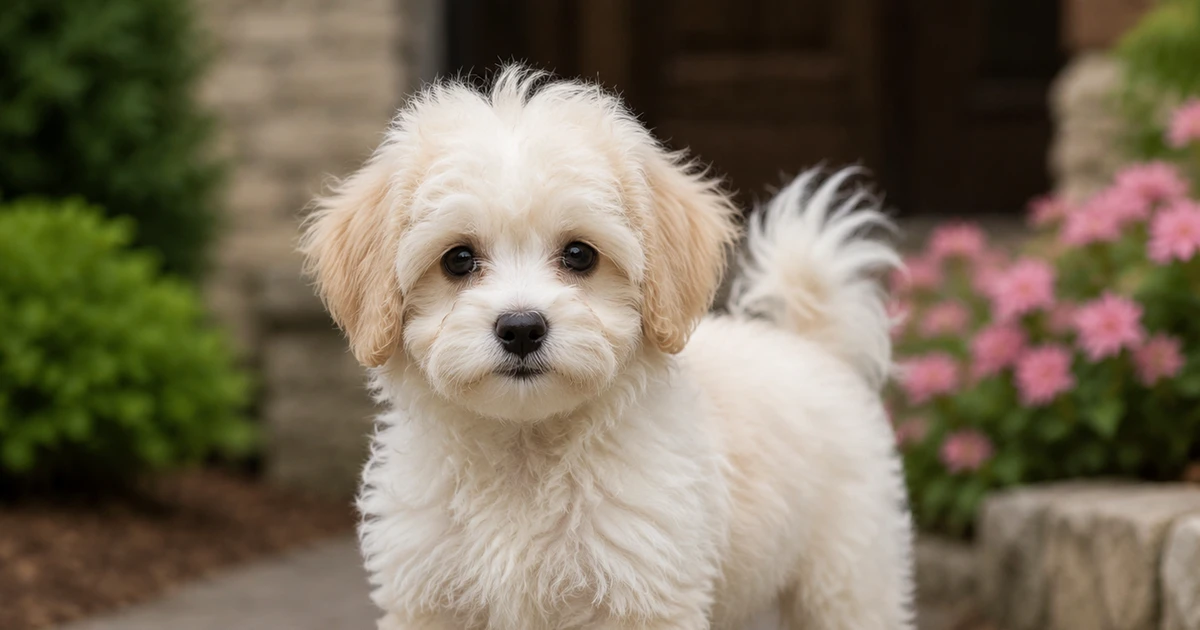
Small Mixed Breed Puppies: What Can Change as They Grow
Small mixed-breed puppies can change coat texture, color depth, ear shape, and adult size more than a single puppy photo suggests.

Morkie vs Maltipoo: Tiny Apartment Dogs With Different Tradeoffs
Morkies and Maltipoos are tiny, affectionate, and popular with apartment searchers, yet the Yorkshire Terrier and Poodle sides change the day-to-day fit.
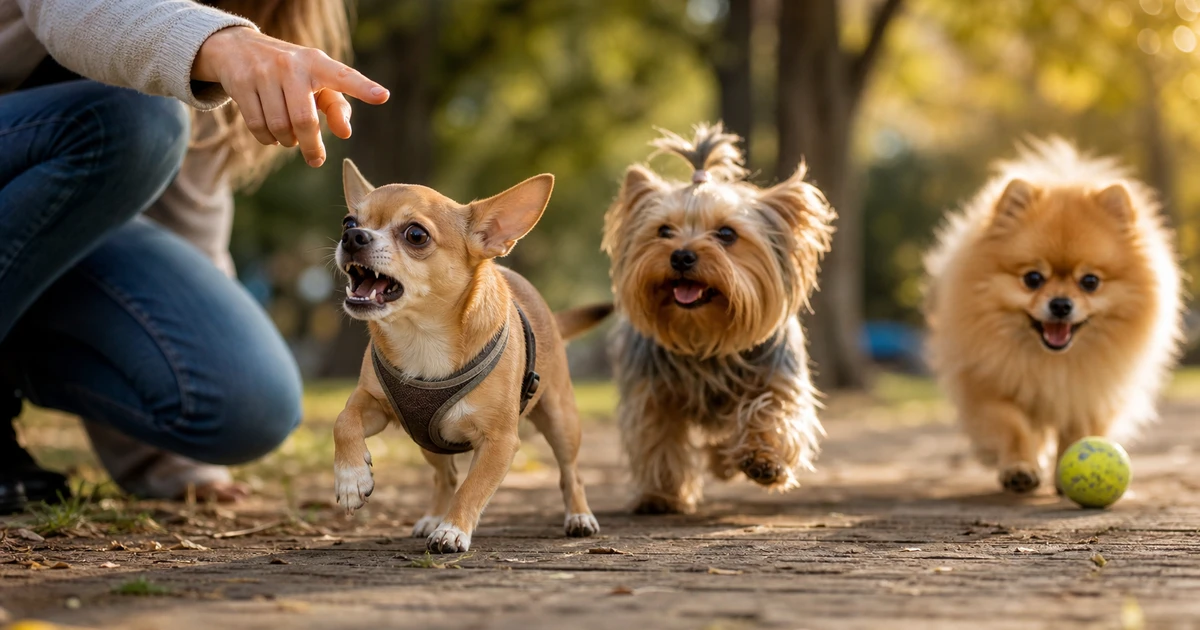
Small Dog Syndrome Is Real: How We Fixed Our Chihuahua's Behavior
We let our Chihuahua's bad behavior slide because he was small – until the snaps and growls got real. Curing small dog syndrome meant treating our 6-pound dog like a real canine, not a toy.
Sources & standards
This profile follows recognized breed standards from the American Kennel Club (AKC) and the Fédération Cynologique Internationale (FCI), along with established veterinary and breed-club guidance. These describe general breed tendencies — every dog is an individual.