Small Dog Syndrome Is Real: How We Fixed Our Chihuahua's Behavior
tipsBy Sofia Mendoza

Small Dog Syndrome Is Real: How We Fixed Our Chihuahua's Behavior

We let our Chihuahua's bad behavior slide because he was small – until the snaps and growls got real. Curing small dog syndrome meant treating our 6-pound dog like a real canine, not a toy.

Sofia Mendoza

Sofia Mendoza

Elementary School Teacher·Argentina

Sofia teaches first grade in Buenos Aires and believes strongly that growing up with a dog teaches children empathy, responsibility, and patience. She writes about raising gentle, well-trained dogs that are safe around young children.

The first time Bean bit my nephew, it wasn't a real bite—just a warning snap that left a tiny red mark. I laughed it off. "He's just being a Chihuahua," I said. That was my first mistake.

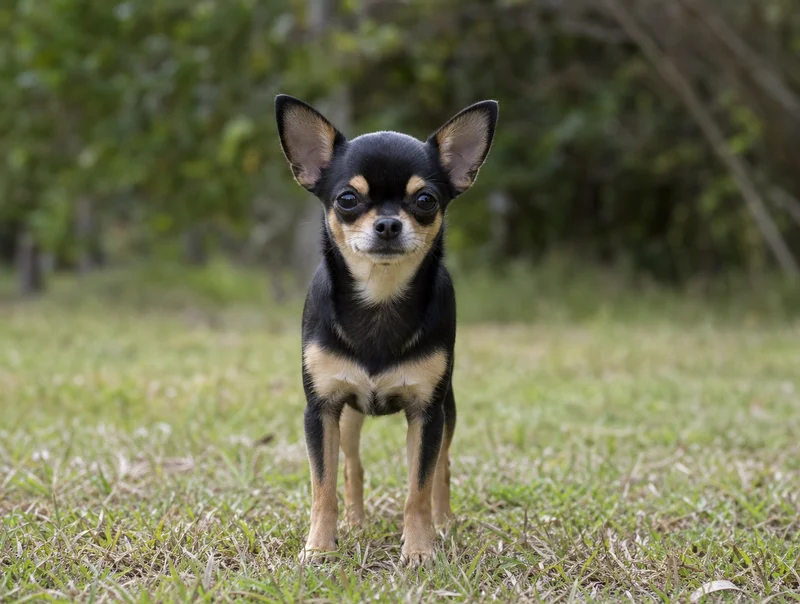
Bean is a 6-pound Chihuahua whose personality could fill a Great Dane. He's alert, devoted, and fiercely loyal to me—traits the breed standard describes as "bold, quick, and sassy." But for his first three years, we let all 6 pounds of him run our household. The result? A tiny terrorist who guarded sofa cushions like gold bars and launched himself at passing dogs twenty times his size. Friends, family, even our vet said, "He's small, just let it go." We did, and it nearly got someone bitten.

Small dog syndrome isn't a cutesy quirk. It's a real behavioral loop that kicks in when we excuse a little dog's pushiness because the consequences seem minor. A 5-pound dog snarling over a bully stick is still resource guarding. A 7-pound dog barking and lunging at strangers is still reactivity. The fix isn't more coddling—it's more structure. Here's what finally worked for us.

The Day We Realized We Had a Problem

We'd been laughing off Bean's "quirks" for years: the low growl when someone passed his food bowl, the stiff-legged strut toward any dog bigger than a football, the full-opera barking at doorbells. Then one afternoon, my sister's six-year-old reached for a toy near Bean's crate. He lunged—teeth out, threat clear. Nobody was hurt, but I saw the path we were on. A Chihuahua's delicate frame (most weigh between 5 and 7 pounds) may make a bite look harmless, but the fear and stress behind it are just as real as in a Rottweiler. We had to change.

Chihuahua breed photo Chihuahua — View full breed profile →

Resource Guarding: When a 5-Pound Dog Thinks He’s the Boss

Chihuahuas are wired to be possessive. They bond with one person like Velcro and can view everything else as competition. Bean started guarding high-value chews, his food bowl, and even a particular spot on the couch next to me. I’d reach to move him and he’d freeze, then growl. Because he was tiny, I once thought it was funny. Now I know better: that stiff posture and hard stare are classic warnings, and ignoring them only escalates.

We tackled it with a “trade-up” protocol. Every time Bean had something he shouldn’t—a stolen sock, a fallen piece of chocolate—we calmly offered something even better, like a smear of peanut butter or a sliver of freeze-dried liver. No grabbing, no yelling. Within a few weeks, he stopped guarding objects entirely because he’d learned human hands near his stuff meant something amazing was coming. Food bowl guarding took longer. We fed him meals inside his crate with the door open, and the kids were taught never to mess with a dog while he’s eating. Consistency was the glue; if one family member let him get away with growling, we’d lose a month of progress.

Stranger Danger: Stop Excusing the Barking

Chihuahuas are decidedly not “everyone’s best friend.” They’re alert to the point of hyper-vigilant, and strangers often trigger a barrage of barking that can feel like a security alarm gone haywire. Bean would explode the second the doorbell rang, hackles up, bouncing on his front paws. “He’s just protective,” visitors would say. And I’d nod, secretly exhausted. In truth, a dog who barks nonstop at new people is stressed, not brave.

We stopped letting him rehearse the behavior. That meant no more standing sentry at the front window. I taught a solid “place” cue on a mat in the living room. When guests arrived, Bean had to stay on his mat until he was calm—with a handful of treats raining down only for quiet behavior. At first, it took thirty minutes of barking before he settled. I ignored every yap and rewarded every second of silence. Now, he greets newcomers with a wiggly tail and, at most, a single alert woof.

The Consistency Pivot: What Actually Worked

Behind every reformed small dog is an owner who stopped making exceptions. If a behavior would be unacceptable in a fifty-pound dog, we decided it was unacceptable in a six-pound one. That meant no laps during meals, no free run of the house when unsupervised, and no endless coddling when he whined for attention. We also had to get honest about our own inconsistencies. One day I’d let him sleep in the bed; the next night I’d shove him off. No wonder he was anxious—he never knew the rules.

Chihuahuas are sensitive dogs. Harsh corrections shut them down, so we relied on positive reinforcement to teach boundaries. We praised calm, rewarded eye contact, and made sure every family member followed the same script. Bean’s trainability score (a solid 3 out of 5) meant he learned quickly when the payoff was good, but he was also stubborn enough to test us daily. Structure gave him security, and security dialed down the guarding and the barking.

If you’re considering a small dog for your family, know that every breed needs these same clear expectations—but some are naturally more patient with children than others. A 5-pound Chihuahua with fragile bones is not a great fit for a house full of toddlers, no matter how well-trained. For families with young kids, it’s worth exploring our guide to the best dog breeds for families that are known for gentle, sturdy temperaments.

Other Small Dogs That Taught Us the Same Lesson

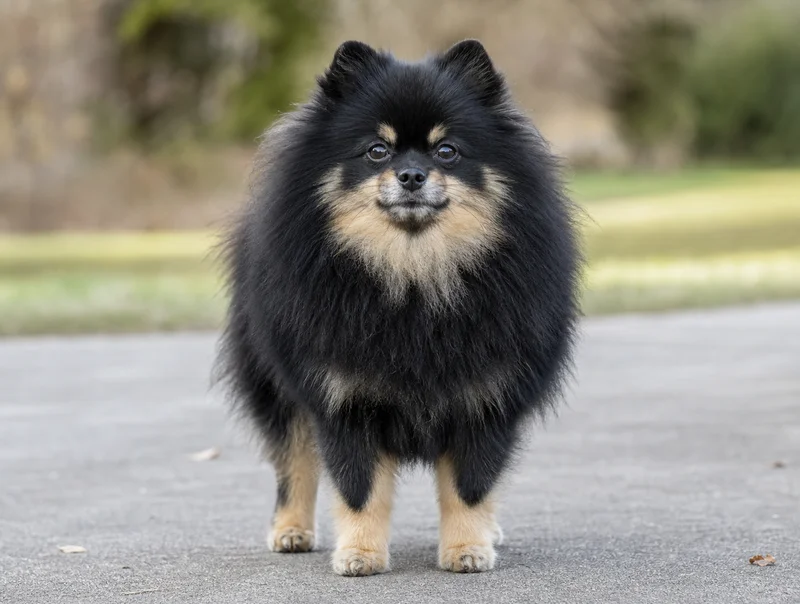
Since Bean’s turnaround, we’ve fostered a Pomeranian and a Yorkshire Terrier. Both arrived with their own small dog syndrome: the Pom barked at every leaf and guarded his person with snappy air-bites; the Yorkie treated the entire sofa as her personal queendom and snarled if anyone shifted. Their weights were similar—the Pom at 7 pounds, the Yorkie just under 7—and their stories echoed Bean’s. Each time, the fix was the same cocktail: firm household rules, short daily training sessions, and zero tolerance for pushiness just because they’re cute. Many small fluffy dog breeds face these same pitfalls, because their size invites us to let things slide. But no dog thrives without boundaries.

Pomeranian breed photo Pomeranian — View full breed profile →

Life After Small Dog Syndrome

Bean is nine now, and he’s the dog I always hoped for. He still has his sassy moments—he’ll grumble if a delivery truck lingers too long—but they’re fleeting and manageable. He’ll curl up quietly on the couch for hours, and last month he trusted a first-time house sitter without a single snap. Small dog syndrome is real, but it’s also fixable. The secret is seeing your tiny dog for what he actually is: a real dog, with real nerve and real needs, not a stuffed animal with a pulse. When you treat him that way, you get a companion who’s confident, connected, and just the right amount of spicy—for all the right reasons.

Breeds mentioned in this article

Find your perfect dog

Browse our in-depth, vet- and trainer-reviewed breed guides:

Share