

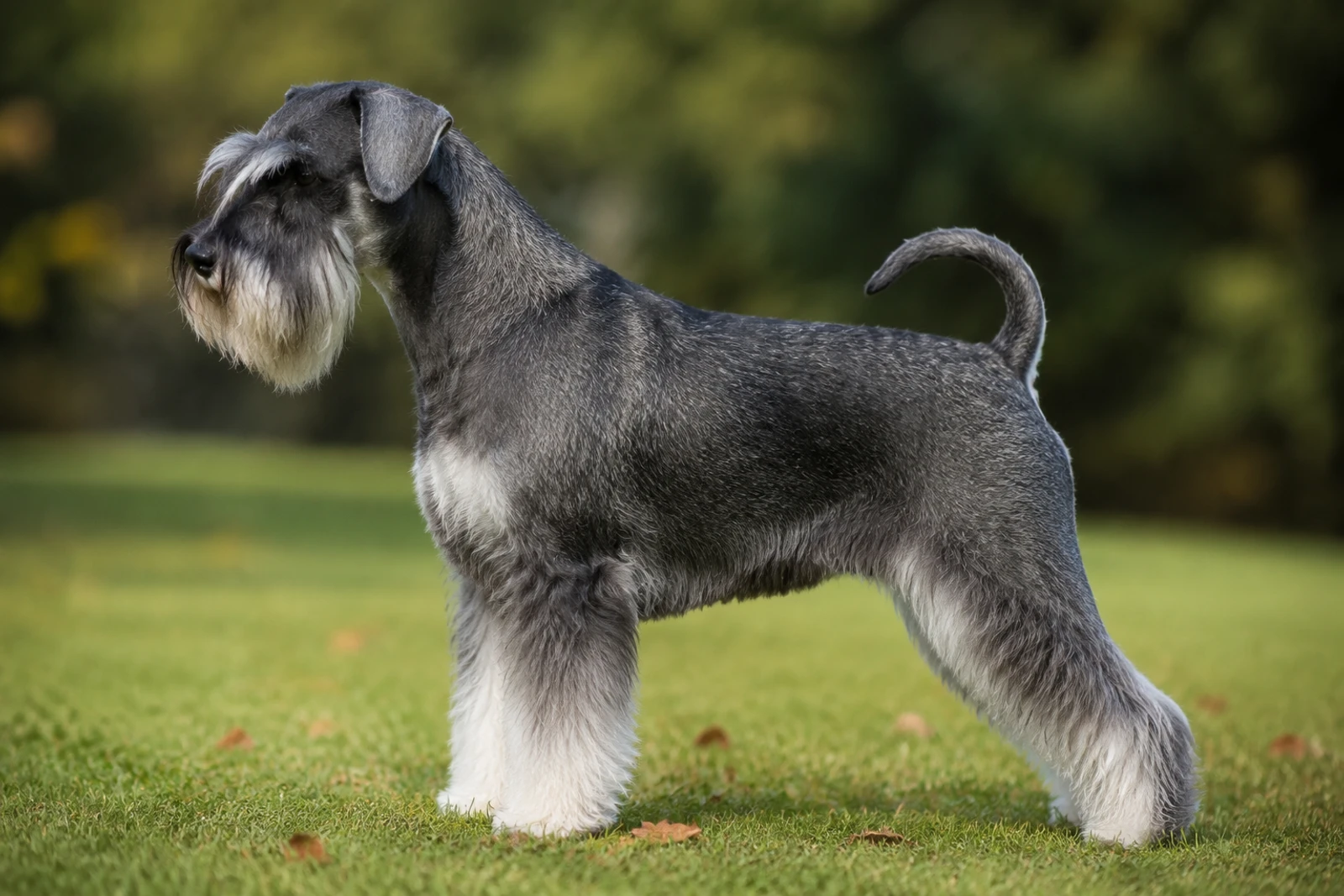
The Miniature Schnauzer is a small, robust, and spirited breed, perfect for active families and individuals. With their wiry, hypoallergenic coat and expressive face, they bring charm and character. They thrive on human companionship and are known for their loyalty and playful nature. Their high intelligence makes training a joy, though they can be stubborn. Ideal for those seeking a compact, alert watchdog that enjoys being part of all family activities. They adapt well to apartment living if given daily walks and mental stimulation. Best suited for owners who can provide consistent training and affection.
Miniature Schnauzer Sticker Pack
36 cartoon stickers • transparent PNG • no watermark
Pinterest-ready
Share all 36 reactions as one sticker sheet
Pinterest opens with the full pack and a fresh, tailored description. You choose the public board and publish it from your own account.
Save the full pack


Choose one reaction above to share it alone, or use the full-pack button for all 36 together.









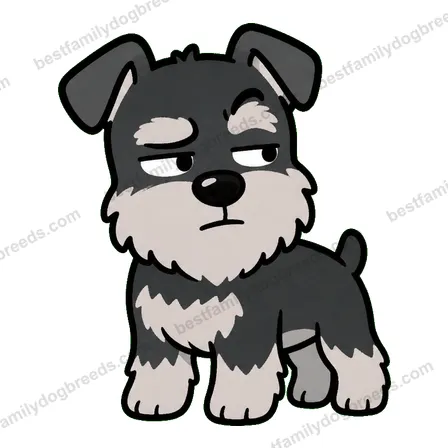
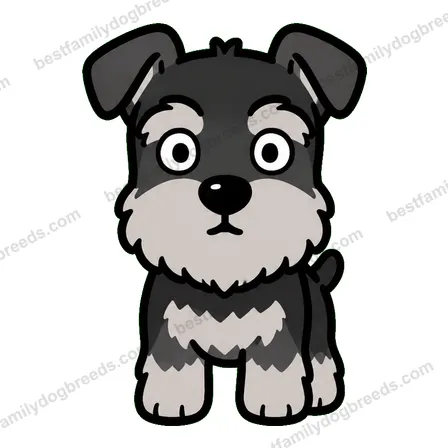

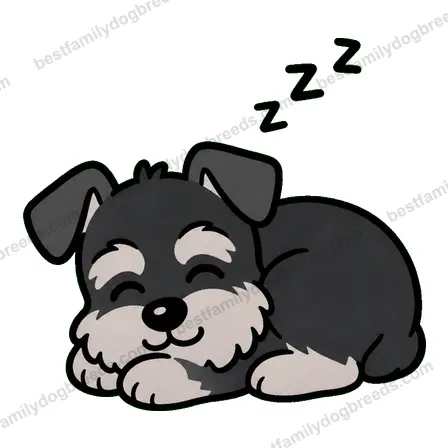
Free full-resolution download — no account, no payment, no watermark.
Includes all 36 transparent PNG stickers in one ZIP. A quick human check is required for each download.
At a glance
- Size
- Medium
- Height
- 13–14 in
- Weight
- 13–15 lb
- Life span
- 14 years
- Coat colors
- Salt and Pepper, Black and Silver, Black
- Coat type
- Wiry double coat
How much does a Miniature Schnauzer cost?
Adopt / rescue
$75–$400
Usually includes spay/neuter, first shots, and a microchip.
Buy from a breeder
$700–$2,000
From a reputable, health-testing breeder.
Approximate USD. Prices vary widely by region, breeder, pedigree, age, and coat colour — adopting is the lower-cost and recommended route. Avoid suspiciously cheap “breeders”; they’re often puppy mills.
Estimate the full cost of a Miniature Schnauzer →Want the ongoing number? Estimate the monthly food bill for a Miniature Schnauzer with our dog food cost calculator.
Miniature Schnauzer photos
Views
Front, side, rear and top — the full silhouette.Poses
How the breed sits, lies, moves and plays.Puppy to senior
The breed across its whole life.Expressions
The breed’s range of moods.Close-up details
Eyes, ears, nose, paws, tail and coat.Coat colors
The breed’s recognized colors.Click any photo to enlarge. We show the Miniature Schnauzer from every angle — three views, poses, life stages, expressions, close-ups, coat and colors.
Appearance & size
The Miniature Schnauzer is built like a small, square fireplug—sturdy, compact, and surprisingly muscular for a dog that stands just 13 to 14 inches at the shoulder. Weight is packed on dense: a healthy adult feels like a solid 13 to 15 pounds, not a fragile lapdog. There’s nothing delicate in this frame; you feel a genuine substance when you pick one up.
From the side, the body forms a clear square. The distance from the point of the shoulder to the rear of the rump equals the height at the withers, so the dog reads as balanced and no-nonsense. The back is straight and firm, the chest deep enough to reach the elbows, and the underline tucks up only moderately—more athletic than wasp-waisted. The neck is well-arched and blends into clean, sloping shoulders, giving the dog a proud head carriage even at rest.
On the front view, the signature Mini Schnauzer expression hits you immediately. Bushy, arched eyebrows shade dark, almond-shaped eyes. A long, soft beard hangs from the muzzle, and the wiry mustache and whiskers add to a look that’s equal parts wise and mischievous. The forelegs are dead straight and parallel, set under a deep, moderately broad chest. Ears may be left natural—V-shaped and folding forward—or cropped to stand erect and triangular; both looks appear routinely, and the natural-ear silhouette has become widely accepted. The tail is traditionally docked to a few inches, but more often you’ll see a natural tail of moderate length, carried upward and blending the outline.
The coat is a crisp double coat: a hard, wiry outer layer and a soft undercoat. It should feel harsh to the touch, never silky or fluffy. For the show ring and many pet trims, the legs and belly are left longer, creating feathering and a distinct “skirt.” That grooming pattern accentuates the dog’s already blocky silhouette.
Three main coat colors define the breed:
- Salt and pepper – The classic look. Individual hairs are banded with black, white, and gray, which produces an overall dark-grey to silvery appearance. The eyebrows, beard, cheeks, chest, and legs lighten to a pale grey or silver. Puppies often start out dark and develop the banding over the first few years.
- Black and silver – A truly black body with sharply defined silver or light-grey markings on the face, throat, chest, front legs, inside the hind legs, and under the tail. The eyebrows and beard are clean white or very light silver.
- Solid black – Uniform black from head to toe, ideally with a black undercoat. A small white chest spot shows up occasionally, but a pure-black ideal is preferred.
From the rear, the hindquarters are powerful and well-muscled, with straight hocks and moderate angulation. The stance is square, and the dog should never appear cow-hocked or overdone. Whether standing alert or trotting across a yard, the Miniature Schnauzer looks like exactly what it is: a compact, work-driven terrier scaled down without losing an ounce of bone or attitude. That square, no-excess build stays unmistakable whether the dog is corded for the show ring or clipped in a short pet trim.
History & origin
The Miniature Schnauzer got its start in the farm country of 19th-century Germany, a purpose-built dog designed to punch above its weight. Farmers around Bavaria needed a tenacious ratter that could also stand watch, herd livestock, and fit into a modest household without eating them out of house and home. The Standard Schnauzer already did that job, but its 30-to-45-pound frame was more dog than many families wanted. So breeders set out to shrink the package — not to create a toy, but to make an all-around farm worker in a more portable size.
The path to the smaller dog was practical and direct. They took the Standard Schnauzer and crossed it with the Affenpinscher, and likely the Miniature Poodle and others, to pull down the height while keeping the wiry coat, beard, and no-nonsense expression. The first recorded Miniature Schnauzer on paper was a black female named Findel, born in 1888. By 1899, the breed — called the Zwergschnauzer (dwarf Schnauzer) — was being exhibited in Germany. Those early dogs were typically black, with the salt-and-pepper and black-and-silver patterns coming into their own later.
What’s easy to forget today is that these weren’t just house pets. A 13-to-15-pound dog that stands 13–14 inches at the shoulder had to earn its keep. A Mini Schnauzer’s job description included killing rats in the barn, chasing off foxes, and alerting the family to anything suspicious — all without the nippy, yappy edge that some small farm dogs developed. That steady, thinking-on-his-feet temperament is a direct inheritance from those generations of working farm dogs.
The breed hit the United States well before World War I and really took off in the 1920s. The American Kennel Club recognized it in 1926, and it’s been one of the most consistently popular small-medium breeds ever since. Through two world wars and shifting trends, the Miniature Schnauzer never faded hard — a testament to how well that original farm-dog blueprint translated into modern family life. A solid 14-year lifespan keeps them in your life for the long haul, and you’ll still see the barnyard watchdog peek through every time the doorbell rings.
Temperament & personality
A Miniature Schnauzer acts like a 50-pound dog in a 13–15-pound body—alert, opinionated, and fiercely devoted. They’re people dogs through and through, often shadowing you from room to room and inserting themselves into whatever you’re doing. That affection comes with strings: a bored or ignored Schnauzer will quickly become a barking, destructive handful.
High energy, high engagement
Plan for a solid hour of daily exercise. This isn’t a lapdog content with a short stroll. They thrive on brisk walks, spirited fetch, and something that makes them think. Without it, their sharp watchfulness tips into endless patrol barking at squirrels, delivery trucks, or a leaf that dares to move. A forward-leaning stance, stiff body, and direct stare often signal they’re about to sound the alarm. Early training can teach an “off switch,” but you’ll never fully erase the guardian instinct. Long hours alone amplify anxiety-driven barking, so they fit best with households where someone is around a good part of the day.
Smart, stubborn, and scent-driven
These are clever terriers that learn fast and test boundaries even faster. They respond to respectful, consistent engagement—strong-arming a Mini Schnauzer just makes them dig in their heels. Training sessions that feel like a game keep them cooperative. Because they’re so pattern-aware, they may define “home” by where you spend time, leading to accidents in rarely used rooms if house training isn’t solid. Use an enzyme cleaner to obliterate any urine odor—repeat soiling is often just a scent cue they’re following. Reward outdoor potty breaks with a treat immediately; they won’t connect a delayed reward to the right behavior.
Family life and limits
Affection flows wide, though many pick a favorite person. They’re usually sturdy enough for older children who know to let the dog eat in peace—interrupting meals can lead to food guarding. Tail signals and body language tell you when they’re done: a tucked rear, lip licking, yawning, or head turns are calming signals that mean “give me space.” Small toddlers who crowd or startle them may get a warning snap, so supervise closely.
Chewing and other quirks
Chewing is a serious pastime. Puppies chew to survive teething, and adults keep at it to exercise their jaws and clean teeth. Provide plenty of tough toys, or your furniture becomes fair game. A homemade citrus spray (boiled peels) or diluted vinegar can redirect them from off-limits items and also neutralize urine smells that invite re-marking. Some may roll in foul odors—whether to mask their scent, show off to other dogs, or just because they like the smell, a bath might be in your future.
Respect their smarts, give them a daily job even if it’s just carrying a toy on walks, and you’ll earn a loyal, entertaining companion for 14 years or more.
Good with kids, dogs & other pets
Miniature Schnauzers have the steady, people-oriented temperament that makes them a natural fit for families — with a few ground rules. They’re patient and non-aggressive by nature, and at 13–15 pounds, they’re sturdy enough to handle gentle play but still small enough that a clumsy toddler could hurt them. Always supervise interactions, and teach kids to avoid grabbing ears, tail, or beard. No dog, no matter how tolerant, should be left alone with young children.
With other dogs, a Mini Schnauzer usually does well when introductions are handled correctly. They aren’t typically dog-reactive, but their terrier DNA can make them a little bossy, especially with same-sex dogs. Early socialization is the dealbreaker. Puppies need gradual, positive exposure to a wide range of friendly dogs before 16 weeks of age. Skipping this window can lead to timidness or over-excitement around other canines later. For an adult Mini Schnauzer who’s never learned to be comfortable, forced greetings at the dog park just create stress — slow desensitization with calm, known dogs works far better.
Cats and small pets require honest awareness. Bred to hunt rats, these dogs retain a prey drive that’s hard to extinguish entirely. Many Miniature Schnauzers coexist peacefully with the family cat, especially if they grow up together from puppyhood. But a scurrying hamster, gerbil, or pet rabbit can flip a switch. Supervise any interaction with small animals, and don’t leave them unsupervised even if things seem fine for months. A secure cage with a latched door is a must.
Solid socialization doesn’t stop at puppyhood. Continued exposure to different people, places, and calm animals through adolescence and adulthood keeps the Mini Schnauzer’s confidence high and reduces fear-based reactivity. Responsible breeders start handling puppies early and introduce them to household sounds and visitors before they ever go home. If you’re bringing home an older dog whose past is uncertain, commit to a lifetime of positive, patient training — never force the issue.
Trainability & intelligence
Quick to learn, quick to argue
A Miniature Schnauzer can nail a new trick in five minutes flat — then refuse to do it again unless you’ve made it worth their while. They’re whip-smart, but that intelligence comes with an independent, occasionally bossy streak. Short, cheerfully upbeat training sessions work. Boredom or repetition makes them check out, and heavy-handed corrections can sour their attitude into outright stubborness or hand-shyness. Use food (most are highly food-motivated), a squeaky toy, or a quick game of tug. Reward what you want right as it happens, and you’ll see the wheels turning.
What gets in the way
Their ratting background gives them a hair-trigger prey drive. A reliable recall off a running squirrel doesn’t happen by accident — it takes months of proofing in boring places before you test it around real distractions. Barking is another default. You can teach a solid “quiet” cue, but the instinct to sound the alarm never fully goes away. Resource guarding can surface with prized chews or stolen items; start trade-up games in puppyhood so they learn giving stuff up means something better is coming.
Consistency is make-or-break. If one person lets them ignore a command, your Schnauzer will find that crack and wedge it wide open. Everyone in the household needs to enforce the same rules, every time. Patience and clarity get far more mileage than any show of force. A sharp tone or leash pop damages trust fast in a breed this sharp — and once trust is leaking, compliance follows.
Starting right
Begin serious socialization between 3 and 14 weeks. Without it, natural wariness of strangers and other dogs can curdle into reactive barking or snapping. Pair every new person, sound, and surface with something great — treats, praise, play — and keep that up through adolescence. Well-socialized Schnauzers are alert without being edgy, watchful at the window but wiggly when company walks in.
House training tends to be straightforward because they’re clean little dogs who don’t like messing where they sleep. Use that to your advantage, and don’t free-feed; hand out their daily ration as training rewards so that smart brain has to work for meals. Puzzle toys, hide-and-seek, and “go find” games burn mental energy that might otherwise turn into barking at nothing or excavating the couch cushions. A tired Miniature Schnauzer who’s earned every kibble is a polite one — and a lot more fun to live with.
Exercise & energy needs
Plan on giving this compact firecracker 45–60 minutes of real movement every day, split into at least two sessions. A single lap around the block won’t cut it. A Miniature Schnauzer carries the working-terrier mindset of a dog twice its size. You’ll see the most settled house manners when you break that energy up: a brisk 25-minute morning walk loaded with sniffing decisions, followed by a 20-minute after-work session of fetch, flirt pole, or a fast-paced neighborhood hike. On days when you’re short on time, a 15-minute indoor scent game or trick-training burst can cover the second slot — but don’t skimp on the outdoor physical release.
These dogs are athletic with solid muscle, not fragile lap ornaments. Still, protect their long backs and kneecaps. Repetitive high jumps onto concrete or off furniture can invite patellar luxation or spinal strain, so keep agility jumps low and teach a “touch” cue to land on soft surfaces. The breed’s original job — ratter and watchdog on German farms — wired them for independent problem-solving. Mental work counts every bit as much as the mileage. Hide treats in a snuffle mat, work on a new trick sequence, or scatter kibble in the yard and let them hunt it down. A Mini Schnauzer who only gets leashed walks, without that brain drain, will often funnel leftover tension into barking, fence-running, or shredding the throw pillows.
Great outlets include rally obedience, barn hunt, nose work, and agility courses with safe jump heights. Even a simple 15-minute “sniffari” — a walk where you follow the dog’s nose rather than a route — can drain more mental battery than a forced march. Aim for that mix of steady physical movement and short-burst thinking games, and you’ll have a calm, engaged dog at the end of the day rather than a restless strategist inventing his own job.
Grooming & coat care
The Miniature Schnauzer’s double coat — a harsh, wiry topcoat over a soft undercoat — is what makes the breed shed so little, and it’s also what keeps you busy. That wiry hair doesn’t fall out on its own without help, so if you skip grooming, dead coat packs up and mats, especially behind the ears, under the collar, and where the legs meet the body.
Brushing
Reach for a metal slicker brush with rounded pins and a greyhound comb every other day. The slicker pulls out loose undercoat and debris; the comb double-checks for tiny snarls before they turn into felt. Spend extra time on the leg furnishings, the beard, and the long eyebrows — those areas tangle fast and collect food crumbs. If you keep your Schnauzer in a clipped trim, you might get away with brushing three times a week. A hand-stripped coat (where dead hairs are plucked by the root) needs more frequent combing to keep the jacket tight and weather-resistant.
Bathing & trimming
You don’t need to bathe often. Every 4–6 weeks is plenty for most Schnauzers, unless they roll in something foul. The stiff outer coat naturally repels dirt, and over-washing strips the texture. Use a gentle dog shampoo and go easy on hot water so you don’t soften that crisp feel. Many owners take their dog to a groomer for a full clip every 6–8 weeks. If you’re learning to scissor at home, focus on taming the beard and brows — a quick wipe with a damp cloth after meals keeps the beard from staining, and a pair of blunt-nosed scissors lets you clear the hair that falls into the eyes without poking anyone.
Ears, nails & teeth
Check drop ears weekly for wax, redness, or a yeasty smell; a vet-approved ear cleaner on a cotton ball does the job — no cotton swabs deep inside. Nails usually need clipping every 3–4 weeks. If you hear them clicking on the floor, you’ve waited too long. Small dogs often hate nail trims, so start handling feet early and pair it with a high-value treat. For teeth, aim for daily brushing with a dog toothpaste, but even three times a week cuts down on tartar and keeps that breath manageable.
Seasonal thoughts
There’s no big seasonal blowout with this breed, but winter dry air can make the undercoat flaky, and summer humidity can set off the yeasty ears. A humidifier during heating months and a quick towel-dry after damp walks help a lot. The one thing that rarely changes: that beard will always find the water bowl. Keep a microfiber cloth nearby and give it a squeeze-dry a few times a day — your furniture will thank you.
Shedding & allergies
You’ll rarely find a Miniature Schnauzer hair on your black pants. These dogs have a hard, wiry outer coat and a soft undercoat that catches loose hair instead of dropping it onto your floor. That means very little shedding — no tufts gathering in corners, no seasonal blowout that covers the sofa in fuzz. The trade-off is that dead hair stays in the coat and turns into mats if you don’t stay on top of it.
- Brushing 2–3 times a week with a slicker brush and a metal comb keeps the undercoat from clumping and reaches the skin.
- Professional grooming every 6–8 weeks is non-negotiable. Most pet owners opt for a clipper cut, which softens the texture over time. Hand-stripping preserves the wiry feel and rich color, but it’s pricier and takes a skilled groomer.
- Between appointments, you’ll need to clean the beard and leg furnishings — these dirt magnets can pick up food and mud daily.
Drool isn’t part of the picture. Miniature Schnauzers run dry-mouthed, so slobber on your windows or knees is not something you’ll deal with.
The “hypoallergenic” label deserves honest context. No dog is 100% allergen-free — proteins in dander, saliva, and urine trigger allergies, not just fur. Because this breed sheds so little, it spreads less dander around the house, making it a reasonable choice for many people with mild allergies. Spend time with an adult dog before committing if allergies are a concern; puppy coats can differ, and an individual reaction is the only true test. The real story here: you get a clean house and a dog that doesn’t set off your sneezing fits if you’re willing to be a regular at the grooming table.
Diet & nutrition
Keeping your Miniature Schnauzer lean is the single most valuable thing you can do for their long‑term health. These dogs are enthusiastic eaters — many will happily convince you they’re starving five minutes after breakfast — and that food drive, combined with a sturdy little build, makes weight management non‑negotiable. A fully grown Miniature Schnauzer typically does well on ½ to 1 cup of high‑quality dry food per day, split into two meals. That’s a starting range, not a fixed law; dial it up or down based on your dog’s actual body condition. You want to feel ribs easily under a thin layer of padding, not buried beneath a roll.
What to feed
A meat‑focused diet fits their physiology best. Aim for meals that are roughly 60% raw or cooked meat, 20–30% fruits and vegetables, and the remaining 10% from nutrient‑dense extras like eggs, plain yogurt, or cooked grains. Because a dog’s jaw moves only up and down and their saliva lacks digestive enzymes, lightly blending or processing raw and cooked ingredients helps them extract more nutrition. Pearl barley gives you a digestible, high‑fiber grain option, while plain white rice can settle a temporarily sensitive stomach. Canned fish (in water, no salt), steamed vegetables, and batch‑cooked grains make quick, healthy foundations for meals — and the unsalted water from cooking vegetables can stand in as a broth base.
Puppy feeding
From weaning until four months, split the daily ration into four evenly spaced meals. Between four and six months, drop to three meals. After six months, your Schnauzer is ready for the adult two‑meal routine. Transition new foods slowly over a week or so, starting with lightly cooked and puréed meats, fish, fruits, and vegetables or a premium commercial puppy formula. Some owners introduce supervised raw chicken wings around 12 weeks for chewing exercise, but talk with your vet before going that route.
Weight traps and health alerts
Miniature Schnauzers are famously predisposed to pancreatitis, an extremely painful inflammation that can be triggered by fatty or greasy food. Skip the bacon bits, fried treats, holiday turkey skin, and any scraps from the table. In fact, never feed directly from the table at all — begging, once learned, is miserable to undo. If you have leftovers you want to share, place them in your dog’s own bowl away from the dinner table. This breed also carries a genetic tendency toward high blood fats, so keeping body weight trim is doubly protective.
Senior Schnauzers
A 14‑year lifespan is common, and those later years demand subtle adjustments. As activity naturally declines, cut back the daily portion by small increments so pounds don’t creep on silently. Older dogs often do better with smaller, more frequent meals; there’s no strong reason to reduce protein unless your vet advises it for a specific condition. For seniors missing teeth or with tender mouths, puréeing meals ensures they still get full nutrient absorption.
A lot of Miniature Schnauzers inhale their food. Using a puzzle bowl or slow feeder doesn’t just prevent scarf‑and‑barf episodes — it turns mealtime into a brain game for a dog that thrives on mental engagement.
Health & lifespan
A well-cared-for Miniature Schnauzer routinely sees 14 years, and many push past that number without losing their bossy spark. That long run means you’ll want to know where the breed tends to break down, so you can spot trouble early.
Miniature Schnauzers can inherit a cluster of issues that responsible breeders actively screen against. Pancreatitis is a big one — these dogs are fat-loving, food-driven little machines, and a high-fat meal or extra pounds can set off a painful, sometimes dangerous flare-up. Bladder stones (both struvite and calcium oxalate) show up more often in the breed than in many others, so urinary habits are worth watching. Eye troubles, including juvenile cataracts and progressive retinal atrophy (PRA), can steal sight early; reputable breeders check breeding stock with annual eye exams through a veterinary ophthalmologist. A form of myotonia congenita — a muscle condition that causes stiffness, especially after resting — is rare but genetic, so a DNA test exists and should be part of any breeder’s paperwork. Skin allergies and schnauzer bumps (comedone syndrome) crop up enough that diet and grooming matter as much for health as for looks.
Lean living is non-negotiable. These 13–15-pound moustache-bearers will convince you they’re starving every time you open the fridge, but carrying extra weight ramps up joint stress, pancreatitis odds, and the risk of bladder stone recurrence. Measured meals, no table scraps, and regular opportunities to burn energy are the simplest health insurance you can give them.
Dental care deserves a regular spot on your calendar. Compact jaws pack a lot of teeth into a small space, so daily brushing or at least a few times a week, plus annual cleanings, keeps gum disease and tooth loss away. Yearly bloodwork, especially once the dog hits middle age, catches slower-moving conditions like hypothyroidism or diabetes before they snowball.
Routine preventive care — monthly heartworm medication during mosquito season, a legally required rabies shot, and an annual nose-to-tail exam — remains your first line of defense. Because Miniature Schnauzers are so bright and people-focused, they don’t hide discomfort well for long; a subtle drop in appetite or a day of weird urination is your cue to call the vet, not wait it out.
Living environment
A miniature schnauzer slips into apartment living just as easily as a house with a yard—what matters is the routine you build, not square footage. At 13 to 15 pounds and 13 to 14 inches tall, these dogs are compact enough to ride in an elevator and sprawl on a sofa, but they’re not couch potatoes. They need at least two brisk 20-minute walks a day, split into morning and evening. Add a couple of quick sniff sessions or a gallop in the hallway, and you’ve got a happy, well-mannered companion.
A fenced yard is a nice bonus, not a necessity. If you have one, they’ll use it for zoomies and squirrel surveillance, but they’ll still expect you to join in. Without a yard, puzzle toys, hide-the-treat games, and short training bursts indoors fill the mental tank better than letting them pace around an empty lawn.
Climate-wise, these dogs handle cool weather cheerfully, but they overheat fast when the temperature climbs. Skip midday pavement walks in summer; stick to early mornings, shade, and plenty of water. Their wiry coat provides some insulation, but a sweater in bitter cold can help on quick potty trips.
Left to their own devices with no outlet, miniature schnauzers become creative—which usually means barking at every leaf that moves. A solid daily workout plus a stuffed Kong or a snuffle mat cuts that down sharply. They’re alert by nature, not neurotic, so fair warning: they will announce the mail carrier.
As for being left alone, these are dogs that bond deeply with their people. A workday longer than six hours can trigger anxious chewing or barking. Crate train early, leave them with an interactive feeder, and practice short absences so they learn that alone time is temporary. With that kind of setup, they settle in without drama.
Who this breed suits
If a smart, busy little dog with a beard full of personality sounds like your idea of fun, a Miniature Schnauzer is hard to beat. This is a 13-to-15-pound terrier with a big-dog attitude, bred to be a thinking partner, not a decorative lap accessory. The ideal owner sees a daily brush-out, a walk with something to sniff and figure out, and a dog who will absolutely tell you about the delivery truck as a fair trade for 14 years of deeply bonded companionship.
Who clicks with a Mini Schnauzer
- First-time dog owners who are ready to train, not just cuddle. Mini Schnauzers are whip-smart, food-motivated, and unusually biddable for a terrier — which means a newbie who signs up for a positive-reinforcement class gets a teachable partner, not a project that overwhelms them.
- Active families with school-age kids. A sturdy 14-inch dog can happily rally for games of fetch, learn tricks from a 10-year-old, and then settle in for a movie, provided the household rules about respectful handling are clear. Toddler chaos is less appreciated; this breed doesn’t have the saintlike patience for tail-pulling.
- Apartment and city dwellers who get out every day. Size-wise, they tuck neatly under many landlord weight limits, but the real key is that 45–60 minutes of walking plus a puzzle toy and a training session keeps a Schnauzer content indoors — even on the 10th floor.
- Active retirees who want a sidekick with zip. The exercise requirement is real but not grueling: a couple of mile-long walks, some games in the yard, and a dog who’ll keep your mind sharp by inventing his own little jobs. The breed’s long lifespan means you’re signing up for a steady, lively routine.
- Singles who work from home or have a dog-friendly schedule. This is a dog who likes to be where the action is, trotting along behind you from room to room, investigating whatever you’re doing. They return that attention with comic timing and absolute loyalty.
Think twice if…
- You can’t commit to the grooming. That iconic wiry coat is low-shedding but labor-intensive. Plan on brushing 2–3 times a week and professional clipping every 6–8 weeks, or doing it yourself with decent clippers. A matted, scruffy Schnauzer isn’t just a style problem — it gets uncomfortable fast.
- A quiet house is non-negotiable. Mini Schnauzers were farm watchdogs first, family comedians second. They’ll bark at doorbells, squirrels, the neighbor’s trash can returning a day late, and sometimes just to announce they’ve solved a puzzle. Training tones it down, but never silences it entirely.
- You’re gone 10 hours a day. Left alone too long and too often, a bored Schnauzer will find his own job — usually something involving shredded recycling or a bark-a-thon that tests your lease. They thrive on interaction and mental work.
- You want a low-key, go-with-the-flow kind of dog. Even at 14 pounds, the terrier tenacity runs deep. Walks are for patrolling and sniffing, not strolling. They’ll debate you on nonsense and then learn your entire routine so they can anticipate your next move. That’s the charm — but it’s not for everyone.
- You have pet rodents, free-roaming birds, or an unsecured backyard. The prey drive is real and lightning-fast. A Mini Schnauzer will take off after a squirrel with zero recall until training is rock-solid, and many can never be trusted off-leash in an unfenced area.
If the grooming and the lively spirit don’t scare you off, you get a durable, whip-smart dog that can ace agility, hike on weekends, and then curl up at your feet — still watching, always one step ahead.
Cost of ownership
The price tag that follows you home varies widely, but expect to pay $1,800–$3,500 for a Miniature Schnauzer pup from a responsible breeder who screens for health and temperament. Show prospects or dogs from exceptional lines can run higher. Adoption fees through a breed-specific rescue typically land between $200 and $500, and that often covers initial vaccines and spay/neuter.
What surprises most new owners isn’t the purchase price — it’s the grooming. That wiry double coat doesn’t shed much, but it grows fast and mats if neglected. A professional groom every 6–8 weeks runs about $60–$80 per visit, including the classic Schnauzer clip, ear cleaning, and nail trim. Between appointments, you’ll need a slicker brush and metal comb to keep the furnishings (legs, beard, eyebrows) tangle-free. Some owners learn to strip or clip at home and save $500–$700 a year, but that’s a steep learning curve — and a poor clip job is hard to hide.
Monthly food costs sit around $25–$40 for a high-quality kibble sized for a 13–15 lb dog. That beard stains easily, so you may also end up buying filtered water bowls and stain-removing wipes.
Routine vet care — annual exams, vaccines, heartworm prevention, and a dental cleaning every year or two — averages $400–$700 annually. Miniature Schnauzers can be prone to pancreatitis, urinary stones, and inherited eye issues, so a solid insurance plan (typically $30–$50 per month) or a dedicated savings buffer is smart. Factor in a crate, leash, collar, bed, toys, and a puppy training class in the first year, and your upfront costs easily add another $300–$500.
Over a 14-year lifespan, you’re looking at a dog whose sharp personality and low-shed coat come with a consistent, non-negotiable haircut bill. Budget realistically for grooming, and the rest falls into place.
Choosing a Miniature Schnauzer
The choice between a breeder and a rescue sets the tone for the next 14 years. Both are solid paths, but they come with different trade-offs you need to walk into with eyes open.
Rescues give you a chance to skip the puppy tornado. You can find adult Miniature Schnauzers through breed-specific rescues who have already been in foster homes, so you’ll know if the dog is chill with cats, ignores the vacuum, or hates strangers. The catch: you rarely get a full health background. Still, a 13-15 lb dog with a good vet check and a known personality can be the easiest fit possible, especially for first-time Schnauzer owners.
If You Go the Breeder Route
Find someone who treats breeding like a long-term project, not a side hustle. A responsible breeder will happily show you the dam (and ideally the sire), share proof of health testing, and drill you with questions about your lifestyle.
Health clearances you absolutely ask for:
- Eye exams – annual CERF or OFA eye certification, because Miniature Schnauzers can be prone to cataracts, progressive retinal atrophy, and other inherited eye trouble.
- Cardiac evaluation – an OFA cardiac exam to check for pulmonic stenosis or other heart defects.
- Patella certification – luxating patellas are common in small dogs, and a screening helps rule that out.
- DNA tests for breed-specific issues: ask about testing for myotonia congenita (a muscle disorder) and genetic eye diseases. The breeder should be able to explain which clearances apply to their lines.
Don’t settle for a “vet checked” sticker. You want certificates and reportable results you can verify on the OFA website.
Red Flags That Send You Elsewhere
- Puppies always available, multiple litters on the ground, no waitlist. That’s a business, not a breeding program.
- Sire is nowhere to be seen or the breeder refuses to show you where the dogs actually live. You want to see clean kennels and dogs that greet the breeder like a friend.
- Selling pups under 8 weeks old. Miniature Schnauzers need those extra early weeks to learn bite inhibition and social cues from mom and siblings.
- No health testing beyond a wellness check. Walk away. Miniature Schnauzers can live to 14, but that number drops when breeders don’t screen the parents.
Picking Your Puppy
Look for a pup who is neither the loudest bully nor the one hanging back trembling. A middle-of-the-road temperament—curious, willing to approach you, maybe a brief bark and then a wag—tends to mature into a confident family dog. The miniature Schnauzer’s typical smart, alert nature should be there, just not cranked to a nervous extreme.
Watch for physical cues: clear eyes without discharge, clean ears, a non-saggy little body (13-15 lb adult target doesn’t come from a puppy with a bloated belly), and clean breathing without coughing or honking. Pick up a paw—breeder-raised pups should accept gentle handling without panicking. A puppy that flinches at a dropped set of keys or hides in the corner is already telling you he’ll need extra confidence-building, no matter how cute the whiskers.
Pros & cons
Pros
- Compact but sturdy. At 13–15 lb you can scoop them up easily, yet they’re tough enough for hikes, play sessions, and keeping pace with an active household.
- Minimal shedding. A wiry double coat drops very little hair — a real plus for allergy sufferers who still want a dog with personality.
- Built-in watchdog. They’re naturally alert and will let you know about every delivery, squirrel, or suspicious leaf. You’ll never miss a knock at the door.
- Smart and trainable. Quick studies in obedience, trick work, or rally, Mini Schnauzers shine with upbeat, reward-based training — no boredom if you keep the sessions fun.
- Deeply affectionate. They bond hard with their people and bring a goofy, playful energy that clicks especially well with older kids.
- Great lifespan. With solid care, 14 years is common, so you get a long-term shadow through many life changes.
- Apartment-friendly. Their modest size means a yard isn’t mandatory if you’re committed to meeting their daily exercise needs.
Cons
- High-maintenance coat. Low-shedding isn’t no-maintenance. Expect pro grooming every 6–8 weeks or regular hand-stripping, plus daily beard wiping to avoid the infamous “wet beard” smell.
- Bark, bark, bark. They’re vocal by nature. At the door, at passing dogs, at the wind — without training, it can escalate into a neighborhood headache.
- Stubborn negotiator. Their smarts come with a side of independence. Lax consistency and they’ll quickly figure out how to test every boundary.
- Terrier prey drive. Squirrels, cats, and other small critters are an obsession. Reliable off-leash recall takes serious, ongoing work.
- Health watchpoints. Can be prone to pancreatitis and bladder stones; many have high blood fats. Treats need to be careful, and responsible breeders screen for hereditary issues.
- Velcro tendencies. They hate being left out. Without training, separation anxiety can lead to barking, destructive chewing, or marathon howling sessions.
- Exercise isn’t optional. A quick potty stroll won’t cut it. Plan on a solid hour of brisk walking plus puzzle toys or scent games each day, or you’ll see that clever brain turn to mischief.
Similar breeds & alternatives
If you’re sold on the sharp, whiskery face and tidy 13–15 pound body but want to kick the tires on a few alternatives, these comparisons surface again and again in real conversations with prospective owners.
-
Miniature Poodle – Same height and weight envelope (10–15 inches, 10–15 pounds), same non-shedding coat requirement. The difference lives in temperament. A Mini Poodle tends to be more sensitive and owner-focused, often reserved with strangers; a Mini Schnauzer is bolder, more likely to bark at the door and bounce back from a surprise. Coat work also diverges: Poodle curls need frequent clipping and line brushing to prevent mats, while the Schnauzer’s wiry jacket holds up with regular stripping or clipping and a quick beard wipe. Both need consistent training, but the Schnauzer can be a bit more hardheaded if you let the terrier-like attitude slide.
-
Standard Schnauzer – Think of it as the Mini’s bigger, more driven sibling. At 30–50 pounds and 17.5–19.5 inches, this is a substantial working dog that needs more physical and mental exercise—real jobs, not just a brisk walk. The coat, beard, and alert watchdog nature are nearly identical, but the Standard leans more protective and demands an owner who genuinely enjoys daily training. If you love the look but can handle a dog that takes up more space on the couch and in your schedule, it’s worth a look.
-
Cairn Terrier or West Highland White Terrier – Both land in a similar weight class (13–18 pounds) and bring that same sturdy, self-assured terrier spark. The key trade-off: a Cairn or Westie sheds seasonally, while the Schnauzer leaves almost no hair behind. Grooming shifts too; you’ll strip or brush a weather-resistant double coat rather than maintain a beard and furnishings. Training-wise, the terriers can be just as smart but often more independent and less naturally biddable than the Mini Schnauzer, which typically wants to work with you more than a classic earthdog.
-
Wire Fox Terrier – If you crave a wiry, low-shed coat with maximum fire, a Wire Fox Terrier stands about 15 inches tall and weighs 15–19 pounds. Be ready for a dog that operates at a higher, more intense energy level—more chase drive, quicker to scrappiness with other dogs, and less likely to dial down indoors. The Mini Schnauzer is calmer in the house by comparison, still alert but far more adaptable to family downtime.
If you step away from the beard entirely but want a similar size and low-allergen coat, a Bichon Frise will give you a merry, non-shedding companion. Just know you’ll trade the Schnauzer’s natural watchdog edge for a dog that greets everyone like an old friend and needs more frequent coat maintenance to prevent matting.
Fun facts
- Originally bred in Germany as farm dogs for ratting and guarding.
- They are often called the 'bearded dogs' due to their prominent whiskers.
- Miniature Schnauzers are the smallest of the three Schnauzer breeds.
- They have been a popular choice for families since the 19th century.
Frequently asked questions
- Are Miniature Schnauzers good with children?
- Miniature Schnauzers can be good with children when properly socialized from a young age. They tend to be playful and energetic, but their small size makes them better suited for families with older, respectful kids. Supervision is recommended to ensure interactions are gentle.
- Do Miniature Schnauzers shed a lot?
- Miniature Schnauzers are a low-shedding breed due to their wiry double coat. They are often considered hypoallergenic, though no dog is completely allergen-free. Regular grooming helps minimize loose hair and dander.
- How much exercise does a Miniature Schnauzer need?
- Miniature Schnauzers have moderate exercise needs, typically requiring a daily walk and some playtime. They enjoy mental stimulation like puzzle toys or short training sessions. Plan for about 30 to 60 minutes of activity each day to keep them content.
- What are the grooming requirements for a Miniature Schnauzer?
- Their distinctive coat needs regular brushing two to three times a week to prevent mats and tangles. Professional grooming every 5 to 8 weeks is recommended to trim their beard, legs, and body. Routine care includes ear cleaning and nail trims.
- Can Miniature Schnauzers live comfortably in an apartment?
- Yes, Miniature Schnauzers can adapt well to apartment living thanks to their small size and moderate indoor energy. However, they are alert dogs and may bark at noises, so early training can help manage excessive vocalization. Daily walks are essential to meet their exercise needs.
- Are Miniature Schnauzers easy for first-time dog owners?
- They can be a good choice for first-time owners who are prepared for consistent training. Miniature Schnauzers are intelligent but can be stubborn, so positive reinforcement works best. Their moderate grooming needs and lively personality require an owner willing to invest time in their care.
Tools & calculators for Miniature Schnauzer owners
Quick estimates tailored to Miniature Schnauzers — pre-filled with this breed’s size where it matters.
Articles & stories about the Miniature Schnauzer
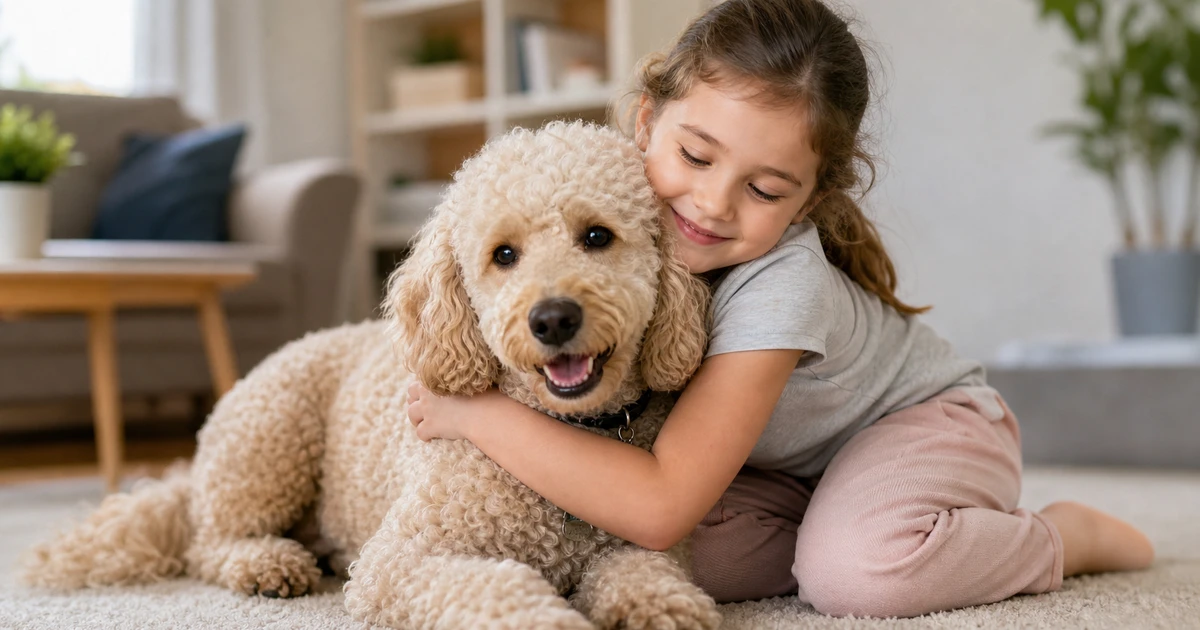
Best Hypoallergenic Dog Breeds for Kids: Low-Shedding Family Picks
Finding a dog that loves kids and won’t trigger allergies feels like a tall order—but these low-shedding breeds fit the bill. From tiny Maltese to sturdy Mini Schnauzers, here are family-friendly pups that keep dander low.
Sources & standards
This profile follows recognized breed standards from the American Kennel Club (AKC) and the Fédération Cynologique Internationale (FCI), along with established veterinary and breed-club guidance. These describe general breed tendencies — every dog is an individual.