

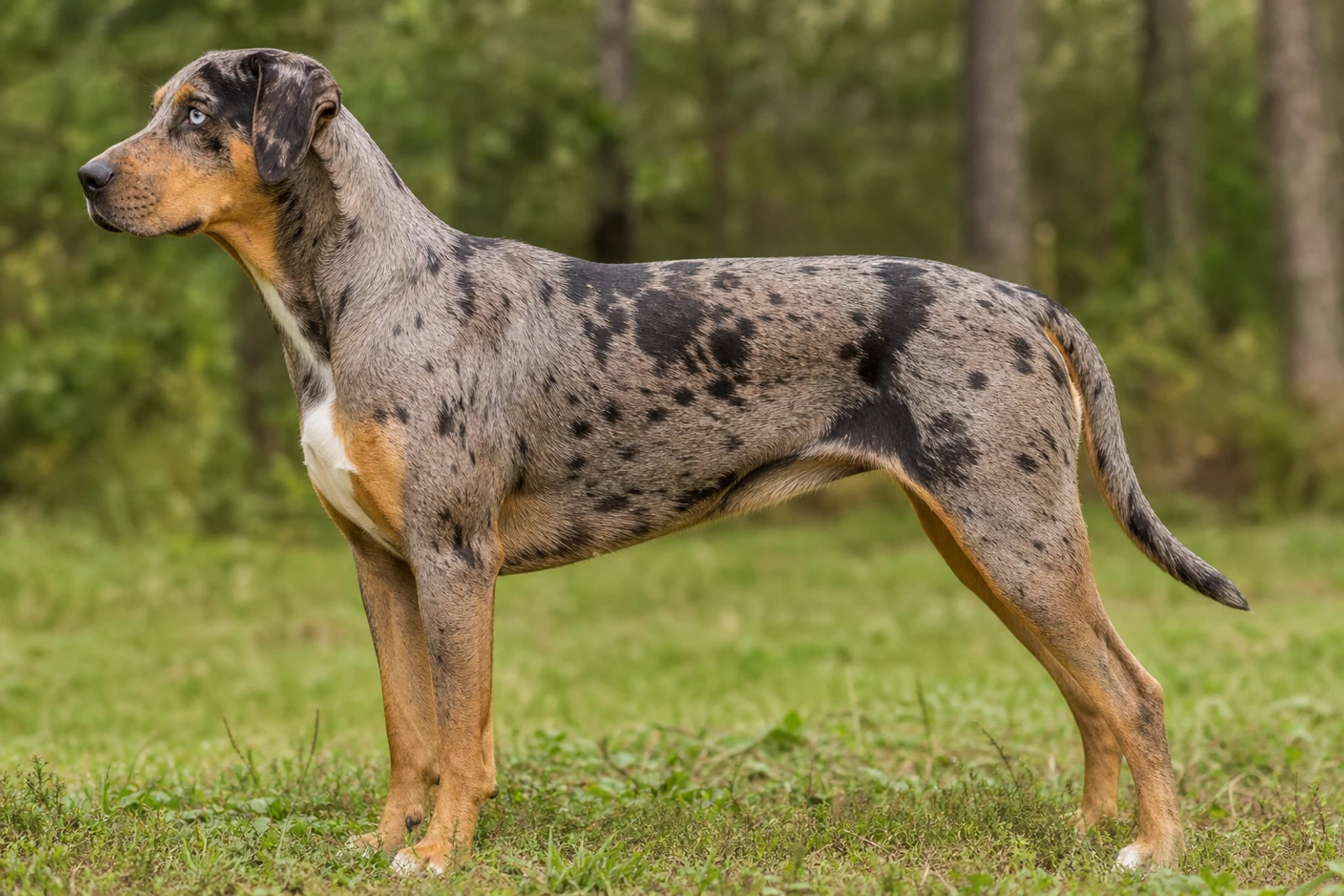
The Catahoula Leopard Dog is a striking, intelligent breed originally from Louisiana, bred to herd wild hogs and cattle in challenging terrain. These energetic and independent dogs are best suited for active, experienced owners who can provide ample exercise and mental stimulation. They are loyal and protective, making excellent watchdogs, but can be reserved with strangers. Not ideal for first-time owners or apartment dwellers, Catahoulas thrive in homes with yards where they can channel their working instincts. With proper training and socialization, they become devoted family companions.
Catahoula Leopard Dog Sticker Pack
36 cartoon stickers • transparent PNG • no watermark
Pinterest-ready
Share all 36 reactions as one sticker sheet
Pinterest opens with the full pack and a fresh, tailored description. You choose the public board and publish it from your own account.
Save the full pack


Choose one reaction above to share it alone, or use the full-pack button for all 36 together.











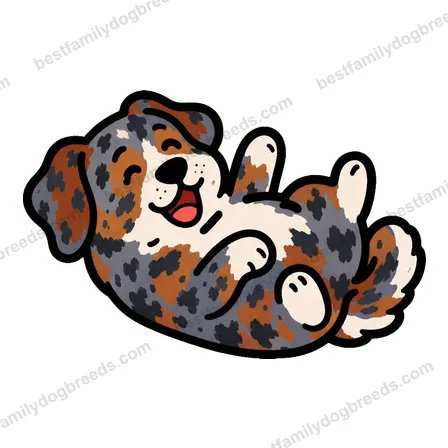

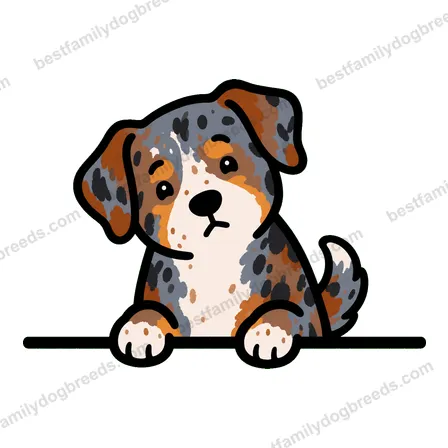
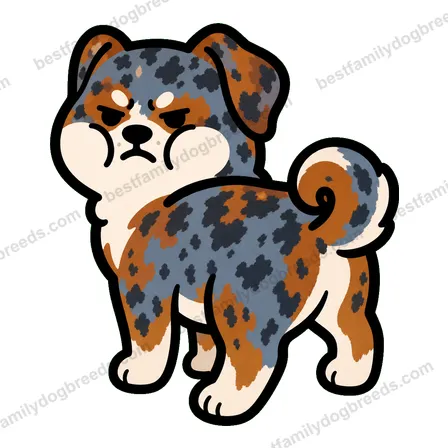



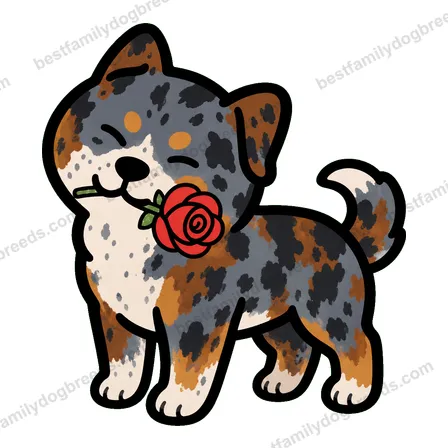


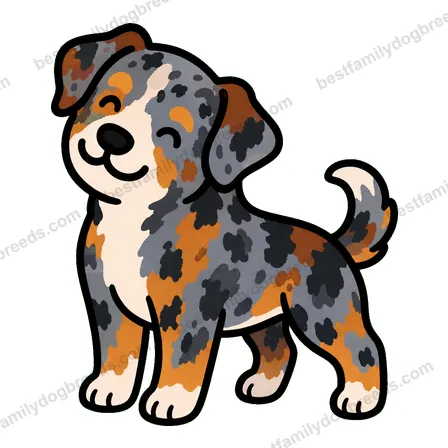




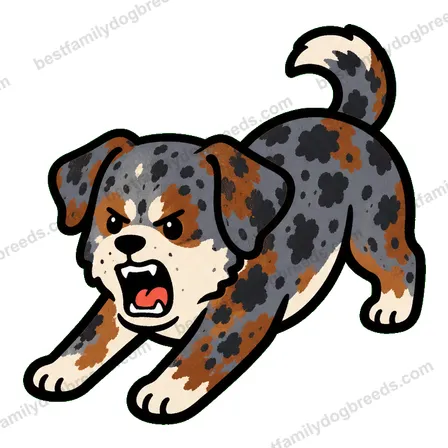
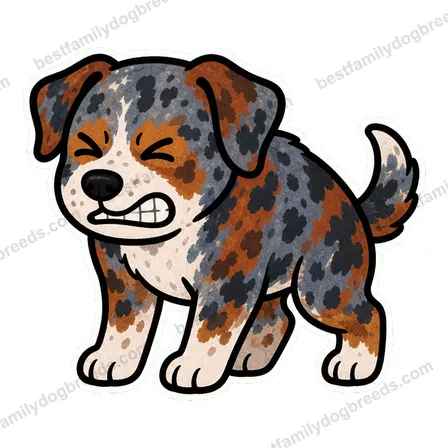


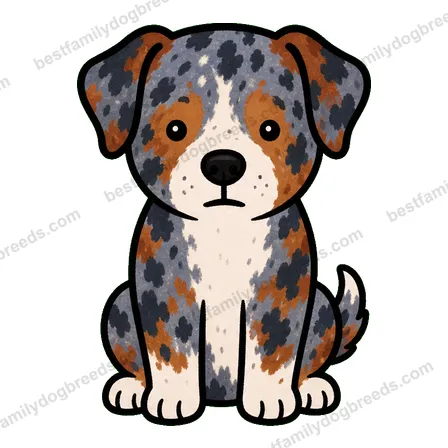

Free full-resolution download — no account, no payment, no watermark.
Includes all 36 transparent PNG stickers in one ZIP. A quick human check is required for each download.
At a glance
- Size
- Giant
- Height
- 20–26 in
- Weight
- 51–90 lb
- Life span
- 10–14 years
- Coat colors
- Blue Merle, Red Merle, Brindle, Black, Liver, Red, White, Tan Points
- Coat type
- Short to medium, smooth single coat
How much does a Catahoula Leopard Dog cost?
Adopt / rescue
$75–$400
Usually includes spay/neuter, first shots, and a microchip.
Buy from a breeder
$700–$2,000
From a reputable, health-testing breeder.
Approximate USD. Prices vary widely by region, breeder, pedigree, age, and coat colour — adopting is the lower-cost and recommended route. Avoid suspiciously cheap “breeders”; they’re often puppy mills.
Estimate the full cost of a Catahoula Leopard Dog →Want the ongoing number? Estimate the monthly food bill for a Catahoula Leopard Dog with our dog food cost calculator.
Catahoula Leopard Dog photos
Views
Front, side, rear and top — the full silhouette.Poses
How the breed sits, lies, moves and plays.Puppy to senior
The breed across its whole life.Expressions
The breed’s range of moods.Close-up details
Eyes, ears, nose, paws, tail and coat.Coat colors
The breed’s recognized colors.Click any photo to enlarge. We show the Catahoula Leopard Dog from every angle — three views, poses, life stages, expressions, close-ups, coat and colors.
Appearance & size
The first thing you’ll notice is the coat—a swirling, shattered-glass merle pattern that makes every Catahoula Leopard Dog a one-of-a-kind. But look past the flash, and you see a rugged, no-frills working animal built for the swamps and piney woods of Louisiana.
Size varies more with sex than almost anything else. Height runs 20 to 26 inches at the shoulder, weight 51 to 90 pounds. Males typically fill out the top half of those numbers, giving you a dog with real substance without the blockiness of a mastiff. The body is slightly longer than tall, with a deep chest, a defined waist, and a noticeable tuck-up. From the side, the back appears straight and level, the legs long and well-angulated—a silhouette that blends a sighthound’s endurance with a herder’s power. You won’t see a lumbering giant; you’ll see an athlete that looks ready to cover rough ground all day.
From the front, the skull is broad and flat, tapering to a fairly long, powerful muzzle. Ears drop or fold into a rose shape, framing alert eyes that often tell their own story. Heterochromia—one blue eye, one brown—is common, as are “cracked” glass eyes with marbled blue and brown segments. The wildest eye coloring usually shows up in merle dogs, but even solid-colored pups can surprise you.
The coat itself is a short, single layer that lies close and smooth. It’s dense enough to shrug off brambles but not plush—think tidy, not fluffy. Year-round shedding is moderate, with a heavier blow a couple times a year. Merle is the signature: a base of white, blue, red, or chocolate splattered with darker patches that range from fine speckles to bold blots. Layer brindle over merle and you get a “tiger-stripe” effect. Tan points and solid coats—black, red, yellow, brindle—also pop up, often with or without white trim. Some solid dogs carry a hidden merle gene that only a DNA test reveals, so interpreting color takes a sharp eye.
Distinctive touches go deeper. Flip a Catahoula’s paw and you’ll find webbed toes—the original breeders wanted a dog that could swim bayous and chase feral hogs through boggy ground. The tail is a natural extension of the topline, carried low with a slight upward curve, never tightly curled.
From the rear, the thighs are broad and muscular, the hocks well-angled. It’s a working rear end that drives the dog forward with efficient, ground-covering strides—no wasted motion and no sign of weakness.
With its random merle mosaics and variable eye colors, no two Catahoulas look fully alike. Expect to be stopped on the street by folks who think you’re walking a new kind of wild dog.
History & origin
The Catahoula Leopard Dog is Louisiana's official state dog, but its story starts well before statehood — back in the 1500s, when Spanish explorers pushed into the Gulf Coast swamps with war dogs and mastiffs in tow. Those tough, battle-tested animals got loose or were left behind, interbreeding with the wolf-like dogs already kept by Native American tribes. The result was a swamp-savvy catch-all worker whose earliest name, "Catahoula Cur," simply meant a farm dog from the Catahoula Lake region.
"Cur" wasn't an insult — it described a dog bred for real jobs, not a show ring. When French settlers arrived, they added their own herding breeds (likely the sturdy Beauceron or similar French drover dogs) to the mix, refining the dog's instinct to gather and hold rangy livestock. By the 1800s, you had a lean, big-boned dog that could handle three wildly different tasks: track and bay feral hogs in thick palmetto scrub, muscle half-wild cattle out of the marsh, and tree small game when the family needed meat. No single skill was optional, and the dogs that survived were the ones with relentless grit, problem-solving independence, and a coat that blended into dappled light — the iconic leopard-spotted or merle pattern that gives the breed its name.
For most of its history, the Catahoula stayed a regional secret, passed among ranchers and hog hunters who bred for brains and toughness over looks. The first organized effort to preserve the breed came in the 1970s, when the Louisiana Catahoula Leopard Dog Association formed. In 1979, Governor Edwin Edwards made it official by signing a bill naming the Catahoula Leopard Dog the state dog. Recognition from the United Kennel Club followed in 1995, and the breed now sits in the American Kennel Club's Foundation Stock Service while maintaining a deeply functional reputation — most Catahoulas today still work cattle, hunt, or compete in weight-pull and protection sports, not just lounge on couches.
That working heritage is the key to understanding the dog. You're not getting a casual companion bred to match the curtains; you're getting a 16th-century survivor, reshaped by Spanish, Native American, and French hands, built to think fast and push through heat, brambles, and swamp water without waiting for instructions.
Temperament & personality
A Catahoula isn’t a laid-back lap dog — this is a high-octane, independent-minded working breed that wants a real job, not a casual walk. They’re fiercely loyal to their own people, often forming an intense bond with one person, while remaining aloof or even suspicious of strangers. That protective streak makes them excellent watchdogs, but it also means you’re signing up for a dog who scans every visitor and sounds off at anything unusual. Without early and ongoing socialization, their natural wariness can harden into fear-based snapping.
Energy runs deep here. A quick stroll around the block barely registers. These dogs need a solid hour of hard running, off-leash exploration, or mentally demanding work like herding, scent games, or advanced obedience. Left under-exercised, a Catahoula will invent their own entertainment — chewing furniture, digging craters, or barking nonstop. They’re smart problem-solvers, which is a double-edged sword: they learn fast, but they also outsmart a half-hearted handler. Force doesn’t work. Calm, consistent boundaries and a sense of partnership do. If you’re inconsistent, they’ll walk all over you.
Affection in a Catahoula often shows up as a shadow-like loyalty rather than slobbery kisses. They’ll lean against your legs, follow you from room to room, and insert themselves between you and a perceived threat. Body language is worth learning: a forward-leaning posture, stiff body, and hard stare can precede a protective reaction, so you need to intervene before the bark escalates. A relaxed, loose body and soft eyes, on the other hand, signal that your dog feels safe and calm. Yawning, lip licking, or turning away are telltale signs they’re stressed — not just tired.
Inside the home, a Catahoula’s territorial instincts can lead to urine marking, especially if they’re anxious or if a room doesn’t carry enough of the family’s scent. Clean any indoor accident with an enzymatic cleaner or a white vinegar spray to kill the odor cue that invites repeat marking. Reward outdoor elimination immediately with a high-value treat — that teaches the right spot far better than scolding. Never interrupt a Catahoula while they’re eating; resource guarding can develop fast, so teach kids to respect the dog’s meal-time peace.
One harmless but memorable quirk: many Catahoulas love rolling in dead things or foul odors. It might be a leftover scavenger instinct or simply because they enjoy the smell. Keep citrus-based sprays handy to deter chewing on off-limits items, and provide durable chew toys to satisfy their need to gnaw. With proper outlets, these dogs settle into a reliable, intense partnership — but they’ll never be a push-button pet. A Catahoula respects a leader who reads their signals, meets their daily drive, and doesn’t mistake their toughness for a lack of sensitivity.
Good with kids, dogs & other pets
A Catahoula who grows up with kids can be a patient, level-headed family member — if you’ve put in the work on day one. This isn’t a breed that coasts on a naturally soft mouth and gentle disposition. A full-grown Catahoula runs 51–90 pounds and stands up to 26 inches. That’s enough bulk to send a toddler flying during an enthusiastic hallway zoomie. You need to supervise floor-level play, teach the dog not to herd or mouth small humans, and teach the kids how to interact respectfully.
With other dogs, the picture gets more complex. A well-socialized Catahoula often enjoys a canine playmate, especially one who matches their rough-and-tumble style. But same-sex aggression isn’t unusual, and many adults develop a low tolerance for rude or pushy dogs they didn’t grow up with. If you add a second dog, pick the opposite sex and count on a slow, structured introduction. Off-leash dog parks are a gamble — a Catahoula who decides another dog crossed a line won’t back down easily.
Cats and small pets sit squarely in the danger zone. These dogs were bred to chase, corral, and sometimes dispatch feral hogs, so a darting cat or a pet rabbit can flip a deeply ingrained prey switch. Some Catahoulas coexist fine with the family cat after careful, supervised introductions from puppyhood. Others never earn that trust. Don’t bet on neutral coexistence unless you’ve raised the pup alongside small animals and reinforced calm behavior relentlessly.
The real backbone of success is socialization that starts before 16 weeks. During that tight window, expose the puppy to dozens of friendly people, different dogs, clattering skateboards, screaming kids, and all the everyday chaos you can dream up. Keep every session brief and positive. After that critical phase closes, fixing a fearful or reactive Catahoula becomes an uphill battle. Never force an under-socialized adult into crowded dog runs or chaotic family gatherings — that adds stress and can trigger a bite. A Catahoula who feels safe and included is a devoted, steady companion. One who missed early exposure may always need a quieter, more predictable life.
Trainability & intelligence
A Catahoula’s brain runs a half-step ahead of most dogs — and often ahead of their owner. They size up situations fast, think for themselves, and don’t hand out blind obedience. If you want a dog that waits for instructions, this isn’t it. The upside: a Catahoula who trusts you will throw themselves into training with intensity and lightning-fast response time. That relationship has to come first, because you can’t bully a 90-pound problem-solver into cooperating. Punishment flat-out backfires; it erodes trust and can trigger defensive behavior from a dog that already has a strong guarding instinct.
Reward-based training is the only route that works for this breed. Treats, a favorite tug toy, or an excited “yes!” in the moment — that’s what builds reliable commands. Start puppy kindergarten the week you bring them home, and keep sessions short and playful. Their attention runs hot and then suddenly cold, so quit while they’re still hungry for more. The real test is recall. A Catahoula’s prey drive and independence mean that “come” is often ignored when a squirrel streaks by. Proof it in a thousand low-distraction repetitions before you ever try it off leash near a road.
Early socialization isn’t optional — it’s a safety blueprint for a powerful, highly alert dog. Between 3 and 14 weeks old, expose your pup to a hundred different people, kids, city sounds, livestock, slick floors, and other dogs. Do it gradually, pairing each new thing with something good, so they learn to pause and assess rather than react. Many Catahoulas carry a natural reserve with strangers; without that foundation, reserve easily tips into fear-based reactivity. Keep socializing well into adulthood, not just puppy class. A well-trained Catahoula is a thinking partner, not a push-button dog — and that’s exactly what makes them unforgettable.
Exercise & energy needs
A tired Catahoula is a good Catahoula — and getting there takes real, focused work. This is a 50-to-90-pound dog built to hunt wild hogs and herd cattle across rough terrain, not to circle the block. Plan on at least 60–90 minutes of vigorous exercise every day, split into two sessions. A single long walk won’t cut it; these dogs need to run, change direction, and work their brains at the same time.
What a Catahoula really needs
- Hard, off-leash movement: A fenced yard or a safe open space where the dog can sprint full-out, swim, or play fetch until genuinely winded. Swimming is especially good — it taps that drive to work without hammering growing joints.
- A job built into the workout: Fetch with obedience commands mid-run, flirt pole sessions that require a solid “drop it,” or hiking with a weighted pack (once physically mature). If your dog finishes a session still jittery and picking up the ball on its own, you haven’t hit the mark yet.
- Mental exhaustion, not just physical: This is the part most people miss. Catahoulas can run for hours and still be wired. Feed meals through puzzle toys, teach a new trick before dinner, or hide a scent article in the yard and let them work it out for 20 minutes. Scent work, advanced trick training, and herding trials channel their problem-solving intensity far better than just adding another mile to the jog.
A note on structure and safety
Because these dogs mature with size and power, avoid forced high-impact exercise on hard surfaces before growth plates close (somewhere around 18–24 months — ask your vet). Short, frequent bursts of play on grass or dirt, plus impulse-control games indoors, work well during that long puppyhood. Two 20-minute training-play sessions can do more for a young Catahoula’s sanity than a 40-minute leash walk that leaves the brain untouched.
Skip the repetitive route around the neighborhood day after day. That’s when a bored Catahoula starts problem-solving on its own — fence climbing, digging to China, or dismantling the couch cushion right under your nose. Give this dog a purpose and a full-body workout, and you’ll see the steady, focused partner the breed was meant to be.
Grooming & coat care
The Catahoula’s coat is the definition of low-maintenance: a short, single-layer hide that sheds dirt and water like it’s getting paid. There’s no undercoat to blow twice a year, and no long hair to tangle or mat. You won’t spend your weekends wrestling with clippers or detangling spray.
Brushing & shedding
Grab a pig-bristle brush or a rubber curry mitt once a week. Five minutes of brisk brushing pulls out dead hair before it ends up on the couch, distributes skin oils, and brings up that natural sheen. They shed moderately all year, with a little extra drift in spring and fall. If you notice more tumbleweeds, bump it to two quick sessions a week. No need for a slicker or pin brush—the coat is too short to snag.
Bathing
These dogs rarely stink. A bath every three to four months is plenty, unless your Catahoula rolls in something truly vile. Use a mild dog shampoo that won’t strip the coat’s natural waterproofing. Rinse thoroughly; leftover soap can invite dry skin.
Trimming & nails
There’s zero clipping or shaping required. The coat is self-sufficient. Nails, though, grow fast on an active dog that’s not always on pavement. If you hear clicking on the floor, it’s time for a trim—usually every three to four weeks. Long nails can throw off their stride and stress the toes.
Ears & teeth
Those floppy ears can trap moisture and debris. After swimming, a bath, or a wet hike, dry the outer ear and wipe the inside with a damp cloth or vet-approved cleaner once a week. For teeth, daily brushing with dog-safe enzymatic toothpaste is ideal; three times a week keeps tartar in check and breath bearable.
Seasonal tweaks
The single coat offers zero insulation against cold. In freezing weather, a light jacket or fleece keeps your dog comfortable on long winter outings. Otherwise, their own activity does most of the heavy lifting—plenty of off-leash running in the brush naturally loosens dead hair and boosts skin circulation. All told, a Catahoula’s grooming routine takes about as long as a coffee break, leaving you more time for the trails they love.
Shedding & allergies
If you picture a wash-and-go, low-shed hunting dog, you’ll need to adjust your expectations. Catahoula Leopard Dogs do shed — and they shed more than a lot of people give them credit for. That short, single-layer coat drops a steady trickle of fine, stiff hairs all year long. It’s not a blizzard, but it’s consistent.
Twice a year, usually in spring and fall, the shedding kicks into a higher gear. During these seasonal blowouts, you’ll sweep up tumbleweeds of hair and find the coarse little strands woven into upholstery, car seats, and every dark-colored pair of pants you own. Because the coat is single-coated (no dense undercoat), the hair itself is sharp and sticks to fabrics in a way that softer undercoat fluff doesn’t.
Drool stays in the low-to-moderate range for most Catahoulas. They’re not jowly like a Mastiff, but you’ll still see strings of slobber after a drink of water, on a hot afternoon, or right before dinner. A quick wipe with a towel handles it.
On the allergy front, let’s be direct: this is not a hypoallergenic breed. They produce dander and shed hair that carries it, so if you have dog allergies, a Catahoula can still trigger them. No dog is truly allergen-free, but a single-coated shedder that drops hair year-round simply isn’t a safe bet for someone with sensitivities.
A quick brush twice a week with a rubber curry or a grooming glove pulls out loose hair before it lands on your floor. Bathe only when needed — too-frequent washing can dry out the skin and actually make shedding worse. Regular brushing and the occasional bath keep the loose hair from taking over your home, but a Catahoula will never be a zero-shed dog.
Diet & nutrition
A Catahoula Leopard Dog burns a ton of energy when he’s working or running, but many of them have an enthusiasm for food that can quietly pack on pounds. For a breed that already carries 51–90 lb on a 20–26-inch frame, extra weight hits the hips, elbows, and spine hard. Obesity shortens a working dog’s career and makes the senior years painful, so portion control and a hands-on assessment of body condition matter more than what the bag says.
- Adult feeding: Split the daily ration into two meals. Start with a high-quality, meat-forward food (look for a named animal protein first) and adjust amounts based on how your dog looks and feels. You want to feel ribs with light pressure, not see them, and see a waist from above. An active Catahoula at the top of the weight range might eat 3–4 cups of dry food a day, but a less-driven dog closer to 50 lb may need substantially less. If your dog wolfs food, use a puzzle bowl or snuffle mat — it slows him down and gives that busy brain a job.
- What’s in the bowl: A roughly 60% raw or cooked meat, 20–30% fruits and vegetables, and 10% extras like eggs, grains, or yogurt keeps things honest. Dogs don’t produce salivary enzymes to pre-digest, so blending or processing meals can improve nutrient absorption — particularly helpful for seniors or dogs with sensitive mouths. Pearl barley or white rice works as a gentle, digestible carb when his stomach needs a break. Canned fish, cooked veggies, and eggs make a quick, healthy combination on days you’re out of fresh meat. Never pour holiday grease or rich scraps into his dish; that’s a fast track to pancreatitis.
- Puppy schedule: Up to four months, four evenly spaced meals. From four to six months, three meals, then two like an adult. Transition any new diet slowly — lightly cooked and puréed meats, fish, and vegetables, or a high-quality commercial puppy food. You can introduce raw chicken wings around twelve weeks, always under supervision, to teach him to chew and not gulp.
- Senior adjustments: As the miles slow down, switch to smaller, more frequent meals and keep a sharp eye on the scale. There’s no strong evidence that healthy older dogs need less protein; they do need fewer calories. Reduce food gradually if you notice weight creeping on, and purée meals if missing teeth make chewing a chore.
- Non-negotiables: A Catahoula’s teeth and digestive tract are built for meat. A vegetarian or vegan diet deprives him of essential nutrients and isn’t species-appropriate. Feed the dog in his own bowl — never from the table — and use leftover veg water from cooking (unsalted) as a stock to soak kibble if stock isn’t on hand. That keeps begging from ever taking root.
Health & lifespan
A well-bred Catahoula Leopard Dog typically lives 10 to 14 years. Some push a couple of years past that, but 14 is a realistic target if you stay on top of a few key areas. These are big, solid dogs — 51 to 90 pounds, standing up to 26 inches at the shoulder — so joints and heart work hard for a lifetime.
The biggest health watch-outs are hips, eyes, hearing, and bloat. None are a guarantee, but responsible breeders screen aggressively to shift the odds in your favor.
- Hip dysplasia: A familiar story in large breeds. Good breeders have their dogs’ hips evaluated through OFA or PennHIP and share those results openly. You can help by keeping your Catahoula lean and not overdoing high-impact exercise on hard surfaces before growth plates close — jumping, full-speed stops, and long pavement runs on immature joints can create problems later.
- Eye issues tied to the merle gene: The same coat pattern that gives many Catahoulas that glassy, marbled look can cause trouble. Breeding two merle parents together produces puppies at high risk for blindness, tiny or missing eyes (microphthalmia), and other defects. Even single-merle dogs can develop progressive retinal atrophy (PRA) or cataracts. Reputable breeders have a veterinary ophthalmologist do annual eye exams and register results with CERF or OFA.
- Deafness: Also linked to the merle gene, especially when there’s a lot of white on the head or blue eyes. Puppies should receive a BAER hearing test before they go home. A dog that’s deaf in one ear can live a full, normal life — but you need to know upfront so you can adjust training methods.
- Bloat (GDV): Deep-chested, enthusiastic eaters are candidates. Feed smaller meals, don’t exercise vigorously right after eating, and learn the emergency signs: restlessness, unproductive retching, and a tight, swollen belly. Time matters if this hits.
- Skin allergies: Some lines struggle with itchy feet, recurring rashes, or ear infections. Often, a dietary upgrade and minimizing environmental triggers make a big difference. If your dog scratches constantly, address it early before the skin becomes raw.
- Obesity: Catahoulas love food and will work you for an extra scoop. Extra weight crushes joints and can shorten lifespan. You should feel the ribs easily; a visible tuck from the side is a good sign.
Routine care that saves lives is straightforward. Keep heartworm prevention monthly during mosquito season and one month after it ends. Rabies vaccination is a legal must — once symptoms show, there’s no treatment. Annual wellness exams catch subtle shifts — a slight change in appetite, activity, or eye clarity — before they become crises. This is not a breed that thrives in isolation; early socialization and consistent, respectful handling lower stress that can manifest in anxiety-driven behaviors and related health costs.
If you’re working with a breeder, ask directly for OFA hip clearances and current ophthalmologist exam certificates for both parents. They should hand them over without hesitation. A Catahoula built to work, kept lean, and screened honestly is a dog with a shot at hitting 14 years hard and happy.
Living environment
A Catahoula Leopard Dog doesn’t just want a yard—he needs one. This is a 51‑to‑90‑pound athlete bred to chase feral hogs, herd cattle, and think on the fly. An apartment, even with several walks a day, almost always ends in frustration for both of you. He’ll bark, dig, chew the drywall, and quite possibly climb the furniture. If you live in a condo or tight rental, this is the wrong dog.
A house with a large, securely fenced yard is the baseline. Plan on a minimum 6‑foot solid fence; Catahoulas are nimble jumpers and clever climbers, and an underground e‑collar fence won’t stop a dog in hot pursuit of a squirrel. The yard itself can’t be a green postage stamp—this dog needs room to sprint, sniff, and patrol. Without that outlet, he’ll channel his energy into backyard mosh pits, digging craters, or barking at every leaf.
Courtship of climate is straightforward. Their short, single‑layer coat handles Gulf Coast heat and humidity well, but they’ll overheat without shade and water. In freezing weather, a jacket makes sense during long winter hikes. Many Catahoulas are water‑obsessed; a secure pool or pond access is a bonus, not a requirement.
Noise tolerance is low for neighbors. These dogs bark—at strangers, at raccoons, at the wind delivering a smell they can’t identify. They were bred to bay and alert on hunts, so a “quiet” Catahoula is the exception, not the rule. If you share walls or have a zero‑barking HOA, you’ll be fighting a genetic script.
Leaving them alone is where many homes fail. A Catahoula bonds hard to his people and can tip into separation anxiety if left for a full workday without prep. You’ll come home to shredded couches, clawed doorframes, and complaints from the block. Crate training from day one, plus mental heavy lifting—scatter‑feeding, scent games, frozen Kongs—helps, but this breed thrives when someone’s around most of the day. A tired Catahoula who’s already logged a solid hour of running, plus a training session, might doze while you’re gone; a bored one left alone from 8 to 6 will make his own job, and you won’t like his performance review.
Who this breed suits
This is a demanding working dog, not a casual companion. You’ll get the most out of a Catahoula if you genuinely enjoy the process of managing a smart, independent animal that weighs up to 90 pounds and stands as tall as 26 inches. They plug into owners who already understand drive, impulse control, and clear leadership — first-time dog guardians are almost always in over their heads here.
Who really clicks with a Catahoula
- Active singles and couples who want a shadow that can keep up. If your weekends are built around trail running, backcountry hiking, hunting, or multi-day camping trips, a Catahoula will match your pace and then some. You need to supply a solid hour or more of hard, off-leash-style exercise every day, paired with training sessions that make that brain work.
- Experienced sport or working-dog homes. These dogs thrive when they have a job. Search and rescue, dock diving, advanced nose work, or serious herding — a Catahoula will throw itself into any task that challenges both body and mind. If you’ve successfully handled a high-drive herder or cur breed before, the intensity won’t catch you off guard.
- Families with older, dog-savvy kids. A Catahoula can bond fiercely with its household, but its herding instincts and full-contact play style easily bowl over toddlers. Kids who are steady on their feet and know how to read a dog’s signals will find an enthusiastic partner for fetch and exploration. Supervise interactions and commit to thorough socialization early; this breed’s protective streak can slide into wariness without it.
Who should think twice
- Any first-time owner. Raising a Catahoula isn’t a learn-as-you-go project. They push boundaries, get destructive when bored, and can turn stubborn if you show inconsistency. Without a foundation in positive, firm training, you’ll end up with a 70-pound dog that makes its own rules.
- Apartment dwellers or people with only a small courtyard. These dogs need room to move and a securely fenced yard — six-foot fencing, not a token barrier. Their prey drive is high; a squirrel or stray cat can trigger a chase that ends in traffic. Confinement leads to noise, chewing, and fence-climbing.
- Seniors or low-energy households. Unless you’re an extremely active retiree who still works livestock or hikes steep terrain daily, the physical demands will be too much. The 10- to 14-year lifespan means a long-term commitment to high-octane living, not a gradual wind-down.
- Homes with small pets. Even a well-socialized Catahoula often views cats, rabbits, and pocket pets as quarry. If you’re set on adding one, be prepared to manage separation when you can’t supervise — and accept that the instinct might never fully switch off.
If you can’t provide a job and daily grind-level exercise, look elsewhere. This breed isn’t broken; it’s just built to run hard, think for itself, and keep a handler honest.
Cost of ownership
A Catahoula puppy from a responsible breeder who health-tests for hip dysplasia, deafness, and eye anomalies usually lands between $800 and $1,500. Working-line dogs with proven herding or hog-hunting pedigrees can push toward $2,000. Rescue adoption fees run $150–$400 and often include spay/neuter and initial vaccines. Avoid listings under $500 that skip health clearances — you’ll almost certainly pay the difference later in vet bills.
This is a big, athletic dog with an appetite to match. Plan on $60–$100 a month for high-quality kibble (roughly 3½–4½ cups a day, depending on activity). A working Catahoula burning serious calories may top that range. Factor in an additional $20–$40 for decent treats and long-lasting chews, because a bored Catahoula will redecorate your house.
Grooming is mercifully cheap: a short, single coat. A rubber curry brush, nail trims every few weeks, and the occasional bath do the job. If you pay a pro, budget $30–$60 every 6–8 weeks; otherwise, you’re out maybe $10 a month for shampoo and a good nail tool.
Routine vet care — annual exam, vaccinations, heartworm and flea/tick prevention — averages $50–$80 a month spread across the year. Given the breed’s susceptibility to hip issues and potential for one-time emergency stupidity (Catahoulas climb fences and chase things you wish they wouldn’t), pet insurance runs $40–$80 a month for a solid accident-and-illness plan with a reasonable deductible. Don’t skip it.
- One-time setup: $200–$500 for a heavy-duty crate, elevated bed, martingale collar, six-foot leash, and puzzle toys that stand up to a determined chewer.
- Training: Budget $150–$300 for a group obedience class, at minimum. These dogs need clear, consistent direction early — you’re managing a powerful independent brain, not a push-button retriever.
All in, expect a real-world monthly spend between $180 and $350, plus the upfront price of the dog and initial gear. The real shock for new owners isn’t the dollar figure — it’s the amount of time and sweat every single dollar represents when you’re living with a Catahoula.
Choosing a Catahoula Leopard Dog
Breeder or Rescue?
A Catahoula isn’t a dog you happen into. Before you even look at a puppy, ask yourself honestly if you have the time, space, and work for a tireless, independent-minded breed that can top out near 90 pounds. If the answer is yes, your next choice is between an adult rescue and a puppy from a responsible breeder.
Rescues are worth serious thought. Plenty of Catahoulas land in shelters because someone underestimated their drive or couldn’t handle their guarding instincts. With an adult, you know the dog’s full size, temperament, and any destructive habits up front. A good Catahoula-specific rescue will have evaluated the dog around livestock, cats, or kids—information a puppy can’t give you.
Health Clearances That Matter
If you go the puppy route, you’re looking for a breeder who flat-out tells you what health tests they run and shares the paperwork. Catahoulas can be prone to hip dysplasia, so both parents need an OFA or PennHIP score. Eyes get a CERF or OFA exam from a veterinary ophthalmologist. Because the merle coat pattern is tied to congenital deafness, every puppy in the litter should have a BAER hearing test before leaving the breeder. Demand the results.
A breeder who breeds two merle dogs together is a glaring red flag. That pairing produces double-merle pups with a high risk of deafness and eye defects. Walk away fast.
What to Ask and What to Avoid
- Health guarantees: A solid contract should cover genetic hip, eye, and hearing issues for at least the first two years. Read the fine print.
- Living conditions: You want to see where the puppies are raised—clean, enriched, part of the household, not a kennel row you can’t visit.
- Temperament: The breeder should describe each puppy’s personality with detail, not just “they’re all sweet.” Ask how they handle loud noises, new people, and being separated from the litter.
- Questions they ask you: Red flag if they don’t grill you about your lifestyle, fencing, or experience with hard-headed breeds. A breeder who doesn’t care where the puppy goes cares more about the sale than the dog.
Picking Your Puppy
Look for a pup that’s curious, not cowering. A Catahoula puppy should investigate you, maybe give a little bark, then settle. Extreme shyness or outright aggression at eight weeks is trouble you don’t need. The puppy that’s calmly confident—not the bossy bully, not the one hiding behind the shed—is usually the easiest to live with while you channel that brain and energy into training. A good breeder will have done early neurological stimulation and will help you pick the right match, not just point at the cutest face. If they can’t explain why a particular puppy fits your life, keep looking.
Pros & cons
Pros
- A tireless partner that lives for a job—herding, hog hunting, or learning advanced tricks.
- Deeply loyal and naturally protective; you’ll always have a reliable watch dog.
- Head-turning merle, brindle, or patchwork coat that’s a conversation starter.
- Sharp intellect—picks up commands quickly and thrives on mental challenges.
- Low grooming (brush weekly) and a lifespan of 10–14 years from health-tested lines.
Cons
- Needs an hour-plus of hard running daily, plus mental work—or your belongings pay the price.
- Independent thinking that comes off as stubborn; first-time owners often get frustrated.
- Sky-high prey drive; small animals and off-leash small dogs are in constant danger.
- Same-sex dog aggression is common; dog parks are a roll of the dice without early, careful socialization.
- Wary of strangers; ongoing socialization is a must to keep suspicion from becoming a problem.
- Boredom leads to destruction—digging, chewing, and scaling six-foot fences.
- Deafness and eye disorders run in the breed, so only consider puppies from BAER-tested parents.
Similar breeds & alternatives
If the Catahoula’s merle coat and independent, gritty work ethic grab your attention but you’re not sure the breed’s intensity fits your day-to-day, a few other dogs echo parts of the package—while trading a few traits you might prefer.
- Australian Cattle Dog: About 30–50 lb and 17–20 in, this is a compact, rugged herder with a short, dense blue or red speckle coat. They match the Catahoula’s all-day stamina and heat tolerance, but they come with a sharper herding drive (including nipping) and a Velcro streak that the more aloof Catahoula lacks. They’re a solid choice if you want a smaller, equally tireless shadow.
- Blue Lacy: A Texas breed built for hog work, 25–50 lb and 18–25 in, with a smooth blue, red, or tri coat. They share the Catahoula’s need for a real job and its lean, athletic frame, but lacys tend to be more sensitive and quicker to warm up to strangers. The leopard-patterned coat isn’t here, but the working temperament is similar.
- Black Mouth Cur: Often 40–95 lb and 16–25 in, this is the Catahoula’s closest cousin in many ways—same deep-south hunting and herding roots, same protective, family-loyal nature. They’re typically a little heavier-boned with a short tan or brindle coat and a dark muzzle. They bond fiercely with one person and require even more early socialization to keep guarding instincts in check.
- Australian Shepherd: If the merle pattern is what hooked you but you want a more biddable dog, consider this 40–65 lb, 18–23 in herder. Aussies are just as driven but far more handler-focused and vocal; they’ll climb into your skin if you let them, whereas a Catahoula is often content to guard from across the room. Both shed, both need a job, but the Velcro factor swings hard.
If the Catahoula’s independent, almost businesslike loyalty and striking coat are non-negotiable, the Black Mouth Cur or Blue Lacy offer similar working character with a few tweaks. For a merle herder that sticks to you like glue and aims to please, an Australian Shepherd is the clearer match—just be ready for the noise and the hair.
Fun facts
- The Catahoula Leopard Dog is the state dog of Louisiana.
- They were originally bred to herd wild hogs and cattle in swamps.
- Many have striking 'glass' eyes, which can be blue or each eye a different color.
- Their webbed feet make them excellent swimmers.
Frequently asked questions
- Are Catahoula Leopard Dogs good with children?
- Catahoula Leopard Dogs can be loyal and protective family members when properly socialized from a young age. They tend to have high energy and may be too boisterous for very small children, so supervision and training are important. Their herding instincts might lead them to chase or nip, but with consistent guidance they often do well with older, respectful kids.
- How much exercise does a Catahoula Leopard Dog need?
- As a high-energy working breed, a Catahoula Leopard Dog typically requires at least an hour of vigorous exercise daily. Activities like running, hiking, or agility work help them stay mentally and physically satisfied. Without sufficient outlets, they can become restless and may develop destructive behaviors.
- Do Catahoula Leopard Dogs shed a lot?
- Catahoula Leopard Dogs have short to medium coats that shed moderately year-round, with slightly heavier shedding during seasonal changes. Weekly brushing can help manage loose fur and keep their coat healthy. They are not considered a heavy shedder compared to some breeds, but regular grooming is still beneficial.
- Are Catahoula Leopard Dogs suitable for apartment living?
- Due to their size and high energy levels, Catahoula Leopard Dogs are generally not well-suited to apartment living. They thrive in homes with securely fenced yards where they can run and play freely. If kept in an apartment, they would need extensive daily outdoor exercise and mental stimulation to prevent boredom and vocalization.
- Are Catahoula Leopard Dogs easy for first-time dog owners?
- Catahoula Leopard Dogs are intelligent and independent, which can be challenging for novice owners. They require consistent training and a confident handler to establish boundaries and channel their strong work ethic. First-time owners might find their high exercise needs and strong-willed nature demanding, so experienced ownership is often recommended.
- What is the typical lifespan of a Catahoula Leopard Dog?
- A healthy Catahoula Leopard Dog typically lives between 10 to 14 years. As a larger breed, they can be prone to certain health issues such as hip dysplasia and eye conditions, so regular veterinary check-ups and a balanced diet help support a long life. Early health screening and responsible breeding practices contribute to their overall longevity.
Tools & calculators for Catahoula Leopard Dog owners
Quick estimates tailored to Catahoula Leopard Dogs — pre-filled with this breed’s size where it matters.
Articles & stories about the Catahoula Leopard Dog
Sources & standards
This profile follows recognized breed standards from the American Kennel Club (AKC) and the Fédération Cynologique Internationale (FCI), along with established veterinary and breed-club guidance. These describe general breed tendencies — every dog is an individual.