

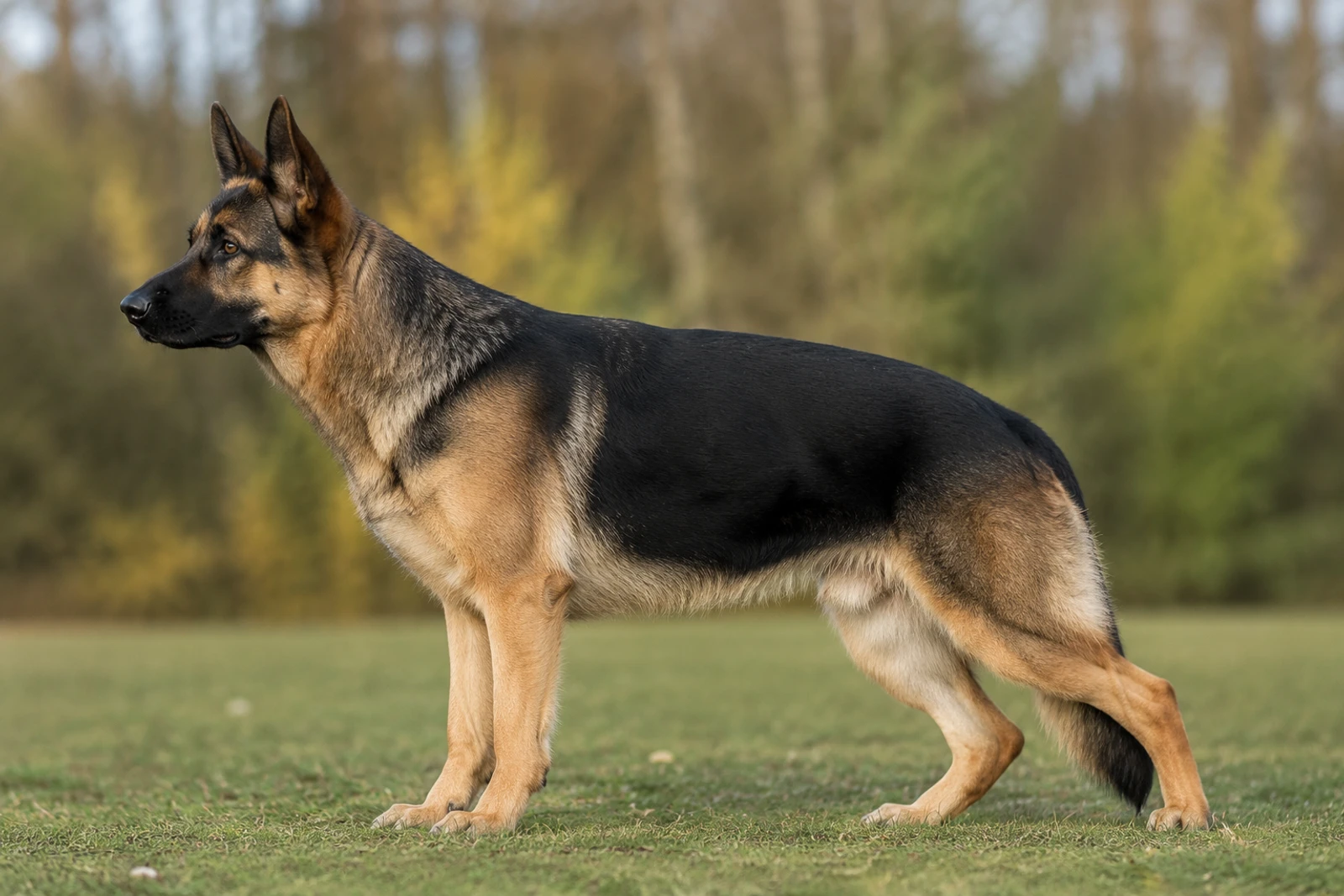
German Shepherd Dogs are highly intelligent, versatile, and loyal companions, renowned for their work in police, military, and service roles. They thrive in active households where they receive consistent training, exercise, and mental challenges. This large breed forms strong bonds with their family but may be reserved with strangers. Early socialization is essential to ensure they are well-mannered around children and other pets. Their protective nature makes them excellent watchdogs, but they require experienced handling. Suitable for dedicated owners, German Shepherds reward commitment with unwavering devotion and companionship.
German Shepherd Dog Sticker Pack
36 cartoon stickers • transparent PNG • no watermark
Pinterest-ready
Share all 36 reactions as one sticker sheet
Pinterest opens with the full pack and a fresh, tailored description. You choose the public board and publish it from your own account.
Save the full pack


Choose one reaction above to share it alone, or use the full-pack button for all 36 together.


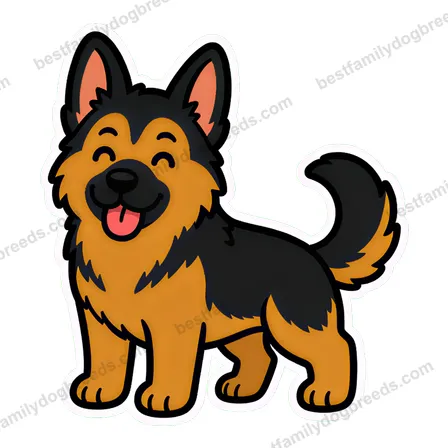
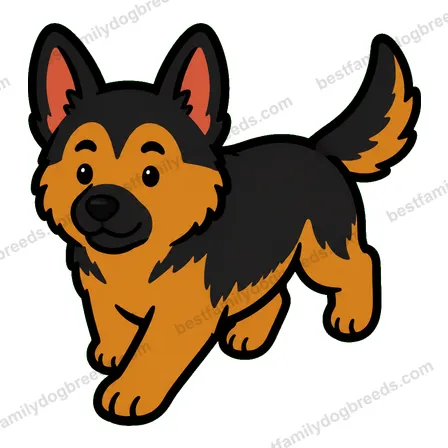
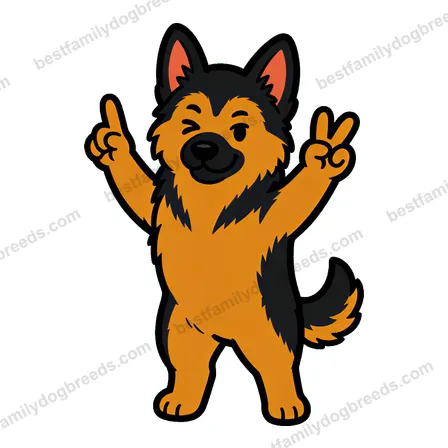
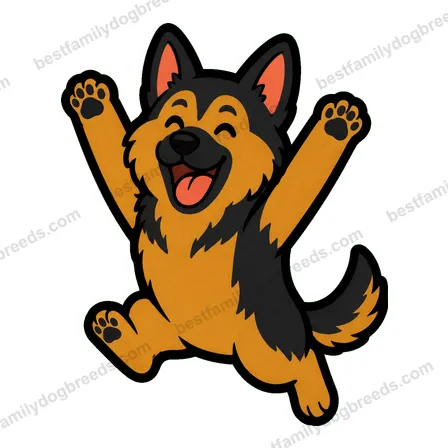








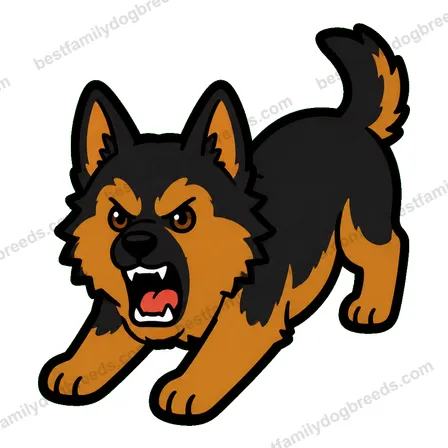
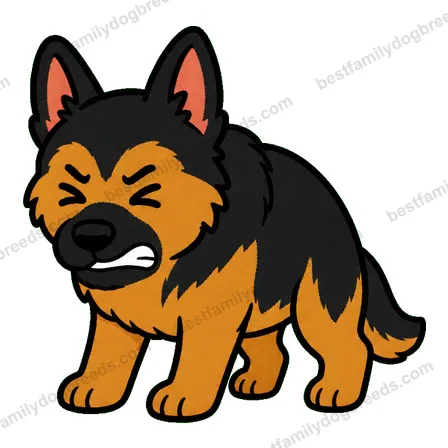

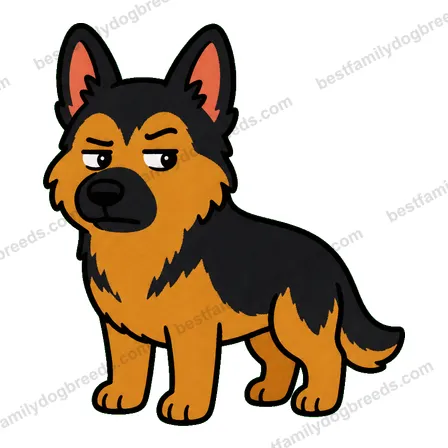
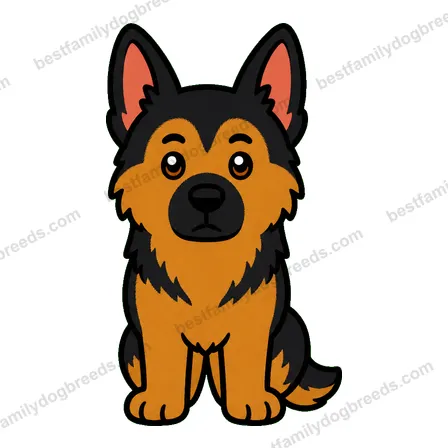

Free full-resolution download — no account, no payment, no watermark.
Includes all 36 transparent PNG stickers in one ZIP. A quick human check is required for each download.
At a glance
- Size
- Large
- Height
- 23–25 in
- Weight
- 49–88 lb
- Life span
- 10 years
- Coat colors
- Black and Tan, Black and Red, Sable, Solid Black, Bi-color
- Coat type
- Medium-length double coat
How much does a German Shepherd Dog cost?
Adopt / rescue
$100–$450
Usually includes spay/neuter, first shots, and a microchip.
Buy from a breeder
$1,200–$3,000
From a reputable, health-testing breeder.
Approximate USD. Prices vary widely by region, breeder, pedigree, age, and coat colour — adopting is the lower-cost and recommended route. Avoid suspiciously cheap “breeders”; they’re often puppy mills.
Estimate the full cost of a German Shepherd Dog →Want the ongoing number? Estimate the monthly food bill for a German Shepherd Dog with our dog food cost calculator.
German Shepherd Dog photos
Views
Front, side, rear and top — the full silhouette.Poses
How the breed sits, lies, moves and plays.Puppy to senior
The breed across its whole life.Expressions
The breed’s range of moods.Close-up details
Eyes, ears, nose, paws, tail and coat.Coat colors
The breed’s recognized colors.Click any photo to enlarge. We show the German Shepherd Dog from every angle — three views, poses, life stages, expressions, close-ups, coat and colors.
Appearance & size
The first thing you notice is the silhouette — strong and agile, with a posture that makes the dog look permanently alert. Everything about the build says “ready.” From the side, the body is slightly longer than tall. A deep, well-sprung chest tucks up into a firm belly, and the back flows in a gentle slope (or stays nearly level, depending on whether you’re looking at a working line or a show line). That long, fluid trot you see in the ring or on a trail is built into this structure.
Males usually hit 24–25 inches at the shoulder and weigh 65–88 pounds; females run smaller, typically 22–24 inches and 49–70 pounds. The numbers are broad because this is a breed with real functional variety — but the muscle is always lean and athletic, never bulky. From the front, forelegs are straight and the chest is deep, giving a solid stance. The rear is where the power lives: muscular thighs and well-angled stifles drive that ground-covering gait.
The head is the breed’s signature: a long, clean wedge with a strong muzzle, a black nose, and erect, pointed ears that move like radar dishes. Eyes are medium-sized, almond-shaped, and dark — they don’t just stare, they assess. A long, well-furnished neck lifts the head high, and the tail reaches at least to the hock, hanging in a slight saber curve when relaxed.
A double coat handles rough weather. The outer coat is dense, harsh, and lies close; underneath is a thick undercoat. Most dogs have a medium-length coat, but you’ll also see long stock coats (with no undercoat) and true long coats. Colors are practically a breed buffet. Black and tan with a black saddle is the classic, but sable (banded hairs that shift in the light), solid black, and bi-color show up routinely. Tan markings range from pale cream to deep rust, and a black mask is common. A white coat exists but isn’t accepted in the conformation ring. No matter the color, this dog looks bred to cover ground — even when it’s sprawled on your living room floor.
History & origin
The German Shepherd Dog you see today started with a cavalry officer’s obsession and a lucky glance at a dog show in 1899. Captain Max von Stephanitz had spent years dreaming of a single, standardized herding dog that combined brains, power, and unwavering work ethic — not just a collection of regional types that happened to herd sheep. When he spotted a wolf-gray dog named Hektor Linksrhein, he bought him immediately, renamed him Horand von Grafrath, and registered him as the very first German Shepherd Dog. That moment launched the breed.
Von Stephanitz founded the Verein für Deutsche Schäferhunde (SV) and wrote a breed standard that put working ability above looks. The original job was herding and guarding flocks, but it didn’t take long for police and military units to notice the breed’s trainability, scenting power, and courage. In World War I, German Shepherds carried messages through artillery fire, located wounded soldiers, and stood sentry in the trenches. Allied soldiers saw them in action and brought dogs home, spreading the breed across the globe.
Anti-German feeling after the wars prompted the UK to call them Alsatians for decades, a name that still pops up in some older records, though “German Shepherd Dog” eventually won back its place. In America, a puppy rescued from a bombed-out kennel in France — later known as Rin Tin Tin — became a silent-film sensation and cemented the breed’s heroic image in millions of living rooms.
By the mid-20th century, two broad streams emerged. Working-line dogs stayed lean, intense, and bred for bite work, scent detection, and protection sports. Show lines — especially American show lines — developed a more angled rear and a mellower off-switch, aimed at the family companion market. That split still exists, and it’s something to understand when you’re looking for a puppy. Von Stephanitz’s original motto was “Utility and intelligence.” More than a century later, that same drive pushes the German Shepherd into everything from bomb detection to guiding the blind to being the alert, tireless jogging partner at your side.
Temperament & personality
A German Shepherd isn’t a dog that wants to lounge while you binge-watch. She wants to be part of the action — watching the front door, learning the next trick, keeping tabs on the kids, and yes, knowing exactly where you are in the house at all times. That intensity is the breed’s greatest strength, and it’s also why the wrong home leaves a GSD spinning into anxiety, nonstop barking, or destructive chewing.
Plan on at least an hour of hard exercise daily — running, not just a leash stroll — and an equal amount of mental work. Puzzle toys, scent games, and obedience sessions keep her brain from inventing her own jobs, which often involve reorganizing your furniture with her teeth. Puppies chew to explore and soothe teething gums; adults chew hard objects to keep jaws strong and teeth clean. A boiled-citrus-peel spray can steer those jaws away from chair legs, while a vinegar spray (white and cider vinegar) can neutralize urine odors and discourage repeat marking indoors.
These dogs are deeply attached to their people and will often define their territory by the scent of the household. That means they may urinate to mark areas that don’t carry enough family smell — a guest room or a corner you rarely occupy. Clean accidents thoroughly, because the smell is a powerful trigger to re-soil. Reward elimination outside with an immediate treat, which works far better than scolding an indoor accident after the fact.
Watchfulness is in their wiring. A GSD will naturally lean forward with a confident posture when she’s curious or on alert; a stiff body and direct stare can signal rising tension, and you want to catch those signals before it escalates. Lip licking, yawning, or turning the head away are subtler calming signals that many families miss. Teach children to let the dog eat in peace — never interrupt a meal, because even a normally gentle Shepherd can develop food guarding.
Socialization shapes everything. A poorly socialized GSD can tip into suspicion that reads as aggression, making her a risky choice for novice owners or homes with lots of young kids and other pets. Descriptions like “calm” or “brave” are observed tendencies, not guarantees. When the breed’s loyalty channels into sound training, you get a steady, clear-eyed partner who reads your mood better than most people do. Get it wrong, and you get a nervous, strong-willed dog who’ll test your patience daily. Respectful, consistent engagement — not heavy-handed force — brings out the brainy, devoted side. If you give a German Shepherd a fair job and a predictable routine, she’ll repay you with a level of focus that borders on mind-reading.
Good with kids, dogs & other pets
A well-raised German Shepherd has a steady, patient temperament that makes them a natural fit for families—but this doesn’t happen by accident. These dogs bond hard and need serious companionship. Leaving one in the yard all day or crated alone for ten hours is a fast track to anxiety and destructive behavior, not the calm, watchful dog you’re picturing.
Kids
With proper early socialization, Shepherds are famously gentle and protective with their own children. They weigh 49 to 88 pounds and stand 23 to 25 inches tall—big enough to knock a toddler over by accident during a zoomie. Young kids and dogs should always be supervised together. Teach children to respect a sleeping dog’s space and never pull ears or tail. A German Shepherd raised with your kids from puppyhood will usually treat them like their own flock, but mismanaged greetings or rough handling can trigger a defensive nip.
Other dogs
Early and ongoing exposure to friendly, well-mannered dogs sets the tone. The critical window slams shut around 12 to 16 weeks, so if you get an 8-week-old puppy, you have about a month to introduce them safely to dozens of calm dogs, new people, and different surfaces. A Shepherd that missed that boat may become reactive or fearful, and you won’t fix it by dragging a trembling adult to a dog park. That usually backfires into fights, not friendships. If your adult Shepherd is already dog-selective or prefers human company, honor that. Not every dog needs a pack.
Cats and small pets
This is all about management and early exposure. A Shepherd raised alongside a cat from puppyhood can coexist peacefully, but never forget the breed’s prey drive is hardwired. Small, darting animals—a fleeing cat, a pet rabbit, a pocket-sized dog—can flip a switch. Introduce them slowly, behind a baby gate with the dog on leash, rewarding calm behavior. Do not leave them unsupervised together unless you’ve seen rock-solid indifference for months. Many Shepherds live happily with cats indoors while still being relentless squirrel chasers outside, so build those house rules early and stick to them.
Trainability & intelligence
A German Shepherd learns faster than you can fill the treat pouch — and once that brain is running, it needs a job, not a lecture. These dogs were purpose-built for intelligence work, so they don’t just memorize commands; they read patterns, anticipate your next move, and spot gaps in your consistency from across the yard. That means training is less about “teaching” and more about keeping up.
Motivation comes easily. Most will work for a tennis ball, a tug session, or a well-timed scratch behind the ear as eagerly as for food. The real currency is clear communication. When you use positive, reward-based methods, you’re building a language together rather than barking orders. Harsh corrections or intimidation shut down a GSD fast — you’ll get a dog who obeys out of stress, not trust, and that stress finds an outlet later, often as anxiety or reactivity.
- Recall can be stellar, but it’s an advanced skill here. A GSD with strong prey or play drive will blow off a half-hearted “come” for a squirrel or a thrown stick every time. Lock in a reliable recall early by rewarding heavily and never calling the dog for something it dislikes, like a nail trim or the end of a romp.
- Common challenges show up when you mistake intelligence for obedience. A bored, under-trained GSD turns into a self-employed problem solver — digging, fence-patrolling, or re-engineering the treat cabinet. They’re also sensitive to your mood; inconsistency makes them push boundaries just to see what happens.
Start socialization between 3 and 14 weeks, exposing the puppy gently to different people, surfaces, sounds, and calm older dogs. Before 16 weeks is critical. Keep at it through adolescence (6–18 months), when fear periods can hit and undo confidence. Pair every new experience with a reward so the dog builds a catalog of “that’s fine” instead of “that’s suspect.”
Train in short, focused bursts. If you drill the same sit-stay for ten minutes, you’ll get a sigh and a glazed look — and then you’ll have to re-earn that spark. Mix obedience, trick work, and scent games to keep engagement high. A German Shepherd who trusts you and knows the rules is the most biddable partner you’ll ever have. Slack off for a week, though, and you’ll be out-negotiated over the couch cushion.
Exercise & energy needs
A German Shepherd Dog needs a job, and that job starts with serious daily exercise. This is a large, powerful working breed, not a couch companion. Count on at least 90 minutes of active movement every day—often more for a young, healthy adult in peak condition. A couple of leash strolls won’t come close to meeting their needs; your shepherd must run, sprint, and work its brain.
Break the day into two or three sessions. A morning run, hike, or off-leash romp where the dog can really stretch its legs, followed by a structured afternoon activity and maybe a shorter sniff walk in the evening. Intensity matters more than just logging miles. Think:
- Trail running or uphill hikes that let the dog set a sustained pace
- Playing fetch or using a flirt pole on soft ground—great for explosive sprints
- Swimming, which is easy on joints and an excellent full-body workout
- Running alongside a bicycle (on dirt or grass, and only after growth plates close at 18–24 months)
- Advanced tug-and-retrieve games that channel prey drive
Mental exercise is just as critical as the physical side. A German Shepherd without a puzzle to solve will invent one—and you won’t like what it does to your baseboards. Weave scent games, obedience drills, trick training, or puzzle toys into every day. These dogs were bred to herd and problem-solve, so activities that demand focus and skill are gold: tracking, nose work, rally, competitive obedience, or herding trials. Agility makes a fantastic outlet once the dog is fully mature and the vet gives the go-ahead.
Be smart about joints. Hip and elbow dysplasia can be inherited, so responsible breeders screen for it. Regardless of bloodlines, avoid repetitive high-impact exercise on pavement while a puppy is still growing. Soft, varied surfaces (grass, dirt, sand) and low-impact work like swimming keep joints happier. Even adult dogs benefit from sensible pacing—don’t push a weekend-warrior marathon on a dog that’s been resting all week. When exercise meets a shepherd’s drive for work, you get a calm, settled companion indoors instead of a pacing, anxious mess. That trade-off is what makes the daily effort worth it.
Grooming & coat care
You’re not just living with a German Shepherd — you’re living with the fur, all year long. This is a double-coated breed. The dense, woolly undercoat insulates and sheds relentlessly, while the coarser outer coat repels dirt. Normally, brushing three to four times a week with a metal slicker brush or an undercoat rake keeps the tumbleweeds under control. During spring and fall blowouts, you’ll want to brush daily — a quick pass won’t cut it; set aside 15–20 minutes to really pull out the dead hair before it blankets your couch.
A good session should reach down to the skin, not just skim the surface. Start with a slicker brush with rounded pins to detangle and remove loose outer coat, then follow with an undercoat rake or a specialized deshedding tool to target the fluffy undercoat. A steel comb can help with any feathering behind the ears, on the tail, or along the backs of the legs. The payoff isn’t just a cleaner house — brushing distributes skin oils and lets you spot hot spots, flaky skin, or ticks early.
Bathe only when he’s muddy or smelly — every few months at most. Overbathing strips the coat’s natural oils and can irritate the skin. Use a gentle dog shampoo and, more importantly, make sure the undercoat is completely dry afterward. A damp undercoat trapped against the skin is a recipe for hot spots.
Skip the clippers. You never shave or buzz a German Shepherd. The double coat insulates against both heat and cold; shaving ruins that natural thermostat and can lead to uneven, patchy regrowth. Trim only the hair between the paw pads for traction and neatness, and maybe neaten up the hock feathering with thinning shears if it's dragging mud indoors.
Ears, nails, and teeth are part of the weekly rhythm. Check upright ears for debris and wipe them out with a damp cloth — never dig deep; they're prone to being gunky but also sensitive. Nails on a large, active dog usually wear down naturally, but you'll still need to trim dewclaws and check once a week for cracks. Brush teeth two to three times a week with a dog-safe toothpaste to stay ahead of dental disease, which can knock years off that 10-year lifespan.
Seasonal shedding peaks hard. Twice a year — often when the days start lengthening or shortening — your shepherd will “blow” his undercoat in huge clumps. This is the only time when bathing can actually help loosen the dead stuff before a big brushing session. Run a warm bath, let him soak, then brush him thoroughly as soon as he’s dry. A high-velocity dryer from a self-serve dog wash is even better; it blasts out loose undercoat without yanking on the skin. After a blowout, you might fill a grocery bag with shed hair and still have enough floating around to line a bird’s nest. It’s normal.
Shedding & allergies
German Shepherds shed — heavily and constantly. There’s no off-season. If you need a tidy, fur-free home, this isn’t your breed. They’ve rightfully earned the nickname “German Shedder.”
The culprit is the dense double coat: a harsh outer layer of guard hairs over a thick, woolly undercoat. That undercoat cycles out all year long, leaving a trail of fine, clingy hairs on your floors, furniture, and clothes. Twice a year, usually in spring and fall, they go through a seasonal blowout that takes the mess to another level. You’ll pluck loose tufts the size of cotton balls straight off the dog, and tumbleweeds of fur will roll across your kitchen no matter how often you vacuum.
Drool, at least, is a rare sight. A German Shepherd might drip a little water after drinking or sling a string of saliva during intense exercise, but they aren’t a slobbery breed by nature.
For allergy sufferers, the picture is blunt. No dog is truly hypoallergenic, but a GSD is about as far from that ideal as you can get. All that shed hair carries dander and saliva proteins directly into your living space. Even if someone in the house has only mild allergies, the sheer volume of airborne particles can become a daily trigger. Some people manage with aggressive grooming—brushing 2–3 times a week year-round, and daily during a blowout—along with HEPA air filters and robot vacuums, but it’s an uphill battle. A quality undercoat rake and a pet-specific vacuum aren’t optional; they’re survival gear. Expect dog hair to become a condiment in your meals if you aren’t fastidious, and even then, you’ll find it on your pillow. That’s just life with a Shepherd.
Diet & nutrition
The single most important nutrition choice for a German Shepherd is keeping him lean. This breed’s frame is already prone to hip and elbow dysplasia, and extra weight turns a manageable risk into a painful, mobility-stealing reality. Aim for a body condition where you can feel the ribs without a thick fat cover and see a defined waist from above.
Your adult dog will likely land between 49 and 88 pounds, but feeding amounts depend on metabolism and real exercise. Start with the manufacturer’s guidelines for a large-breed formula, then adjust. A dog who herds, does bite work, or runs hard daily may need noticeably more than a casual walker. Because German Shepherds are famously food-motivated, the calories add up fast if you eyeball portions. Use a measuring cup, split the daily ration into two meals, and resist the urge to “just a little more.”
Large-breed puppies need special care to protect growing joints. Feed a food designed for controlled large-breed growth — it manages calcium and calorie density to discourage too-rapid development.
- From weaning to 4 months: four evenly spaced meals a day.
- 4 to 6 months: three meals.
- After 6 months: switch to the adult schedule of two meals.
Transition to any new diet gradually, using lightly cooked and puréed meats, fish, fruits, and veggies, or a high-quality commercial puppy kibble. Around 12 weeks, raw chicken wings can be introduced under supervision for natural chewing and nutrients.
A species-appropriate foundation works well: roughly 60% raw and cooked meat, 20–30% dog-safe fruits and vegetables, and 10% other ingredients like eggs, pearl barley, or plain yogurt. Dogs’ jaws move only vertically, and they lack salivary enzymes that begin breaking down plant matter, so blending or puréeing whole meals significantly boosts nutrient absorption. If your Shepherd inhales food — a common habit — a puzzle bowl slows him down and gives his smart brain an outlet.
Older dogs benefit from three smaller meals instead of two. There’s no solid reason to cut protein unless your vet advises it, but you should purée meals for a dog with missing teeth or a sensitive mouth. Watch the scale like a hawk; as activity drops, trim portions by tiny increments. Obesity in a senior Shepherd makes every arthritic step harder and can shorten a life already limited to roughly ten years.
Two rules hold for any age. Never feed from the table — a begging habit in a German Shepherd is nearly impossible to break. And skip rich, fatty leftovers, especially after holidays, which can trigger pancreatitis. For quick home additions, try canned fish in water, cooked vegetables, or unsalted vegetable-cooking water as a broth. Serve any extras in your dog’s own bowl, well away from the dining table.
Health & lifespan
Expect about a decade with a German Shepherd — 10 years is the realistic planning number, though well-bred dogs from health-screened lines sometimes reach 12 or 13. The wide weight range (49–88 lb, with males usually heavier than females) makes a difference: a lean, fit 75-pounder will almost always outlast a softer 88-pound dog carrying extra stress on already vulnerable joints.
Inherited conditions responsible breeders screen for
- Hip and elbow dysplasia: The breed’s angled build puts huge leverage on these joints. Reputable breeders test all breeding stock through OFA or PennHIP and share the scores. Even with excellent scores, you’ll want to keep your dog lean and avoid repetitive high-impact work on hard surfaces during growth.
- Degenerative myelopathy (DM): A progressive spinal cord disease that shows up in older dogs as hind-end weakness and wobbliness, eventually leading to paralysis. A DNA test identifies carriers and at-risk dogs. Breeders who test eliminate affected pairings, but the condition still surfaces in lines that aren’t fully clear.
- Bloat (gastric dilatation-volvulus, or GDV): That deep, narrow chest makes the stomach prone to twisting on itself, cutting off blood flow and killing within hours if not treated. Know the signs — retching without producing anything, a swollen belly, restlessness — and get to a vet immediately. Many owners choose a preventive gastropexy (tacking the stomach) at the time of spay or neuter.
- Exocrine pancreatic insufficiency (EPI): The pancreas fails to produce enough digestive enzymes, so the dog starves despite a good appetite. You’ll see weight loss, loose/voluminous stools, and a dull coat. It’s manageable with enzyme replacement, but catching it early makes a huge difference.
- Allergies and skin issues: Food sensitivities, environmental allergens, and flea allergies are common. You’ll often spot itchy ears, obsessive paw licking, or hot spots. Dietary trials and managing pollens or dust in the house can quiet the skin down.
- Pannus (chronic superficial keratitis): An immune-mediated eye condition that clouds the corneas and can lead to blindness if ignored. It’s more common in German Shepherds than many other breeds and responds to daily eye drops once diagnosed.
Preventive care that moves the needle
Weight management is the single biggest lever you have. Even five extra pounds grind on growing elbows and aging hips. Feed measured meals, and you should feel the ribs without pressing hard — but not see a bony shelf. To guard against bloat, split the daily ration into two or three smaller feedings, wait at least an hour after eating before strenuous exercise, and skip the elevated bowls unless a vet specifically recommends them.
Month-to-month, stay on top of monthly heartworm prevention during mosquito season and for one full month after it ends. Rabies vaccination isn’t optional — it’s a legal requirement, and once symptoms appear there is no treatment. The breed’s double coat insulates against cold but can cause heat stress quickly in summer; exercise early or late, and never leave a German Shepherd in a parked car or full sun without shade and water.
Because German Shepherds are a thinking, sensitive breed, neglect or isolation can push them into anxiety-driven behaviors. That stress loop often shows up as obsessive skin licking, pacing, or gut issues. Early socialization and a lifestyle built on respectful, consistent engagement — not force — reduces that underlying stress and its physical fallout.
Schedule an annual wellness check for a dog you know well, and bump that to twice a year once your Shepherd passes age 7. Watch for the kind of quiet change you might dismiss: a skip in the hind end, taking a little longer to rise, or a cloudy look in the eyes. Those small signals are your cue to catch hip dysplasia, DM, or pannus before they steal comfort or vision.
Living environment
A German Shepherd belongs in a home with a securely fenced yard and an owner who treats daily exercise and training as a non-negotiable routine. They are a terrible fit for a sedentary apartment life, not because of size alone but because their working-dog brain needs room to move and a job to do. A house with a yard gives them space to patrol and burn off steam between structured outings. The fence must be at least six feet high and dig-proof — these dogs can scale or tunnel under anything flimsy. Even the best yard is just a staging area, not an exercise plan. Without a focused 60–90 minutes of hard running, tug, fetch, or hike split into at least two sessions a day, a German Shepherd will redecorate your home and find his own “work.”
Climate-wise, their dense double coat handles cold much better than heat. They’ll happily romp in snow, but on hot days limit hard exercise to early morning or late evening and always provide shade and water. Never leave one outside for long stretches on a sweltering afternoon.
Expect barking. German Shepherds are natural watchdogs and will announce every delivery truck, squirrel, and neighbor. You can shape it with training, but a silent Shepherd is the exception. Excessive barking almost always traces back to boredom or pent-up energy — a well-exercised dog who gets plenty of mental stimulation (scent games, puzzle toys, training drills) is far quieter.
Tolerance for being left alone is low. This breed bonds intensely and can tip into separation anxiety if regularly abandoned for eight-plus hours. Crate training and gradual desensitization are essential from day one, but even then, a midday dog walker or doggy daycare makes a world of difference. A lonely, under-stimulated German Shepherd will express his distress through chewing, digging, howling, or worse. If your schedule keeps you out of the house most of the day, think hard about whether another breed or a different season of life would be kinder.
Who this breed suits
This breed fits an owner who wants a full-time canine partner, not just a house pet. You should already understand training foundations — marking, rewarding, and shaping behavior — because a smart 75-pound dog that figures out doorknobs and patterns faster than you do needs someone who stays a step ahead. If you’ve never trained a dog before, this is a tough place to start; their intensity and drive can overwhelm well-meaning novices.
- Active singles and couples who treat the dog as a lifestyle. A morning potty stroll won’t cut it. Plan for a solid hour-plus of running, hiking, or focused off-leash work daily, plus shorter mental sessions (obedience drills, nose work, puzzle toys). They thrive with people who run, bike, backpack, or do canine sports like agility, protection, or herding. House with a securely fenced yard is ideal, but an apartment only works if you’re genuinely committed to multiple daily outings and don’t mind never skipping a beat.
- Families with older, dog-savvy kids. A well-socialized Shepherd can be a steady guardian and playmate for children who know how to respect dogs. Toddlers and unpredictable small kids are a mismatch; the breed’s herding instinct can lead to chasing and nipping, and a bulky, energetic dog can accidentally knock a little one over. Supervise all interactions and teach kids how to behave around a large working animal.
- Owners who want to do serious training or work. This is a dog that needs a job. If you’re drawn to competitive obedience, scent detection, search and rescue, or service work, you’ll see the breed at its brilliant best. Without a purpose, they invent their own — often remodeling your baseboards or barking at leaves. Boredom is the quickest route to a destructive, stressed-out dog.
Who should think twice:
- First-time or casual owners. Without a deep background in clear, consistent leadership, you risk creating a nervous, reactive dog that guards resources or over-alerts. They’re sensitive to tone and tension, so a handler who gets frustrated easily can make matters worse.
- Sedentary households and people who work long hours out of the home. A German Shepherd left alone 9-to-5 with nothing to do will develop anxiety, howling, or escape artistry. Separation struggles are common. If your idea of exercise is a leisurely walk around the block, look elsewhere.
- Anyone intolerant of fur. These dogs shed heavily year-round, with seasonal blowouts that coat every surface in a confetti of undercoat. They also drool after drinking and track in plenty of outdoor debris.
- Those seeking a low-maintenance, “meet everyone at the dog park” dog. Proper socialization can produce a polite, aloof dog, but the breed’s natural suspicion of strangers and protective streak mean you’ll be managing introductions for life. A Shepherd isn’t a golden retriever in a different coat.
Ultimately, you’re signing up for a decade (the typical 10-year lifespan) with a demanding, deeply loyal animal that reflects your training effort right back at you. If you can’t offer structure, a steady exercise schedule, and constant mental engagement, you’ll both be miserable. The right match, though, gets a shadow who’s ready to work, play, and watch over the family every single day.
Cost of ownership
Purchase Price
A well-bred German Shepherd puppy from health-tested parents will set you back $1,500 to $3,500. Working-line or champion-line dogs can hit $4,500 or more. Adopting from a shelter or breed rescue drops the cost to $100 to $400.
Ongoing Monthly Costs
Realistically, budget $150 to $250 a month. The breed’s size and health make every dollar count.
- Food: Expect to feed 30 to 40 pounds of high-quality kibble monthly. That’s $60 to $90. Raw or fresh feeding pushes past $100.
- Grooming: The double coat sheds, a lot. Professional deshedding every 6–8 weeks ($50–$80) helps, plus an undercoat rake at home. Average it out to $30/month.
- Veterinary care: Annual wellness visits, shots, and heartworm prevention typically run $300–$500 per year. But German Shepherds are prone to hip dysplasia, bloat, and skin allergies. Emergency bloat surgery alone can cost $3,000 or more.
- Insurance: A solid policy with hereditary coverage runs $40–$80 monthly. Given the breed’s risks, it’s not an optional extra—it’s a buffer against a $5,000 surprise.
- Extras: Training (group classes start at $150), tough chew toys, and a good crate add up. If you travel, pet sitting or boarding is another $25–$50 a night.
Over a 10-year lifespan, expect to spend $25,000–$30,000 total. One major health event can push that well beyond.
Choosing a German Shepherd Dog
Decide early if you’re going the breeder route or taking a chance on a rescue. Both work, but they demand different things from you. A German Shepherd is a 49-to-88-pound dog built for work — not just a backyard companion — and the difference between a sound dog and a nerve-wracking project often starts with its source.
A responsible breeder
Look for a breeder who proves their dogs’ hips and elbows through OFA or PennHIP, not just a vet check. Hips should score Fair or better. You also want a DM (degenerative myelopathy) genetic test on both parents, plus evidence the breeder screens for von Willebrand disease and eyes annually. They won’t hide behind “champion bloodlines” — they’ll hand you the certificates. Ask how many litters they raise each year. Two or three, max, and the dam is never bred before age two. Red flags: someone who breeds multiple unrelated breeds simultaneously, always has puppies available, sells to you without asking about your lifestyle, or pressures you to take the last pup.
When you visit, the mom should be on site and act confident, not skittish or defensive. Puppies are raised indoors with varied surfaces, noises, and people. A clean, odor-free area matters, but so does the breeder’s willingness to talk about temperament. They should match a puppy to your home based on your experience level and daily routine — not let you pick the “cutest.”
Picking your puppy
Spend time observing the litter. You don’t want the one cowering in the corner, and you likely don’t want the bossy pup body-slamming its littermates. Aim for a middle-of-the-road puppy that investigates you, recovers quickly from a startle, and accepts being handled. Eight weeks is the right age to come home. Legs will look too long, ears may be floppy (they go up and down with teething), and the puppy should have a steady, slope-free back — exaggerated roaches or sagging pasterns are trouble.
The rescue option
A Shepherd from a rescue or shelter can be a fantastic dog if you go in with your eyes open. Many end up there because their previous owner couldn’t handle the exercise needs or protective instincts, not because the dog is broken. Work with a rescue that evaluates temperament in a foster home. Be honest about the barking, guarding, and mouthiness that come with the breed. Expect to invest in training and at least an hour of real daily exercise — a 10-year commitment, assuming you’re lucky enough to get that full decade. If the rescue won’t discuss the dog’s known issues or insists every Shepherd is a couch potato, walk away.
Pros & cons
Pros
- One of the most trainable breeds: quick to pick up commands and thrives in advanced obedience, scent work, and agility.
- Deeply loyal and forms a tight bond with the family; a natural guardian who will step up without hesitation.
- Versatile athlete with a strong work ethic — equally at home as a running partner, hiking companion, or working dog.
- Alert and confident; an excellent deterrent just by being present, yet stable enough to turn off when properly socialized.
- Easy to groom for a double-coated dog — a quick brush a few times a week keeps the coat in good shape between blow-outs.
Cons
- Sheds heavily year-round and blows coat twice a year; you’ll find fur on everything you own.
- Demands a serious time investment: a bored Shepherd becomes destructive, vocal, or anxious — a fenced yard and a daily 60- to 90-minute workout aren’t optional extras.
- Prone to separation anxiety if left alone too long; this is a dog who wants to be glued to your side, not in the backyard.
- The protective instinct can cross into over-guarding without early, consistent socialization and clear boundaries.
- Hip and elbow dysplasia are common concerns; responsible breeders screen, but the breed’s large frame (49–88 lb, 23–25 in) puts stress on joints.
- A 10-year lifespan means the goodbye comes sooner than with many smaller breeds, and age-related mobility issues can appear early.
Similar breeds & alternatives
If the German Shepherd’s sharp mind and work-first attitude appeal to you, but you want something a bit different in coat, drive, or family temperament, these are the breeds worth a hard look.
Belgian Malinois
Think of this as a German Shepherd poured into a lighter, more tightly wound package. Malinois stand 22–26 inches and weigh 40–80 pounds — noticeably trimmer, with a short, fawn-to-mahogany coat that still sheds heavily. They often outlive German Shepherds, with a typical lifespan of 12–14 years. The real split is intensity. A Malinois has an almost manic work ethic; they must have a job that demands both sprinting and thinking, not just a couple of daily walks. They’re quicker to react and less forgiving of handler mistakes, so first-time owners will feel in over their heads fast. If you’re looking for an ultra-high-octane partner for protection sports or herding, this is your dog. For a family companion who relaxes after a long hike, the GSD’s slightly calmer off-switch wins out.
Dutch Shepherd
A brindle-coated cousin rarely seen outside working circles, the Dutch Shepherd runs 21–25 inches tall and 50–70 pounds, with a lifespan of 11–14 years. They share the GSD’s versatility but come in three coat types (short, long, and wire), so you can dodge the constant shedding with a rough-haired variety that needs hand-stripping instead. Dutchies are intense dogs that thrive on complex training, yet many owners describe a slightly more stable “off” button than a Malinois. They are still far too much dog for a sedentary home. Breeders tend to prioritize health and working ability heavily, so you’re less likely to encounter the extreme roached backs or crippling hip trouble that can plague poorly bred German Shepherds.
White Swiss Shepherd
Essentially a German Shepherd in a white coat, selected for a softer temperament. These dogs stand 21–26 inches and weigh 55–88 pounds, living 12–14 years. The white double coat sheds just as furiously as a standard GSD, but the personality lands differently: less territorial suspicion, more easygoing affection toward strangers, and generally lower reactivity. They still need serious daily exercise and mental work, but they’re a better fit if you prize a GSD’s trainability and build without the intense guardian edge that makes apartment life difficult. Note that the breed can be prone to some of the same joint and digestive issues, so responsible breeder screening matters just as much.
Fun facts
- German Shepherds rank as America's second most popular dog breed.
- They were originally developed by Captain Max von Stephanitz as a herding and working dog.
- Rin Tin Tin, a rescued German Shepherd from WWI, became a Hollywood star in the 1920s.
- Their keen sense of smell and intelligence make them excellent in search-and-rescue, police, and military work.
Frequently asked questions
- How much does a German Shepherd Dog shed?
- German Shepherds have a thick double coat that sheds heavily year-round, with increased shedding during seasonal changes. Regular brushing several times a week helps manage loose fur, but expect hair on furniture and clothing. They are not a good choice for allergy sufferers.
- How much exercise does a German Shepherd Dog need?
- As a high-energy working breed, German Shepherds require at least 1–2 hours of daily exercise, including walks, runs, and mentally stimulating activities. Without sufficient physical and mental outlets, they can develop destructive behaviors like chewing or excessive barking.
- Are German Shepherd Dogs good with children?
- German Shepherds can be excellent family dogs when raised with children and properly socialized. Their protective nature and loyalty are assets, but their herding instincts and large size mean interactions with small kids should be supervised to prevent accidental knocks or nipping.
- Can a German Shepherd Dog live in an apartment?
- Apartment living is not ideal for German Shepherds due to their size and high energy needs. They may adapt if given extensive daily exercise and mental stimulation, but they thrive best in a home with a secure yard where they can move freely.
- Do German Shepherd Dogs bark a lot?
- German Shepherds are naturally vocal and tend to bark at unfamiliar sounds, people, or as a sign of boredom. With consistent training and plenty of exercise, excessive barking can be managed, but they generally remain alert watchdogs.
- Is a German Shepherd Dog a good breed for first-time owners?
- German Shepherds can be challenging for first-time owners because of their intelligence, strong will, and demanding exercise and training needs. They do best with an experienced handler who can provide firm, consistent guidance and engaging tasks to keep them mentally satisfied.
Tools & calculators for German Shepherd Dog owners
Quick estimates tailored to German Shepherd Dogs — pre-filled with this breed’s size where it matters.
Articles & stories about the German Shepherd Dog
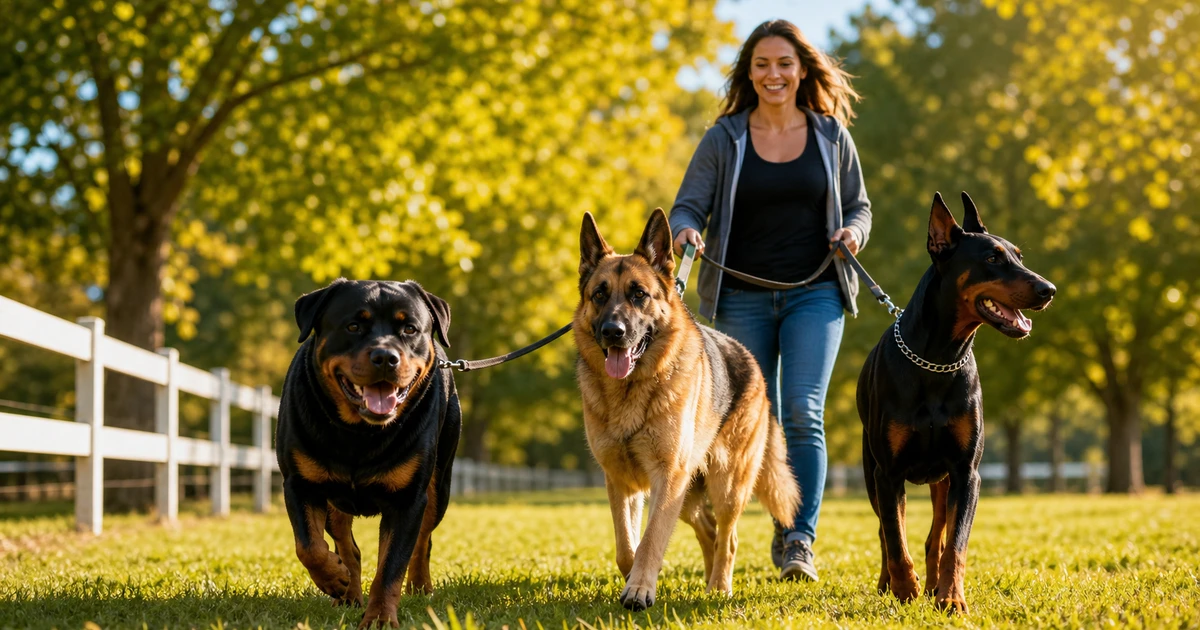
Dog Liability Insurance: What It Costs and How to Get It
Dog-related liability often lives in a homeowners or renters policy. Learn what to check when an insurer excludes a dog, why quotes vary, and how to compare coverage.
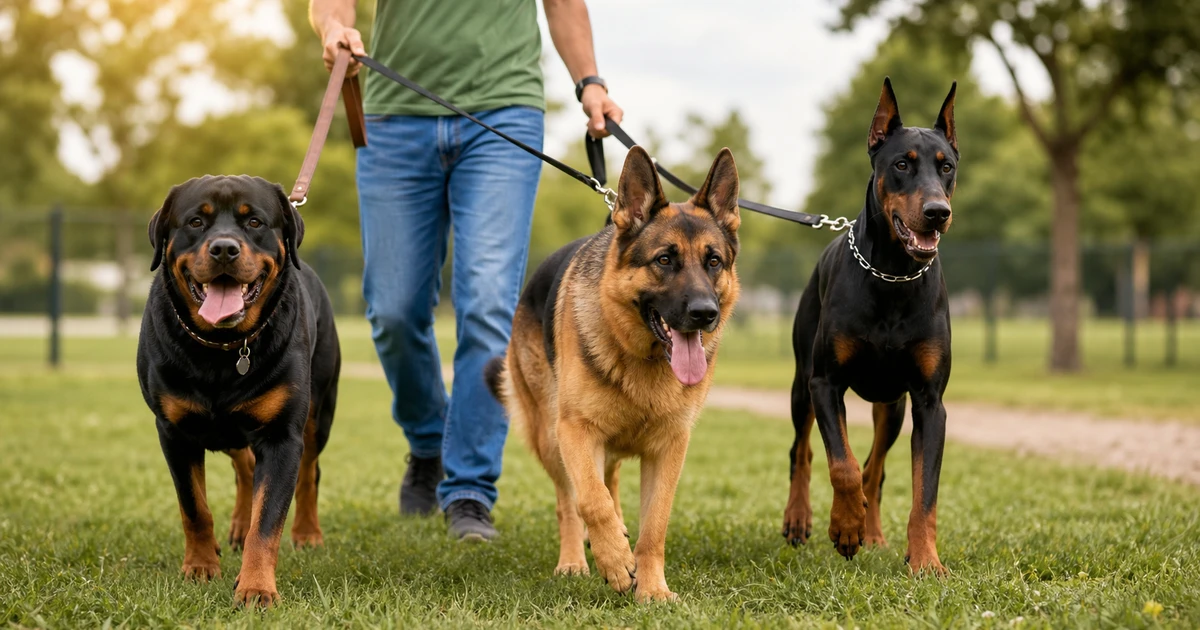
Does Renters Insurance Cover Dog Bites?
Renters insurance may cover dog-bite liability, but limits and exclusions vary. Learn the policy questions to ask before relying on coverage.
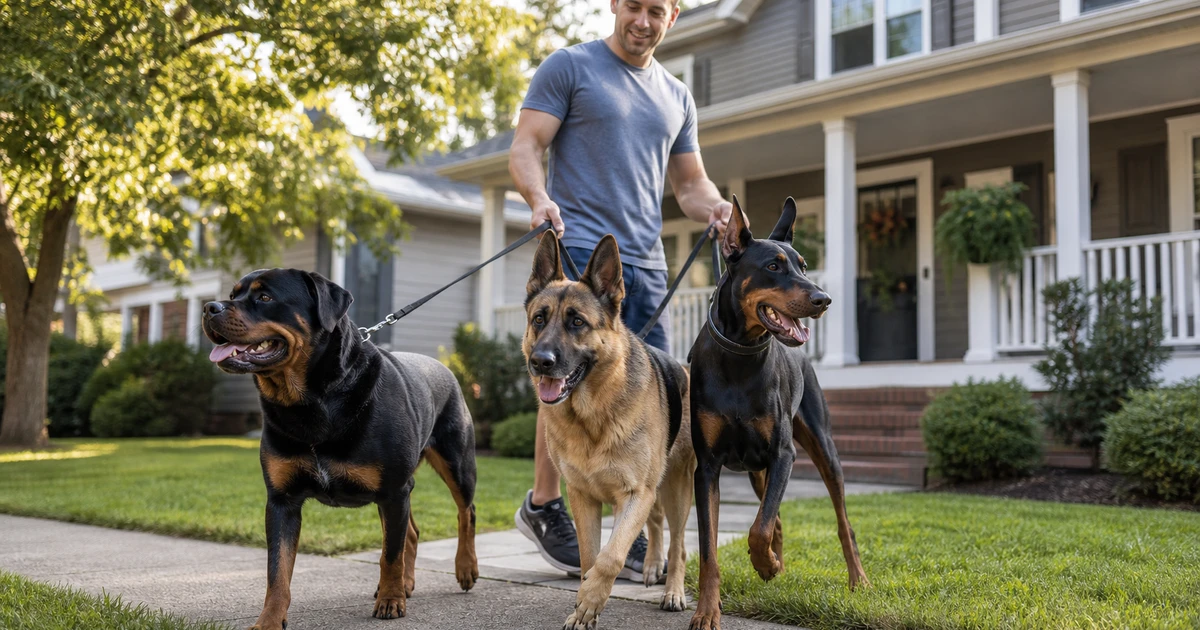
How Dogs Affect Home Insurance (and the Breeds That Raise It)
A dog can add to your home insurance premium through liability risk — and some breeds get restricted or excluded outright. Here's how much it costs and how to stay covered.

Puppy Blues Are Real: A First-Week Diary for Overwhelmed Owners
The first week with a new puppy can shatter your confidence. Crying, regret, and the ‘puppy blues’ are more common than anyone admits.
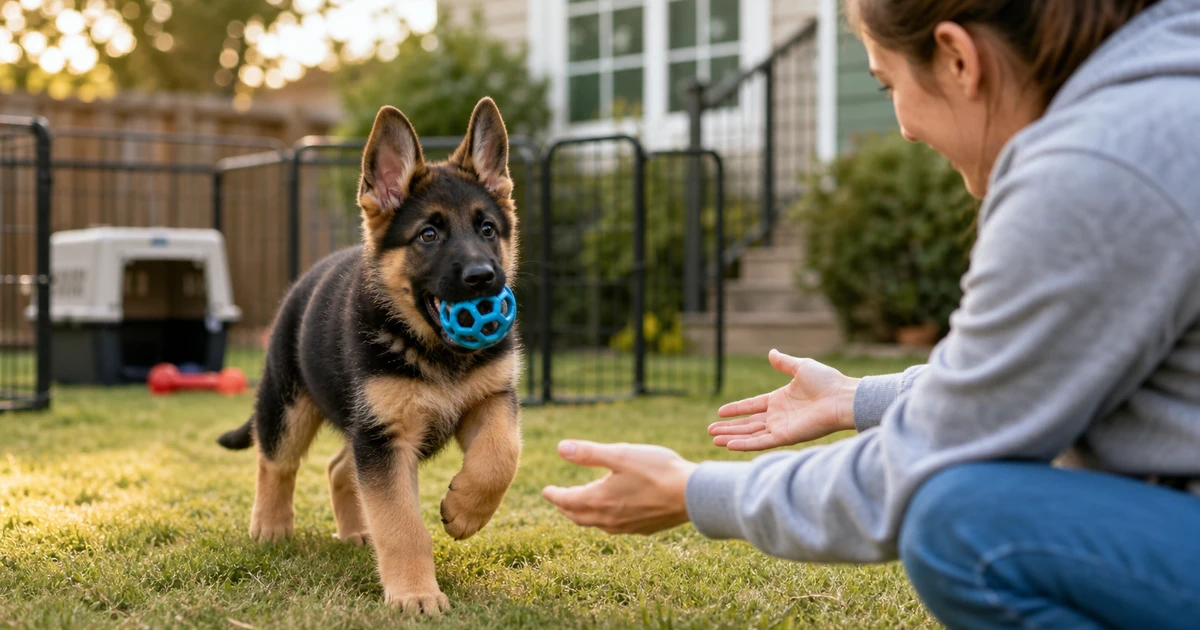
German Shepherd Puppy: Surviving (and Loving) the First 7 Days
The first week with a German Shepherd puppy is equal parts chaos and magic. Here’s how to start crate training, survive the tears, and lay the foundation for a loyal family companion.
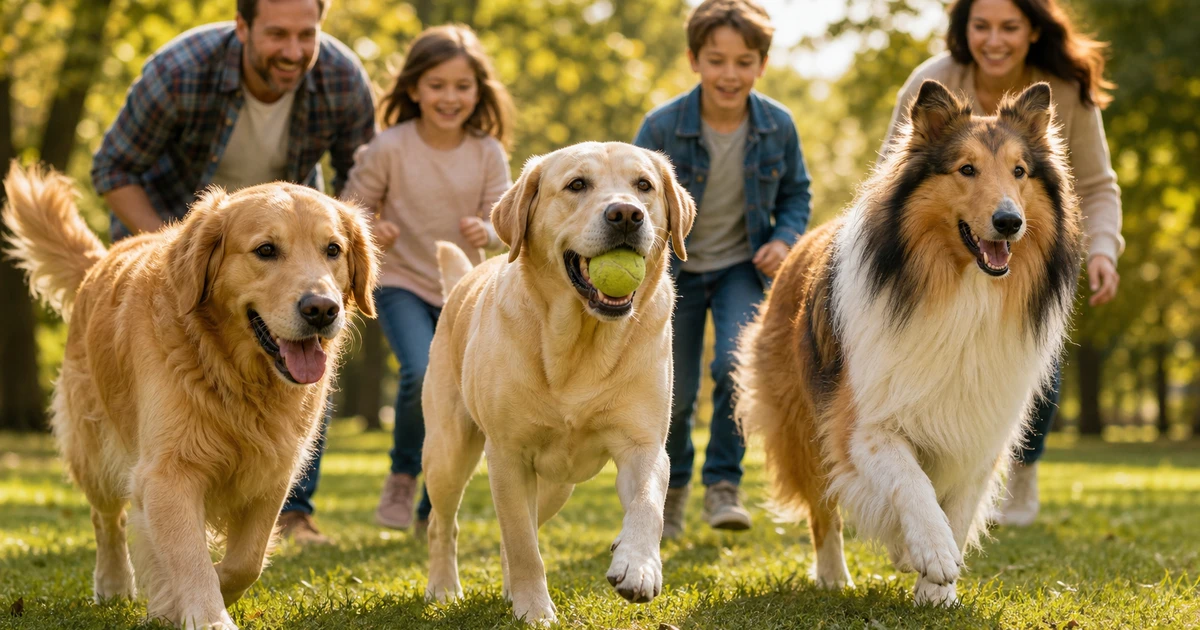
Best Large Dog Breeds for Kids: Gentle Dogs With Big Footprints
Looking for a big, kid-friendly dog? These gentle giants bring love and loyalty — but they also need space, training, and a good vacuum. Find your match.
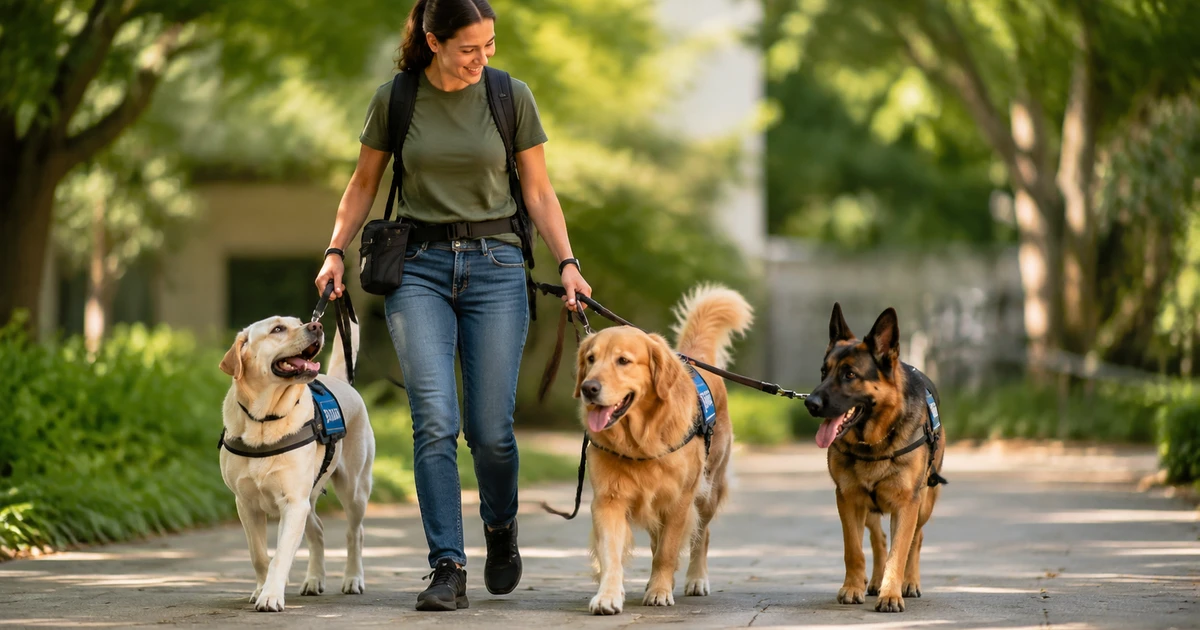
Which Dog Breeds Actually Make the Best Service Dogs — And Why
Trainability beats brawn every time. These six breeds dominate service work for reasons you can measure, not just guess.
Sources & standards
This profile follows recognized breed standards from the American Kennel Club (AKC) and the Fédération Cynologique Internationale (FCI), along with established veterinary and breed-club guidance. These describe general breed tendencies — every dog is an individual.