

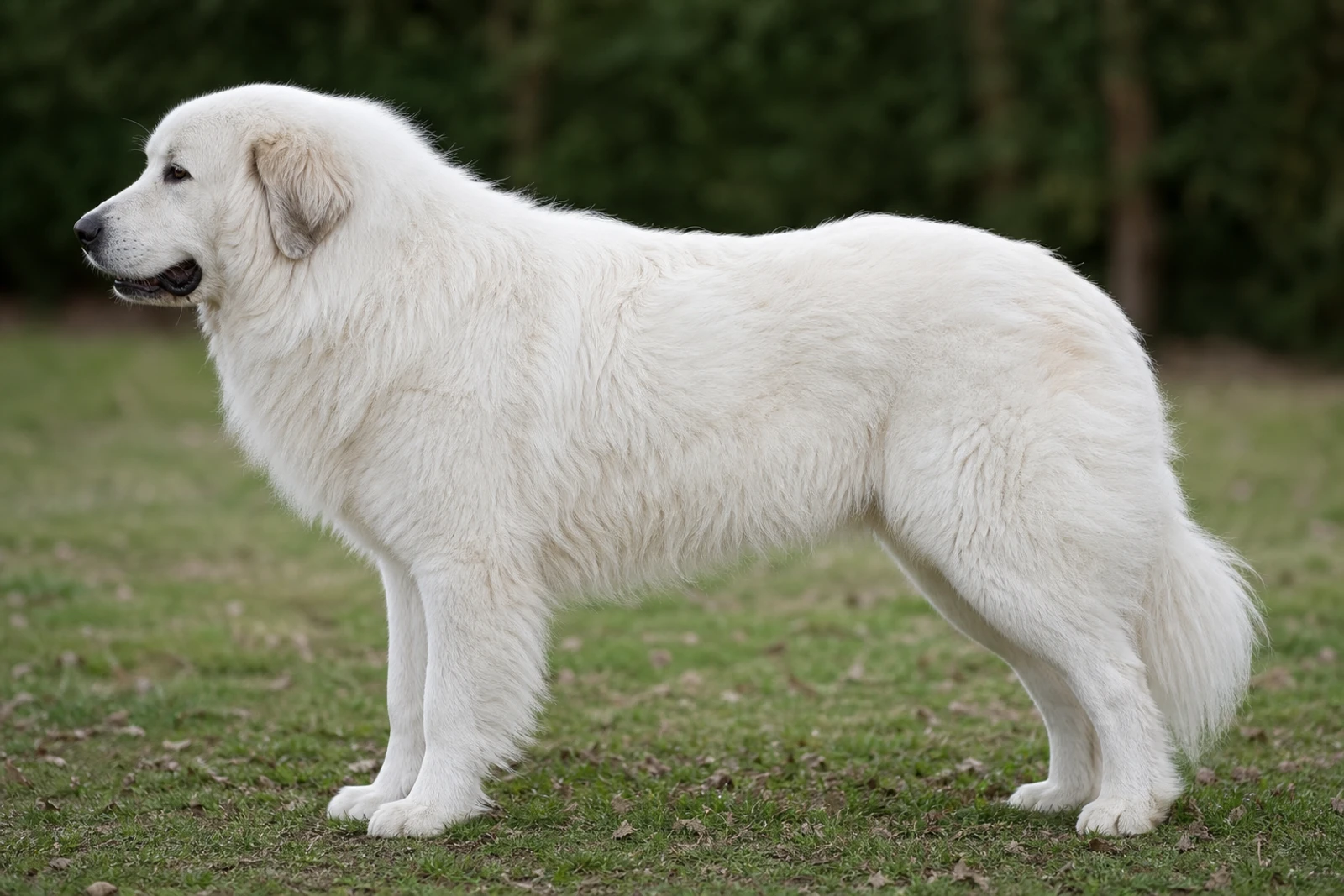
The Great Pyrenees is a majestic, calm, and protective giant breed, originally developed to guard flocks in the Pyrenees Mountains. This gentle dog is best suited for experienced owners with spacious, rural or suburban homes where they have room to roam and a job to do. They are affectionate and patient with children, making them excellent family companions, but their watchful nature leads to frequent barking. With a thick white coat that sheds heavily, they require regular grooming. Not ideal for first-time dog owners, they thrive with consistent training and early socialization.
Great Pyrenees Sticker Pack
36 cartoon stickers • transparent PNG • no watermark
Pinterest-ready
Share all 36 reactions as one sticker sheet
Pinterest opens with the full pack and a fresh, tailored description. You choose the public board and publish it from your own account.
Save the full pack


Choose one reaction above to share it alone, or use the full-pack button for all 36 together.





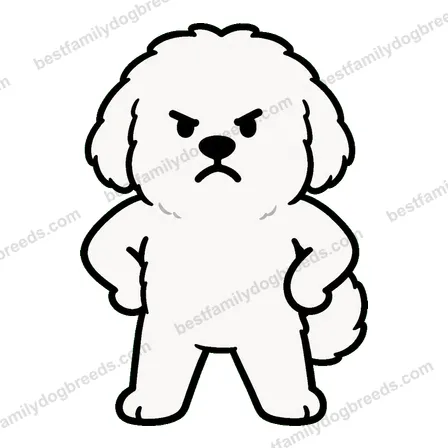
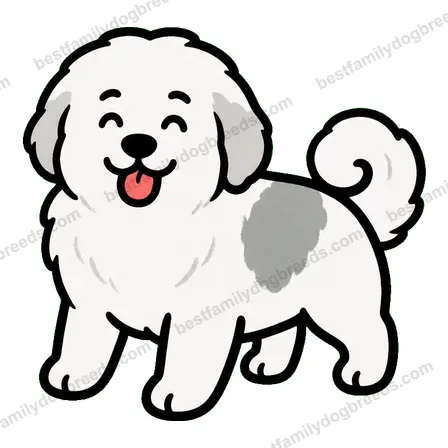
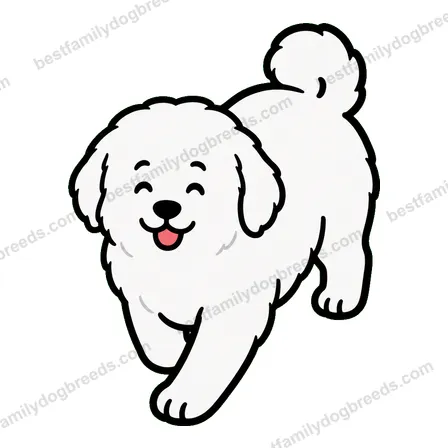


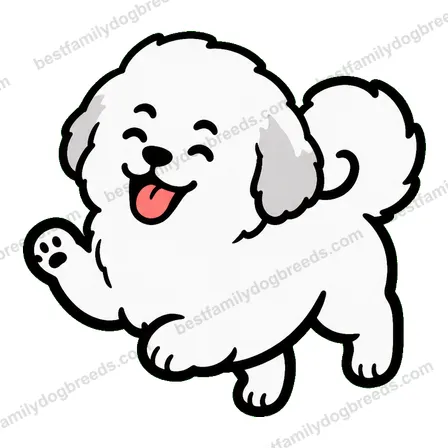

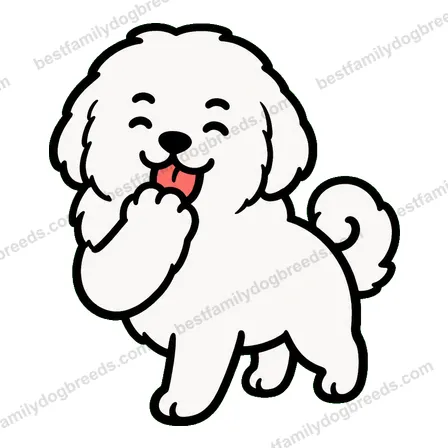
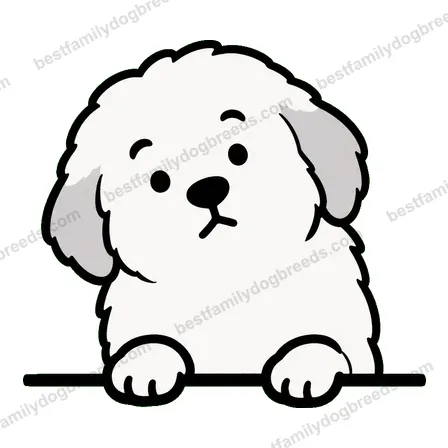
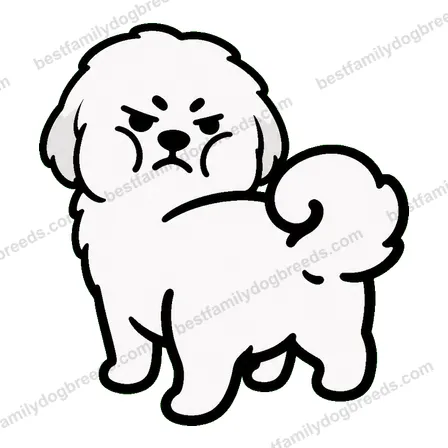



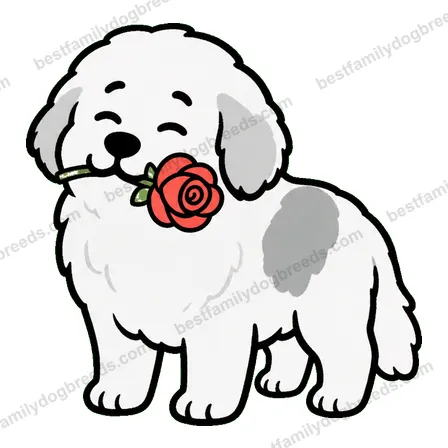


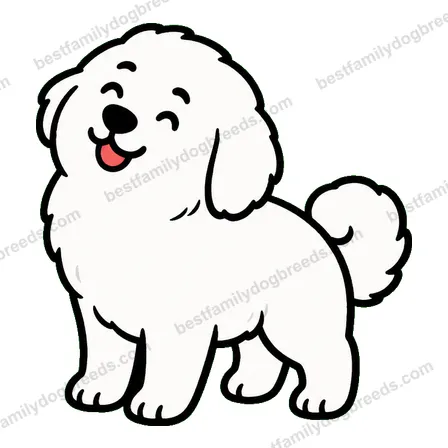




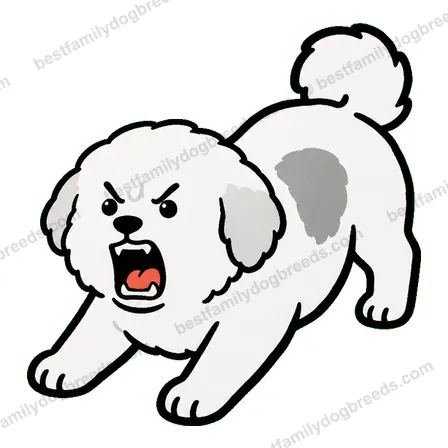
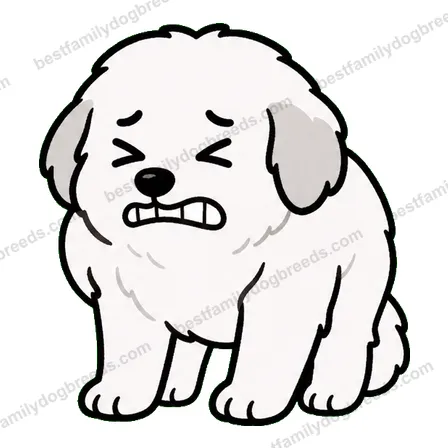

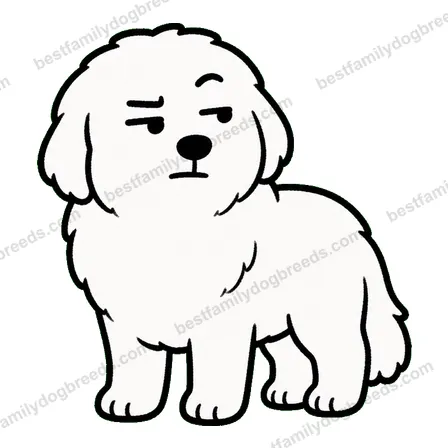


Free full-resolution download — no account, no payment, no watermark.
Includes all 36 transparent PNG stickers in one ZIP. A quick human check is required for each download.
At a glance
- Size
- Giant
- Height
- 26–28 in
- Weight
- 88–110 lb
- Life span
- 9–11 years
- Coat colors
- White, White with Gray markings, White with Badger markings, White with Tan markings
- Coat type
- Thick double coat, weather-resistant
- Group
- Working
How much does a Great Pyrenees cost?
Adopt / rescue
$75–$400
Usually includes spay/neuter, first shots, and a microchip.
Buy from a breeder
$700–$2,000
From a reputable, health-testing breeder.
Approximate USD. Prices vary widely by region, breeder, pedigree, age, and coat colour — adopting is the lower-cost and recommended route. Avoid suspiciously cheap “breeders”; they’re often puppy mills.
Estimate the full cost of a Great Pyrenees →Want the ongoing number? Estimate the monthly food bill for a Great Pyrenees with our dog food cost calculator.
Great Pyrenees photos
Views
Front, side, rear and top — the full silhouette.Poses
How the breed sits, lies, moves and plays.Puppy to senior
The breed across its whole life.Expressions
The breed’s range of moods.Close-up details
Eyes, ears, nose, paws, tail and coat.Coat colors
The breed’s recognized colors.Click any photo to enlarge. We show the Great Pyrenees from every angle — three views, poses, life stages, expressions, close-ups, coat and colors.
Appearance & size
Your first look at a Great Pyrenees stops you in your tracks. This is a substantial, beautifully proportioned dog built to move livestock across mountain terrain — and everything about their appearance says power without clumsiness.
Build & Proportions
A male stands 26 to 28 inches at the shoulder, a female slightly smaller, and the scale routinely tips between 88 and 110 pounds (some well-boned males exceed that). Don’t let the fluff fool you — there’s a deep, moderately wide chest underneath, reaching down to the elbows, and a strong, level back that runs into a muscular, gently sloping croup. The body is slightly longer than tall, giving them a rectangular silhouette that reads “endurance trotter.” Heavy bone and large, close-knit feet with well-arched toes support the frame. The neck is thick but not stuffy, with a slight arch blending smoothly into relaxed, well-laid-back shoulders.
Coat & Color
The coat is the Great Pyrenees’ signature weather armor. It’s a thick, double layer: a dense, woolly undercoat and a long, coarse outer coat that lies flat and resists dirt and moisture. You’ll see a pronounced mane and ruff around the neck and shoulders — especially impressive on males — plus feathering on the backs of the legs and a full plume on the tail. Color is mostly white, though you’ll often find patches of badger-gray, tan, or pale reddish-brown on the head, ears, and base of the tail. A completely white dog is just as correct. The skin itself is darkly pigmented, a trait that helps prevent sunburn at high altitudes.
Distinctive Features
The head has a calm, intelligent expression that’s hard to miss. The eyes are medium-sized, almond-shaped, and a dark brown that gives a soft, contemplative look; the eye rims, nose, and lips should be black. Ears are set low, carried flat against the head when the dog is relaxed, and get raised just slightly when something catches their attention. In profile, you’ll notice a slightly dished muzzle and a gentle stop. From the rear, the signature double dewclaws on each hind leg stand out — well-formed and articulated, not just loose tags of skin — while the tail hangs down at rest and curves up over the back in a graceful wheel when the dog’s alert.
Everything about the silhouette — broad chest from the front, deep body and level topline from the side, strong, straight hocks from behind — tells you this dog was shaped by centuries of working on steep, unforgiving ground.
History & origin
The Great Pyrenees is one of those breeds where the old saying is literally true — they were guarding flocks in the mountains thousands of years before anyone thought to write it down. Fossil remains of large white livestock guardian dogs dating back to the Bronze Age (around 1800–1000 BC) have been found in the Pyrenees region, and there's every reason to believe the breed’s core job hasn't changed much since.
For centuries, these dogs lived in isolated mountain villages along the French-Spanish border, primarily in the Basque country and the high pastures of the Pyrenees. Shepherds bred them for one purpose only: to live with the flock year-round and protect sheep — and sometimes goats — from wolves, bears, and human rustlers. That job shaped everything. The dog needed to be big enough to intimidate a predator, heavily boned with a weatherproof double coat, and calm enough to blend in with the sheep without spooking them. The all-white coat wasn't a fashion choice; it let shepherds pick out their guardian from the flock at a distance and distinguished the dog from a marauding wolf in low light.
By the 17th century, the breed had caught the attention of French nobility. In 1675, King Louis XIV’s court declared the Great Pyrenees the Royal Dog of France, and they became status symbols, guarding châteaux estates in the lowlands as much as sheep in the high mountains. That split — working shepherd’s dog versus estate guardian — created early distinctions between dogs with more massive bone and thicker coats and leaner, lighter-boned dogs still moving sheep in the mountains.
The breed first arrived in North America in the 19th century, but the real foundation for modern U.S. lines came in the 1930s when a couple named Mary and Francis Crane imported several dogs from top European kennels. Their Basquaerie Kennels in Massachusetts became the cornerstone of the breed here. The American Kennel Club recognized the Great Pyrenees in 1933.
Today’s Pyrenees still carries the same instincts that served those ancient shepherds. Even a dog who’s never seen a sheep will patrol a fenced yard with the same methodical sweep and deep, after-dark bark that once warned off wolves above the treeline.
Temperament & personality
A Pyr stretched out on the cool kitchen tile looks like a rug. Don’t mistake that deep stillness for laziness. It’s energy conservation — a livestock guardian shift can start at dusk. Indoors, mature Great Pyrenees are exceptionally calm and undemanding, content to nap near their people. Outside, they transform into a prowling sentry that barks at anything out of place.
With family, gentle but not needy. They lean against you, accept ear rubs, and follow you from room to room without clinginess. Kids are welcomed with surprising tenderness, though a giant dog (88–110 lb) can accidentally bowl over a toddler, so supervision is a must. The breed is famously patient, but that patience has limits — they don’t appreciate rough handling or having their food disturbed. Teach children early to let the dog eat in peace.
That legendary bark is not a phase. A Pyr who spots a squirrel, a delivery truck, or a suspicious shadow will announce it — loudly, and often at night when predators would roam. Centuries of guarding flocks alone in mountain pastures honed a self-employed thinker who decides what’s a threat and acts without checking in. You can temper excessive barking with training, but you’ll never extinguish it.
Independence runs deep. This is a strong-willed dog that evolved to work autonomously. Heavy-handed corrections backfire. Calm, consistent routines and respectful engagement get real cooperation. If you leave a Pyr isolated in the yard all day with nothing to guard and no one to engage with, expect a bored, barker with possible fence-walking and digging. They need a real job, even if that’s just patrolling a securely fenced acre with you.
Quirks to know about.
- Rolling in stink. Your Pyr will happily coat itself in dead fish, manure, or anything foul. Theories range from masking their scent to advertising a food find — or maybe they just enjoy it. Keep a dog shampoo stash handy.
- Chewing with purpose. Puppies chew to ease teething; adults keep their jaws strong and teeth clean by gnawing hard objects. Supply durable chews and redirect furniture chewing with a homemade citrus spray (boiled citrus peels in water).
- Scent marking. Intact dogs, especially, may urinate to mark territory indoors if they smell previous accidents. Clean messes with an enzymatic cleaner or a vinegar spray (white and cider vinegar) to break the scent cue that invites repeat marking. This breed recognizes family members’ scents and can consider the whole house their territory — so initially less-used rooms are prime trouble spots until they’re fully supervised.
Body talk worth learning. A loose, wiggly body with soft eyes says all is well. A forward lean combined with a stiff tail and direct stare is a warning — back off and assess what’s triggered them. Lip licking, yawning, and turning the head away are Pyr calming signals, meaning they’re uncomfortable or trying to defuse tension. Respect those early signs and you avoid bigger problems.
The Great Pyrenees is deeply loyal, unnervingly brave, and challenging for first-time owners. They thrive with experienced people who appreciate a dog that loves hard, guards hard, and never apologizes for barking at 2 a.m. — because that’s the job. Early and ongoing socialization is non-negotiable. Expect indifference to strangers, the potential for same-sex dog aggression, and a fence that’s at least 5 feet tall. The reward is a majestic, heart-in-your-hands companion who takes family protection seriously without ever needing to be told.
Good with kids, dogs & other pets
A Great Pyrenees who grows up alongside children often treats them like a member of the flock — patient, watchful, and surprisingly gentle for a dog that can top 100 pounds. The flip side is that sheer size matters. A happy Pyr can accidentally flatten a toddler with a tail wag or a lean, so you’ll be supervising floor-level interactions until your child is steady on their feet. Teach kids not to climb on the dog, pull fur, or approach food and sleeping spots, and you’ll see the breed’s famously non-aggressive nature shine.
The breed’s guardian history means they take family bonds seriously. This isn’t a backyard dog. A Pyr that is isolated outside for long hours often becomes anxious or barks excessively, and that distress can spill into how they react around the family’s children. They need to be inside with you, part of daily life, to feel settled and safe.
With other dogs, early and ongoing exposure makes all the difference. Start between 3 and 14 weeks, bringing your puppy into calm, positive meet-ups with vaccinated, stable adult dogs. Gradually add new sounds, surfaces, and environments before that 16-week window closes. A well-socialized Pyr is usually tolerant of other family dogs, but same-sex dynamics can sometimes get tense at maturity, so expect to manage introductions with a level head and never force a nervous adult dog into social situations that amp up fear.
Cats and small pets land in a gray area that leans positive — if you lay the groundwork. Many Great Pyrenees were bred to live alongside sheep and poultry, so they don’t have the hair-trigger prey drive of some other breeds. Puppies raised with a housecat routinely curl up together. The caveat: that instinct to guard territory can turn into chasing an unfamiliar cat or a loose rabbit that streaks through the yard. Supervise early interactions, reward calm behavior, and if you have pocket pets, keep their enclosures out of reach of a curious giant nose. The goal isn’t a dog that wants to be friends with every animal on the block — it’s a dog that moves through your household reliably, gently, and without drama.
Trainability & intelligence
Great Pyrenees weren’t bred to take orders — they were bred to make their own calls while guarding flocks high in the mountains. That independence is wired deep. You’re not looking at a golden retriever who lives to please; you’re looking at a 100-pound partner who weighs every request and decides if it’s worth their time. Sit? Maybe. Come? If there isn’t something more interesting in the other direction.
This doesn’t mean they aren’t smart. They learn fast — often after just a few repetitions — but their motivation isn’t your approval. It’s the relationship, the trust, and a clear reason to participate. Harsh corrections or punishment break that trust and can turn a calm dog into a head-shy, shut-down giant. Reward-based training — using high-value treats, praise, and short play bursts — is the only path that works long-term.
- Start puppy training the day you bring them home. Even at 8 weeks, a Pyr pup can learn that a treat appears when you say their name or when all four paws stay on the floor instead of jumping up. Keep sessions to 3–5 minutes and end on a win.
- Socialization is non-negotiable, and the clock is ticking. The prime window is roughly 3–14 weeks old, but you keep building through the first year. Expose them gently to new people, surfaces, sounds, and calm, vaccinated dogs. A poorly socialized Great Pyrenees can tip from aloof guardian into fearful-reactivity — a dangerous outcome in a dog this size.
- Recall will test you. Even a well-trained Pyr may decide that the deer at the fence line or a stranger approaching the property matters more than your
comecommand. Practice recall in secure, fenced areas, and never bet off-leash reliability in an open space. Many owners keep a high-value “emergency” reward (think rotisserie chicken) only for recall, so the word always means something exceptional happens.
The consistent thread is patience and clear communication. This breed doesn’t respond to drill-sergeant repetition. Boredom shuts them down fast. Instead, train with a calm, confident voice, show them what you want, and reward the moment they get it right. Because once a Great Pyrenees trusts you, they’ll move the world for you — on their terms, yes, but with a loyalty that runs bone-deep.
Exercise & energy needs
A Great Pyrenees isn’t going to race you to the front door for a run. Expect a dog who’s more content with a slow, steady patrol than a high-energy workout — but “low-key” doesn’t mean “no exercise.” A pair of 20- to 30-minute walks each day, plus sniffing time in a securely fenced yard, usually hits the sweet spot. Just be ready for them to plant their feet and stare at you if the route feels pointless to them. Switching up the path or hiding a treat in your pocket helps with motivation.
Intensity matters less than consistency, and you’ll want to avoid pushing a young or growing Pyr into hard running, jumping, or long forced marches. Their giant frame takes up to two years to mature, and high-impact exercise can strain developing joints — a real concern in a breed prone to hip dysplasia. Stick to flat, grassy ground when you can, and skip the midday pavement in hot weather; that thick double coat heats up fast.
Mental work matters as much as the walk itself. These dogs were bred to scan a hillside for hours and make independent decisions, so a bored Pyr will invent his own job — often barking, digging, or re-landscaping the yard. Give them something legitimate to do instead:
- Scent games: hide kibble in the grass or a snuffle mat
- Puzzle feeders or frozen Kongs that take 20 minutes to dismantle
- “Watching the world” time: a window perch or a fenced area where they can monitor the neighborhood
- Short training sessions — they’re smart but stubborn, so five minutes of rewarded practice works better than drilling
In cool weather, some Pyrs enjoy pulling a cart or carrying a backpack on walks, but only after they’re fully grown and if you build up the weight slowly. Most will not fetch. If you throw a ball, you might get one desultory chase and then a look that says you can go get it yourself. A tired, mentally satisfied Pyr, though, is a calm, unshakable presence in the house — not a marathon partner, but a steadfast companion who’s happy to settle in after a good stroll and a thorough sniff of the perimeter.
Grooming & coat care
Expect hair. Lots of it. The Great Pyrenees wears a thick, weather-resistant double coat — a soft, dense undercoat and a longer, coarser outer coat that repels dirt and moisture. That combination means this breed sheds year-round, with two massive seasonal blowouts in spring and fall when the undercoat comes out in cloud-sized clumps.
Grab a slicker brush with rounded pins or a long-toothed pin brush as your daily driver. You’ll need it at least three to four times a week to keep loose fur from forming mats, especially behind the ears, under the legs, and in the fluffy britches. During shedding season, daily brushing is non-negotiable — it cuts down on the drifts of white hair taking over your floors and helps the skin breathe. A wide-toothed metal comb or an undercoat rake gets down into that dense insulation and pulls out dead hair the slicker can’t reach.
Bathing is a once-every-month-or-two job, sometimes even less if the dog isn’t muddy. The double coat naturally sheds dirt, so over-washing can strip oils and lead to dry, irritated skin. When you do bathe, use a gentle dog shampoo and condition the feathering lightly, then rinse until the water runs clear — dried soap residue is a magnet for mats. Thorough drying matters more than the bath itself; a damp undercoat can turn musty fast.
Trim those dewclaws regularly, especially the double ones on the rear legs. They never touch the ground, so they don’t wear down and can curl back into the pad if ignored. Check and clean the floppy ears weekly — moisture and lack of airflow set the stage for infections. Teeth brushing two or three times a week keeps the tartar at bay, though daily is better.
Seasonal coat care simply means doubling down on the brushing and raking as the weather shifts. A forced-air dryer (or a strong cool setting on a human dryer) after a bath can blast out loose undercoat before it lands on your couch. Just accept that you’ll be vacuuming this dog’s glowing white tumbleweeds, and invest in a good pet hair tool for your home.
Shedding & allergies
If you’re picturing a clean black sofa and a dog that barely leaves a trace, turn back now. The Great Pyrenees is a heavy, year-round shedder wrapped in a luxurious white double coat. That coat is designed to withstand mountain weather — a dense, woolly undercoat for insulation and a long, coarse outer coat that sheds dirt and moisture. It’s magnificent. And it will coat your floors, furniture, and dark clothing in a fine layer of white fluff every single day.
Twice a year, the real show begins. In spring and fall, Pyrs “blow” their undercoat, shedding enormous volumes of fur in a concentrated three- to four-week window. You’ll pull tufts the size of cotton balls out of the dog — and still find tumbleweeds of hair rolling across the kitchen floor an hour after vacuuming. During these blowouts, daily brushing with a slicker brush or undercoat rake is non-negotiable. The rest of the year, three or four solid brushing sessions a week will keep the fur tsunami manageable, but you’ll still be emptying the vacuum bin constantly.
Then there’s the drool. Big jowls and a relaxed lip line mean Great Pyrenees drool after drinking, eating, or just standing there pondering life. Expect glossy ropes of saliva to fly when they shake their head, leaving marks on walls and ceilings. A dedicated drool rag becomes part of your home decor.
As for allergies: this breed is the opposite of hypoallergenic. Massive shedding plus skin dander plus airborne coat-blowout particles are a miserable combination for anyone allergic to dogs. Even people with mild sensitivities often react to a house full of Great Pyrenees fur. If anyone in your household has dog allergies, this is not the breed for you. The only realistic allergy strategy is a hard pass — and a different dog.
Diet & nutrition
Keeping a Great Pyrenees lean is one of the most important things you can do for his long-term health. This giant breed, typically 88–110 lb, already carries significant load on hips and elbows, and any extra weight ramps up the risk of joint trouble. Many Pyrs are surprisingly food-motivated and will happily overeat if given the chance, so portion control is non-negotiable. Measure meals with a real cup, adjust based on activity, and keep an eye on that waistline — you should feel ribs easily under the thick coat.
Puppy feeding schedule
A Great Pyrenees puppy grows fast, so timing matters. Stick to four evenly spaced meals a day until four months, then drop to three meals until six months, then two meals a day like an adult. Transitioning to a new food? Go slow; start with lightly cooked and puréed meats, fish, fruits, and veggies, or a high-quality commercial puppy formula. Raw bones like chicken wings can be introduced around 12 weeks — always supervised. That even growth rate helps protect developing joints.
What to put in the bowl
A practical target for a balanced home-prepared diet: roughly 60% raw and cooked meat, 20–30% fruits and vegetables, and 10% other ingredients like eggs, grains, or plain yogurt. Because dogs lack the sideways jaw motion and salivary enzymes we use, blending or processing fresh meals lightly can boost nutrient absorption. Canned fish, cooked veggies, eggs, and grains can become healthy, fast meals on busy days; pearl barley is a digestible fiber choice if your dog tolerates grains well, while white rice suits sensitive stomachs.
Avoiding pitfalls
This breed does not need table scraps. Rich, fatty foods — especially after holidays — can trigger pancreatitis fast. If you do have safe leftovers, put them in his own bowl, not from your plate, to stop begging before it starts. Use a food puzzle bowl for dogs that inhale meals; it slows eating and keeps that brain busy.
Older dogs
As your Pyr ages and naturally slows down, scale back calories before you see weight creep up. There’s no solid evidence that healthy seniors need less protein, so don’t reflexively switch to low-protein food. Smaller, more frequent meals can be easier on an older belly, and if teeth are missing, purée the meals so nutrition actually gets absorbed.
Health & lifespan
The first number you need to know is 9 to 11 years. That’s the typical lifespan for a Great Pyrenees — on the short side, but normal for a giant breed pushing 100 pounds or more. A well-bred, carefully managed pup can hit the upper end of that range, but they won’t last as long as a small dog, and the health issues that come with their size demand early attention.
Joints and bone structure
Like most giant dogs, Pyrs can be prone to hip dysplasia and elbow dysplasia, where the joints don’t form smoothly and lead to painful arthritis down the road. Patellar luxation (slipping kneecaps) pops up in the breed, too. Responsible breeders screen breeding stock with OFA or PennHIP evaluations for hips and elbows, and they can show you the results. Without that paperwork, you’re gambling on a lifetime of mobility trouble. Keeping a Pyr lean — not just “not fat” but genuinely slender — takes pressure off those growing joints. Even an extra 5–10 pounds makes a difference.
Bloat (GDV)
Gastric dilatation-volvulus is the emergency no one wants to face. Their deep chest makes them a candidate. The stomach fills with gas and can twist on itself, cutting off blood flow. It kills quickly without surgery. You’ll hear advice like resting the dog after meals and splitting food into two portions instead of one big bowl. A prophylactic gastropexy (tacking the stomach in place) during spay or neuter is something to discuss with your vet if you’re in a higher-risk household.
Eyes and skin
Entropion, where the eyelid rolls inward and lashes scrape the cornea, shows up often enough that breeders should have annual CAER eye exams on their dogs. Cataracts can appear later in life. That thick double coat can also hide trouble: hot spots, allergies, and yeasty ears flourish in trapped moisture, especially if the dog spends a lot of time outside. Brushing down to the skin and drying out the undercoat after rain or a swim helps prevent minor issues from turning into infections.
Everyday care that keeps them going
These dogs were built to live outdoors guarding flocks, so mosquito-season heartworm prevention (monthly, plus one month after the season ends) isn’t optional — particular if your Pyr sleeps in a barn or patrols a pasture. Rabies vaccination is legally required anywhere in the U.S., and because a Great Pyrenees may square off with wildlife, staying current matters more than ever. They’ll also need more frequent vet checks as they age; even a subtle drop in appetite or a shift in how they get up off the floor can signal joint pain that’s better caught early.
Stick to a high-quality diet that doesn’t push rapid growth, watch their weight with an honest eye, and follow through on the screenings your breeder should already be championing.
Living environment
A Great Pyrenees is a terrible fit for an apartment and will quietly tell you so by barking every time a neighbor three floors down closes a cabinet. This is a giant livestock guardian breed built to patrol acres in all weather, and the close quarters of shared walls turn their natural watchfulness into a liability.
- House with a yard is non-negotiable. A securely fenced yard gives them the patrolling territory they crave. We’re talking a tall, physically installed fence — at least 5 to 6 feet. These dogs can easily scale a 4-foot chain-link fence if something interesting (or suspicious) is on the other side.
- Underground containment is useless. A Pyr's protective instinct blows right through a shock collar’s deterrent. They’ll take the zap and keep going if they think a coyote is a threat to their flock — which is your family.
- They prefer cool to cold climates. That dense double coat insulates them against snow and freezing nights. In hot, humid weather, you’ll need to shift exercise to early morning or late evening and provide deep shade and cool water. Many will dig themselves a wallow in the dirt to escape the heat, so expect some landscaping casualties.
- Night barking is a feature, not a bug. Historically, they were left with flocks after dark to ward off predators. That means your Pyr may bark for long stretches at night — at a raccoon, the wind, or a car door a block over. Desensitization and quiet commands can take the edge off, but you’ll never train it out completely. This is the single biggest reason they end up in rescue.
- They tolerate alone time better than many guardian breeds. Pyr cut their teeth working independently on mountainsides, so they’re less prone to separation anxiety than a velcro breed. But boredom is different. Left alone in a bare yard for 10 hours, they’ll dig to China or bark nonstop. A long-lasting chew, puzzle toy, or frozen food-stuffed bone goes a long way when you're gone.
- Giant breed joint rules apply. Avoid structured running or repetitive jumping on hard surfaces until growth plates close, usually around 18-24 months. The yard itself provides their ideal exercise: a few laps of perimeter patrol mixed with long naps on the coolest spot they can find.
Who this breed suits
The Great Pyrenees is not a dog that tries to earn your approval. He already knows his job, and he’ll do it whether you agree or not — that’s the core reality of living with a 100-pound, mountain-bred guardian. The right match starts with respecting that independence.
Experienced owners who’ve handled large, willful breeds before will catch the rhythm fastest. This isn’t a golden retriever who lives to fetch; he’s a calm, watchful presence who needs a property to patrol. A house on acreage or a quiet suburban lot with a six-foot fence is the minimum. Homesteaders with actual livestock get a dog in his element, but even a family who simply values a quiet (indoors) yet deeply protective shadow can make it work. The trade-off is constant — you accept the nocturnal barking, the blizzard of white fur, and a dog who sometimes decides the recall command is optional.
- First-time owners: Step back. A 90-pound adolescent who was bred to work alone at 10,000 feet will out-stubborn a novice handler every time. You’ll need training savvy, not just enthusiasm.
- Active families: Good fit if “active” means long walks on a leash rather than off-leash Frisbee at the park. They’re famously gentle with children they’re raised with, but a Pyr’s swinging head or a full-force tail wag can easily floor a toddler. Older kids who respect the dog’s need for alone time do better.
- Seniors: The sheer physical power is the dealbreaker. A squirrel can trigger a lunge that yanks a grown adult off their feet. Inside, a resting Pyr is a 100-pound tripping hazard. A very fit senior who knows giant breeds might handle a calm older rescue, but it’s the exception.
- Singles: Workable only if your schedule bends around the dog. Leaving a Pyr alone in a small apartment for ten hours is a recipe for destruction and deep, unhappy barking. A single person with a flexible rural lifestyle and the time to socialize a watchful giant can build an incredible bond.
Think twice if you want a dog that’s quiet, easy to train off-leash, or low-shedding. A Pyr’s bark is thunderous and frequent — it’s how he guards. Shedding is year-round with huge seasonal blowouts. An underground fence means nothing to a breed that evolved to ignore discomfort and patrol for miles. Left unsecured, he’ll wander off to guard the neighbor’s property without a second thought.
Cost of ownership
The dog’s price tag is just the first line item. Expect to pay $800–$2,500 for a well-bred Great Pyrenees puppy from a breeder who screens for hip, elbow, and eye issues. Show-line or working-line pups with champion parents can push past $3,000. Adoption through a Pyr-specific rescue typically runs $150–$500, often covering spay/neuter and initial vaccines.
After you bring that cotton-ball pup home, the monthly math stays giant-sized for the rest of his 9- to 11-year life.
Food — An adult will eat 4 to 6 cups of dry food daily, and a growing puppy can easily match that. Premium large-breed formulas run $70–$100 a month. Cheap grocery-store kibble drops the number but often triggers more shedding, skin problems, and joint stress you’ll pay for later.
Grooming — You’re dealing with a dense double coat that sheds year-round and “blows” profusely twice a year. A professional groom for a 100-pound dog with that much hair usually costs $100–$150 per session, and you’ll need it every 6 to 8 weeks if you skip the home maintenance. DIY saves cash, but you’ll invest in a high-velocity dryer, undercoat rake, and slicker brush upfront.
Vet and prevention — Routine annual visits, plus heartworm, flea, and tick preventatives dosed for a giant breed, average $50–$75 a month. Bloat, cruciate ligament tears, or hip dysplasia can hit $3,000–$7,000 for a single emergency. Insurance premiums for a Great Pyrenees typically land between $60 and $120 a month, driven by those risks. Without insurance, building a dedicated emergency fund of $5,000–$10,000 is the realistic safety net.
Other recurring hits — Extra-large beds, heavy-duty crates, 6-foot fencing (they’re born wanderers), and occasional surprise trips to the vet for eating something they shouldn’t. Pack on another $30–$50 a month for training treats, tough chew toys, and replacements for things a bored Pyr can dismantle.
Real-world, expect to spend $250–$400 a month for a healthy adult Pyrenees, not counting training classes or that first round of puppy supplies. A puppy year will run higher because of initial gear, vaccination series, and faster food burn.
Choosing a Great Pyrenees
You don’t bring a Great Pyrenees home on a whim. This is a giant, independent livestock guardian who will top 100 pounds and live 9 to 11 years. A bad match from a careless breeder means heartbreak and a 110-pound problem. A good match, whether from a responsible breeder or a rescue, changes everything.
Start with the source
Rescues are full of adolescent Pyrs — often surrendered because the original owner underestimated the barking, the shedding, or the dog’s instinct to patrol a fence line at 3 a.m. That doesn’t make them broken; it makes them a breed in the wrong setting. An adult rescue lets you skip the puppy chaos and see the dog’s actual temperament. If you go this route, ask about livestock exposure, fence-jumping history, and how the dog reacts to strangers.
Responsible breeders don’t just hand you a fluffy white puppy. They breed to preserve working temperament and sound structure, and they live with dogs who shed mountains of hair and sound the alarm at every leaf. Expect to be grilled about your yard, fence height (six-foot is not a suggestion), and whether you understand this is not an off-leash park dog.
Non-negotiable health clearances
Giant, fast-growing dogs carry risk. A breeder should readily show you OFA or PennHIP results for hips and elbows — scores matter here, not just a vet check. Ask for current eye certification (CAER), a cardiac exam, and patella evaluation. Some also screen for degenerative myelopathy (DM) and thyroid function. Bloat (GDV) isn’t screened via genetics, but a breeder who discusses preventative gastropexy and feeds large-breed puppy food understands what you’re up against.
Red flags that should send you walking
- No health testing beyond “vet checked.”
- Multiple litters on the ground at once, or puppies always available.
- A breeder who focuses on “rare” colors, massive size over 120 pounds, or blue eyes.
- Shipping a puppy sight unseen with zero questions about your home.
- Dogs who shy away from humans or seem skittish — a stable Pyr is calm and watchful, not fearful.
Picking your puppy
You’re choosing a personality that must coexist with your household for a decade. Spend time with the dam; she’s the best predictor of adult temperament. Look for a puppy who investigates you without jumping all over, then settles. Avoid the pup who hides in the corner or the one who barrels over littermates with no pause. Reputable breeders often match you to a puppy based on upbringing and goals — let them do their job.
Bring home a Great Pyrenees only if you’re ready for a deeply loyal, night-barking, fur-tumbleweed-producing guardian who won’t ever be a Labrador. If you’ve got a securely fenced property and a tolerance for independence, you’ll get it right from the start.
Pros & cons
-
Gentle and patient with children, often watching over them like a fluffy guardian — they earn the “gentle giant” label honestly.
-
Natural protector who doesn’t need guard-dog training; they’ll patrol your property and alert you with a deep, booming bark if anything seems off.
-
Calm and surprisingly low-key indoors once mature — a 100-pound dog content to lounge at your feet after a solid walk.
-
That thick, white, weather-resistant coat gives them a majestic, almost regal look, and they carry themselves with quiet dignity.
-
Usually coexist well with other household pets, including cats and other dogs, especially when raised together.
-
Shedding is a daily reality, with massive seasonal blowouts that blanket your home in white fur; expect to vacuum often and brush frequently.
-
Nighttime barking is deeply ingrained — they’re wired to sound off at every perceived threat, real or imagined, which can sour neighbor relationships.
-
Independent thinking borders on stubbornness; they were bred to make decisions on their own, so off-leash reliability is poor and training demands patience.
-
A tall, sturdy fence (5–6 feet minimum) is non-negotiable, and they may dig escape tunnels under it if left bored in the yard.
-
Giant-breed health issues like bloat, hip dysplasia, and elbow dysplasia can appear; responsible breeders screen, but lifetime vet care is expensive.
-
Not a fit for apartment living or first-time owners — a Pyr needs space, a confident handler, and a job, even if that job is guarding the living room sofa.
Similar breeds & alternatives
If the Great Pyrenees’ gentle, stoic nature feels almost right but the nocturnal barking or sheer independence gives you serious pause, a handful of other livestock guardian breeds split in ways that can tip the scales for a specific household.
-
Kuvasz – Lighter on their feet than a Pyr, standing 28–30 inches and weighing 70–115 pounds, the all-white Kuvasz tends to be more intense and less forgiving of unfamiliar people in its space. A well-socialized Pyr might accept a supervised guest with a quiet sniff; a Kuvasz often stays wired and watchful. They channel a similar protective streak into a quicker, more nonstop alert system, demanding an owner who can handle that edge without getting frustrated.
-
Maremma Sheepdog – The closest visual match, at 66–100 pounds and 24–27 inches, but the Maremma is often even more independent and less interested in human interaction beyond its immediate flock or family. Many thrive best in true working settings where they bond hard with livestock; a strictly pet Maremma without a clear job can develop neurotic habits. The Great Pyrenees generally bends more comfortably into indoor family life, provided you’re ready to manage the guarding instinct instead of fighting it.
-
Anatolian Shepherd Dog – A short-coated, fawn-with-black-mask alternative (80–150 pounds, 27–29 inches) that’s faster, more agile, and carries a hair-trigger protective response. Where a Pyr often hangs back and assesses, an Anatolian is more likely to act first. That makes them brilliant on large, remote acreage but a serious liability in a tight suburban yard. You get lower drool and less fluff, but you trade it for a dog with even sharper edges and a need for a truly knowledgeable handler.
-
Newfoundland – If the giant, fluffy silhouette is what grabbed you but you’d rather skip the nightly perimeter patrols, the Newfoundland flips the script. These 26–28-inch, 100–150-pound sweethearts were built for water rescue, not property defense; they’re famously patient with strangers and kids. Expect more drool, a black, brown, or Landseer coat, and a dog that snoozes through door knocks instead of bellowing at them.
A sit-down with the parent dogs will tell you more about real-world temperament than any breed summary—and if family peace hinges on quiet nights, the Maremma and Anatolian will magnify, not muffle, the barking habit.
Fun facts
- Bred to guard sheep in the Pyrenees Mountains and still retains a strong protective instinct.
- Possess double dewclaws on each hind leg, a distinguishing breed characteristic.
- Known as 'gentle giants' and often excel as therapy dogs due to their calm nature.
- Their white coat helped them blend in with sheep, making them effective nocturnal guardians.
Frequently asked questions
- Are Great Pyrenees good with children?
- Great Pyrenees are typically gentle and patient with children, often forming close protective bonds. Their large size means supervision is recommended around younger kids to prevent accidental knocks. Early socialization further encourages calm, tolerant behavior.
- How much do Great Pyrenees shed?
- This breed sheds heavily year-round, with more intense shedding once or twice a year as they blow their undercoat. Frequent brushing, at least two or three times a week, helps manage loose fur and keeps the skin healthy.
- How much exercise does a Great Pyrenees need?
- Great Pyrenees have moderate exercise needs and enjoy a daily walk along with access to a securely fenced yard. They tend to be calm indoors and are not hyperactive, but mental stimulation and room to roam are important for their well-being.
- Do Great Pyrenees bark a lot?
- Yes, they are known for being vocal and bark to alert their family of anything unusual, a trait inherited from their livestock guardian background. Training can help manage excessive barking, but their watchdog nature means some barking should be expected.
- Are Great Pyrenees easy to train for first-time owners?
- They can be challenging for first-time owners because of their independent and sometimes stubborn temperament. Consistent, positive reinforcement training from an early age is important, but their natural decision-making instincts can make obedience a test of patience.
- Can a Great Pyrenees live in an apartment?
- Great Pyrenees are generally not suited to apartment living due to their large size, tendency to bark, and need for space to move comfortably. A home with a fenced yard is a better fit, though they can adapt if given ample outdoor exercise and mental engagement.
Tools & calculators for Great Pyrenees owners
Quick estimates tailored to Great Pyreneess — pre-filled with this breed’s size where it matters.
Articles & stories about the Great Pyrenees
Sources & standards
This profile follows recognized breed standards from the American Kennel Club (AKC) and the Fédération Cynologique Internationale (FCI), along with established veterinary and breed-club guidance. These describe general breed tendencies — every dog is an individual.