

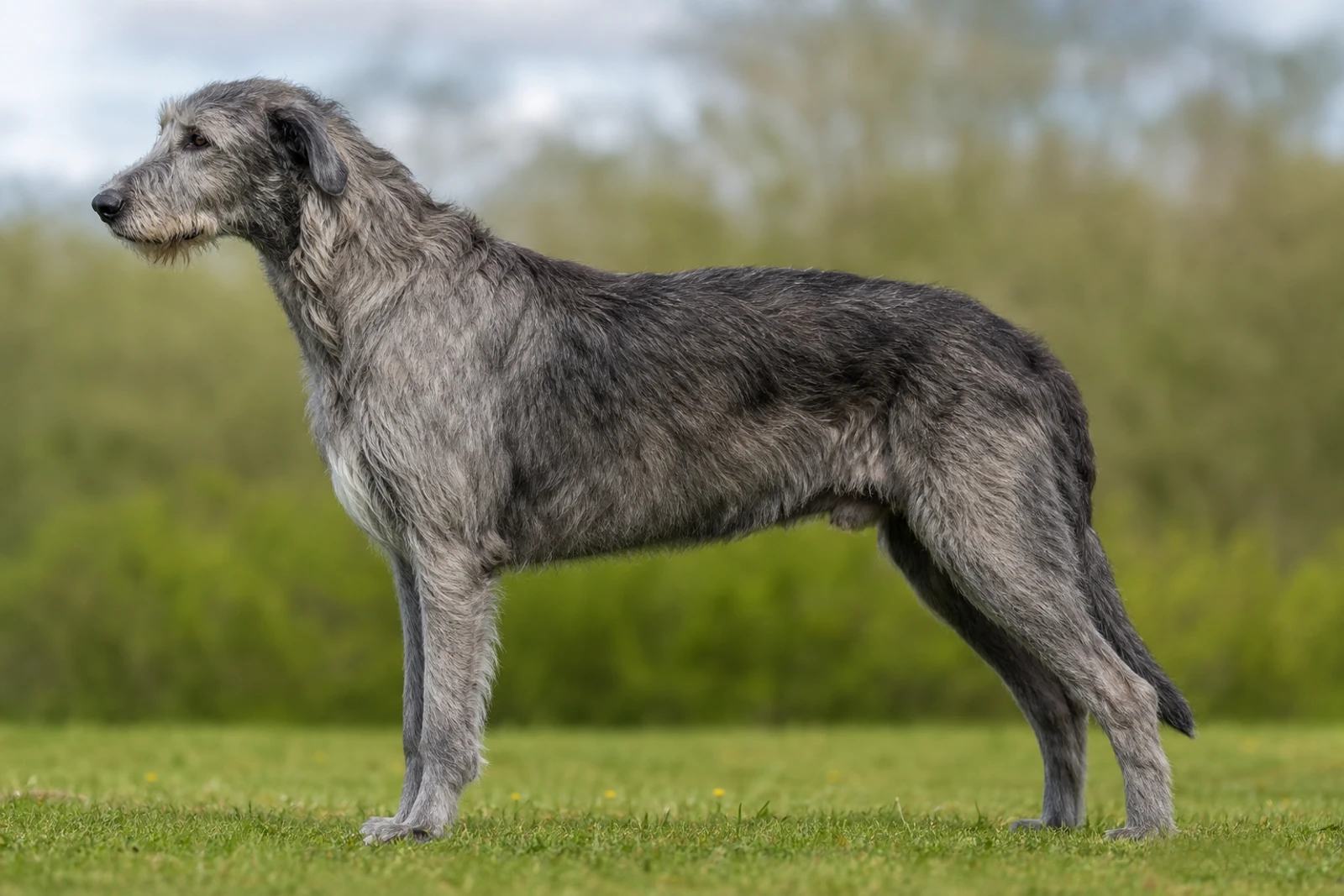
The Irish Wolfhound is a calm, gentle giant ideal for families with plenty of space who want a loyal, low-energy companion. Despite their imposing size, they are affectionate and patient, though not suited for small homes or novice owners due to their immense stature and specific care needs. They thrive with moderate exercise and human closeness.
Irish Wolfhound Sticker Pack
36 cartoon stickers • transparent PNG • no watermark
Pinterest-ready
Share all 36 reactions as one sticker sheet
Pinterest opens with the full pack and a fresh, tailored description. You choose the public board and publish it from your own account.
Save the full pack


Choose one reaction above to share it alone, or use the full-pack button for all 36 together.


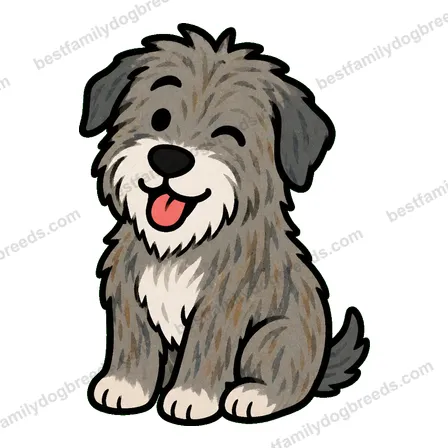
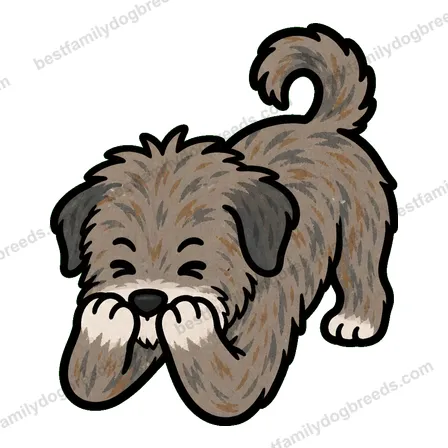





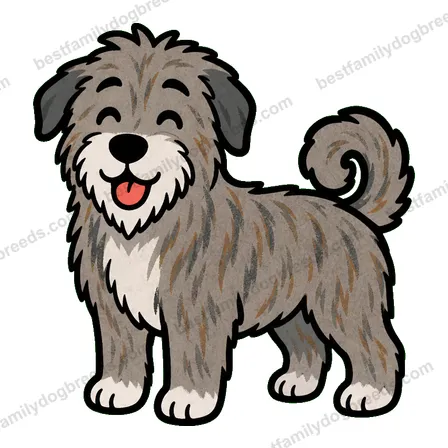
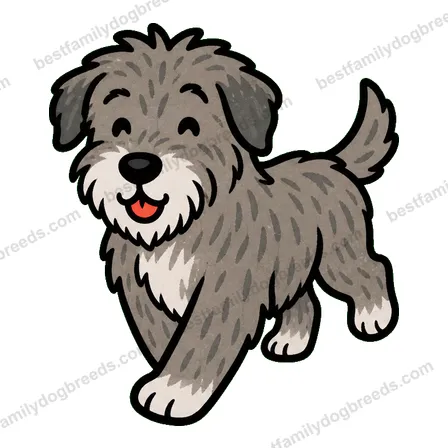


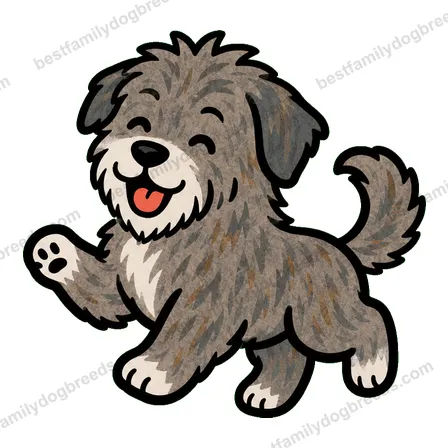
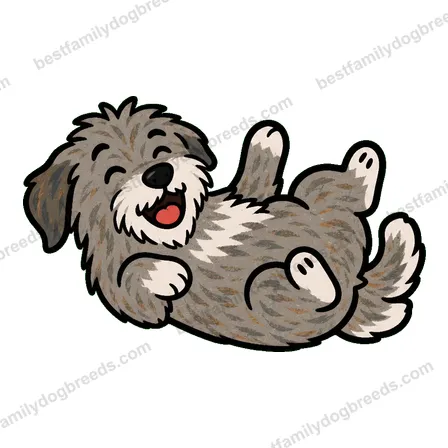

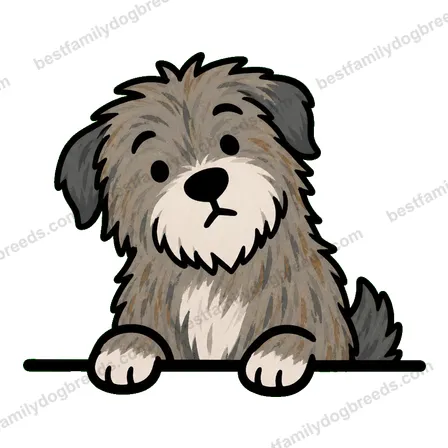















Free full-resolution download — no account, no payment, no watermark.
Includes all 36 transparent PNG stickers in one ZIP. A quick human check is required for each download.
At a glance
- Size
- Giant
- Height
- 28–34 in
- Weight
- 105–150 lb
- Life span
- 8–10 years
- Coat colors
- gray, brindle, red, black, white, fawn, wheaten
- Coat type
- rough and wiry double coat
Compare Irish Wolfhound vs
Compare with any breed →How much does a Irish Wolfhound cost?
Adopt / rescue
$150–$500
Usually includes spay/neuter, first shots, and a microchip.
Buy from a breeder
$2,000–$4,000
From a reputable, health-testing breeder.
Approximate USD. Prices vary widely by region, breeder, pedigree, age, and coat colour — adopting is the lower-cost and recommended route. Avoid suspiciously cheap “breeders”; they’re often puppy mills.
Estimate the full cost of a Irish Wolfhound →Want the ongoing number? Estimate the monthly food bill for a Irish Wolfhound with our dog food cost calculator.
Irish Wolfhound photos
Views
Front, side, rear and top — the full silhouette.Poses
How the breed sits, lies, moves and plays.Puppy to senior
The breed across its whole life.Expressions
The breed’s range of moods.Close-up details
Eyes, ears, nose, paws, tail and coat.Coat colors
The breed’s recognized colors.Click any photo to enlarge. We show the Irish Wolfhound from every angle — three views, poses, life stages, expressions, close-ups, coat and colors.
Appearance & size
You’ll notice the sheer size before anything else. A full-grown male Irish Wolfhound often stands 32 to 34 inches at the shoulder and tips the scales at 120 to 150 pounds; females run 30 to 32 inches and 105 to 130 pounds — though some individuals land outside that range. That’s as tall or taller than many a kitchen counter. Yet the dog isn’t a lumbering giant. The outline is a stretched-out sighthound: long legs, deep chest, a tucked-up belly, and a back that’s a little longer than tall, with a noticeable arch over the loin. Think of a rough-coated Whippet on a titanic scale.
The head is long and carried high on a muscular, arched neck. From the front you see a narrow, almost chiseled skull, a long muzzle that tapers slightly, and a set of small, dark eyes that give it a quiet, gentle expression — nothing fierce about this dog’s face. The ears are small, rose-shaped, and usually folded back against the neck, though they can lift partway when something grabs the dog’s attention. Under the chin and over the eyes, the coat grows longer into a characteristic beard and wiry eyebrows that add a shaggy, wild sort of nobility.
Speaking of coat: it’s harsh and rough to the touch, not soft or silky. The hair is medium-long, crisp, and weather-resistant. You’ll see the breed in a wide palette — shades of gray, brindle, red, black, pure white, fawn, and wheaten are all correct. Many dogs have a darker muzzle and ears, a lighter chest, and darker “spectacles” around the eyes. The beard, brows, and leg furnishings often carry a slightly lighter or more silvered tone.
From the side, the silhouette is unmistakable: a long, arched neck flows into well-laid-back shoulders, then a very deep, nearly keel-shaped brisket. The forelegs are straight, strong, and set well under the chest. The loin arches visibly, and the belly tucks up sharply behind the ribs. That long, slightly curved tail hangs down with an upward sweep at the tip, heavily coated.
From behind, the hindquarters are powerful, with long, well-bent stifles and low-set hocks that drive an effortless, ground-eating trot. The whole dog is a powerhouse wrapped in a rough coat — but the lasting impression is that long head with its soft eye and the dog’s almost uncanny blend of strength and quiet dignity.
History & origin
The first thing to understand about the Irish Wolfhound is that you’re looking at a breed that was nearly erased—twice. Its story starts not with a kennel club standard, but with a job so dangerous that only a giant could do it.
Dogs of this type appear in Irish records as far back as 391 AD, when the Roman consul Quintus Aurelius Symmachus wrote of “seven Irish dogs” that astonished Rome. These were war dogs and hunters bred to pull armored men off horses and to kill wolves in single combat. The Irish called them cú faoil—wolf dog—and the name stuck. By the Middle Ages, the breed was so valued that Irish law reserved ownership for kings and nobles. A commoner caught with one could be executed. Wolfhounds were traded as gifts between chieftains and shipped to continental rulers; a pair was considered a fitting ransom for a prince.
The dog’s numbers fell alongside their quarry. The last wolf in Ireland was killed in 1786, and without a purpose, the great hounds dwindled. By the mid-1800s, the original Irish Wolfhound was functionally extinct. What remains today is a deliberate reconstruction. Beginning in the 1860s, a determined Scotsman named Captain George Augustus Graham gathered the few surviving specimens he could find—mostly deerhound-type dogs with some old Wolfhound blood—and systematically crossed them with Scottish Deerhounds, Borzoi, and a Tibetan Mastiff to recapture the size and grit of the ancient breed. The modern Irish Wolfhound descends from that project. The American Kennel Club recognized the revived breed in 1897.
So the dog leaning against your kitchen island is a living artifact of both ancient Ireland and Victorian-era dedication. It still holds the title of tallest breed in the world, with males easily reaching 34 inches and 140 pounds or more. But the fierce wolf dispatcher has been traded for a calm, sometimes clumsy family companion whose lifespan rarely stretches past a decade.
Temperament & personality
Few dogs can match the Irish Wolfhound’s combination of enormous size and sheer gentleness. A grown Wolfhound can look you square in the eye while standing on all fours, but the personality inside that 105–150 lb frame is closer to a drowsy housecat than a fierce warrior. They aren’t hyper, aren’t pushy, and rarely bark without a good reason. That calm, quiet nature makes them surprisingly easy indoor companions — as long as you have a sofa big enough to share.
They're deeply attached to their people and want to be part of whatever you’re doing, whether it’s lounging on the rug while you cook or leaning their full weight against your leg. That famous Wolfhound lean isn’t accidental; it’s how they say “I’m with you.” Expect a tall, chunky shadow that follows you from room to room. Left alone for long stretches, though, that devotion can backfire. Boredom or isolation easily leads to anxious chewing or destructive digging, so homes where someone is around most of the day suit them best.
Despite their placid reputation, they have a streak of dignified independence. A respectful, consistent approach works far better than a heavy hand. Harsh corrections can shut them down, while clear, patient training that includes plenty of positive reinforcement builds a dog that’s willing and trustworthy. Early socializing matters, not because Wolfhounds are sharp or aggressive — they genuinely aren’t — but because a 30-inch-tall dog who startles easily becomes a wrecking ball by accident.
With family, they’re famously sweet-natured and exceptionally patient with children. That said, sheer mass means you have to supervise. A happy tail at coffee-table height clears everything in one swipe, and an unsteady toddler can get bumped. Many Wolfhounds also retain a chase instinct around small, fast-moving animals, so cats and little dogs need careful introductions.
They’re alert enough to notice a visitor before the doorbell rings, but they’re more likely to greet a stranger with a slow tail wag than a guarded stance. In other words, they’re watchful but terrible guard dogs — and that’s exactly what makes them such a steady, unflappable presence in the house. Give them a solid daily stretch of exercise (a couple of half-mile walks plus a safe, fenced area to trot) and they’ll spend the rest of the day napping in an impressive heap, saving up energy for the next lean.
Good with kids, dogs & other pets
An Irish Wolfhound’s temperament with kids is almost a cruel joke: the dog is absurdly gentle, patient, and tolerant — and also stands 34 inches tall and can weigh as much as an adult human. Even a happy tail wag at a toddler’s face height risks an accidental black eye, and the breed’s famous “lean” (where they casually press their whole body against you) will flatten a small child who isn’t braced for it. So the rule is simple: enthusiastic supervision, always. Do not leave a Wolfhound and a child under seven unsupervised, not because of any aggression risk, but because physics wins. For older kids who can stand their ground, they’re incredible playmates — goofy, forgiving, and up for anything from a living-room floor cuddle to a backyard gallop.
Other dogs
Wolfhounds are generally calm and affable with other dogs, especially ones they’ve known since puppyhood. They aren’t wired for dominance or scrapping; a well-socialized adult will often defuse tension with a yawn and a slow turn away. That said, early and frequent positive exposure matters tremendously. The socialization clock starts closing around 12–16 weeks, so a Puppy that meets a wide variety of friendly, balanced dogs during that window grows into an adult who can read canine social signals and respond appropriately. Without it, you may end up with a 130-pound dog who is timid or socially awkward — not dangerous, but stressed. I would not force an adult Wolfhound who is already fearful or aloof into busy dog-park scrums; that just adds anxiety and can accidentally trigger a defensive snap. If your Wolfhound is happy just being with you and a known dog buddy or two, that’s a perfectly fine life.
Cats and small pets
Here’s where the sighthound lineage shows up. An Irish Wolfhound will chase a fleeing rabbit, squirrel, or cat if the movement flips that ancient switch. A cat who holds its ground and swats — especially one raised alongside the Wolfhound from puppyhood — often lives peacefully and even becomes a napping partner. A skittery cat who dashes? That’s a very risky combination. Small caged pets (ferrets, guinea pigs, rabbits) are almost never a safe bet unless the enclosure is heavy, elevated, and never left unattended with the dog in the room. The drive is not malicious — it’s the dog doing what centuries of breeding told it to do. You manage it, never train it away entirely.
Wolfhounds are also profoundly social animals; they do not do well left alone for hours on end. Loneliness can amplify anxiety, which in turn can make their reactions to other pets or unfamiliar dogs edgier. A Wolfhound who grows up with plenty of companionship, early socialization, and a human who understands both his huge size and softer instincts will live out his 8-to-10 years as a remarkably easygoing family member — as long as you never forget that you brought a giant athlete in a gentle soul’s body into a world full of fragile things.
Trainability & intelligence
Irish Wolfhounds are sharp enough to pick up on household patterns in a heartbeat, but they are independent thinkers, not dogs who hang on your next command. Your Wolfhound will look at you, weigh the bargain, and decide. That isn’t hard-headedness for its own sake — it’s a quiet, dignified intelligence that needs a reason to cooperate. Building a trusting partnership is the first real training task, and it starts the day your puppy comes home.
- What works: Short, cheerful sessions built around high-value treats, a squeaky toy, or a good scratch behind the ear. Reward what you want immediately, and ignore what you don’t whenever possible. Harsh corrections or physical force backfire badly — a sensitive Wolfhound remembers roughness and it erodes trust fast.
- Start early: Begin gentle socialization between 3 and 14 weeks old. Gradually expose your puppy to different people, friendly dogs, surfaces, and everyday sounds. That early confidence work prevents a giant dog from becoming fearful or reactive later.
- Recall realities: The sighthound chase instinct is real. A squirrel or a distant deer can override years of practice in a split second. Because of this, many owners never trust an Irish Wolfhound off-leash in an unfenced area. Instead, they rehearse “come” on a long line with a party of praise and treats, and they never stop scanning the horizon.
- Manners that matter: Teaching a solid “sit,” “down,” and “off” from puppyhood isn’t optional — a 150-pound dog leaning on a guest or stretching across the sofa isn’t cute for long. Consistency is your ally. Every family member should uphold the same rules, without exception.
- Patience over pressure: Progress can feel slow. An Irish Wolfhound will not be drilled into robot-like obedience. Calm repetition and a genuine relationship win out. Expect your dog to take a second to consider a request, then respond when it makes sense to him — and reward that choice generously.
The end result isn’t a flashy performance dog. It’s a gentle, cooperative companion who follows house rules because the bond matters to him, not because he was forced.
Exercise & energy needs
Irish Wolfhounds are not the galloping giants many expect — they’re sprinters by nature, built for short, powerful bursts rather than hours of steady trotting. Plan for 45 to 60 minutes of total daily activity, split across two or three sessions. One walk in the morning and a shorter, relaxed outing in the evening often does the trick, paired with a few minutes of free play.
Intensity matters more than distance. Keep most exercise at a moderate, low-impact level. These dogs are deep-chested and prone to bloat, so never walk or run them right before or after a meal; leave at least an hour on either side. Their massive frame puts stress on growing joints, so forced running on pavement, jumping, and sudden stops are off the table, especially during the 18-month to 2-year growth window when bones are still setting.
The ideal workout? A long, meandering walk on grass or a soft trail, plus a chance to let loose in a safely fenced yard. A Wolfhound zoomie is a thing of beauty, but it lasts maybe three minutes before they collapse contentedly. Lean into that. You can also tap their sighthound instincts with lure coursing on a straight, non-competitive setup once they’re fully mature — but start gently and watch for those high-speed turns.
Mental stimulation takes less of a time commitment and matters just as much. These dogs are bright and easily bored. Hide-smell games, frozen stuffed Kongs, or a 10-minute puzzle session at lunch can settle a restless Wolfhound faster than an extra mile. Consistent, gentle activity keeps muscles toned, weight in check (obesity is brutal on giant joints), and prevents the listlessness that can creep in with too many couch-only days. A tired Wolfhound is a happy, quiet companion who will claim your sofa without a shred of guilt.
Grooming & coat care
An Irish Wolfhound’s shaggy, rough coat needs less fuss than you might guess, but it’s not set-and-forget. The double coat — harsh and wiry on the body, softer on the beard and eyebrows — sheds moderately all year and amps up in spring and fall.
A weekly once-over handles most of the mess. Use a metal slicker brush with rounded pins on the longer facial furnishings to prevent tangles, and a firm pin brush or stripping tool on the body to pull out dead undercoat. This keeps the signature hard, weather-resistant texture intact. The wire outer coat repels a soft bristle brush, so leave that for short-coated breeds.
Bathe only when he’s genuinely dirty or starts to have a doggy odor — typically every 3–4 months. Overbathing softens the coat and strips the natural oils that protect it from rain and brush.
Giant-dog basics that matter just as much:
- Nails: Trim every 3–4 weeks. If you hear clicking on hardwood, the nails are too long and can stress the joints.
- Ears: Check weekly. Floppy ears trap moisture; a quick wipe with a damp cloth prevents infections.
- Teeth: Brush several times a week. Large breeds often fight tartar buildup, and a few minutes of brushing saves on dental bills.
When the seasonal shed hits, bump brushing to 2–3 times a week. Plenty of outdoor running — a must for this breed anyway — loosens dead hair naturally. Catch it with the brush before it drifts onto every surface.
Shedding & allergies
Irish Wolfhounds shed. There’s no getting around it. They carry a rough, harsh double coat — a wiry top layer and a softer undercoat underneath. That undercoat is what does most of the traveling, and it’s on a steady release cycle year-round, with a real uptick twice a year when the seasons shift.
During those spring and fall blowouts, you’ll pull handfuls of gray, brindle, or wheaten fluff. The good news? The coarse outer hairs tend to trap a lot of loose undercoat so it doesn’t float around as much as you’d expect from a dog this size. But what it doesn’t catch ends up on your floor, your couch, and your pants. Weekly brushing with a slicker or an undercoat rake keeps it from taking over, but you’ll still need a good vacuum.
Drool is less predictable. Many Wolfhounds have dry mouths most of the time. Then they drink water, shake their head, and suddenly the walls are wearing it. Some individuals slobber after meals or when they’re focused on a treat. It’s not Saint Bernard-level slime, but you’ll learn to keep a towel handy.
As for allergies, no dog is truly hypoallergenic, and the Irish Wolfhound is a poor choice if you’re reactive. Their dander, saliva, and seasonal shed can all set off a sensitive person. If allergies run in the family, spend real time in a Wolfhound home — ideally during a coat blow — before bringing one into yours.
Diet & nutrition
Keeping an Irish Wolfhound lean is the single most important nutritional job you’ll have. Even 5 extra pounds on this giant frame punishes joints and can chop time off an already short 8–10 year lifespan. For a breed prone to bloat, two or three measured meals a day beat one giant bowlful every time. Set a feeding schedule and stick to it—no free-choice grazing.
Puppy feeding
Wolfhound puppies grow explosively, and the pace has to be managed. Overfeeding or pushing rapid growth strains developing bones and joints. From weaning to 4 months, offer four evenly spaced meals daily. Between 4 and 6 months, drop to three meals. After 6 months, shift to the adult rhythm of two meals a day.
Start puppies on a high-quality large-breed puppy food (look for controlled calcium and calorie density) or a homemade blend of lightly cooked, puréed meats, fish, fruits, and vegetables. Introduce raw, meaty bones like a chicken wing around 12 weeks—always supervised. Transition any new food gradually over a week to avoid digestive fireworks.
Adult maintenance
A giant Wolfhound doesn’t need a high-volume diet, but he needs dense, usable nutrition. Build meals around animal protein. Cooked muscle meat, organs, eggs, and canned fish (in water, no salt) work well. Add cooked or puréed vegetables for fiber, and consider digestible grains like pearl barley for steady energy or white rice when his stomach is off.
Measure everything. A 140-lb male who gets a brisk hour-long walk daily usually holds weight on around 4–5 cups of quality dry food or the caloric equivalent in fresh food, split across two meals. Couch-potato indoor days mean smaller portions. If your dog inhales meals, use a slow-feed bowl or a food puzzle; gulping air raises bloat odds dramatically.
Bloat prevention isn’t just a footnote. No running, rough play, or long walks for at least an hour before and a full two hours after eating. Keep water available but don’t let him tank up right before or after a meal.
Senior adjustments
Once a Wolfhound hits his senior years (often around 6 or 7), activity naturally tapers off. Move to three smaller meals if digestion seems sluggish. There’s no strong evidence to slash protein—older dogs still need it for muscle maintenance. Do, however, watch the scale faithfully and trim portions the moment ribs start disappearing under a layer of fat. If teeth become a problem, purée or blend the food to keep nutrients accessible.
Skip the table scraps. Rich, fatty leftovers—especially after holiday meals—can trigger pancreatitis, a life-threatening emergency in a giant breed. If you have safe leftovers, put them in his own bowl. Never feed directly from your plate. Keep clean water out at all times, and use unsalted vegetable cooking water as a bonus topper if you want to add moisture and a little flavor.
Health & lifespan
A healthy Irish Wolfhound lives 8 to 10 years — a lifespan typical for a giant breed, but still shockingly short compared with smaller dogs. That decade goes fast, so every vet visit and preventive step counts.
The two health issues that come up most often in this breed are dilated cardiomyopathy (DCM) and bloat. DCM causes the heart muscle to weaken and enlarge, leading to poor circulation and eventual heart failure. It can strike without much warning, so responsible breeders run annual echocardiograms and, increasingly, 24‑hour Holter monitors on their breeding stock. Bloat, or gastric dilatation‑volvulus (GDV), happens when the stomach fills with gas and twists on itself. It’s a life‑threatening emergency. Many Wolfhound owners elect to have a prophylactic gastropexy — a surgical tack that anchors the stomach — done at spay or neuter to dramatically lower the risk.
Bone cancer (osteosarcoma) is another hard reality. A limp that doesn’t resolve in a week or two warrants an immediate vet check, because early detection can make a difference. Hip and elbow dysplasia are less common than in some other giants, but still appear. Good breeders screen with OFA or PennHIP x‑rays.
Portosystemic shunt, a liver abnormality that allows blood to bypass the liver’s filtering function, shows up occasionally in young Wolfhounds. Puppies from a responsible breeder will have been bile‑acid tested or screened. Eye issues like progressive retinal atrophy (PRA) exist in the breed, too; annual eye exams by a veterinary ophthalmologist are part of a thorough preventive plan.
Because these dogs grow to 150 pounds, weight management isn’t a footnote — it’s a joint‑saver. Keeping a Wolfhound lean, especially through the fast‑growth puppy months, takes the pressure off developing bones and cartilage. You’ll feed a giant‑breed formula and follow a growth curve, not the “full bowl” method.
Routine care still applies. Year‑round heartworm prevention is a must if you live anywhere mosquitoes appear, because treatment is hard on a giant heart. Rabies vaccination is legally required and protects against a disease with no cure. An annual wellness exam, plus bloodwork once a dog hits senior status around age 6, helps catch subtle shifts — a drop in appetite, decreased activity, or unexplained weight loss — before they become crises.
Irish Wolfhounds also feel the weather. Their thin coat offers little insulation, so they chill easily in winter and can overheat fast in summer. Provide climate‑controlled indoor living and pay attention when a dog pants too long after exercise.
A strong relationship with a veterinarian who understands sighthounds, plus a breeder who puts those heart, eye, hip, and elbow clearances in writing, sets the dog up for the fullest possible life.
Living environment
Space and yard
These are gentle giants who need room to unfold. A cramped studio apartment isn’t impossible—Wolfhounds are legendary couch potatoes indoors—but a walk-up with tight staircases and narrow doorways becomes a daily wrestling match. Ground-floor living or a home with minimal stairs saves their joints (and your sanity). A securely fenced yard is the real gold standard. Sighthound instincts fire fast: if a squirrel darts by, a Wolfhound can cover ground in seconds. Use a fence at least 5–6 feet tall that’s physically solid; invisible underground fences don’t register when prey drive kicks in.
Exercise and movement
Puppy and adolescent bodies are slow-maturing and vulnerable. Two or three gentle 20–30 minute walks a day, plus free time to lope in a safe, flat area, work better than one long, pounding session. Avoid forced running on pavement, repetitive stairs, and jumping until growth plates close (often past 18 months). Adult dogs still benefit from short sessions instead of a single marathon. Mental outlets—scatter feeding, puzzle toys, scent games in the yard—tire them just as thoroughly as physical hustle without stressing those heavy frames.
Climate comfort
A wiry double coat offers moderate weather resistance, but extremes hit hard. Hot, humid conditions demand early-morning or evening outings, plenty of shade, and air conditioning indoors. Overheating is a real risk. In freezing weather, a coat helps on walks, though most Wolfhounds simply refuse to linger outdoors when a soft bed waits inside. They’re house dogs through and through.
Barking and alone time
Wolfhounds bond tightly to their people. Left alone for a full workday without training, they can slide into anxiety or destructive chewing. Gradual alone-time practice and leaving stuffed Kongs or long-lasting chews ease the transition. Noise-wise, they’re normally quiet roommates, but the alarm bark is deep and room-shaking. Neighbors a block away will know something’s up if a deer wanders across the yard at midnight—so early training to settle after a brief alert helps keep the peace.
Who this breed suits
If you can provide the physical space and the emotional one — knowing full well you’ll only get 8 to 10 years — the Irish Wolfhound will fill your home with a quiet, affectionate presence that feels more like a roommate than a dog. The ideal owner already understands giant breeds: you’re not fazed by a 150-pound animal who leans against your legs and drools on the kitchen counter, and you’ve budgeted for premium food, orthopedic beds, and the veterinary costs that accompany a frame this size.
- Experience matters. A first-timer can succeed with the right mentor and research, but this isn’t a learner’s breed. A Wolfhound’s sheer power and sensitivity to harsh corrections need a handler who reads subtle body language and manages things before they escalate, not after.
- Home and yard. You need a house with a securely fenced area where a 34-inch dog can stretch into a full gallop for short bursts. Apartment living is a non-starter. The yard isn’t for decoration; this sighthound will chase anything small and fast, and no recall training overrides that instinct reliably. Indoors, they’re champion couch potatoes, content to sprawl on a cool floor for hours.
- Kids and other pets. Gentle doesn’t mean accident-proof. A tail-wagging Wolfhound can clear a coffee table and knock over a toddler without meaning to. They do beautifully with respectful older children who won’t be mowed down. With cats or small dogs, early socialization is everything, but the prey drive can still flicker on unexpectedly — you’ll manage it, not extinguish it.
- Activity, not marathons. This isn’t a jogging partner or a weekend warrior’s dog. A long, sniffy walk and a chance to sprint freely inside your fence satisfies them. Pushing a Wolfhound into heavy exercise, especially before age two when joints are still fusing, invites lifelong orthopedic trouble.
Who should think twice.
- Apartment dwellers and anyone without a ground-floor living situation. Lifting a senior Wolfhound is a two-person job.
- Households seeking a long-lived breed. Eight years is a generous gift; many pass closer to six or seven from bone cancer, bloat, or heart failure. The grief is profound and it comes fast.
- Those on a tight budget. Feeding a healthy Wolfhound costs triple what a medium-sized dog eats, and emergency bloat surgery or cardio workups aren’t optional extras.
- Owners who want an off-leash dog for busy parks. That chase instinct makes it a liability around darting squirrels or yapping toy breeds.
- Anyone unwilling to supervise constantly around toddlers or frail adults — a happy lean can topple a grown man.
A Wolfhound slots best into a calm, financially steady home where someone is around most of the day, the car is big enough for a giant crate, and the emotional payoff of a few stellar years outweighs the inevitable heartbreak.
Cost of ownership
A well-bred Irish Wolfhound puppy from a responsible breeder who does health testing (hips, elbows, heart, eyes) typically runs $2,000 to $4,000, with show-potential or top-lineage pups sometimes exceeding that. Rescue adoption fees, when a hound is available, usually land between $300 and $600. Because these dogs have a short lifespan, you’re committing to a significant financial outlay compressed into less than a decade.
Monthly upkeep matches the dog’s size. Food will be your biggest recurring hit. An adult Wolfhound can pack away 40–50 pounds of high-quality dry kibble per month, easily $100–$150, and many owners add joint supplements or fresh toppers, tacking on another $30–$50. Don’t cheap out on nutrition during the rapid growth phase — poor feeding can literally break a puppy’s developing frame.
Vet care doesn’t scale linearly with size; it spikes. Heartworm preventatives, flea/tick meds, and anesthesia are all dosed by weight, so you’ll pay at the top of the price chart. A routine annual visit with preventatives and bloodwork can run $400–$600. Factor in the breed’s vulnerabilities: bloat with torsion (a $3,000–$7,000 emergency surgery), bone cancer, and dilated cardiomyopathy. Many owners opt for a preventative gastropexy during spay/neuter, adding $500–$1,500 to that procedure.
Grooming is modest. A stiff brush, occasional bath, and nail trims are doable at home, but a professional session for a dog this size might run $80–$120 if you outsource it.
Pet insurance for giant breeds is expensive and often feels non-negotiable. Expect $70–$120 monthly for a decent accident-illness plan, with lifetime limits and breed-specific exclusions to scrutinize.
Other not-so-obvious costs: a vehicle large enough to safely transport a 140-pound dog, replacement beds built for giants ($150+), and custom-sized crates. You’ll replace toys and chews faster than the dog destroys them — simply because everything needs to be enormous. All told, a realistic monthly budget hovers around $250–$400, not counting a medical emergency.
Choosing a Irish Wolfhound
Getting an Irish Wolfhound means signing up for a giant breed with a harsh 8- to 10-year lifespan. That reality should anchor every decision you make when you choose where your dog comes from.
A responsible breeder or a breed-specific rescue are both legitimate paths, but they serve different needs. Rescued Wolfhounds are usually adults whose histories are often a blank page—you gain the calm, full-grown dog but skip the land-shark puppy stage. You also take on the gamble of unknown health, so budget for a full cardiac workup as soon as you bring the dog home. If you go with a breeder, demand transparency and hard proof of health screening.
Health clearances to insist on
- Heart: An echocardiogram from a board-certified veterinary cardiologist, performed on both parents within the year. Dilated cardiomyopathy is the breed’s biggest killer; never settle for a regular vet “listen” as proof.
- Hips and elbows: OFA or PennHIP scores. Even large-breed mild dysplasia can cripple a 140-lb dog.
- Eyes: A current CERF or OFA eye exam by an ophthalmologist.
- Portosystemic shunt (liver shunt): Not every breeder tests for it, but asking shows you’ve done your homework. It’s an ugly, often-fatal condition that crops up in the breed.
Red flags that should end the conversation
- No health tests, or the breeder says “all my dogs are vet-checked” without specialist reports.
- You can’t meet the dam on the premises. She should be relaxed, dignified, not cowering or threatening.
- Puppies leaving before 10 weeks. These giants need extended littermate time for bite inhibition and social buffering.
- Multiple litters on the ground at once, or a “rare color” markup.
- A breeder who refuses to talk bluntly about cancer deaths or typical lifespans in their lines.
Picking your puppy
Sit on the floor and let the puppies come to you. You want the one that investigates with a wagging tail, recovers quickly from a startle, and doesn’t shrink away or freeze. A shy or snappy Wolfhound puppy carries a far greater risk than in a smaller breed—150 pounds of fear-biter is a nightmare. Watch the pups move: no bunny-hopping or stiffness. Ask the breeder about their large-breed puppy diet—slow growth matters—and for a written socialization log. The puppy’s temperament, not a cute face, is the dealmaker.
A well-bred Wolfhound will likely mean a waitlist and a price tag that reflects thousands in health testing. If you encounter a bargain litter with no paperwork, you’re buying future heartache. Always see the mother, ask for the father’s records, and walk if the breeder won’t let you.
Pros & cons
-
Gentle, patient, and reliably calm with kids — the original “gentle giant” lives up to the nickname.
-
Quiet house companion who rarely barks without a real reason.
-
Surprisingly low exercise needs for a 150-pound dog; a long daily walk plus occasional off-leash sprints often suffices.
-
The wiry double coat sheds minimally and needs only a quick weekly comb-through.
-
Deeply people-oriented and affectionate; expects to be part of family life, not a backyard ornament.
-
A lifespan of 8–10 years is the painful trade-off for such a massive frame.
-
Food bills run high — count on feeding a premium giant-breed diet and adjusting portions as they grow.
-
Bloat (gastric torsion), dilated cardiomyopathy, and osteosarcoma are real threats; responsible breeders screen, but risks persist.
-
Needs elbow room: a home with a large, fenced yard beats a tight apartment every time.
-
Their size and happy tail can clear a coffee table or accidentally bowl over a toddler.
-
Zero guard-dog instincts — a stranger at the door is just a new friend they haven’t met.
-
Wet beards, drool, and splattered water bowls come standard.
Similar breeds & alternatives
You love the Irish Wolfhound’s gentle-soul-in-a-towering-body presence, but a 105–150-pound frame and an 8–10-year life span make taking the leap a real calculation. These alternatives keep the sighthound mix of quiet indoor calm and spurts of speed, with meaningful differences in size, temperament, and longevity.
- Scottish Deerhound – The Irish Wolfhound’s closest relative gives you the same rough coat, laid-back house manners, and 28–32-inch height, yet the Deerhound typically weighs 75–110 pounds and lives 8–11 years. You trade the Wolfhound’s extra heft and outgoing sociability for a slightly more reserved, athletic build; a Deerhound is still unmistakably a giant, just a less imposing one.
- Great Dane – If you prefer a smooth coat and don’t mind drool, a Dane delivers a 110–175-pound gentle giant who stands 28–32 inches tall. Both breeds are sofa-loving family members, but the Dane carries mastiff guarding roots and can be a notch more watchful than the easygoing, conflict-averse Wolfhound. Lifespan is similar at 7–10 years.
- Borzoi (Russian Wolfhound) – Standing 26–30 inches and 60–105 pounds, the Borzoi offers a silky coat and a 10–12-year life span. Expect a more cat-like personality: elegant, independent, and slower to warm up to strangers, compared with the Irish Wolfhound’s famously people-oriented, leg-leaning affection.
- Greyhound – For the same sprint-then-sleep sighthound temperament in a much smaller, longer-lived package, the Greyhound is the pragmatist’s pick. A 60–70-pound, 27–30-inch tall retired racer mirrors that calm indoor energy while living 10–13 years and adapting well to apartments — provided he gets a daily full-out run. You lose the shag and the towering frame, but you gain a decade-plus companion with the same undemanding, sweet nature.
Fun facts
- The tallest dog breed in the world, with males reaching up to 34 inches.
- Originally bred to hunt wolves and Irish elk.
- Known as a 'gentle giant' due to their calm and friendly nature.
- Despite their size, they have a relatively short lifespan of 8–10 years.
Frequently asked questions
- Are Irish Wolfhounds good with children?
- Irish Wolfhounds are typically gentle and patient, making them good family companions for children. Their large size means supervision is important to prevent accidental knocks or bumps. Early socialization with kids can help reinforce calm interactions.
- Do Irish Wolfhounds shed a lot?
- Irish Wolfhounds have a harsh, wiry double coat that sheds moderately year-round, with some increase during seasonal changes. Regular brushing can help manage loose hair, though they are not considered heavy shedders compared to some breeds.
- How much exercise does an Irish Wolfhound need?
- Irish Wolfhounds need daily moderate exercise, such as long walks or free play in a secure area. They are not high-energy dogs and tend to be couch potatoes indoors, but regular activity is important to maintain muscle tone and prevent obesity.
- Can Irish Wolfhounds live in apartments?
- While Irish Wolfhounds are large, their calm and low-energy nature can make apartment living possible with sufficient exercise. However, their size and need for space to stretch out mean a home with a yard is often more practical, and stair access should be careful due to joint concerns.
- What is the lifespan of an Irish Wolfhound?
- Irish Wolfhounds typically live between 8 and 10 years, which is common for giant breeds. They can be prone to certain health issues, so regular veterinary care and a healthy lifestyle are essential to maximize their years.
- Are Irish Wolfhounds good for first-time dog owners?
- Irish Wolfhounds can be suitable for first-time owners who are prepared for a giant breed's specific needs. Their gentle and affectionate nature is appealing, but they require consistent, patient training and socialization, and owners should be ready for higher food costs and potential health monitoring.
Tools & calculators for Irish Wolfhound owners
Quick estimates tailored to Irish Wolfhounds — pre-filled with this breed’s size where it matters.
Articles & stories about the Irish Wolfhound
Sources & standards
This profile follows recognized breed standards from the American Kennel Club (AKC) and the Fédération Cynologique Internationale (FCI), along with established veterinary and breed-club guidance. These describe general breed tendencies — every dog is an individual.