

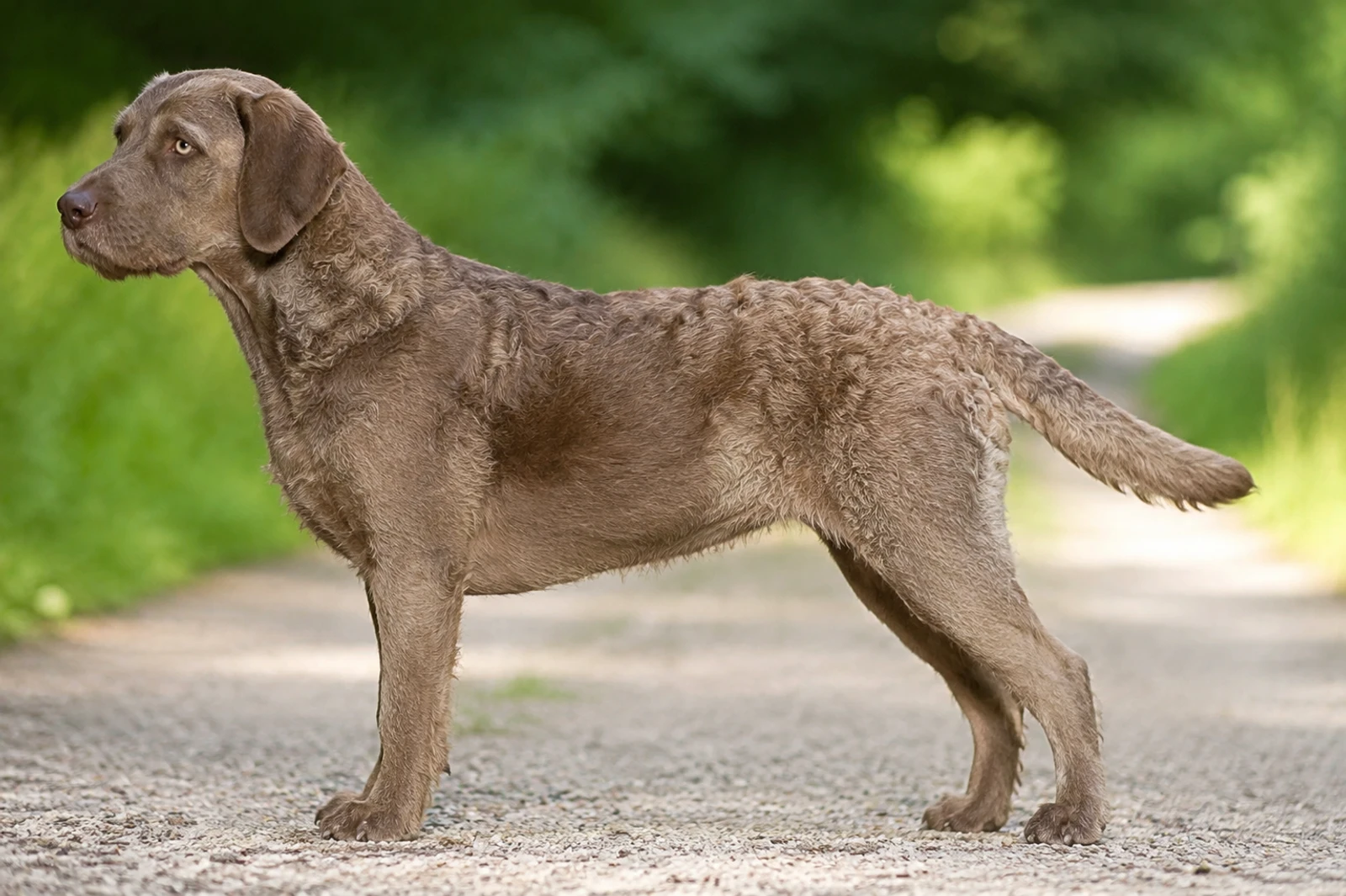
The Labradinger, a cross between the Labrador Retriever and English Springer Spaniel, is a devoted and spirited family companion. With boundless energy and a loving nature, this large-sized breed thrives in homes with active individuals or families who can provide ample exercise and mental stimulation. Known for their intelligence and eagerness to please, Labradingers excel in training and make loyal playmates for children. They do best with space to run and a consistent routine, suiting those who enjoy outdoor adventures and can commit to their social and physical needs.
At a glance
- Size
- Large
- Height
- 18–22 in
- Weight
- 55–90 lb
- Life span
- 10–14 years
- Coat colors
- Black, Yellow, Chocolate, Liver, White, Black & White, Liver & White
- Coat type
- Medium-length double coat
How much does a Labradinger cost?
Adopt / rescue
$75–$400
Usually includes spay/neuter, first shots, and a microchip.
Buy from a breeder
$700–$2,000
From a reputable, health-testing breeder.
Approximate USD. Prices vary widely by region, breeder, pedigree, age, and coat colour — adopting is the lower-cost and recommended route. Avoid suspiciously cheap “breeders”; they’re often puppy mills.
Estimate the full cost of a Labradinger →Want the ongoing number? Estimate the monthly food bill for a Labradinger with our dog food cost calculator.
Labradinger photos
Views
Front, side, rear and top — the full silhouette.Poses
How the breed sits, lies, moves and plays.Puppy to senior
The breed across its whole life.Expressions
The breed’s range of moods.Close-up details
Eyes, ears, nose, paws, tail and coat.Coat colors
The breed’s recognized colors.Click any photo to enlarge. We show the Labradinger from every angle — three views, poses, life stages, expressions, close-ups, coat and colors.
Appearance & size
Expect a dog that looks like a Labrador who borrowed a Spaniel’s feathering and softer expression. The Labradinger lands squarely in the large-dog category, but there’s real variety in the details. At the withers you’ll typically see 18 to 22 inches, with weight ranging from a lean 55 pounds up to a solid 90. That spread comes from the two parent breeds pulling in different directions — a field-bred Lab might bring a leggier, lighter frame, while a show-line English Springer Spaniel can contribute a deeper chest and more bone.
The body is sturdy and rectangular, built for a full day in the field. From the side, the back is level and strong, the ribs well-sprung, and the underline carries a noticeable but not extreme tuck. The chest is deep, dropping to the elbows, and the shoulders slope smoothly into straight, heavy-boned forelegs. From the rear, the hindquarters are broad and muscular, driving a tail that’s a signature piece of the look: thick at the base, never docked, and carried joyfully level with the back or slightly above. It often feathers out into longer hair that waves when the dog moves.
The head gives away the Spaniel side. Instead of a Lab’s blocky, squared-off muzzle, you get a slightly more refined shape with a defined stop. The ears are set at eye level, drop close to the cheeks, and are covered in soft, medium-length hair. Eyes are almond-shaped, warm, and typically hazel or brown, with a gentle, eager expression.
The coat is where things get interesting. This isn’t a short, slick Labrador coat. You’ll see a dense, water-resistant double coat of medium length, often straight or wavy. Expect feathering — longer, silky hair fringing the backs of the legs, under the belly, on the chest, and especially on the tail and ears. Colors pull from both sides:
- Solid black, yellow (ranging from cream to fox-red), or liver/chocolate.
- Parti-color patterns with white as a base and large patches of black or liver.
- Solid coats with white markings on the chest, paws, and tail tip.
Because this is a crossbreed, you can’t predict exactly how the ticking or roan patterns from the Springer side will show up; some dogs have heavy freckling on the legs and muzzle, giving them a speckled, outdoorsy look. What you can count on is a handsome, athletic dog that looks like it’s ready to break into a happy trot the moment you pick up a leash.
History & origin
The Labradinger didn’t come from some ancient bloodline or a centuries-old breeding program. It’s a modern intentional cross, one of the many designer dogs that started popping up in the late 1990s and early 2000s when breeders began mixing two purebreds on purpose to create a dog that brought together specific traits. The thinking was straightforward: take the Labrador Retriever’s easygoing, people-loving nature and pair it with the English Springer Spaniel’s bouncy energy and talent for flushing game. You’d end up with a dog built for an active family who still wanted a weekend hunting buddy.
The Labrador side needs no introduction. Developed in Newfoundland from St. John’s water dogs, Labs were hardwired to retrieve waterfowl in freezing conditions and became the go-to gun dog and family companion across North America and the UK. The English Springer Spaniel traces back hundreds of years in England as a flushing spaniel, used to spring birds into the air for hunters, all while being famously affectionate and biddable. These two working histories are the raw material for the Labradinger.
No single kennel or person is credited with creating the first Labradinger. Like the Goldendoodle or Cockapoo, the mix gained traction through word of mouth as puppy buyers looked for dogs that were less common than a Lab but still trainable and friendly. Most Labradinger litters today come from first-generation crosses (Lab x Springer), so coats, build, and temperament can vary quite a bit from pup to pup. Breeders often aim to preserve the double coat, the athletic frame, and the drive to work, but no breed standard exists because major kennel clubs don’t recognize the mix.
What you’ll actually find now is a dog that slips into the role of family pet pretty easily, but one that still carries a fuse of that field-bred intensity. That’s why you’ll see some lines ending up in homes that hunt pheasant or chase bumpers on weekends, while others are strictly running companions for runners and kids. The Labradinger remains a practical, unpretentious cross—bred for utility and companionship, not the show ring. If you’re considering one, know that you’re buying into a young, still-varying mix, which means asking your breeder about the specific parents matters more than any sweeping breed description.
Temperament & personality
A Labradinger is a big, happy dog that throws itself into family life with a whole-body wag. You won’t wonder if it’s glad to see you—it will launch itself at the door, toy in mouth and tail threatening to clear the coffee table. Expect 55 to 90 pounds of affection that sees no reason why it shouldn’t squeeze onto the couch right next to you, even if you’re already sharing that cushion with two kids and a cat.
Energy runs high on both sides of the family tree, so a 20-minute stroll won’t cut it. Plan on a solid hour of off-leash running, swimming, or a game of fetch that tires out your throwing arm. Without that outlet, boredom morphs into chewed baseboards, dug-up flower beds, and barking that rattles the windows. A tired Labradinger, however, relaxes with soft eyes and a loose, wiggly body—your clue that the gas tank is finally on empty.
These dogs bond fiercely. Long hours alone can trigger anxiety-driven behaviors: excessive barking, pacing, or creative redecorating of your drywall. Crate training from puppyhood and a slow buildup of alone time pay off big. If your workdays keep you away from home for 9+ hours, this likely isn’t the match for you; they want to be where you are, and they’ll follow you from room to room, convinced your scent is their territory—not just the physical walls.
Labradingers are alert and will bark at a knock on the door, but they make lousy guard dogs. The default greeting for a stranger is a toy shove, not a snarl. That said, any dog can become uncomfortable. Teach your household to read the small stuff: a forward lean means “let’s go,” a backward lean says “I’m nervous,” and a rigid, locked body with a direct stare is a clear request for space. Lip licks, yawns, or repeatedly turning the head away are calming signals that say the dog needs a break from whatever’s happening. Most of the time, though, you’ll see a relaxed, wiggly dog with a circus-happy tail.
Smart and occasionally strong-willed, a Labradinger will test boundaries. But force and harsh corrections backfire—this is a dog that responds to consistent, respectful leadership and food motivation you could practically set your watch to. Use that to your advantage during training, and never disturb the dog while it’s eating; even the sweetest dog can develop resource guarding if they feel they have to protect their bowl.
Prepare for a lot of chewing. Puppies do it to explore and soothe teething pain; adults chew hard objects to keep their jaws strong. Stock up on approved outlets—raw bones, tough rubber toys—and protect furniture legs with a homemade citrus spray (boil citrus peels, cool the water, apply) or a vinegar solution. The same vinegar mix works on indoor accidents: remove every trace of urine odor with an enzymatic cleaner or vinegar, or that spot will call the dog back to re-soil it. Punishing after the fact only teaches the dog to hide accidents in rarely used rooms. Instead, reward outdoor potty breaks with a high-value treat the instant they happen.
One quirk you can’t train away as easily: the scent roll. Your Labradinger may joyfully grind its shoulders into something dead, rotting, or inexplicably foul. Maybe it’s leftover scavenger instinct, maybe it’s an attempt to mask their own smell, or maybe they just have lousy taste in perfume. Either way, keep a skunk-wash recipe handy and don’t get too precious about your car’s upholstery.
With children, a well-socialized Labradinger is patient and playful, but that 70-pound enthusiasm can easily send a toddler flying. Supervise close-up and teach the dog to sit before receiving attention. Give them plenty of mental exercise—puzzle toys, nose-work games, and training sessions that wear out the brain—and you’ll have a house companion that’s as up for a long hike as it is for an evening sprawled across your lap, no matter how little lap you have left. Meeting the individual dog is the only way to know the exact temperament you’re getting, because labels like “gentle” or “brave” are tendencies, not guarantees. But if you’re signing up for a high-energy, high-affection whirlwind that thinks your lap is its permanent home, a Labradinger will deliver.
Good with kids, dogs & other pets
The Labradinger’s patient, non-reactive personality often makes it a wonderful dog around considerate kids. At 55 to 90 pounds and 18 to 22 inches tall, this is not a small lap dog — a happy full-body wag or a friendly shoulder check can easily topple a toddler. You’ll want to supervise all early interactions and teach children basic ground rules: no grabbing ears, no approaching the dog while it’s eating, and no climbing on it like a pony. The breed’s high social drive means it genuinely wants to be in the middle of family chaos, not banished to another room, which helps cement that kid-friendly bond.
The foundation for that easygoing nature comes from early puppyhood. The sensitive window for socialization slams shut around 12 to 16 weeks, so the work begins the moment a pup comes home at 8 weeks. Expose the puppy gradually — and always positively — to squealing toddlers, school-age children, different voices, everyday household commotion, and calm handling of paws and ears. Skip this concentrated effort and you risk ending up with a dog that startles at normal kid sounds or stiffens up when hugged. Once that window closes, fixing fear-based reactivity around children is far harder than preventing it.
With other dogs, Labradingers are typically social and ready to play, but their retrieving-breed exuberance can overwhelm a quieter or older dog. Early off-leash puppy classes and structured playdates with well-mannered adult dogs teach bite inhibition and decent greeting manners. A full-grown Labradinger who missed that early exposure might still be friendly — just overly physical and prone to full-body tackle-style play that other dogs don’t appreciate. In multi-dog homes, supervised introductions and management with baby gates give everyone room to breathe, especially during the rowdy adolescent months.
Cats, rabbits, and other small pets bring out the chase instinct hardwired into both parent breeds. A Labradinger raised with a cat from puppyhood often learns to coexist, but that doesn’t mean you can trust them unsupervised. Use treat-based training to reward calm, disengaged behavior around the cat, and separate them when you can’t watch. A fenced yard is essential, because even a well-socialized adult may sprint after a neighbor’s cat or darting squirrel with single-minded intensity. Small caged pets, like guinea pigs or hamsters, should be kept securely out of reach.
A dog this social suffers when isolated in the backyard or left alone for long stretches. Loneliness can trigger destructive chewing, barking fits, or anxious pacing — all of which make life around kids and other pets harder, not easier. Start socialization before 16 weeks, never leave the dog alone with toddlers, and keep small pets separate unless you’re actively supervising. Get those pieces right, and the Labradinger settles in as a steady, affectionate presence that genuinely enjoys a busy family household.
Trainability & intelligence
Your Labradinger brings together two breeds that were built to work alongside people, so the raw intelligence is squarely on your side. Most pick up new cues in just a handful of repetitions when you pay with treats, a squeaky toy, or real excitement in your voice. But a quick learner can still leave you frustrated if you mistake speed for reliability. This mix gets overexcited easily—a recall that’s flawless in the kitchen can evaporate the second a rabbit bolts across a field. Proofing commands around distractions, starting on a long line, is where the real training happens.
Sensitivity runs just as deep as smarts, especially from the Springer side. A hard tone or punishment-based correction doesn’t create a more obedient dog—it creates one who shuts down and stops offering behavior. You’ll hear this described as “stubbornness,” but more often it’s a dog who lost trust in the moment. Keep your energy patient and upbeat, and you’ll see a bounce-back personality that wants to try again.
Because they’re clever enough to get bored fast, short daily sessions (five to ten minutes) work far better than drilling one long session on Sunday. Mix known skills with a new challenge to keep their brain engaged—otherwise you’ll find those brains channeled into redecorating your garden.
Socialization starts before 14 weeks, with gradual exposure to different people, surfaces, sounds, and calm adult dogs. Pushing too quickly can backfire with a sensitive dog, so keep each new experience short and positive. A puppy who learns that strangers equal treats, not pressure, grows into an adult who checks in rather than reacting.
Where a Labradinger really shines is in the relationship you build. When your training is consistent, reward-based, and free of intimidation, you get more than a dog who sits on command. You get a teammate who reads your body language, maintains eye contact mid-play, and returns even when the squirrels are practically taunting him. That kind of reliability isn’t trained in a single weekend—it’s the daily deposit of trust that pays out for the next decade.
Exercise & energy needs
Plan on 60 to 90 minutes of real exercise every day — and “real” means heart-pumping movement, not a meandering leash walk. A Labradinger carries the combined drive of a Labrador Retriever and an English Springer Spaniel, both bred to work all day in the field. He’ll need that energy channeled into at least two daily sessions, typically a vigorous morning run or fetch and a long afternoon off-leash romp, swim, or training-based workout.
A single 20-minute stroll around the block will leave this dog coiled and restless. Aim for morning and afternoon blocks of 30–45 minutes each, adjusting for age and fitness. Puppies and adolescents are often nonstop engines; they thrive on multiple short bursts of play, training, and sniffing rather than marathon forced runs. Senior dogs still need daily movement but scale back high-impact stuff — swimming becomes a lifesaver because it torches energy without pounding joints.
Mental stimulation matters just as much as the miles. A bored Labradinger will climb the walls — chewing, digging, barking, or obsessively retrieving anything that moves. Build in 10–15 minutes of brain work daily: scent games (hide a smelly treat and let him hunt it), puzzle feeders, frozen Kongs, or “find it” drills with a favorite toy. Both parent breeds have excellent noses and love to use them, so a snuffle mat or a backyard scatter-feed can be as tiring as a half-hour run.
Activities that click with a Labradinger
- Retrieving on land or water — double marks, long throws, floating bumpers
- Swimming — low-impact, high-cardio; most Labs and Springers take to water naturally
- Hiking with off-leash time (only in safe, controlled areas after solid recall training)
- Nose work or barn hunt classes — turns that scent obsession into disciplined fun
- Agility or rally — gives physical and mental outlets in short, focused bursts
- Flirt pole sessions — a few minutes of chasing and pouncing wipes out a young dog fast
Watch the joints and intensity
Labradors and Springers can be prone to hip and elbow dysplasia, so responsible breeders screen parents. Even with a healthy dog, steer clear of repetitive jumping on hard surfaces, especially before growth plates close around 12–18 months. Skid-prone indoor fetch on slick floors is a recipe for injury; take the game to grass, sand, or water.
If your dog is suddenly digging trenches, shadowing you relentlessly, or turning your pillows into confetti, he’s telling you his exercise meter isn’t full. Meeting that daily quota keeps a Labradinger cheerful, cooperative, and too tired to redecorate. If you can’t carve out a solid hour of running, sniffing, and swimming most days, this isn’t the right breed for your right now.
Grooming & coat care
Your Labradinger almost certainly inherited a dense, water-resistant double coat from the Labrador and the feathered, medium-length furnishings of the Springer. That combination means two things: this dog sheds, and those longer ear, chest, leg, and tail feathers will mat if you ignore them. Plan on brushing 2–3 times per week year-round, and bumping that up to daily during spring and fall when the undercoat blows.
Tools that actually work
Skip the bristle brush — it’s too soft for this coat. Instead, keep a metal slicker brush with rounded pins to pull loose hair and debris from the longer plumes, and a greyhound-style comb to work out tangles behind the ears and in the trousers before they turn into felt. During shedding season, an undercoat rake or de-shedding tool removes fistfuls of dead undercoat in minutes. A quick pass with a boar-bristle finishing brush afterward adds shine to the short-backed areas, but only once the loose hair is gone.
Bathing and skin
Bathe every 6–8 weeks, or whenever your dog rolls in something regrettable. Use a gentle dog shampoo; over-washing strips the natural oils that keep the coat weather-resistant. A high-velocity dryer (or a long session with a towel and a forced-air dryer at a self-wash station) cuts drying time and blasts out even more loose hair.
The maintenance you can’t skip
- Ears: Floppy, well-furred ears trap moisture. Lift each flap once a week, sniff, and wipe with a dog ear cleaner. Any odor or redness means a vet visit before an infection takes hold.
- Nails: If you hear them clicking on the floor, trim. For a 55–90 lb dog that walks on pavement, that’s typically every 3–4 weeks. Neglected nails can change their stance and strain joints.
- Teeth: Several times a week with a dog-specific toothpaste. A Labradinger’s powerful jaws will happily chew on dental treats, but brushing reaches what crunching can’t.
Seasonal reality
Twice a year, the undercoat sheds in clumps. You’ll fill a brush every other day for three weeks straight. Invest in a good vacuum, brush outside when you can, and accept that Labradinger glitter is part of home décor.
Shedding & allergies
You will be cleaning up hair every day. The Labradinger comes from two famously heavy shedders—the Labrador Retriever and the English Springer Spaniel—so expect a constant stream of loose fur on your sofa, floors, and clothes.
Both parent breeds carry a dense double coat that sheds year-round, then really lets go during spring and fall. During those blowout weeks, you can pull tufts directly off the dog’s flanks and watch it tumble across the hardwood. A thorough brushing with a de-shedding tool two or three times a week cuts down on the indoor fallout, but it won’t stop it.
- Year-round shedding: Moderate to heavy. You’ll need a lint roller stash and a vacuum that can handle pet hair on a daily schedule.
- Seasonal blowout: Extreme. Dead undercoat comes out in clumps for 2–4 weeks every spring and fall. Increase brushing to daily during these stretches.
- Drool: Moderate. Labs tend to drip after drinking and when food appears, while Springers are tidier. Most Labradingers will be a bit slobbery around mealtime but not to the point of constant wet jowls.
If you’re looking for a hypoallergenic dog, this is not it. Neither breed produces low-dander coats, and the Labradinger sheds enough to spread dander and saliva proteins all over your home. People with mild allergies occasionally do okay if they keep the dog out of the bedroom, run a HEPA air purifier, and bathe the dog regularly—but plan on a multi-day “test visit” before committing. No amount of grooming will make this mix truly non-allergenic.
Diet & nutrition
The battle of the bulge is real
Your Labradinger almost certainly inherited the Labrador’s bottomless appetite. She’ll act like she’s starving five minutes after a full meal, and that’s exactly why obesity is this breed’s number-one health threat. A lean body — ribs you can feel with light pressure, a visible waist from above — protects her long spine and hips from unnecessary strain. Measure every scoop. Don’t eyeball. For most adults, that means splitting a daily 2½ to 3½ cups of dry food (or equivalent fresh) into two meals, then adjusting every few weeks based on body condition. A dog who charges through an hour of field work needs more; a neighborhood walker needs less. Use a puzzle feeder or snuffle mat to slow down a vacuum-cleaner eater and engage her brain at the same time.
Puppy, adult, and senior portions
- Puppies (to 4 months): four evenly spaced meals a day. Transition her gradually from breeder’s food to lightly cooked, puréed meats and vegetables or a large-breed puppy kibble that won’t rocket her growth. Rapid puppy chub sets joints up for trouble later.
- 4 to 6 months: drop to three meals a day.
- 6 months on: twice a day, just like an adult.
- Adult: Stick to two meals. Treats should never top 10% of daily calories. A high-drive dog who runs, swims, or hunts can lean toward the upper end of the portion range; a couch companion needs the lower end. Weigh her monthly.
- Senior (about 7+ years): As activity dips, cut calories before she packs on extra pounds. Smaller, more frequent meals can ease digestion and stiff joints. Don’t slash protein — keep quality meat high, just pull back on portions and fat. Obesity is arguably the biggest health thief in an older dog.
What should actually go in the bowl?
A dog’s digestive system is built for animal protein. Aim for roughly 60% meat and fish (raw, lightly cooked, or high-quality canned in water), 20–30% vegetables and fruit, and about 10% extras like eggs, plain yogurt, or cooked grains. Because a dog’s jaw moves only up and down and she lacks salivary amylase, blending or fining up veggies and grains helps her actually absorb the nutrients. Pearl barley adds gentle fiber; white rice settles an upset stomach. Unsalted vegetable cooking water is a decent kibble moistener. Around 12 weeks, supervised raw chicken wings give her a tooth-cleaning workout. Never feed a vegetarian or vegan diet — it strips away nutrients her body can’t synthesize from plants. And skip the fatty holiday scraps; pancreatitis can hit a scavenging breed hard and fast.
Table manners that stick
Serve every bite in her own bowl, nowhere near your plate. Even a single handout from the table teaches begging that’s miserable to undo. If you’ve got dog-safe leftovers, walk them to her bowl before she starts hopping. That one habit makes the next decade a whole lot more peaceful.
Health & lifespan
A well-bred Labradinger typically lands between 10 and 14 years. That’s a solid stretch for a large dog, but it’s not a guarantee — it depends on genetics, how they’re fed, and the preventive care you put in early.
This is a mix of Labrador Retriever and English Springer Spaniel, so you’re watching for issues that pop up in both parent breeds. Hip and elbow dysplasia can show up, especially in a dog that grows too fast or carries extra weight. Responsible breeders screen with OFA or PennHIP x-rays before breeding. Eye problems like progressive retinal atrophy (PRA) and cataracts also run in both lines; ask for current CERF or OFA eye clearances. Springers can carry a risk for phosphofructokinase (PFK) deficiency — a metabolic disorder — though DNA testing lets breeders avoid producing affected pups. Ear infections are common because those floppy, water-loving ears trap moisture. You’ll need to dry them out after swims and check weekly for gunk or odor.
Weight management isn’t optional. Both parent breeds are food-obsessed, and a Labradinger can pack on pounds without you noticing. An extra 5 to 10 pounds on a dog this size puts real strain on joints, and obesity can shave years off that lifespan. Use a measuring cup for meals, and keep treats to under 10% of daily calories. Aim for a lean body condition — you want to feel ribs without pressing hard.
Yearly vet visits aren’t just a formality. Your vet will listen for heart murmurs, check for early signs of arthritis, and keep vaccinations current. Rabies is legally required, and there’s no treatment once symptoms appear, so don’t skip it. Monthly heartworm prevention during mosquito season (and for one month after it ends) is critical, because treating a full-blown case is brutal and expensive.
Watch for any shift in energy or appetite — a dog that suddenly refuses a meal or limps after a walk is telling you something. Early socialization and positive handling help reduce stress-related health risks, too. A Labradinger that lives without a pack or regular interaction can develop anxiety-driven behaviors that spiral into skin or digestive trouble.
Living environment
A Labradinger tends to shadow their people and doesn’t do well in a home where everyone vanishes for 8‑10 hours each day. This mix of Labrador and Springer Spaniel craves company, so expect a dog who wants to be part of whatever you’re doing — not one content to nap in a silent house alone.
Space & yard
A securely fenced yard is a major plus, not a nice‑to‑have. Both parent breeds were built to run, flush, and retrieve, and a Labradinger will use every inch. Aim for a 6‑foot fence that’s sunk a few inches into the ground — these dogs can be diggers and opportunistic escape artists if a squirrel catches their eye.
Apartment living is possible but you’ll need to commit to two substantial daily outings, at least 45–60 minutes each, that go beyond a leash walk. Think off‑leash running, swimming, or a long game of fetch. Without that, pent‑up energy quickly spills into pacing, barking, or redecorating your couch.
Climate & coat
The dense double coat inherited from both sides handles cold weather and chilly water well. In summer, knock exercise back to early mornings or evenings and watch for overheating — Labradingers overheat faster than you’d expect because they’ll keep chasing the ball long after they should stop. Provide shade and fresh water, and consider a kiddie pool. Extreme cold isn’t a free pass either; paws still need protection on ice and salted roads.
Noise & barking
Labradingers aren’t typically nuisance barkers, but they will alert to visitors and sound off when bored. An under‑exercised dog left alone in a yard can develop a repetitive barking habit that neighbors won’t appreciate. Mental stimulation — puzzle feeders, scent games, hiding toys — takes the edge off and keeps the voice quiet.
Tolerance for being alone
This is the breed’s weak spot. Neither Labs nor Springers are wired for extended solitude. A young Labradinger left alone routinely can spiral into destructive chewing, howling, or potty accidents. Gradual desensitization starting in puppyhood helps, as does a tired body and a stuffed Kong. For households with long workdays, a midday dog walker or doggy daycare isn’t a luxury — it’s what keeps the dog sane and your baseboards intact.
Who this breed suits
If your Saturday morning starts with lacing up trail runners instead of hitting snooze, the Labradinger might be your perfect match. This is a breed for people who already move—a lot. Plan on 60–90 minutes of hard, daily exercise: a long off-leash run, a bike ride with a specially designed tow leash, or a serious game of fetch that taps into both the retriever’s obsession with carrying things and the pointer’s drive to cover ground.
First-time owners can absolutely handle a Labradinger, but only if they come to the relationship with an active, outdoorsy lifestyle. The dog won’t wait for you to get fit. Both parent breeds are famously food-motivated and biddable, which makes training sessions productive and fun, not a battle of wills. You’ll be able to teach a solid recall and a rock-steady “drop it”—skills non-negotiable because the pointer side brings a hair-trigger fascination with squirrels and birds.
Families with school-age kids who ride bikes, hike, or swim are the sweet spot. A Labradinger thrives in that middle-of-the-action chaos, retrieving balls from the lake for hours and then crashing hard on the kitchen floor. With toddlers, the 55- to 90-pound dog’s enthusiasm—and that unending, weapon-like tail—can accidentally clear coffee tables and topple small people. Supervised chaos, yes. Quiet, no.
Singles who train for marathons or spend every free weekend camping will love the way this dog integrates into a performance lifestyle. The dog’s stamina outpaces most human’s; a 5K is a warmup.
You should look elsewhere if your workdays run ten hours, your relaxation hinges on a quiet house, or your exercise routine is aspirational rather than actual. Boredom in a Labradinger doesn’t look like a sweet nap. It looks like landscaping projects you didn’t order, nonstop pacing, and barked demands that fray every nerve. Seniors or people with mobility limits will be outmatched by the sheer physical force of a dog who can yank you off your feet if a rabbit darts by. A 10- to 14-year commitment to this breed means a decade-plus of rain-or-shine, go-now energy.
Cost of ownership
A Labradinger puppy from a responsible breeder who health-tests both parent breeds usually falls between $1,000 and $2,500. Less common than some doodle crosses, so litters don’t pop up everywhere — you may need to wait. Rescue is also worth a look; adoption fees run $200–$500, and you skip the puppy teething-and-housebreaking stage.
Once you bring that 55–90 lb dog home, the monthly costs settle into a predictable rhythm. Here’s the breakdown:
- Food: A high-quality large-breed kibble for a 70 lb dog runs about $55–$80 a month. Treats and the occasional bag of frozen carrots add a little more.
- Grooming: The coat is usually dense and water-resistant, shedding moderately year-round. Plan on $50–$70 every 6–8 weeks for a professional bath, dry, ear cleaning, and nail trim. That averages $25–$35 per month if you don’t do it all yourself.
- Veterinary care: Annual checkups, vaccines, and year-round heartworm/flea/tick prevention land around $500–$700 a year. Budget $40–$60 a month for these predictable bills, and set aside a separate emergency fund for the unexpected.
- Pet insurance: For a large mixed breed, a solid accident-and-illness policy typically costs $35–$60 a month, depending on your deductible and reimbursement rate. This breed can be prone to hip dysplasia, elbow dysplasia, and eye issues like progressive retinal atrophy — conditions responsible breeders screen for — so having coverage before anything pops up matters.
Toss in $20–$30 a month for toys, chews, and the occasional replaced leash, and all-in monthly costs sit between $150–$250. Upfront expenses like a crate, bed, initial training classes, and spay/neuter will add several hundred dollars the first year.
Choosing a Labradinger
You’ve got two roads to a Labradinger: find an adult through a rescue or work with a breeder who treats the cross as more than a transaction. Both are valid, but this mix—half Labrador, half English Springer Spaniel—pulls from two driven, big-hearted lines, so the source matters.
Rescue or responsible breeder?
Scout breed-specific Lab and Springer rescues; Labradinger isn’t a common label, so you may see them listed as “Lab mix.” An adult rescue gives you a head start on personality, but ask about any bite history or resource guarding, especially given the spaniel side’s rare connection to sudden rage syndrome. A dog that’s lived in a foster home will tell you the most about real-world energy and quirks.
If you go the puppy route, a good breeder is obsessive about health testing on both parents. Don’t settle for a vet glance and a “clean bill of health.”
Health clearances to ask for
Both parent breeds share joint and eye risks. A breeder should hand over documented results—not just promises. Look for:
- Hip dysplasia: OFA or PennHIP certification
- Elbow dysplasia: OFA evaluation
- Eye exam: CAER (formerly CERF) by a veterinary ophthalmologist, done within the past year
- Cardiac: Echo or auscultation by a cardiologist, especially for the Springer side
Labrador-specific DNA tests that are non-negotiable:
- EIC (exercise-induced collapse)
- PRA-prcd (progressive retinal atrophy)
- CNM (centronuclear myopathy)
Springer-specific DNA tests:
- PFK deficiency (phosphofructokinase)
- Fucosidosis (though rarer)
A breeder who says “mixed breeds are always healthier” and skips these isn’t someone you want to trust with a puppy’s start.
Red flags
Trust your gut, but here’s what sends me the other way fast:
- Puppies raised in a kennel barn or garage with little human contact. You want a pup that’s heard the vacuum, met a kid, and navigated a slick floor.
- “Champion lines” claims with zero paper on hip or eye scores.
- Litters on the ground constantly, or multiple breeds churning through the same site.
- No in-person visit to meet the mother (and preferably the father). Ask to see where the litter sleeps, eats, and potties.
- The breeder pushes a pup on you without asking about your daily routine, yard setup, or experience with mouthy, high-energy dogs.
Picking your puppy
Spend time watching the whole litter. The puppy who barrels over and gnaws your shoelace nonstop? That’s a future handful if you’re not up for serious daily training. The one trembling in the corner might be a tough rehabilitation project for a family home. I usually steer people toward a pup in the middle: curious, wiggly, brings you a toy, recovers fast from a loud noise. Let the breeder guide you—they’ve seen these pups for eight weeks. A solid breeder won’t send a puppy home before 8 weeks and will have started crate exposure, handling desensitization, and maybe a few car rides. That early work becomes your head start on a dog that can handle a busy household without falling apart.
Pros & cons
A Labradinger gives you the Labrador’s big-hearted goofiness crossed with the English Springer Spaniel’s merry, tail-wagging drive. It’s a high-energy blend that thrives in active homes — but it can steamroll a quiet household. Here’s what you’re signing up for.
-
Pros
- Exceptionally friendly and eager to please, which makes training a straightforward, reward-based process — even novice owners see fast results.
- Natural family dog that typically adores children; that patient, “bomb-proof” temperament often shines through.
- Retrieving and carrying things come hardwired, so fetch, flyball, and water work feel like play, not work.
- A sturdy, medium-to-large build (55–90 lb, 18–22 in) handles roughhousing and long outings without being fragile.
- Life span of 10–14 years gives you a solid stretch of companionship when you prioritize healthy lines.
- The Springer side adds a cheerful, up-for-anything attitude; the Lab side tones down some of the spaniel intensity, resulting in a dog that’s enthusiastic but often less frantic than a purebred Springer.
-
Cons
- Demands a real daily outlet — at least an hour of running, swimming, or off-leash sniffing, not just a casual walk. Without it, you’ll see chewing, digging, and nonstop pestering.
- Heavy shedding is the norm; the short, dense coat blankets furniture and clothes year-round, with extra blowouts in spring and fall.
- Those drop ears trap moisture and debris, so ear infections are a common and recurring headache unless you clean and dry them weekly.
- Mouthiness can linger well past puppyhood — expect to redirect grabbing, gnawing, and “hand-holding” with toys, especially when excited.
- The spaniel prey drive may kick in around cats, squirrels, or small pets; early socialization helps, but it’s not a guarantee.
- Overfriendliness means zero guard-dog instinct, and that happy lunging can accidentally knock over toddlers or elderly family members.
- Joint issues like hip and elbow dysplasia pop up in poorly bred lines, so buying from a breeder who screens both parent breeds is essential — skip the gamble.
Similar breeds & alternatives
If the Labradinger’s retriever-spaniel blend appeals to you but you want a more predictable set of traits, these purebred alternatives lay out a few different trade-offs.
-
Labrador Retriever — The obvious comparison. A Lab carries 55–80 lb on a frame that reaches 21.5–24.5 inches, so expect a slightly stockier dog with a short, dense double coat that sheds hard twice a year but rarely mats. Labs share the Labradinger’s people-loving, fetch-crazy personality, yet you won’t find the spaniel’s ear fringing or leg feathers. If you want a wash-and-wear coat and a dog that’s famously easy to direct with food, a purebred Lab keeps things simple. Just plan for that same 60–90 minutes of running, swimming, or retrieving every day.
-
English Springer Spaniel — A smaller, more compact dog (40–50 lb, about 19–20 inches). The Springer trades the Lab’s blocky strength for a lighter, springier build and a coat that’s longer and silkier, especially on the chest, legs, and ears—meaning more brushing and occasional trimming to keep burrs at bay. Springers often bond more tightly with one person and can be a little warier of strangers than the typical Labradinger. Their field-bred lines pack the same high-octane energy; count on an hour-plus of off-leash movement or nose work daily.
-
Flat-Coated Retriever — If the Labradinger’s puppy-like enthusiasm well into adulthood is the main draw, a Flat-Coat fits that niche perfectly. Standing 22–24.5 inches and weighing 55–80 lb, they’re long-limbed and elegant, with a rich, straight coat that needs regular brushing. Flat-Coats are famously upbeat, bouncier than Labs, and can test impulse control if under-exercised. Like Labradingers, they can be prone to certain cancers, so a breeder who health-screens all breeding stock is non-negotiable. Their lifespan (10–14 years) mirrors the cross, and their joyfulness demands an active, engaged home.
Fun facts
- They often inherit the Labrador's love for water and the Springer Spaniel's natural flushing instinct.
- Labradingers can vary greatly in appearance, even within the same litter, with coats ranging from solid to parti-colored.
- With their keen intelligence and trainability, many serve as therapy and service dogs.
- This mix typically requires at least 60 minutes of vigorous exercise daily to stay happy and healthy.
Frequently asked questions
- Are Labradingers good with kids?
- Labradingers are generally excellent family companions and tend to be patient and playful with children. Their Labrador and Springer Spaniel heritage often gives them a gentle, tolerant nature, but early socialization and supervision are important. They can be energetic, so interactions with younger kids should be guided to prevent accidental knocks.
- How much do Labradingers shed?
- Labradingers are moderate to heavy shedders, especially during seasonal changes. Their double coat, inherited from both parent breeds, requires regular brushing to manage loose fur. They are not a hypoallergenic breed and may not suit those with severe allergies.
- What are the exercise needs of a Labradinger?
- Labradingers are high-energy dogs that need at least 60–90 minutes of daily exercise, including walks, runs, and mentally stimulating play. Without adequate activity, they can become bored and develop undesirable behaviors. They thrive in active households that can involve them in outdoor adventures.
- How much grooming does a Labradinger require?
- Labradingers have a dense, often wavy coat that benefits from brushing two to three times per week to prevent matting and reduce shedding. They may need occasional baths and regular ear cleaning to prevent infections, as their floppy ears can trap moisture. Nail trimming and dental care should also be part of their routine.
- Can Labradingers live in apartments?
- Labradingers can adapt to apartment living if their high exercise requirements are met with multiple daily outings and mental stimulation. However, they are large, active dogs that do best with access to a yard. Potential for barking should be considered, as they may vocalize when bored or left alone.
- Are Labradingers easy to train for first-time owners?
- Labradingers are typically eager to please and intelligent, which makes them a good choice for first-time owners willing to invest time in consistent, positive training. They respond well to reward-based methods and can excel in obedience. However, their high energy and occasional stubbornness require patience and a firm but gentle approach.
Tools & calculators for Labradinger owners
Quick estimates tailored to Labradingers — pre-filled with this breed’s size where it matters.
Articles & stories about the Labradinger
Sources & standards
This profile follows recognized breed standards from the American Kennel Club (AKC) and the Fédération Cynologique Internationale (FCI), along with established veterinary and breed-club guidance. These describe general breed tendencies — every dog is an individual.