

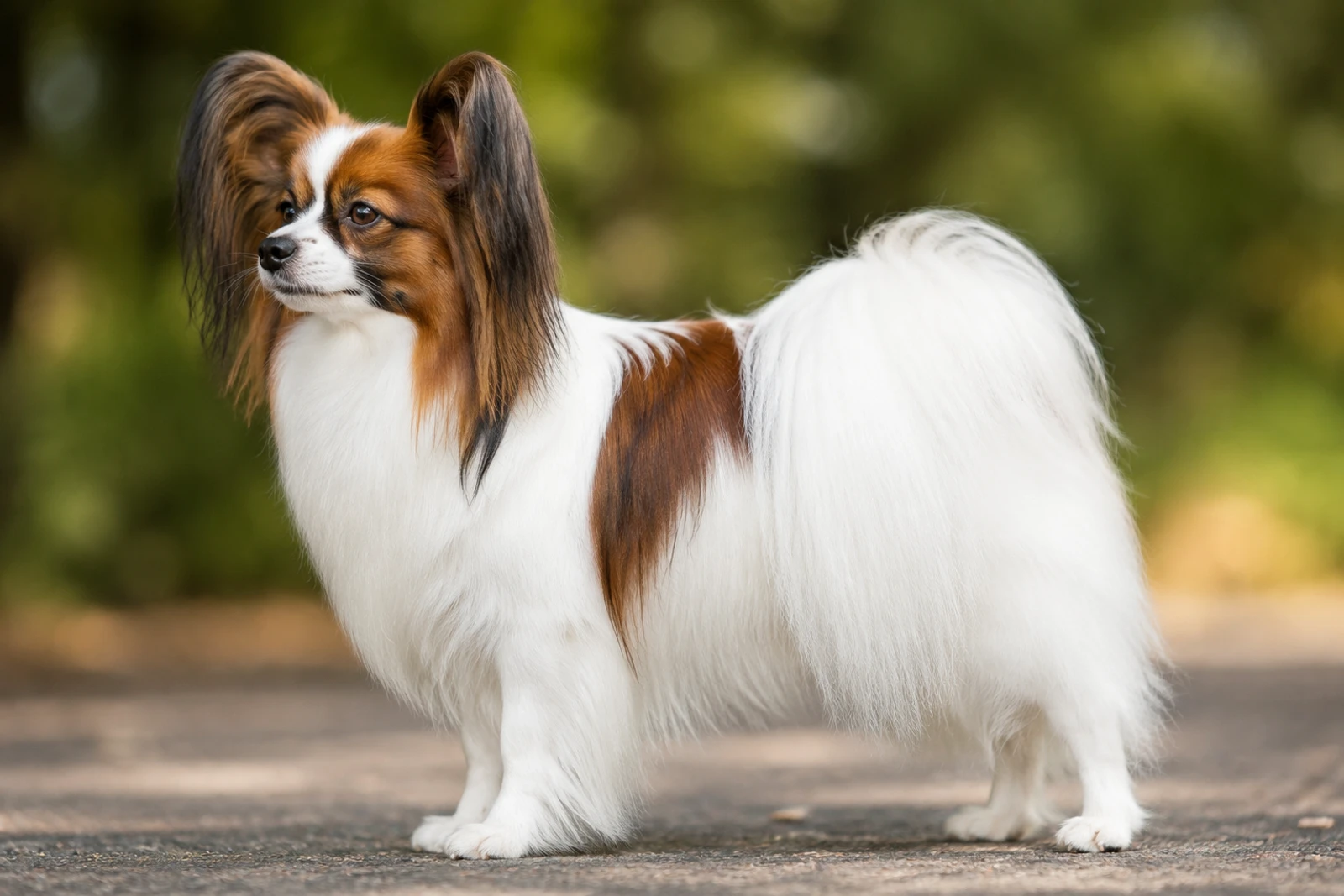
The Papillon is a dainty, intelligent toy breed famed for its large, butterfly-shaped ears. Alert yet affectionate, they thrive as companions for active individuals or families with gentle older children. With a playful spirit and eagerness to learn, they excel in obedience and agility. Their portable size suits apartment living, but they require daily mental and physical exercise to prevent boredom. Devoted and cuddly, they make excellent lap dogs, always ready for an adventure or a nap with their favorite human.
Papillon Sticker Pack
36 cartoon stickers • transparent PNG • no watermark
Pinterest-ready
Share all 36 reactions as one sticker sheet
Pinterest opens with the full pack and a fresh, tailored description. You choose the public board and publish it from your own account.
Save the full pack


Choose one reaction above to share it alone, or use the full-pack button for all 36 together.




























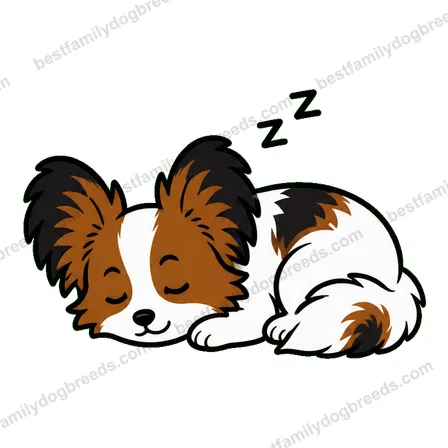
Free full-resolution download — no account, no payment, no watermark.
Includes all 36 transparent PNG stickers in one ZIP. A quick human check is required for each download.
At a glance
- Size
- Small
- Height
- 8–11 in
- Weight
- 5–11 lb
- Life span
- 14 years
- Coat colors
- White with patches of any other color
- Coat type
- long, silky, single coat
- Group
- Spitz-Type
- Origin
- France, Belgium
How much does a Papillon cost?
Adopt / rescue
$75–$400
Usually includes spay/neuter, first shots, and a microchip.
Buy from a breeder
$700–$2,000
From a reputable, health-testing breeder.
Approximate USD. Prices vary widely by region, breeder, pedigree, age, and coat colour — adopting is the lower-cost and recommended route. Avoid suspiciously cheap “breeders”; they’re often puppy mills.
Estimate the full cost of a Papillon →Want the ongoing number? Estimate the monthly food bill for a Papillon with our dog food cost calculator.
Papillon photos
Views
Front, side, rear and top — the full silhouette.Poses
How the breed sits, lies, moves and plays.Puppy to senior
The breed across its whole life.Expressions
The breed’s range of moods.Close-up details
Eyes, ears, nose, paws, tail and coat.Coat colors
The breed’s recognized colors.Click any photo to enlarge. We show the Papillon from every angle — three views, poses, life stages, expressions, close-ups, coat and colors.
Appearance & size
You’ll spot a Papillon a block away because of those ears. Large, fringed, and set like outspread butterfly wings — the name really does come from the French word for butterfly. The standard asks for ears carried fully erect, but a drop-eared version called the Phalène (moth) is recognized in many countries as the same breed. Either way, the ear leather must be solidly colored from the base right down to the eye — it’s a signature detail responsible breeders protect.
Under those statement ears sits a fine-boned, elegant little dog. A full-grown Papillon weighs just 5 to 11 pounds and stands 8 to 11 inches at the shoulder. That’s a dog you can tuck under one arm, yet nothing about it reads timid or breakable. The body is slightly longer than tall, which gives the whole outline a light, flowing movement when the dog trots.
Move in closer and you’ll see a slightly rounded head, a short, pointed muzzle, and a black nose. The eyes are dark, round, and medium-sized, rimmed in black — the kind of alert, curious expression that never crosses into nervous or hard. From the front, a white blaze and symmetrical facial markings pull your gaze to those bright, intelligent eyes.
The coat is long, fine, and silky, lying straight against the body with no undercoat. That means shedding happens, but it isn’t the heavy seasonal blowout you get with a double-coated breed. The ideal pattern is white with patches of any color — sable, black, red, lemon, you name it. You’ll often see rich chestnut or deep black splashed across the back and rump, paired with a clean white collar and legs. Elegant feathering trails from the forelegs, the chest, and the plumed tail, which arches up over the back like a proud flag. From the side, that flowing tail balances the butterfly ears. From the rear, it’s a soft fan of long hair that rarely stops wagging.
Brush that coat a few times a week to keep the silk free of tangles, especially behind the ears and through the leg feathering. No undercoat means you won’t wrestle with mats the way you might with a fluffy breed, but that fringe loves to collect burrs and dirt on a woodsy walk.
History & origin
The Papillon’s story begins in 16th-century Spain, where it first showed up as a tiny spaniel-type companion. Breeders in France and Belgium later shaped it into the refined lapdog that would charm European courts for centuries.
By the 1700s, these little dogs were darlings of the French royal court. You can still see them in Old Master paintings, sitting on velvet cushions or peeking from the sleeves of noblewomen. At the time, people knew them as Dwarf Spaniels — a label that set them apart from the larger, field-bred spaniels of the day.
The name we use now came straight from the breed’s most unforgettable feature. The erect, heavily fringed ears fan out like butterfly wings, which gave the French word Papillon (butterfly) to the dogs that carried them. Not every pup in a litter has upright ears — a drop-eared version appears too — but the winged look is what stuck and became the breed’s calling card.
Across the Atlantic, the American Papillon Club formed in 1935, and the American Kennel Club granted full recognition that same year. The club set out to protect the breed’s toy spaniel personality and those head-turning ears that had already been turning up in art and palaces for over four centuries. The Papillon’s route from Spanish salons to French court life and finally into everyday homes turned a once-royal companion into a pocket-sized dog anyone can share a couch with.
Temperament & personality
A Papillon might stand just 8 to 11 inches tall and weigh anywhere from 5 to 11 pounds, but inside that toy frame lives the complete package: sharp intelligence, unshakable loyalty, and a bold, curious spirit. These dogs form deep, almost obsessive attachments to their owners. They’ll follow you from room to room, insist on being part of every conversation, and sulk visibly if they feel left out. With strangers, that warmth cools to a polite aloofness — they’re not aggressive, just selectively social, and they take their time deciding who gets their approval.
Energy-wise, don’t let the butterfly ears fool you. Papillons are lively, playful, and deceptively athletic. A quick stroll around the block won’t cut it; they need active engagement — fetch sessions, puzzle toys, trick training — something that lights up that nimble brain. Their problem-solving ability sits right up there with breeds like Labrador Retrievers, so they thrive on challenges. A bored Papillon will invent its own entertainment, and you probably won’t like the result.
Affection runs deep, but it can come with a dose of jealousy. They aren’t above nudging another pet out of the way or barking to reclaim your lap. This isn’t naughtiness; it’s a reflection of how fiercely they bond. Pair that with their alert nature and you get an excellent little watchdog. They’ll announce every delivery, visitor, and squirrel with surprising volume for their size. Teaching a “quiet” cue early is a good move, because if you ignore their need for connection, that vigilance can slide into nonstop anxious barking or other stress-driven habits.
Despite a stubborn streak, Papillons respond beautifully to respectful, consistent handling — never force. They’re sensitive enough that a sharp tone shuts them down, but a little creativity and positive reinforcement turn them into enthusiastic learners. With children, they do best in homes where kids understand how to treat a small, quick dog gently. Accidentally stepping on a 6-pound dog can trigger a defensive snap, so supervision and ground rules matter. When their people respect their intelligence and radar-like attention, Papillons return the favor with years of feisty, affectionate companionship. Expect that connection to last: with a typical lifespan of 14 years, this is a long-haul friendship that stays playful well into the dog’s senior days.
Good with kids, dogs & other pets
A Papillon weighs 5 to 11 pounds, so safety with kids always starts with supervision. They’re patient and rarely aggressive, but a tumble from a child’s arms or a clumsy squeeze can break a tiny bone. Teach children to sit on the floor and let the dog climb onto their lap—this avoids dangerous scooping. Papillons can be possessive of their favorite person, so they may need extra time to accept a new baby or a visiting toddler. Reward calm behavior with treats, and never force an interaction. With those ground rules in place, many Papillons blossom in families with school-age kids who understand gentle handling.
With other dogs, cats, and small animals
Papillons generally do well with other dogs, especially when introductions happen during puppyhood. Their Spitz heritage makes them alert and occasionally suspicious of unfamiliar dogs, but outright aggression is uncommon. Because they tend to shadow their owner closely, early socialization teaches them that another dog isn’t a rival for your attention. With cats, a Papillon raised alongside a feline often becomes a cozy companion, though some individuals with higher chase drive may pester a cat that runs. Small caged pets like hamsters or ferrets present a different risk—a Papillon’s quick, pounce-ready nature can override years of cuddly companionship. Supervise every cross-species interaction until you’re confident it’s truly safe.
The socialization window
The foundation is laid between about 3 weeks and 4 months of age. Gently expose your puppy to children of different sizes, well-mannered dogs, cat-friendly cats, and the everyday racket of doorbells, vacuums, and car rides. This isn’t about overwhelming them; it’s about building a library of “that’s no big deal” experiences. Without it, a Papillon can become fearful and reactive—barking, trembling, or even snapping when approached by an unfamiliar child or dog. An adult rescue who missed that window can still gain confidence through patient, reward-based training, but don’t force socialization. A Papillon who feels secure with her own family and a couple of known dog friends doesn’t need to greet every stranger. Respect her limits, manage encounters, and keep predictable routines.
Trainability & intelligence
A Papillon learns so fast you’ll swear they’re reading your mind — but that same sharpness comes with a sensitivity that makes old-school corrections a straight road to a shut-down dog. They rank among the smartest toy breeds, and in a positive, reward-based home they soak up commands and tricks with barely a few repetitions.
What works: build trust, then layer on the fun
- Use tiny, high-value treats, an excited “yes!”, or a quick game of tug as a paycheck. A 5-pound dog doesn’t need big biscuits, just fast, clear feedback.
- Keep sessions short and upbeat. Papillons get bored with drill-sergeant repetition. Two or three five-minute rounds a day land better than one marathon.
- Start recall early, pairing the cue with a jackpot reward every single time it’s given. Their natural desire to stick close helps, but squirrels and butterflies can flip a switch. A Papillon who learns that coming when called means an explosion of chicken will blow off fewer distractions.
The sensitivity not to ignore
- Harsh voice, leash pops, or even a stern glare can crush this breed’s spirit. They’ll remember the correction, not the lesson, and may start offering appeasement behaviors instead of confidently trying new things. The fallout looks like cowering, shutting down, or a sudden refusal to perform a known trick.
- This isn’t stubbornness; it’s a dog showing you the method is wrong. Switch back to gentle shaping and the lightbulb flicks right back on.
Common challenges and how to smooth them out
-
House training can take a beat longer in a tiny dog with a tiny bladder, but consistency wins. Crate training and a rigid potty schedule from day one prevent bad habits that are tough to undo later.
-
Some Papillons get overexcited and barky if they’re bored. Satisfy that quick brain with puzzle toys, nose work, or learning useless-but-delightful party tricks — they’ll gladly work a treat-dispensing ball or stack rings for the sheer joy of it.
-
Early socialization is non-negotiable. Expose your puppy to different people, noises, floor surfaces, and calm, friendly dogs before 14 weeks. Keep every new experience positive with treats and a light tone. A Papillon who misses this window can grow sound-sensitive or hand-shy, and at 8 to 11 inches tall, a fearful edge makes everyday life harder than it needs to be.
With a lifespan stretching to 14 years or more, the time you invest early in trust and clear communication pays back a lifetime of a dog who hangs on your every word — and only needs the right kind of motivation to get there.
Exercise & energy needs
A Papillon’s exercise needs are modest but non-negotiable. Plan on at least 20 minutes of purposeful daily movement — a solid starting point, not a hard cap. Many of these bright little dogs hit their happy place around 30–40 minutes split into two or three short sessions.
Because an adult Papillon tops out at about 11 pounds, frequent short bursts beat one long, grinding walk. A brisk 10‑minute morning sniff walk, a midday game of fetch in the yard with a soft toy, and an evening trick-training round can easily add up. What you’re really managing here is a quick, clever brain. Physical exercise without mental work leaves the job half-done.
- Puzzle feeders and scent games — hide kibble in a snuffle mat or a rolled towel, and he’ll work for it like a pro.
- Trick training — ten minutes of teaching a new spin, paw target, or backwards weave burns mental energy fast.
- Flirt pole — a toy on a string mimics prey; short, low-impact bursts tap into his spitz-type prey drive without risking tiny knees.
- Mini agility or rally — weave poles, a low tunnel, or just a line of cushions to jump over. Keep heights low to protect those delicate patellae.
Skip the mental outlet and this easygoing companion can become a demanding housemate — extra barking, shadowing, or finding his own “projects” with your baseboards. If you’re in an apartment, that matters. Luckily, indoor activity fits the breed’s size perfectly. A hallway fetch session or a round of hide‑and‑seek counts, as long as it’s daily and you’re fully present.
Watch high-impact jumps off furniture, especially on hardwood floors. The breed can be prone to patellar luxation, so teach ramps or lift him down when you can. Otherwise, a well‑routined Papillon is a quiet, content sidekick — tired out, curled on your lap, and done.
Grooming & coat care
The Papillon’s long, silky single coat is easier to live with than it looks. No undercoat means you skip the dense seasonal blowout, but the feathering on the ears, chest, legs, and tail will mat if you ignore it for a week. Brush two or three times a week — daily during spring and fall when shedding picks up — using a metal slicker brush with rounded pins to tease out tangles, then follow with a steel comb through the ear fringes and tail. A pin brush also works well on that fine, flat-lying coat. Skip bristle brushes here; they’re made for short coats, not detangling.
A bath every three to four weeks keeps the coat bright and dirt-free. Use a mild dog shampoo and rinse until the water runs clear — leftover product turns the hair dull. Blow-dry on a cool-to-warm setting while you brush to prevent clumps from forming in the feathering. Never let a Papillon air-dry in a drafty room; the long ear hair can stay damp and invite trouble.
Trimming is minimal. Neaten the hair between the paw pads for traction, and snip any broken ends on the hocks. The dramatic ear fringes, chest ruff, and plumed tail are part of the breed’s outline — don’t shave or sculpt them unless you’re dealing with a medical need.
Those signature butterfly ears demand weekly care. Lift the ear leather and wipe the visible crevices with a vet-approved cleaner on a cotton ball (never dig into the canal). After a bath or a muddy romp, check the ear fringes for trapped debris and dry them thoroughly — moisture is the fast track to an ear infection.
Nails need a trim every three to four weeks. Toy-breed nails don’t wear naturally on hard surfaces, and long nails can alter how your Papillon stands. Brush those small teeth daily or at least several times a week; tiny jaws are crowded, and tartar piles up fast without a routine. A finger brush or a child-size soft toothbrush makes it manageable.
Winter static can turn the coat into a flyaway mess. A light conditioning spray misted over your palm before brushing solves it. In summer, blow out dust and burrs after walks, and keep the feathering behind the ears free of twigs.
Shedding & allergies
Papillons shed more than you might guess looking at that fine, silky coat. You’ll spot loose white hairs on dark pants and sofa cushions, but you won’t be wading through drifts of fluff. They’re a moderate shedder with a single coat — no dense undercoat to blow out in chunks twice a year. Instead, you get a steady, lightweight sprinkle most of the year, with a noticeable uptick during spring and fall. A quick daily brush or a thorough session two or three times a week with a pin brush and a greyhound comb catches 90% of what would otherwise land on your floor.
Drool is basically a non-issue. Expect a clean face; they’re not a breed that leaves wet marks on your leg.
As for the hypoallergenic label: no dog truly earns it, and the Papillon is no exception. They produce dander and saliva proteins that trigger reactions. That said, their small size means less hair overall, and their single coat traps loose fur reasonably well with regular grooming. If someone in your house has mild allergies, spending time around an adult Papillon before committing is smarter than relying on a breed description. For severe allergies, this isn’t a magic solution — just a tidy little dog that asks for a lint roller in return.
Diet & nutrition
Papillons are lightweights in every sense — a fully grown adult weighs just 5 to 11 pounds — so even an extra half-pound puts real stress on those tiny joints. Portion control starts with honest calories. A 6-pound Papillon who mostly trots around the living room and takes two short walks probably needs 200–250 calories a day, while an 11-pounder bouncing through agility may use 350. That might be only ¼ to ½ cup of a high-quality kibble, divided into two meals. Check the food package, then adjust based on what you feel: You want ribs you can locate without pressing through a cushion.
That tightrope matters because the breed often carries a big appetite in a small frame. Papillons learn fast which cupboard hides the treats, and a pleading gaze can easily talk you into overfeeding. Use a puzzle bowl or a snuffle mat to slow them down and burn a little mental energy. Measure every meal — free-feeding is an express lane to obesity.
Dental trouble runs deep in this breed, so dry kibble that requires crunching can help, but don’t count on it to clean teeth. Brush daily, and if you feed wet or homemade food, be extra vigilant. Dogs with advanced dental disease or missing teeth benefit from lightly puréed meals (cooked meat, vegetables, a touch of grain) that are easy on sore mouths and still deliver full nutrition.
Puppy feeding follows a tighter rhythm: four meals a day until four months, three until six months, then two as adults. Older dogs often do well with three smaller meals to keep energy steady and digestion comfortable. When switching foods, drag the transition out over a week or more — sudden changes can upset tiny systems.
- What to put in the bowl: A diet anchored in animal protein suits a dog’s physiology. Vegetarian and vegan plans leave out nutrients they’re built to get from meat. If you cook at home, a rough guide is 60% meat or fish, 20–30% fruits and vegetables, and 10% extras like egg or plain yogurt. Canned fish (in water, rinsed), cooked vegetables, and simple grains like white rice or pearl barley make good backup meals.
- What to skip: Table scraps, especially anything rich or fatty — a single ham-wrapped holiday treat can trigger pancreatitis in a dog this small. Serve leftovers, if you must, only in your dog’s own bowl and only after you’ve checked for salt, onion, garlic, and grease.
- Treat math: Even tiny training treats add up. Keep treats below 10% of the day’s calories, and lean on low-calorie options like baby carrots or a single piece of their regular kibble picked out of the measured ration.
Weigh your Papillon monthly. The moment the scale climbs when it shouldn’t, roll back portions a little — no drama, no feelings, just math — and you’ll buy that 14-year lifespan a lot more comfortable miles.
Health & lifespan
A Papillon’s 14-year average lifespan puts them in the upper tier of small-dog longevity — and with consistent care, many live well into their late teens. Those extra years hinge on staying ahead of a few well-known trouble spots, not luck.
Patellar luxation, where a kneecap pops out of place, tops the list. You might notice a little hitch in their step or a sudden skip that corrects itself. Responsible breeders screen both parents through OFA (Orthopedic Foundation for Animals) certification before pairing them, which lowers the odds significantly. Hereditary eye disorders are the other big one. Progressive retinal atrophy (PRA) and cataracts can show up mid-life, so breeders who provide annual CERF or OFA eye clearances on their dogs are doing it right. Once you bring your Pap home, a veterinary ophthalmologist check every year or two catches changes early, often before vision loss becomes noticeable.
Tiny mouths cram 42 adult teeth into a very small space. Without daily brushing and professional cleanings, plaque turns to tartar quickly, leading to gum disease and tooth loss — and pain you might miss because these dogs rarely complain. In very young puppies, hypoglycemia can cause sudden weakness or shaking if meals are spaced too far apart. Free-feeding dry kibble or offering three to four small meals daily until they’re 12 weeks old usually prevents it.
Weight creeps up on a dog this small. A single extra pound on a 6-pound Papillon is like 20 extra pounds on you — it stresses those fragile knees and the heart. Keep them lean, feed measured amounts, and don’t let a cute face talk you into extra treats. Their silky single coat offers little insulation, so a sweater in cold weather and limited time in direct summer heat make a real difference. Heartworm prevention given monthly during mosquito season (year-round in many parts of the US) and a legally required rabies vaccine are non-negotiable basics.
Annual vet visits aren’t just for shots. Your vet will palpate the knees, listen to the heart, and check the eyes. A low-grade luxating patella caught before it progresses often responds to joint supplements and avoiding jumping off furniture, which can spare your dog surgery and keep them bouncing for years.
Living environment
In a calm, stable home, a 5- to 11-pound Papillon is a dream. Apartment living fits them as well as a house does, provided you meet their need for daily mental and physical stimulation. A yard is not required—two or three quick walks and some indoor play cover their exercise. What matters much more is a predictable routine and a household that doesn’t leave them alone for long blocks of time. These companion dogs can develop real anxiety when isolated.
Exercise is best served in short, playful bursts rather than one long march. Two or three 15- to 20-minute walks, a game of fetch down the hallway, or a snuffle mat session will tire out both body and brain. Discourage repeated high jumps off the sofa—small dogs can be prone to knee and back trouble. A securely fenced yard is a convenience for potty breaks and zoomies, but it’s never essential.
A Papillon’s single coat offers almost no weather protection. When the temperature drops, a warm sweater is non-negotiable. In summer, walk early or late to avoid hot pavement and heat exhaustion; they overheat faster than you’d guess. Always have water and shade handy.
This is an alert breed. You’ll get a few sharp barks when someone approaches the door, which makes them handy little watchdogs. With a “quiet” cue, most Papillons keep it to a brief announcement. Boredom or loneliness, however, will crank up the barking—mental enrichment (puzzle toys, short training sessions) keeps the noise in check.
The biggest living-situation dealbreaker is time alone. A Papillon left for a full workday often becomes a stressed, vocal dog. If your schedule keeps you away more than four or five hours, arrange a midday dog walker, a neighbor visit, or a plan to bring your dog along. Build their tolerance slowly: leave a frozen stuffed Kong, practice very short departures you gradually extend, and keep arrivals low-key. For this breed, being woven into your daily rhythm isn’t a nice extra—it’s the whole point.
Who this breed suits
If you want a toy-sized dog that never says no to an adventure, the Papillon might be your perfect partner. This is no delicate lap ornament: these bright little dogs need a solid 30–45 minutes of daily exercise—a brisk walk, a spirited game of fetch, or time on a backyard agility course. They’re biddable and famously quick to learn, so first-time owners who are serious about positive, consistent training often hit it off beautifully. In return, you get a portable dog who thinks deeply, makes you laugh, and settles on your lap only after his body and brain have been properly worked.
Papillons fit right into many lifestyles. Active singles and couples get a weekend warrior who’s ready to hike, explore, or practice a new trick sequence. Families with older children (roughly 8 and up) find a playful teammate who adores learning commands and games—provided the kids know how to handle a 5–11 pound dog gently. A senior who keeps a steady walking routine and likes a lively companion at home will appreciate the breed’s combination of spark and affection. Apartment living works, too, as long as you’re committed to those daily outdoor outings and a few indoor brain games, like hide-and-seek or puzzle feeders. Papillons usually coexist well with other dogs and cats, especially with early socialization.
Rethink the breed if your household is gone for eight-plus hours most days. Papillons bond intensely and can develop nuisance barking or anxiety when left alone repeatedly. Homes with toddlers or rambunctious young children also pose a real risk—a 6-pound dog can be badly injured by a clumsy step or a too-tight hug. And if you’re picturing a serene couch potato who only needs a quick potty trip, look elsewhere. Under-exercised, un-trained Papillons get loud, destructive, and creative in ways you’ll resent. Give them the engagement they crave, and they’ll be a joyful, can-do partner for 14 years or more.
Cost of ownership
A well-bred Papillon puppy from health-tested parents typically costs $1,200 to $3,000. Show-quality prospects or pups from exceptional working lines can push past $3,500, but you can often find a thoughtfully raised companion for right in that middle range. Steer clear of bargains much below $800 unless you know the breeder; that usually signals skipped health clearances.
Once your butterfly-eared friend is home, the monthly routine shakes out something like this:
- Food: These 5–11 lb dogs eat about ½ to 1 cup of high-quality kibble a day. Budget $25–$40 a month. A bag of premium small-breed formula lasts a while, so this isn’t where your wallet takes a hit.
- Grooming: A Papillon’s silky single coat doesn’t mat easily, but it does shed moderately. A quick brush-through three times a week and a bath every few weeks keeps things under control. If you do it yourself, supplies run maybe $10–$15 a month averaged out. If you treat your dog to a full groom session every 6–8 weeks, add $40–$70 per visit.
- Vet care: Annual exams, vaccines, and preventives usually land between $400 and $600 a year ($35–$50/month). Papillons can be prone to dental issues, luxating patellas, and eye problems — so you’ll want to earmark an extra $300–$800 for a professional dental cleaning every year or two, especially as the dog ages. Scatter that cost into a monthly sinking fund if you prefer smooth numbers.
- Pet insurance: For a small, generally healthy breed with a 14-year life span, accident-and-illness plans often run $25–$45 a month, depending on your deductible and location. This can blunt the surprise of an unexpected dental extraction or a knee surgery.
Add in the odd bag of training treats, a new toy, or a replacement leash, and most Papillon households settle at around $100 to $175 a month altogether. The biggest variable is how you handle grooming and whether you set aside cash for that inevitable teeth cleaning.
Choosing a Papillon
A Papillon is a tiny spark plug—sharp, devoted, and just 5 to 11 pounds. Because they’re so bright and long-lived (14 years on average), the breeder or rescue you choose sets the stage for a decade and a half of joy or frustration.
Responsible breeder or rescue?
Breed-specific rescues often have adult Papillons whose temperaments are already a known quantity. Many are surrendered because the owner underestimated the breed’s need for real mental work, not because of any fault in the dog. If you go the breeder route, expect a wait. Good breeders aren’t pumping out litters—they’re showing, competing in agility, or otherwise proving their dogs beyond a friendly disposition.
Health clearances to ask for
Papillons can be prone to patellar luxation and inherited eye disease. A responsible breeder should provide:
- OFA or PennHIP certification for patellas (at least a passing grade).
- A current CERF or OFA eye exam from a board-certified veterinary ophthalmologist.
- DNA test results for progressive retinal atrophy (PRA) if the line carries it. Get paperwork, not a verbal “they’re healthy.”
Dental crowding is common in those tiny jaws, so early tooth care matters, but there isn’t a clearance for that.
Red flags
- No health testing records they’re willing to share.
- Won’t let you meet the mother (and ideally the father) in person or via video.
- Sends puppies home before 10–12 weeks old. Papillons need that extra littermate time to learn bite inhibition.
- Adult dogs on the premises are fearful, snappy, or non-stop barkers. That nervous temperament runs in lines.
- Multiple litters on the ground at once, or a breeder who always has “just one” left.
Picking your puppy
A healthy Papillon puppy marches right up to investigate, tail wagging, eyes focused. Ignore the one cowering in the corner—that pup often becomes a fear-biter in a normal, noisy home. Drop your keys gently and watch. The right puppy startles, recovers in a second, and comes back curious. Whether the ears stand fully erect (Papillon) or stay dropped (Phalène) is the same breed, and it may not be obvious until later. Pick the bold, interactive one who wants to engage with you from minute one. That confidence is what makes a Papillon a small dog with a big life in your house.
Pros & cons
Pros
- Brilliant little dog with a genuine desire to work — among the brightest of the toy breeds and a standout in agility, rally, and trick training.
- Stays small and portable (5–11 pounds, 8–11 inches) without being a shrinking violet; fits easily into apartment life and travels well.
- The single, silky coat sheds far less than you’d guess; a weekly brush-through handles tangles and keeps them tidy.
- A 14-year lifespan is typical when you start with health-tested parents, giving you well over a decade of companionship.
- Watchful without being sharp — they notice everything and will reliably announce a visitor, but true aggression isn’t in their makeup.
Cons
- That quick mind can turn sideways if bored: a Papillon without a puzzle or a job invents its own entertainment, often involving nonstop barking or creative mischief.
- Alertness easily becomes nuisance barking at doorbells, delivery trucks, and passing dogs unless you teach a solid “quiet” cue early.
- Can be prone to patellar luxation and dental trouble (tiny mouths pack teeth tightly); responsible breeders screen knees and hearts, and daily toothbrushing is non-negotiable.
- Velcro tendencies run deep — they loathe being left alone for a full workday and can develop separation anxiety if they’re constantly at someone’s side with no practice coping solo.
- Fine-boned legs and a light frame mean roughhousing with small children or clumsy larger dogs can cause real injury; supervised play and gentle handling are a must.
Similar breeds & alternatives
If the Papillon’s butterfly ears and fine-boned frame draw you in but you’re weighing other options, a few small breeds share some of the same traits — while bringing their own quirks.
- Pomeranian (3–7 lb): A true spitzy personality in a puffball coat. Pomeranians match the Papillon’s alertness and tiny footprint but shed heavily and tend to be more independent — training takes more patience. Where a Papillon lives to work with you, a Pom often works the room.
- Cavalier King Charles Spaniel (13–18 lb): Gentle, sweet, and notably less driven. A Cavalier’s ideal day involves laps, not learning a new trick sequence. Lifespan runs 9–14 years, but serious heart and neurological issues are far more common — vet bills can outpace the Papillon’s generally healthy 14-year average.
- Toy Poodle (4–6 lb, under 10 in): Equal in smarts, but with a curly, low-shedding coat that demands professional grooming every 4–6 weeks. Toy Poodles are more sensitive and can develop separation anxieties if left alone too long; Papillons tend to be a bit more independent and resilient. If allergies force your hand, the Poodle is a solid swap.
- Italian Greyhound (7–14 lb, 13–15 in tall): The same fine-boned elegance, minus the fluff. IGs are velcro companions that sprint in bursts but don’t need the mental workouts a Papillon craves. Housebreaking can be tough, and those slender legs are prone to breaks — fragility is a real consideration.
- Long-haired Chihuahua (2–6 lb): More portable, less trainable. Chihuahuas often bond fiercely to one person and can be aloof with strangers; Papillons are typically friendly with everyone. Exercise needs drop, but early socialization is critical to offset a nervy reputation.
Fun facts
- The name 'Papillon' means 'butterfly' in French, inspired by their distinct ear shape.
- They are one of the oldest toy spaniel breeds, depicted in European paintings since the 16th century.
- Despite their small size, Papillons frequently top lists in competitive dog sports like agility and obedience.
- They have a long lifespan, often living 14–16 years or more with proper care.
Frequently asked questions
- Are Papillons good with children?
- Papillons can be good with gentle, respectful children, but due to their small size, interactions should be supervised to prevent accidental injury. They may not tolerate rough handling, so early socialization and teaching kids how to interact safely is important.
- Do Papillons shed a lot?
- Papillons are moderate shedders, though their long, silky coat tends to shed less than many double-coated breeds. Regular brushing helps manage loose hair and keeps shedding under control.
- How much exercise does a Papillon need?
- Papillons are energetic and require daily exercise, such as brisk walks, play sessions, or interactive games. Around 30 minutes of physical activity and mental stimulation usually satisfies their needs.
- Are Papillons easy to groom?
- Their coat is relatively low-maintenance, needing brushing a few times a week to prevent tangles and mats. Occasional bathing, nail trims, and ear checks are also part of their routine care.
- Is a Papillon a good apartment dog?
- Yes, Papillons adapt well to apartment living thanks to their small size and moderate exercise needs. They can be alert barkers, but early training can help manage excessive noise.
Tools & calculators for Papillon owners
Quick estimates tailored to Papillons — pre-filled with this breed’s size where it matters.
Articles & stories about the Papillon
Sources & standards
This profile follows recognized breed standards from the American Kennel Club (AKC) and the Fédération Cynologique Internationale (FCI), along with established veterinary and breed-club guidance. These describe general breed tendencies — every dog is an individual.