

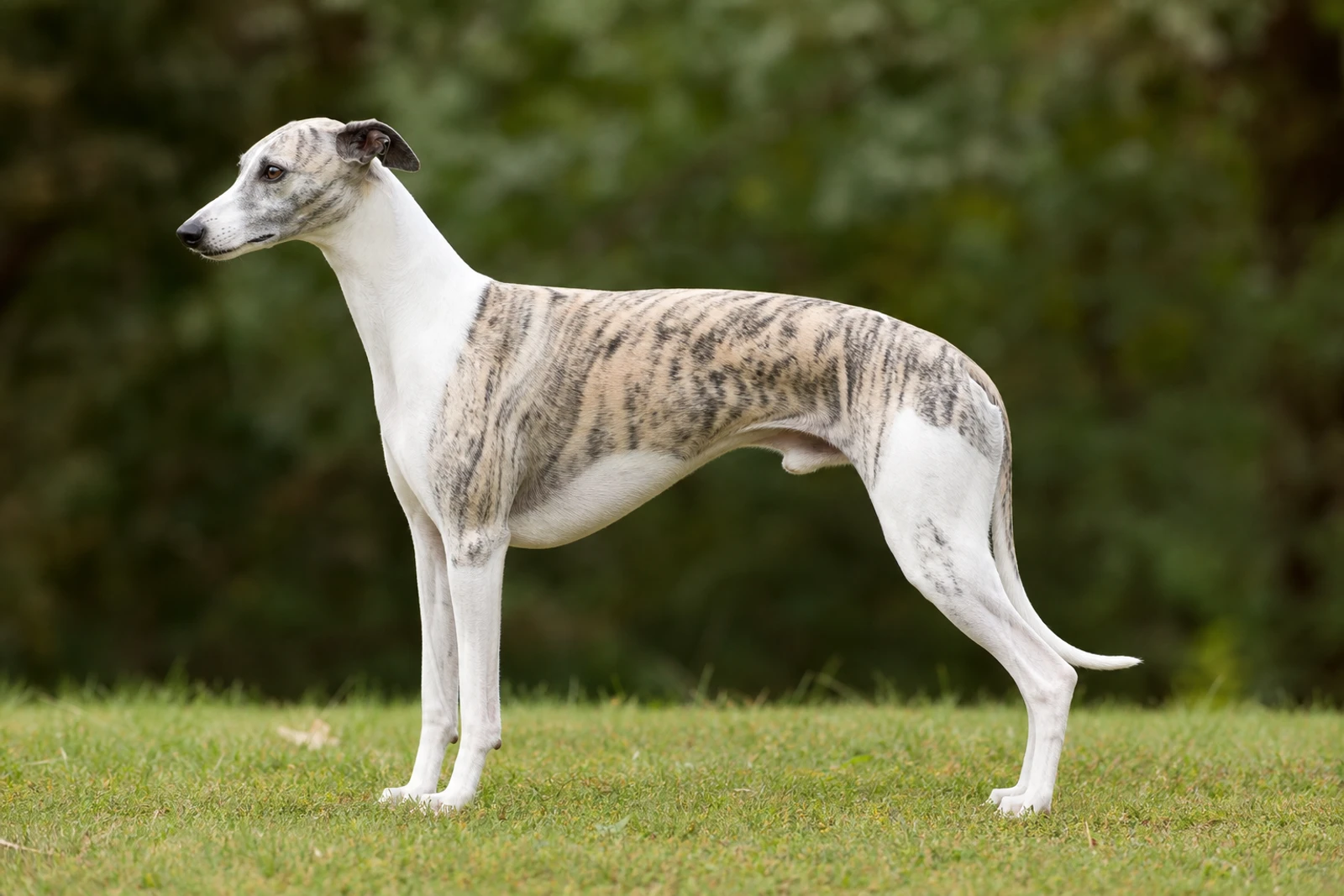
The Whippet is a medium-sized sighthound celebrated for its gentle, affectionate nature and incredible speed. Ideal for active singles, families, or apartment dwellers, this breed combines a calm indoor presence with thrilling bursts of outdoor sprinting. Whippets are low-shedding, quiet, and adaptable, suiting first-time owners who can provide daily walks and a soft couch. They thrive on human companionship and excel as loving, low-maintenance pets.
Whippet Sticker Pack
36 cartoon stickers • transparent PNG • no watermark
Pinterest-ready
Share all 36 reactions as one sticker sheet
Pinterest opens with the full pack and a fresh, tailored description. You choose the public board and publish it from your own account.
Save the full pack


Choose one reaction above to share it alone, or use the full-pack button for all 36 together.






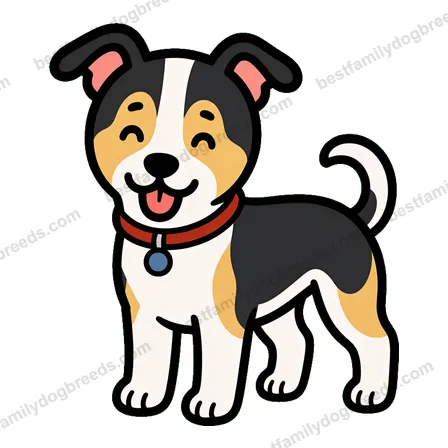
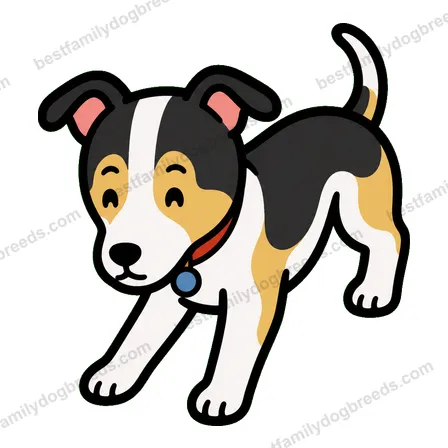


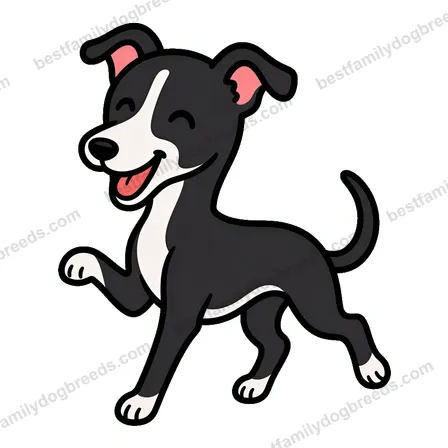
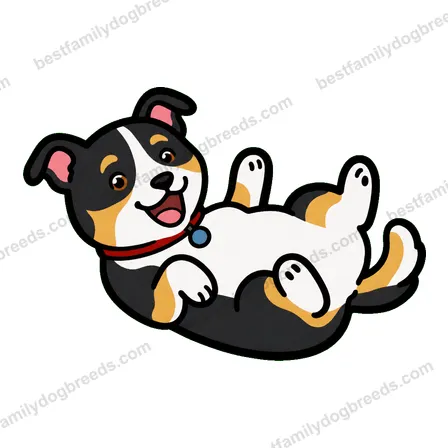
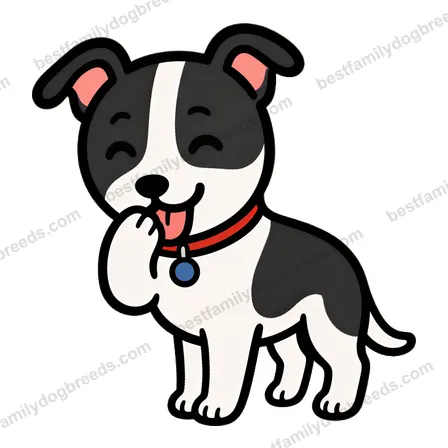








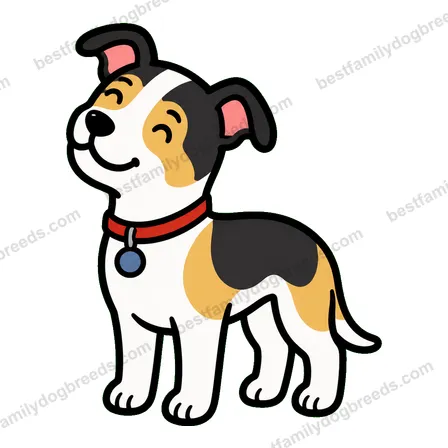




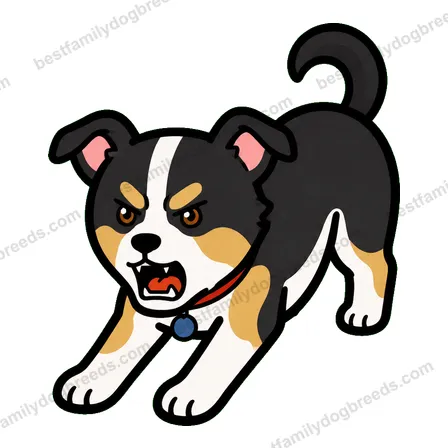


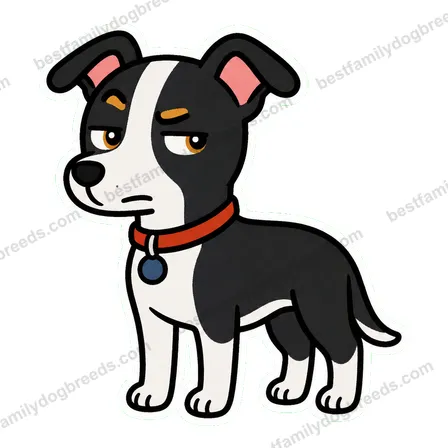

Free full-resolution download — no account, no payment, no watermark.
Includes all 36 transparent PNG stickers in one ZIP. A quick human check is required for each download.
At a glance
- Size
- Large
- Height
- 17–20 in
- Weight
- 24–40 lb
- Life span
- 12–15 years
- Coat colors
- black, white, red, fawn, blue, cream, brindle, parti-color
- Coat type
- short, smooth, and fine
- Group
- Sighthounds
How much does a Whippet cost?
Adopt / rescue
$50–$300
Usually includes spay/neuter, first shots, and a microchip.
Buy from a breeder
$400–$1,200
From a reputable, health-testing breeder.
Approximate USD. Prices vary widely by region, breeder, pedigree, age, and coat colour — adopting is the lower-cost and recommended route. Avoid suspiciously cheap “breeders”; they’re often puppy mills.
Estimate the full cost of a Whippet →Want the ongoing number? Estimate the monthly food bill for a Whippet with our dog food cost calculator.
Whippet photos
Views
Front, side, rear and top — the full silhouette.Poses
How the breed sits, lies, moves and plays.Puppy to senior
The breed across its whole life.Expressions
The breed’s range of moods.Close-up details
Eyes, ears, nose, paws, tail and coat.Coat colors
The breed’s recognized colors.Click any photo to enlarge. We show the Whippet from every angle — three views, poses, life stages, expressions, close-ups, coat and colors.
Appearance & size
You see a Whippet and the first thing that registers is the silhouette — a smooth, aerodynamic shape that looks fast standing still. This is a medium-large sighthound built for sprinting, not for heavy work. Males stand 19 to 20 inches at the shoulder, females 17 to 19, with weights ranging 24 to 40 pounds. That puts them in the large category, but they're light on their feet, a combination of deep chest, impossibly narrow waist, and long, fine-boned legs.
From the side, the signature curve is unmistakable: a graceful arch over the loin that sweeps into a low, tapered tail carrying a slight upward curl at the tip. The chest is deep and well-sprung to house heart and lungs, and the belly tucks up sharply — a classic sighthound underline. Front on, the legs stand straight with tight elbows, and the neck is long and elegant, leading to a sleek, narrow head with a barely perceptible stop. Dark, oval eyes give a calm, alert expression, and the small, rose-shaped ears fold back or lift sideways depending on what the dog is watching. From behind, you see powerful rear thighs and a clean, parallel set of hind legs driving the dog forward.
The coat is the definition of low-maintenance: a single, short layer that lies sleek against the body. You can see the muscles ripple underneath. Any color or combination is accepted — brindle, fawn, blue, black, white, and red are common, solid or with white markings and parti-color patterns. No matter the shade, the finish is the same: polished and tight, with no feathering anywhere.
History & origin
The Whippet is a product of Victorian-era England, built by working people who wanted a Greyhound’s speed in a more affordable, compact package. In the mining villages and textile towns of Lancashire, Yorkshire, and the Midlands, nobody had the money or space to keep a full-sized racing Greyhound. So they crossed small Greyhounds with quick, rabbit-keen terriers and possibly Italian Greyhounds to create a dog that could course hares, put dinner on the table, and tear around a makeshift racetrack on Saturday.
The result was a sleek, 24–40 lb sighthound that hit 35 mph in a flat-out sprint yet folded neatly beside the hearth. Unlike their aristocratic cousins, Whippets were the “poor man’s racehorse.” A rag tied to a string or a waved handkerchief would send them hurtling down a straight dirt path while neighbors bet pennies on the outcome. The sport of rag racing became a huge part of mill-town culture in the late 1800s, and the dogs’ fame spread.
The name itself likely came from early slang — “whappet” or “whip it” described something small that moved with a snap. By 1891, the breed was recognized by The Kennel Club (UK) and had already begun moving beyond the working class. The American Kennel Club followed in 1888, and the Whippet was firmly anchored as a dual-purpose dog: a weekend racer and a weekday companion.
Over the 20th century, the breed’s role shifted. While lure coursing and amateur racing still thrive, most Whippets today have traded the track for the sofa. That deep-rooted desire to chase hasn’t dulled one bit, but their quiet, people-gentle nature made the transition into pet homes almost seamless. A Whippet still expects a daily burst of flat-out running — and the same devotion the mill workers gave them over a century ago.
Temperament & personality
The Whippet is a sprinter by design and a lap dog by choice. Those 24 to 40 pounds of bunched muscle can hit 35 miles an hour in a few strides, but the moment they’re back indoors, the only thing they want to chase is a warm patch of sunlight on the sofa. You’ll recognize the pattern quickly: a brief, all-out gallop around a fenced yard, then hours curled up with a paw draped over your leg.
Expect a gentle, almost velcro-like attachment to their people. They’ll follow you from room to room, lean against your thigh, and invent creative ways to fit their long legs onto the smallest cushion next to you. With strangers they’re reserved, not suspicious—a polite sniff and a glance back at you before they decide someone is safe. That soft-touch personality means harsh words or rough handling can genuinely shut them down. They respond to calm, positive encouragement, and a treat after a good decision goes a long way.
Around the house, they’re unusually quiet. A Whippet that barks excessively is usually a Whippet that’s bored, lonely, or hasn’t been taught to settle alone. Separation anxiety can surface if they’re left isolated for long stretches, sometimes showing up as destroyed pillows or puddles by the door. Crate training and a gradual buildup of alone time will save your sofa.
With kids, they’re affectionate but not bulletproof—small fingers that poke or grab can make a nervous Whippet snap. Supervise any interaction and teach children to let the dog eat and rest undisturbed. With other dogs, they’re generally easygoing, but their sighthound wiring means cats and tiny fluff-balls register as prey. Off-leash recall in an open space is a coin toss once they lock onto movement, so a secure fence is your best friend.
Quirks? They run hot and cold. A Whippet’s thin skin and fine coat mean they’ll shiver in air conditioning and seek out every blanket in the house. You’ll find them burrowed under duvets or pressed against a radiator. That same thin skin also makes them drama queens about a bumped toe or a too-tight collar—they’re not wimps, they’re just honest about discomfort. Let a Whippet under the covers at night and you’ll have a loyal, slightly bony shadow for the next 12 to 15 years.
Good with kids, dogs & other pets
A Whippet who grows up with children often becomes their quiet shadow, curled next to them on the couch or trotting alongside a bike. The breed’s natural patience and low aggression make that picture possible, but it also depends heavily on the household. These are thin-skinned, lean dogs (24–40 pounds) that can be hurt by a toddler’s unsteady clamber or an accidental ear-pull. Teach kids to interact with flat hands and quiet voices, and never leave a Whippet cornered with an overexcited child. When both sides learn the rules, the relationship works.
With other dogs, Whippets usually relax into easy coexistence — especially with other sighthounds who match their play style of short sprints and long naps. Early socialization is what turns tolerance into real comfort. The clock on that is tight: the prime window closes around 12–16 weeks. Introduce a Whippet puppy to a wide cast of friendly, vaccinated dogs, different human faces, and everyday sounds before that window shuts. Even after that age, regular positive outings help prevent fear-based reactivity. An adult Whippet who missed early exposure won’t automatically become a dog-park regular; forcing interactions can backfire and increase anxiety.
Cats and small pets are the flash point. Whippets are sighthounds with a deep instinct to chase anything small and fast. Some live peacefully with a family cat they were raised with, but that’s a fragile truce. An outdoor cat streaking through the yard, a pet rabbit in a hutch, or even a small dog darting away can kick prey drive into gear in an instant. Supervise every interaction, especially in the first year, and never leave a Whippet loose with a smaller animal unsupervised. A fenced yard won’t quiet the instinct — it just contains the chase.
A final reality that affects all these relationships: Whippets hate being alone. They bond hard and can develop distress if left for long stretches. A home where someone is around most of the day keeps the dog emotionally steady, which directly lowers the odds of snappishness or separation-driven mischief. If your household already has long workdays and an empty house, plan for a midday dog walker or a second dog to fill the gap.
Trainability & intelligence
Whippets learn fast—when they want to. That’s the first thing to understand. They size up a new command, figure out exactly what you’re asking, and then decide whether it’s worth their time. You’re not dealing with a slow learner; you’re dealing with a smart, independent dog that rarely feels the need to jump through hoops just to make you happy. Food, play, or a favorite squeaky toy will get you much further than a stern voice.
Punishment-based methods backfire hard. Whippets are sensitive, and they’ll shut down or become anxious if you raise your voice or yank a leash. Training has to be a trust-building exercise from day one. Use short, upbeat sessions with immediate rewards—a piece of chicken the instant the butt hits the ground, a quick game of tug after a clean recall. Without that clear payoff, your Whippet will lose interest by session three.
The single biggest training hurdle is recall. This is a sighthound bred to spot movement and bolt after it. Once the chase instinct kicks in, you’re background noise. Off-leash reliability in an unfenced area is never a safe bet, no matter how much you practice. Work recall in enclosed spaces with high-value treats, and reward even a glance back toward you. Some owners also condition a whistle as a secondary signal. Keep expectations realistic—a truly bulletproof recall is the exception, not the rule.
Consistency is non-negotiable. If you let a Whippet counter-surf “just this once,” that loophole sticks in their memory. Everyone in the household has to enforce the same rules, or the training unravels.
Start socialization early, ideally before 14 weeks. Expose your puppy to different people, calm dogs, traffic sounds, and weird surfaces like tile or metal grates. A poorly socialized Whippet can lean fearful or reactive, and fear in a dog with that much sprinting power becomes a safety risk. Group classes help, but pick a trainer who knows sighthounds. Avoid anyone who pushes heavy-handed corrections; instead, find a coach who prioritizes relationship-based methods and will give you honest feedback on your timing.
When you get the approach right, Whippets thrive. They’ll work eagerly for someone they trust, and they’ll effortlessly learn house manners, tricks, and sport foundations. Just remember that training is about partnership, not obedience on demand. Ignore that reality, and you’ll be the one getting schooled.
Exercise & energy needs
A Whippet doesn’t need a marathon partner — he needs a drag strip. This is a sprinter through and through, capable of hitting 35 mph in seconds, and the single best thing you can offer is a safe, fenced space where he can cut loose at full throttle a few times a week. Without that, you’ll likely see a restless dog who channels his pent-up speed into things like counter-surfing or obsessive pacing.
A typical day, start to finish
Realistically, plan for 40–60 minutes of total activity, broken into at least two sessions. A morning walk of 20–30 minutes is a good warm-up but rarely enough on its own. The real payoff comes from an afternoon or evening session dedicated to high-intensity running — think 10–15 minutes of all-out sprinting in a securely fenced yard, a flirt pole workout, or an unleashed romp with a well-matched playmate. After that, your Whippet will happily crash on the sofa for the rest of the night. On days when you can't provide a sprint session, aim for three shorter leash walks and add mental work to burn off the edge.
Intensity and safety
Whippet exercise is about short bursts, not endurance. Pushing them to jog alongside a bike or go on a ten-mile hike can overstress a body built for acceleration, not stamina. Also, their thin skin and tucked-up loin leave little protection against rough collisions, so avoid boisterous play with significantly larger dogs that might bowl them over. Stick to soft surfaces like grass or sand for running when you can, and skip high jumps that can torque the spine — lure coursing and lure pole games naturally keep them close to the ground and are ideal.
Mental outlets that actually work
Don’t underestimate the brain half of the equation. Whippets were bred to spot and chase movement, so games that engage that visual drive — like a flirt pole (a long pole with a toy attached to a line) or a remote-controlled lure — are more satisfying than a standard puzzle feeder. They enjoy short, positive-reinforcement training sessions and can take to nose work surprisingly well, but classic “obedience drill” repetition will bore them fast. Two or three 5-minute training bursts scattered through the day keep their mind from going into standby mode.
What to actually do with them
- Lure coursing or straight racing: A natural fit. Even a casual coursing practice day in a fenced field scratches the itch deeply.
- Flirt pole sessions: 10 minutes can replace an hour-long walk and leave your Whippet deeply content. Just build in pauses so they learn impulse control while playing.
- Fetch with a twist: Many Whippets quickly lose interest in bring-it-back fetch. Tossing a ball uphill or rolling a lure-like toy along the ground often sparks more chasing instinct.
- Leash walks with sniff breaks: They’re decent loose-leash walkers, but they need those stop-and-sniff moments to feel like a dog, not a robot.
One hard rule: off-leash exercise outside a fenced area is a gamble you shouldn’t take. Prey drive overrides recall in an instant, and a Whippet crossing a road at full speed is a disaster waiting to happen. A well-fitted sighthound collar or martingale is non-negotiable because they can slip standard collars when startled.
Grooming & coat care
Whippets are the definition of wash-and-wear. Their short, single-layer coat has no insulating undercoat, so shedding is modest and grooming is about as low-effort as it gets. A quick once-over with a bristle brush or a rubber grooming mitt once a week will collect loose hairs, distribute natural oils, and keep that sleek, glossy look. You’re not detangling anything; you’re basically polishing.
Bathing is an occasional event, not a scheduled chore. Unless your Whippet has rolled in something, a bath every few months — or even just a rinse with plain water — is plenty. Over-bathing strips the coat’s natural shine. Use a gentle dog shampoo when you do, and dry them off thoroughly. Indoors, they’ll often self-clean like a cat and rarely carry a doggy odor.
The real grooming attention goes to nails, ears, and teeth. Whippet nails tend to grow fast. If you hear clicking on hard floors, it’s time for a trim — usually every 2–3 weeks. Letting them go too long can affect their gait and comfort on those long, delicate toes. Check the ears weekly for wax buildup or redness. A wipe with a damp cotton ball is all it takes; their upright, rose-shaped ears get decent airflow, so infections aren’t common. For teeth, aim to brush a few times a week with dog toothpaste. Sighthounds can be prone to periodontal issues, so this small habit pays off.
Seasonal shedding does uptick a notch in spring and fall, but it’s never a fur-storm. You’ll just notice more hair on the couch. Double up on that weekly brushing — two or three times a week — and maybe run a damp cloth over them after a walk to catch stray hairs. That’s it. No stripping, no clipping, no professional grooming bills. Whippets make coat care easy; your lint roller will barely break a sweat.
Shedding & allergies
Whippets shed, but just enough to notice—not enough to redecorate your home. Their coat is a single layer of short, fine hair with no insulating undercoat, so you’ll typically find a few sleek hairs on dark clothing or a light dusting on the furniture, not the drifting fur clouds that come with double-coated breeds. There’s no seasonal “blowout” in spring or fall; the shedding is steady, year-round, and easy to stay ahead of.
A quick weekly once-over with a rubber curry brush or a hound glove catches most loose hair before it lands on your floors, and it also polishes their coat to a glossy sheen. Baths are needed only when they roll in something smelly—their skin tends to stay clean and low-odor, and over-washing can dry it out.
- Shedding level: Low, year-round, small fine hairs.
- Seasonal blowout: None (single coat).
- Drool factor: Almost zero. Whippets are famously dry-mouthed; you won’t be wiping slobber off your walls or clothes.
The real story on allergies: No dog is truly hypoallergenic. Allergies are triggered by proteins in dander, saliva, and urine, not just by hair. Because Whippets produce relatively little dander, don’t drool, and shed very lightly, many people with mild dog allergies find they can live comfortably with one. However, if your allergies are severe, there’s no guarantee. Spend time around adult Whippets—ideally indoors—before committing to a puppy. A clean, low-shed coat is a helpful start, but it’s not a magic cure.
Diet & nutrition
A lean Whippet isn’t just a show-ring ideal — it’s a health necessity. These sighthounds carry very little body fat naturally, and extra pounds put real stress on their fine bone structure and deep chest, raising the risk of joint injuries and spinal strain. Check his waistline often: you should see a tuck behind the ribs and feel them easily under a thin layer of flesh. If you can’t, scale back.
Most adult Whippets do well on two measured meals a day. Exact portions depend on your dog’s weight, age, and how many hours he tears around the yard, but a 30-pound adult might start around 1.5 to 2 cups of high-quality dry food daily, split into breakfast and dinner. Adjust up or down based on body condition, not the clock. Puppies need more frequent fuel: four evenly spaced meals until four months, three meals until six months, then switch to the adult two-meal rhythm. Transition a new pup gradually — lightly cooked and puréed meats, fish, fruits, and vegetables, or a premium puppy kibble — to avoid digestive upsets. Raw chicken wings can come in around 12 weeks, always under supervision, if you go that route.
The breed’s deep chest means big meals and immediate sprinting are a dangerous combination. Feed a couple hours before or after hard running, and skip elevated bowls unless your vet advises otherwise for a specific medical reason.
Whippets aren’t usually bottomless pits; many self-regulate nicely. But there are definite chow-hounds among them, and food motivation varies. A dog who’d eat himself into a drum shape needs portion control and zero table scraps. Never feed him from your plate — begging, once learned, is tough to undo. Put any leftovers in his own bowl and use puzzle feeders or snuffle mats to slow him down, which also works out his brain.
Build the bulk of his diet around animal protein. A foundation of 60% cooked or raw meat with 20–30% fruits and vegetables and a small amount of grains, eggs, or yogurt suits his carnivore-leaning digestive system. For an adult with a sensitive stomach, a bland meal of white rice and poached chicken or a little pearl barley can settle things. Rich, fatty holiday trimmings are a fast track to pancreatitis, so keep those well out of reach.
Seniors deserve a few tweaks. As his sprinting slows, trim calorie intake slightly to head off obesity. There’s no good reason to slash protein in an otherwise healthy older dog; split the same quality food into two or three smaller meals if he has missing teeth or a tender mouth, and purée the portions to boost nutrient absorption. An occasional splash of unsalted vegetable cooking water makes a hydrating meal booster when broth isn’t on hand.
Health & lifespan
A healthy Whippet frequently breezes past 12 years and plenty make it to 15. That long runway means you have time to enjoy their ridiculous zoomies and couch-snuggle double life. But it also means the decisions you make now — breeder choice, weight management, preventive care — compound over a decade and a half.
Responsible breeders screen for the handful of problems that do show up in the breed. The big ones:
- Heart disease: Mitral valve disease can develop, particularly as they age. A board-certified cardiologist exam or an echocardiogram on the parents is a green flag.
- Eye issues: Progressive retinal atrophy (PRA) and cataracts. Breeders who do annual CERF or OFA eye exams help you avoid dogs that go blind by mid-life.
- von Willebrand’s disease: A blood-clotting disorder similar to hemophilia. A DNA test lets breeders identify carriers and prevent passing it on.
- Deafness: A BAER test on young pups catches unilateral or bilateral deafness early.
- Anesthesia sensitivity: Like many sighthounds, Whippets carry less body fat and metabolize drugs differently. This is not a disease — it’s a fact of their physiology. Absolutely no surgery or dental cleaning should happen without a vet who gets this. Using propofol or other modern protocols drastically reduces risk; a vet who brushes it off isn’t the right vet.
Weight sneaks up on a food-motivated Whippet that’s been demoted to lap-warmer. A fit adult male typically runs 30–40 pounds, a female 24–34. You want to see a visible waist from above and feel ribs easily under a thin layer of skin. Extra pounds stress joints and the heart, and they cut into that excellent lifespan. Portion control is non-negotiable.
That coat — sleek, tight, and practically no undercoat — leaves them defenseless in cold weather. A Whippet shivering in an October drizzle is not being dramatic; he’s losing heat fast. A well-fitted dog coat in winter, plus a warm, draft-free bed inside, prevents the kind of low-grade stress that breaks down health over time.
High-speed running is their joy and also their hazard. Torn dewclaws, split pads, and muscle strains come with the territory. A first-aid kit and knowing how to wrap a paw are part of the deal. If you hike or let them off-leash in unfenced areas, be ready for the occasional emergency vet visit — they are fast enough to collide with a tree or unseen wire.
Month-to-month care stays simple. Heartworm prevention each month during mosquito season and one month past it is mandatory in most of the US. Rabies vaccination is a legal requirement, not a suggestion — symptoms are untreatable once they appear. Annual wellness exams with blood work catch early signs of heart or kidney changes, especially in dogs over 7. Don’t skip the dental: crowding in that slender muzzle makes tartar buildup a fast track to gum disease.
Early socialization does more than create a polite dog. The Whippet who grows up comfortable with handling, strangers, and vet clinics avoids the cortisol spikes that fuel stress-related illness. A puppy kindergarten class, practiced nail trims, and positive exposure to cold stethoscopes pay off in real health dividends for years.
Living environment
A Whippet is one of the quietest, cleanest, and most apartment-friendly medium-large dogs you’ll meet. They rarely bark, carry almost no doggy odor, and shed so lightly you’ll forget they have fur. Indoors, they’re champion couch potatoes—until it’s time to sprint. What they really need isn’t a big house, but a safe spot to hit 35 miles an hour a few times a week. A fenced yard is ideal, but it must have a 5- to 6-foot fence; a Whippet’s prey drive fires instantly, and a squirrel turns off their recall like a switch. Invisible fences fail miserably—they blast through the boundary when focused on a target.
Without a yard, you’ll need regular access to a secure, fenced area: a ball field, a quiet beach, or a large dog park during off-hours. Two daily 20-minute sprint sessions, plus a couple of longer sniff walks and a rotation of puzzle toys, keep their lean body and sharp mind from coming unspooled into anxious energy. They’re built for explosive bursts, not endurance slogs, and too much pavement pounding can stress their joints over time.
Climate tolerance is lopsided. Whippets have nearly zero body fat and a single-layer coat thinner than a t-shirt. They shiver hard in the cold and flat-out refuse rain without a coat. In winter, expect them to wear sweaters indoors and a waterproof layer outside. Heat is easier—they love basking like lizards—but shade and fresh water are non-negotiable because they’ll overheat chasing a toy.
Leaving a Whippet alone for a full workday frequently backfires. They bond fiercely with their humans, and long stretches of solitude often lead to destructive chewing, howling, or stress accidents. They thrive in homes where someone is around most of the time, or where a gradual, puppyhood desensitization plan builds real tolerance for alone time. A second calm dog can ease the quiet, but it’s no stand-in for you.
Who this breed suits
Whippets slot into an unusual niche: they’re 40 mph sprinters with zero desire for a marathon. The right owner is someone who can deliver a daily full-tilt sprint session — a fenced field, a lure course, or a safe off-leash beach — and then settle into a quiet home. A 30-minute stroll doesn’t cut it; these dogs need an honest hour of free running, not just a leashed walk, to stay sane indoors.
They’re a standout choice for first-time dog owners who want a medium-large dog without the heavy lifting. At 24–40 pounds, Whippets are clean, nearly odorless, and shed very little. They rarely bark and come with an off switch that kicks in the moment exercise is done. That makes them surprisingly good for apartment life or retired singles, provided you can commit to that daily sprint. A tired Whippet is a velcro-like couch ornament for the next 22 hours.
Families with gentle, school-age kids tend to hit the sweet spot. Whippets aren’t fragile, but they dislike clumsy handling, ear-pulling, or shrieking chaos. They bond deeply — often picking one person as their sun — but warm to the whole household. They don’t guard, so don’t expect a watchdog.
But this breed isn’t for everyone. High prey drive means a running cat, rabbit, or squirrel triggers an instinct that no amount of training fully extinguishes. Homes with free-range small pets are a genuine risk. You absolutely need a securely fenced yard or a lifetime commitment to on-leash walks; a Whippet off leash in open space may be a dog you never see again. They’re also dramatic about cold and rain, often refusing to step outside without a coat. If you want a rough-and-tumble playmate, a reliable off-leash hiking partner, or a dog who’ll ignore the neighborhood squirrels, this isn’t your match. But if your idea of heaven is a clean, quiet sprinter who presses against your legs during a movie, a Whippet fits like a glove.
Cost of ownership
You’ll typically pay $800 to $1,500 for a well-bred Whippet puppy from health-tested parents; show-ring hopefuls can push past $2,000. Adoption through a breed rescue usually runs $100 to $400, often including spay/neuter and initial vaccinations.
Monthly food sits around $30–$60 for a quality kibble. A lean 24–40 pound Whippet isn’t a huge eater, but expects a bit more if you run them hard or do lure coursing. Factor in $10–$20 for treats and the occasional chew, because that needle nose will absolutely sniff them out.
Grooming barely moves the needle. A quick weekly once-over with a rubber curry or hound glove is all that short, thin coat needs. Bathe only when necessary—maybe four times a year. If a professional handles nail trims, you’ll spend $10–$15 a month; most owners do it at home.
Routine vet care and preventatives average $50–$80 a month when you spread out annual exams, vaccines, heartworm medication, and flea/tick control. Pet insurance for a Whippet typically adds $25–$50 a month, and I’d lean toward a solid policy or a dedicated emergency fund. These are explosive sprinters with a strong chase instinct—muscle strains, toe injuries, and lacerations aren’t rare. Responsible breeders screen for cardiac and eye problems, and their naturally low body fat means some Whippets react differently to anesthesia, which can push surgical costs higher if trouble shows up.
One-time gear adds $200–$400: a martingale collar is non-negotiable for that narrow head, a cushioned bed is a must, and a coat is smart if winters dip below freezing. All together, you’re looking at $100–$150 a month in ongoing costs. The biggest financial wildcard is an unplanned vet visit after a high-speed oops—plan for it before the leash snaps.
Choosing a Whippet
A Whippet that’s a perfect fit at home starts with a breeder or rescue that doesn’t cut corners. This breed is generally healthy and long-lived, but the wrong start can lead to a dog that’s overly fearful, sound-sensitive, or medically fragile.
Responsible breeder or rescue — which one?
A Whippet from a good breeder gives you a predictable puppy with known lineage, early socialization, and health-tested parents. A rescue Whippet — often an adult — skips the puppy chaos and lets you steer toward a dog whose temperament and habits are already visible. Both are solid paths.
If you go the breeder route, be ready to wait. Whippet litters are small, and ethical breeders don’t breed often. Expect to answer plenty of questions; a breeder who vets you as carefully as they vet their dogs is the one you want.
Health clearances you should see
Both parents need current, verifiable clearances — not just a vet check. Ask to see the certificates and look them up in the OFA or CHIC database.
- Eye exam by a board-certified veterinary ophthalmologist within the last year. This screens for progressive retinal atrophy and other inheritable eye issues.
- Cardiac exam by a board-certified cardiologist. Whippets can develop mitral valve disease, and a clear echo rules out early signs in breeding stock.
- BAER hearing test (brainstem auditory evoked response) is less common but strongly recommended. Unilateral deafness can crop up and a breeder who tests for it is going the extra mile.
- Hips and elbows are rarely a problem, but some breeders still do OFA or PennHIP evaluations for added transparency.
A breeder who brushes off these tests or says “my lines are healthy so I don’t test” is a red flag. Walk away.
Red flags also include: letting puppies leave before 10 weeks (Whippet puppies need that time with littermates to learn bite inhibition and social signals), selling based on color or “rare” markings, or keeping dogs in kennels with little household exposure. Whippets are sensitive sighthounds — early handling, normal household sounds, and crates are non-negotiable. A breeder who doesn’t start these from week three is setting you up for a spooky, anxious adult.
Picking your puppy
When you visit, the dam should be clean, relaxed, and affectionate — not cowering or snapping. The sire may not be on site, which is normal, but you should be able to get his full health history and temperament description. Puppies should be plump, curious, and eager to investigate you. A Whippet puppy that hangs back severely or startles over every new sound may be a struggle in a busy home. Don’t fall for the underdog impulse; pick the middle-of-the-road puppy that checks you out, plays a bit, and then settles calmly when you hold them.
Ask for a written contract that includes a health guarantee, a requirement to return the dog if you can’t keep them, and a spay/neuter clause unless you’re buying a show prospect. A good breeder hands over a puppy pack with vaccination records, microchip info, and a small bag of current food — not a sales pitch for supplements.
The rescue route
Whippet-specific rescues are run by people who know the breed inside and out. Foster homes will tell you exactly how a dog does with cats, kids, and other dogs, and whether the prey drive is manageable on a leash. Adult Whippets from a rescue often settle in fast because the hardest training (housebreaking, crate training) is done. You also dodge the teething-on-your-coffee-table phase. Just ask the rescue about any known health issues and whether they’ve done a recent eye or heart check.
Pros & cons
Pros
- A Whippet is a sprinter built for comfort. Inside the house they’re calm, clean, and practically odor-free—you’ll often find one curled up under a blanket on the couch, sleeping 18 hours a day if you let them.
- Their short, single-layer coat sheds very little and needs no more than a quick wipe-down with a damp cloth. Baths are only an occasional thing.
- Quiet dogs by nature; they rarely bark without a reason, making them good apartment candidates as long as their daily sprint needs are met.
- Incredibly sweet and gentle-tempered with family. They tend to be patient with respectful children and happy to cuddle with whoever’s available.
- Low drool factor and fastidious self-grooming habits mean they stay tidier than most breeds their size.
- A fenced yard or a safe open space gives you a front-row seat to breathtaking athleticism—a Whippet can hit 35 mph in three strides and covers ground with seemingly zero effort.
- Lean and light (24–40 lb), they’re easy to lift, travel with, or haul onto the couch without rearranging your whole life.
- Good lifespan: 12–15 years, with many staying active and playful well into their senior years.
Cons
- A Whippet’s prey drive is hardwired. Squirrels, cats, or a fluttering leaf can trigger a chase, and off-leash recall is never reliable unless you’re in a fully enclosed area. They will bolt into traffic without a second thought.
- They need a securely fenced yard—ideally 6 feet high, because a motivated Whippet can clear shorter obstacles. Underground fences don’t stop them when the chase instinct kicks in.
- Short coat and almost zero body fat make them painfully sensitive to cold. Below 45°F they need a coat or sweater; in hard freezes, booties aren’t silly, they’re necessary.
- Their skin is thin and tears easily. A rough collision during play or an accidental scrape can turn into a wound that needs stitches, so a quick once-over after zoomies is smart.
- These are companion hounds that hate being alone. Left for long workdays without training and gradual conditioning, they can develop problematic separation anxiety—chewing doorframes, howling, or house-soiling.
- Despite being couch potatoes indoors, a short potter around the block won’t cut it. They need a daily chance to sprint flat-out for 20–30 minutes; a bored Whippet with bottled-up energy is a whining, furniture-rearranging menace.
- Counter-surfing is a Whippet specialty. They’re tall enough to reach the back of your kitchen counters and quick enough to snatch a roast before you hear the claws on the floor.
Similar breeds & alternatives
If you love the Whippet’s gentle, low-maintenance personality but need a slightly different size or coat, the sighthound family offers a clear sliding scale. The Whippet really is the middle child — not as delicate as the tiny Italian Greyhound and not as enormous as a retired racer Greyhound.
Italian Greyhound — The 7–14 pound toy version. An IG will curl up under your covers and follow you everywhere just like a Whippet, but the similarities end in fragility. A leap off the couch can snap a leg, housebreaking is famously stubborn, and they shiver in anything below 70°F. They’re cheaper to feed and easier to scoop into a carrier, but you lose the sturdiness that lets a Whippet wrestle with kids and tear around the yard without constant worry.
Greyhound — At 60–70 pounds, this is the Whippet’s overgrown, couch-hogging cousin. You’ll get the same 43 mph sprints followed by 20 hours of napping, and the same short, clean coat. The trade-off: you’ll need a bigger sofa, a taller fence, and more floor space to avoid tripping over them. Many ex-racing Greyhounds transition beautifully to family life, but they come with a longer learning curve for stairs and glass doors. If you have the physical room but want an even calmer adult dog, a retired racer can be a wonderful alternative.
Silken Windhound — Imagine a Whippet with a soft, flowing coat and a slightly smaller build (usually 20–35 pounds). This newer American breed was designed to be a small, affectionate performance sighthound with fewer of the Italian Greyhound’s health pitfalls. The coat is the real difference: it needs brushing a couple times a week to prevent mats, especially behind the ears and in the feathering. Silkens tend to be a touch more biddable and a little less intense about hunting, but they still require secure fencing and short daily zoomies.
If you’re drawn to the Whippet’s quiet indoor manners but want something smaller and tougher than an IG, you might peek at the Basenji — but tread carefully. They’re the same weight range and wash-and-wear coat, yet a Basenji is a fiercely independent problem solver with a yodel instead of a bark. Recall is practically nonexistent, and they’ll dismantle your trash can if bored. A Whippet’s soft, owner-focused nature is worlds away from that deliberate mischief.
Fun facts
- The Whippet is often called the 'Poor Man's Racehorse' due to its history in working-class racing.
- They can reach speeds up to 35 mph, making them one of the fastest accelerating dog breeds.
- Whippets are known for their 'double suspension gallop,' where all four paws leave the ground twice per stride.
- Despite their racing prowess, Whippets are famous couch potatoes and love to snuggle under blankets.
Frequently asked questions
- Are Whippets good with children?
- Whippets tend to be gentle and affectionate with children, making them good family dogs. However, supervision is recommended with very young kids due to the breed's slender build and sensitivity. Early socialization helps ensure a calm and patient temperament.
- Do Whippets shed a lot?
- Whippets have a short, smooth coat that sheds minimally compared to many other breeds. Weekly brushing with a soft bristle brush or hound glove is usually enough to keep shedding under control. They are a good option for owners who prefer a low-shedding dog.
- How much exercise does a Whippet need?
- Whippets need daily exercise to stay happy, including off‑lead running in a secure area if possible. They are sprinters, so short bursts of high‑speed play followed by relaxation suit them well. Without adequate exercise, they can become restless or destructive.
- Can Whippets live in apartments?
- Whippets can adapt to apartment living as long as they receive sufficient daily exercise and mental stimulation. They are generally quiet and calm indoors, enjoying lounging on soft furniture. Access to a nearby park or secure dog run is ideal.
- Do Whippets bark a lot?
- Whippets are not known to be excessive barkers; they tend to be quiet dogs. They may alert bark when someone approaches the door or if they spot small prey, but overall they are moderate barkers. Training can help manage any nuisance barking.
- Are Whippets good for first-time owners?
- Whippets can be a good choice for first‑time owners because they are affectionate, gentle, and relatively low‑maintenance. However, they do need consistent training and a secure environment due to their strong prey drive. First‑time owners should be prepared for a dog that can be sensitive to harsh corrections.
Tools & calculators for Whippet owners
Quick estimates tailored to Whippets — pre-filled with this breed’s size where it matters.
Articles & stories about the Whippet

Best Large Dogs for Apartments: Calm Big-Breed Options and Real Constraints
Large dogs can fit apartment life when their energy, barking, grooming, and household fit align. Compare six database profiles.

Low-Maintenance Dogs for First-Time Owners: What “Easy” Really Means
“Low maintenance” is a fit between a dog’s scorecard and your routine—not permission to ignore a dog. Compare six first-time-friendly profiles.
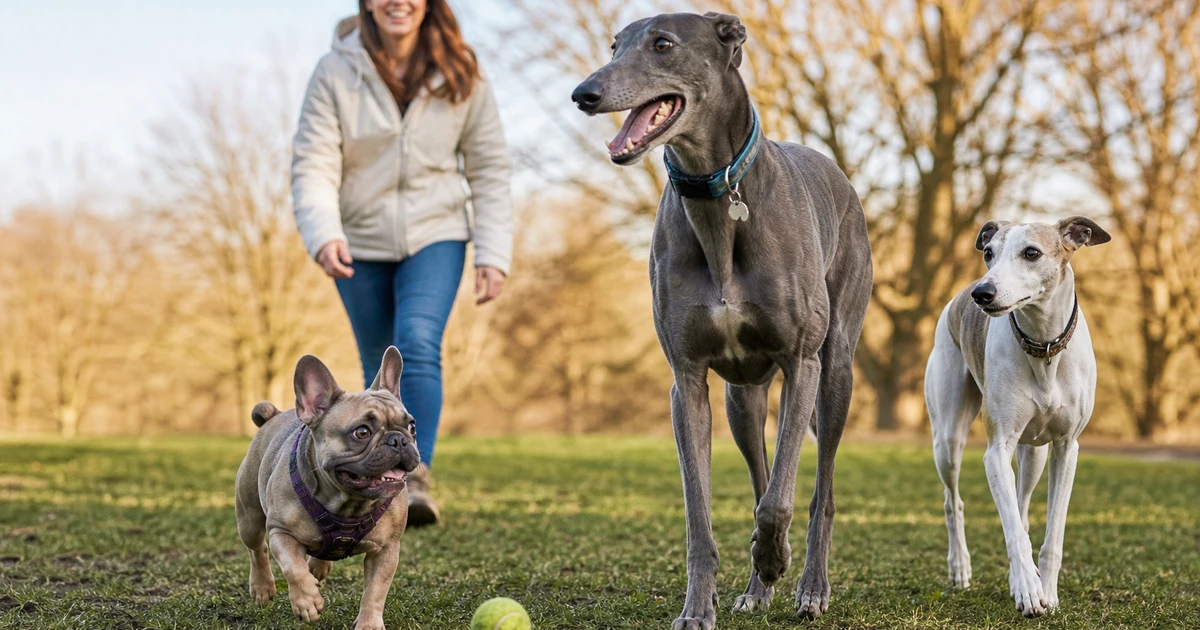
The Best Low-Maintenance Dogs for Busy Families
Low-maintenance isn't no work — it's lower grooming, manageable exercise, and a calmer indoor vibe. These 8 breeds fit the bill, honest caveats included.
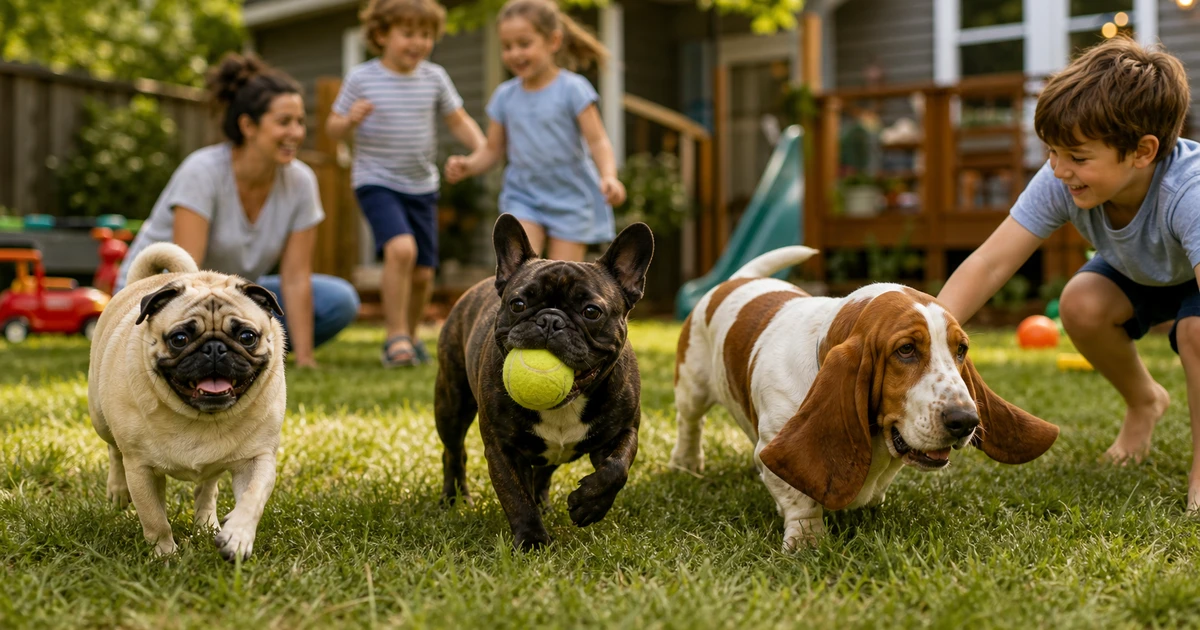
Best Dog Breeds for Kids When the Parents Are Busy
Compare kid-friendly dog profiles for busy homes by energy, grooming, barking, size, and training—without mistaking a breed list for an alone-time promise.
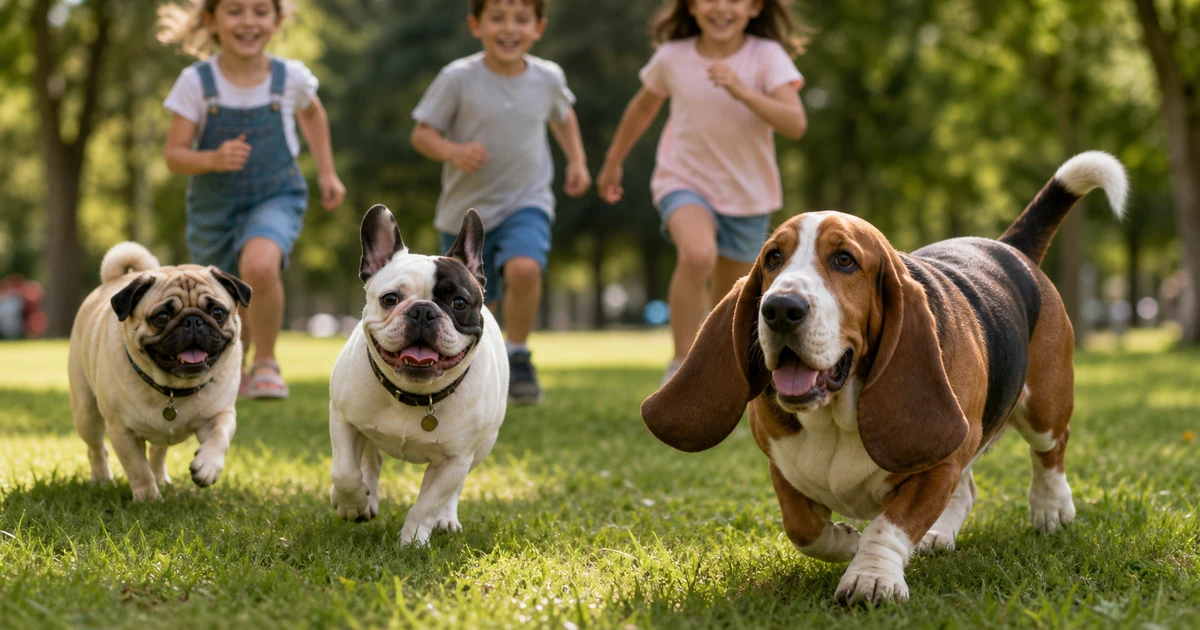
Best Low-Maintenance Dog Breeds for Kids: Easy Does Not Mean Effortless
A practical, whole-profile comparison of low-maintenance dog breeds for kids: coat work, energy, barking, size, and the trade-offs that remain.
Sources & standards
This profile follows recognized breed standards from the American Kennel Club (AKC) and the Fédération Cynologique Internationale (FCI), along with established veterinary and breed-club guidance. These describe general breed tendencies — every dog is an individual.