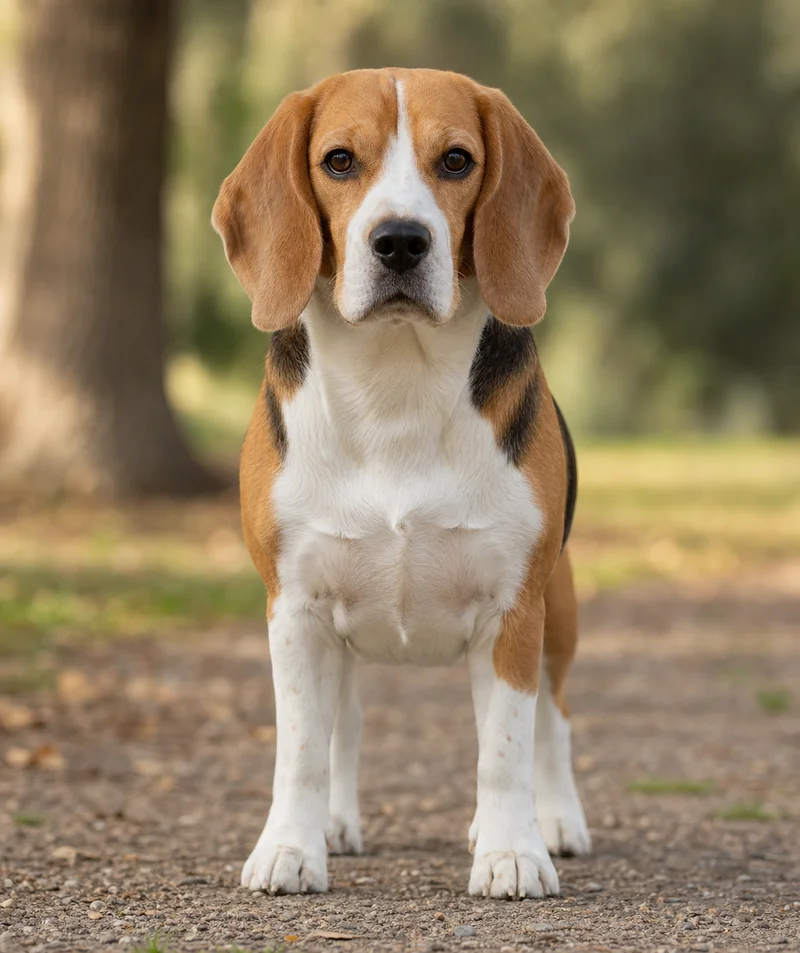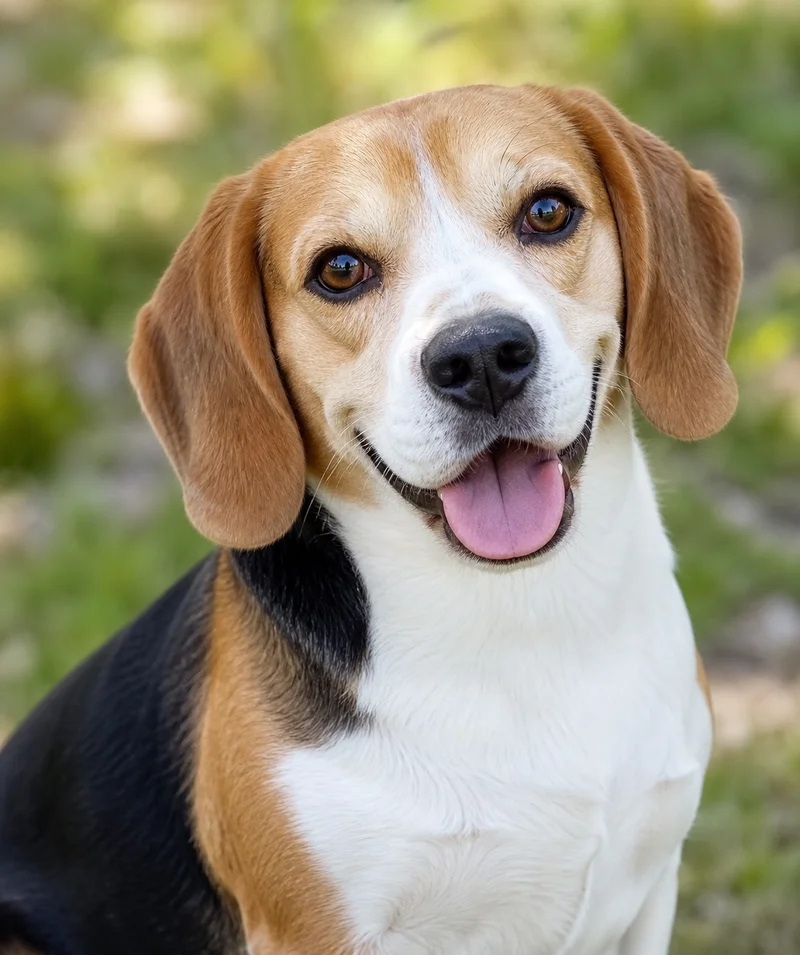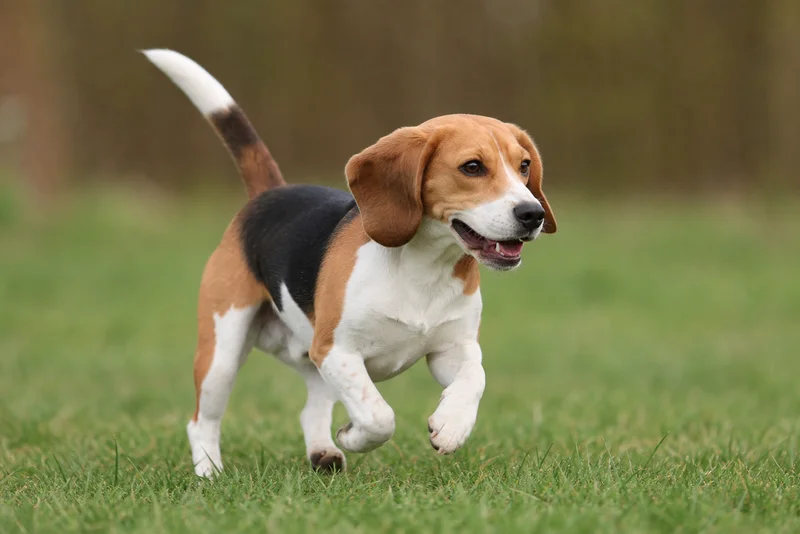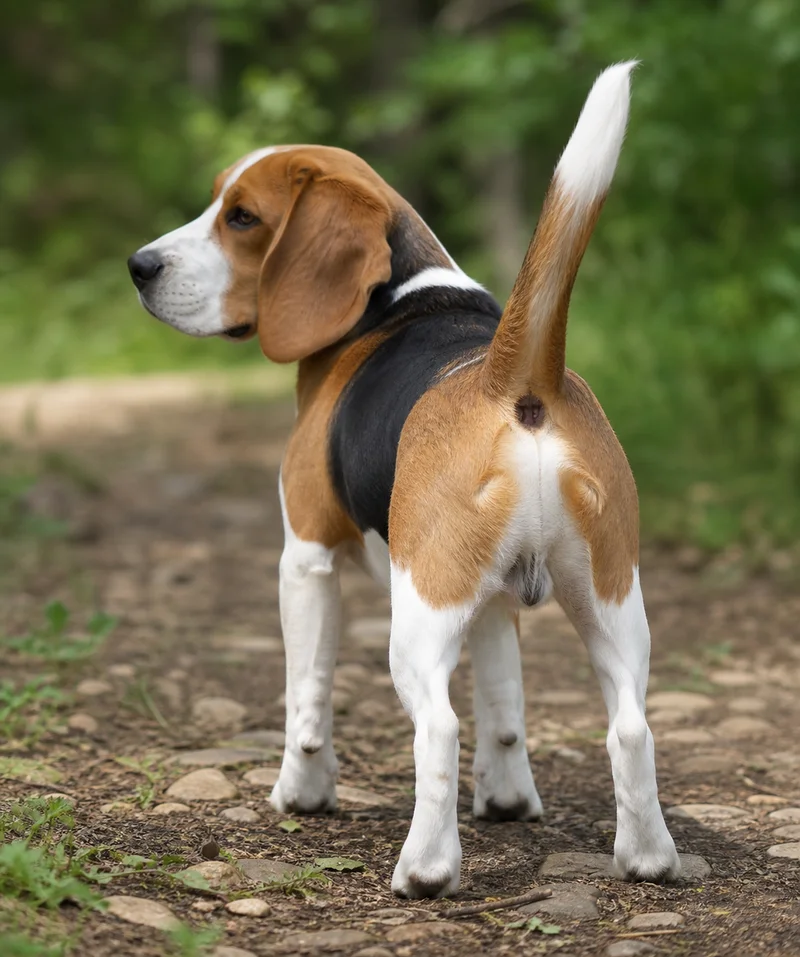
Why your Beagle ignores “come” (and it’s not personal)
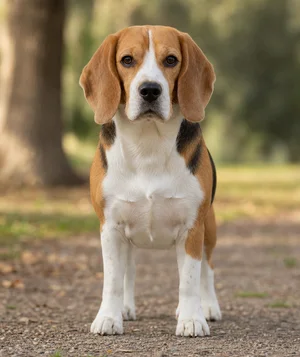
Beagle — View full breed profile →
A Beagle’s default operating system is scent, not voice. That nose—what we’d describe as exceptional—is wired to override rational thought when it catches something good. In our early attempts, we made the classic mistake: we’d call, he’d glance back, and then keep sniffing. Frustration rose, our tone sharpened, and suddenly “come” meant “the party’s over.” We had to stop treating it like stubbornness and start respecting a deeply ingrained drive. As the breed’s history proves, these dogs were selectively bred for centuries to track game and bay loudly, not orbit a human’s heel.
Once we accepted that, training became less about forcing compliance and more about engineering a recall that felt worth his while. We swapped corrections for a game of “what’s in it for me?”—and that changed everything.
The long-line lesson: teaching distance without losing control
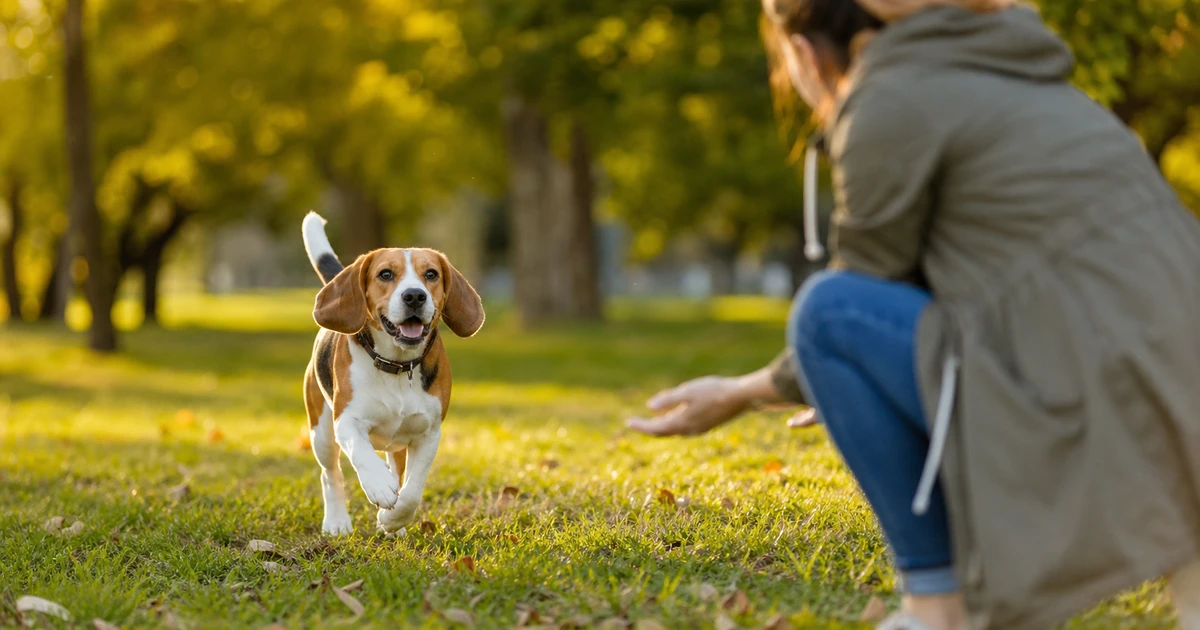
We started by ditching the flexi-leash for a 30-foot cotton long line. The goal was to create a low-stakes, fenced-yard environment where he could sniff freely, but we could gently prevent ignoring a recall. The first rule: never yank. If we called “come” and he didn’t respond, we’d follow the book-fact advice we’d read—turn away and move in the opposite direction to trigger his instinct to follow. When he caught up, we’d bend forward in a play bow, pat our hands, and reward with a high-value treat.
If he still hesitated, we’d give the line a gentle, steady pressure—not a jerk—just a signal, like a tap on the shoulder. The moment he turned toward us, even a step, we made it rain praise and bits of chicken. This taught him that “come” wasn’t the end of fun; it was a detour to something better. We practiced for five-minute sessions, multiple times a day, always ending on a win.
Building a treat hierarchy (chicken beats kibble every time)
Beagles live for food, but not all food is equal to a dog who’d happily raid a trash can. We learned to rank treats like a currency system. Level one: everyday kibble and store-bought biscuits, reserved for low-distraction practice indoors. Level two: cut-up hot dogs, cheese, or freeze-dried liver, deployed in the yard with moderate sniffing competition. Level three: real chopped chicken, steak bits, or stinky fish treats—the nuclear option, saved only for recall emergencies or training in a novel environment.
We always kept a mix on us, often in a dedicated bait bag, because a Beagle’s nose can tell the difference from twenty feet away. If he got bored or learned that “come” only paid out with kibble, his enthusiasm dipped. The surprise of a random level-three jackpot kept him guessing. Over time, we slowly reduced the frequency of food rewards, replacing some with a tug toy or a quick game of chase, but we never phased treats out completely. This breed is too practical for that.
Turning recall into a game
Short, game-based training was the advice that finally clicked. Beagles respond to joy, not drilling. We invented “recall ping-pong” in the backyard: one family member would call the dog from twenty feet away, reward lavishly, then another would call from across the yard. He’d sprint back and forth, tail wagging, not realizing he was practicing a life skill. Indoors, we hid in different rooms and called his name, then celebrated when he found us—essentially hide-and-seek with a recall command attached.
We also learned to use his desire to chase. If he was trotting away, we’d squeak a toy or run the opposite direction, triggering a “chase me” response. Once he reached us, we’d play a brief tug session before asking for a sit. This taught him that coming when called often leads to more play, not a clip on the leash and a trip home. For a dog bred for action, that mental shift was huge.
A realistic timeline: months, not weeks
If you’re starting from scratch, expect a genuine recall to take three to six months of consistent, daily practice—and that’s only in controlled settings. We saw progress at home within a month, but proofing it around squirrels and new parks easily tripled that timeline. The key was never testing him off-leash in an unfenced area until we were 99% sure he’d turn away from a moving rabbit. Even now, we don’t trust that 100%. As our research warned, a reliable recall will always be a challenge with a Beagle, and off-leash freedom in open spaces remains off-limits.
We learned to celebrate small wins: the first time he glanced at a bird but chose to come back, the first recall from a neighbor’s chatty dog. These were hard-earned victories, and they only came because we committed to short, positive sessions every day, never pushing past boredom or frustration. The bond deepened, and we started to see a dog who wanted to check in, not just blow us off.
Beagles may not be the most biddable dogs, but they’re among the most affectionate and forgiving family companions you could ask for—in fact, they often top lists of best dog breeds for families because of their patient, merry nature with kids. Training recall with one just demands that you match their single-mindedness with your own. The payoff? A dog who still follows his nose with glee, but occasionally remembers that your voice might mean chicken.