Loving a Bernese Mountain Dog Knowing They Won't Live Long
diaryBy David Thompson

Loving a Bernese Mountain Dog Knowing They Won't Live Long

You adopt a Bernese Mountain Dog for the leaning hugs and snowy snouts, not the decades. Their 10-year lifespan breaks your heart, but the love they pack in makes every day count.

David Thompson

David Thompson

Retired Teacher·United Kingdom

David taught secondary school history in Manchester for 30 years. Now retired, he spends his days hiking and writes about the deep, uncomplicated happiness that life with a dog brings at every age.

You don’t adopt a Bernese Mountain Dog for the decades. You adopt one for the quiet way they lean against your legs while you make coffee, for the snow-dusted snout after a romp in the yard, for the way they let your toddler use them as a pillow. And somewhere around year two, you realize you’re already halfway through the ride.

That’s not hyperbole. The lifespan of a Bernese Mountain Dog is about 10 years. Ten years. Not 12 to 15 like many breeds. Ten, and often less when cancer or joint disease cuts it short. It’s a number that hangs in the back of your mind from the day you bring that wiggly, tricolored puppy home.

When we brought ours home—let’s call him Gus—we knew the math. My wife and I had done the reading, seen the statistics. But knowing it and living it are two different things. The first time your seven-year-old son asks why Gus is sleeping more, or why his back legs shake on the stairs, you have to decide how much truth to hand him.
The Conversation You Never Want to Have

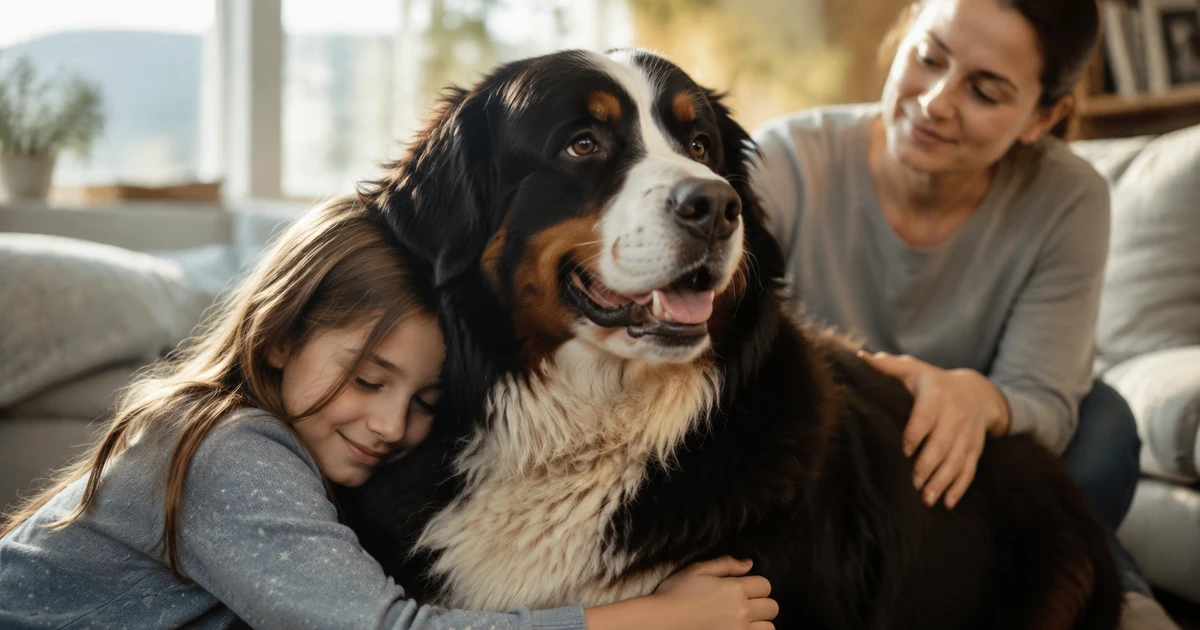
We sat both kids down on the couch, Gus sprawled at our feet like a furry rug. “You know how big dogs don’t live as long as little dogs?” I started. Our daughter, then five, nodded sagely as if she’d already discussed it at preschool. Our eight-year-old went quiet.

We didn’t say “Gus is dying.” We said Gus was getting older faster than we were, and his body was working harder. That every day with him was a gift, and our job was to make him as happy as he made us. We let them ask questions. They were blunt and brutal: “Will he die before I’m ten?” Maybe. “Why do we get dogs that don’t live long?” Because some of the gentlest hearts come in giant packages.

That conversation doesn’t end in one evening. It loops back around when you visit the vet and hear the C-word. And if you’re looking at a best dog breeds for families list, hoping to sidestep this pain, I get it. But we didn’t choose Gus for his longevity. We chose him for his patience, his slobbery kisses, and the way he’d lie next to the crib and sigh whenever the baby stirred.

Making a Decade Feel Like Forever

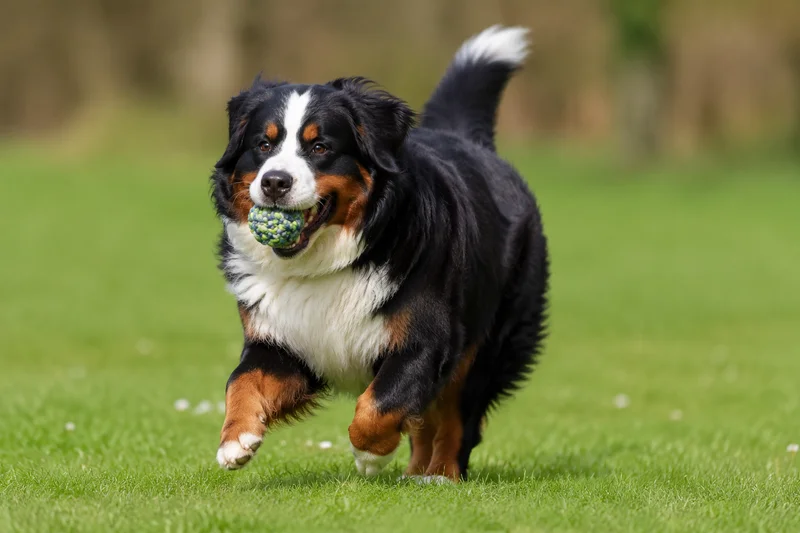
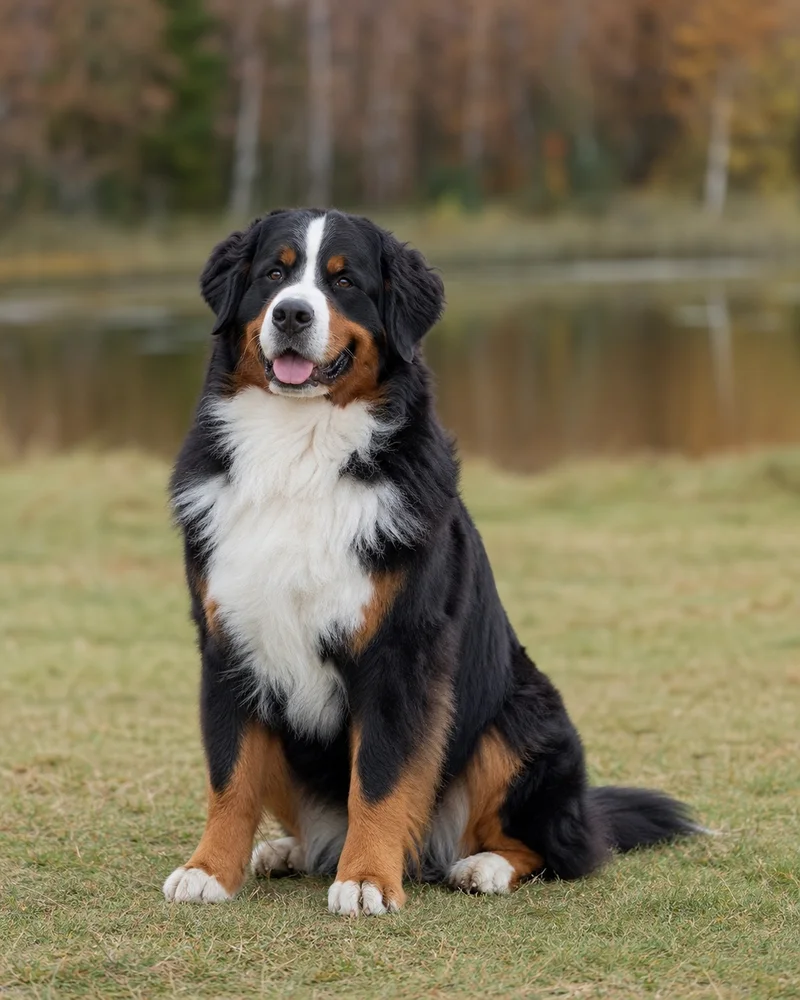
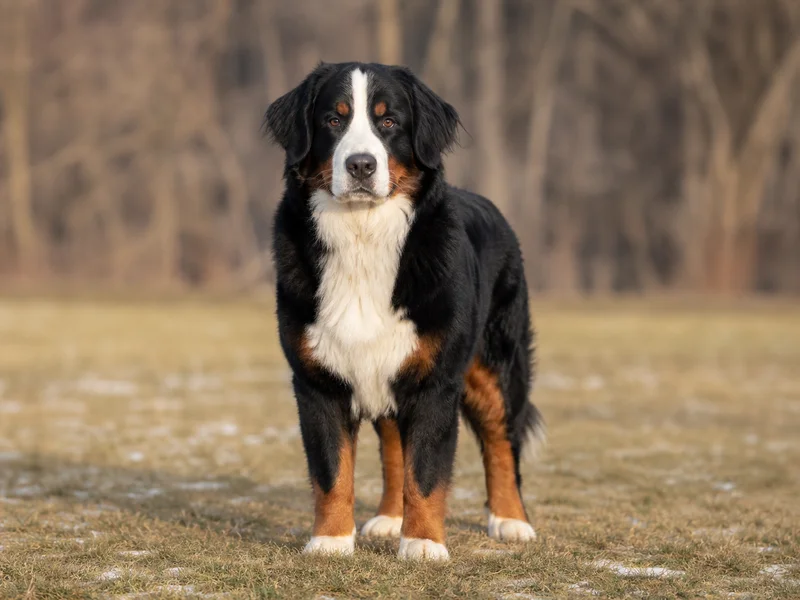
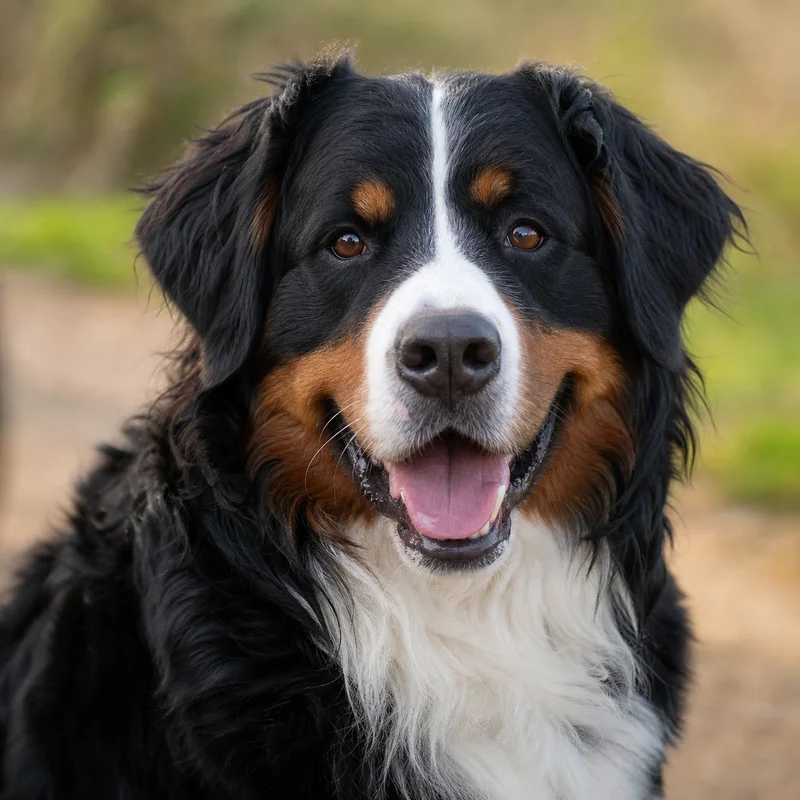
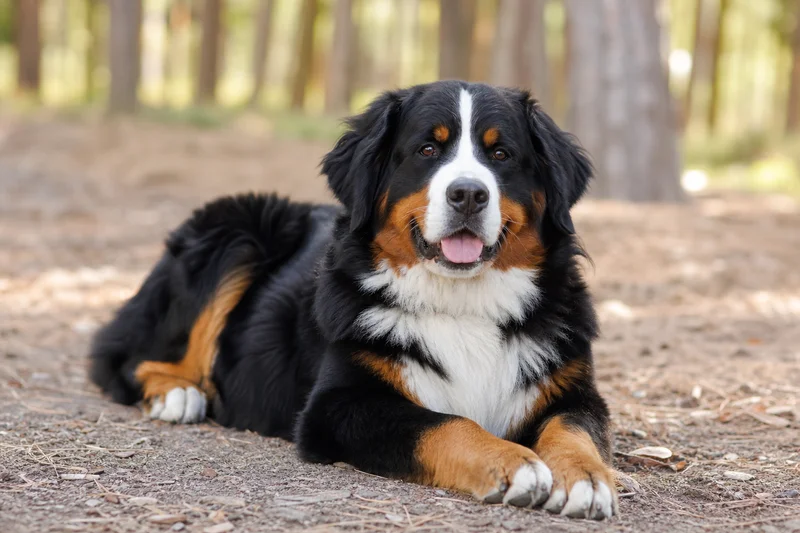
Ten years can feel short, but it’s also enough to fill a childhood. My kids learned to walk while clutching clumps of Gus’s fur. They held his leash for the first time around age four, his 90-pound frame plodding steadily beside them like a furry bodyguard. We built rituals: morning “coffee patrol” where he’d accompany me to the driveway, snow hikes where he’d plunge chest-deep and turn to check on us, summer evenings with him sprawled under the sprinkler while the kids shrieked.

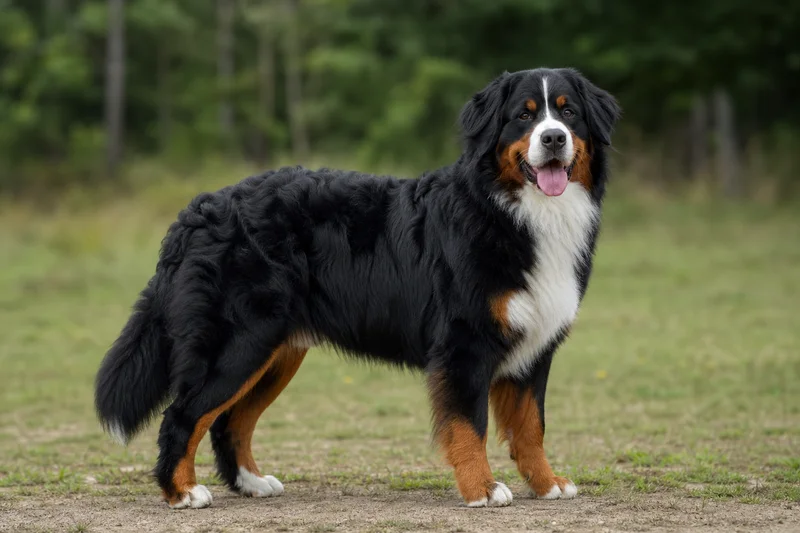
You lean into the seasons. In winter, this breed comes alive—a thick double coat made for the Alps, not an apartment. He’d burrow into snowbanks and emerge with a white beard, utterly at peace. Summer required strategy: walks at dawn, a kiddie pool in the shade, and AC blasting. We planned vacations around him, rented cabins with fenced yards, scanned café patios for dog-friendly tables.

The secret is not to mourn prematurely. A Berner lives in the now, and they tug you right into it. When Gus plowed through a screen door after a squirrel, we laughed (eventually). When he leaned his full weight against my mother-in-law and she toppled onto the couch, we realized that “gentle” doesn’t mean “aware of his own mass.” You learn to anchor the coffee table and warn visitors.

What the Vet Doesn’t Tell You (Until You’re There)

Around age six, the health watch begins in earnest. Hip and elbow dysplasia, bloat, but above all, cancer. Histiocytic sarcoma, lymphosarcoma, osteosarcoma—names you’ll learn to dread. Our vet said it plainly: “In this breed, I consider cancer a matter of when, not if.” It’s not pessimism; it’s pattern.

We started paying attention to subtle changes. A limp that didn’t resolve, a lump that grew, Gus opting to sleep through a walk. Joint supplements went into his food, then pain meds. We switched to shorter, softer trails. When the diagnosis came at just past nine, we weren’t shocked, just hollowed out.

But here’s the thing: watching for health issues can become an obsession, and it steals the joy. Yes, be vigilant. Feel for bumps during belly rubs. Watch how they rise after a nap. But don’t let dread crowd out the daily good. For every hour spent Googling symptoms, spend two hours scratching ears and filling up the treat puzzle.

The Velcro Dog

If I had to distill the Bernese Mountain Dog into one trait, it’s this: they need you. Not in a clingy, neurotic way (usually), but in a bone-deep, I-belong-with-my-people way. Leave them alone for a nine-hour workday, and you’ll come home to shredded pillows and a dog who’s been howling since noon. This breed was bred to be part of the farm family, the whole day, every day.

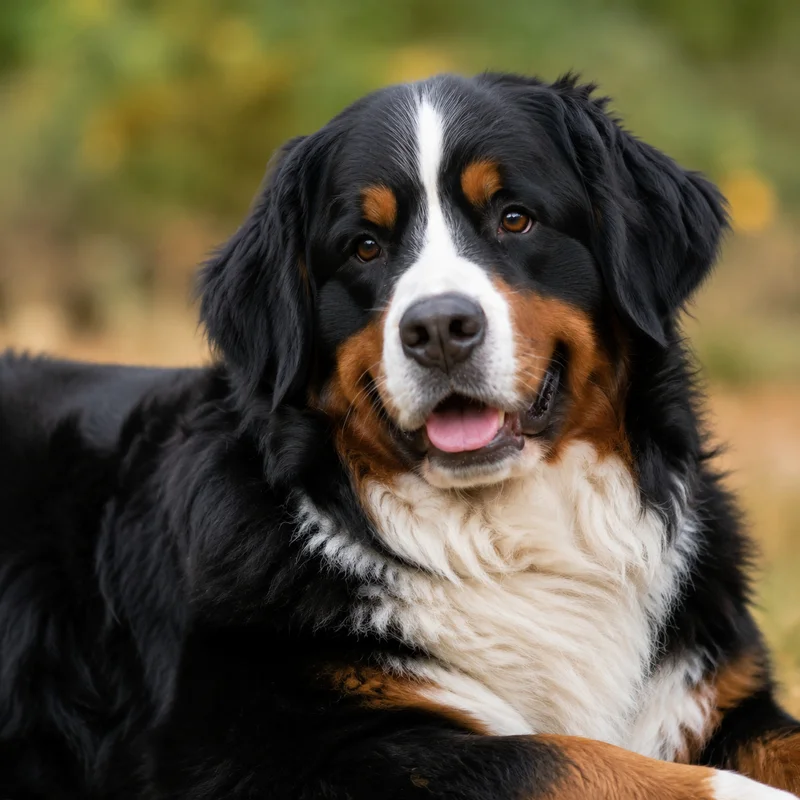
Bernese Mountain Dog breed photo Bernese Mountain Dog — View full breed profile →

Our Gus followed me from office to kitchen to bathroom like a furry shadow. When I cooked, he’d lie in the doorway so I’d have to step over him. When I read on the couch, he’d rest his head on my knee until my leg went numb. This is the dog you choose when you want a constant companion—but it means rearranging your life so someone is almost always home. Remote work, a stay-at-home parent, a part-time schedule: all of these make it possible. Without that, a Berner will suffer, and so will your drywall.

Why We’d Do It Again

People ask if it’s worth it, loving a dog for such a short stretch. I don’t know how to answer that except to say: I’d pick Gus again in a heartbeat, even knowing the end. The pain of losing him is just the accumulated weight of all the love we packed in. There are longer-lived family dogs—the best dog breeds for families include plenty that will see your kids through college. But none of them will lean against you with quite the same solid, steady trust.

So you go in with eyes open. You tell your kids that this dog is a shooting star, bright and brief. You teach them to cherish the ordinary Tuesday afternoons. And when the last day comes, you hold that giant, gentle head in your lap and you thank him for every cold morning he warmed your feet.

The numbers are brutal: 10 years, maybe. The reality is a dog who fills that decade with more presence than some people manage in a lifetime. That’s the deal with a Bernese Mountain Dog. You get a piece of your heart that walks around on four paws, and you guard it until you can’t.

Breeds mentioned in this article

Find your perfect dog

Browse our in-depth, vet- and trainer-reviewed breed guides:

Share