Training a Boxer: How to Work With (Not Against) Their Goofy Energy
trainingBy Carlos Rivera

Training a Boxer: How to Work With (Not Against) Their Goofy Energy

Boxers are equal parts athlete and clown, but channeling that goofy energy takes the right approach. Discover how short sessions, positive games, and a sense of humor turn chaos into a well-mannered family dog.

Carlos Rivera

Carlos Rivera

Head Chef·Mexico

Carlos runs a busy restaurant in Mexico City and has shared his home with dogs his entire adult life. He believes a full life means good food, good company — and always at least one dog underfoot.

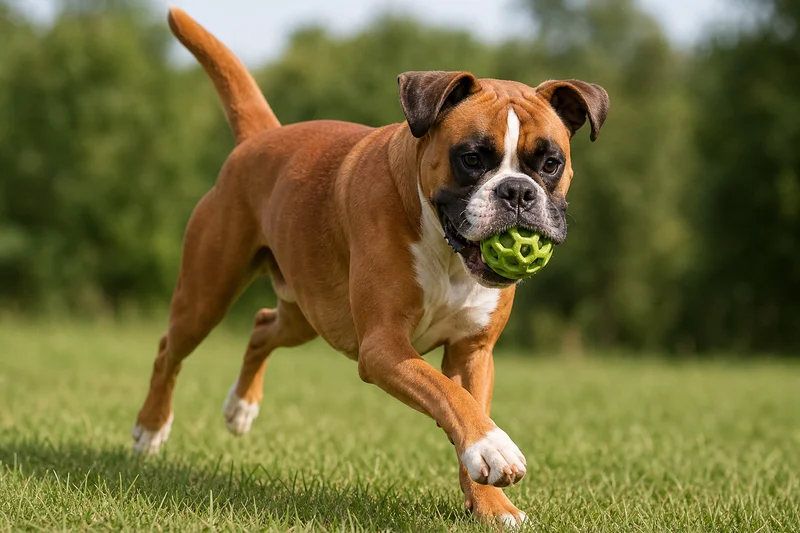
My Boxer, Gus, once greeted a pizza delivery guy by launching into his arms like a furry cannonball. The guy laughed—after catching his breath and wiping off the drool. That’s classic Boxer: pure, 65-pound enthusiasm with zero concept of personal space. If you’ve got one of these wiggle-butts, you know training isn’t about breaking their spirit. It’s about channeling all that goofy energy into something that won’t knock over your grandmother.

The Boxer is a loyal, playful, and energetic working breed. They’re smart—often nailing “sit” in three tries—but they’re also independent thinkers with the attention span of a toddler on a sugar rush. Forget hour-long drills. A Boxer’s brain works in sprints. The magic happens in 5- to 10-minute bursts, two or three times a day. End on a win, even if it’s just a quick “touch,” and you’ll keep that tail wagging for more. These short sessions match their natural rhythm; anything longer, and you’re just competing with the squirrel in the yard.
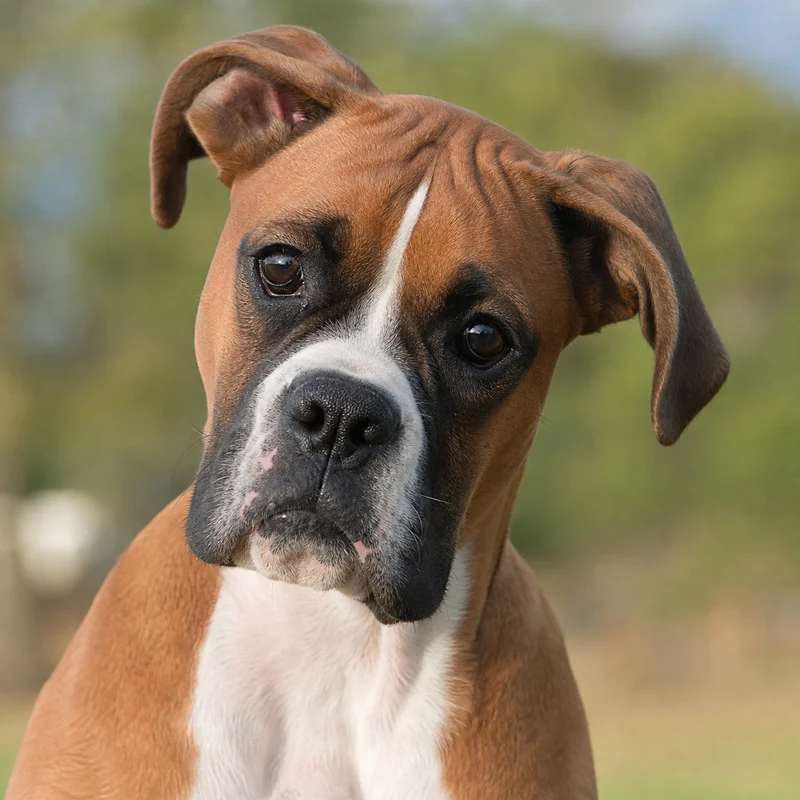
Why jumping is their full-time job

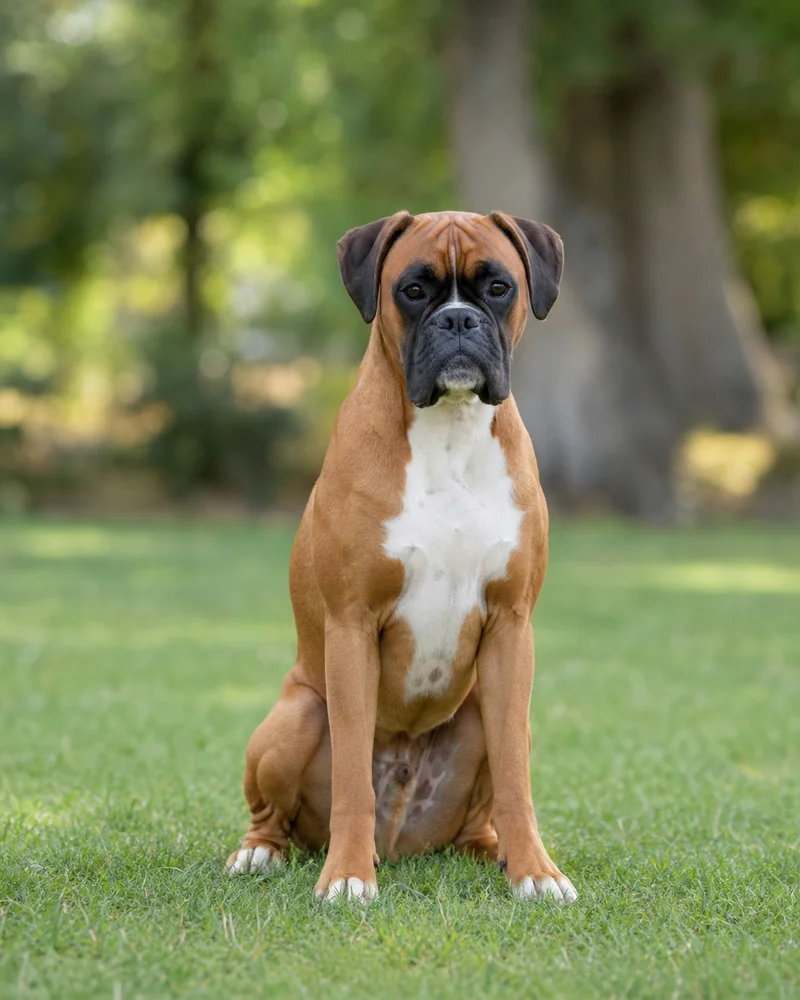
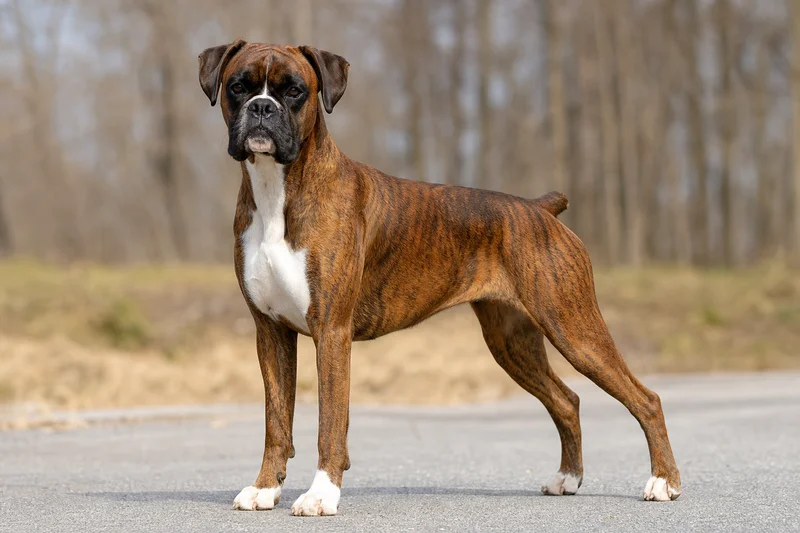
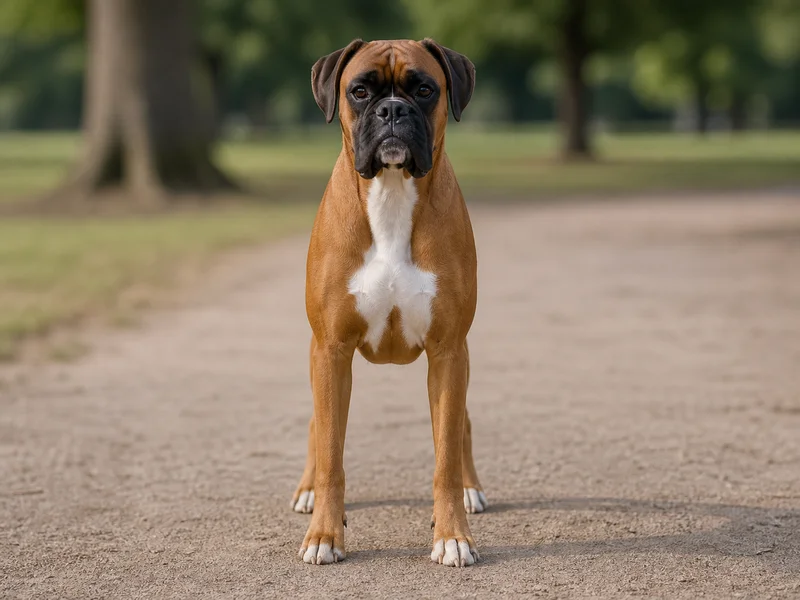
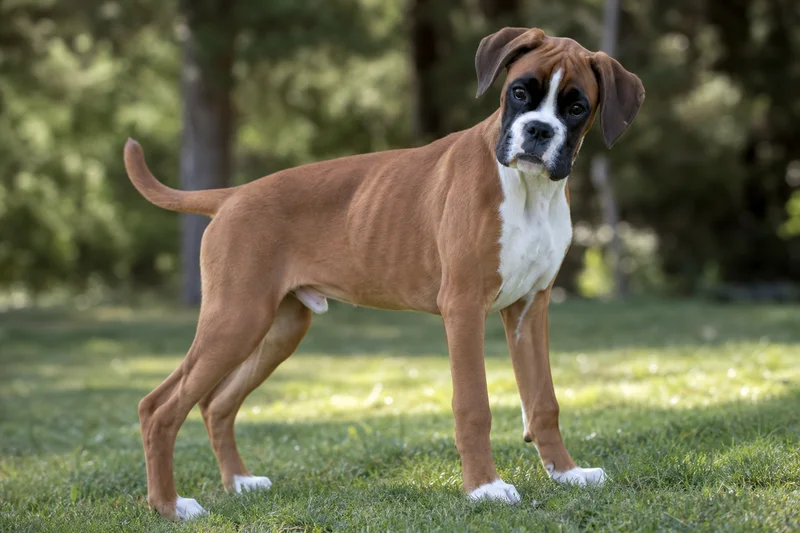
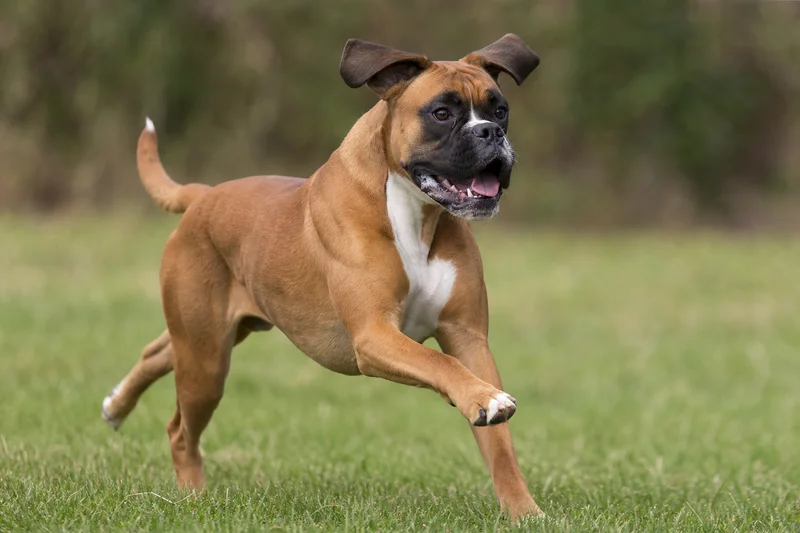
Jumping is the Boxer’s signature move. With those powerful hind legs and a vertical that seems physics-defying, they can hit a visitor’s face with a slobbery kiss before you say “off.” At 55–71 pounds and 21–25 inches, that’s a collision risk, not a cute greeting. The fix? Never reward paws off the ground. Turn into a tree—no eye contact, no touch, no voice. The instant all four paws hit the floor, you become a party of praise and treats. They’ll figure out that staying down earns the thing they want most: you.

Boxer breed photo Boxer — View full breed profile →

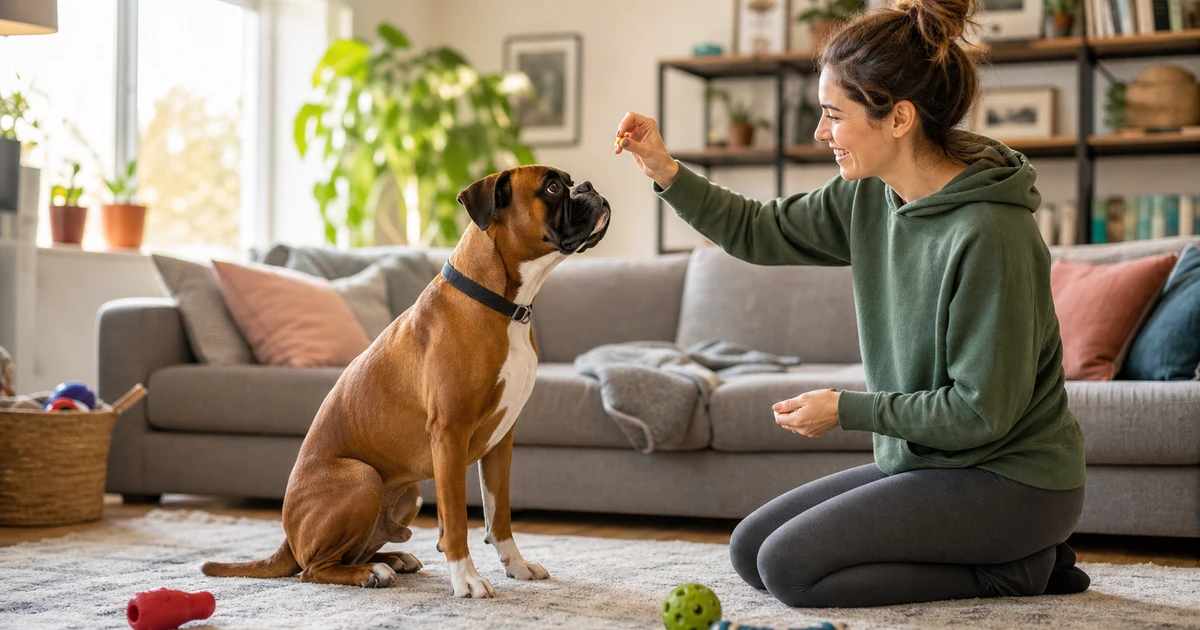
It’s not just manners; it’s safety. A Boxer’s full-body wiggle of joy can mow down a toddler. If you have young kids, practice “sit for greetings” until it’s automatic. Every family member can hold a treat at their chest and only deliver it when the dog’s rear is glued to the floor. Soon, the doorbell becomes a cue for a sit, not a launch.

Positive reinforcement: the only gear that works

Harsh methods backfire spectacularly. Boxers are sensitive clowns; a yelled “no” can make them hand-shy or shut down entirely. They respond to positivity like a kid responds to candy. Turn training into a game. Use tiny cubes of cheese, a squeaky toy, or a spontaneous tug session as a reward. When I teach “come,” I make it a celebration. I never call Gus to end fun—I call, treat, and release him back to play. That way, recall isn’t the killjoy; it’s the best part of the adventure.

Recall is the Mount Everest of Boxer training. Their prey drive kicks in hard around squirrels, and a 70-pound dog ignoring you is a safety issue. Start indoors with zero distractions, then move to a fenced yard, then a long line outdoors. Use freeze-dried liver, a ball they live for—currency that’s better than whatever they’re chasing. And crucially, call them to you just for a party and release, so they never associate “come” with the end of freedom. Expect setbacks during adolescence (around 7–10 months); they’ll “forget” everything. Stay patient, go back to basics, and don’t take it personally.

Games that teach manners

Manners aren’t lectured; they’re caught through play. “Touch” (nose to hand) redirects attention when excitement spikes. “Settle” on a mat teaches an off-switch—toss a treat for any moment of calm. Boxers are physical comedians, but they also have a brain that craves a job. Scent games, where you hide treats and let them sniff out the stash, burn mental energy and reinforce focus. In those short sessions, you’re not just training; you’re building a dog who chooses polite behavior because it’s more rewarding than chaos.

A favorite game: when guests arrive, scatter a handful of kibble on the floor. It gives the Boxer a job (sniffing) while people enter, and it’s incompatible with jumping. Within a few repetitions, doorbells predict a fun meal, not a flying tackle. Then, once guests are settled, you can ask for a “touch” or “sit” to say hello calmly.

The maturity marathon

Now, let’s talk about the long game. Boxers are famous for a prolonged puppyhood. That goofy, bullheaded streak can stretch to age three or even four. Around 7–10 months, you’ll likely hit a wall where your once-eager pup forgets every command. This isn’t defiance; it’s adolescence. Don’t panic. Go back to basics, keep sessions light, and wait it out. Consistency during this phase shapes the adult dog you’ll live with for a decade or more—they have a 10–14 year lifespan, so the investment pays off big.

First-time owners can absolutely succeed if they treat training as a learning obsession. The breed isn’t marked as “first-time owner friendly” for a reason: they’re powerful and slow to mature. But if you’re the type who runs to puppy class the week you bring them home and practices daily, you’ll have a partner who makes you laugh through every stubborn moment.

If you’re scanning lists of best dog breeds for families, the Boxer is always near the top. But they’re not a plug-and-play pet. They need a trainer who’s as engaged as they are, someone who treats exercise as a non-negotiable (an hour a day, split up) and sees training as a daily habit, not a phase. With school-age kids who can stand their ground during a wiggle-fit, they’re unmatched playmates. A fenced yard is a lifesaver, and loneliness is their kryptonite—separation anxiety is real, so crate training and gradual alone-time practice are essential.

Energy, heat, and the art of settling

Energy management is half the battle. A tired Boxer is a trainable Boxer, but physical exercise alone isn’t enough. They need mental work—those short, upbeat training bursts are as tiring as a run. On hot days, be careful: their pushed-in faces make them overheat quickly. Hill sprints in 90-degree weather are a no-go. Instead, work on “settle” indoors with the AC blasting. And those legendary snores? That’s the sound of a Boxer recharging between rounds of mischief.

Boxers are not a breed you can tire out with a leashed stroll. They were built to work, and that genetic memory surfaces in zoomies that can redecorate your living room. An hour of daily exercise—split into runs, fetch, or hikes—is your baseline. Without it, they’ll create their own jobs, like excavating your sofa.

Training a Boxer is a conversation, not a boot camp. You’ll laugh, you’ll get drooled on, and you’ll swear those ears are just for decoration. But when your 70-pound goofball chooses to listen—when he stops mid-zoomies because you said “enough”—you’ll realize all those short, goofy sessions built something real: a family dog who’s as well-mannered as he is joyful. And honestly, the pizza guy will thank you.

Breeds mentioned in this article

Find your perfect dog

Browse our in-depth, vet- and trainer-reviewed breed guides:

Share