Golden Retriever Shedding: How We Stopped Losing Our Minds (and Found Our Floor)
tipsBy Marco Ferretti

Golden Retriever Shedding: How We Stopped Losing Our Minds (and Found Our Floor)

I once found a golden fur tumbleweed in my coffee. Here's the realistic grooming routine that keeps your sanity and your floors visible—without losing the joy of living with a heavvy shedder.

Marco Ferretti

Marco Ferretti

Veterinarian·Italy

Dr. Marco Ferretti is a small-animal vet in Florence with a special interest in canine nutrition and breed-specific health conditions. He translates clinical research into plain advice real dog owners can actually use.

The first time I vacuumed after getting our Golden, I filled the canister twice—in a one-bedroom apartment. I wish I were exaggerating. If you’re reading this, you’re probably ankle-deep in golden tumbleweeds and wondering if you’ll ever see your floor again. You will. But only if you accept one thing: a Golden Retriever sheds like it’s an Olympic sport, and the medal is all over your couch.

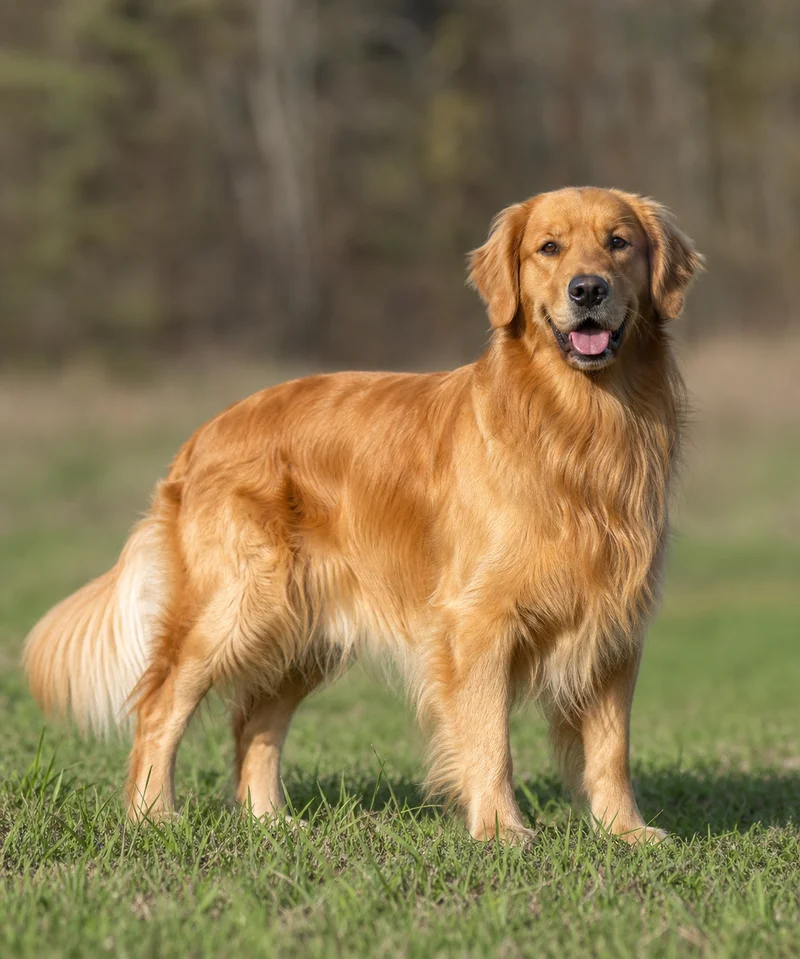
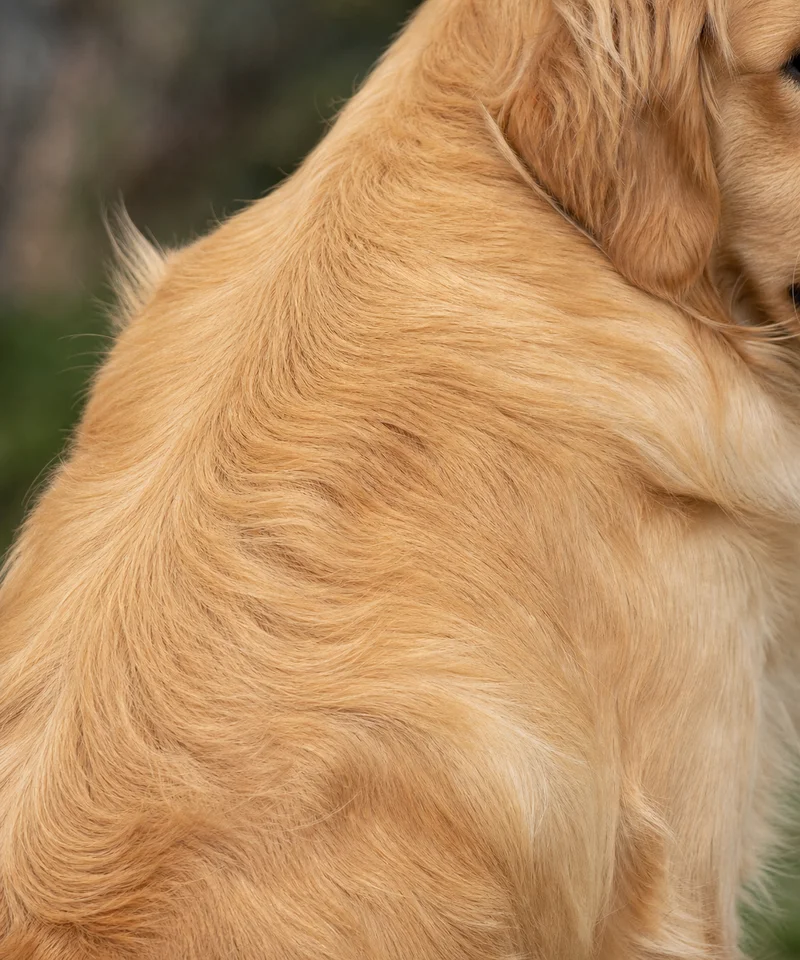
Let’s start with the cold, hard, fur-covered facts. The Golden Retriever has a shedding level of 5 out of 5. That dense double coat—a soft, insulating undercoat beneath a water-resistant outer layer—drops hair 365 days a year. Twice annually, usually in spring and fall, they “blow” that undercoat in a spectacular event I call The Great Unfurring. You’ll think your dog is disintegrating. He’s not. He’s just doing what Goldens do.

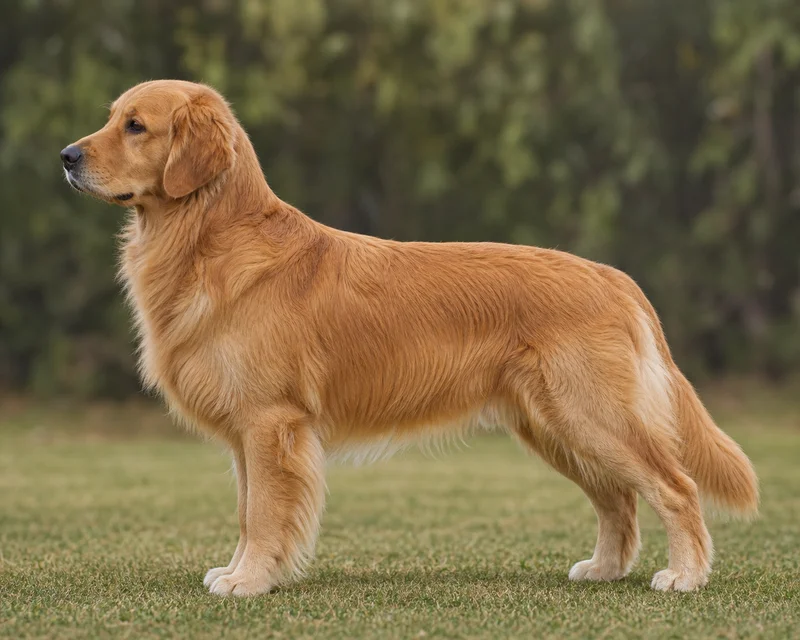
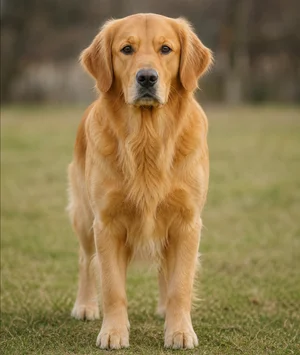
Golden Retriever — sitting

Golden Retriever — sitting View full breed profile →

The grooming schedule that actually works

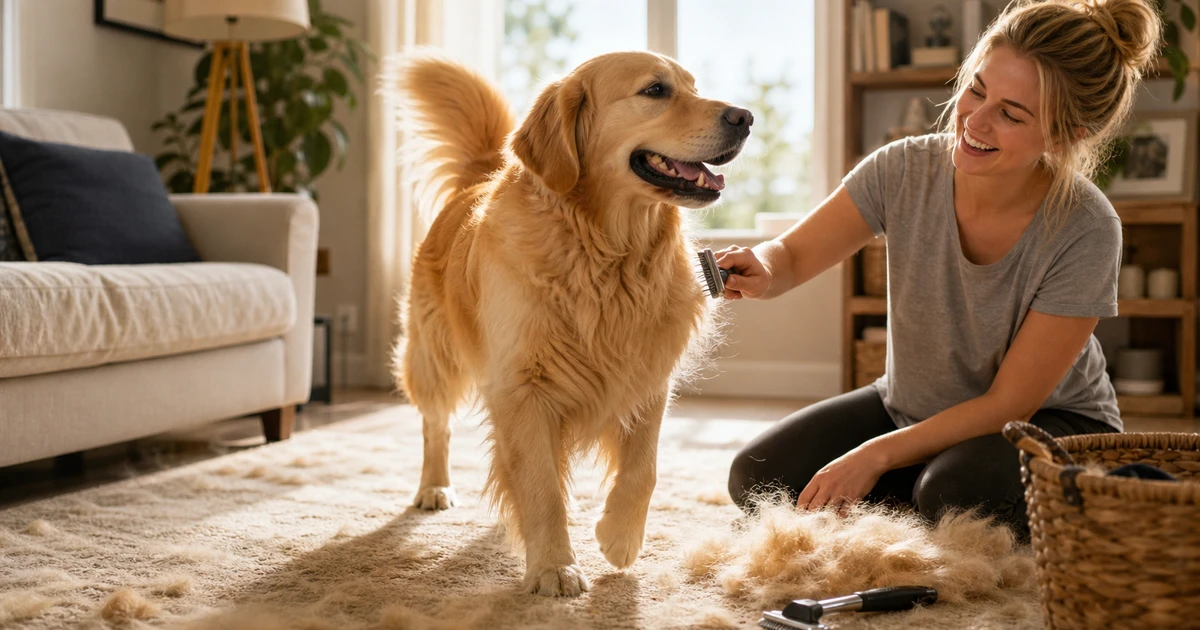
Brushing “regularly” isn’t a suggestion; it’s a survival tactic. During those twice-a-year shedding peaks, I brush our girl every single day. No excuses. The rest of the year, three to four times a week keeps the chaos manageable. Here’s the tool lineup I settled on after wasting money on gadgets that promised miracles and delivered disappointment:

  • Slicker brush: For breaking up tangles and pulling dead hair from the outer coat. I use this first.
  • Undercoat rake: This reaches the dense underbelly where mats hide—behind the ears, under the legs, around the tail. A must-have.
  • Greyhound comb: The final pass to catch any hidden snarls.

I brush outside whenever possible, because I’d rather let the wind take the fur than my air ducts. When it’s raining, I brush in the garage with a towel under the dog. True love.

Baths happen every four to six weeks, or immediately after a roll in something foul. Here’s the trick nobody tells you: after a thorough rinse (and I mean thorough—leftover shampoo invites hot spots), use a forced air dryer, the kind groomers use. Not a human hair dryer. The high-pressure air blasts loose undercoat out in a cloud. Do this outside or in a contained area with a drain. It’s messy, but you’ll remove a trash bag’s worth of fur in twenty minutes. That’s the “blow-dryer trick,” and it’s a game-changer.

Fabrics we learned to avoid (the hard way)

We used to have a fleece blanket on the couch. Once. Golden fur weaves itself into fleece like it’s knitting a second blanket. Wool pants? Same story. Anything with a textured weave acts like Velcro. We’ve slowly swapped our home textiles to smooth, tightly woven fabrics. Microfiber upholstery on the couch releases fur with a damp cloth swipe. Leather or faux leather chairs? A quick wipe and they’re clean. For clothes, I reach for denim and cotton blends, not knits. It’s not about keeping the dog off the furniture—because that’s a losing battle—it’s about choosing surfaces that don’t hold a grudge.

The double-coat de-shed process (twice a year)

When the Great Unfurring begins, you’ll know. Tufts of undercoat will peek out like cotton balls. Your dog will look patchy. This is normal. Here’s my battle plan:

  1. Pre-brush: Do a thorough grooming session outside with the slicker and undercoat rake. Remove everything you can dry.
  2. Bath: Wash with a gentle, dog-specific shampoo. Rinse until the water runs crystal clear.
  3. Blow-dryer descent: While the coat is still damp, use the forced air dryer on a low heat setting. Work from back to front, directing the nozzle parallel to the body. The loose undercoat will fly off in sheets. Wear a mask if you don’t want to inhale it.
  4. Post-blow brush: After drying, brush again to catch any stragglers.

This entire process takes a couple of hours, but it buys you a few weeks of noticeably less shedding. I schedule it on a weekend when I can open the windows and accept the furnado.

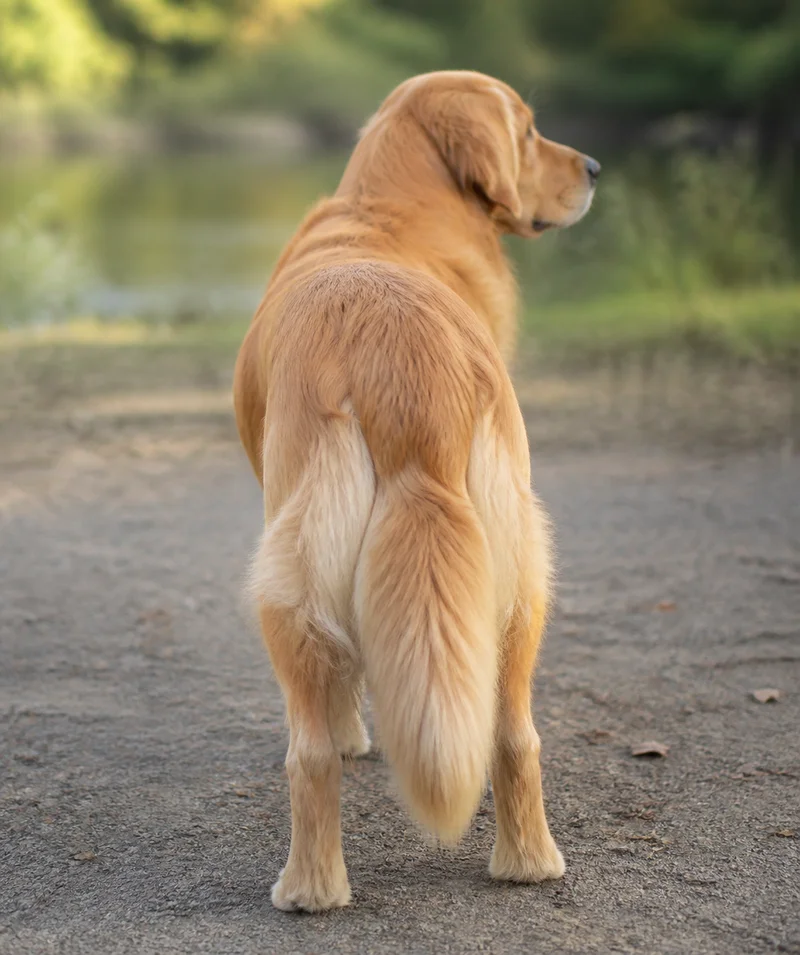
Golden Retriever — rear

Golden Retriever — rear View full breed profile →

The mental reframe that saved my sanity

Here’s the honest truth: you will never “beat” the shedding. A Golden Retriever is built to shed, and if you try to fight it, you’ll be miserable. Instead, I started calling the fur “golden glitter.” It’s in my car, my food, probably my lungs. But it’s also evidence that a warm, goofy, unshakeably loving dog lives here. The same dog who greets me with a toy in her mouth and flops on my feet while I work. The dog my kids dress up in tiaras without complaint. The dog who would retrieve a tennis ball until her legs gave out, then sleep with her head on my lap.

That’s the trade. A house with zero fur means a house without this dog, and I’d rather lint-roll my pants every morning than give up the leaning snuggles and the wagging tail that knocks over my coffee. So I keep the brush by the door, the vacuum charged, and my expectations calibrated. This isn’t a mess; it’s a byproduct of joy.

If you’re considering adding a Golden to your family, know this upfront: they’re one of the best dog breeds for families, especially with children, but the shedding is not a small footnote. It’s a lifestyle. And if you can embrace it, you’ll find your floor again—right in time for the next blowout.

Breeds mentioned in this article

Find your perfect dog

Browse our in-depth, vet- and trainer-reviewed breed guides:

Share