

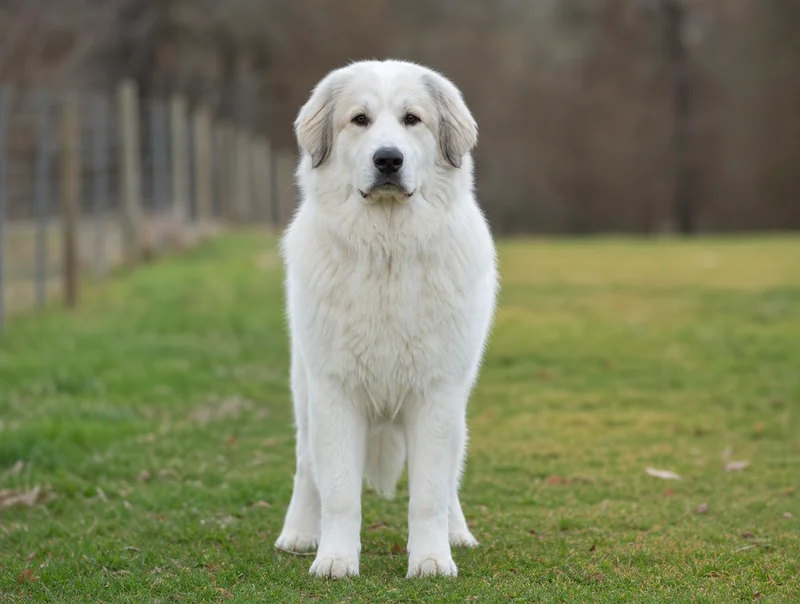
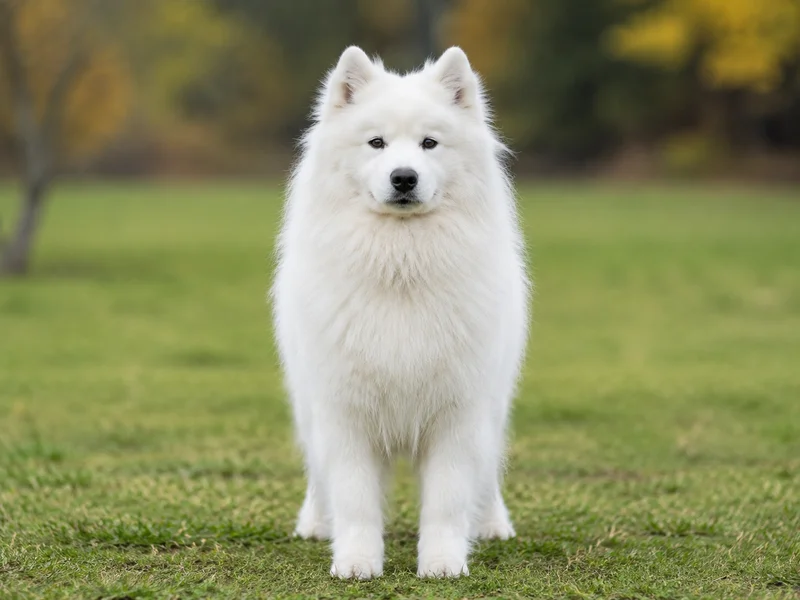
Samoyed vs Great Pyrenees: the practical difference
If you are choosing between a Samoyed and a Great Pyrenees, the short version is this: the Samoyed is usually the more social, playful companion for active families, while the Great Pyrenees is the calmer guardian for homes with space and owners who respect independent decision-making.
Whether you search for Samoyed vs Great Pyrenees, Great Pyrenees vs Samoyed, or Samoyed vs Pyrenees, the real choice is not simply size. It is daily interaction versus guardian independence, plus how much coat care and shedding your home can honestly handle.
Quick answer
Choose the Samoyed if you want a bright, people-focused dog that enjoys family activity, training games, and being part of the household rhythm. Samoyeds still need real exercise and coat work, but they tend to feel more like social companions than property guardians.
Choose the Great Pyrenees if you want a steady, watchful giant with a natural guarding instinct. A Pyrenees is not simply a larger Samoyed; it was bred to make calm independent decisions around livestock, which means patient training and secure space matter.
Size and living space
The Great Pyrenees is the much bigger dog in daily life. Even when calm indoors, it takes up more floor space, costs more to feed, and is harder to lift, bathe, transport, or manage on a crowded sidewalk.
The Samoyed is still substantial, but it is usually easier for active suburban families to handle. Neither breed is an ideal low-effort apartment dog, but a well-exercised Samoyed generally adapts to tighter routines more easily than a livestock guardian giant.
Coat, shedding, and grooming
Both breeds shed heavily. The white coat is part of the appeal, but it also means seasonal blowouts, regular brushing, and fur on clothing, floors, and car seats.
The Samoyed coat tends to need more frequent hands-on maintenance to prevent mats and keep the plume-like look under control. The Great Pyrenees coat is also serious work, especially during shedding season, but the bigger issue is sheer surface area: there is simply more dog to brush.
Temperament and family fit
Samoyeds are famously friendly and expressive. For families that want a cheerful dog involved in walks, play, and daily interaction, that social nature is the main reason to choose them.
Great Pyrenees are gentle with their people but more reserved and watchful. They can be wonderful family dogs in the right home, but their guarding instinct should be treated as a core trait, not a behavior that disappears with a few commands.
Training and barking
A Samoyed can be mischievous and vocal, but it usually has more interest in interactive training. Keep sessions short, positive, and consistent, and give the dog enough exercise before expecting calm focus.
A Great Pyrenees may understand what you want and still decide whether it agrees. That independence is useful in a working guardian, but it can frustrate first-time owners. Expect night barking, boundary watching, and a slower training style built on trust.
Five checks before you decide
- Can your ordinary weekday support the higher activity rating in this pair (Great Pyrenees 3/5, Samoyed 5/5)?
- Can you safely handle the listed adult weights (Great Pyrenees 88–110 lb, Samoyed 35–66 lb) in your vehicle, home, and on leash?
- Have you budgeted for the coat commitment for both options (Great Pyrenees: shedding 5/5 and grooming 4/5; Samoyed: shedding 5/5 and grooming 5/5)?
- Have you met the individual dog or its parents where appropriate, and asked about behavior around children, visitors, other pets, and time alone?
- Have you reviewed breed-appropriate health testing and current veterinary records rather than relying on a scorecard alone?
How to use this comparison responsibly
The ranges, ratings, and fit flags above are breed-level planning signals. They help you form a shortlist, but they cannot predict an individual dog's health, behavior, or compatibility with your household.
Before you commit, read the full Great Pyrenees profile and Samoyed profile, then check the relevant standards and guidance from the American Kennel Club and Fédération Cynologique Internationale. Meet the individual dog, review appropriate records, and ask a qualified professional when your situation needs expert advice.
Last reviewed: July 23, 2026.
Learn more
Frequently asked questions
- Is a Samoyed or Great Pyrenees better for families?
- For most active families that want a social companion, the Samoyed is usually easier to fit into daily life. The Great Pyrenees can be excellent with families too, but it needs owners who understand guardian instincts, space, and independent decision-making.
- Which sheds more, a Samoyed or a Great Pyrenees?
- Both shed heavily. Samoyeds need frequent coat maintenance to prevent mats and manage their dense spitz coat, while Great Pyrenees have a large double coat with major seasonal shedding. Either choice means brushing and vacuuming are part of ownership.
- Are Great Pyrenees and Samoyeds similar?
- They can look superficially similar because both are white, fluffy, cold-weather breeds, but they are not the same kind of dog. The Samoyed is a social spitz companion and working sled dog; the Great Pyrenees is a giant livestock guardian with a calmer, more independent temperament.
- Which is easier to train, Samoyed or Great Pyrenees?
- The Samoyed is usually easier for the average family to train because it is more socially interactive. The Great Pyrenees is intelligent but independent, so training depends on patience, consistency, and respecting the breed’s guardian background.