

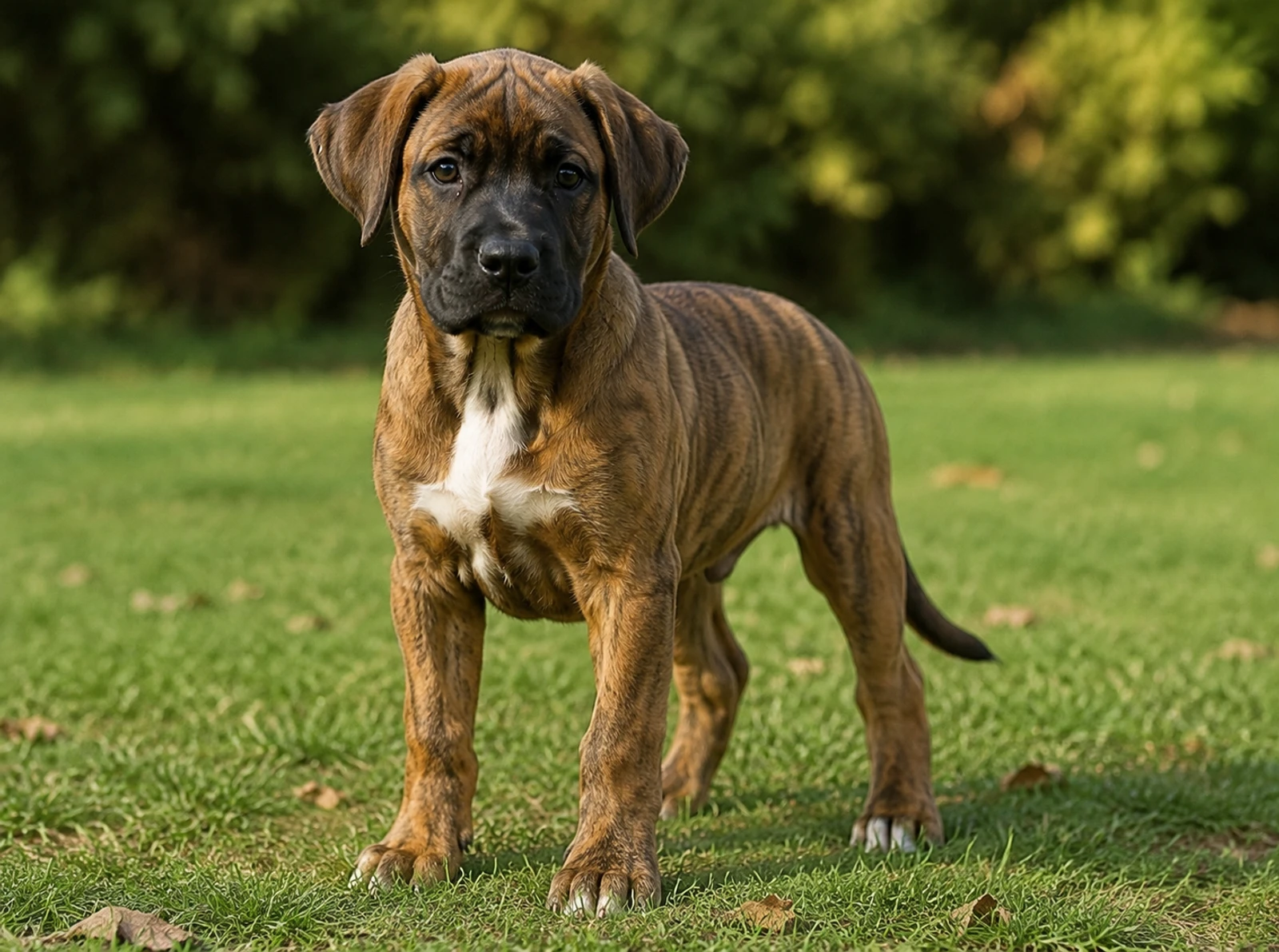
What do Boxer Lab Mix Puppies look like?
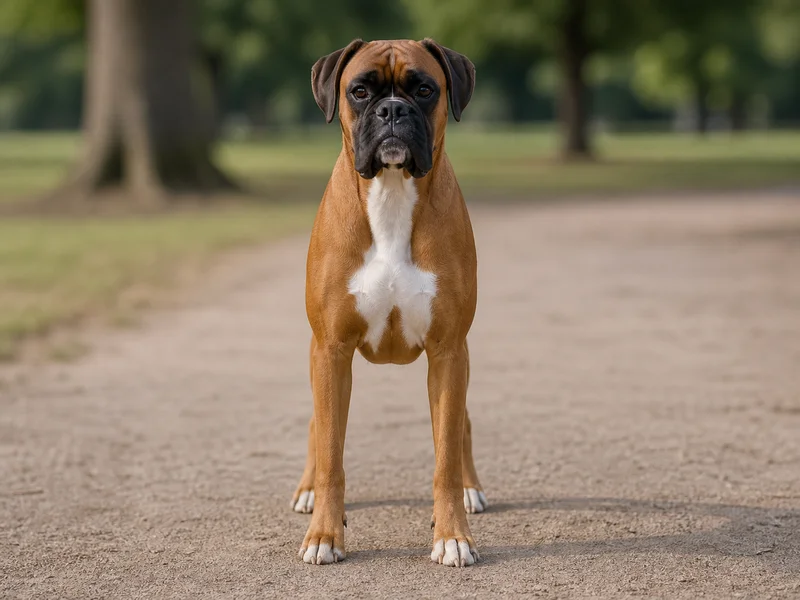
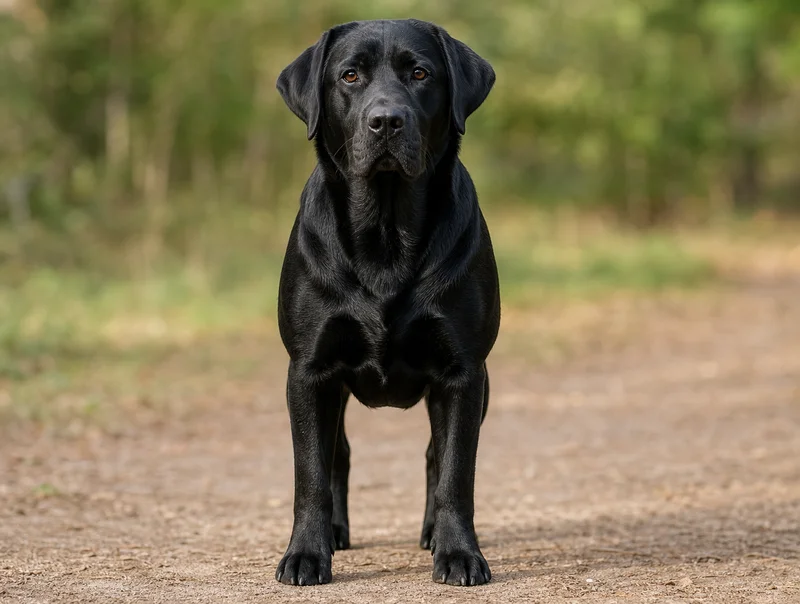
Boxer Lab Mix puppies can lean toward either parent. Look for a body shape, head type, ear set, coat length, and color pattern that may blend the Boxer's traits with the Labrador Retriever's traits. Some puppies look like a clear mix, while littermates can look much more like one parent.
Boxer Lab Mix Puppies: puppy looks
As puppies, Boxer Lab Mixes may change quickly as the adult coat and body shape develop. Coat texture may stay closer to Boxer's short, smooth, tight-fitting coat or Labrador Retriever's short, dense double coat, and early color markings can lighten, darken, or spread. Early puppy traits are clues, not guarantees of the adult look.
Full-grown Boxer Lab Mix: size and body type
A full-grown Boxer Lab Mix cannot be predicted from the mix name alone. The parent-breed comparison gives broad adult-size clues: height around 21 to 25 in; weight around 55 to 82 lb.
For planning, use the larger side of the parent profile for crates, harnesses, and travel space until your puppy's growth trend is clear.
Coat colors, shedding, and grooming
Boxer Lab Mix coats may reflect short, smooth, tight-fitting or short, dense double coat. Possible colors and markings can draw from Fawn, Brindle; Black, Yellow, Chocolate. Grooming and shedding expectations should stay flexible: energy 4/5; shedding 3 to 4/5; grooming 2/5; trainability 4 to 5/5.
Temperament and family fit
Temperament can blend the Boxer's tendencies with the Labrador Retriever's tendencies. Parent breed notes include Playful, Loyal, Energetic, Affectionate, Protective; friendly, outgoing, playful, gentle, even-tempered, but early socialization, training, daily environment, and the individual puppy matter just as much.
Boxer Lab Mixes can work in the right home only when their exercise, training, grooming, and handling needs match the household. Both parent breeds can be family-friendly in the right setting, but Boxer adds size, strength, or protective instincts that require steady training, supervision, and clear child-handling rules. Planning should account for the higher-demand side: Boxer and Labrador Retriever may be harder to fit into small apartments; Boxer can be demanding for first-time owners; Boxer and Labrador Retriever bring higher energy needs.
Parent breed comparison
| Trait | Boxer | Labrador Retriever | Mix expectation |
|---|---|---|---|
| Energy | 4/5 | 4/5 | 4 to 4/5 possible |
| Shedding | 3/5 | 4/5 | 3 to 4/5 possible |
| Grooming | 2/5 | 2/5 | 2 to 2/5 possible |
| Trainability | 4/5 | 5/5 | 4 to 5/5 possible |
| Affection | 5/5 | 5/5 | 5 to 5/5 possible |
| Barking | 3/5 | 3/5 | 3 to 3/5 possible |
Frequently asked questions
- What is a Boxer Lab Mix?
- A Boxer Lab Mix is a mixed-breed or designer cross between the Boxer and the Labrador Retriever. It is not a separate AKC breed, and puppies can vary even within the same litter.
- What do Boxer Lab Mix Puppies look like?
- Boxer Lab Mix Puppies may look like a blend of both parents or strongly favor one side. Coat type, color, ear shape, build, and expression can all vary, so known parent traits are more useful than the mix name alone.
- How big do Boxer Lab Mix Puppies get full grown?
- Use the parent breeds as a planning range: height may land around 21 to 25 in; weight may land around 55 to 82 lb. Individual puppies can still fall outside a simple midpoint.
- Are Boxer Lab Mix Puppies good family dogs?
- Boxer Lab Mix Puppies can be good family dogs when their exercise, grooming, training, and supervision needs match the home. A mix does not automatically cancel out the needs or risks of either parent breed.
Sources and method
This mixed-breed guide is derived from the two parent breed profiles on Best Family Dog Breeds: structured size, coat, shedding, grooming, temperament, and family-fit fields for Boxer and Labrador Retriever.
Mixed-breed appearance notes are written as possible ranges, not as confirmed outcomes for a specific litter. We do not use these pages to make purchase, breeder, medical, or exact genetic promises.