Your dog’s scratching is keeping you both up at night. You've switched foods, washed the bedding, and still nothing helps. A friend mentions hypoallergenic dog shampoo, and suddenly you're standing in the pet aisle, staring at dozens of bottles. What does "hypoallergenic" even mean for a dog shampoo, and can it really make a difference?
While no shampoo can cure allergies, the right product can reduce exposure to irritants and support skin comfort. Hypoallergenic shampoos are formulated to lower the chance of an adverse reaction. They typically avoid common triggers like harsh detergents, artificial dyes, or heavy fragrances that can leave skin stripped and itchy. Instead, they lean on milder cleansers and moisturizers that respect the skin's natural barrier. But keep in mind: the term "hypoallergenic" isn't regulated for pet products, so it's still up to you to check how a manufacturer achieves that claim.
Skin conditions are among the most frequently reported health concerns across dog breeds. Some dogs inherit a tendency toward dry, sensitive, or allergy-prone skin. Even without a diagnosis, many owners notice that a gentler bath time leads to less scratching afterward. That's where a well-chosen shampoo fits in—not as a treatment, but as one piece of a larger skin-care puzzle. For families who are allergy-aware and looking for a companion with a low-dander coat, exploring our list of hypoallergenic dog breeds can be a great first step. While no dog is 100% allergen-free, these breeds often produce less of the proteins that trigger reactions.
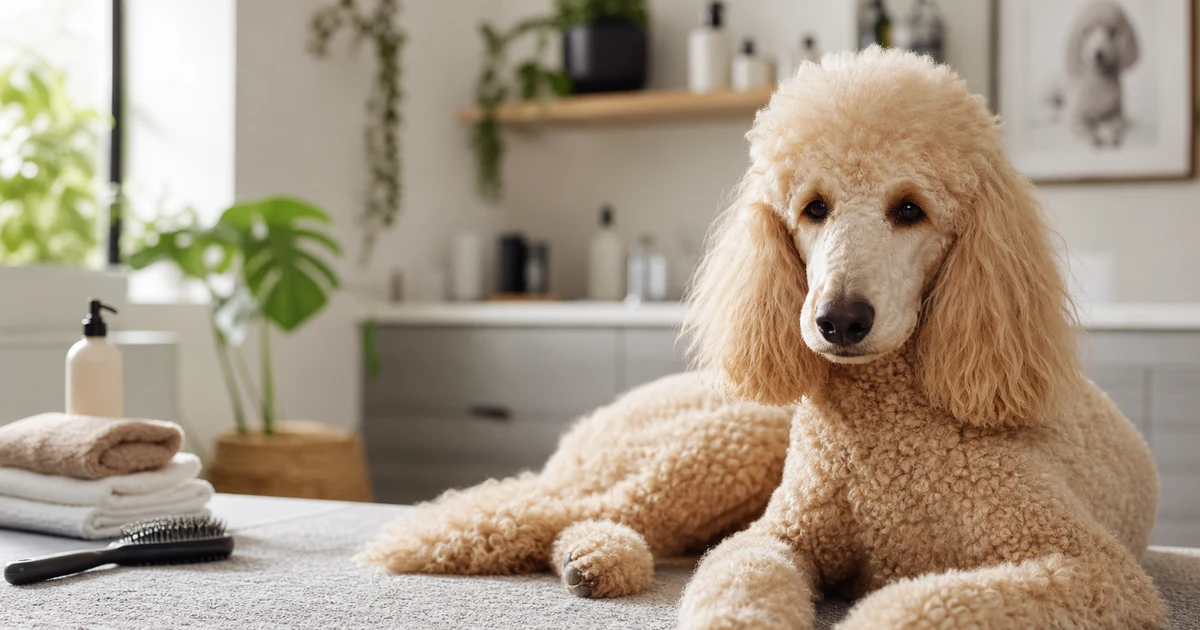
Regular grooming is your first line of defense. While brushing, you might notice early signs of trouble: a rash spreading under the collar, thinning hair, or tiny parasites. Catching these signs can alert you to problems before they spiral. Dogs with long, soft, or dense coats need daily brushing to prevent mats that trap moisture and irritate the skin beneath. If you have a small fluffy companion, like those in our small fluffy dog breeds feature, that grooming routine becomes even more critical. Mats pull on the skin, causing pain and creating a breeding ground for bacteria. A bath with a gentle shampoo after a thorough brush-out can help reset the coat and soothe any hidden hot spots.
While bathing, it's also a perfect time to check for fleas, flea dirt, or other external parasites. Even a few flea bites can set off a cascade of itching in a sensitive dog, leading to raw, broken skin. A hypoallergenic shampoo won't kill an active flea infestation, but it can wash away irritants and calm the skin while you start a proper parasite control plan. Hairless breeds have an extra layer of vulnerability: they need sun protection and regular moisturizing far more than degreasing baths. A gentle, hypoallergenic shampoo can help clean without stripping natural oils, but it's only part of a routine that includes lotion and limited sun exposure.
Reading a shampoo label can feel like decoding a foreign language. Start simple: the shorter the ingredient list, the fewer opportunities for a reaction. Look for products marked "soap-free," "pH-balanced for dogs," or "for sensitive skin." These terms signal the manufacturer intended the product to be milder. Avoid anything with "fragrance" listed—unless it's a specific essential oil known to be safe (and many aren't). Just because a bottle says "natural" doesn't mean it won't trigger a reaction; poison ivy is natural, too. If your dog has a known allergy to an ingredient like oatmeal or aloe, even a hypoallergenic shampoo containing it can cause a flare. Always match the ingredient list to your dog's unique history.
Even a hypoallergenic shampoo can cause a reaction. After the first bath, set aside all the glowing reviews and watch your actual dog. Redness, a fresh outbreak of bumps, or frantic scratching within 24 hours means stop. Don't try to "wait it out"—rinse thoroughly if there's any residue, and don't use that product again. If symptoms persist or include open sores, swelling of the face or paws, vomiting, or lethargy, step away from the grooming tub and call your veterinarian. Shampoo is a topical product; a systemic reaction is a red flag that warrants professional help.
Beyond the bottle, remember skin health starts from within. Dietary adjustments are often part of managing ongoing skin conditions, which veterinarians say are a recurring concern across breeds. Environmental factors—like pollen, dust mites, or even laundry detergent—can also play a role. So while you're reaching for a gentle shampoo, also consider what else touches your dog's skin daily. Even the bowl they eat from can harbor bacteria if not washed regularly. For a low-maintenance companion that keeps shed hair to a minimum, you might look into our picks for small dogs that don't shed. Keep in mind, though, that low-shedding doesn't mean no grooming. Many of these breeds need regular haircuts and, yes, the occasional bath with a mild shampoo to keep their skin and coat in top shape.
Make every bath a mini-checkup. Run your hands over your dog's body when the coat is wet—you'll feel lumps, bumps, or skin texture changes more easily. Ears should be clean and odor-free; floppy-eared breeds may need extra drying attention to prevent infection. Skin disease and ear conditions are common inherited complaints, so knowing what's normal for your dog is half the battle. Regular veterinary checkups help catch small problems before they become big ones, aligning with the advice that certain health predispositions should inform preventive care.
Don't hesitate to involve your vet. They can pinpoint whether you're dealing with atopy, food allergies, parasites, or something else entirely. A hypoallergenic shampoo can soothe but it can't cure, and using it to mask symptoms might delay needed treatment. If you've tried a few shampoos with no relief, it's time to book an appointment. Sometimes a medicated shampoo is necessary, and only your vet can determine that.
No bottle will fix everything, but a carefully chosen shampoo can make your dog more comfortable while you work on the bigger picture. It's a simple, wash-in, wash-out piece of the puzzle—one that leaves your dog smelling better than that forgotten puddle they rolled in last week.