Best Large Dogs for Apartments: Calm Big-Breed Options and Real Constraints
Choosing & ComparingBy Best Family Dog Breeds Editorial Team

Best Large Dogs for Apartments: Calm Big-Breed Options and Real Constraints

Large dogs can fit apartment life when their energy, barking, grooming, and household fit align. Compare six database profiles.

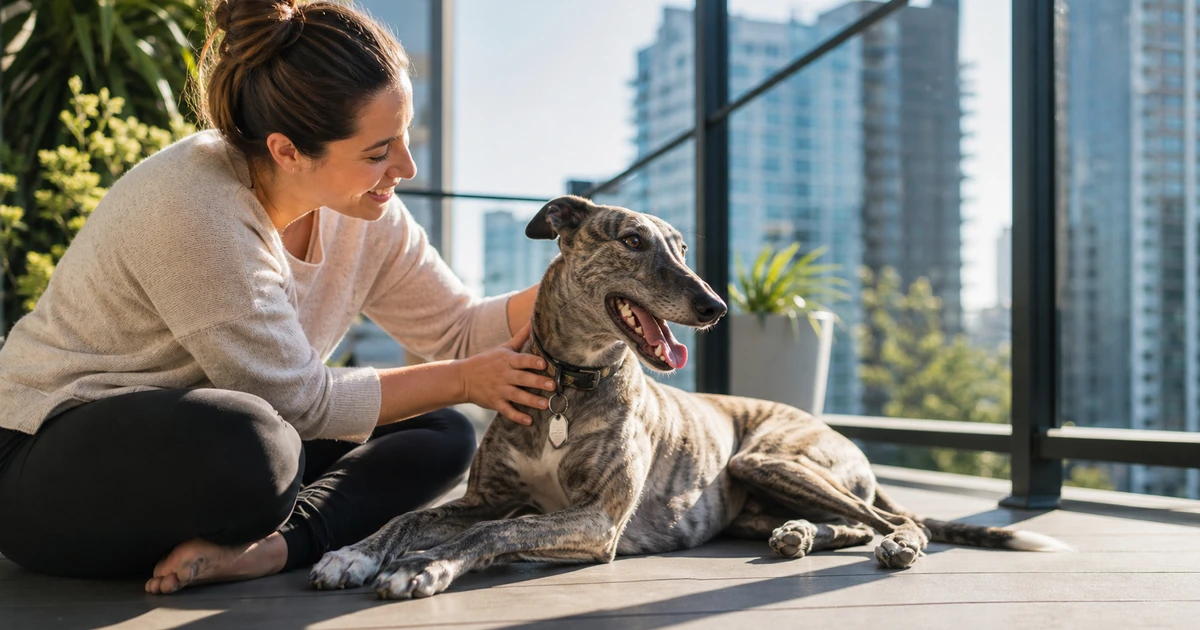
A large dog and an apartment are not automatically a mismatch. Size matters, but it is only one part of the decision. Noise, activity, coat care, training, the individual dog, the household routine, and the building’s own rules all matter too.

The six profiles below are marked apartment-friendly in our database. That flag is a starting point, not a lease approval or a guarantee that any individual dog will be comfortable in every building. Use it to begin a shortlist, then compare the rest of the scorecard honestly.


The profiles at a glance

BreedWeightEnergyBarkingGroomingTrainabilityFirst-time-owner-friendly
Greyhound60–66 lb3/51/51/53/5Yes
Spanish Greyhound44–66 lb3/51/51/53/5No
Whippet24–40 lb3/52/51/53/5Yes
Eurasier40–71 lb3/53/54/53/5No
American Staffordshire Terrier40–70 lb4/52/51/54/5No
Corded Poodle46–71 lb4/53/55/55/5Yes

All six are tagged apartment-friendly in the database. The table makes clear that they do not make the same demands once they are inside the home.

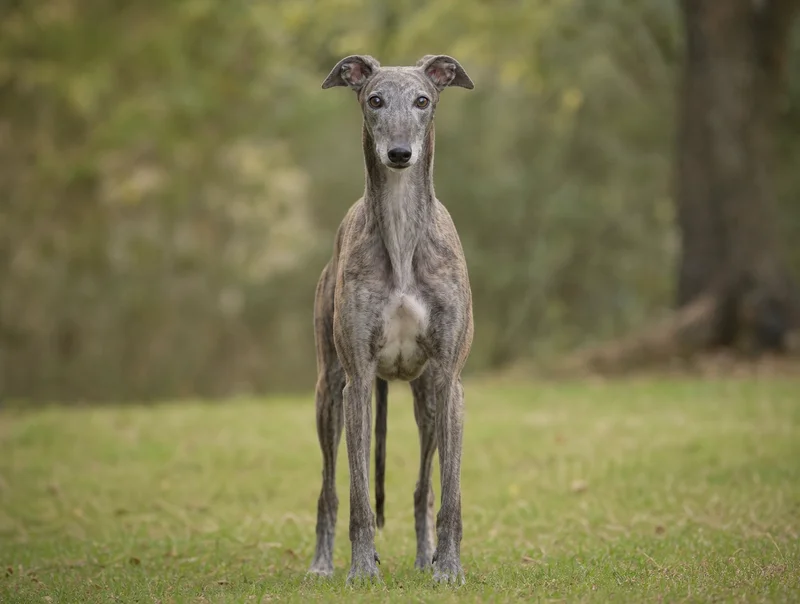
Greyhound: the quietest scorecard in the group

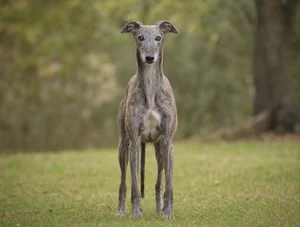
The Greyhound is the largest profile here at 60–66 pounds and 27–30 inches. It has energy 3 out of 5, barking 1 out of 5, grooming 1 out of 5, and shedding 2 out of 5. The profile describes a gentle, affectionate, quiet, independent, laid-back dog that is calm and relaxed indoors.

It is marked good with kids, apartment-friendly, and first-time-owner-friendly. The description also calls for daily walks and a safe place for occasional sprints. It notes a high prey-drive signal, so the household should take the individual dog and other small pets seriously rather than relying on the quiet indoor profile alone.

Spanish Greyhound: a similar low-noise profile with a different owner signal

The Spanish Greyhound, also called Galgo Español, weighs 44–66 pounds. Its energy, barking, and grooming scores are each favorable for an apartment comparison: 3 out of 5, 1 out of 5, and 1 out of 5 respectively. The profile describes it as gentle, affectionate, reserved, sensitive, and independent.

It is marked good with kids and apartment-friendly, but not first-time-owner-friendly. Its description says it suits active owners who can provide daily sprints in a secure area and responds best to positive training. A quiet score is not a substitute for a routine that matches the dog’s needs.

Whippet: smaller than a Greyhound, still a large-profile choice

The Whippet is 24–40 pounds and is classified as large in our database. It has energy 3 out of 5, barking 2 out of 5, grooming 1 out of 5, and affection 5 out of 5. It is marked good with kids, apartment-friendly, and first-time-owner-friendly.

The profile describes a calm indoor presence alongside outdoor bursts of activity. That balance can work in apartment life when the household can provide daily walks and a safe setting for occasional sprints. The compact weight range does not mean the dog needs no activity; it means the indoor and coat-care trade-offs may be easier for some homes.

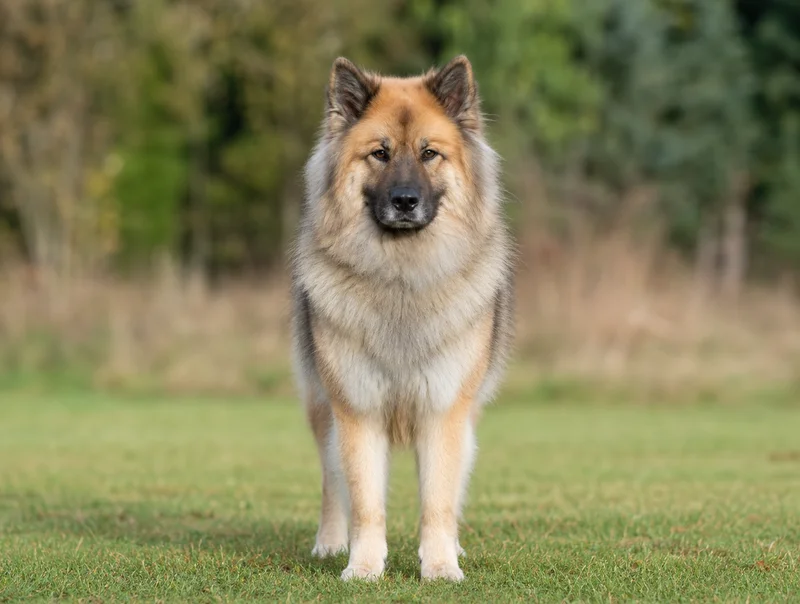
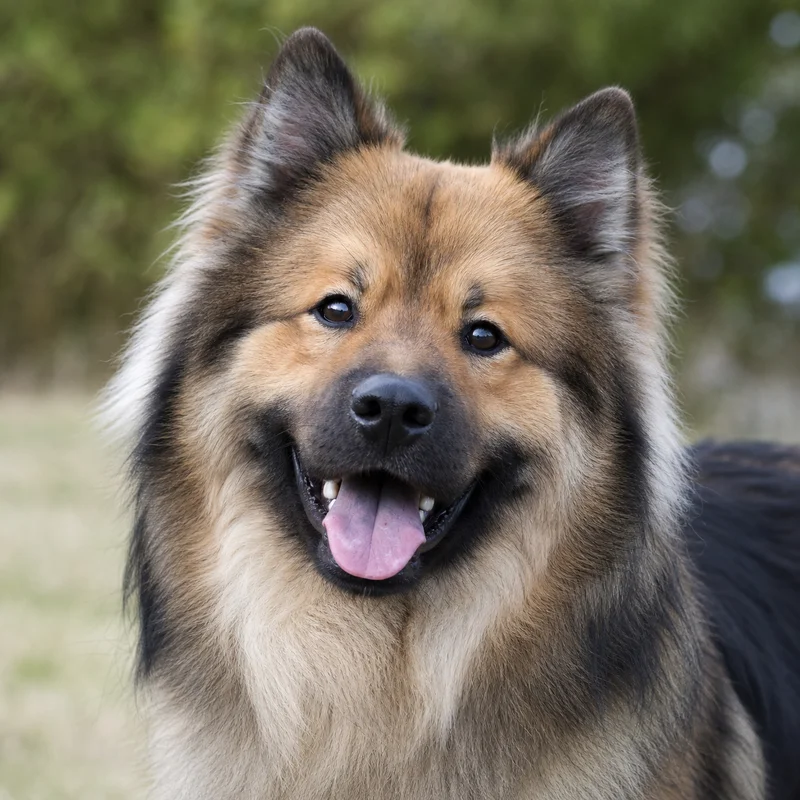
Eurasier: an apartment-friendly flag with higher coat work

The Eurasier ranges from 40–71 pounds. It has energy 3 out of 5 and grooming 4 out of 5, with barking and trainability both at 3 out of 5. Its temperament record reads calm, affectionate, reserved, loyal, and intelligent.

It is marked good with kids and apartment-friendly, but not first-time-owner-friendly. The description says it does best with experienced owners who appreciate a sensitive, independent streak and use consistent, positive training. This is a case where the apartment flag must be read alongside the coat and owner-experience requirements.

American Staffordshire Terrier: short coat, high activity signal

The American Staffordshire Terrier weighs 40–70 pounds. It has grooming 1 out of 5, barking 2 out of 5, energy 4 out of 5, and trainability 4 out of 5. The profile describes a confident, smart, loyal, good-natured dog with a strong need for training and socialization.

It is marked good with kids and apartment-friendly, but not first-time-owner-friendly. The description also notes that owners should understand strength, management, and breed restrictions. Before considering this profile for apartment life, check the building’s policy and be honest about whether the household can meet the higher energy and training signals.

Corded Poodle: an active, high-grooming apartment option

The Corded Poodle weighs 46–71 pounds. It has energy 4 out of 5, trainability 5 out of 5, affection 5 out of 5, and grooming 5 out of 5. It is marked good with kids, apartment-friendly, and first-time-owner-friendly.

This is not a low-work apartment option. The profile is for a household that wants an intelligent, active dog and genuinely accepts a rigorous coat-care commitment. It can be a useful comparison point for someone weighing low shedding against the time involved in grooming and training.

A practical apartment decision checklist

Before choosing any large dog, verify the building’s policy and measure the home’s daily reality rather than relying on a breed label. Compare the dog’s barking, energy, grooming, trainability, and family signals against the routine you can sustain. Meet the individual dog when possible, especially when quiet behavior, compatibility with children or pets, or handling confidence will decide the outcome.

For a wider all-size shortlist, read Apartment Dogs: What Breeds Actually Work. If the larger-dog question is part of a family decision, our guide to the best dog breeds for families offers the next comparison layer.

Breeds mentioned in this article

Free dog tools

Useful calculators for dog owners

All tools →

Dog Diary

More articles you might like

All articles →

Find your perfect dog

Browse our in-depth breed guides:

Share