Hypoallergenic Dog Grooming: A Practical Guide for Allergy-Aware Homes
Health & CareBy Best Family Dog Breeds Editorial Team

Hypoallergenic Dog Grooming: A Practical Guide for Allergy-Aware Homes

Low-shedding dogs still need thoughtful coat care. Learn what grooming can—and cannot—do in an allergy-aware home.

Low-shedding dogs are often described as hypoallergenic, but that label is not a cleaning promise or a medical guarantee. On this site, it is a useful breed-profile signal: it tells you that a dog has a lower-shedding coat in our data. It cannot predict how every person in a household will respond to one individual dog.

Grooming still matters. Its job is to keep a dog’s coat comfortable and manageable, to help an owner notice changes in the skin or coat, and to match care to the coat in front of them. The useful goal is not a universal calendar. It is calm, dog-appropriate care and a willingness to ask for professional help when a task is beyond the household’s confidence.


Start with the coat, not the label

Low shedding and low maintenance are different things. A coat that leaves little visible hair around the home can still need substantial hands-on work.

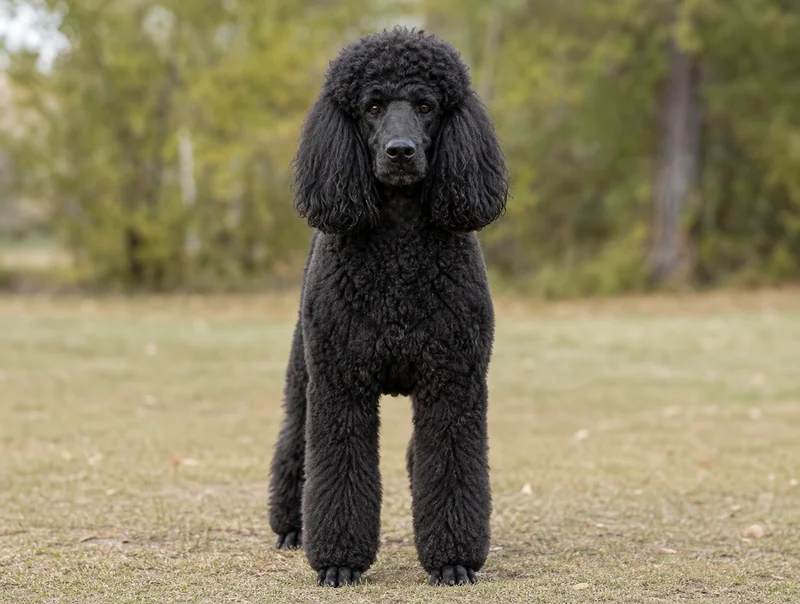
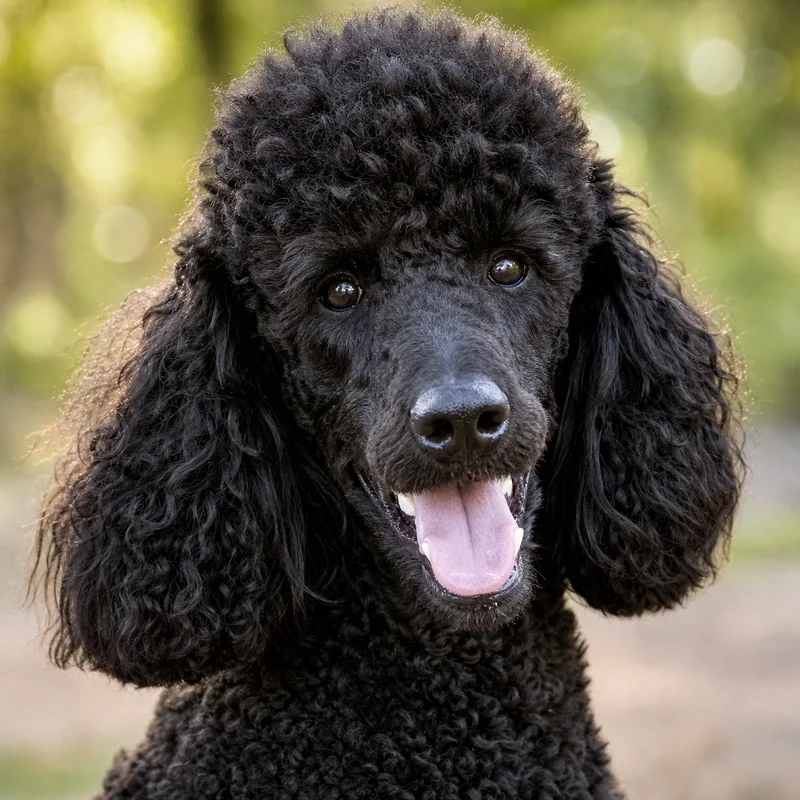
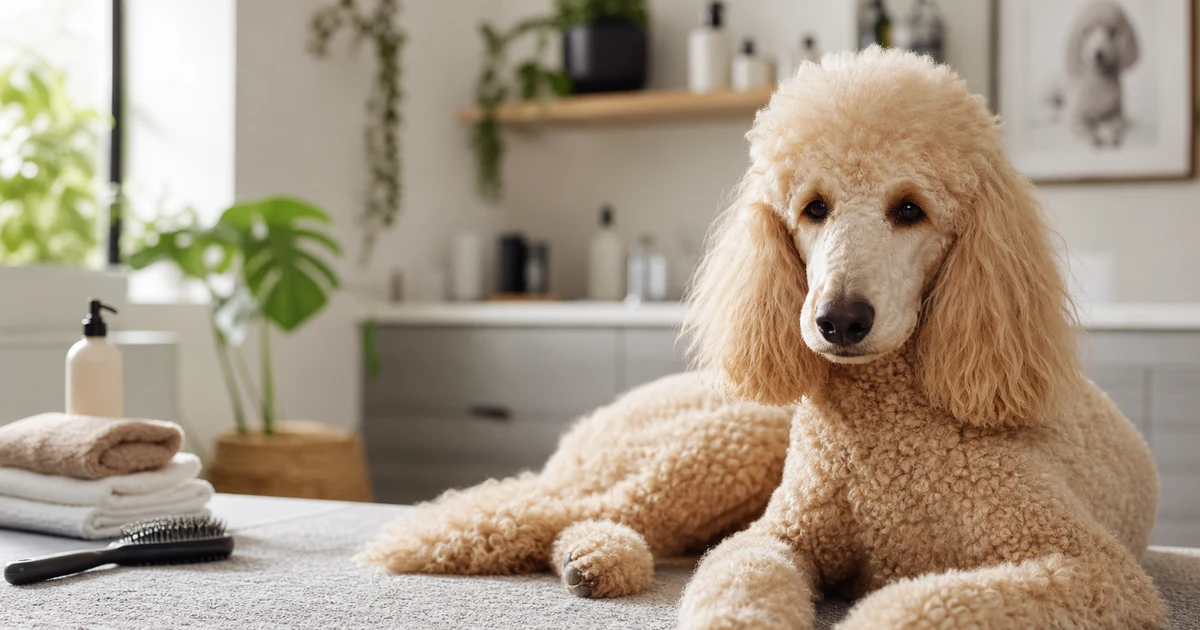
Our Poodle profile is a clear example. It has a shedding score of 1 out of 5 and a grooming-needs score of 5 out of 5. The record describes a curly, dense coat. That combination makes it a low-shedding option in our database, not a no-work option.

The same pattern appears elsewhere in the database. The Bichon Frise has shedding 1 out of 5 and grooming 4 out of 5. The Maltese also has shedding 1 out of 5, paired with grooming 5 out of 5. The Portuguese Water Dog has shedding 1 out of 5 and grooming 4 out of 5. These profiles are a reminder to compare coat work directly instead of assuming that less loose hair means an effortless routine.

Before choosing a tool or product, look at the dog’s actual coat: its length, curl, density, tangles, and condition. The right approach should fit those needs rather than forcing every low-shedding breed into the same routine. If a coat has become difficult to work through, professional grooming support can be kinder than turning an uncertain home session into a stressful one.

Make grooming calm and repeatable

Start with observation. Check the coat before bathing or clipping so tangles or mats are not discovered by pulling through them. Use tools that suit the coat and work gently. Grooming references in the site’s source library emphasize that regular coat care is also a chance to inspect the coat, skin, nails, eyes, and teeth.

For bathing, choose products made for dogs and rinse thoroughly. Dry the coat completely, paying attention to dense, curly, or long areas. If a dog is uncertain about handling, keep the session calm and stop before the experience becomes a battle. The aim is to build a routine the dog can accept, not to finish every possible task in one go.

Professional support is especially sensible when mats are close to sensitive areas, when a dog is fearful around tools, or when you are unsure how to use clippers or scissors safely. A practical care plan can be shared: owners handle calm maintenance they understand, while groomers or veterinarians handle unfamiliar or higher-risk work.

What grooming cannot promise

No shampoo, clip, brush, or breed label can promise that a dog will suit every allergy-aware household. Treat grooming as a coat-care practice, not as a diagnosis or a cure.

It is also important not to use grooming to explain away signs of discomfort. Persistent scratching, frequent head shaking, unusual odor, visible redness, discharge, hair loss, or clear discomfort can have different causes. A veterinarian is the appropriate person to assess those signs rather than an owner repeatedly changing products at home.

The same restraint applies to people in the household. If allergy symptoms are significant or difficult to manage, a breed label and a grooming plan are not substitutes for advice from the clinician treating that person.

Choose by capacity, not only by shedding

“Hypoallergenic” can be a helpful starting filter, but it should not end the decision. Compare the coat work you can sustain, the dog’s size and energy, the wider home environment, and the household’s own comfort with ongoing care.

For a broader starting point, see our guide to hypoallergenic dog breeds. If a smaller companion is the priority, compare small dog breeds that do not shed. And once a Poodle is on your shortlist, our Poodle grooming at home guide can help with the hands-on coat-care side of the decision.

Breeds mentioned in this article

Free dog tools

Useful calculators for dog owners

All tools →

Dog Diary

More articles you might like

All articles →

Find your perfect dog

Browse our in-depth breed guides:

Share