

Your puppy’s teeth are like tiny hypodermic needles, and right now they’re finding every exposed inch of skin, every dangling sleeve, every innocent sock. It’s exhausting, sometimes painful, and it can feel personal. It’s not. Puppy biting is a normal, necessary part of growing up—a phase where your dog is learning about their world, their strength, and their relationships. How you respond now will either build trust or erode it, so let’s walk through what actually works, without making things worse.
Training & BehaviorBy Best Family Dog Breeds Editorial Team
Puppy Biting: How to Teach Bite Inhibition Without Making It Worse
Tiny teeth, big frustration. Learn why puppy biting is communication, not spite—and gentle, trust-building ways to teach a softer mouth without fear or punishment.
Why puppies bite—and why it’s not spite
Puppies are born helpless, with eyes and ears sealed. They begin to learn from their mother and littermates around three weeks of age, and those early interactions shape everything from cleanliness to social skills. Biting is a primary tool for exploration; it’s how they play, how they figure out their place in the pack, and how they communicate needs like hunger, fatigue, or overstimulation. When that needle-toothed pup chomps your hand, they aren’t being “bad.” They’re doing what millions of years of canine evolution have programmed them to do: use their mouth.
Expecting a puppy to never mouth is like expecting a toddler to never touch. The goal isn’t to eliminate biting overnight—it’s to teach bite inhibition, the ability to control the force of their jaws. Dogs who learn this early (typically from littermates during the sensitive socialization period that closes around 12–16 weeks) are safer and more adaptable as adults. If your puppy was separated too soon or simply needs extra practice, you become the teacher.
Reward calm, gentle mouths—every time
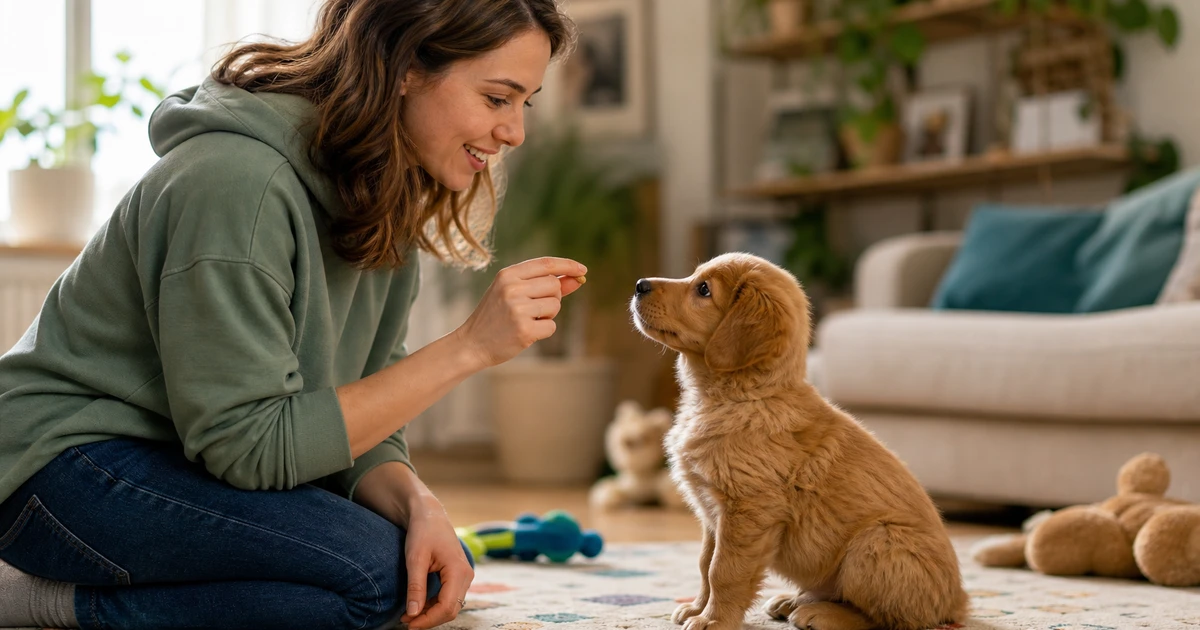
Dogs repeat actions that generate positive reactions. It’s one of the most reliable truths in training: a puppy will keep doing whatever gets your attention, laughter, or applause. So flip the script. When your puppy mouths softly—even if it’s not perfect—reward that. A cheerful “yes!” followed by a treat, a gentle scratch, or a moment of play tells them, This is the kind of mouth I like. Consistent, patient communication is more effective than any punishment, and it keeps your bond intact.
This doesn’t mean you tolerate painful bites. If teeth meet skin with too much pressure, the party stops. Calmly withdraw your hands, fold your arms, and turn away for a few seconds. No yelling, no scolding. That stern reaction can damage trust and increase anxiety. Instead, you’re simply removing the reward (you!) for a beat, then re-engaging when the puppy is calmer. Timing matters: the pause must happen the instant the bite occurs so they connect the action with the consequence.
Avoid methods that hurt trust
Punishment-based approaches—yelling, holding the muzzle shut, tapping the nose, or shoving fingers down the throat—are not only ineffective but dangerous. They can escalate fear, provoke defensive aggression, or create a dog who shuts down and stops communicating altogether. A cold, hard stare is a warning signal in canine body language, and a puppy who learns to fear your hands may grow into an adult who growls or snaps. Reward-based methods build trust and improve learning speed in all breeds, while punishment plants seeds of insecurity.
Instead of correction, think redirection within the limits of the interaction. If your puppy is mouthy because they’re tired, lead them to their crate or a quiet space. If they’re overstimulated, a few minutes of calm handling or a break in a puppy-proofed area can reset the mood. Pay attention to patterns: does the biting spike before naps? After long play sessions? When children are running and squealing? Meeting the underlying need often resolves the biting without a confrontation.
Managing puppies and children
For families, supervision isn’t optional—it’s essential. Young children move fast, sound high-pitched, and can inadvertently encourage nipping just by flailing. This doesn’t mean the puppy is aggressive; it means the environment is triggering natural behaviors. Teach kids to stand still like a tree when the puppy jumps or nips, then redirect the dog to a more appropriate activity. If you’re still considering which dog to add to your home, our guide to best dog breeds for families offers insight into temperaments that tend to be patient and adaptable with children.
Early positive exposure to people, pets, and environments builds confidence and adaptability. Introduce your puppy to gentle handling, varied sounds, and new surfaces before 16 weeks, always pairing these experiences with treats or play. A well-socialized puppy is less likely to develop fear-based reactivity that can lead to biting later.
Consistency and patience through the teenage phase
Training doesn’t stick in a week. Puppies will have days when their mouths seem dialed up to eleven again—especially as they enter adolescence around five months and begin testing boundaries. This is normal, not a failure. During this phase, consistency matters more than ever. Keep rewarding soft mouths, keep calmly removing yourself for hard bites, and keep your expectations realistic. Puppies reach physical capability by about one year, but emotional maturity takes longer.
If at any point the biting feels unsafe—accompanied by intense growling, stiff body posture, or unwillingness to back off—it’s time to involve a professional. Some dogs need customized guidance, and a qualified force-free trainer can assess what’s behind the behavior without resorting to fear or intimidation.
Teaching bite inhibition is rarely a linear journey, but it’s one of the most important gifts you can give your dog. It’s not about dominating a young animal; it’s about listening, guiding, and proving that gentle mouths earn the best rewards. Stay kind. Stay patient. Your pup is doing their best to figure out a human world—and your steady, reward-based leadership will shape a dog you can trust for a lifetime.
Free dog tools
Useful calculators for dog owners
🎂Dog Age CalculatorConvert your dog’s age to human years using the modern, size-adjusted formula.🦴Dog Treat Calorie CalculatorUse the 10% treat rule to calculate a safe daily treat budget and food adjustment.🍖Dog Food CalculatorEstimate dry-food cups, wet-food containers, or fresh-food grams from daily calorie needs and your label.📦Dog Crate Size CalculatorFind the right crate dimensions from your dog’s height and length, with crate recommendations.💧Dog Water Intake CalculatorHow much water your dog should drink per day, by weight, activity and food type.💰Dog Cost CalculatorWhat a dog really costs — upfront, monthly, and lifetime — adjusted for your country and dog size.
Dog Diary
More articles you might like
Health
Hypoallergenic Dog Grooming: A Practical Guide for Allergy-Aware Homes
Low-shedding dogs still need thoughtful coat care. Learn what grooming can—and cannot—do in an allergy-aware home.
Tips
Best Large Dogs for Apartments: Calm Big-Breed Options and Real Constraints
Large dogs can fit apartment life when their energy, barking, grooming, and household fit align. Compare six database profiles.
Tips
Low-Maintenance Dogs for First-Time Owners: What “Easy” Really Means
“Low maintenance” is a fit between a dog’s scorecard and your routine—not permission to ignore a dog. Compare six first-time-friendly profiles.
Tips
Big Hypoallergenic Dogs: Large Low-Shedding Breeds and Their Trade-Offs
A larger low-shedding dog can still demand grooming, activity, and thoughtful household planning. Compare six profiles before choosing one.
Find your perfect dog
Browse our in-depth breed guides:
Share