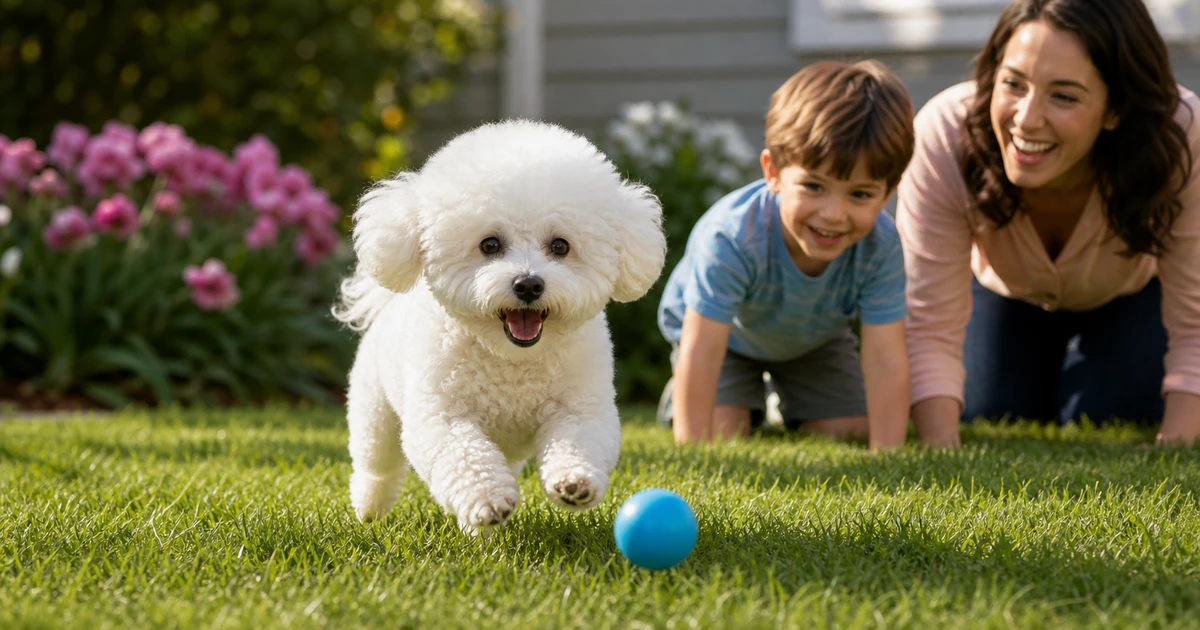
When you see a Bichon Frise resting on someone’s lap without leaving a trace of white fluff, you start to believe the hype. As a family with mild allergies, that image sold us. The reality is close enough to the dream to be worth it, but there are trade-offs no one puts in the cute Instagram caption.
The Hypoallergenic Truth (No, It’s Not Magic)
If allergies have you scanning hypoallergenic dog breeds, the Bichon Frise nearly always appears. Its curly, dense coat traps loose hairs instead of sprinkling them around your house, so you won’t find tumbleweeds of fur under the sofa. That’s a big deal when you’re trying to keep allergen-loaded dander out of the air.
But “hypoallergenic” isn’t a zero-allergen guarantee. All dogs produce proteins in dander, saliva, and urine that can trigger reactions. Because Bichons shed so little, those proteins don’t hitch a ride on airborne hair nearly as much. In our home, that meant sneezing dropped off dramatically—but a few friends still felt itchy after burying their face in that fluffy neck. If you can, spend time with adult Bichons before bringing a puppy home. Reactions vary, even between individual dogs, and you need to know where your family stands.
Another relief: these dogs aren’t droolers. You might spot a tiny bead of saliva when the treat jar opens, but your sofa stays dry. And that “doggy smell” some breeds carry? Noticeably absent here. A clean, well-groomed Bichon smells like, well, clean hair.
Built for Family Life—With a Few Caveats
Bichons clock in at 11–15 pounds and 9–11 inches tall—a portable size that slides easily under a café chair or into an apartment elevator. The breed carries a true “apartment friendly” flag and often pops up on lists of the best dog breeds for families. They are genuinely good with kids, meeting a child’s playful energy without turning nippy.
The catch is their size. A toddler’s enthusiastic hug can hurt a 12-pound dog, so we taught our kids to sit on the floor for cuddles and never carry the dog. Once that rule stuck, our Bichon became the best fetch partner and naptime snuggler. Supervision around small children is non-negotiable, but after that, you get a tireless, gentle playmate.
Temperament-wise, expect a cheerful shadow. Bred for centuries to be companions, they attach deeply and hate being left alone. Our guy paces by the door if we both leave for work, and a few hours solo can trigger barking or a puddle. If your household is away most of the day, this breed will struggle. They need people around—a lot.
Exercise is manageable: energy level 3 out of 5 means you won’t be training for a marathon. Two short walks and a romp with toys totalling 30–45 minutes daily usually keeps them content. Skipping it, though, leads to chewed baseboards and a very dramatic sighing dog.
That Cloud Coat Comes with a Cost
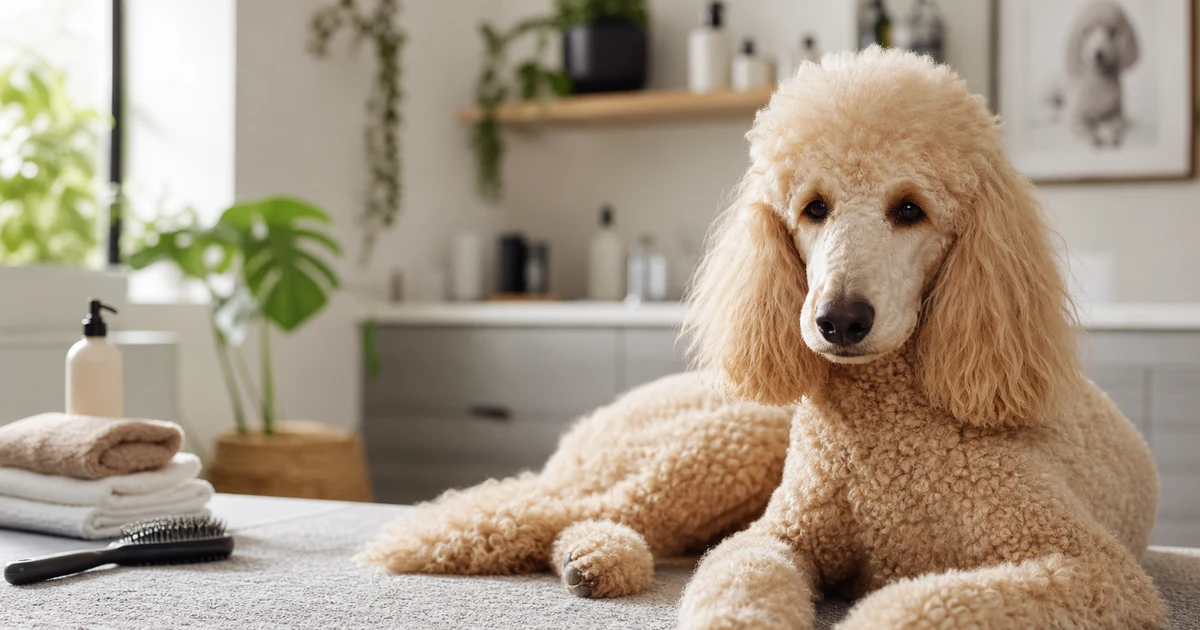
Now for the trade-off that keeps Bichons out of some homes. That beautiful white double coat—which landed them squarely in the small white dog breeds hall of fame—demands real work. Daily brushing is non-negotiable if you want to avoid mats that pull painfully at the skin. I use a slicker brush followed by a comb down to the skin, especially behind the ears and under the legs where tangles hide.
You’ll also need professional grooming every 4–6 weeks (or learn to wield clippers yourself). The classic round teddy-bear trim is adorable, but many owners opt for a shorter “puppy cut” to ease home maintenance. Bathing every three to four weeks with a whitening shampoo and conditioner keeps the coat bright; air-drying is a fast track to mat city, so you’ll be blow-drying, too.
Then there’s the daily eye-wipe ritual. Pinkish tear stains are common on all-white dogs. A damp cloth or vet-approved wipe each morning keeps them looking clean, and trimming the hair around the eyes prevents irritation. Teeth need daily brushing, too—small mouths are prone to dental disease, and those little teeth accumulate tartar fast. Oh, and those drop ears? Check and clean them weekly, plucking excess hair if your vet shows you how. It’s a lot, but the payoff is a dog who looks like a walking cloud and barely leaves a hair on your clothes.
Smart, Stubborn, and Sometimes Noisy
With a trainability score of 4 out of 5, Bichons are quick learners when treats are involved. Positive, reward-based methods work beautifully; punishment just makes them shut down. House training, however, can be a test of patience. Their small bladders and occasional stubborn streak mean crate training and a strict schedule are essential. We celebrated every outdoor potty like a championship win for weeks.
And yes, they bark. With a barking level of 3, they’ll announce the mail carrier, the neighbor’s cat, and the suspicious leaf blowing across the walkway. Early socialization and teaching a “quiet” cue help, but don’t expect a totally silent companion. They’re alert watchdogs in a fluffy package—friendly once you welcome the guest, but vocal first.
Health: What to Watch Over a Long Life
A well-bred Bichon often reaches 12 years or more, but a few health issues can pop up along the way. They’re prone to skin allergies—you’ll spot redness on the belly, paws, or ears. Luxating patellas (slipping kneecaps) are common; you might see a quick skip-step when the kneecap pops out. Keeping your dog lean—no heavier than 15 pounds—helps joints immensely. Dental disease is a serious risk without daily brushing, and cataracts or other eye problems can appear in middle age. Regular vet checkups to monitor knees, eyes, and that pink skin are your best defense. Use a harness instead of a collar to protect the trachea, and be mindful of low blood sugar in young puppies with multiple small meals.
The Bottom Line for Allergy-Sensitive Families
So, is the Bichon Frise a good hypoallergenic family dog? For us, the answer is yes—but only because we leaned hard into the grooming routine and arranged our schedule so the dog is rarely alone. If you can commit to daily brushing, 4-to-6-week grooming appointments, and a home where someone is usually around, you’ll get an affectionate, playful companion who brightens every room. Your dark pants will stay mostly clean, your kids will have a gentle playmate, and you’ll wonder how a 12-pound dog holds so much personality.
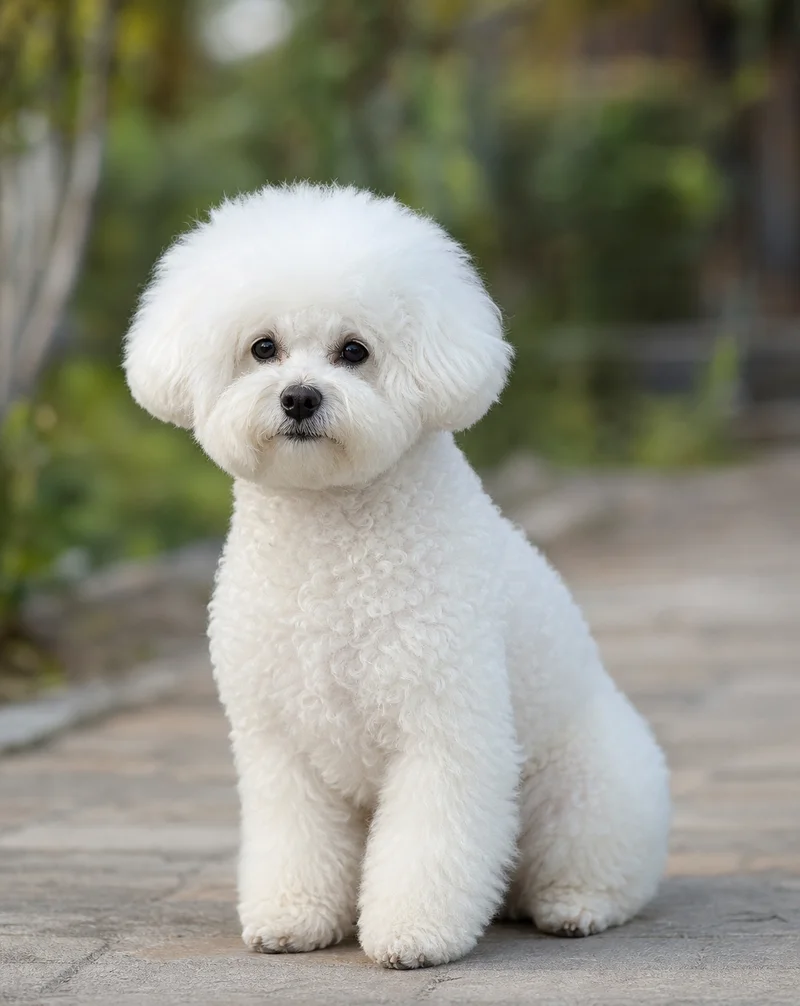
 Bichon Frise