Coton de Tulear: Is This Small White Dog Right for Families?
Choosing & ComparingBy Best Family Dog Breeds Editorial Team

Coton de Tulear: Is This Small White Dog Right for Families?

A cloud-soft, family-loving companion that thrives on attention—but demands daily brushing and near-constant company. Here’s what you need to know before bringing one home.

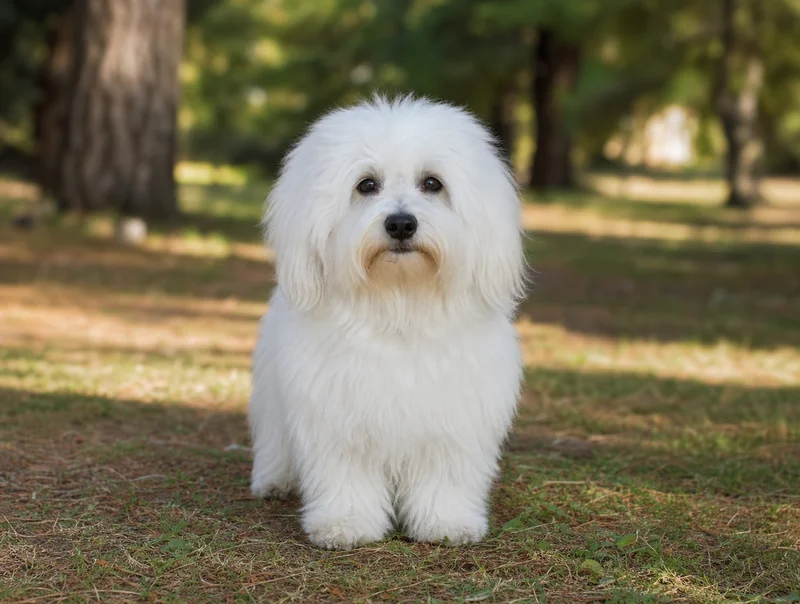
That cotton-ball dog you’ve seen on Instagram? The one that looks like a walking cloud with a perma-smile? That’s the Coton De Tulear, and behind that fluffy face is a personality just as warm—but it comes with a grooming bill and a need for near-constant human contact. If you’re hunting for a small, low-shedding family dog, this breed deserves a close look. But you’ll need to know the honest trade-offs before you fall in love.

At 8–15 pounds and 9–11 inches tall, the Coton fits easily under most apartment weight limits. They live a long time—15 to 19 years isn’t unusual. Their coat is long and cottony, shedding so little that many allergy-sensitive households consider them. (We’ll talk more about the “hypoallergenic” label in a minute.) They’re bright, eager to please, and rank a 4 out of 5 in trainability. Affection? A solid 5. If you’re sitting down, a Coton will be on your lap. When comparing small white dog breeds, the Coton stands out for its happy-go-lucky temperament and family-friendliness.

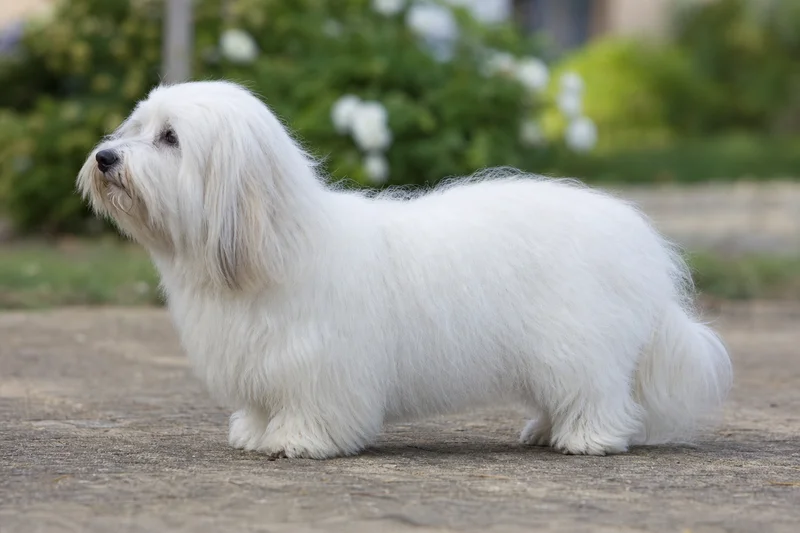
Coton de Tulear — sitting

Coton de Tulear — sitting View full breed profile →

The Grooming Reality: Beautiful Coat, Daily Commitment

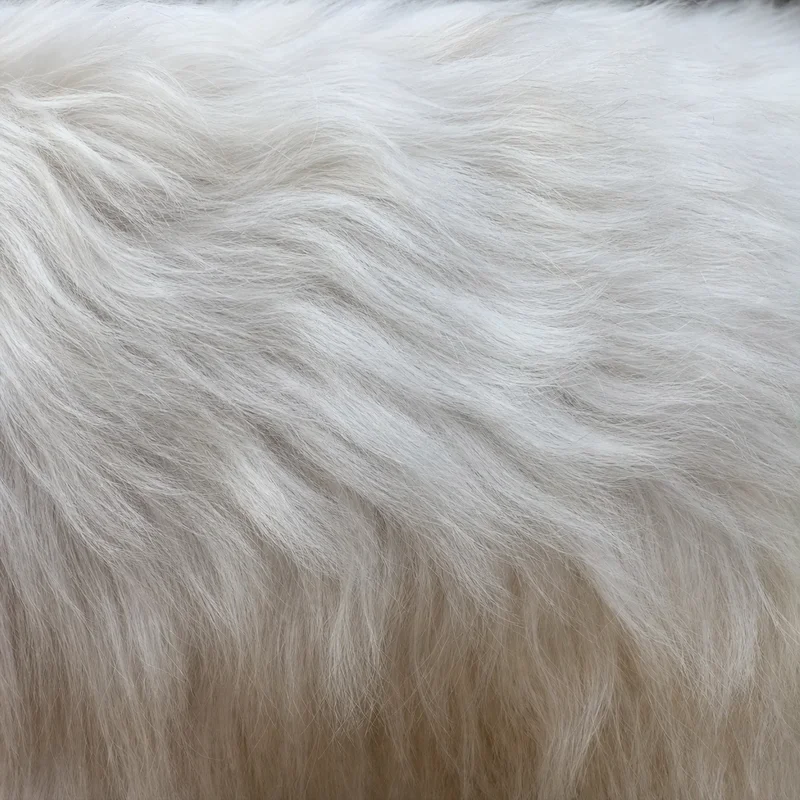
Here’s the deal: that cloud-like texture doesn’t maintain itself. Cotons have a long cottony coat that sheds minimally (1 out of 5 on the shedding scale), but it mats against the skin in a flash without daily attention. Grooming needs score a 4 out of 5 for a reason. Expect to spend 10–15 minutes every single day working a steel comb down to the skin, plus a professional groom every 4–6 weeks. Plan on $50–$100 a month just for grooming. If daily brushing sounds like a chore you’ll skip, this isn’t the dog for you.

Many people flock to Cotons because they’re labeled hypoallergenic—and while it’s true they produce less dander and shed very little, no dog is 100% allergy-free. Dander and saliva can still trigger reactions. Spend time around adult Cotons before committing if allergies are a concern. For a broader look at lower-shedding options, head to our guide on hypoallergenic dog breeds.

Family Life: Clownish and Kid-Friendly (with Guardrails)

Cotons genuinely adore their people. They’re rated “good with kids” and back it up with playful, affectionate energy—they’ll happily join a tea party or follow your child from room to room. However, at 8–15 pounds with a light-boned frame, they’re fragile. A toddler’s clumsy drop can cause serious injury. School-age kids who understand gentle handling will find a devoted shadow. Always supervise interactions, and never let young children carry the dog.

These aren’t jogging partners; their energy level is a moderate 3. A couple of 20-minute walks plus indoor romping sessions usually satisfy a Coton. They’ll alert bark at the door (barking level 2), so early training to settle on cue keeps them from turning into a nuisance. With consistent, positive reinforcement—they’re food-motivated and eager to please—even a novice owner can shape a polite companion.

For families with school-age kids, a Coton can be one of the best dog breeds for families if someone is home enough to keep them company.

First-Time Owners and Apartment Dwellers, Rejoice

The Coton is exceptionally forgiving for a first dog. First-time owner friendly? Yes. They’re smart but not stubborn, learn house manners fast, and adapt to apartment living beautifully. A few brisk walks and some indoor play are enough daily exercise. The catch? They bond hard and hate being alone. A Coton left for a full workday will often voice that misery through nonstop barking or destructive chewing. If you’re gone more than 6–8 hours regularly, either arrange a midday dog walker or consider a more independent breed.

Coton de Tulear — rear

Coton de Tulear — rear View full breed profile →

Social Butterfly: Thriving with Other Pets

With other dogs, Cotons are usually peaceful, but early and ongoing socialization makes the difference. They’re sensitive, not scrappy, so a bad experience with a larger, rougher dog can leave a lasting mark. Introduce your puppy to calm, vaccinated dogs of all sizes before 16 weeks, and keep meetups positive. Never force an adult Coton into greetings if he’s already comfortable sticking with his people—pushing a fearful dog into dog-park chaos only adds stress.

Cats and small pets often fit the picture when the Coton grows up with them. The breed lacks strong prey drive, so a cat that stands its ground generally gets a curious sniff rather than a chase. With rabbits or pocket pets, still use a secure barrier; a playful paw can do accidental damage to a tiny body. Introductions should be slow, supervised, and on the Coton’s terms—keep the dog leashed or baby-gated so nobody feels trapped.

The Class Clown: Quirks You’ll Love (or Learn to Live With)

Cotons strut through life with a bouncy gait and a tail that wags their whole rear end. They invent games if you don’t provide them—tug with a sock, hide-and-seek behind the couch, or a sudden bout of zoomies across the living room are standard. Expect a dog who rolls in smelly stuff just because he likes it, and don’t plan on visiting the bathroom alone ever again. They pair specific scents with experiences (like a groomer’s cologne meaning nail trims), so positive early introductions to handling and new places go a long way.

Who Should Think Twice

  • You’re not into daily coat care. That cotton-ball texture mats within a day or two without combing. Skip the brushing, and you’ll own a matted dog and a hefty grooming bill to undo the damage.
  • You’re gone more than 6–8 hours regularly. Separation anxiety can turn into destructive habits fast. This is a dog that defines its territory by the scent of its humans, not walls.
  • You want a jogging partner or an outdoor weekend warrior. Cotons like a stroll and a romp, not a five-mile run. Pushing them past their limits in heat or on long hikes invites trouble.
  • You believe “hypoallergenic” means zero shedding or zero allergies. They shed very little, but dander and saliva still trigger reactions. If allergies are a dealbreaker, test the waters first.

The Long-Term Investment: Cost and Health

Bringing home a Coton means signing up for 15–19 years of companionship, and the costs add up. A well-bred puppy typically costs $2,000–$4,000. Monthly expenses—food, grooming, vet care, insurance, and supplies—run about $150–$250, with grooming taking the biggest slice. Over nearly two decades, that’s a commitment well past $30,000.

Health-wise, Cotons are generally robust but have a few specific vulnerabilities. Luxating patellas (slipping kneecaps) top the list of orthopedic concerns. Eye issues like progressive retinal atrophy and cataracts can appear, so annual eye exams matter. Dental trouble is common in small mouths—daily tooth brushing and professional cleanings help prevent painful periodontal disease. Use a harness instead of a collar to protect a sensitive trachea, and watch for heart murmurs as they age. With regular vet checkups and a healthy weight, many Cotons sail past 15 years with vigor.

A Coton de Tulear is a soft, cheerful, and deeply affectionate dog that fits into families, apartments, and first-time homes—but only if you’re ready for the daily grooming and the constant presence they crave. Skip the comb, or leave them alone too long, and that charming little dog will let you know you’ve messed up. Get it right, and you’ll have a loyal lap-warmer who brightens every single day for nearly two decades. That’s the trade-off. For the right home, it’s beyond worth it.

Breeds mentioned in this article

Free dog tools

Useful calculators for dog owners

All tools →

Dog Diary

More articles you might like

All articles →

Find your perfect dog

Browse our in-depth breed guides:

Share