Is a Greyhound Really a Low-Maintenance Apartment Dog?
Choosing & ComparingBy Best Family Dog Breeds Editorial Team

Is a Greyhound Really a Low-Maintenance Apartment Dog?

Greyhounds look athletic, but indoors they can be calm, quiet, and surprisingly easy to live with. Here is the reality behind the apartment-dog myth.

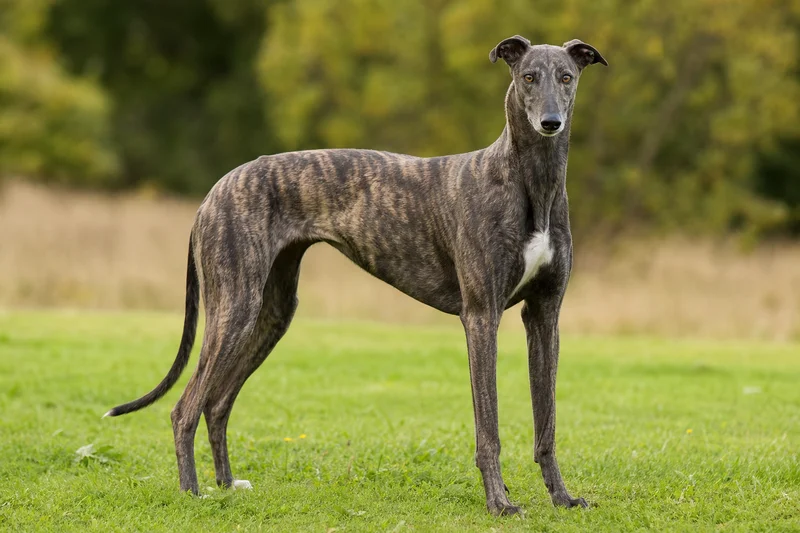
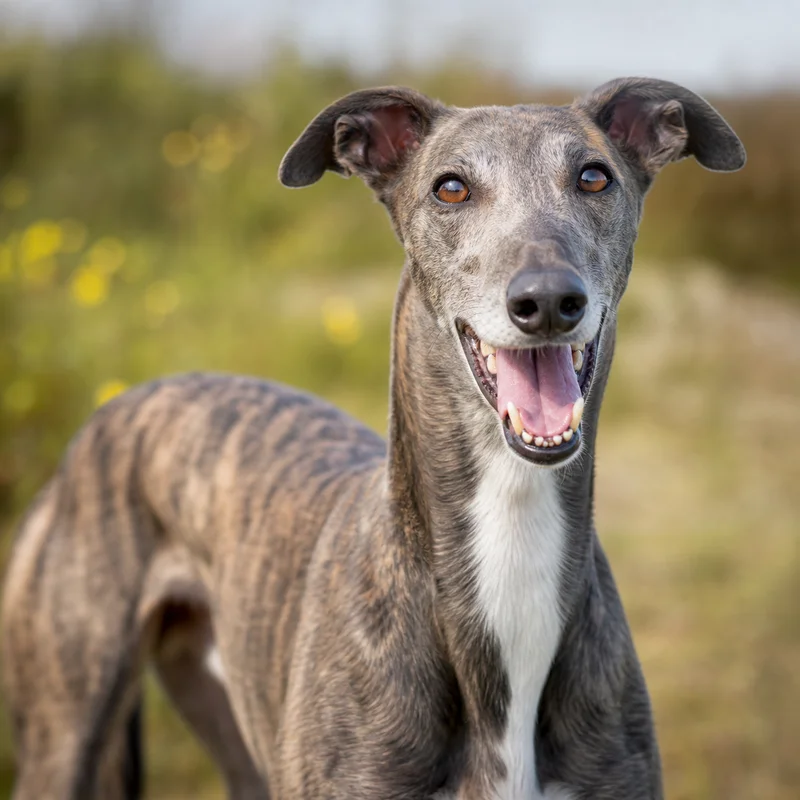
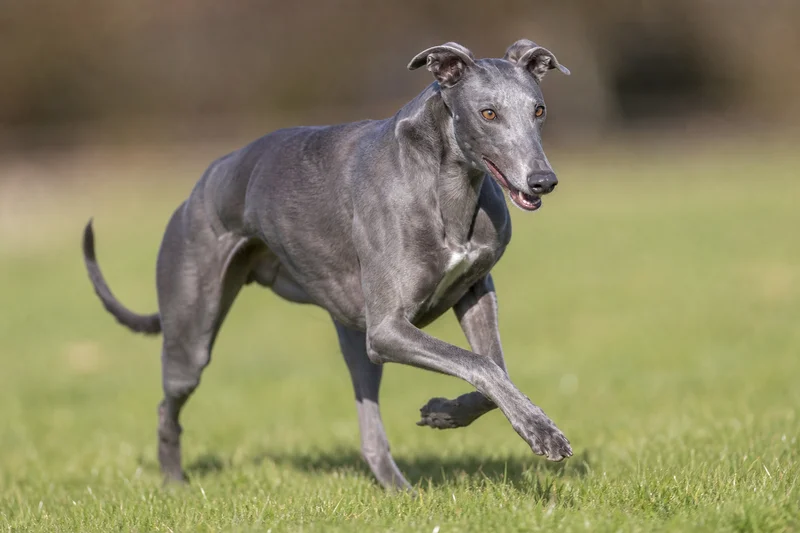
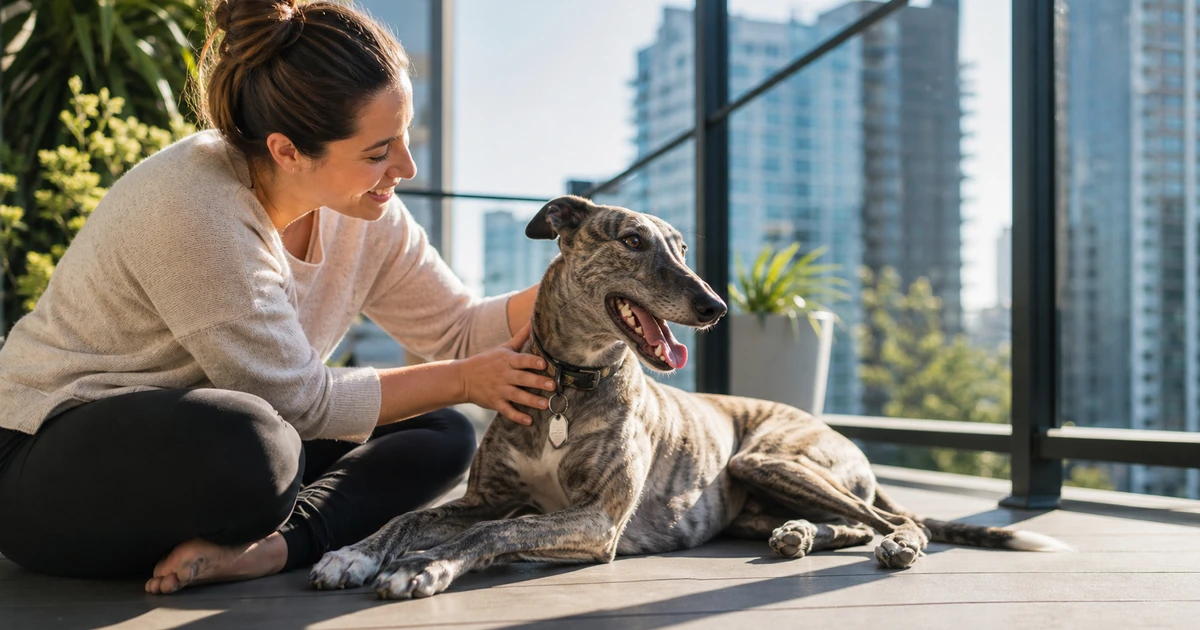
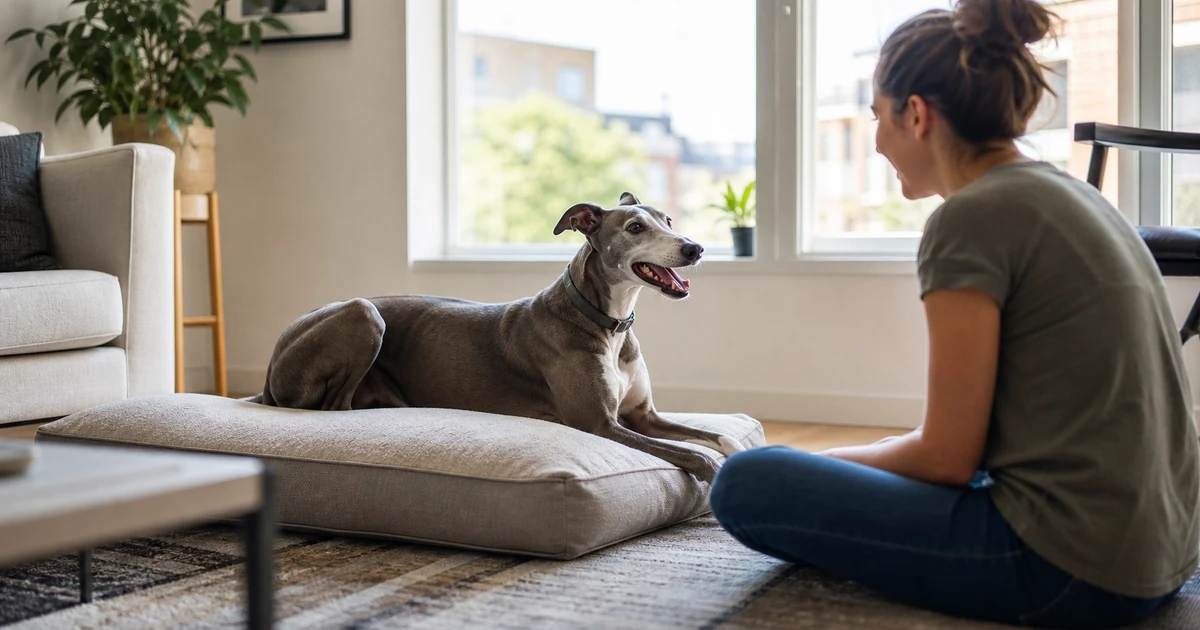
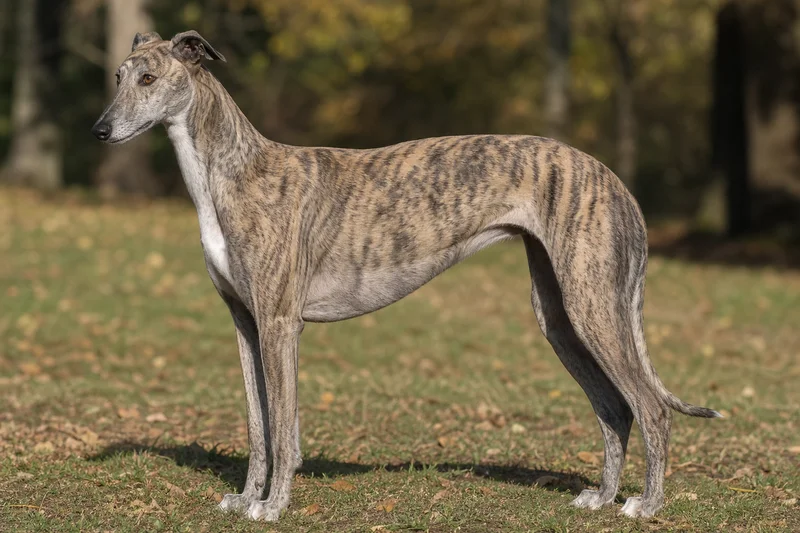
Greyhounds look like the opposite of an apartment dog. They are tall, long-legged, and built for speed. Then you meet one indoors and realize the surprise: a good Greyhound is often quieter in a living room than many small dogs.

That does not mean they are effortless. It means their needs are different from what their shape suggests. If you want a calm, low-grooming companion and you can manage leashed walks plus a safe place for occasional running, the Greyhound deserves a serious look.
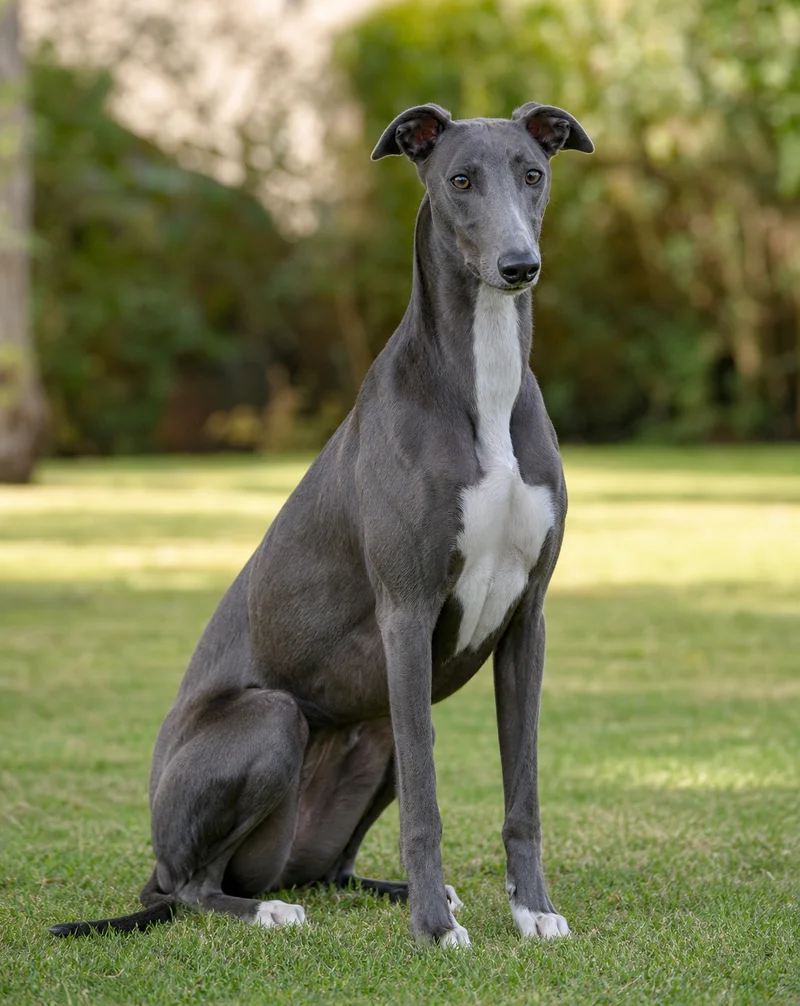
Greyhound — sitting

Greyhound — sitting View full breed profile →

Why Greyhounds feel lower maintenance indoors

The biggest apartment advantage is noise. Greyhounds score just 1/5 for barking in our breed data, which is rare for a dog this large. They are usually gentle, affectionate, quiet, independent, and laid-back rather than busy watchdogs who narrate every hallway sound.

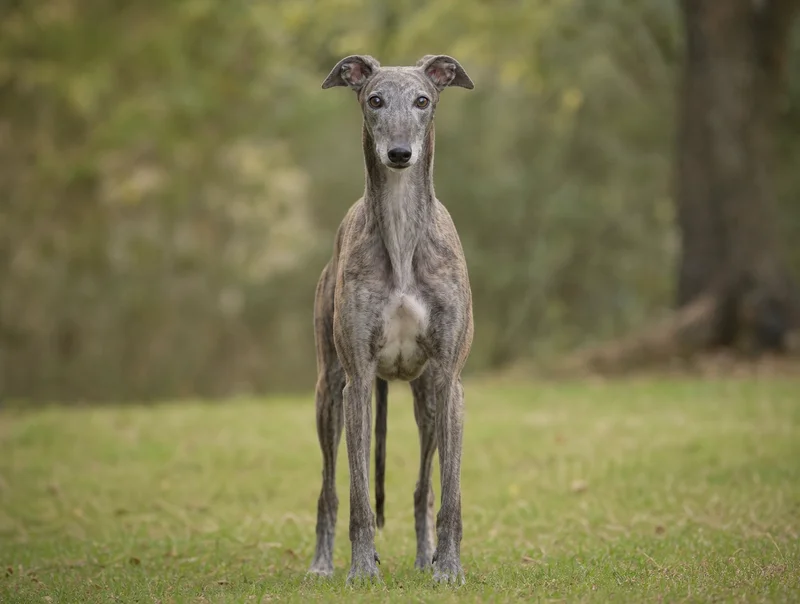
They are also lighter than many people expect. The breed stands 27-30 inches tall but usually weighs 60-66 pounds, so the dog looks tall without the massive bulk of a giant breed. That matters if you live in an elevator building, share narrow hallways, or need a dog that settles neatly on one bed instead of rearranging the room.

Our low-maintenance ranking favors breeds with simpler daily friction: lower grooming, moderate energy, and less barking. Greyhounds fit that profile well, which is why they also appear in our guide to low maintenance dogs.

The exercise need is real, just not constant

Greyhounds are sprinters, not all-day workers. Their energy level is 3/5, which puts them in the moderate range. They still need daily walks and a safe place for occasional sprints, but they are not the same kind of project as a herding breed that needs a job every waking hour.

The key word is safe. Greyhounds are sighthounds with a strong chase instinct, so the running part needs to happen in a secure area. For apartment owners, that usually means planning ahead rather than assuming a casual off-leash wander will work.

If your routine can support steady walks and controlled outlets, the indoor payoff is big. A Greyhound who has had appropriate exercise often becomes exactly what apartment owners want: present, affectionate, and not constantly demanding the next activity.

Grooming is about as easy as it gets

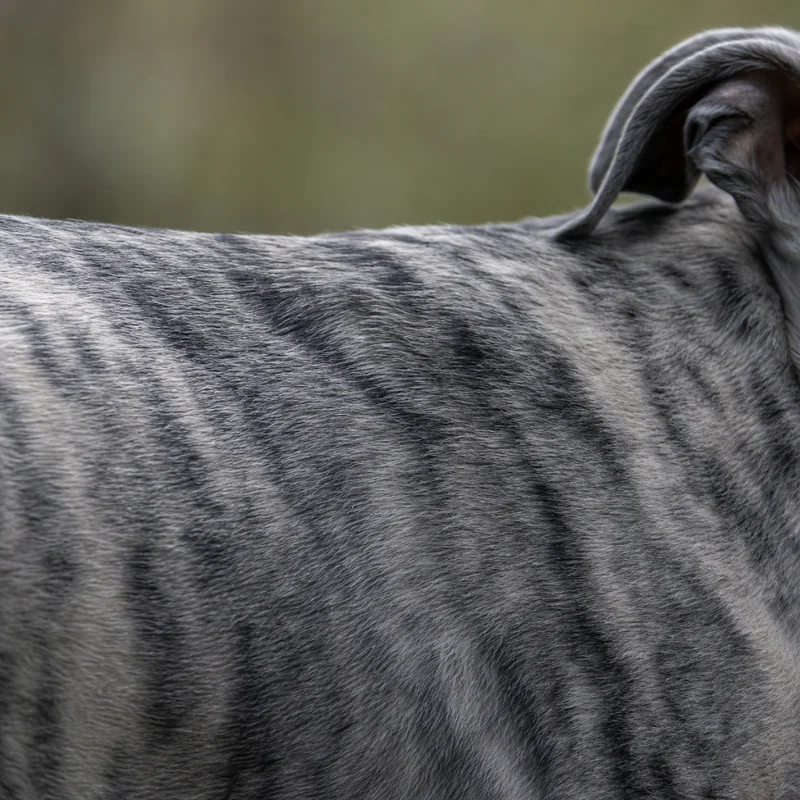
The coat is short and smooth, with grooming needs at 1/5 and shedding at 2/5. That is the practical low-maintenance win. You are not signing up for professional coat shaping, daily detangling, or clouds of undercoat rolling through the hallway.

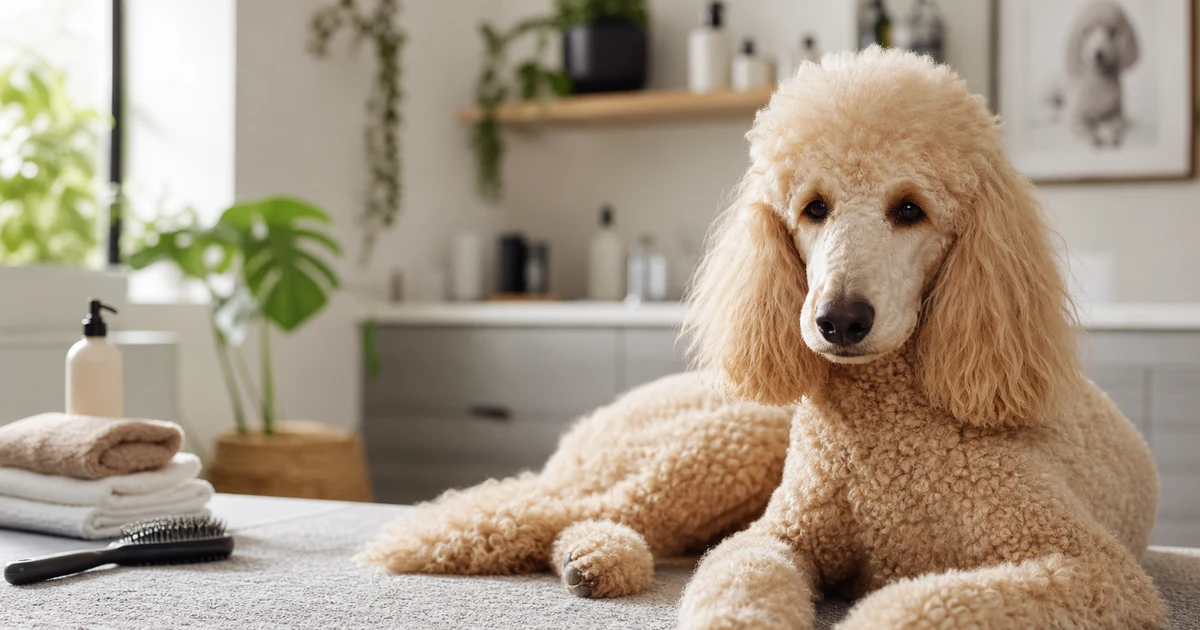
Low grooming does not mean no care. Nails, teeth, ears, bathing when needed, and routine vet care still matter. But compared with a Poodle, Bichon, Maltese, or many long-coated toy breeds, the Greyhound's coat is refreshingly simple.

One thing to be clear about: Greyhounds are not hypoallergenic in our data. They shed lightly, but low shedding and allergy-free are not the same thing. If allergies are part of your decision, spend time around the breed before committing.

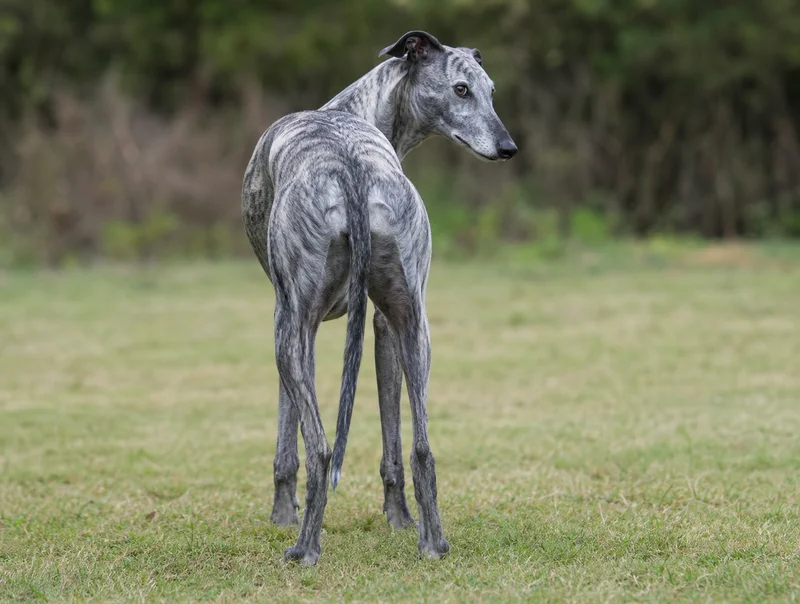
Greyhound — rear

Greyhound — rear View full breed profile →

Are Greyhounds good for seniors?

For the right older owner, yes. A Greyhound can be a strong fit because the breed is quiet, affectionate, first-time-owner friendly, and apartment friendly in our database. That combination is exactly why we include them as an option in best dog breeds for seniors.

The honest caveat is size. A 60-66 pound dog is still a large dog on leash, in a car, or at the vet. Greyhounds are usually gentle, but anyone choosing one should feel comfortable handling a tall dog and arranging safe exercise.

Many seniors do best with an adult dog whose temperament is already clear. That is especially helpful with Greyhounds, because you can meet the individual dog and see whether the calm indoor personality matches your home.

What first-time owners should know

Greyhounds score 3/5 for trainability, which is workable but not push-button obedience. They are intelligent and sensitive, but also independent. Training tends to go best when it is calm, consistent, and reward-based.

They are listed as good with children and other dogs, but introductions still matter. Their chase instinct means cats and small pets need special caution. Do not assume a peaceful sofa dog is automatically safe with every small animal.

The breed's typical lifespan is 11-12 years, so this is a long but not endless commitment. If you want a dog that is quiet, affectionate, low-grooming, and surprisingly apartment-friendly, a Greyhound may be one of the least obvious good choices on the list. The trick is respecting the sighthound part while enjoying the calm companion you get at home.

Breeds mentioned in this article

Free dog tools

Useful calculators for dog owners

All tools →

Dog Diary

More articles you might like

All articles →

Find your perfect dog

Browse our in-depth breed guides:

Share