Is a Pug Really a Low-Maintenance Dog?
Choosing & ComparingBy Best Family Dog Breeds Editorial Team

Is a Pug Really a Low-Maintenance Dog?

That squishy face might scream 'easygoing,' but Pugs pack daily wrinkle cleanings, constant shedding, and a need for companionship that'll surprise you. Low-maintenance? Let's talk.

You see that squishy face, those big eyes, and you think, "Finally, a dog that won't upend my life." After all, a Pug is small, doesn't need marathon runs, and looks like a stuffed animal come to life. But low-maintenance? That word does a lot of heavy lifting, and a Pug will quickly teach you the difference between a dog that's easy to love and one that's genuinely effortless.

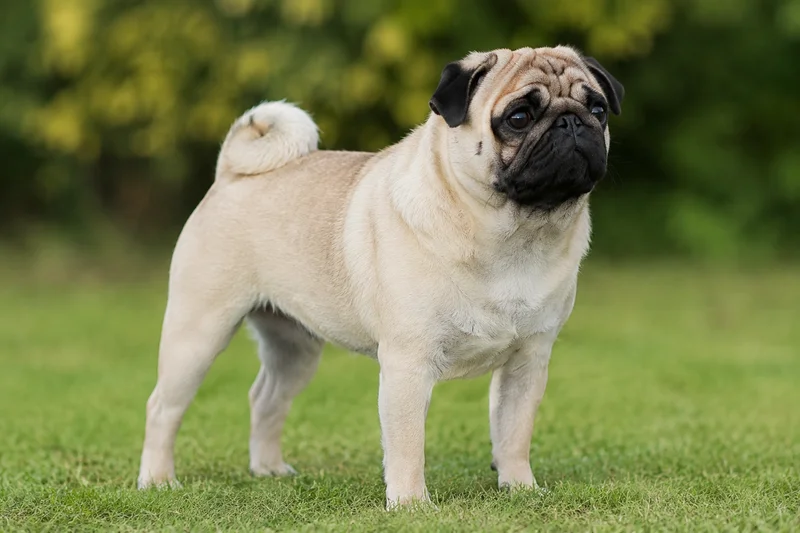
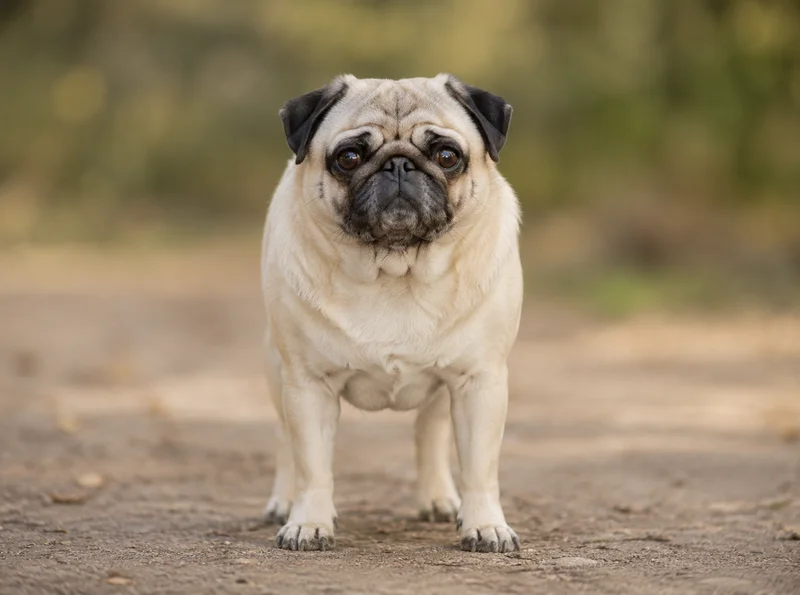
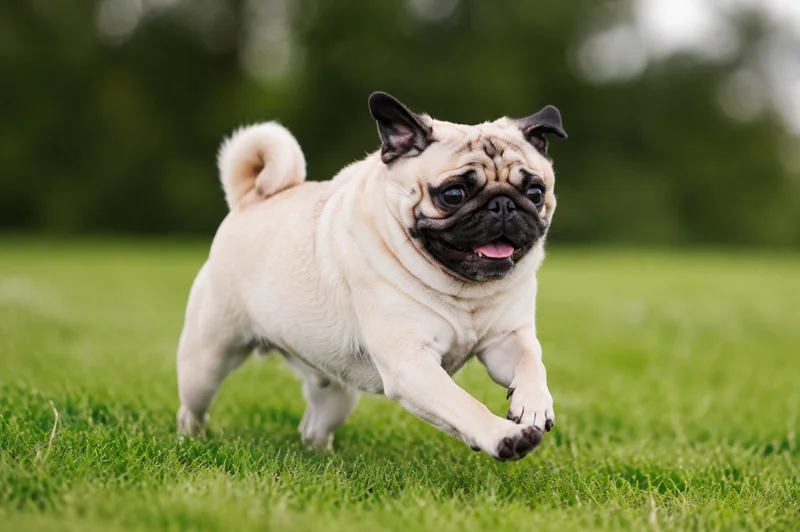
A Pug's energy level sits at a sleepy 2 out of 5, and they weigh just 13–18 pounds—perfect for apartment living and first-time owners. On paper, they check every box for an easygoing companion. But the reality check comes when you realize that "low exercise" doesn't mean "no work," and that adorable wrinkled face demands a daily routine that rivals a skincare influencer's.
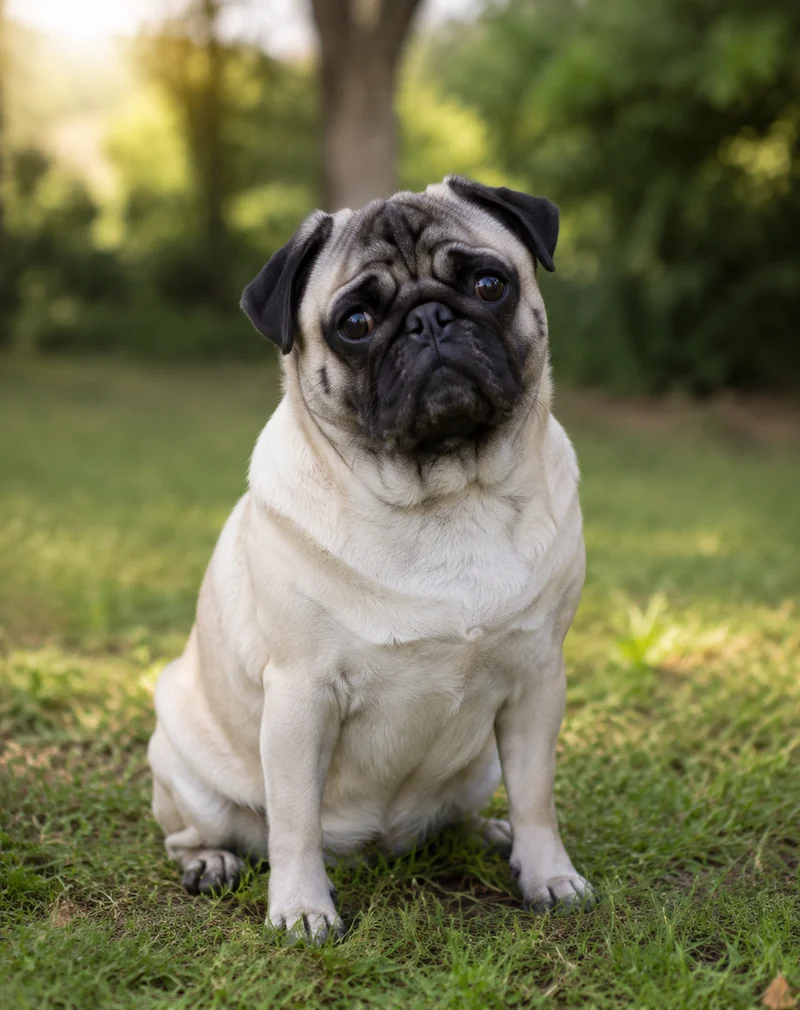
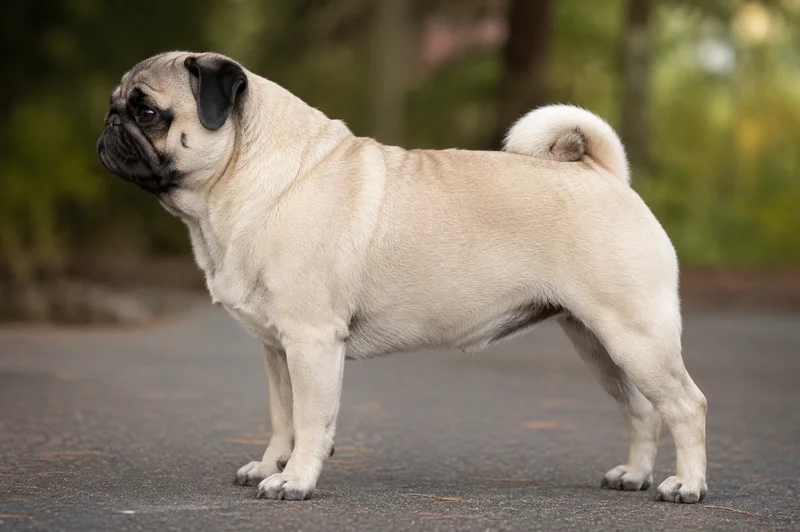
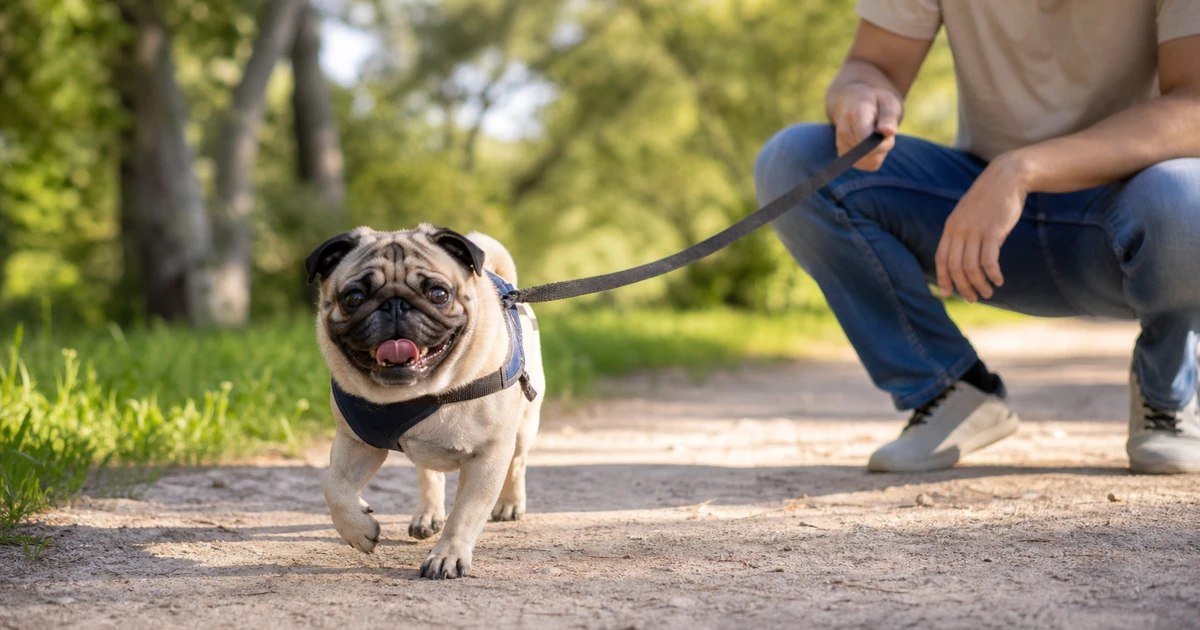
Pug — sitting

Pug — sitting View full breed profile →

The Exercise Equation: Less is Not None

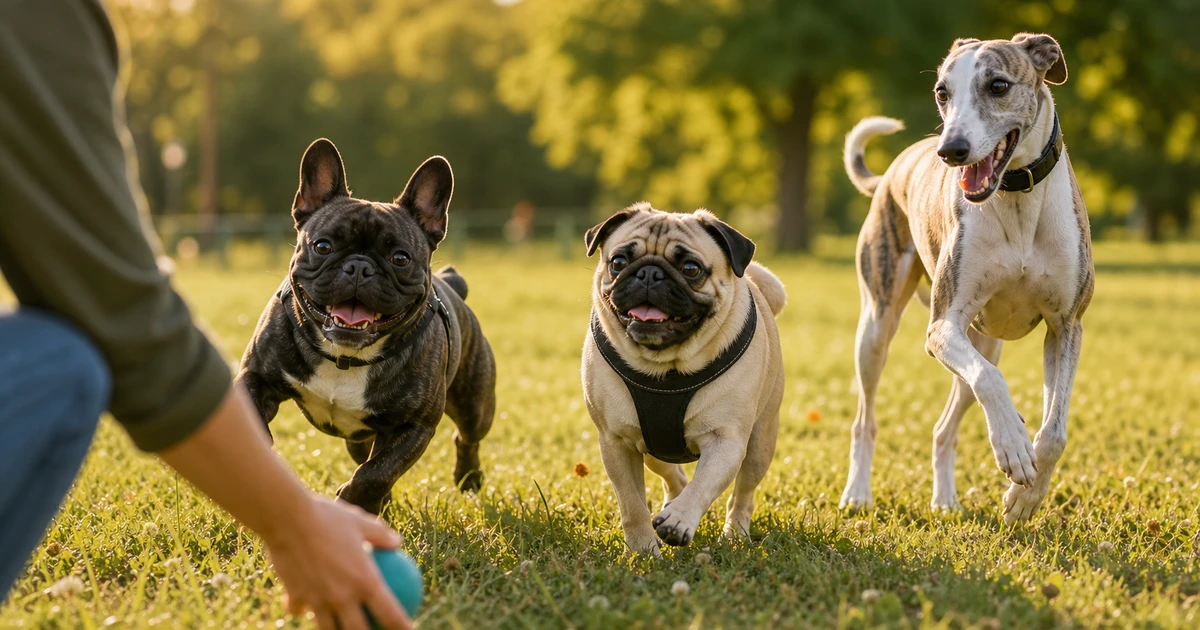
Don't mistake that couch-potato vibe for a dog you can skip walks with. A Pug needs movement, just not the panting, leaping kind. Most adults do well with two short, easy walks of 10–15 minutes each, ideally when the sun isn't blazing. Because their flat faces make heavy breathing a quick path to overheating, you'll play the role of activity monitor—stopping the game before your dog is gasping. Mental exercise matters just as much. A bored Pug becomes a tiny interior designer, reupholstering your couch cushions with his own ideas. Puzzle toys, short training sessions, and scent games drain the wiggles without taxing those delicate airways. So while you won't be training for a 5K, you also won't be skipping walks or leaving him to entertain himself. For some owners—especially seniors looking for a manageable daily rhythm—this gentle pace is perfect. If your household is too busy to provide that daily interaction, you might want to explore other best dog breeds for families that match your activity level.

Grooming: The Furward Truth

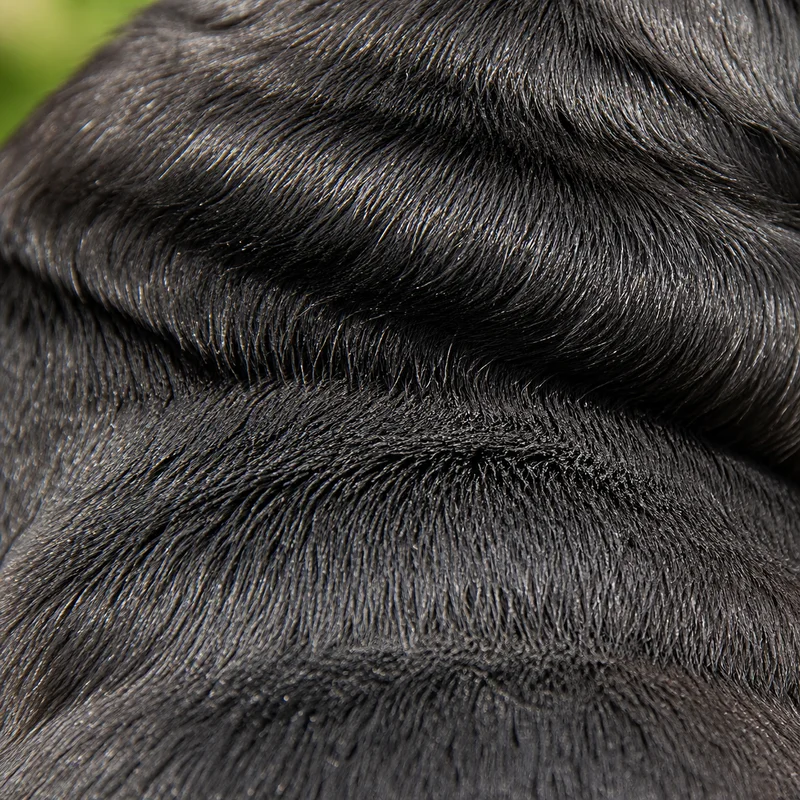
Here's where the low-maintenance label gets tricky. The Pug's grooming needs score a mild 2 out of 5, but that number hides the daily care those famous wrinkles demand. Yes, the short, smooth coat is a breeze to brush—a quick pass every other day with a rubber curry brush collects loose fur before it blankets your sofa. However, the Pug sheds constantly (a solid 3 on the shedding scale), and twice a year, that shedding goes into overdrive. Lint rollers become a household staple.

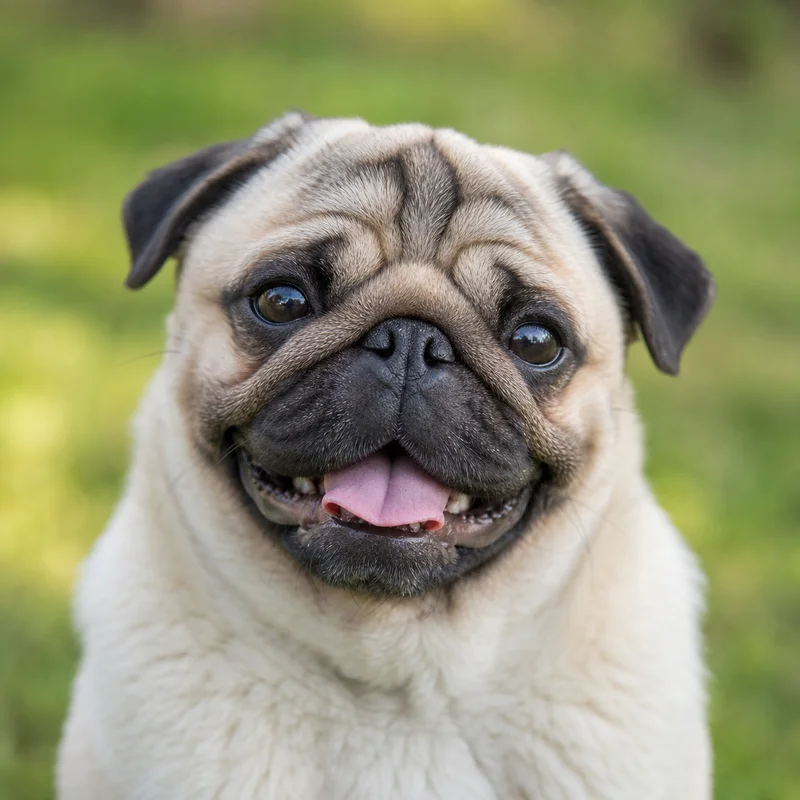
The real commitment is the face. Those deep wrinkles trap moisture, food, and dirt, so you'll need to clean each fold daily with a damp cloth and then dry thoroughly. Skip a day, and you risk redness, odor, or infection. The protruding eyes also collect discharge, requiring a gentle wipe once or twice a day. Occasional lubricating eye drops (the kind your vet recommends) can help prevent irritation. Add in nail trims every 3–4 weeks, weekly ear checks, and teeth brushing 2–3 times a week, and you've got a consistent routine that adds up. This isn't a dog you can ignore for a week and expect to stay healthy. For a truly low-grooming breed, you might look at some low maintenance dogs that don't require this level of facial coddling.

The Velcro Factor: They Need You, Always

Pugs were bred to be companions, and they take that job seriously. With an affection score of 5, they'll follow you from room to room, wedging themselves onto your lap and acting personally offended if you close a door. This isn't a "set and forget" pet. Left alone for long stretches, a Pug can become anxious, barking nonstop or house-soiling out of distress. They thrive when someone is home most of the day, or with another dog to keep them company—and even then, they prefer to be within touching distance of their human.

This intense people-orientation makes them wonderfully warm with respectful kids and a great fit for quieter homes. Best dog breeds for seniors often highlight the Pug's manageable size and affectionate nature, but the daily need for companionship is part of the package. If your lifestyle keeps you out for 10 hours, a Pug will feel every minute of that absence deeply.

Stubborn but Loveable: Training Reality

First-time owner friendly? The Pug's score says yes, but that doesn't mean training is a walk in the park. With a trainability of 2, Pugs are known for being willful. They're smart enough to understand what you want, but they'll weigh your request against the obvious question: "What's in it for me?" Food motivation turns a stubborn Pug into a willing student, but without that bait, you'll see their independent streak. Harsh corrections don't work; they'll shut down. Instead, you'll need patience, consistency, and a pocketful of tiny treats. Training a Pug is a daily relationship game—not a huge lift, but it's not passive.

Health Watch: Eyes, Joints, and That Snore

That flat face isn't just cute; it comes with a list of built-in concerns. Pugs are prone to heat stroke, so summer outings require extra caution. Their shortened nasal passages mean loud snoring and snorting are normal—charming to some, a dealbreaker for light sleepers. Joint disease is almost universal with age, which can lead to mobility issues. Eye problems are common too: eyelashes may grow inward, and tear ducts block easily, often needing vet attention. These aren't rare "maybes"; they're part of owning a Pug. Regular vet visits and a body harness (to protect their thick necks) become part of the monthly rotation. None of this is insurmountable, but it chips away at the fantasy of a carefree dog.

The Bottom Line

A Pug is low-maintenance like a tiny house is low-maintenance: you still have to clean it every day, but the square footage is smaller. You won't be running miles or wrestling with tangled fur, yet the daily wrinkle cleaning, the constant companionship needs, the shedding, and the health vigilance create a different kind of work. This breed rewards consistency, laughing at your attempts to keep a fur-free home while charming his way into your lap. If you're up for a routine that feels like caring for a delightful, snorting toddler, a Pug will fill your life with affection. But if you're looking for a truly hands-off dog, you're better off exploring truly hands-off breeds. The Pug is many things—charming, loyal, hilarious—but "effortless" isn't on the list.

Breeds mentioned in this article

Free dog tools

Useful calculators for dog owners

All tools →

Dog Diary

More articles you might like

All articles →

Find your perfect dog

Browse our in-depth breed guides:

Share