You don’t come home to needle teeth and middle-of-the-night potty alarms. You come home to a dog who already knows how the world works. That first night, when your new senior dog curls up on the orthopedic bed you weren’t sure he’d use, the silence feels heavy in a good way. No frantic energy, just a long exhale. He’s been somewhere else before this, and you can feel it. The first month isn’t about training him to fit your life — it’s about learning who he already is.
The first week is a quiet negotiation. He doesn’t explore the house with a puppy’s reckless curiosity; he maps it in slow, deliberate loops. He snoozes a lot, more than you expected, and you start to wonder if he’s okay. But then you notice his tail thump when you walk into the room, the way his eyes follow you without lifting his head. He’s watching, settling in at his own pace. You learn to read what “tired” looks like on a dog who’s done a decade of living. Stiff legs after a nap. A deeper sigh. He might skip a meal one day and eat with gusto the next — appetite in senior dogs can be unpredictable, so you start offering smaller, more frequent portions instead of worrying when the bowl isn’t licked clean right away.
Walks become a lesson in slowing down. You’re used to a certain pace, but he’s not. He stops to sniff every mailbox, not because he’s stubborn, but because his world is smell-based. (I remember when I adopted my Basset Hound mix — his nose practically pinned him to the grass, and I realized a 15-minute sniff-fest was more tiring for him than a forced march.) You learn to take shorter, flatter routes. After a few blocks, you see a hitch in his step you didn’t notice indoors; joint stiffness is a common theme in aging dogs, and you start planning walks in the cooler parts of the day on softer ground. You’re not training for a marathon — you’re just keeping him mobile and happy.
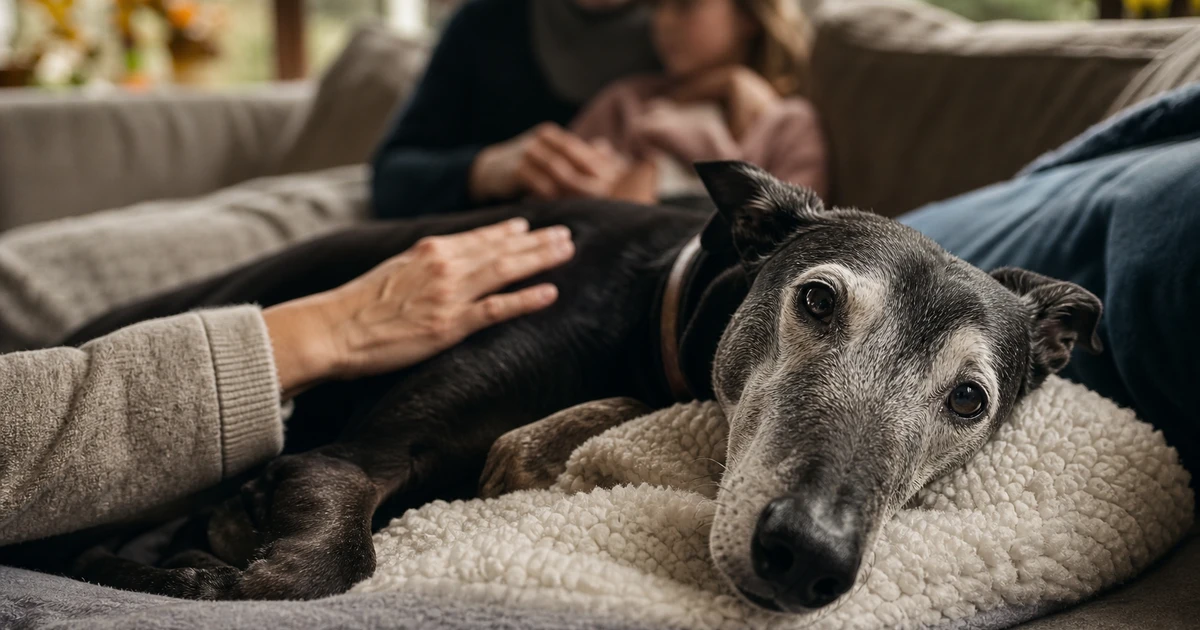
Bedding becomes a silent obsession. You add a second memory-foam pad, then a third, because he groans when he gets up. You notice he sleeps deeper than any dog you’ve owned, sometimes snoring with a volume that rivals a freight train (a quirk common in flat-faced seniors like a Pug, who often snore and snort as normal). You figure out his favorite spot — maybe it’s by the couch where he can lean against your leg, or a quiet corner with a view of the kitchen. He might circle for a few minutes, then drop with a thud. That thud becomes a comfort sound; it means he’s home.
By week two, routines are forming without any formal plan. He expects his evening stroll, then dinner, then a stretch of time with his head on your foot while you watch TV. He’s not demanding, but he’s present in a way that feels substantial. This is the part no one tells you about adopting an older dog: the predictability is a gift. He’s already house-trained (mostly — you still watch for signals), he doesn’t chew your shoes, and he understands that the kitchen counter is not a buffet. For a busy family, a settled senior can be the ultimate calm companion; exploring best dog breeds for families might lead you to a breed whose natural gentleness shines even brighter in their golden years.
What you really watch for in that first month are the little signs of discomfort. Senior dogs can’t always tell you when something’s wrong. You monitor his water intake, the color of his gums, the way he moves after lying down for a long stretch. You learn to feel for new lumps or sensitive spots during daily rubdowns — skin conditions and ear infections can crop up in breeds with floppy ears, like the Cavalier King Charles Spaniel, so you make a habit of gentle checks. You don’t panic over every new quirk, but you do start a mental list of things to bring up at the next vet visit. And you find a vet who knows the breed’s typical health patterns; many older dogs come with known histories, which means you might already be aware of arthritis or a heart murmur before you even bring him home. That knowledge lets you be proactive — adding a ramp to the couch, adjusting his diet to keep weight off fragile joints, or just giving him more time to warm up in the morning.
The emotional difference between a puppy and a senior is enormous. Raising a puppy is a project; you’re building a dog from scratch, shaping every behavior. Adopting a senior is more like gaining a roommate who’s already had a long life. He doesn’t need you to teach him how to sit — he probably knows a dozen commands you haven’t discovered yet. Instead, you earn his trust in small moments: the first time he rolls over for a belly rub, the first time he follows you into the bathroom just to be near you, the first time he lets out a full-body sigh with his head on your lap. That trust is deeper because it’s been broken before. He’s said goodbye to someone, and he’s choosing to say hello to you.
Of course, not every moment is poetic. He might forget his house-training for a few days in a new environment, or decide that 4 a.m. is an excellent time for a potty break. He might be pickier than a teenager at a buffet. But you adapt. You start leaving a night light on — some senior dogs’ eyesight fades, and a little light eases their anxiety. You keep his bed in a consistent spot because moving it feels like rearranging a blind person’s furniture. You accept the drool on your pants as a badge of honor.
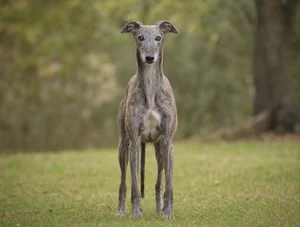
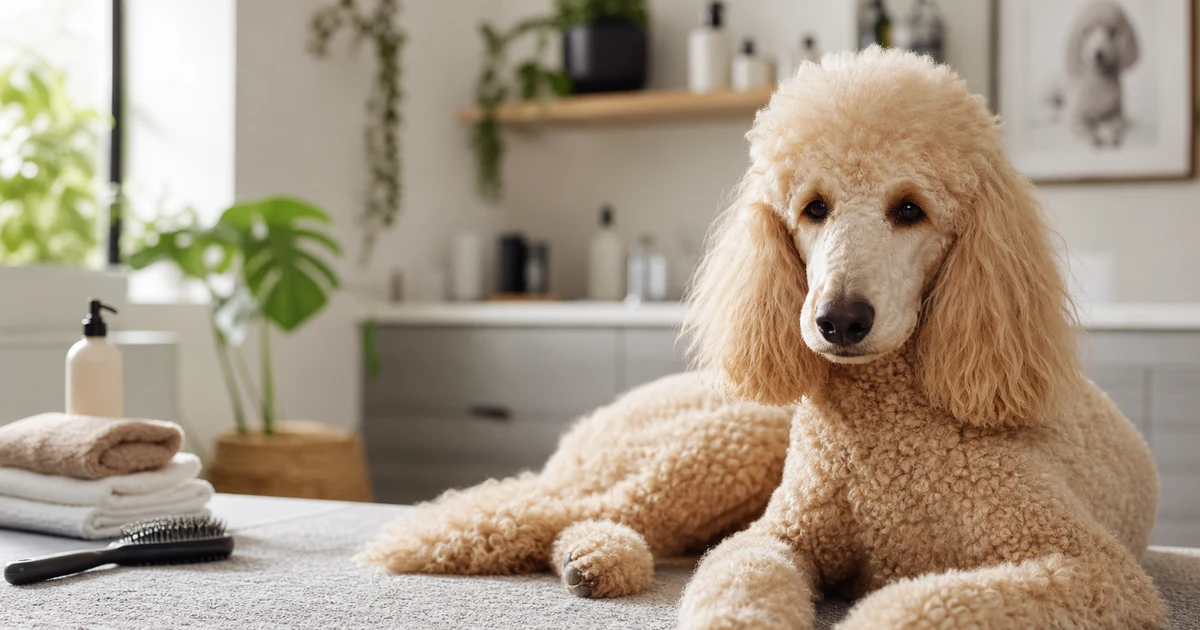
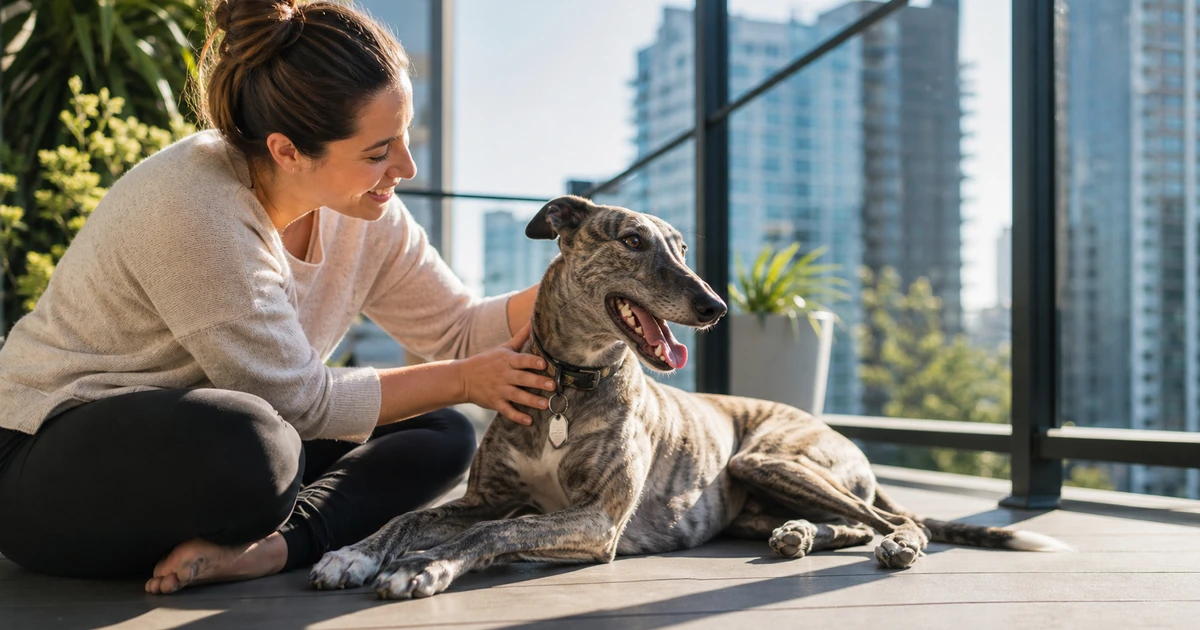
If you’re considering adopting a senior dog and your own lifestyle is calmer — say, you’re retired or live in an apartment — you’re already on the right track. Many senior dogs thrive in quieter homes with predictable schedules; they’re often content with a couple of short walks and a soft place to nap, making them perfect for owners who don’t want to run a daily 5K. (For a list of breeds that match that relaxed vibe, check out best dog breeds for seniors.) And if you worry about high-maintenance grooming, know that many older dogs are the opposite of a salon-dependent diva; they’re happy with a simple brush and a bath now and then, like the low-shedding Greyhound, who practically grooms himself. In fact, plenty of seniors fit squarely into the low maintenance dogs category simply because they’ve mellowed with age.
A month in, you look at him and realize he’s no longer a guest. He’s a fixture. You know his favorite spot on the couch, the exact sound of his bark when the mail comes, and how many times he’ll circle before lying down. You haven’t slept through the night every night — maybe he whined at 3 a.m. or insisted on a midnight stroll — but the rhythm feels right. You’ve traded puppy chaos for something quieter: steady companionship from a dog who appreciates home more than anything. And when he wags his tail in his sleep, you know he’s dreaming about the life he almost missed.