Dog Enrichment Ideas for Bored Family Dogs
Training & BehaviorBy Best Family Dog Breeds Editorial Team

Dog Enrichment Ideas for Bored Family Dogs

Physical exercise isn’t enough for a restless dog—mental enrichment is the missing piece. From scent games to puzzle feeders, these ideas tire out your dog’s brain, not just his legs.

You just finished a three-mile run with your dog, but instead of crashing on his bed, he’s pacing, whining, and eyeing the sofa cushions with criminal intent. Sound familiar? Physical exercise keeps a dog’s body healthy, but many family dogs—especially working breeds—need more than tired legs to feel satisfied. Without daily mental engagement, even a well-walked dog stays restless and invents his own entertainment, usually the kind you’ll regret.

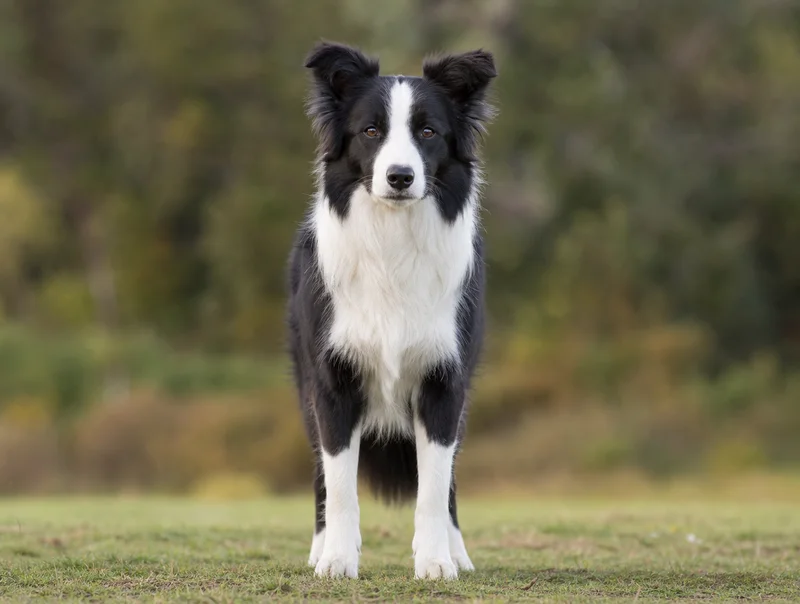
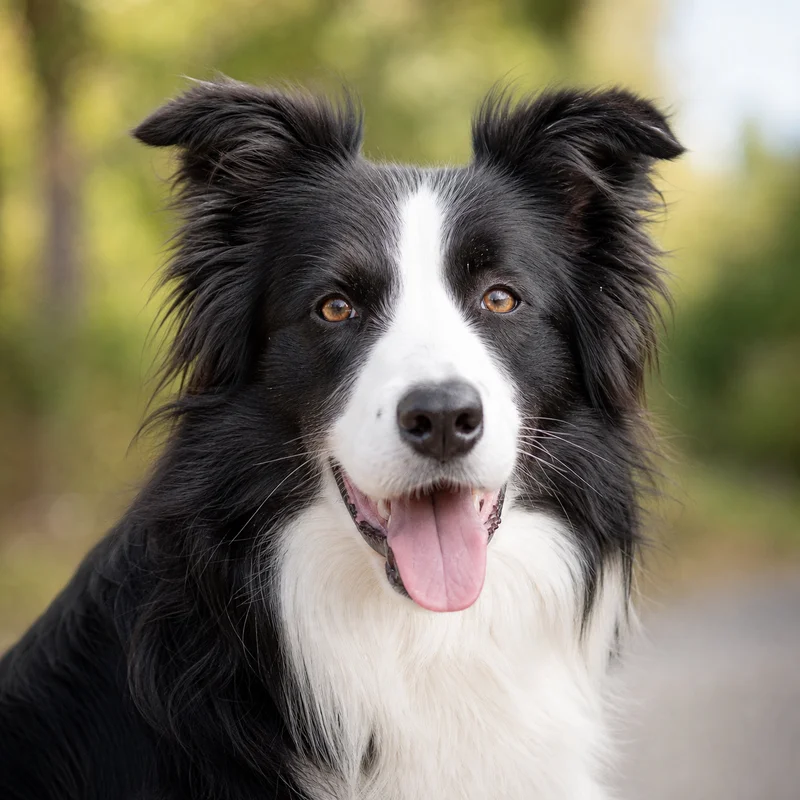
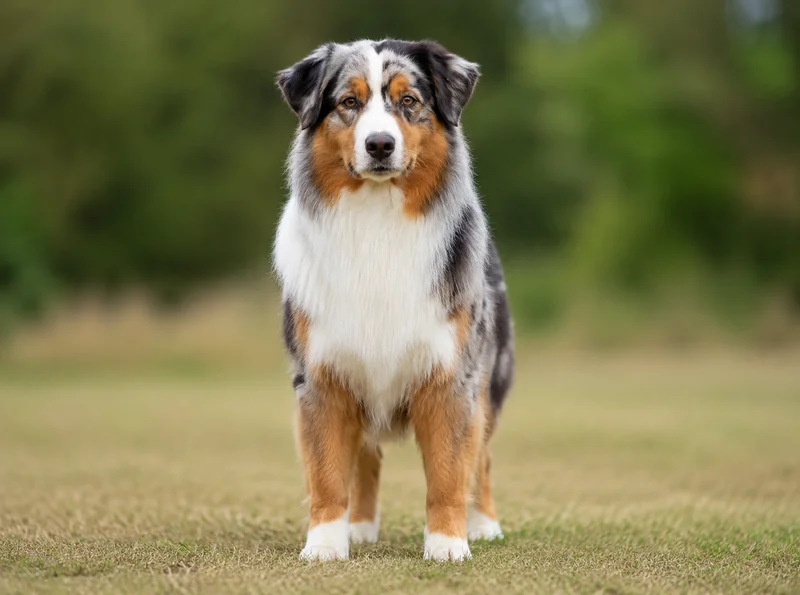
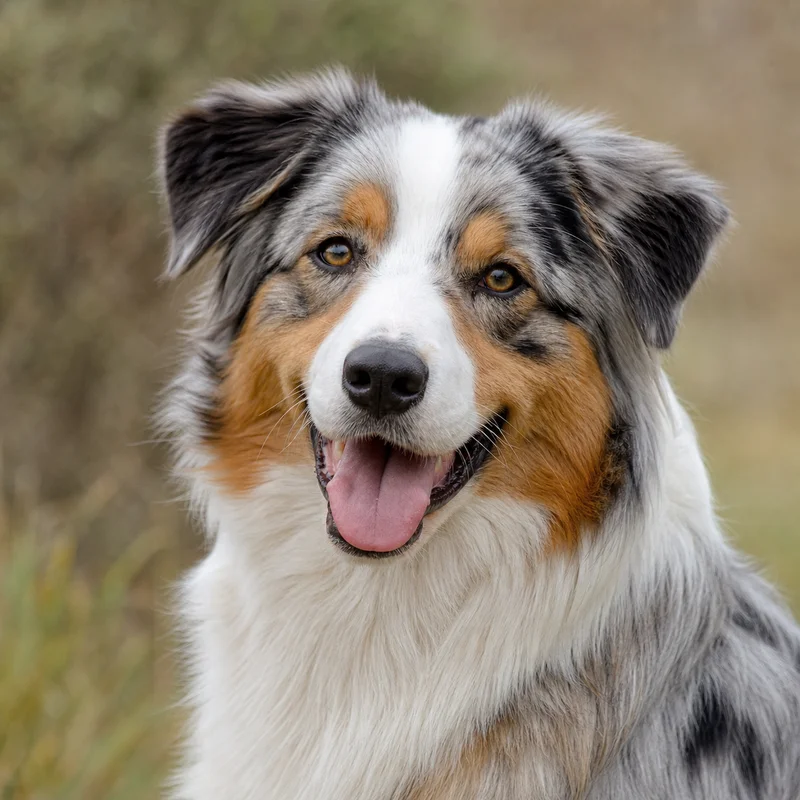
Take the Border Collie: bred to work, they require daily mental challenges alongside their physical outlet. A Border Collie who only gets a long walk often redirects that unused brainpower into obsessive chasing, digging, or barking. The same goes for the Australian Shepherd—this smart, energetic herder needs puzzles and training that stump her, or she’ll reorganize your flower beds. Even a food-obsessed Beagle or a retrieve-crazy Labrador Retriever can turn destructive when boredom sets in. The fix isn’t more exercise; it’s smarter enrichment.

Mental stimulation doesn’t require hours or expensive gear. It means giving your dog a job—using her nose, solving puzzles, or working through training games that leave her genuinely tired. Below, we’ve organized simple enrichment ideas by how you can weave them into your daily routine.
Low-Effort Indoor Enrichment

Some of the best brain games happen while you’re sipping coffee. Scent work tops the list because it taps into a dog’s most powerful sense. Scatter a handful of kibble across the living room floor and let your dog sniff out every piece. For an upgrade, hide treats behind furniture legs or inside a rolled-up towel. A Beagle will lock onto this game with the focus of a detective on a case; it’s what her nose was made for.

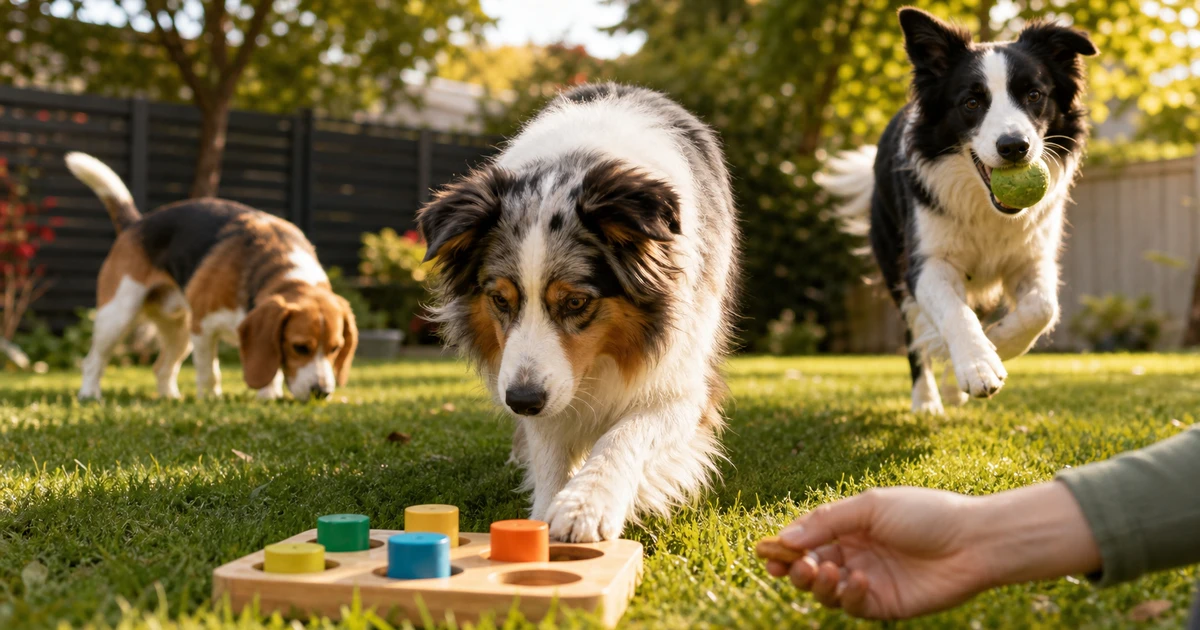
Food puzzles are another easy win. Swap the regular bowl for a treat-dispensing ball or a puzzle dish that forces your dog to nudge, paw, and think for each bite. An Australian Shepherd who normally inhales dinner in thirty seconds gets a twenty-minute mental workout from a puzzle feeder—and that calm, post-meal nap is the reward for you. Rotate toys to keep them novel; a stuffed Kong pulled from the freezer after a week feels brand new.

Backyard Enrichment for Curious Dogs

If you have outdoor space, a few tweaks turn it into a sensory gym. A herding ball—large and durable—lets a Border Collie or Aussie channel their instinct to push and chase without nipping at children’s heels. Roll it across the yard and watch them stalk, circle, and nudge, mimicking the movement of livestock. For diggers, designate a digging pit (a sandbox or a corner of loose soil) and bury a few toys. Praise digging there, and your garden stays intact.

Water-loving Labs thrive on backyard splash sessions. A kiddie pool, a hose, or a sprinkler paired with a floating retrievable toy turns a lazy afternoon into a full-body, brain-engaging workout. The key is interaction: your involvement keeps the game purposeful, not just frantic splashing.

Kid-Supervised Games That Tire Out Dogs

Getting the whole family involved doubles the enrichment. If you have one of the best dog breeds for families that genuinely enjoys children, structured games build bonds and burn mental energy. Hide-and-seek is a classic: one kid holds the dog while another hides, then yells a release word. The dog uses his nose and brain to track down the hiding spot, and the reunion is pure joy.

Set up a mini obstacle course with couch cushions to weave through, a broom handle to hop over, and a blanket tunnel to crawl through. Kids take turns calling the dog through the course, rewarding with treats or a quick tug session. For an Australian Shepherd, this mimics the problem-solving and body awareness of dog sports, but costs nothing. Just supervise carefully—herding breeds may nip at fast-moving children, and a kid’s shriek can send a sensitive dog into overdrive. Keep voices calm and movement deliberate.

Training-Based Enrichment: Brain Work Over Boredom

A few short, upbeat training sessions each day do more for a Border Collie or Aussie than an extra mile on the trail. These breeds learn quickly and grow restless with repetition, so mix it up. Teach a new trick (spin, weave, or “put your toys away”) using reward-based methods—treats, praise, or a quick game of tug. Impulse-control games work wonders: hold a treat in a closed fist and open your hand only when your dog stops pawing and makes eye contact.

Use daily routines as training moments. Ask for a sit at every door, a down-stay before meals, or a “find it” before releasing into the yard. This “nothing in life is free” approach gives a high-drive dog a clear job and reinforces calm behavior. A Labrador Retriever who must hold a sit-stay while you clip on his leash is using his brain, not just his lungs, and he’ll settle faster afterward.

Food-Based Enrichment: Make Mealtime a Brain Game

For food-motivated dogs, every meal is an opportunity to think. Ditch the bowl entirely and feed kibble in a snuffle mat, a puzzle feeder, or simply scattered in the grass. A Beagle will spend half an hour snuffling out every last nugget, and that nose work is deeply calming. Freeze wet food or soaked kibble inside a Kong for a long-lasting challenge; the cold, the licking, and the problem-solving combine to soothe anxious minds.

Rotate how you present food to avoid boredom. Slow-feeder bowls, muffin tins with tennis balls covering the cups, or rolled-up kitchen towels with treats tucked inside all work. Never add extra calories—just use the dog’s regular daily portion. And for Labs, whose love of food can tip into constant begging, these puzzles redirect that drive into a constructive, mentally demanding task instead of counter-surfing.

High-drive breeds need mental work, not just longer walks. When you add scent games, puzzles, and training into the mix, you’ll often see the restless pacing disappear. And if you’re reading this thinking your dog doesn’t need this level of input, you might have one of the more low maintenance dogs that is content with a calm walk and a chew toy. For the rest, grab a puzzle feeder and watch the magic—you’ll get a tired, content dog without lacing up your running shoes.

Breeds mentioned in this article

Free dog tools

Useful calculators for dog owners

All tools →

Dog Diary

More articles you might like

All articles →

Find your perfect dog

Browse our in-depth breed guides:

Share