8 Kid-Friendly Small Breeds (That Still Need Rules)
Weight: 5–7 lb | Affection: 5/5 | Good with kids: Yes | Barking: 3/5 | Trainability: 4/5 | Grooming: 5/5 | Hypoallergenic: Yes
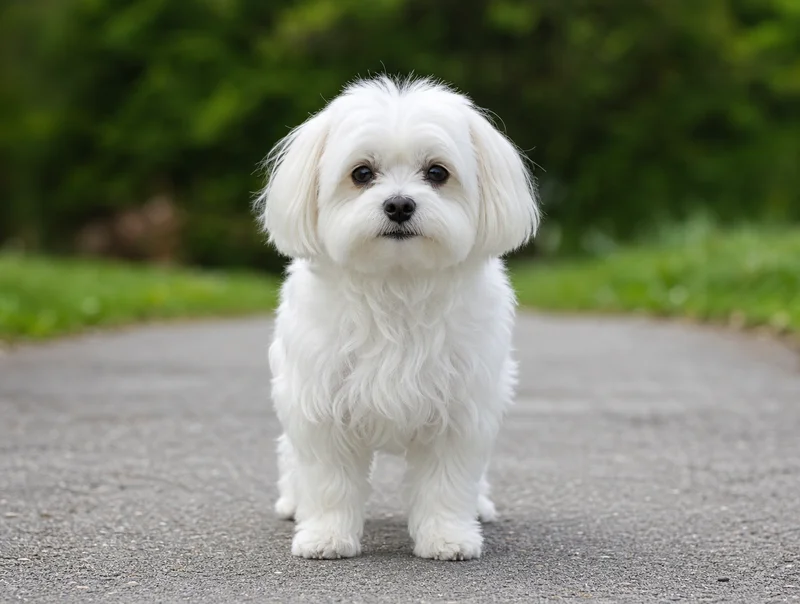
The Maltese is a tiny, fearless companion with a long silky single coat. At just 5–7 pounds, this breed requires a gentle touch; rough handling can cause injury. Daily brushing is non-negotiable due to high grooming needs, but the low-shedding coat is often easier on allergy sufferers. Their affectionate nature makes them a joy in the right home, but they’ll bark at every doorbell and need consistent training to settle. Perfect for calm, respectful children who understand personal space.
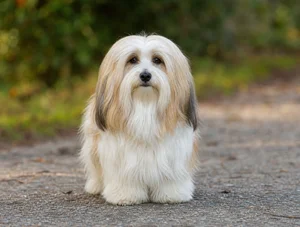
Weight: 7–13 lb | Affection: 5/5 | Good with kids: Yes | Barking: 3/5 | Trainability: 4/5 | Grooming: 4/5 | Hypoallergenic: Yes
The Havanese is an outgoing, intelligent dog with a long silky double coat that barely sheds. Weighing 7–13 pounds, they’re a bit sturdier than the Maltese but still need careful handling. Their high affection and eagerness to please make them easy to train with positive reinforcement, though they’ll voice their opinions with moderate barking. Grooming is a commitment: that soft coat mats quickly without daily care. They thrive on being part of the family and dislike being alone for long stretches.
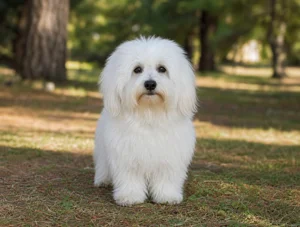
Weight: 8–15 lb | Affection: 5/5 | Good with kids: Yes | Barking: 2/5 | Trainability: 4/5 | Grooming: 4/5 | Hypoallergenic: Yes
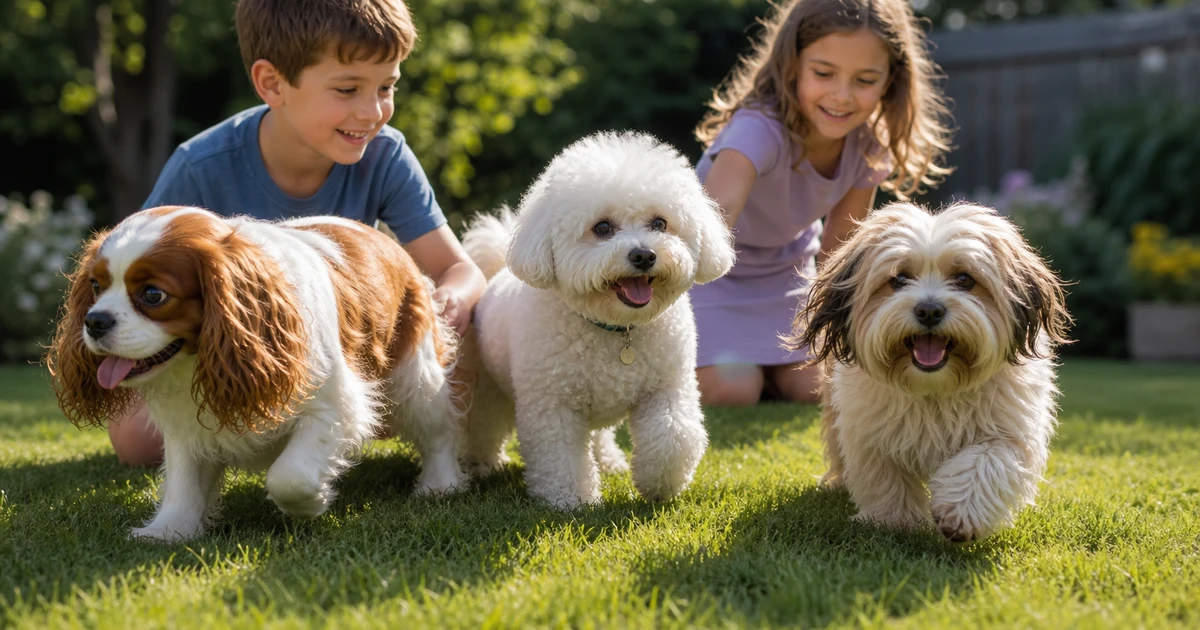
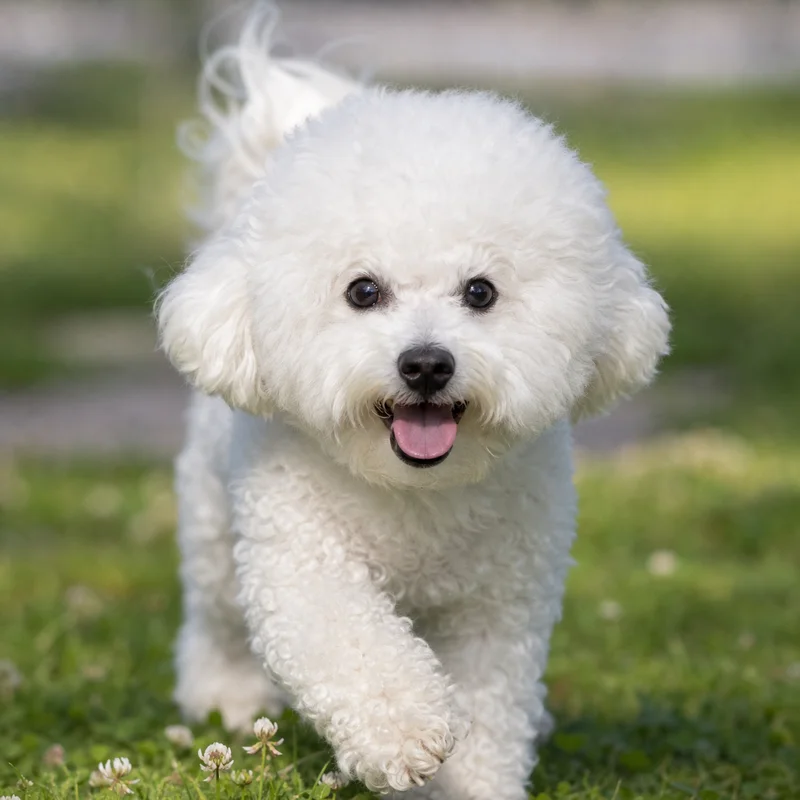
The Coton de Tulear is a cheerful, cotton-ball breed with a bright personality. At 8–15 pounds, they’re small but surprisingly robust, and their low barking level makes them a quieter option. They form deep bonds and want to be included in all family activities. That cottony coat is low-shedding and often well-tolerated by allergy sufferers, but the high grooming needs mean daily combing to prevent mats. Early socialization and gentle handling from children keep their sunny nature shining.
Weight: 11–15 lb | Affection: 5/5 | Good with kids: Yes | Barking: 3/5 | Trainability: 4/5 | Grooming: 4/5 | Hypoallergenic: Yes
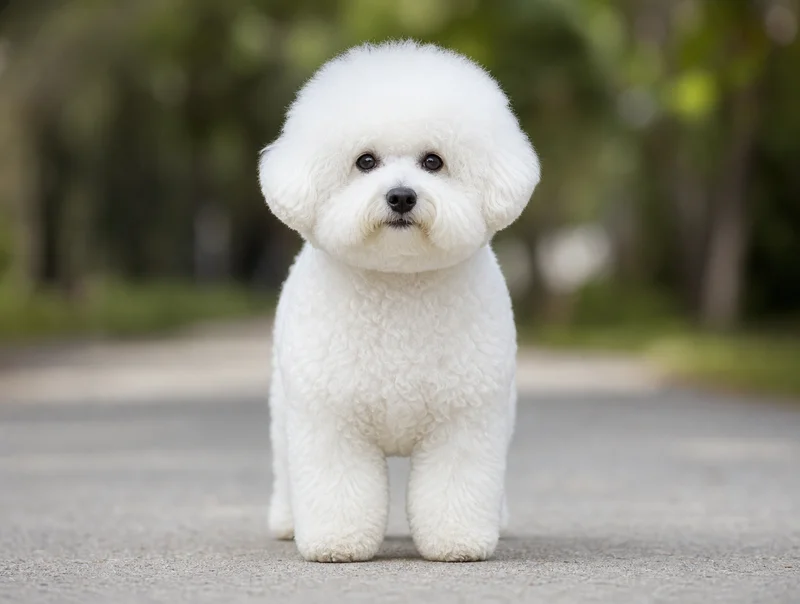
The Bichon Frise is a playful, affectionate powder-puff with a curly white coat. At 11–15 pounds, they’re a bit more substantial, making them a good match for families with gentle children. They’re intelligent and trainable, though they may bark to alert visitors. The low-shedding, tight curls need frequent brushing and professional grooming to stay matt-free. Bichons are people-oriented and do best with regular companionship and calm routines.
Weight: 11–18 lb | Affection: 5/5 | Good with kids: Yes | Barking: 2/5 | Trainability: 4/5 | Grooming: 3/5 | Hypoallergenic: No
The Cavalier King Charles Spaniel is the definition of a gentle family companion. At 11–18 pounds, they’re sturdy enough for calm play and have an extremely patient, affectionate nature. They shed moderately and require regular brushing, but grooming is generally straightforward. Cavaliers are easy to train and rarely bark without reason, making them excellent for apartments. However, they’re not hypoallergenic, and their strong need for companionship means they suffer from isolation. Quiet, respectful kids will find a devoted friend.
Weight: 11–18 lb | Affection: 5/5 | Good with kids: Yes | Barking: 3/5 | Trainability: 3/5 | Grooming: 5/5 | Hypoallergenic: Yes
The Shih Tzu is a small, sturdy dog with a long, flowing double coat. At 11–18 pounds, they’re less fragile than toy breeds but still need supervised handling. They are affectionate and playful, though training can be a test of patience due to their independent streak. That gorgeous coat is the big trade-off: it’s low-shedding and often better for allergies, but it demands daily grooming and regular trims. Shih Tzus are happy apartment dogs who enjoy short walks and plenty of lap time.
Weight: 13–18 lb | Affection: 5/5 | Good with kids: Yes | Barking: 2/5 | Trainability: 2/5 | Grooming: 2/5 | Hypoallergenic: No
The Pug is a charming, mischievous companion with a short, shedding coat. At 13–18 pounds, they’re solid little dogs who adore being with their people. They’re generally quiet and low-energy, making them great for apartments, but their flat face means they overheat easily—no strenuous exercise on hot days. Pugs are loving and patient with children, but their prominent eyes need protection from accidental pokes. They shed heavily year-round, so they’re not for allergy sufferers. Daily wrinkle cleaning is a must.
Weight: 11–24 lb | Affection: 5/5 | Good with kids: Yes | Barking: 2/5 | Trainability: 4/5 | Grooming: 1/5 | Hypoallergenic: No
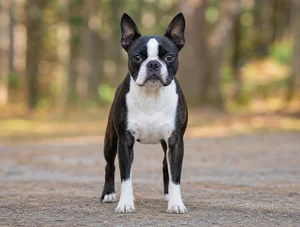
The Boston Terrier, the 'American Gentleman,' is a friendly and lively breed with a tuxedo-like coat. At 11–24 pounds, they’re one of the sturdier small options for kids. They’re intelligent and eager to please, with minimal grooming needs—just a quick brush. Bostons are playful but not hyper, barking only when necessary. They’re not hypoallergenic and can overheat due to their short muzzle, so keep exercise cool. With positive training, they become devoted, family-oriented pets.





 Havanese
 Maltese
 Pug
Pug Shih Tzu