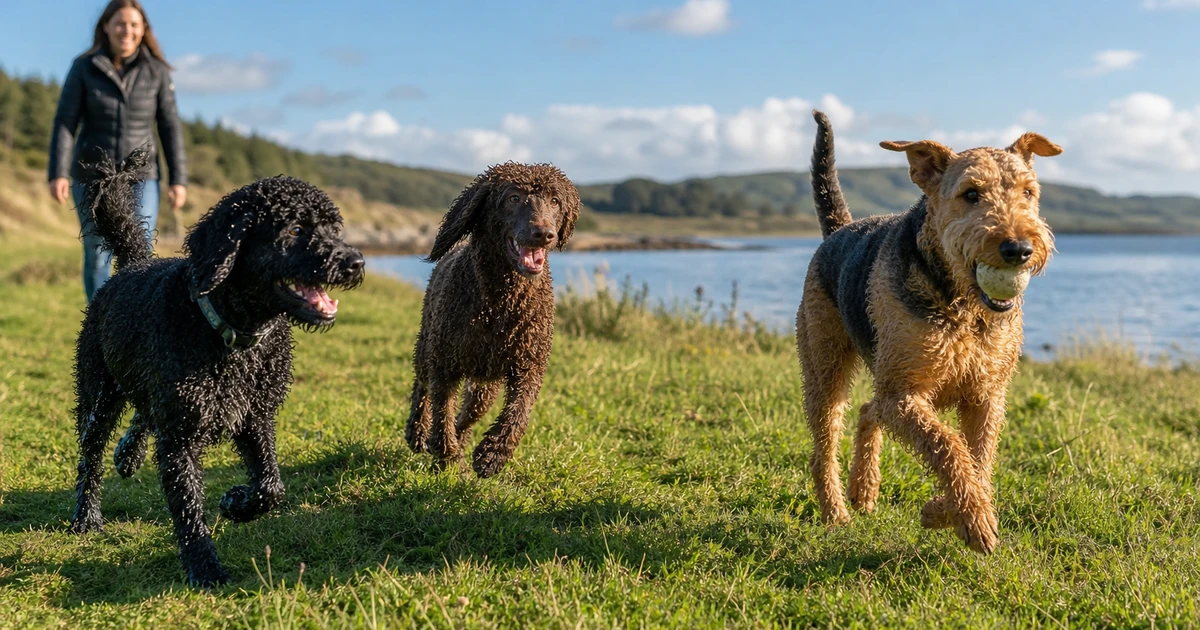
If you are searching for the best dog breeds for cats, start with the boring truth: the breed label helps, but it does not do the whole job. A calm adult dog with a known history around cats is usually easier to judge than a cute puppy from a supposedly “cat-friendly” breed.
Our breed data does not score dogs for cats directly, so this is not a guarantee list. It is a shortlist based on the traits that make a mixed-pet home easier to manage: trainability, affection, energy level, size, barking level, family fit, and any grounded notes about getting along with other animals.
The other half is introduction style. Dogs communicate stress through posture, facial expression, movement, yawning, lip licking, turning away, freezing, sniffing, and other small signals. Cats have their own signals too, of course. If either animal is stiff, hiding, backing away, staring hard, or trying to escape, that is information. Do not force the meeting because the breed article said it should be fine.
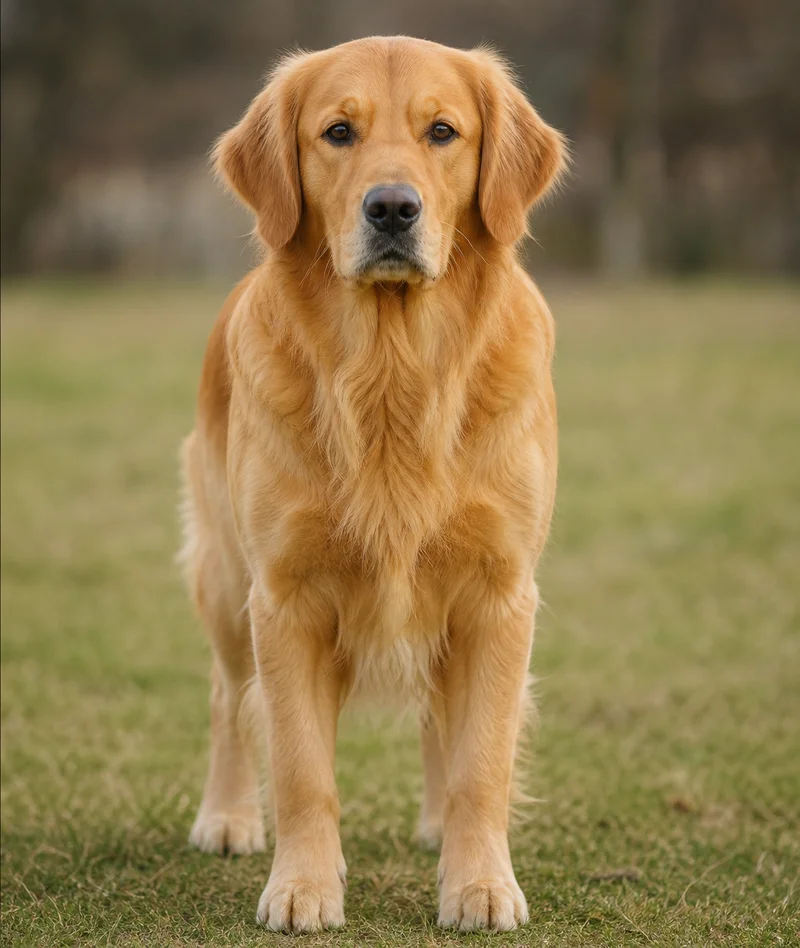
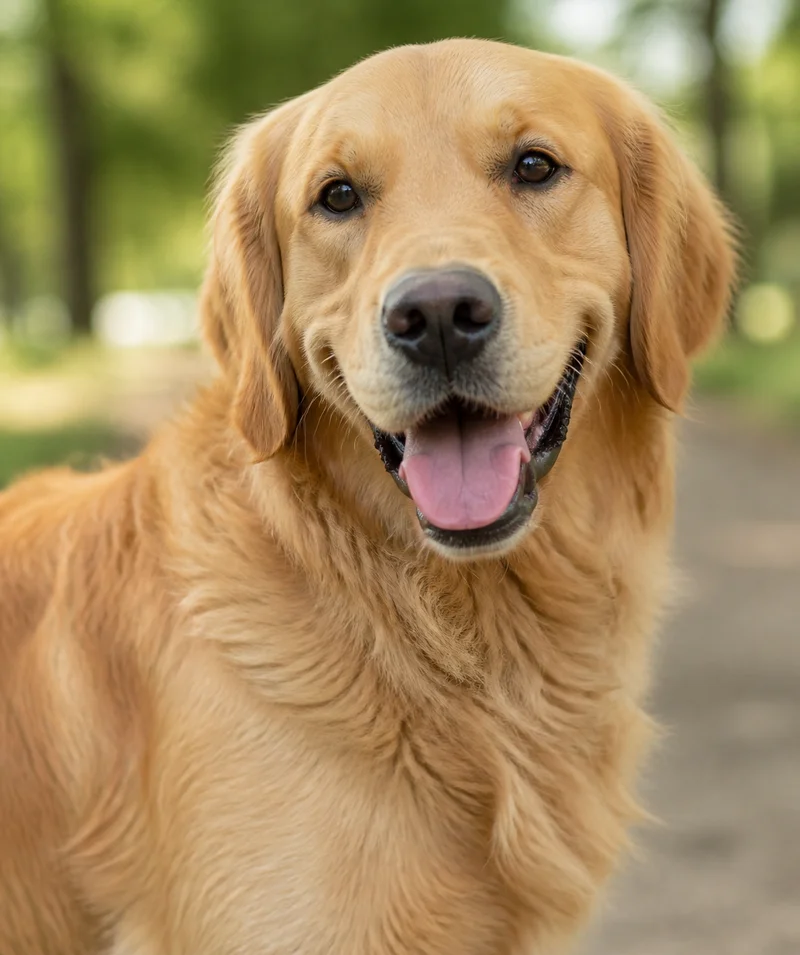



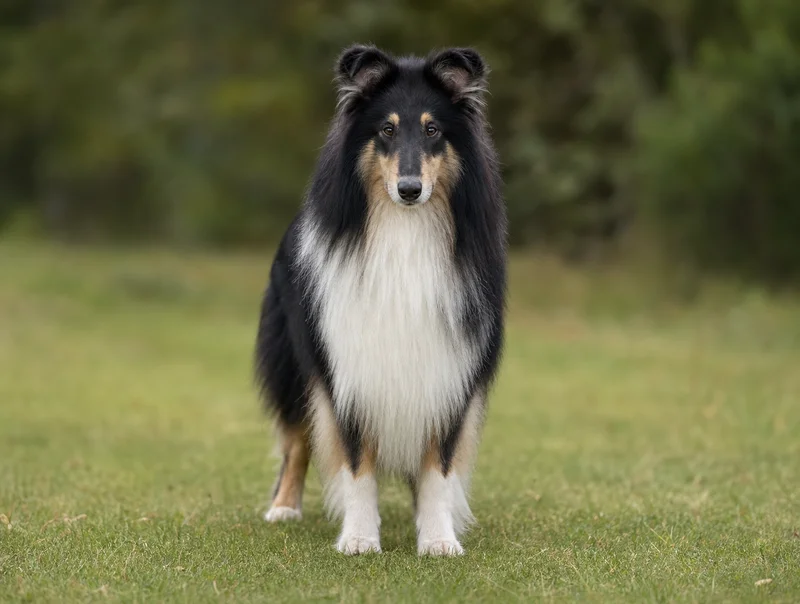
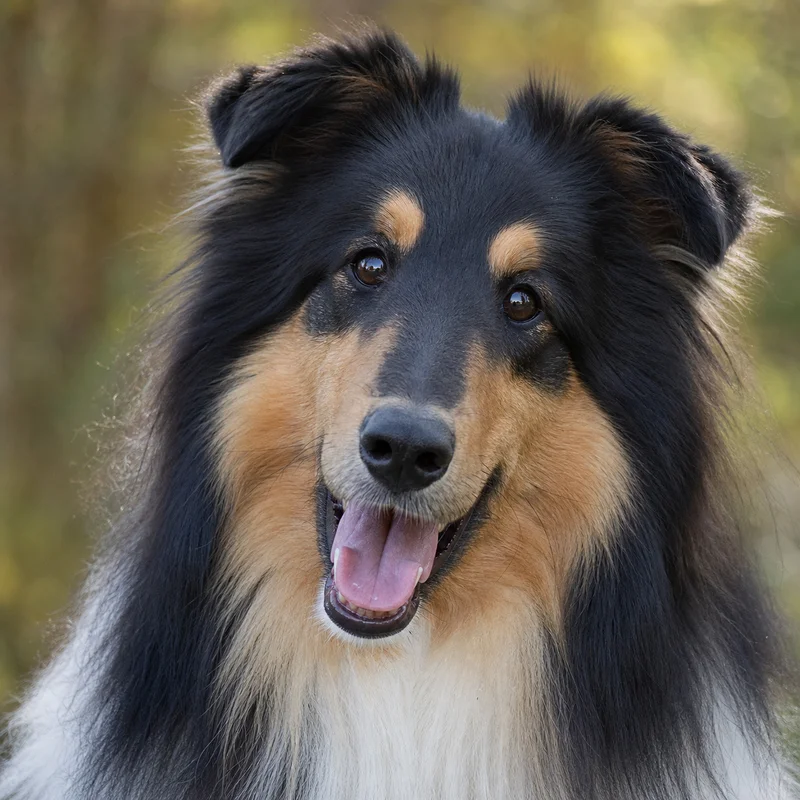
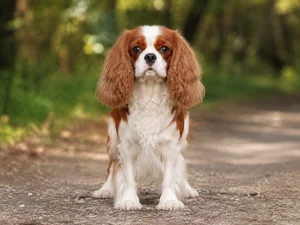
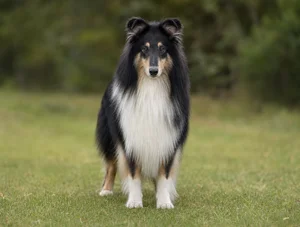
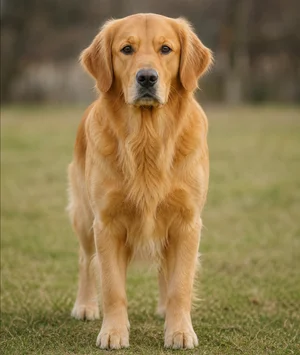 Golden Retriever
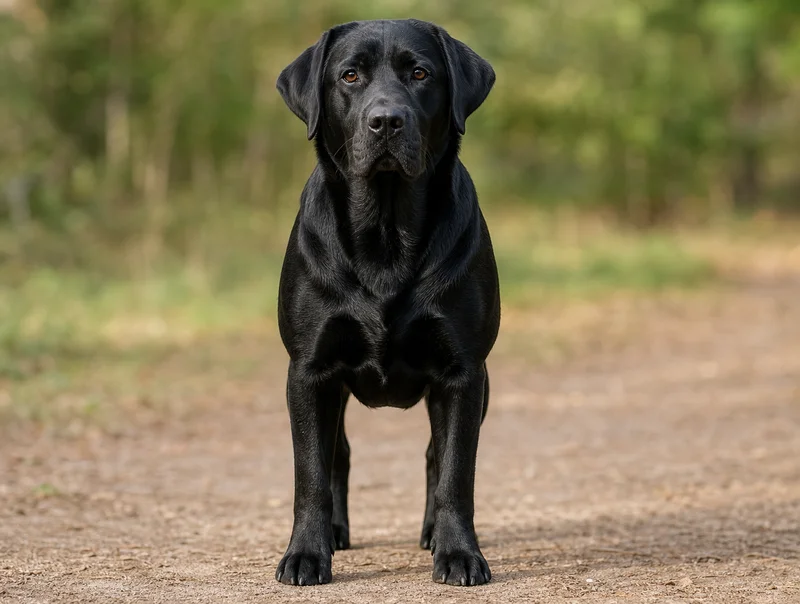
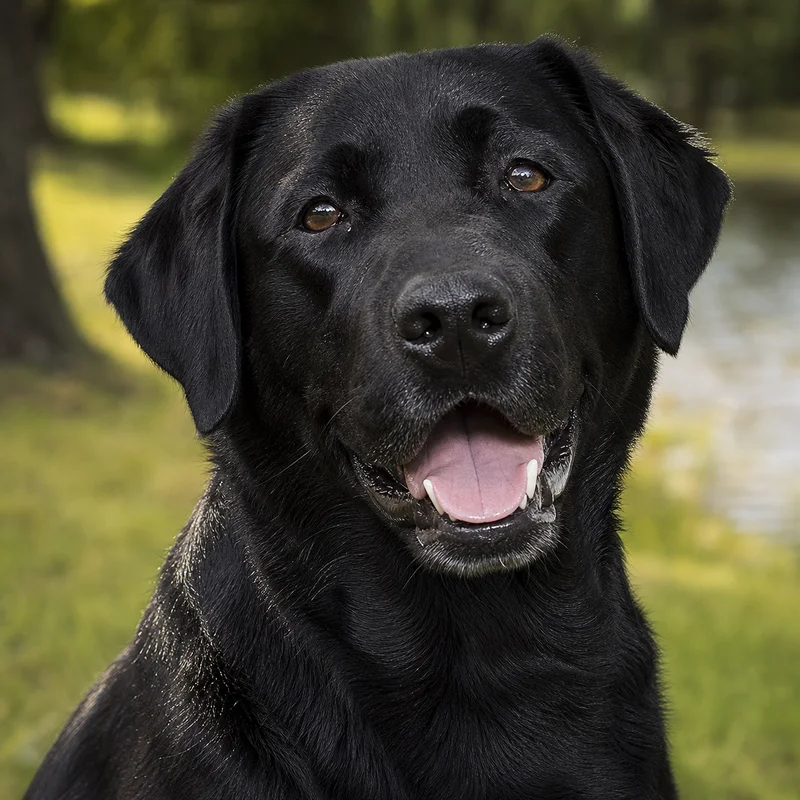
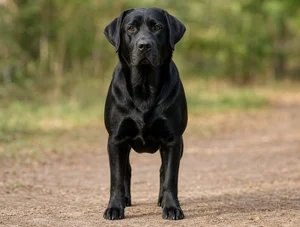 Labrador Retriever
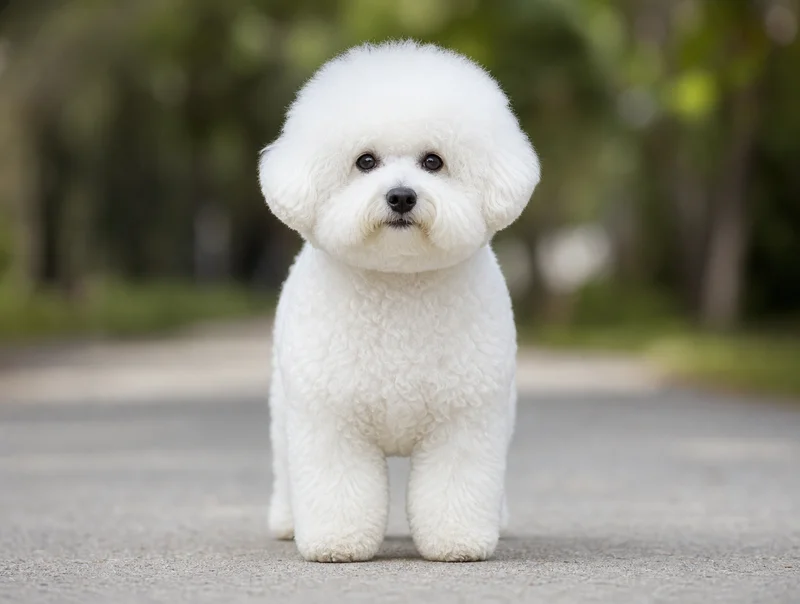
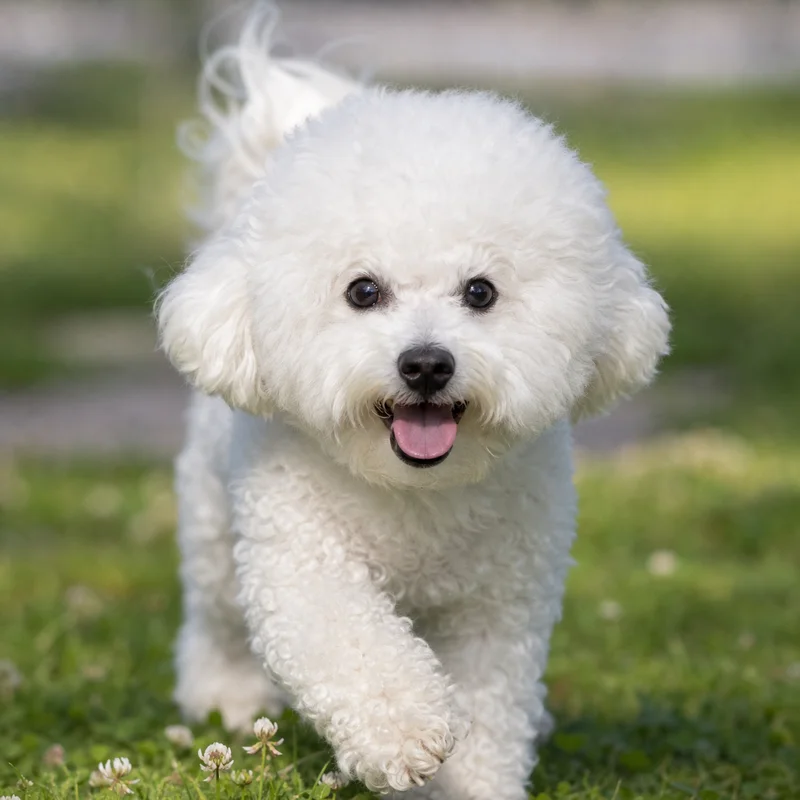
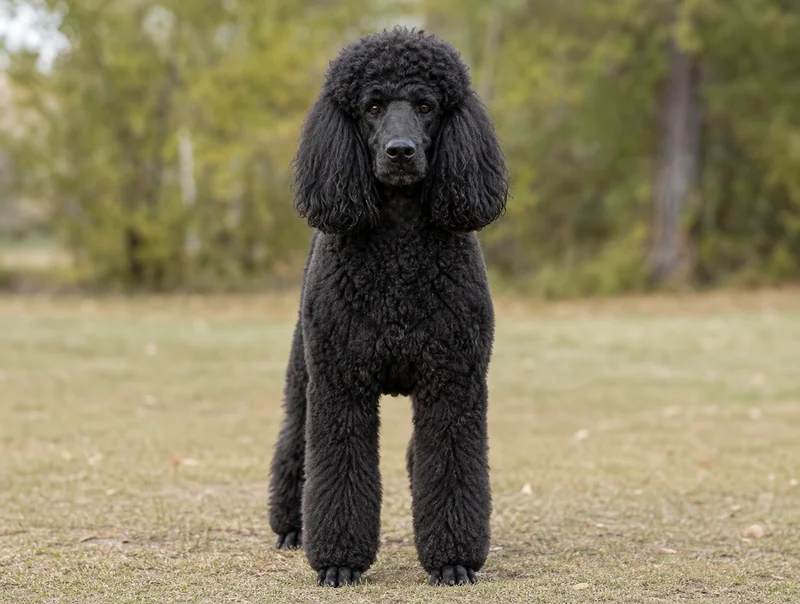
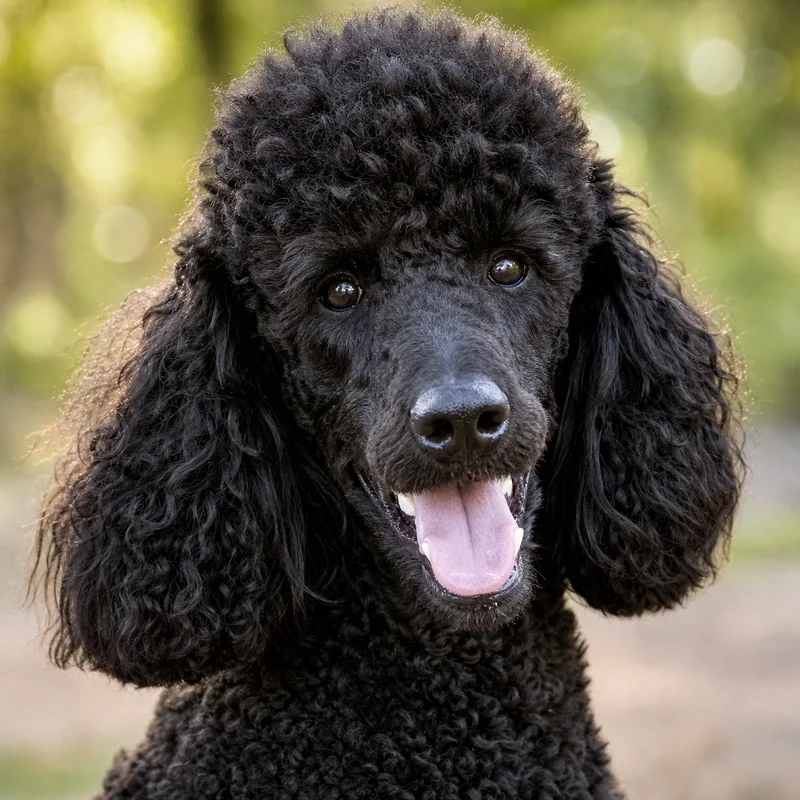
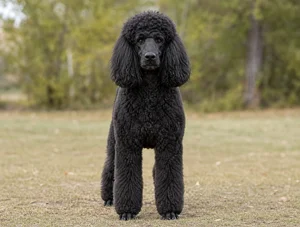 Poodle
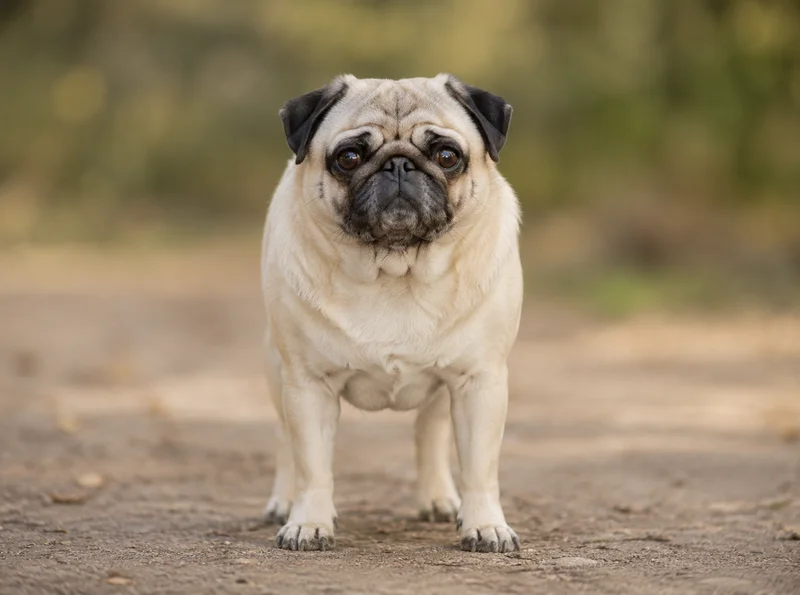
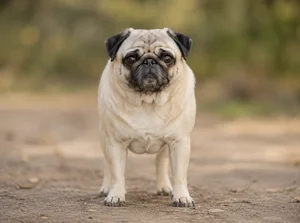 Pug
Pug