

You scroll through lists of the best dog breeds for kids, convinced a Golden Retriever or a Labrador Retriever is your ticket to a picture-perfect childhood. And sure—breed matters. But here’s what nobody tells you: the most tolerant dog on earth can still snap if a toddler corners him while he’s eating. The rules your family lives by matter more than the breed you choose.
Training & BehaviorBy Best Family Dog Breeds Editorial Team
Kid-Safe Dog Training Rules Every Family Should Set Before Choosing a Breed
You scrolled through the best dog breeds for kids, but breed alone won't guarantee safety. These household rules come first.
How this guide fits the topic
This is a safety and training guide, not a breed ranking. Use the comparison guide when you are building a child-focused shortlist.
Best Dog Breeds for Kids →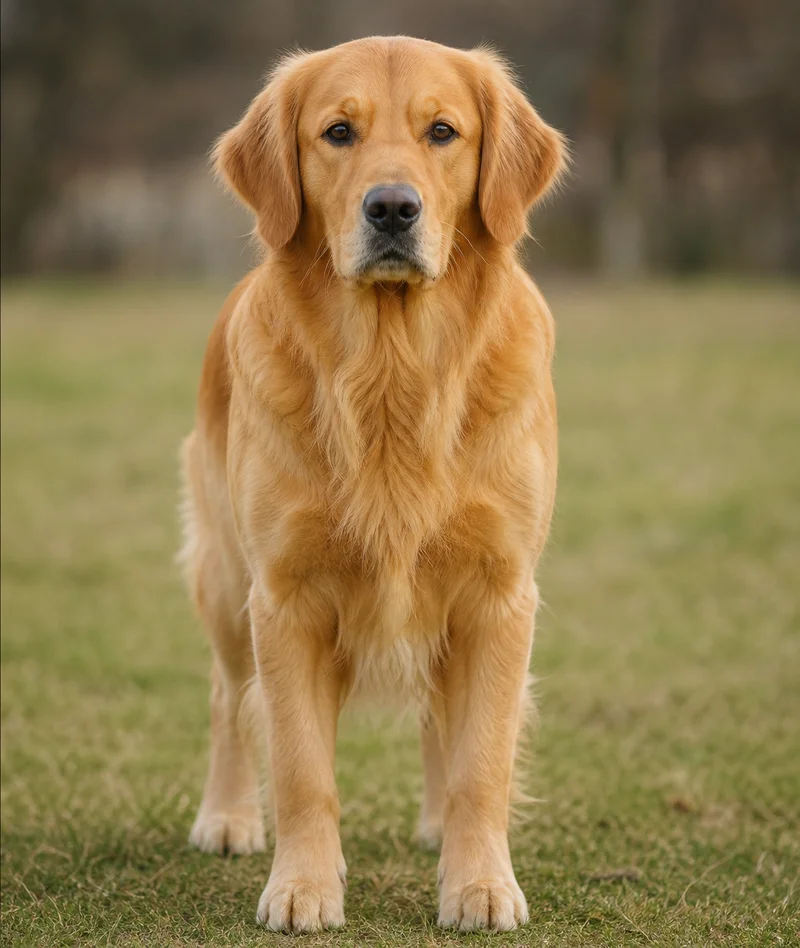

The Rules Come First
Before you even open a breed browser, set these non-negotiables with every person in the house. These aren’t “someday” goals; they’re the baseline for safety.
Always supervise. Every interaction between a child and a dog should happen with adult eyes on the room. That means no toddler wandering toward the dog’s bed while you cook dinner, and no leaving the dog and baby together even to grab the laundry. Even a dog with a gentle temperament can startle and react if a child trips onto him.
Don’t bother a dog who’s eating, chewing, or sleeping. This rule protects kids and dogs. A dog with a bone or a bowl is in a resource-guarding zone; a sleeping dog can wake with a snap. Teach children to respect these spaces as off-limits. For food-obsessed breeds like the Beagle, whose ground-level counter-surfing is legendary, this rule becomes especially sharp: their affection score is a full 5 out of 5, but near a meal, all bets are off.
Reward calm behavior. Positive reinforcement isn’t just for teaching “sit.” Treats, praise, or a quiet belly rub when the dog settles on his mat teach him that relaxed behavior is a good thing. This works with every breed, from a high-energy Boxer (affection 5, trainability 4) to a mellow Cavalier King Charles Spaniel (affection 5, trainability 4). The dog learns to offer calmness, and the kids see a model of gentle interaction.
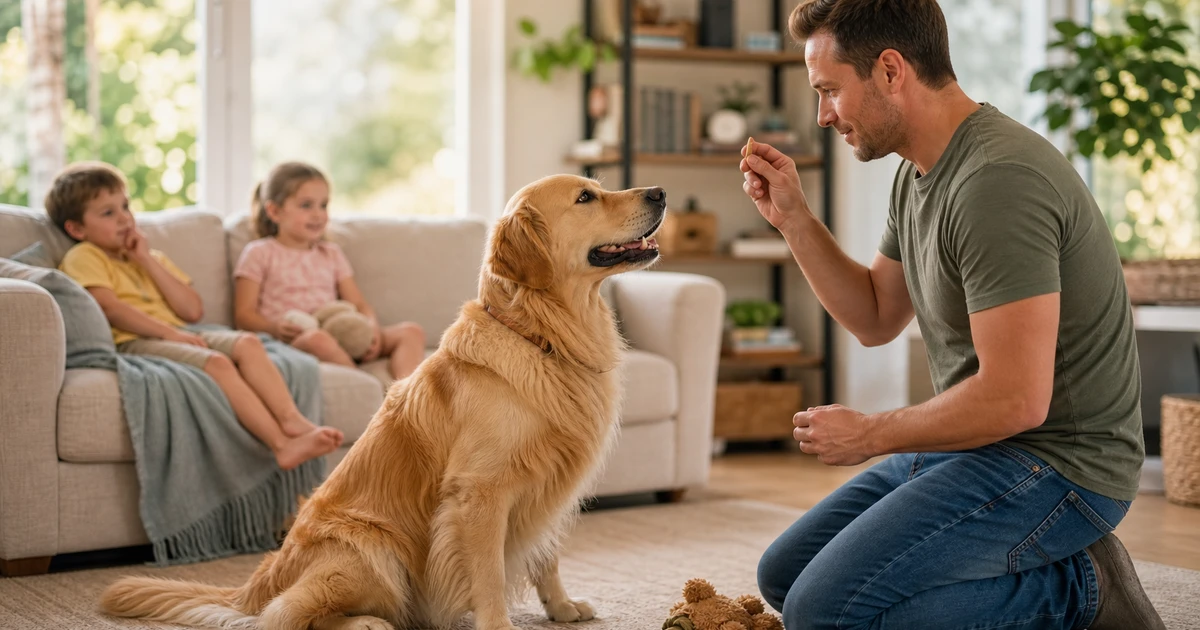
Teach children simple cues. Even a three-year-old can learn to ask a dog to “sit” before petting, with an adult’s help. It gives the child a role and the dog a predictable routine. Breeds with top trainability scores—like the Golden Retriever and Labrador Retriever (both 5 out of 5)—will soak this up quickly. But even a Beagle (trainability 3) can master basics with food motivation and patience. The point isn’t perfection; it’s consistent, kind communication between child and dog.
Watch for stress signs. A dog’s body language often screams discomfort long before a bite. Lip licking, yawning, turning the head away, or a low, stiff tail are all signals that the dog needs space. A Bichon Frise, for instance, might give a tiny lip lick when a child’s hug gets too tight; a Boxer might go rigid. Teach the whole family to spot these signs and to immediately call the child away. This alone prevents more incidents than any breed selection ever could.
Create a rest space. Every dog needs a spot—a crate, a bed tucked in a quiet corner—where no human touches or follows. The rule is simple: if the dog is in his spot, you leave him alone. This gives the dog an escape hatch from the noise and chaos of family life. For affectionate or energetic breeds, it turns chaos into a predictable rest routine the whole family can respect. No matter the breed, this sanctuary is non-negotiable.


Why Breed Still Matters (A Little)
You’re reading this because you want a dog who naturally fits a busy, child-filled home. Breed isn’t nothing. The best dog breeds for families tend to land in the high-affection, high-trainability sweet spot—but those traits only flourish inside a home governed by rules.
Consider the Golden Retriever: affection 5, trainability 5, energy 4. An ideal family dog, yes, but at 55–75 pounds and with a legendary enthusiasm for retrieving (and jumping up), a Golden can inadvertently knock a child over during a joyful greeting. The rules—rewarding calm, supervising interactions—are what transform potential chaos into harmony.
The Labrador Retriever shares almost identical scores (affection 5, trainability 5, energy 4) and the same size. Labs are famously “soft-mouthed,” yet their sheer strength and excitement require a household that enforces gentle play and a respect for rest.
Small breeds present a different challenge: fragility. The Bichon Frise (affection 5, trainability 4, energy 3) might be low-shedding and apartment-friendly, but at 11–15 pounds, a clumsy toddler can injure one with a dropped toy. Here, the rules shift emphasis to gentle handling and constant supervision—not because the dog might bite, but because the child can hurt the dog.
The Beagle, with a trainability of 3 and a nose-driven focus, can be stubborn in training but still scores a 5 for affection and is famously good with kids. The rule about not bothering the dog while eating becomes critical, as Beagles are notoriously food-obsessed.
The Boxer brings a protective, playful streak (affection 5, energy 4, trainability 4) but at 55–71 pounds, their full-body wiggles can topple a toddler. A rest space and a “no jumping” policy taught through reward-based methods are essential.
And the Cavalier King Charles Spaniel (affection 5, trainability 4, energy 3) is a lapdog through and through, but she hates being left alone and can develop anxiety. The rest space rule helps, but so does a family schedule where someone is home most of the day.
Notice the pattern: every one of these breeds is good with kids according to the books. Yet without consistent rules, any of them could become stressed, and a stressed dog is a bite risk.
The Foundation: Positive Reinforcement and Socialization
Science and experience agree: reward-based training builds trust, while punishment destroys it. Use treats, toys, and praise to shape your dog’s behavior. A Golden Retriever or Labrador learns “off” in a few repetitions with a treat; a sharp tone might just make him more anxious and jumpy. Many Labs and Goldens excel as best service dog breeds precisely because they’re sensitive to positive guidance—not heavy-handed corrections.
Early socialization is your security deposit. The critical window opens around 3 weeks and winds down by 14 to 16 weeks. During that stretch, your puppy needs calm, positive introductions to children of all ages, everyday sounds, and gentle handling. Pair each new experience with a treat, and you’ll help wire a brain that expects the world to be safe. Dogs raised without this exposure often become fearful adults who react to sudden movements or loud squeals with stress—and that’s when rules become harder to enforce.
What Your Kids Need to Know
The rules aren’t just for the dog. Sit down with your children and teach them in age-appropriate terms:
- We never climb on the dog, pull ears or tail, or hug tightly. A dog doesn’t understand a hug the way humans do; many find it threatening.
- We never approach the dog when she’s at her food bowl or chewing a toy.
- If the dog walks away, we let her go. Chasing a retreating dog can escalate fear.
- We pet with an open hand on the side or chest, not the top of the head.
- We watch for “stop” signs: if the dog yawns, licks her lips, or turns away, we stop touching and tell an adult.
Model these behaviors yourself. When the dog retreats to her rest space, say aloud, “Oh, Bella’s in her bed. We leave her alone there.” Children mirror what they see.
The Rest Space Rule in Action
Designate a spot—a crate covered with a light blanket, a dog bed in a low-traffic corner—and make it sacred. The rule is simple: the dog is never, ever disturbed there. Not for petting, not for play, not for “just a quick snuggle.” This gives the dog agency. A Boxer who’s had enough of toddler noise can retreat; a Beagle who’s overstimulated by the scent of snacks can decompress. It’s the single most effective way to prevent a bite that comes from a dog who felt trapped.
One Last Thing Before You Choose
You’re about to commit a decade or more of your life to a living creature. If your family can’t commit to these rules—consistent supervision, gentle handling, positive training—consider waiting. The best dog breeds for families deserve families who are just as prepared as the dog is willing. When home is a place of predictable kindness and clear boundaries, any breed with a kid-friendly temperament can become the companion your children remember forever.




Breeds mentioned in this article
 Golden Retriever
 Labrador Retriever
Free dog tools
Useful calculators for dog owners
🎂Dog Age CalculatorConvert your dog’s age to human years using the modern, size-adjusted formula.🦴Dog Treat Calorie CalculatorUse the 10% treat rule to calculate a safe daily treat budget and food adjustment.🍖Dog Food CalculatorEstimate dry-food cups, wet-food containers, or fresh-food grams from daily calorie needs and your label.📦Dog Crate Size CalculatorFind the right crate dimensions from your dog’s height and length, with crate recommendations.💧Dog Water Intake CalculatorHow much water your dog should drink per day, by weight, activity and food type.💰Dog Cost CalculatorWhat a dog really costs — upfront, monthly, and lifetime — adjusted for your country and dog size.
Dog Diary
More articles you might like
Health
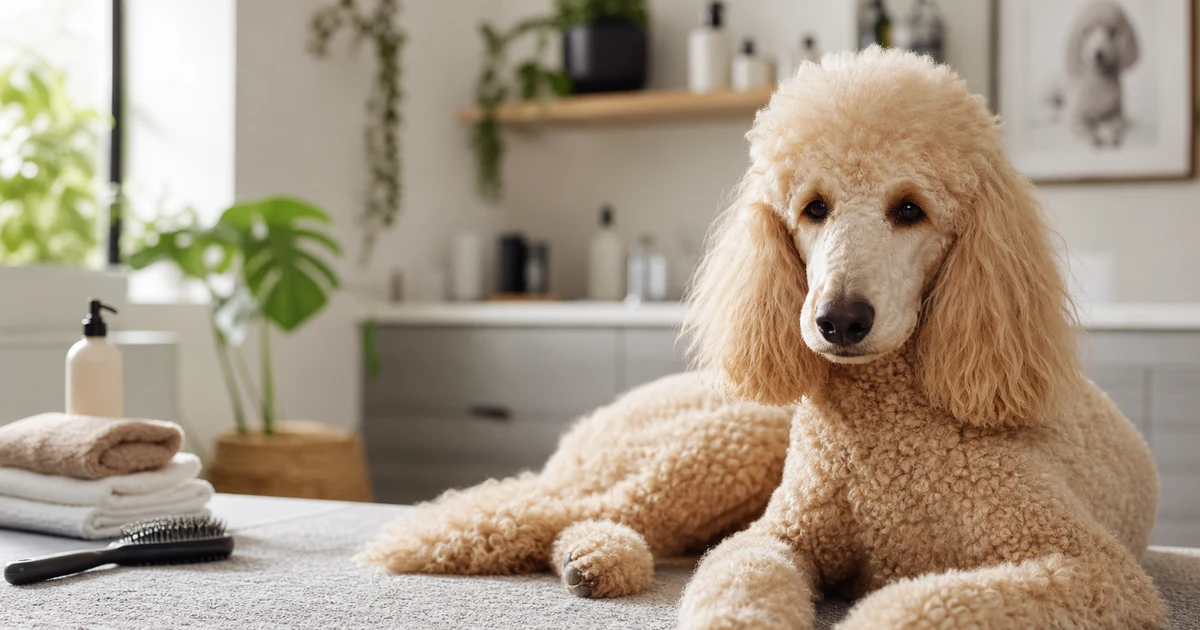
Hypoallergenic Dog Grooming: A Practical Guide for Allergy-Aware Homes
Low-shedding dogs still need thoughtful coat care. Learn what grooming can—and cannot—do in an allergy-aware home.
Tips
Best Large Dogs for Apartments: Calm Big-Breed Options and Real Constraints
Large dogs can fit apartment life when their energy, barking, grooming, and household fit align. Compare six database profiles.
Tips
Low-Maintenance Dogs for First-Time Owners: What “Easy” Really Means
“Low maintenance” is a fit between a dog’s scorecard and your routine—not permission to ignore a dog. Compare six first-time-friendly profiles.
Tips
Big Hypoallergenic Dogs: Large Low-Shedding Breeds and Their Trade-Offs
A larger low-shedding dog can still demand grooming, activity, and thoughtful household planning. Compare six profiles before choosing one.
Find your perfect dog
Browse our in-depth breed guides:
Share