Best Dog Breeds for Kids: 10 Family Dogs Ranked by Real Fit
Choosing & ComparingBy Best Family Dog Breeds Editorial Team

Best Dog Breeds for Kids: 10 Family Dogs Ranked by Real Fit

A parent's honest guide to the 10 best breeds for children, ranked by real-world kid compatibility — not kennel-club clips. Real caveats included.

If you've ever typed "best dog breeds for kids" into a search engine, you're probably picturing a loyal dog resting its head on a toddler's lap. That's not fantasy — but it's also not automatic. A dog's individual personality, your family's lifestyle, and the time you put into training and socialization all matter far more than a breed label. Puppies need gentle, positive exposure to kids, sounds, and handling between 3 and 14 weeks old, and reward-based methods build trust faster than punishment ever will.

That said, some breeds come with a higher likelihood of patience and gentleness. Here are 10 breeds that make many families happy — ranked with an honest look at the tough parts, too. (And if you're still weighing options, our guide to the best dog breeds for families can help you widen the search.)
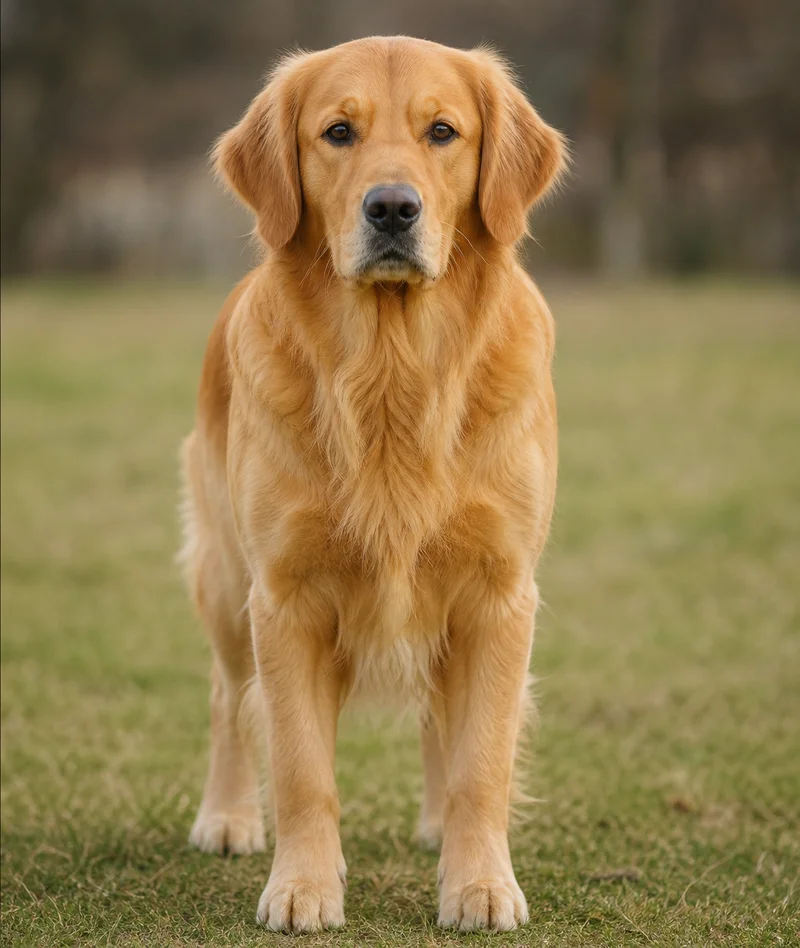
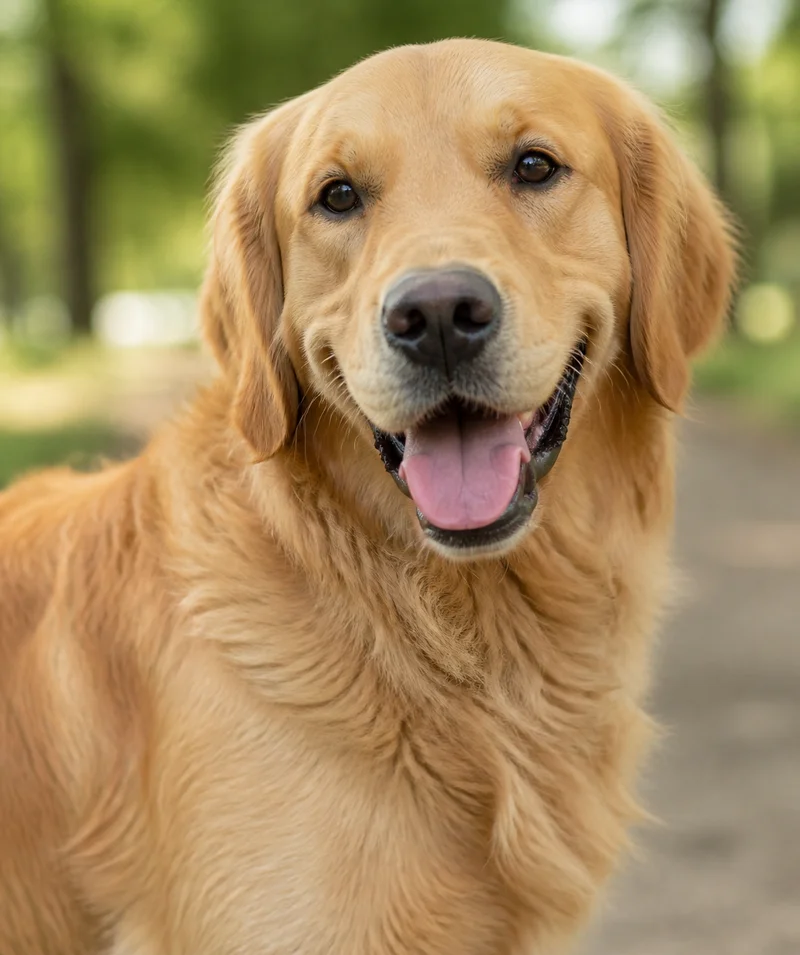
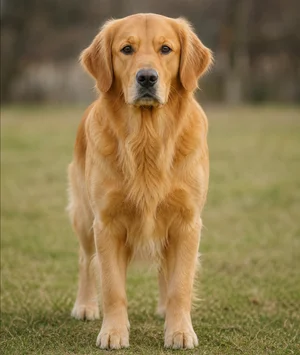
1. Golden Retriever

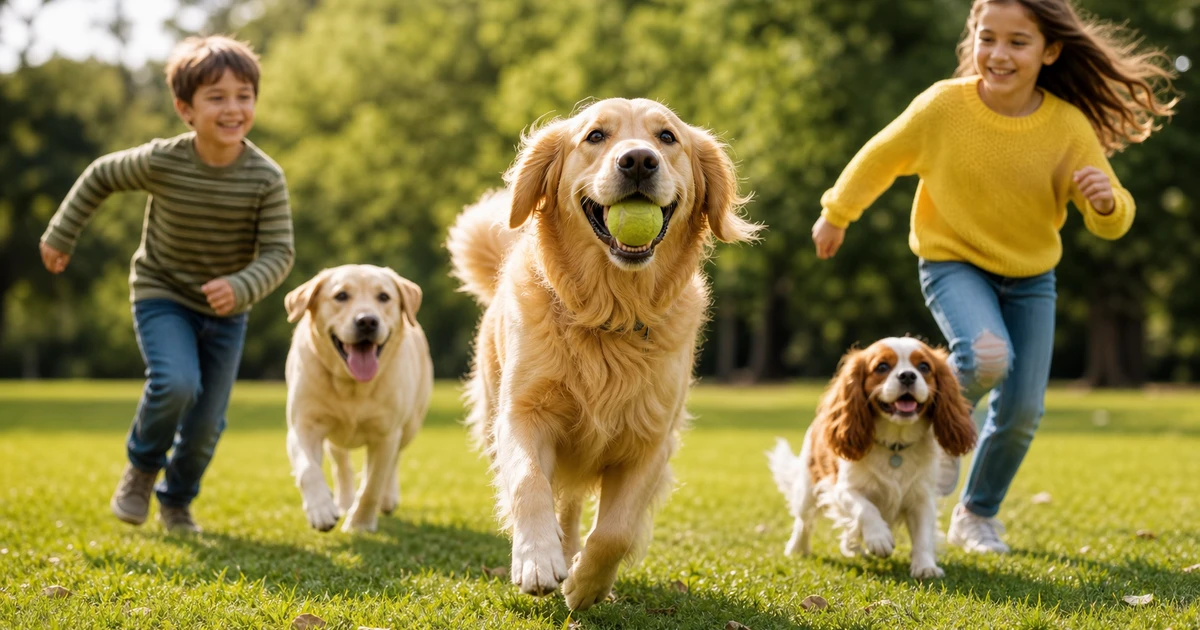
Golden Retrievers are the poster dogs for "good with kids" — and it's well earned. At 55–75 pounds, they're sturdy enough for play but famously gentle. Their affection level is a 5/5, and they're among the most trainable breeds (5/5), which means a consistent family can shape a calm companion. Children love their goofy, playful side.

But: Golden Retrievers shed heavily (5/5) year-round. They also have high energy (4/5), so a bored Golden can redecorate your house.

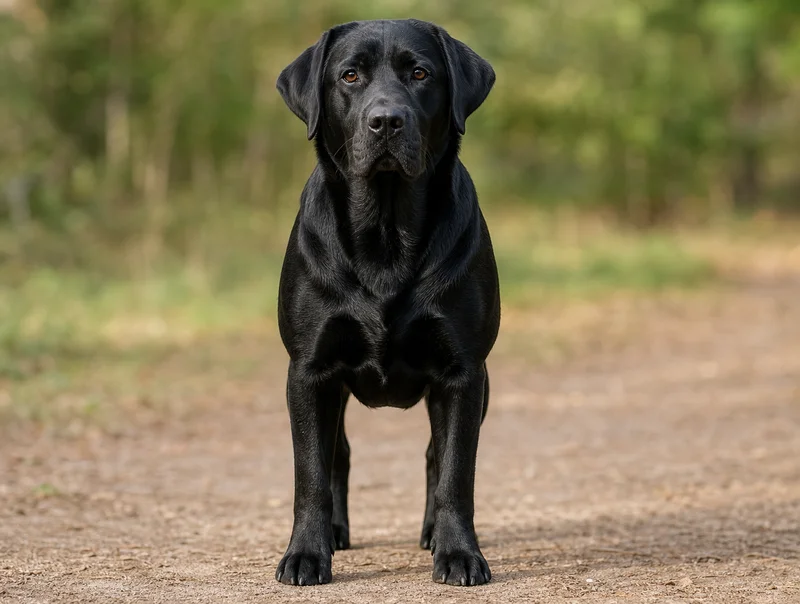
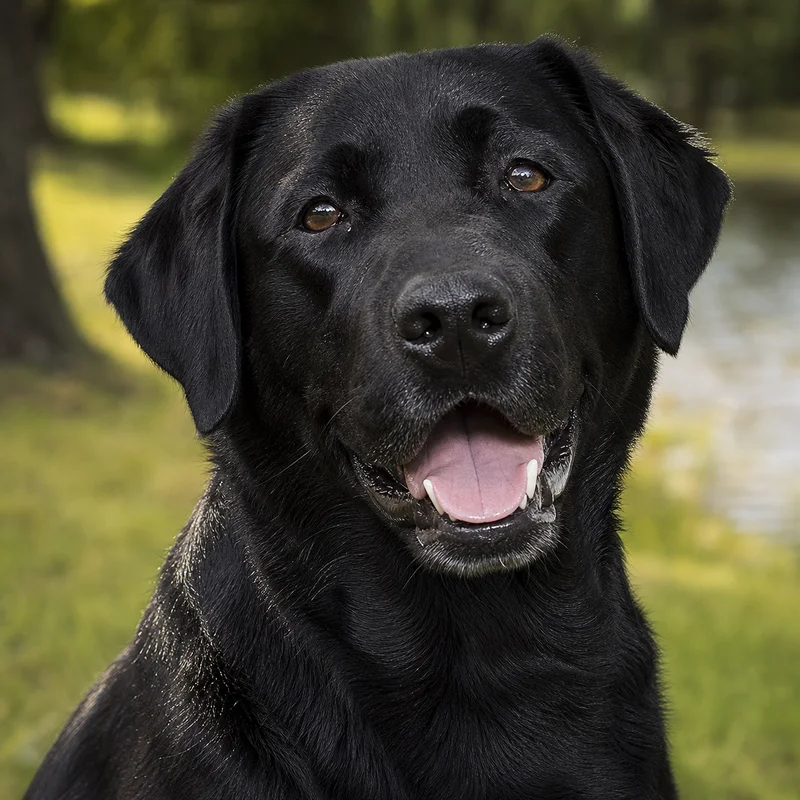
2. Labrador Retriever

Labs share many Golden traits: affectionate (5/5), highly trainable (5/5), and famously gentle with children. They range from 55 to 82 pounds, with a friendly, even-tempered nature that makes them a classic first dog for active families.

But: Labs are high-energy (4/5), so a quick walk will not always cut it. They shed heavily, too, and will eat anything if you don't police the kitchen. Weight gain is a real concern, and puppyhood includes a mouthy chew-everything phase.

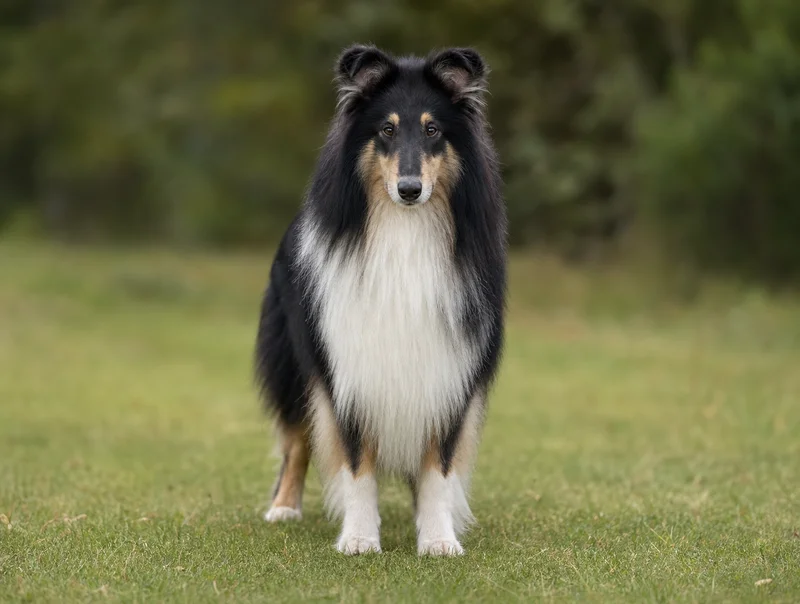
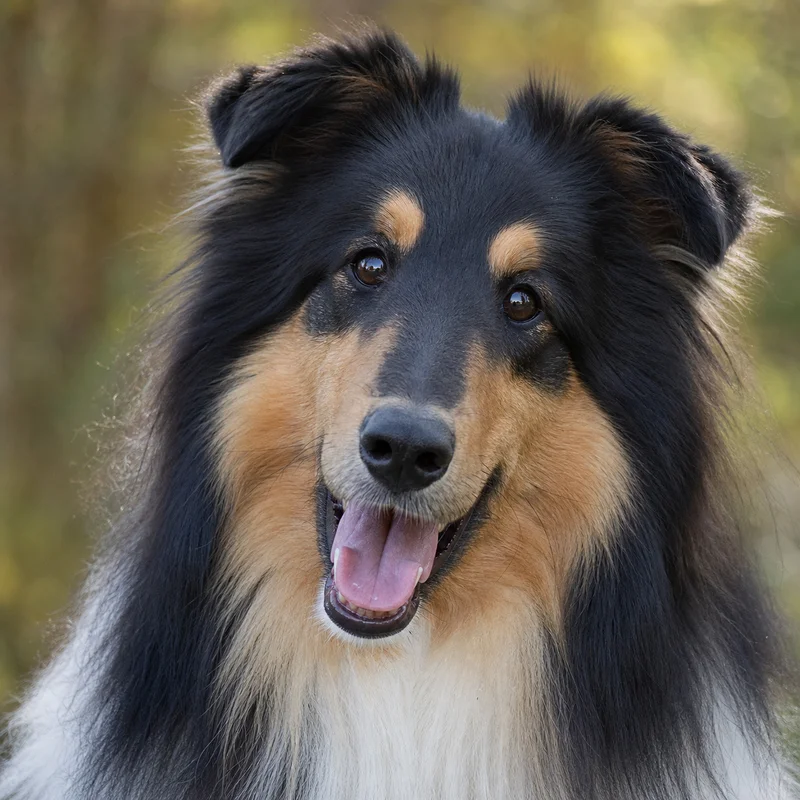
3. Collie

The Collie is an intelligent, loyal herding dog with a gentle, protective streak. At 51–75 pounds, they're patient with children and sensitive to a family's rhythms. Trainability is a perfect 5/5, and their affection level is also 5/5. They're first-time-owner friendly and form deep, watchful bonds.

But: Collies are vocal (barking level 4/5) and shed relentlessly (4/5). Their long coat requires regular brushing, and without enough mental work they may herd the kids.

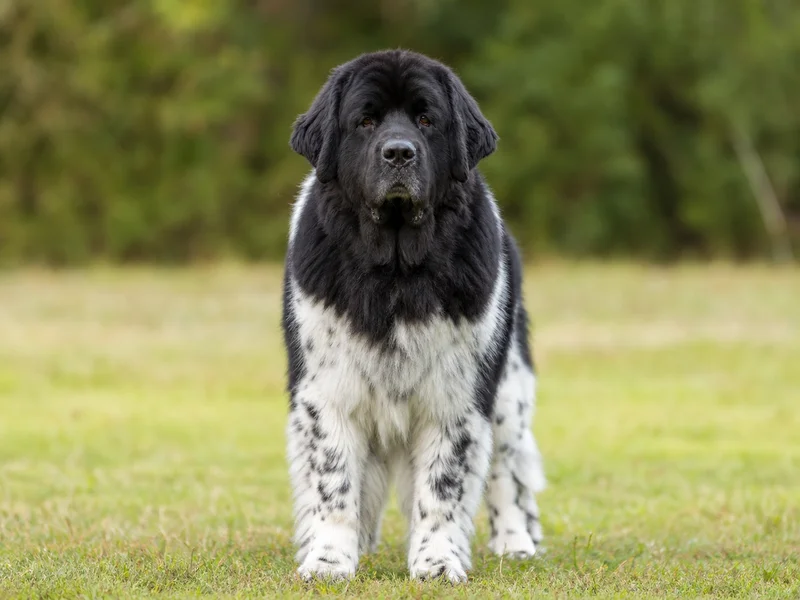
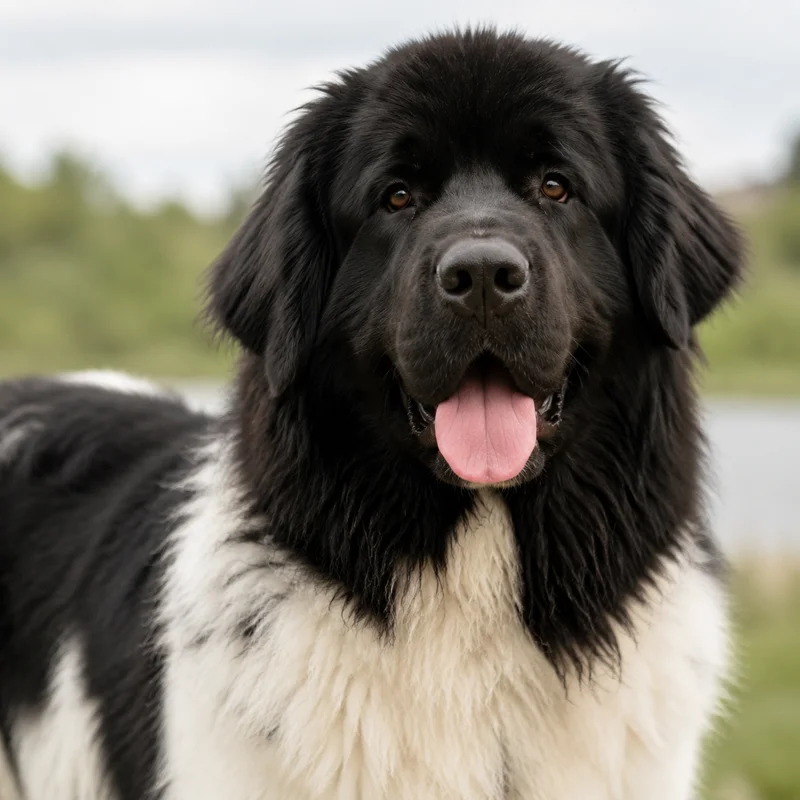
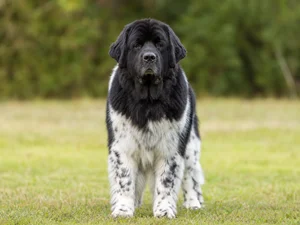
4. Newfoundland

Newfoundlands are affectionately called "gentle giants" — and at 110–152 pounds, the giant part is literal. Their patience with children is legendary, and their calm, devoted temperament (affection 5/5, energy 3/5) makes them a soft-landing spot for a family that has space.

But: Their sheer size can accidentally knock over small children, and they drool — a lot. That thick double coat sheds heavily (4/5), and the breed's lifespan is only 9–11 years. They aren't suited for small homes or first-time owners.

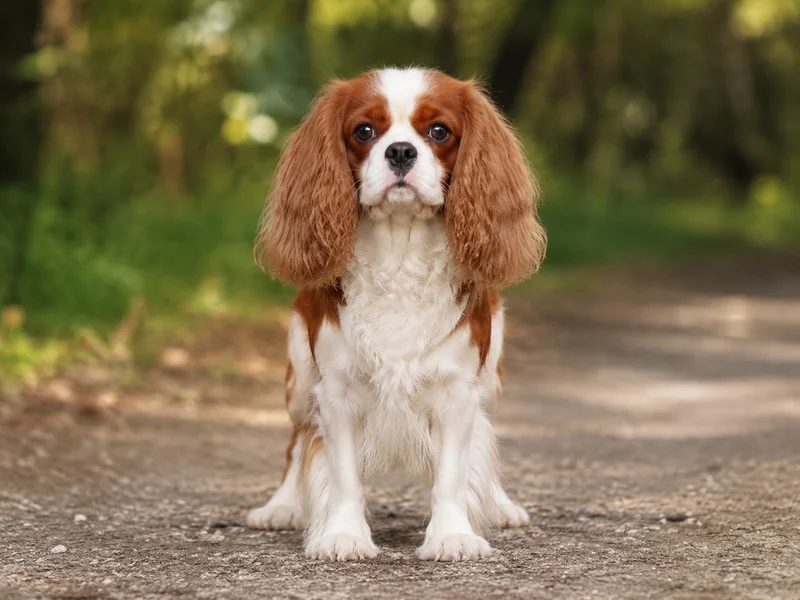
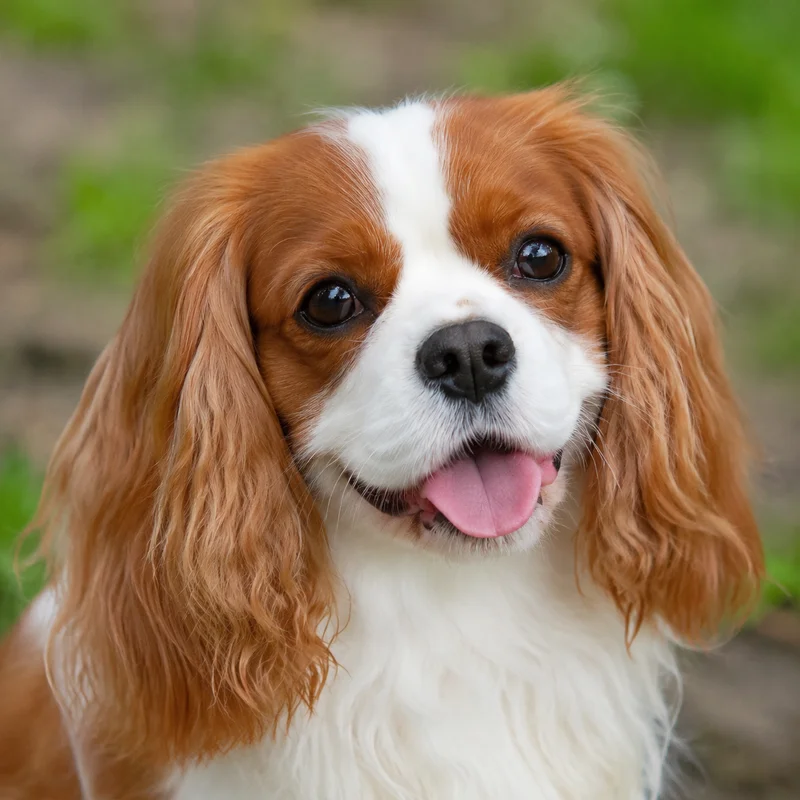
5. Cavalier King Charles Spaniel

Cavaliers are walking love sponges. At just 11–18 pounds, they're portable, affectionate (5/5), and remarkably gentle for their size. They're quiet (barking 2/5), eager to please (trainability 4/5), and adapt to apartment life with a couple of daily walks.

But: Cavaliers are fragile — a clumsy toddler can injure one. Their small frame and very affectionate style mean they need gentle handling and steady companionship.

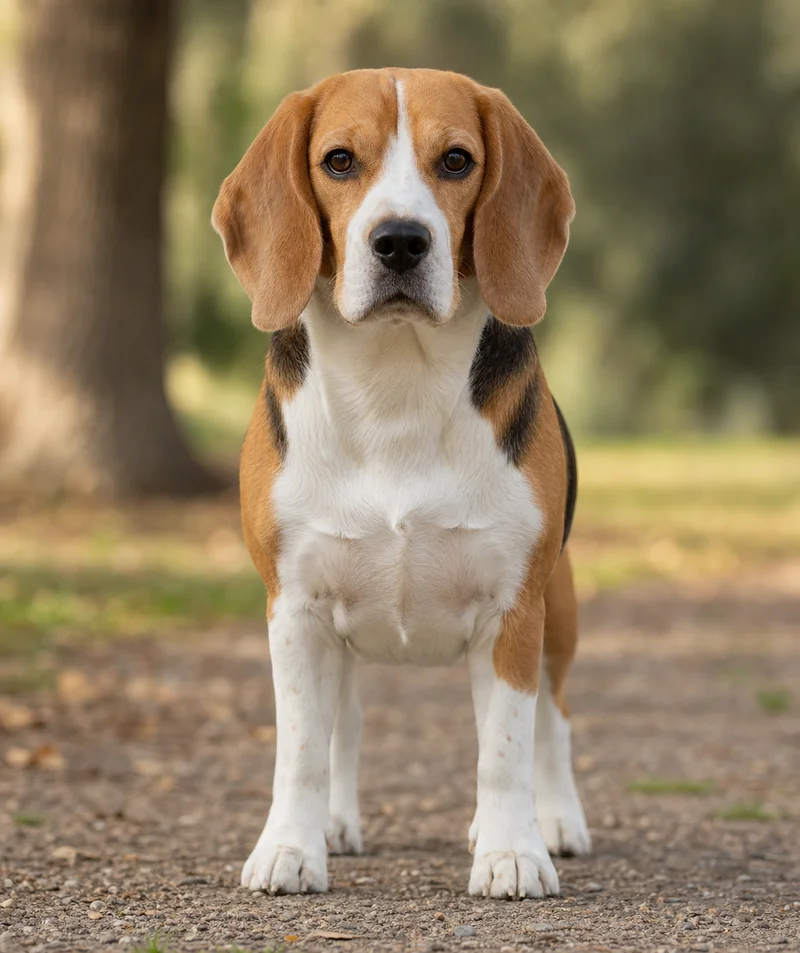
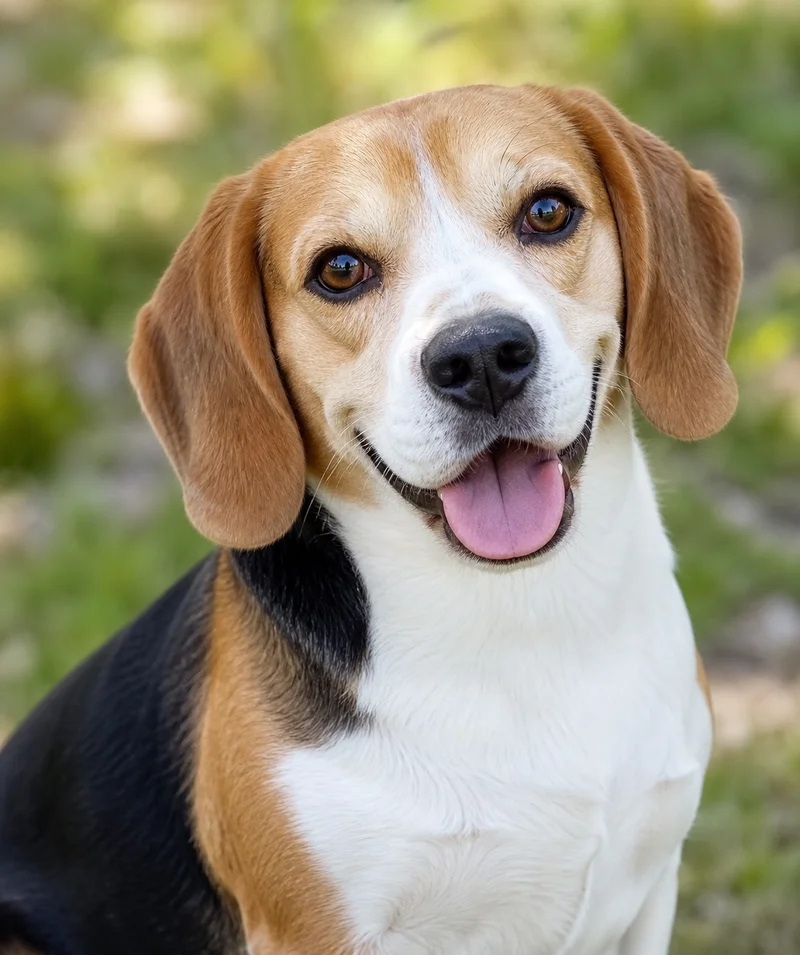
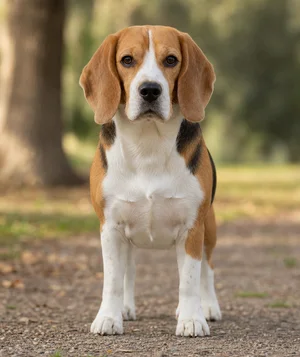
6. Beagle

Beagles are merry, curious dogs that often bond wonderfully with children. Their pack-hound nature makes them sociable and patient, and at 20–24 pounds they're a sturdy small-to-medium size. Affection is 5/5, and their short coat is easy-care (grooming 2/5).

But: Beagles bay — loudly — at everything (barking 4/5). Their powerful nose overrides recall, so a secure fence is non-negotiable. They're also food-motivated to the point of counter-surfing and can become obese without strict portion control.

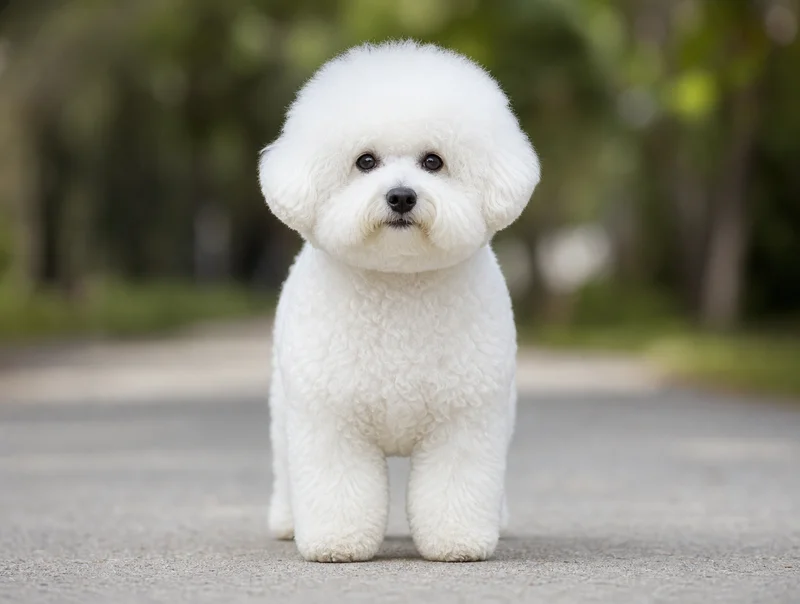
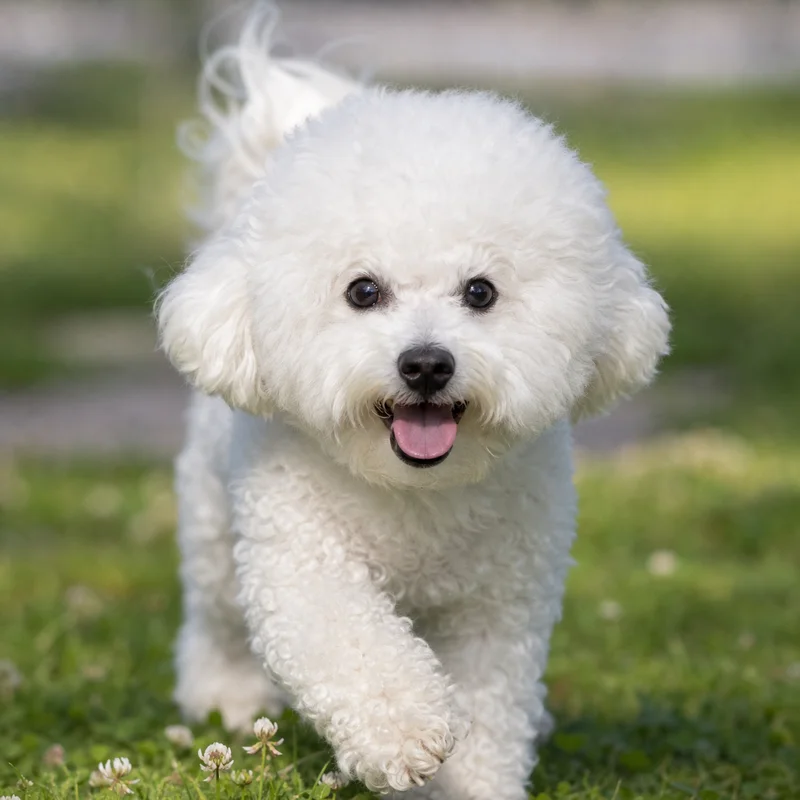
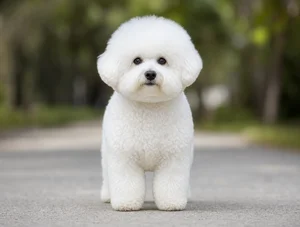
7. Bichon Frise

Bichons are cheerful, playful little dogs (11–15 pounds) with a gentle, non-aggressive nature. They're labeled good with kids and are apartment-friendly, with an energy level (3/5) that matches moderate play. Shedding is minimal (1/5), which helps allergy sufferers.

But: The trade-off is grooming. Their grooming needs are 4/5, so families need to be honest about coat care. They are people-oriented and do best with regular companionship.

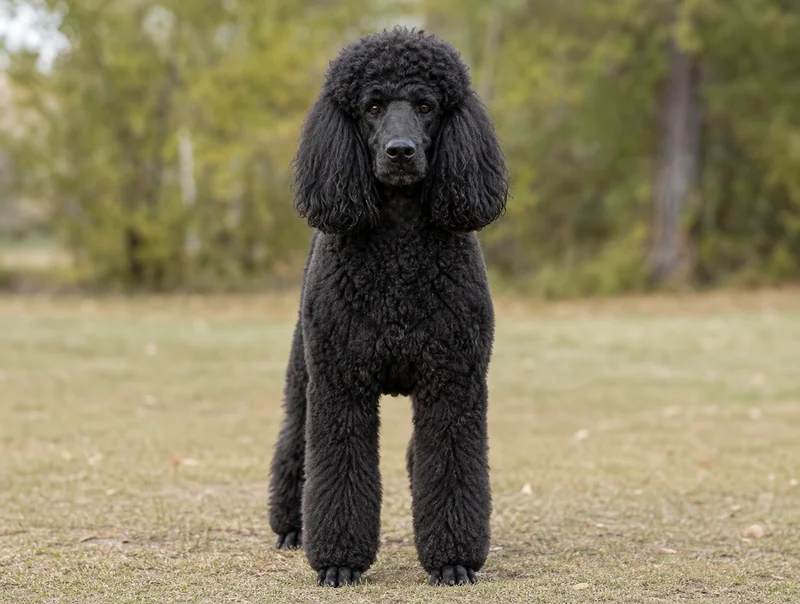
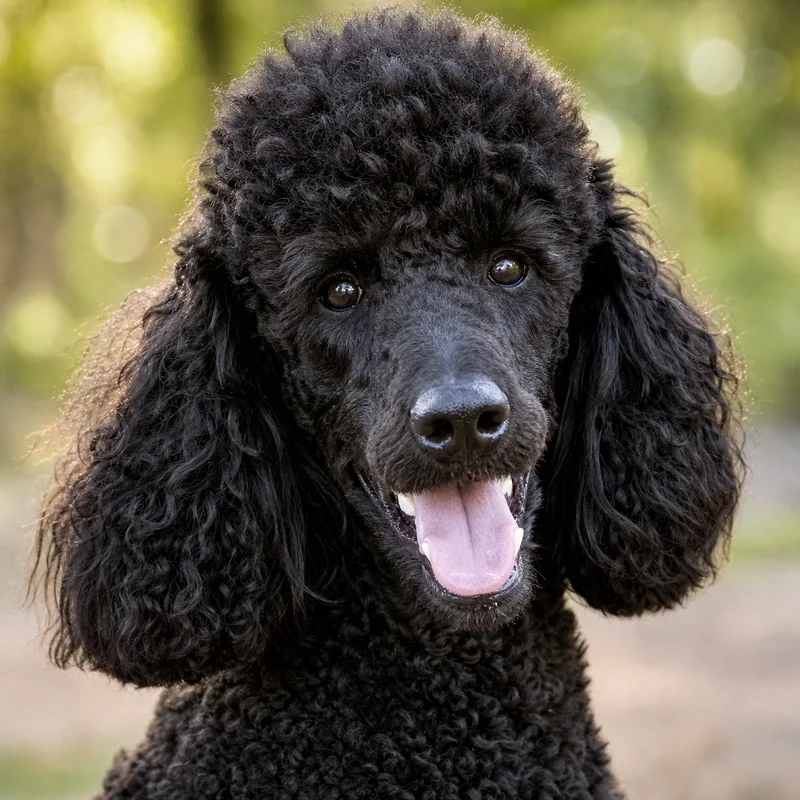
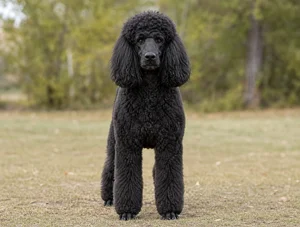
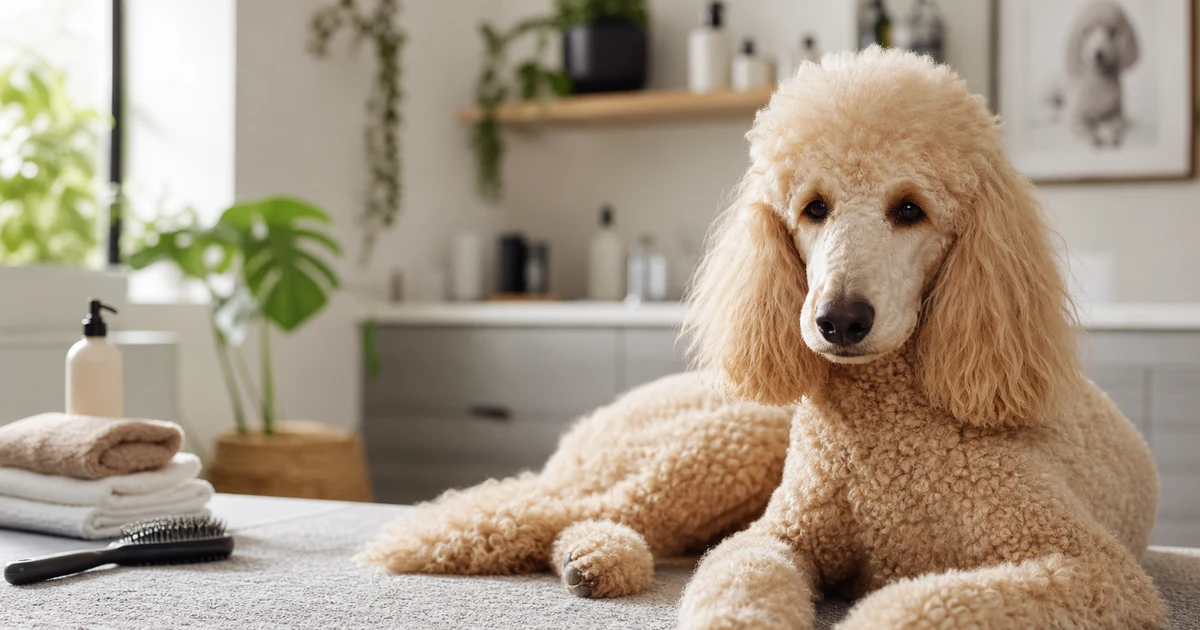
8. Poodle

Toy Poodles (7–9 pounds) are brainy, active, and deeply affectionate (5/5). They're one of the most trainable breeds (5/5) and their curly coat barely sheds (1/5), making them a common choice for allergy-conscious families with older kids.

But: Their tiny size makes them fragile — a drop or rough hug can cause serious injury. You'll also commit to high grooming needs (5/5) with regular professional trims. They can become yappy if under-exercised or bored.

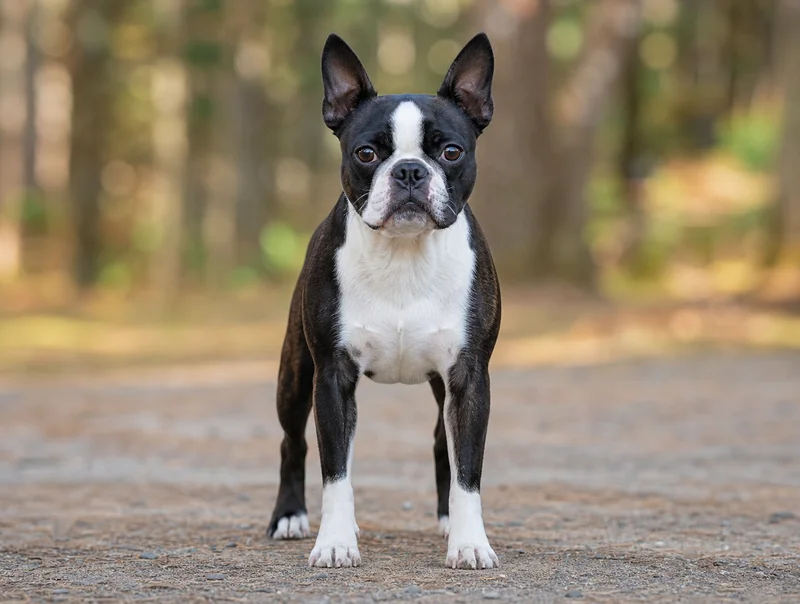
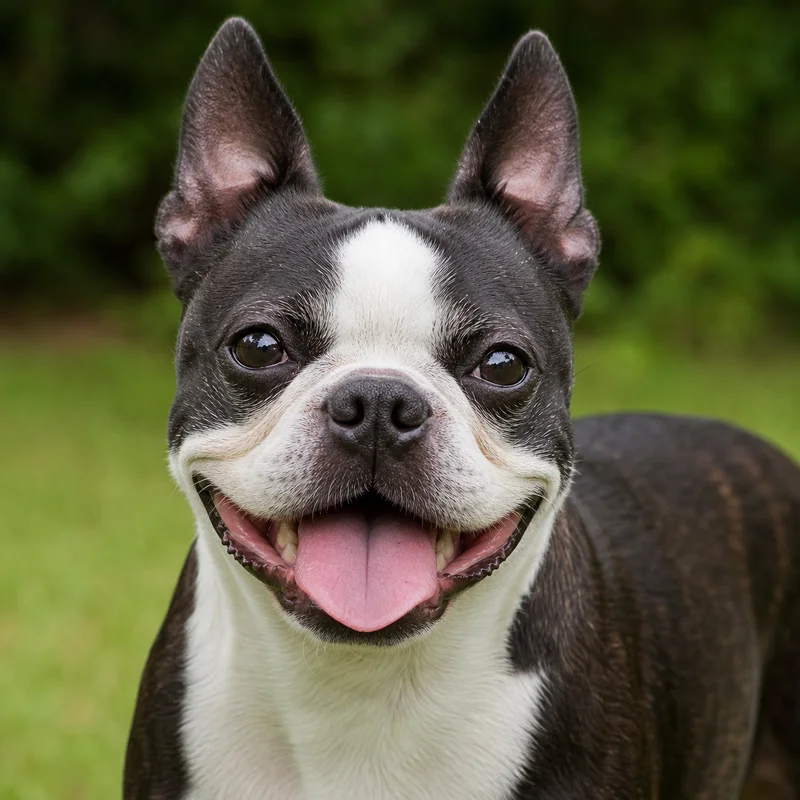
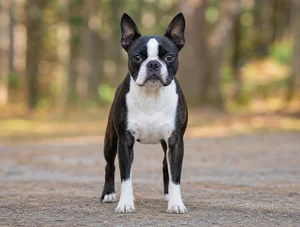
9. Boston Terrier

Bostons are friendly, lively little dogs (11–24 pounds) with a tuxedo coat and an easygoing nature. They're patient with children and adapt well to apartment life. Grooming is a minimal commitment (1/5), and their shedding is low (2/5), which makes them one of the low maintenance dogs in the coat department.

But: Their flat face means they overheat quickly and struggle in high heat. They can be stubborn (trainability 4/5, but a strong will), and some are legendary gassers. They need two 10–15 minute daily sessions to stay happy.

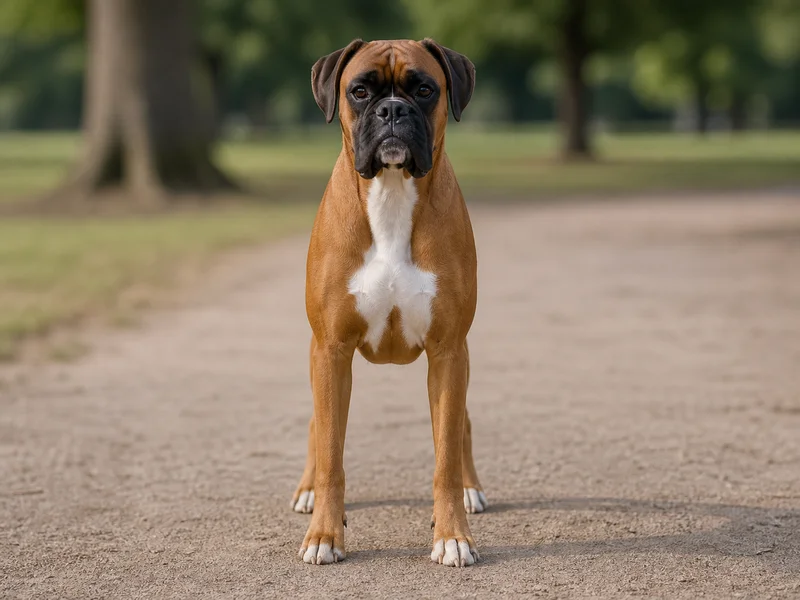
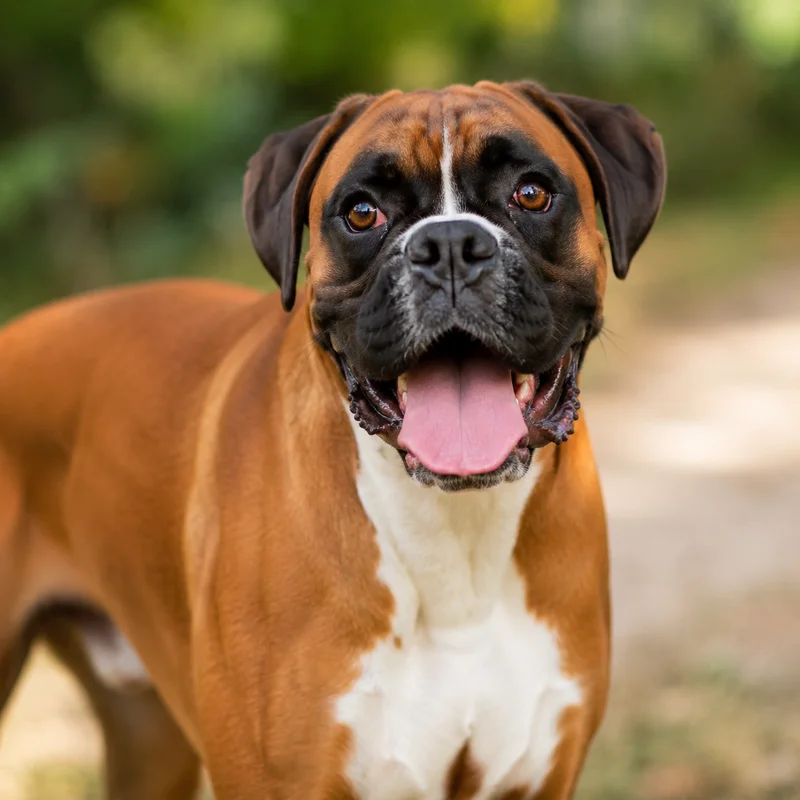
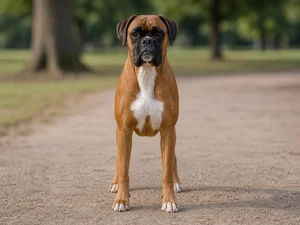
10. Boxer

Boxers are playful, loyal clowns who adore their people. At 55–71 pounds, they're protective without being aggressive and are listed as good with kids. Their affection level is 5/5, and their short coat is wash-and-wear (grooming 2/5).

But: Boxers are high-energy (4/5) and can accidentally knock toddlers flat with their enthusiastic greetings. They're not recommended for first-time owners and require consistent training from day one. This is not a low-effort match for families that want a quiet, low-energy dog.


A final word to parents: No matter which breed you choose, supervision is non-negotiable. Even the gentlest dog can snap if hurt or startled. Teach children to respect the dog's space, read subtle body language (yawning, lip licking, turning away are all signs of stress), and never interrupt a dog when eating. Start socialization early, use reward-based training, and you'll stack the deck in favor of a lifelong friendship.

Breeds mentioned in this article

Free dog tools

Useful calculators for dog owners

All tools →

Dog Diary

More articles you might like

All articles →

Find your perfect dog

Browse our in-depth breed guides:

Share