Choosing Our First Dog for the Kids: The Shortlist That Actually Made Sense
Life With DogsBy Best Family Dog Breeds Editorial Team

Choosing Our First Dog for the Kids: The Shortlist That Actually Made Sense

Google said “best dog breeds for kids.” Our real homework started there—and quickly moved past cute pictures to the list that actually fit our life.

How this guide fits the topic

This is one family’s diary, not a universal ranking. Use the comparison guide for a broader child-focused shortlist.

Best Dog Breeds for Kids

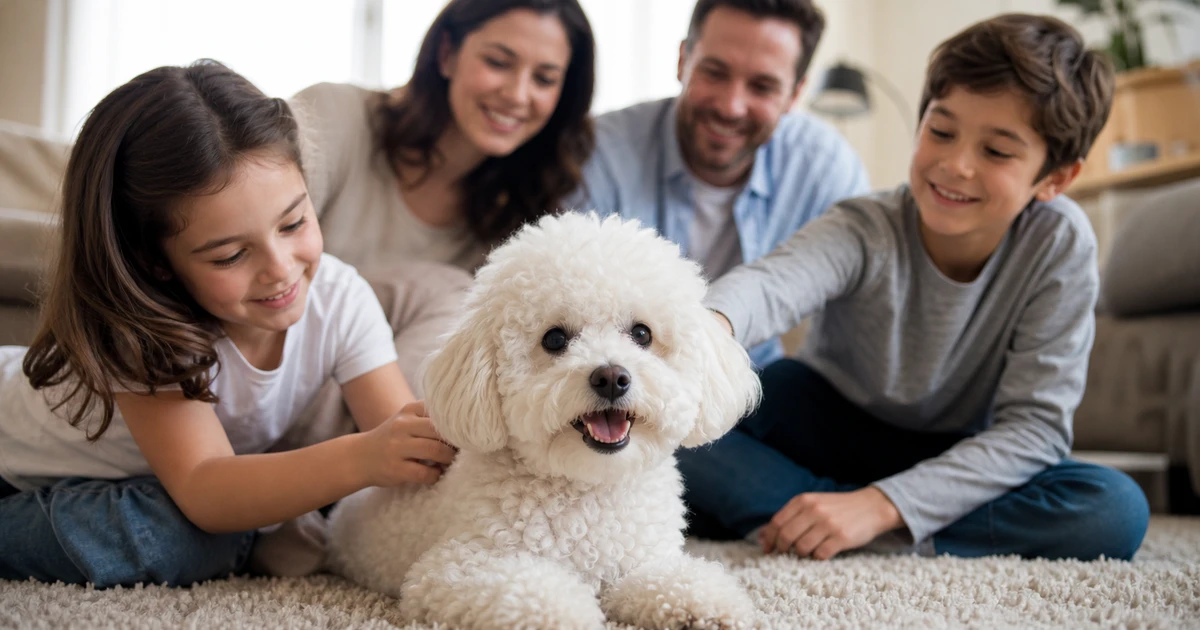
Google said “best dog breeds for kids,” and for about two days we just looked at photos. After the fifth scroll of fluffy puppies, we realized we were making a decision based on who looked cutest in a bow tie. That’s when we stopped scrolling and started asking what actually makes a dog good for a household with young children, a smallish yard, and two adults who haven’t owned a dog since childhood. It turns out the right question isn’t “Which breed do the kids like?” It’s “Which breed can we genuinely give a good life to while keeping our kids safe and our sanity intact?”

We landed on six breeds—Bichon Frise, Beagle, Pug, Boston Terrier, Havanese, and Coton de Tulear—because they kept reappearing on lists of best dog breeds for families and each one had a mix of size, temperament, and care needs that seemed workable. But the deeper we dug, the more we realized that the scores on a website only tell half the story. You really have to read between the numbers.
The Fluffy Trap and the Shedding Surprise

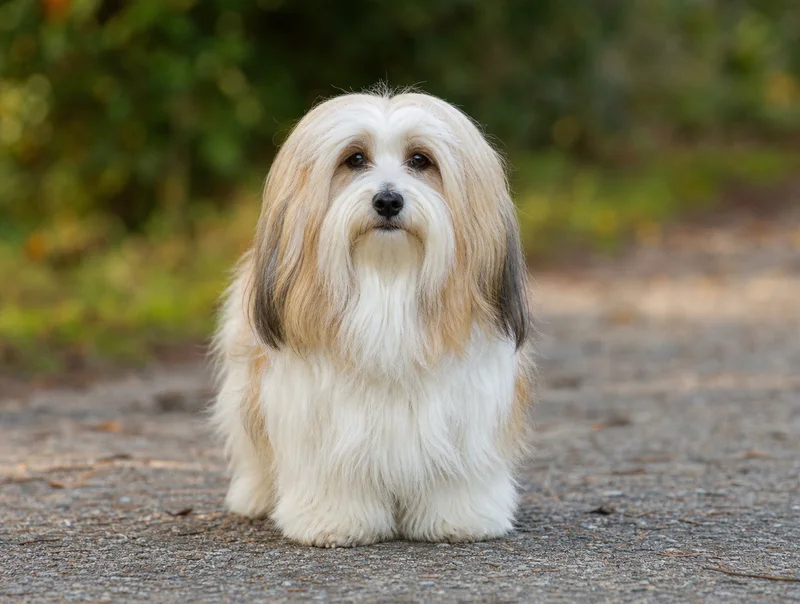
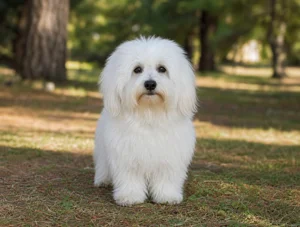
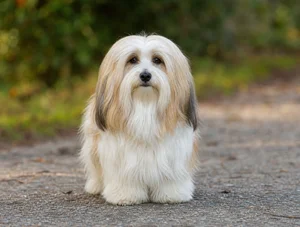
We were drawn to the small fluffy dog breeds immediately—who wouldn’t want a living cotton ball? The Coton and the Havanese top out around 15 pounds, barely shed (score of 1 on the usual 1–5 scale), and get along famously with gentle kids. Then we saw the grooming needs: both around a 4 out of 5. That daily combing and a professional cut every four to six weeks isn’t optional; it’s the price of having a coat that doesn’t leave drifts of fur on the sofa. We had to ask ourselves honestly if we’d keep that up when life got busy. The Bichon Frise is the same story—a low-shedding, playful, affectionate little dog (shedding 1, grooming 4) that rewards your brushing efforts with a happy attitude and low shedding in the DB. But those effort requirements are real, especially with kids who’d rather play than help with coat care.

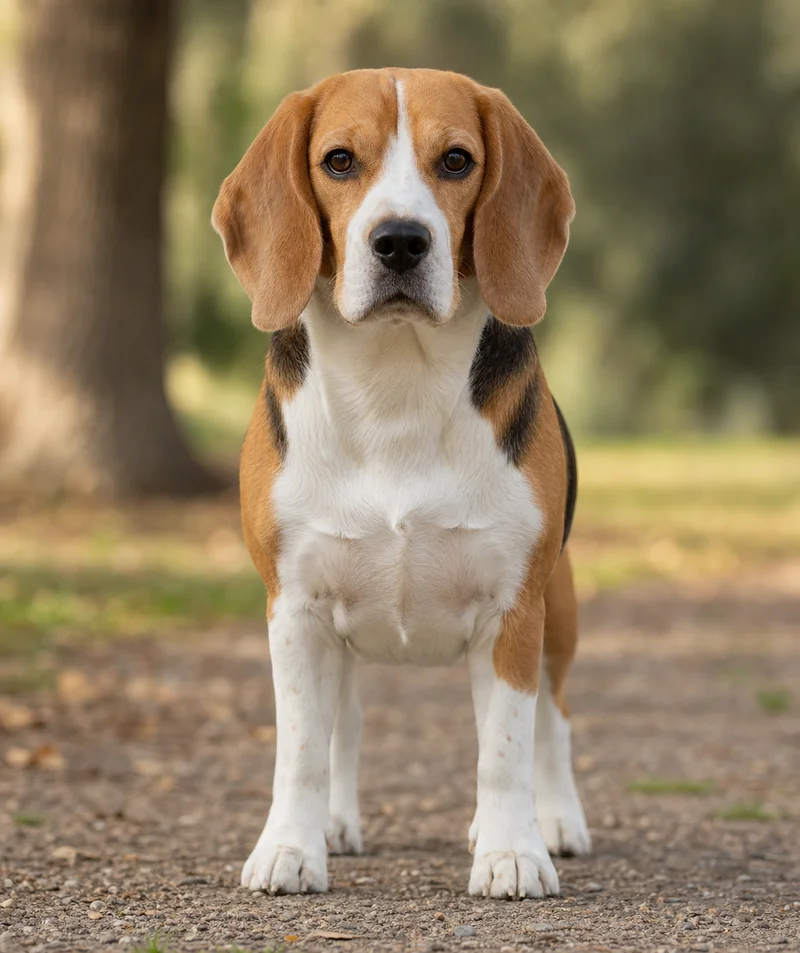
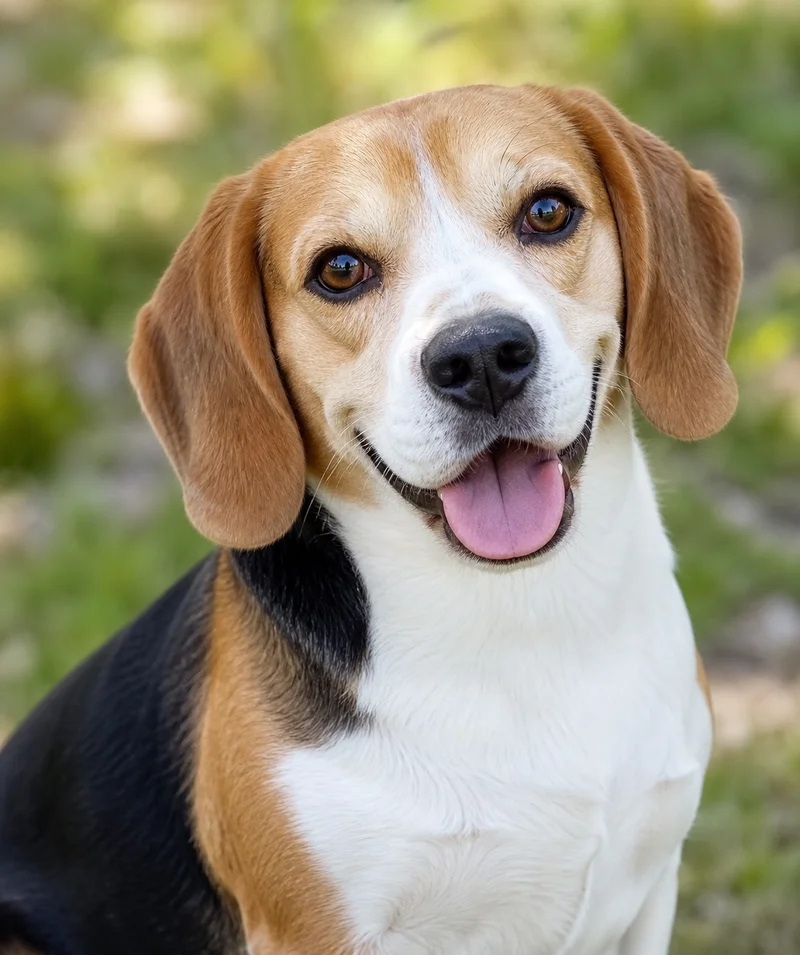
On the other end of the spectrum sat the Beagle. A Beagle sheds just enough to notice (score of 3) but his grooming needs are blessedly low at a 2. Short coat, weekly brush, done. The catch? Energy. Beagles clock in at a 4, and their need for daily movement is serious—think a couple of 30-minute sniff-heavy walks, not a quick lap around the block. Our yard is modest, and learning that a Beagle’s nose has a way of overriding recall fast made us pause. A fenced area is non-negotiable, and the famous Beagle bay (barking score: 4) would need training so we didn’t annoy every neighbor.

Energy vs. Snoring: The Pug and the Boston

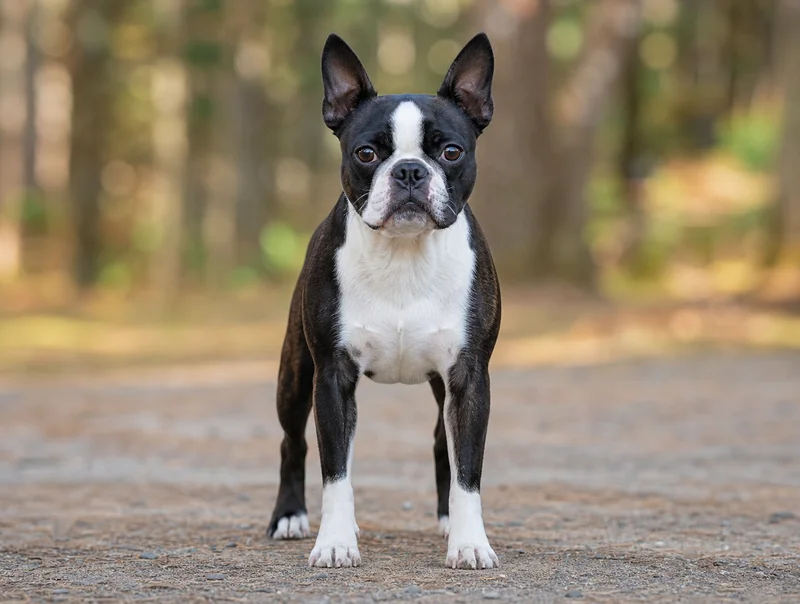
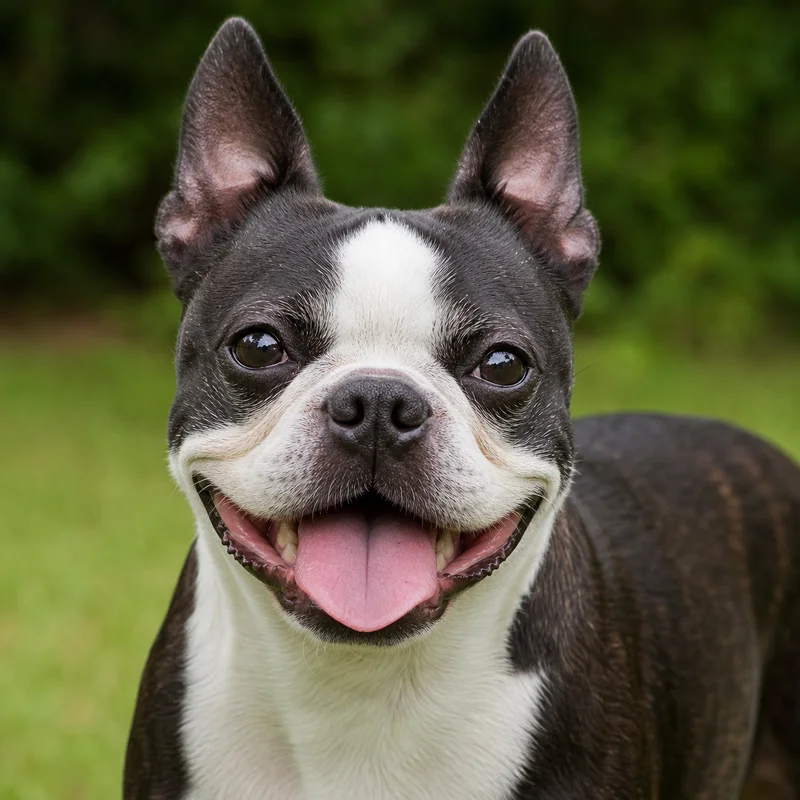
The Pug was the wildcard. Energy score of 2—the lowest on our list. Pugs thrive in apartments, adore everyone, and their exercise needs are gentle. But that sweet, flat face comes with real weather limitations: heat and humidity are dangerous, and heavy breathing after a short walk is normal. Kids would have to learn to be calm around a dog who can’t play hard without overheating. The Boston Terrier, meanwhile, brought similar companionship (affection score of 5) in a slightly sportier package. Energy level 4, but in short bursts. A couple of 10-minute play sessions and a walk suit a Boston fine, and his coat is the easiest of any breed we considered—shedding 2, grooming 1. He’s a compact, tuxedoed charmer who rarely barks without reason. However, that simple coat did not erase the need for play, training, and supervision.

The Moment the List Got Serious

We had a turning point during a family talk. Our youngest asked if the dog would sleep in her bed, and we realized we had to have a hard conversation about rules before any dog walked through the door. This wasn’t about picking a breed anymore—it was about picking up a whole new set of household habits.

We learned that every one of these breeds—no matter how “kid-friendly” the label—needs supervision around children. A wagging tail doesn’t mean a dog wants to be hugged while eating or jostled during a nap. We’d have to teach the kids to read body language: a stiff posture, a hard stare, or a tucked tail all mean “give me space.” We’d need a consistent rule about leaving the dog alone when he’s eating or resting in his crate. That’s not being overly cautious; it’s how you keep a good-natured dog good-natured. The low maintenance dogs article we’d read earlier suddenly made sense in a different way—low maintenance isn’t just about grooming; it’s about a dog whose daily needs you can realistically meet without cutting corners.

We also had to own the fact that the walks, the training, the vet visits, the clean-up—those would fall on the adults. The kids could help, but the responsibility was ours. A Havanese, for all his clownish charm (energy 3, trainability 4), will become anxious and destructive if left alone for long workdays. We’d need a plan for those days. A Coton, with that 15–19 year lifespan, meant we were making a two-decade commitment. Every breed on our list is a first-time-owner-friendly dog, but that doesn’t mean hands-off. It means they’re forgiving of mistakes if you’re willing to learn consistency and patience.

What We Actually Learned

We never picked a single winner from the shortlist. Instead, we got clear on what our family could honestly offer. We could handle a moderate-energy dog (around a 3) with daily walks and indoor play. We could commit to brushing a fluffy dog—but only if we scheduled it like a household chore. We absolutely could not provide the off-leash adventure a Beagle’s nose demands, and we weren’t sure we could stay on top of a Pug’s wrinkle cleaning without it slipping through the cracks. The Boston Terrier’s blend of affection, trainability (4), and apartment-friendly size made a strong case. So did the Bichon’s cheerful adaptability, as long as we made peace with the grooming bill.

In the end, “best dog breeds for kids” stopped being a search term and started being a conversation about what our kids would need to learn, what we’d need to change, and which dog could slot into our real life—not a dream one. That’s the shortlist that actually held up.

Breeds mentioned in this article

Free dog tools

Useful calculators for dog owners

All tools →

Dog Diary

More articles you might like

All articles →

Find your perfect dog

Browse our in-depth breed guides:

Share