Best Large Dog Breeds for Families With Kids
Choosing & ComparingBy Best Family Dog Breeds Editorial Team

Best Large Dog Breeds for Families With Kids

Looking for a big, kid-friendly dog? These gentle giants bring love and loyalty — but they also need space, training, and a good vacuum. Find your match.

Family decision guide

Looking for a larger family dog?

Best for: Homes with enough space, exercise time, and adults comfortable managing a powerful dog.

Watch out: Even gentle large dogs can knock over children and cost more to feed, insure, and treat.

This page answers the narrower question best large dog breeds for families and kids. For the full shortlist across sizes and lifestyles, start with our best dog breeds for families guide, or use the Family Dog Fit Matrix.

A 100-pound dog who thinks he’s a lapdog, a furry nanny who watches over the kids, a 45-mph couch potato — the world of large family dogs is full of surprises. But before you bring that giant bundle of love home, you need to know which breeds handle the chaos of family life without becoming a liability.

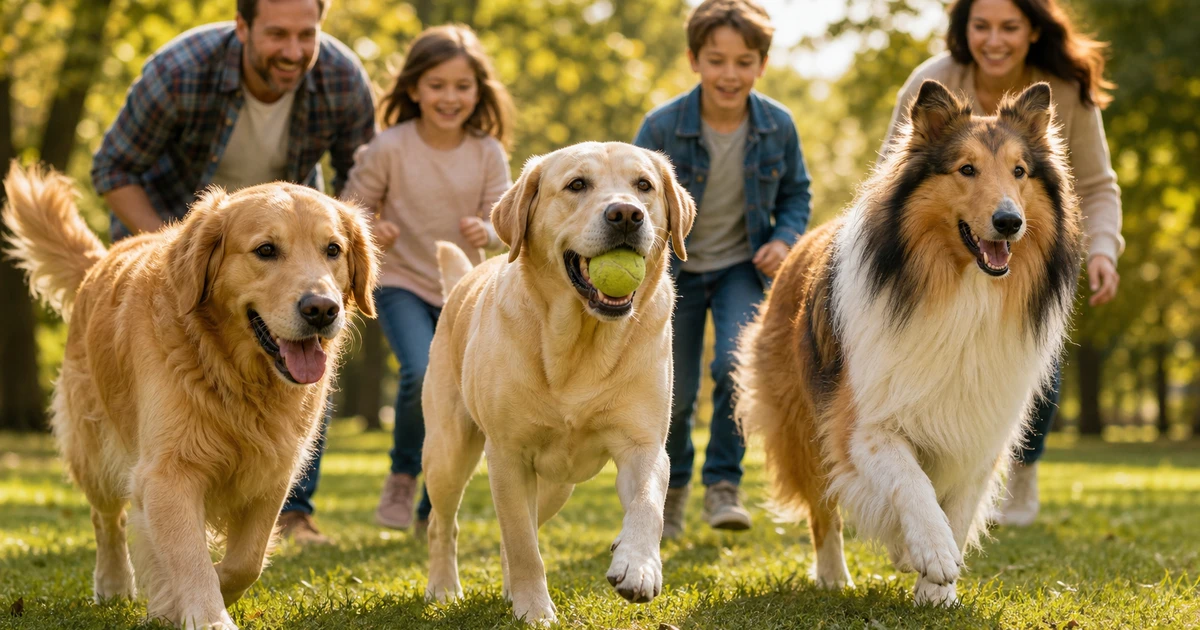
Big dogs and kids can be a magical match when you pick the right breed. The best dog breeds for families share patience, steadiness, and a genuine fondness for children. But don’t mistake size for sturdiness: a happy tail at shin height can knock over a toddler. Shedding can coat your furniture, and some of these breeds need an experienced handler to channel their intelligence and energy. Here are eight large breeds that often top the list, along with honest reasons to think twice.
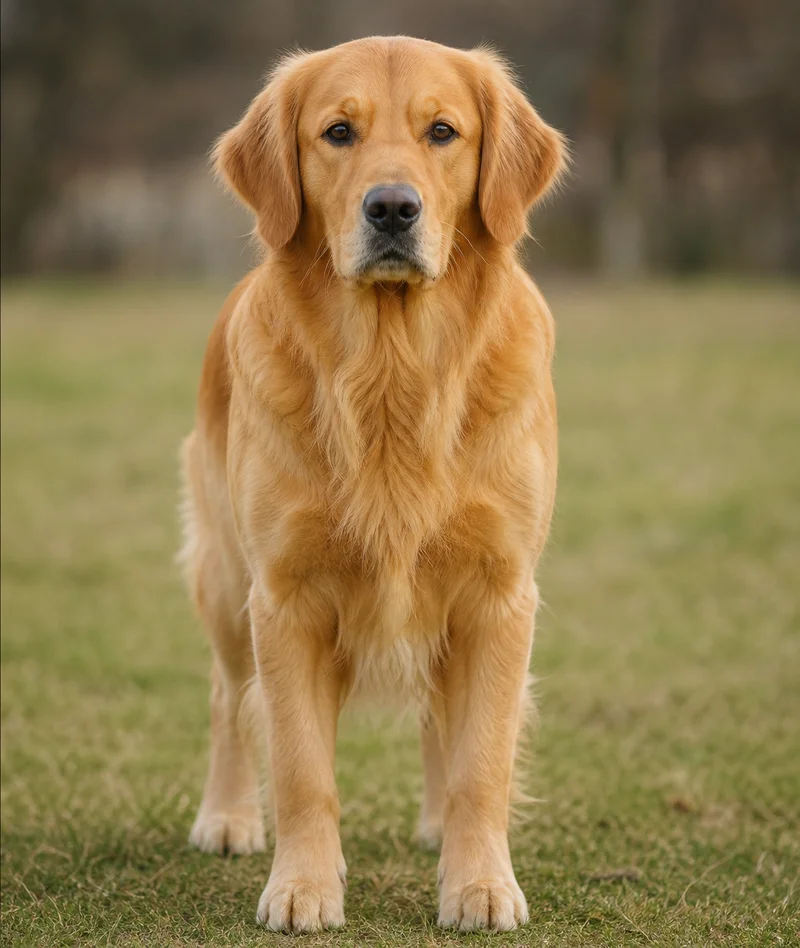
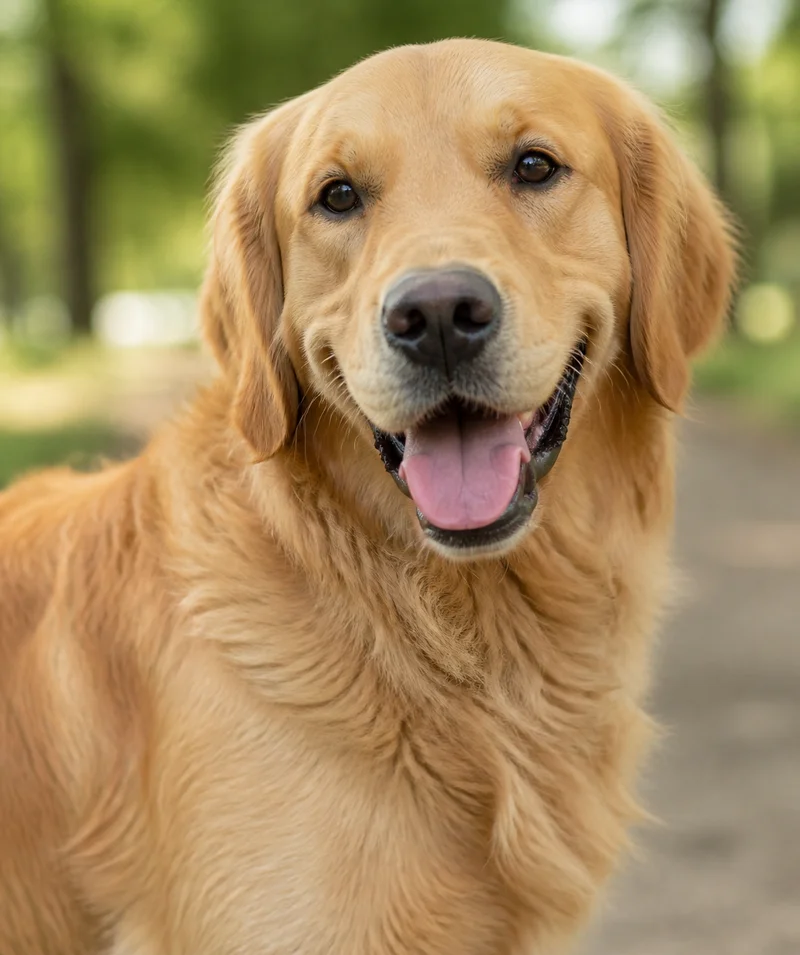
Golden Retriever

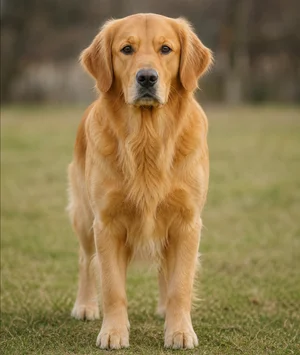
The Golden Retriever is the poster child for family dogs: friendly, intelligent, devoted, and utterly forgiving. With an affection score of 5 and a “good with kids” badge, they’ll retrieve toys, join nap time, and greet the mailman like an old friend. Expect shedding at 5/5 (5) — you’ll find golden fur on every surface — and high energy (4) that demands regular activity and human connection. Skip this breed if you can’t stand hair or want a dog who’s content with a quick walk and alone time.

Labrador Retriever

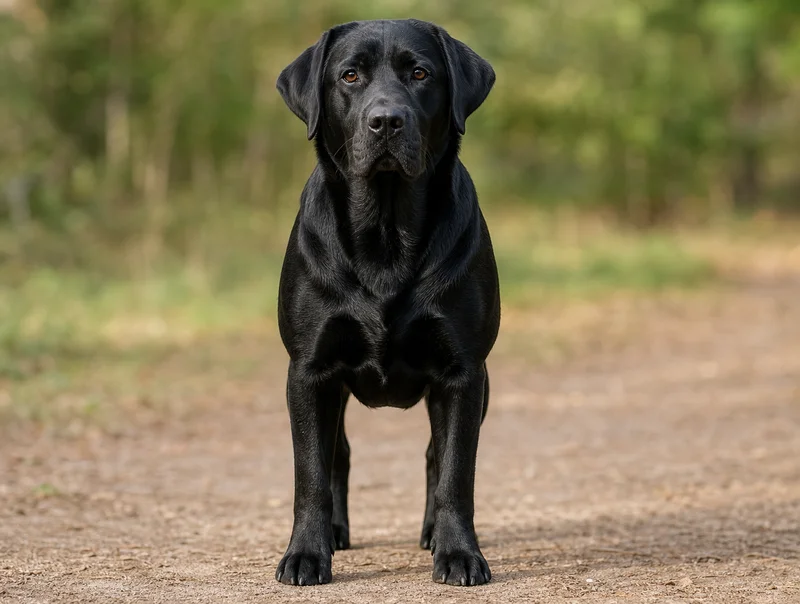
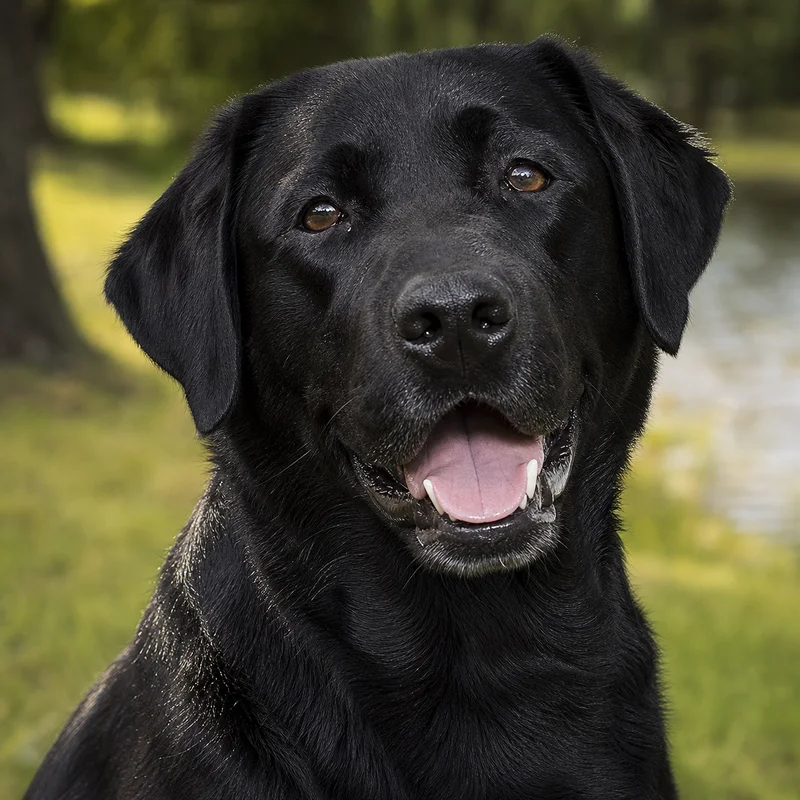
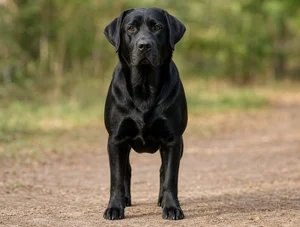
Labrador Retriever — synonymous with “happy-go-lucky.” These sturdy retrievers (55–82 lb) are famous for their gentle mouths and endless patience with kids. They score top marks in trainability (5) and affection (5), but match that with high energy (4) and solid shedding (4). Labs live to eat, play, and be with their people; left alone too long, they’ll find their own “fun.” Skip this breed if you can’t provide vigorous daily activity and don’t want a dog who treats every puddle like a swimming pool.

Collie

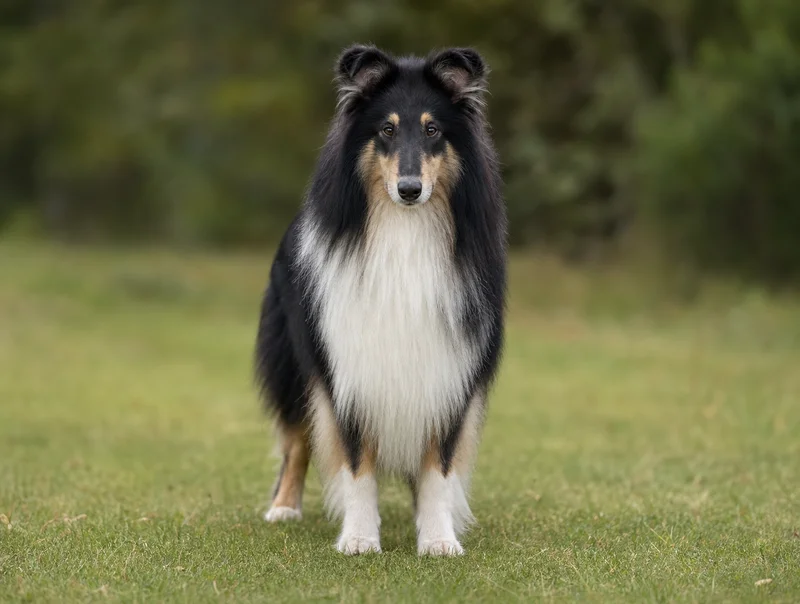
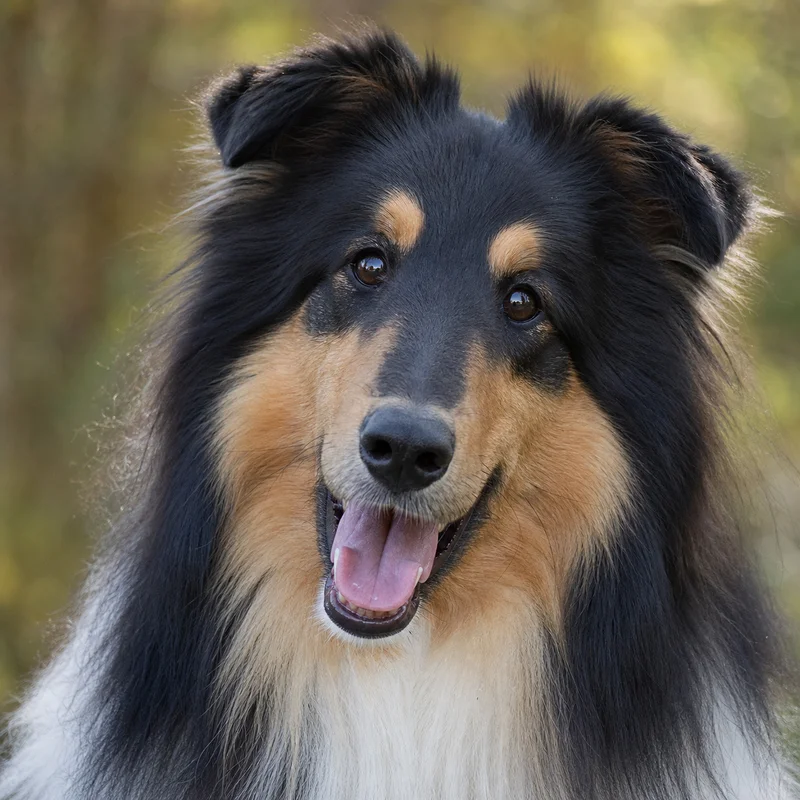
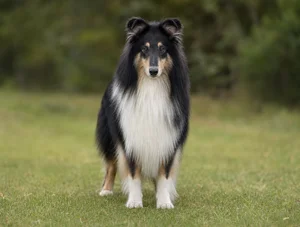
The Collie combines grace with a watchful, gentle nature. With a trainability of 5, they learn fast and thrive on positive reinforcement. They’re famously patient with kids but have a herding instinct that can lead to heel-nipping at running children. Be prepared for barking (4) — they’ll alert you to every squirrel and delivery — and steady shedding (4) that blows seasonally. Skip this breed if you want a silent dog or can’t commit to regular brushing and exercise that engages their active mind.

Greyhound

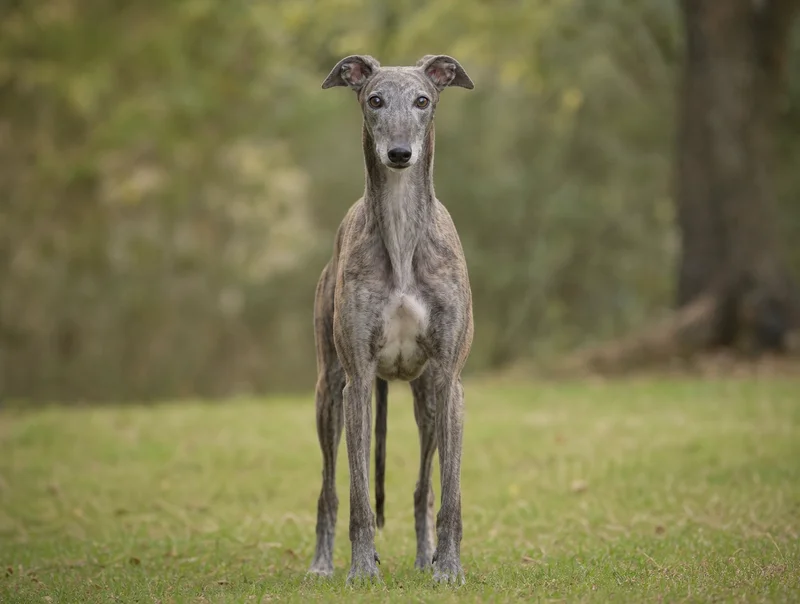
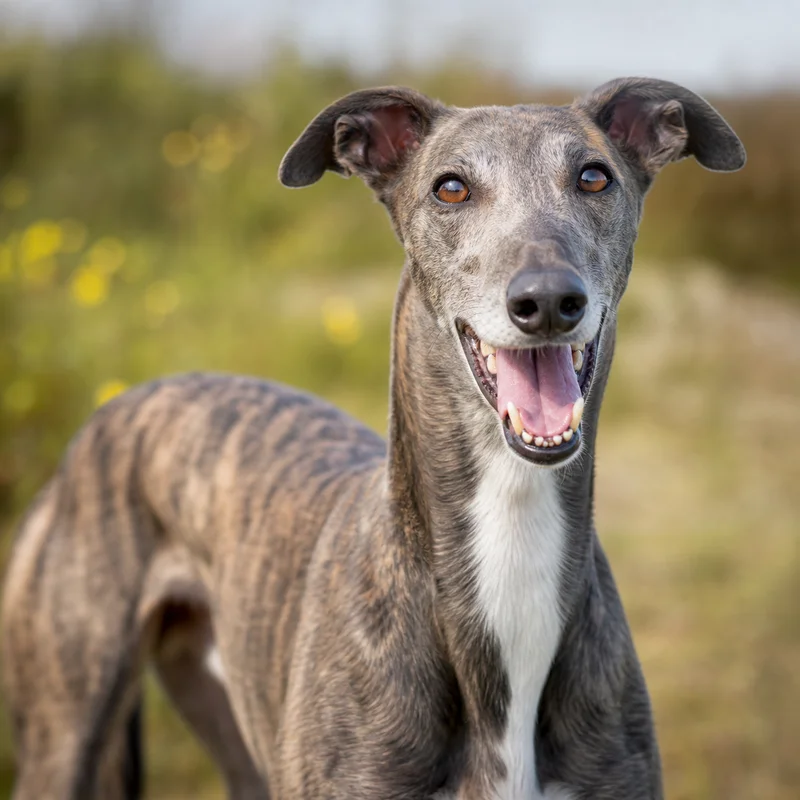
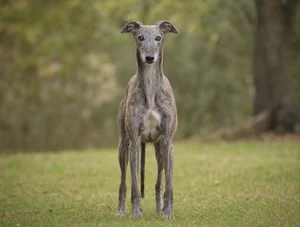
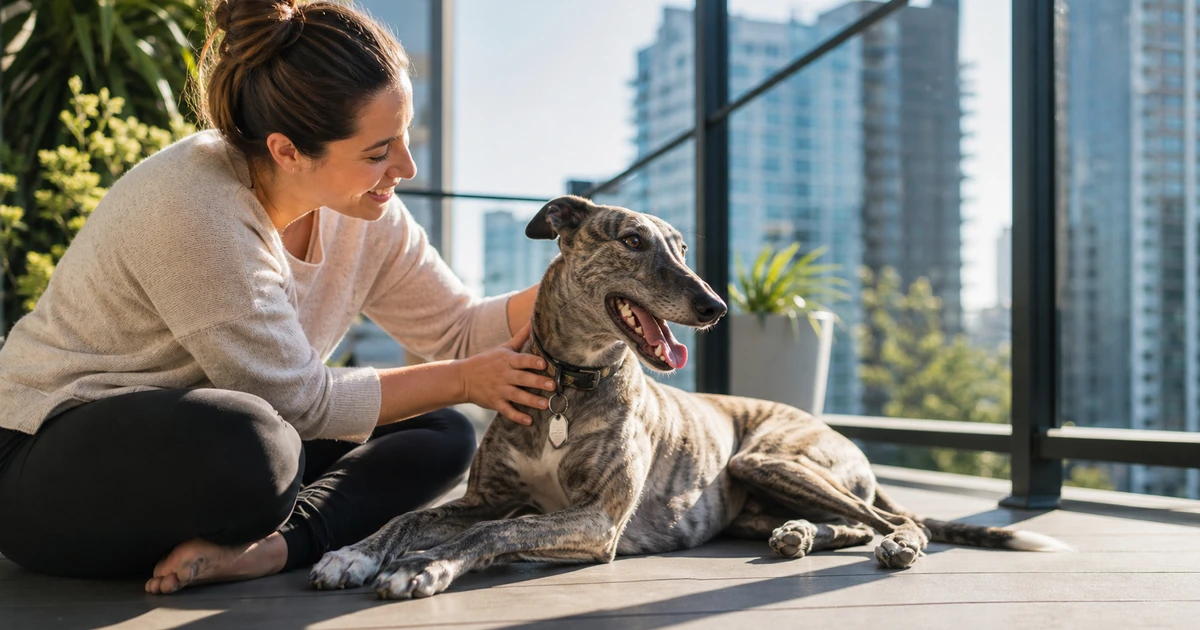
Don’t let the racing pedigree fool you — the Greyhound is a laid-back lovebug. With low shedding (2) and minimal grooming (1), they’re one of the more low maintenance dogs on this list. They’re calm indoors, rarely bark (1), and are content to nap after a short sprint. At 60–66 lb, they’re large but lean, and they lean into their people with quiet affection (4). Skip this breed if you have small pets that might trigger their instinct to chase, or if you don’t have a securely fenced area for off-leash zoomies.

Bernese Mountain Dog

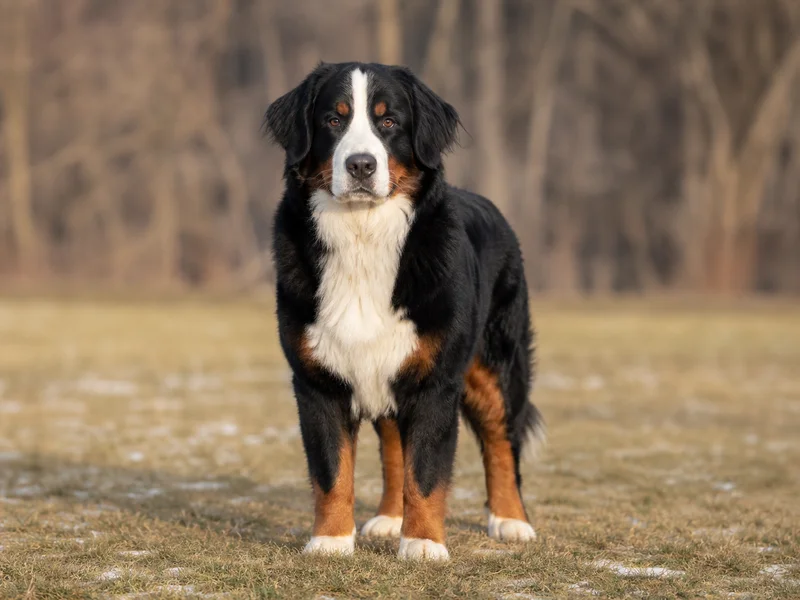
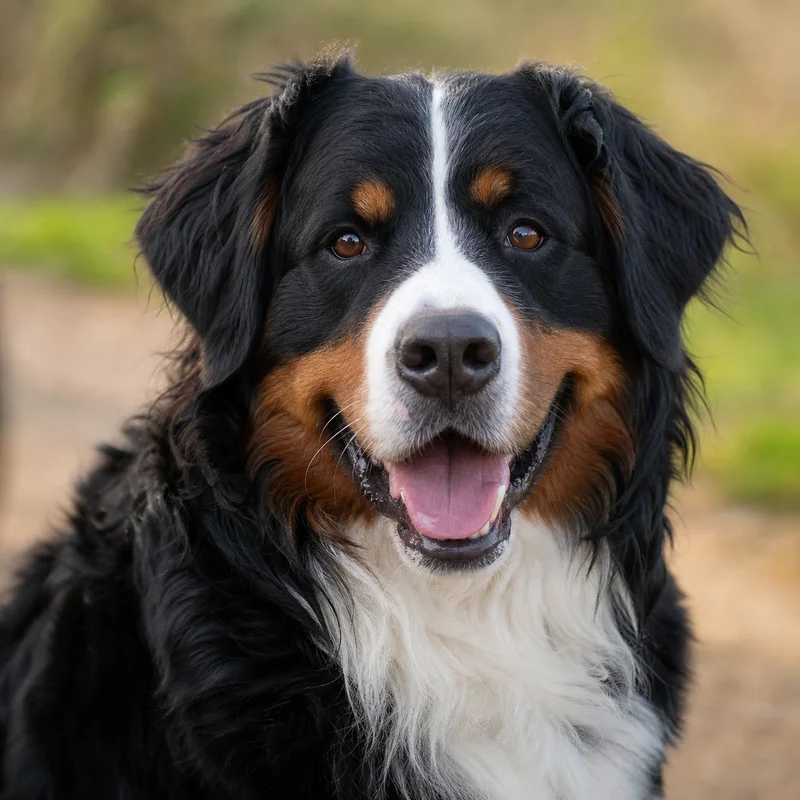
The Bernese Mountain Dog is a tricolor teddy bear: gentle, affectionate (5), and famously patient with kids. But at 71–120 lb, they can accidentally topple a toddler. Their thick double coat means serious shedding (4) and regular grooming (4). They are moderate-energy (3/5) and deeply affectionate (5/5). The hardest trade-off is a shorter 7–10 year lifespan in the data. Skip this breed if you want a small, tidy, low-shedding dog.

Newfoundland

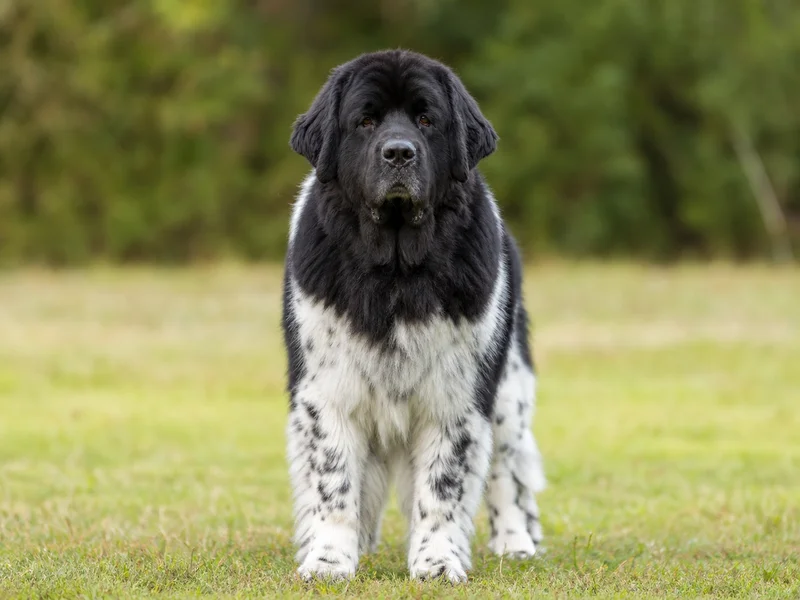
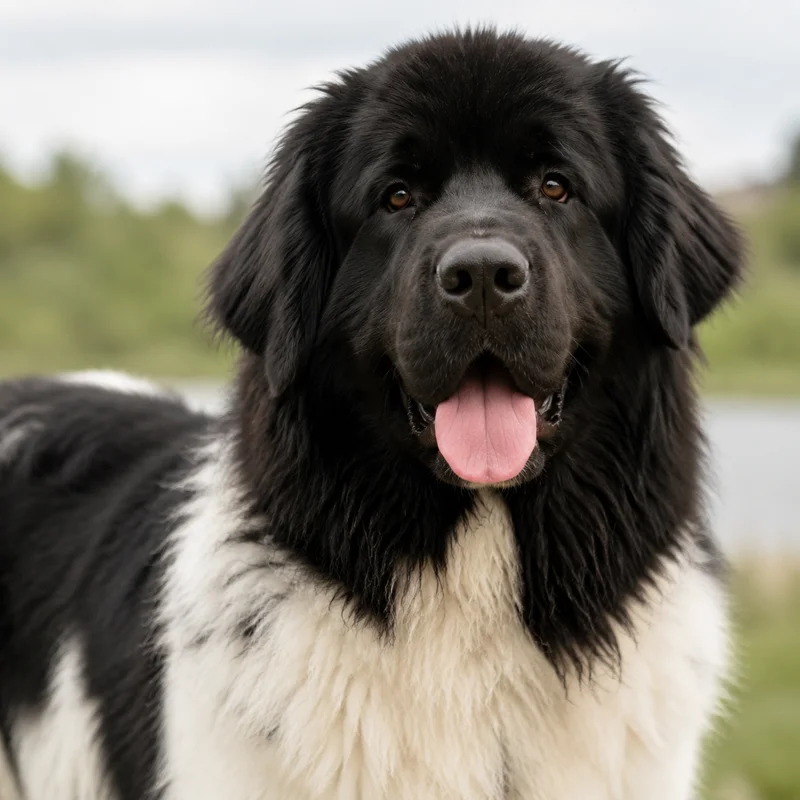
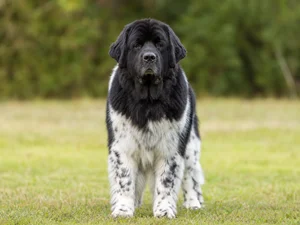
A true gentle giant, the Newfoundland weighs in at 110–152 lb and carries a reputation as a “nanny dog.” Patient, devoted, and affectionate (5), they’re wonderful with respectful kids. But their massive size alone can cause accidental knock-overs. Shedding (4) and grooming (4) are high, and drool is part of the package. They’re moderate-energy (3) and love water. Skip this breed if you’re not equipped for the drool, the fur, and the sheer square footage a Newf occupies — or if you have very young, unsteady children.

Boxer

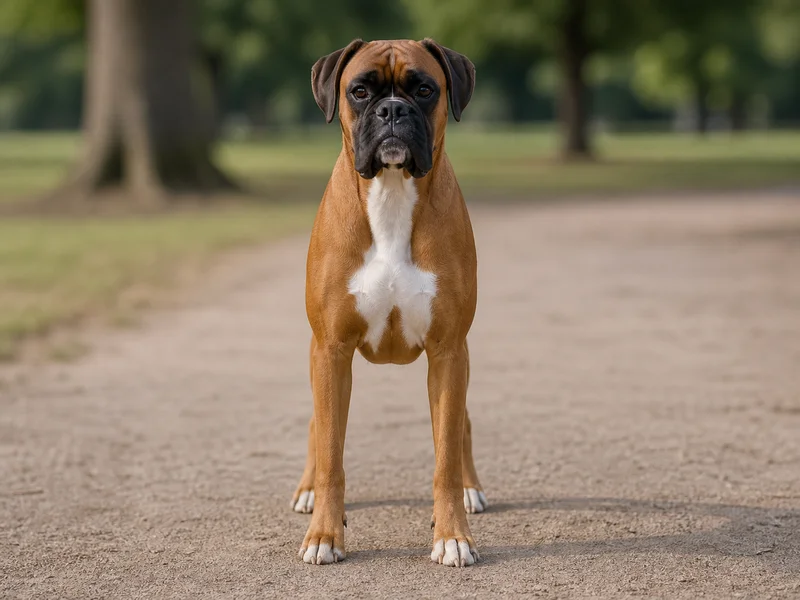
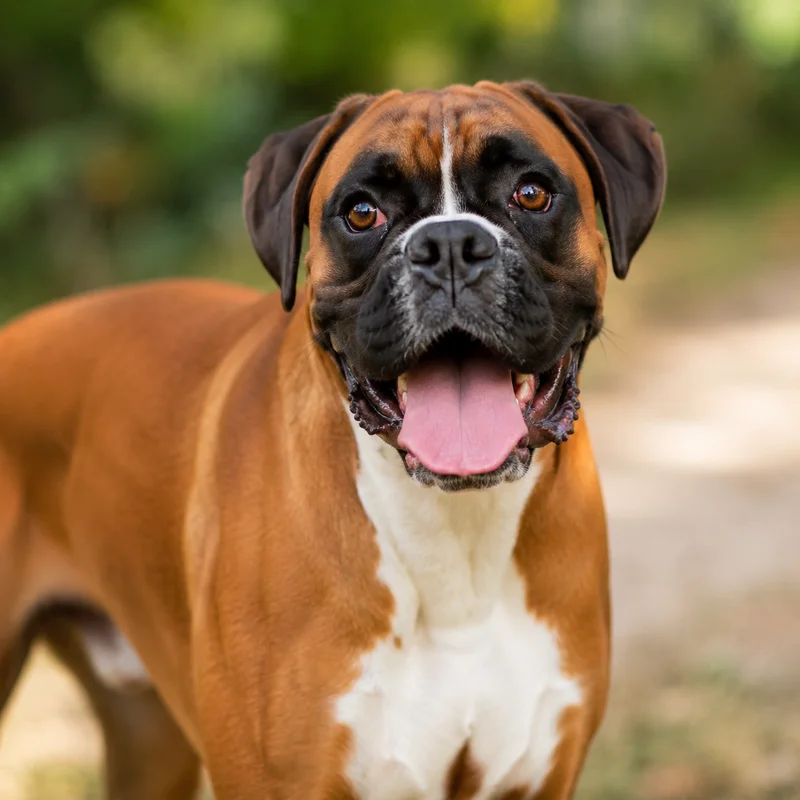
Boxer owners know the breed as a clownish, devoted shadow. They’re protective, playful, and have an affection score of 5. With energy at 4, they need vigorous daily exercise and a training commitment — this is not a casual dog. Boxers are famously patient with kids but can accidentally hip-check a small child. They’re not ideal for first-time owners and struggle with long periods alone. Skip this breed if you’re sedentary, gone all day, or expect a dog that outgrows puppy antics quickly.

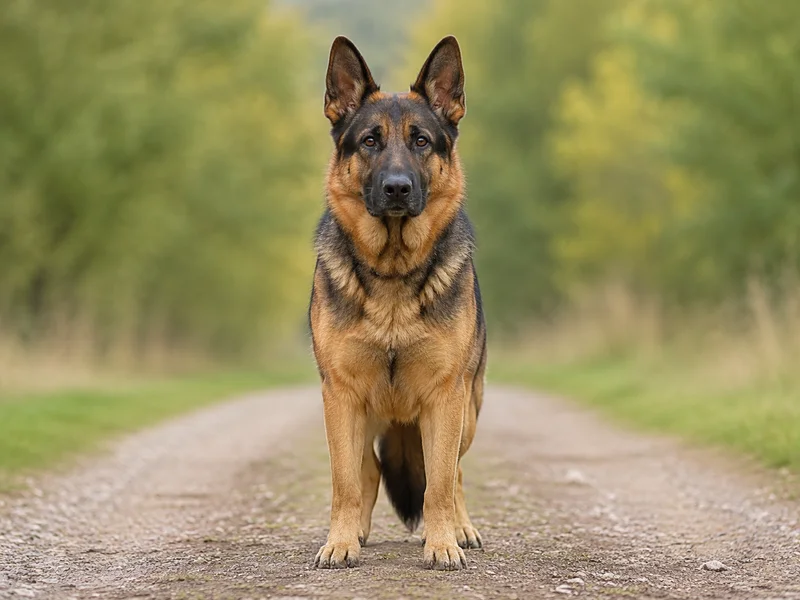
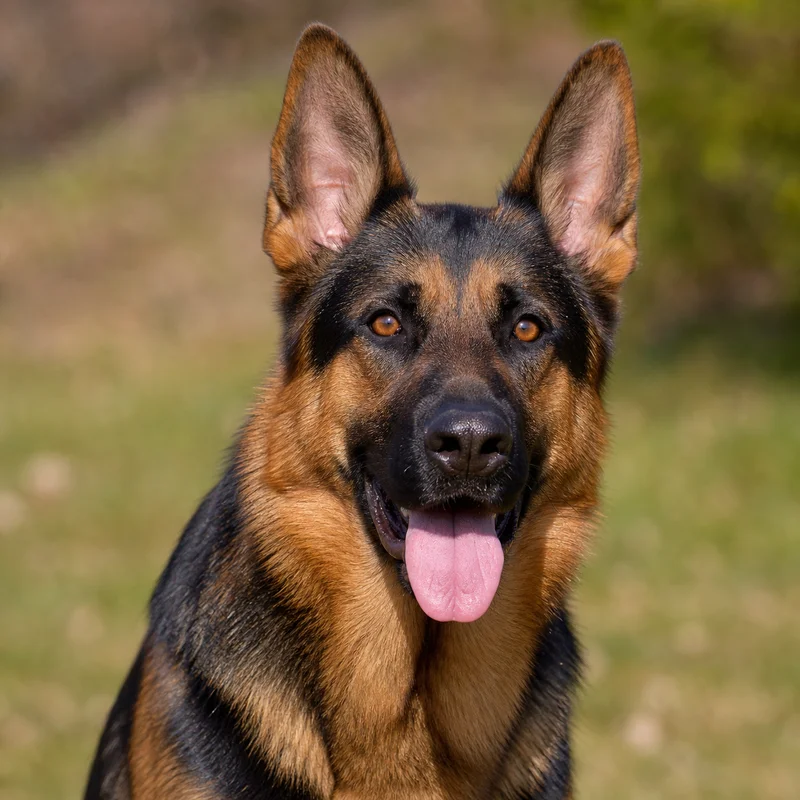
German Shepherd Dog

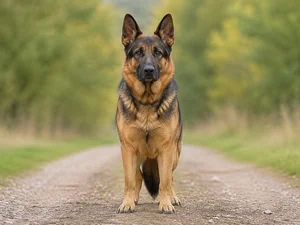
The German Shepherd Dog is brilliant, loyal, and intensely devoted. With top-tier trainability (5) and energy (5), they need a job and an experienced owner. They can be excellent with kids when raised with them, but their protective nature requires careful socialization. Shedding is nonstop (5), so your vacuum will work overtime. Not for first-timers. Skip this breed unless you’re ready for a serious daily commitment to physical and mental exercise, and you have time for consistent training from puppyhood.

Beyond the breed, safety around children comes down to supervision and respect. Teach kids never to interrupt a dog that’s eating or sleeping, and watch for calming signals like lip licking or turning away. Even the most patient dog needs a break. With large breeds, always supervise interactions until everyone learns the rules. A tired, well-socialized dog is far more likely to be the sweet, steady companion you’re hoping for.

Choosing any of these breeds means signing up for years of big-pawed affection — do your homework, and you’ll find a big companion that fits your family well.

Breeds mentioned in this article

Free dog tools

Useful calculators for dog owners

All tools →

Dog Diary

More articles you might like

All articles →

Find your perfect dog

Browse our in-depth breed guides:

Share